Essential Oils
Products with Essential Oils
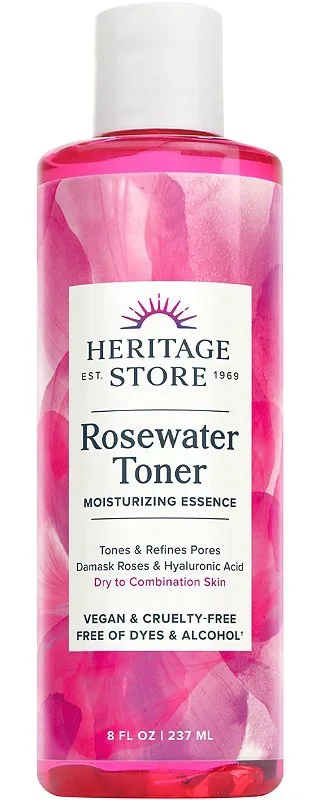 Upgraded Heritage Classic
 Rosewater Facial Toner
The grown-up version of Heritage Store's classic rosewater mist — same authentic Damask rose, but now backed by a triple humectant stack of glycerin, sodium PCA, and hyaluronic acid plus soothing aloe. It's a genuine hydration step rather than a scented refresher, and strong value at around $13. Natural rose fragrance is the one caveat.
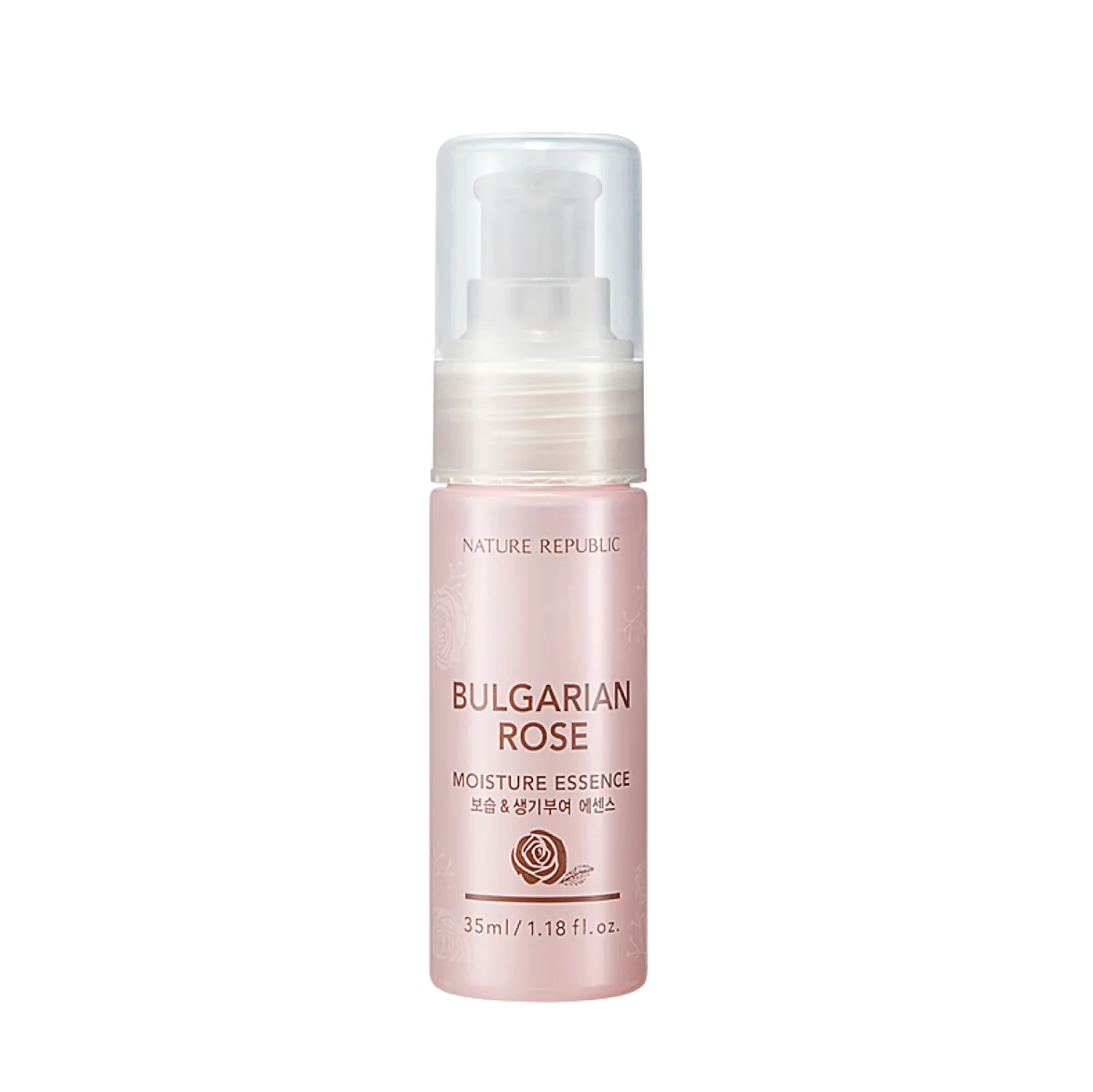 Rose-Scented Budget Essence
 Bulgarian Rose Moisture Essence
A ten-dollar essence that feels like a twenty-five-dollar one — silky silicone glide, a genuine damask-rose scent, a plump first morning — and formulates like a five-dollar one: ethanol fourth in the list, two layers of perfume, and glycerin as the only thing doing any work. Fine for normal, resilient skin that wants a rose-scented primer; not for dry, reactive or serious skin.
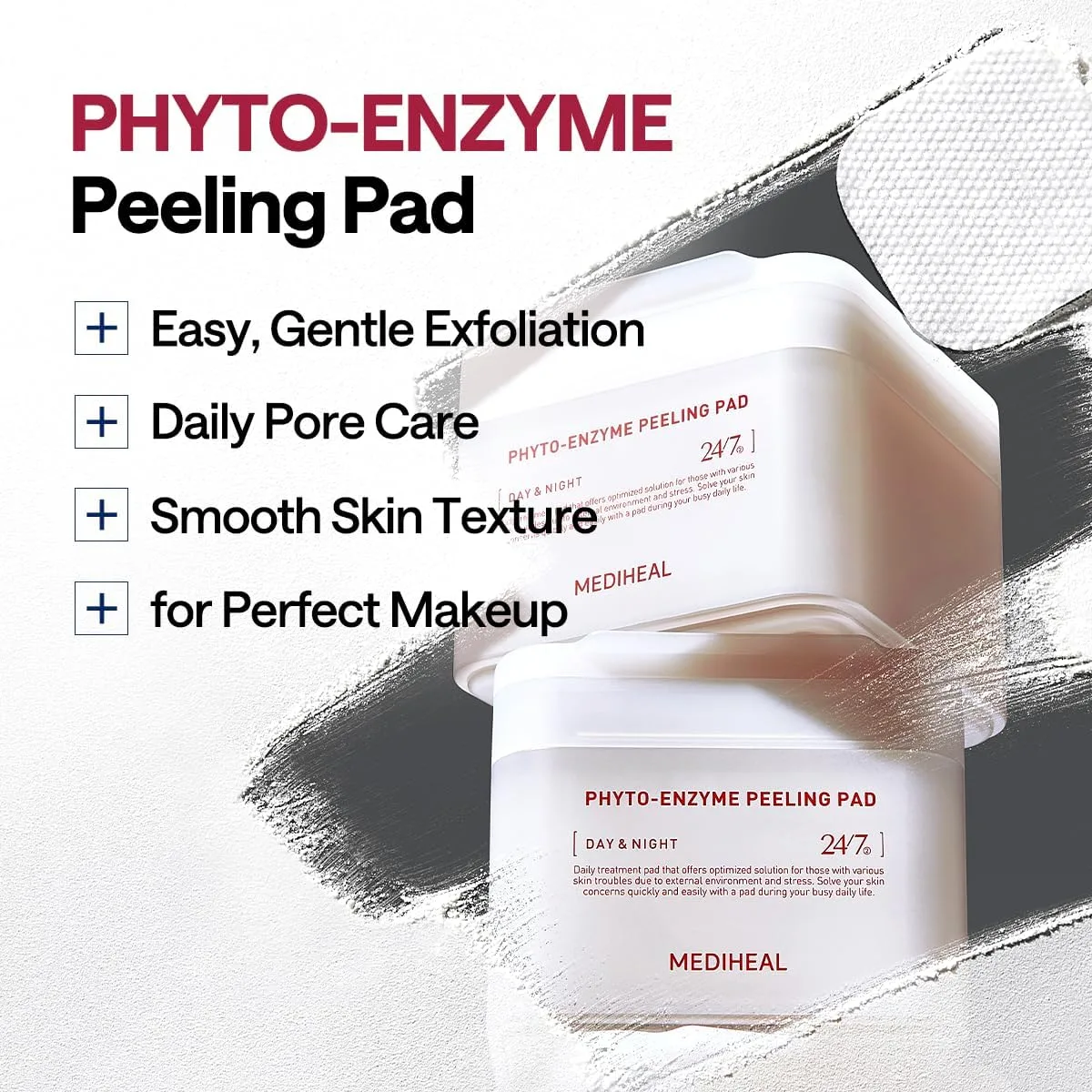 Gentle Peeling Pads
 Phyto-enzyme Peeling Pad
Gentle exfoliating peeling pads — betaine salicylate (a mild BHA), LHA, and papaya enzyme clear pores, control sebum, and smooth texture without a harsh peel, at a big-count value. The recurring catch: they're loaded with essential oils (patchouli, juniper, mugwort, mint), which on freshly-exfoliated skin raises the irritation risk and rules them out for sensitive skin. Genuinely gentle, effective exfoliation for non-reactive congested skin; a skip for the sensitive, and they need sunscreen and moderation.
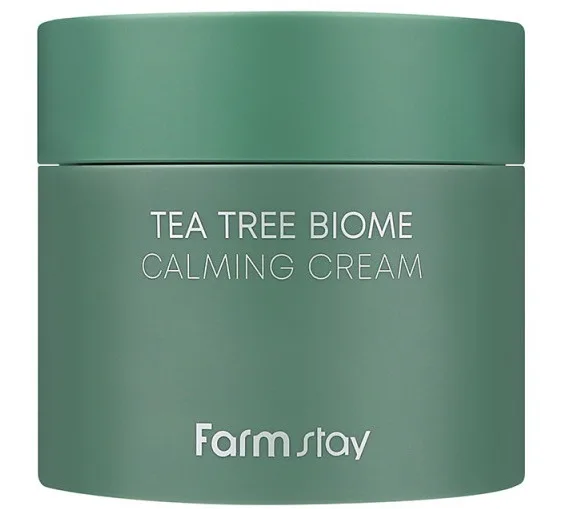 Lightweight Tea Tree Moisturizer
 Tea Tree Biome Calming Cream
A genuinely lightweight, squalane-based tea tree moisturizer with a meaningful ~1% tea tree, well-suited to oily and blemish-prone skin that wants a cream without heaviness. It's the fragranced member of the Tea Tree Biome line, though — mugwort and eucalyptus oils give it a herbal scent that makes it riskier for sensitive skin than the line's fragrance-free ampoule.
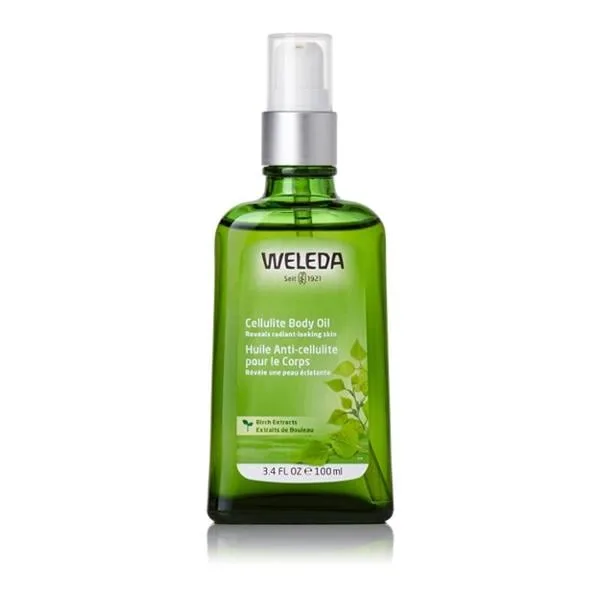 Massage Oil With a Big Claim
 Cellulite Body Oil
A light, well-balanced apricot-jojoba-wheat-germ massage oil with a bright grapefruit-cypress scent that smooths and softens thighs and makes a daily rub a pleasure, carrying birch and butcher's broom extracts and a promise that no topical has been shown to keep. Eight thousand reviewers love the ritual and are split on the dimples, which is the honest result; buy it as a massage oil with a great scent, not as a cellulite treatment.
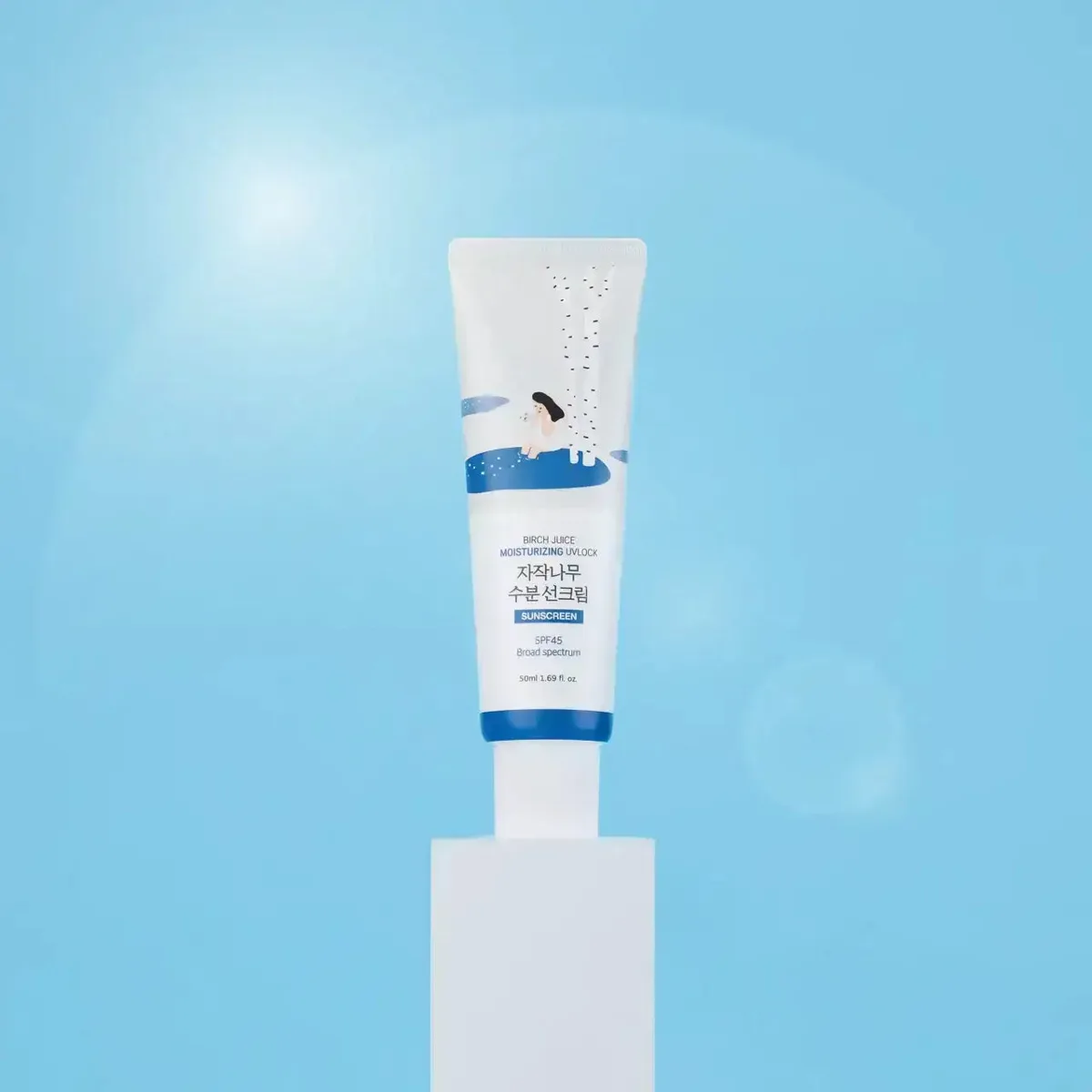 Korea's Bestseller, Rebuilt for the FDA
 Birch Moisturizing Sunscreen UVLock SPF 45 Broad Spectrum
The US rebuild of Korea's bestselling sunscreen, and a good one: avobenzone, homosalate and octisalate with an unusually thorough three-part photostabiliser, the same moisturiser-like, cast-free, dewy finish and the niacinamide-birch-glucoside skincare layer that made the original a phenomenon, sold as a real FDA-compliant drug product at a fair $25. Its limits are the American filter list, avobenzone alone on UVA, homosalate near its ceiling and no water resistance, plus two essential oils the sensitive-skin pitch did not need; for daily, under-makeup, no-cast wear it remains one of the best-liked sunscreens on the US shelf, and honestly so.
 Dry Skin Winter Cleanser
 Intense Hydration Cream Cleanser
A genuinely hydrating cream cleanser that lives up to its name for dry and normal skin types, delivering meaningful moisture through clary sage and cupuaçu butter while cleansing gently with amino acid surfactants. The extensive fragrance allergen list is its Achilles' heel, limiting an otherwise smart formula.
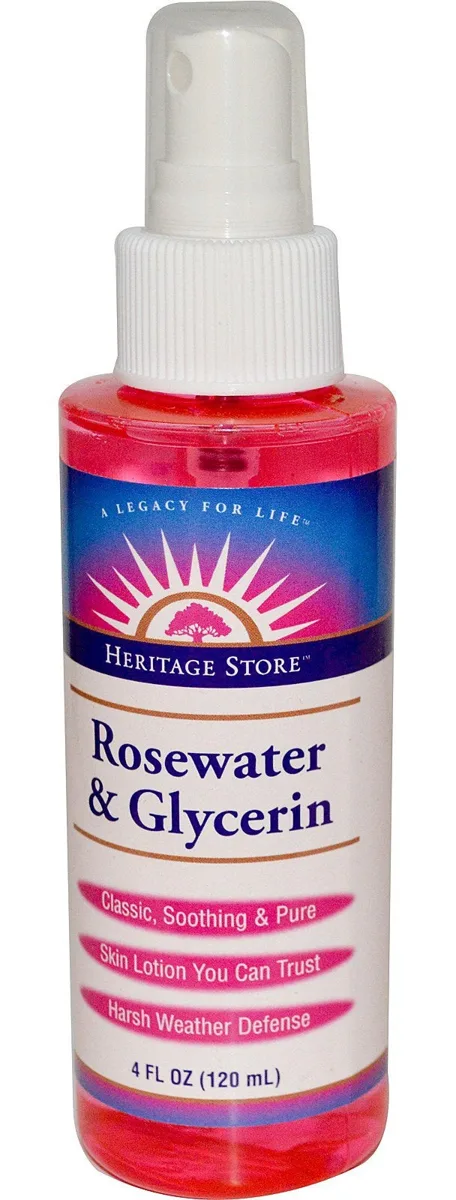 Classic Natural Mist
 Rosewater & Glycerin Spray
A minimalist three-ingredient rosewater mist that has earned its 50-plus years on the shelf through honest formulation rather than active sophistication. Real Bulgarian Damask rose distillate, meaningful glycerin, and water — that's the whole pitch. Genuine value at around $10, broadly suitable, with the natural rose fragrance the only real consideration.
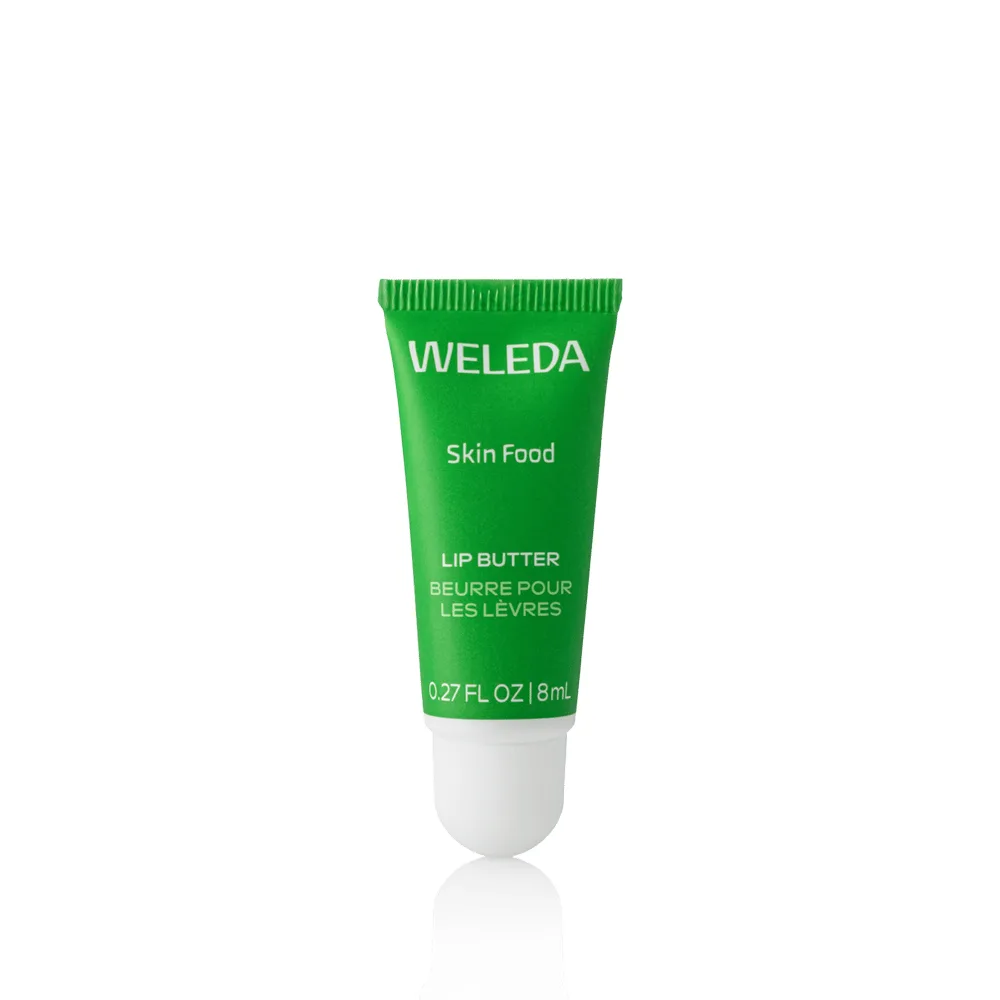 Skin Food, Lip-Sized
 Skin Food Lip Butter
The 1926 Skin Food recipe in an 8ml lip tube: sunflower oil, lanolin second, beeswax third, the four botanicals and the scent. That makes it one of the most effective natural repairs for cracked lips on the shelf, glossy, long-wearing and cheap. The essential-oil fragrance, rosemary and alcohol matter more on lips than anywhere else Weleda uses them, and a real minority tingle, burn or peel. Most people will love it; reactive lips should not try it.
 Japanese Natural-Ingredient Premium Milk Mist
 Vie Moist Milk Mist
Japanese natural-ingredient milk mist featuring plant-based ceramide AP (extracted from Japanese chestnut) and nano-emulsion oil delivery technology. Distinctive formulation distinguishing it from typical aqueous facial mists. Earns its premium pricing through technological depth.
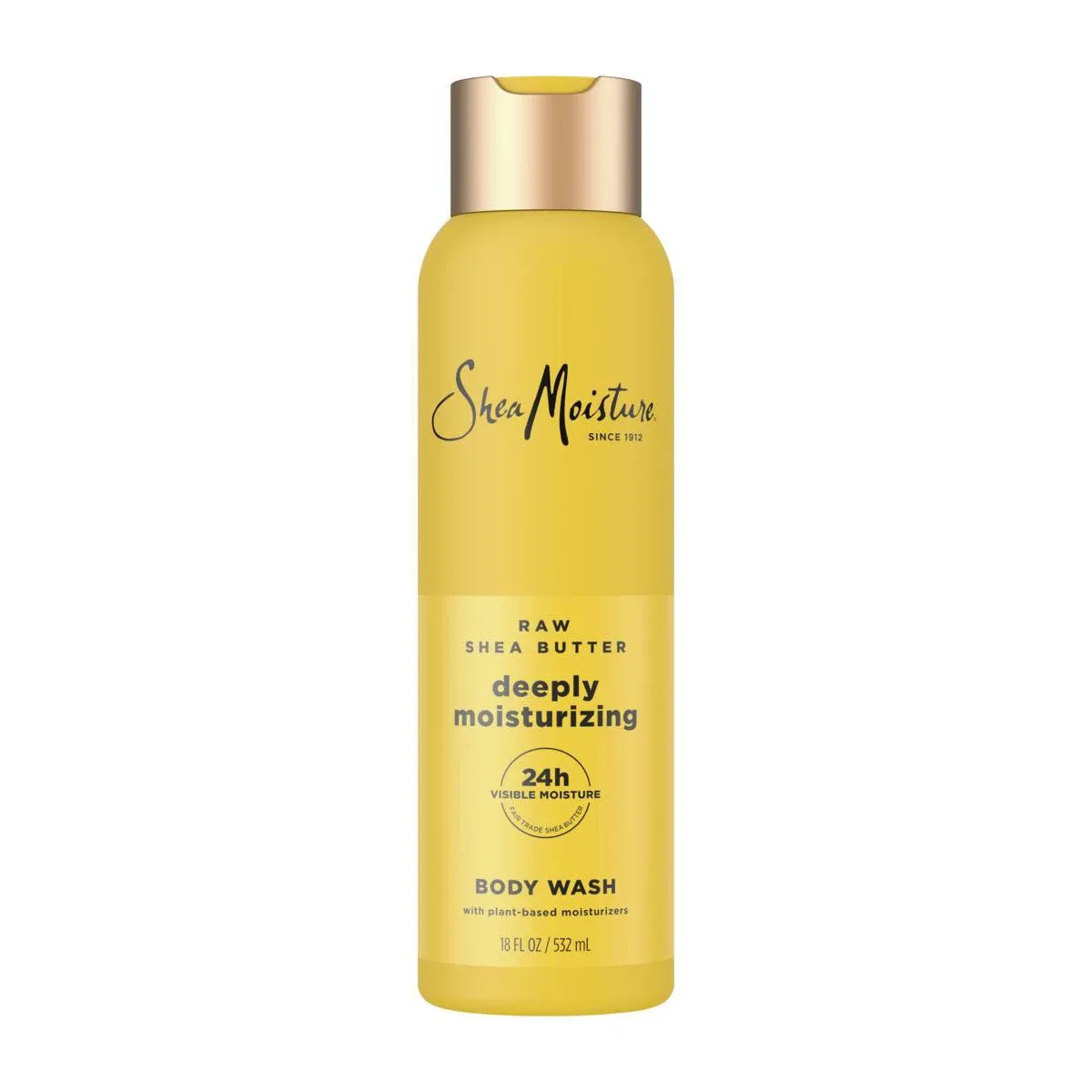 The Lotion-Like Wash
 Raw Shea Butter Deeply Moisturizing Body Wash
The richest wash SheaMoisture makes and one of the richest on a drugstore shelf: Fair Trade shea fifth, soybean lipids and glycerin behind it on a gentle isethionate-betaine base, so dry skin steps out of the shower soft and coated. It is honest value at about 67 cents an ounce; it is not the ceramide wash the label hints at, the frankincense and myrrh are scent rather than treatment, and oily, breakout-prone or fragrance-reactive skin should choose something lighter and plainer.
 Cool-Tip Rose Line Cream
 Intensive Lifting Spot
A rich, alcohol-free rose cream in a tube with a cooling metal tip, made for dotting on crow's feet, under-eyes and smile lines. Adenosine, a peptide and plenty of emollients soften dry lines nicely, but the actives are modest, the rose and niaouli oils may bother sensitive eyes, and at about forty dollars for 25 ml it is a comfort product more than a lifting one.
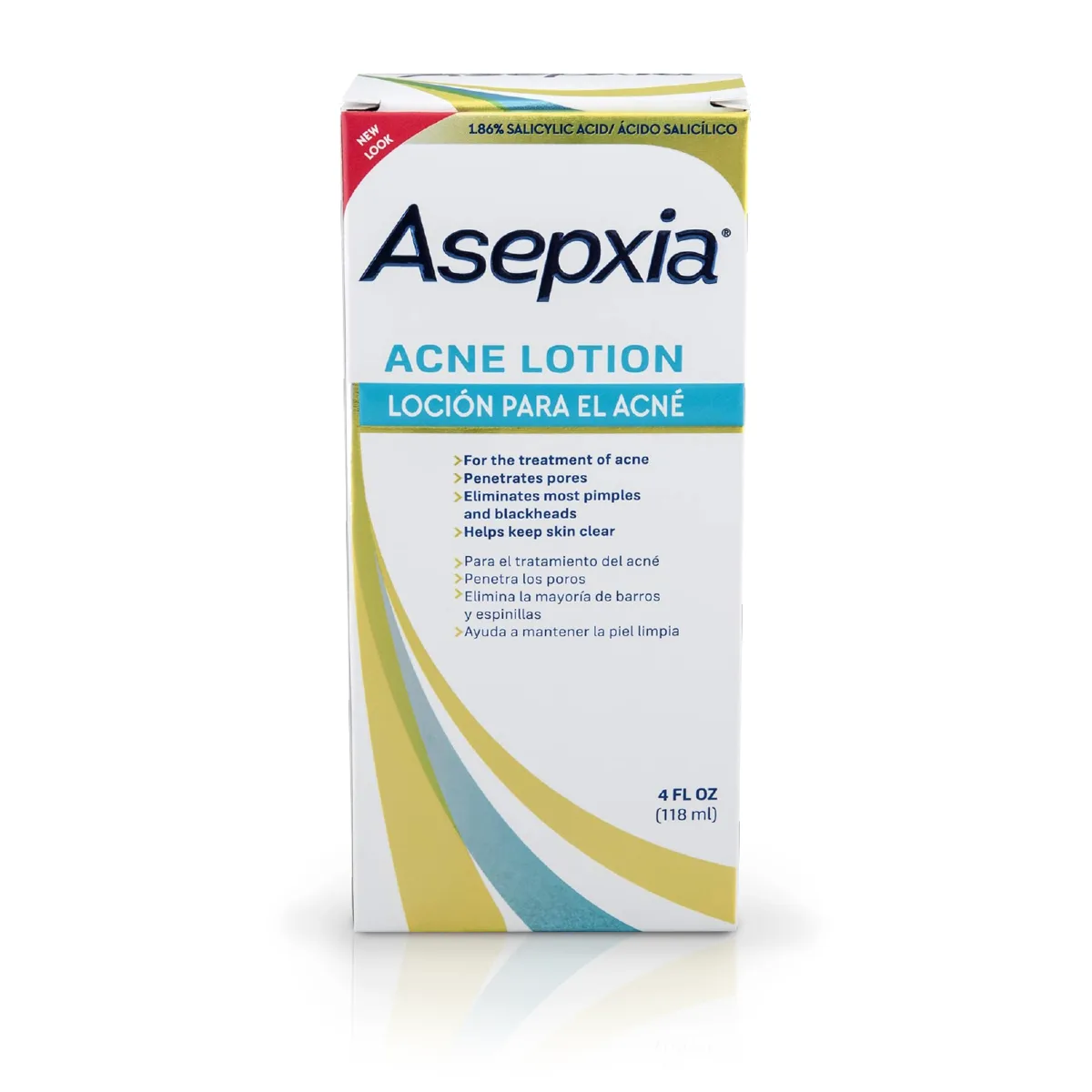 Old-School Astringent
 Acne Lotion
A throwback medicated astringent — 1.8% salicylic acid in a high-alcohol base with camphor and cooling essential oils — that degreases oily skin instantly and tingles like it means business. For genuinely oily, resilient skin it can cut shine and clear pimples cheaply, and longtime users love the bracing feel. But by modern standards it's harsh: the alcohol and fragrant oils are drying and irritating, and gentler salicylic acid treatments control oil more sustainably. Effective for a narrow audience, dated for everyone else.
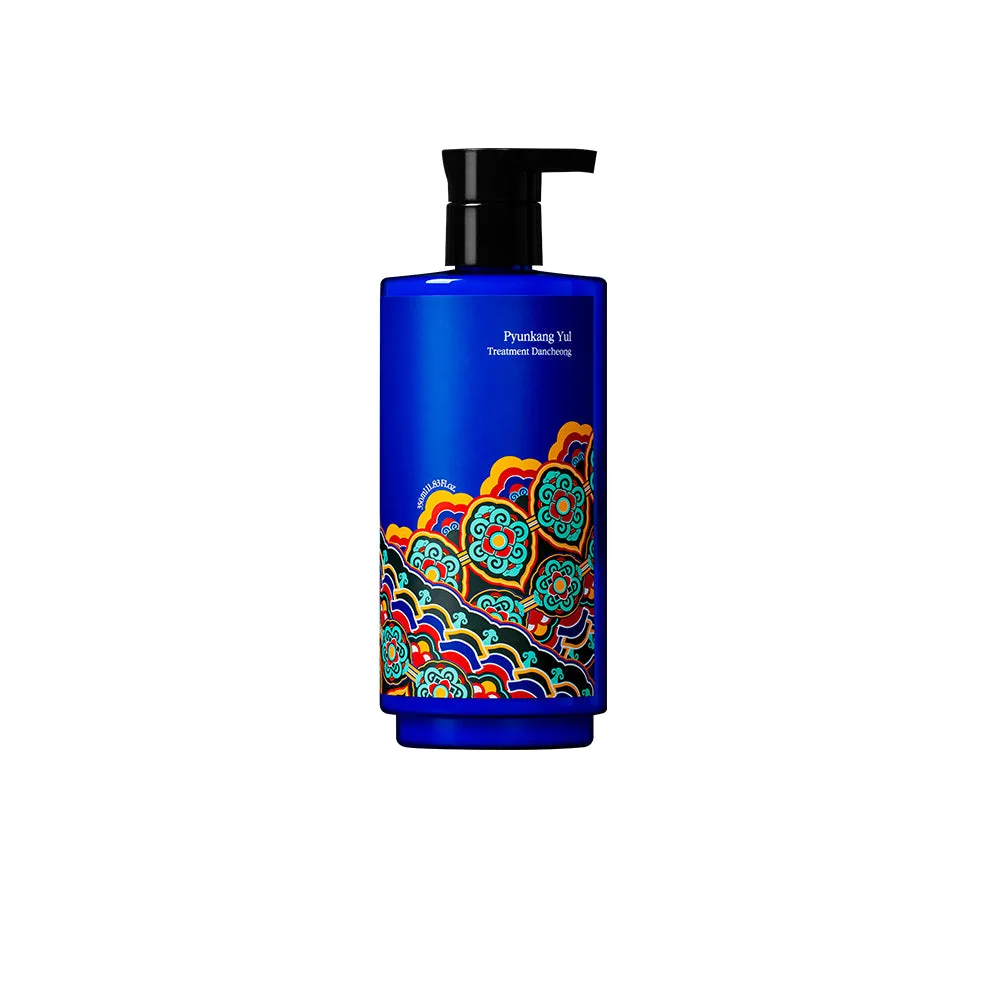 Shine in a Painted Bottle
 Treatment Dancheong
A conventional, well-executed shine conditioner — behentrimonium chloride, cetearyl alcohol and a generous dimethicone dose — dressed in temple-pattern artwork, essential oils and a roster of botanicals that do nothing in a rinse-off. It detangles beautifully and leaves dry lengths glossy, it is too heavy for fine hair and too fragranced for the brand's core audience, and at twenty-four dollars the formula does not justify the premium over the many conditioners built the same way.
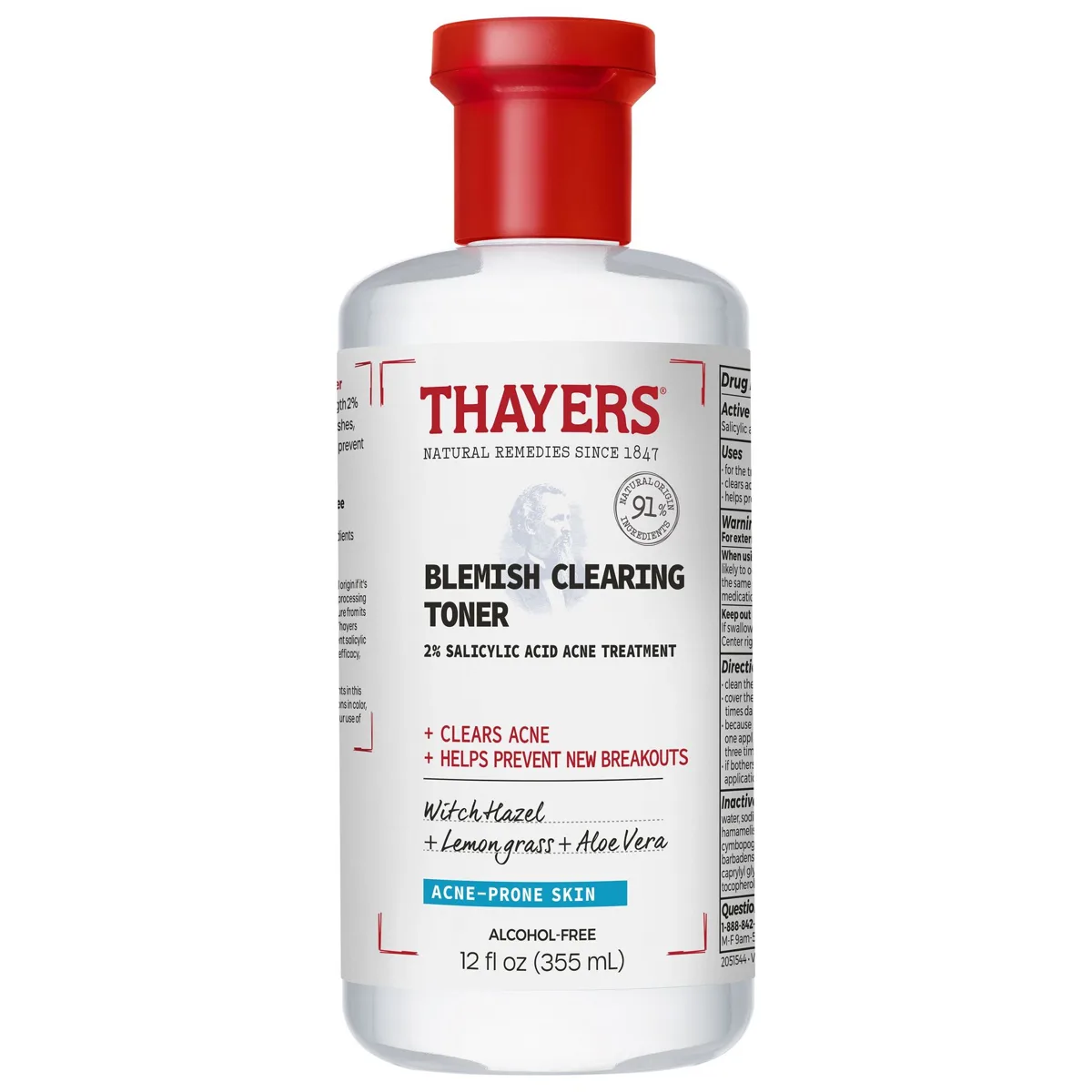 Drugstore BHA Workhorse
 Blemish Clearing 2% BHA Toner
A real acne treatment in a Thayers bottle: two percent salicylic acid, the OTC maximum, delivered alcohol-free with hyaluronate, glycerin and aloe so it clears pores without stripping, for fifteen dollars and twelve ounces. Oily, congested skin gets one of the best-value BHA toners on any shelf. The lemongrass oil, with four declared allergens behind a 'fragrance-free' label, is the flaw, and reactive acne-prone skin should weigh it.
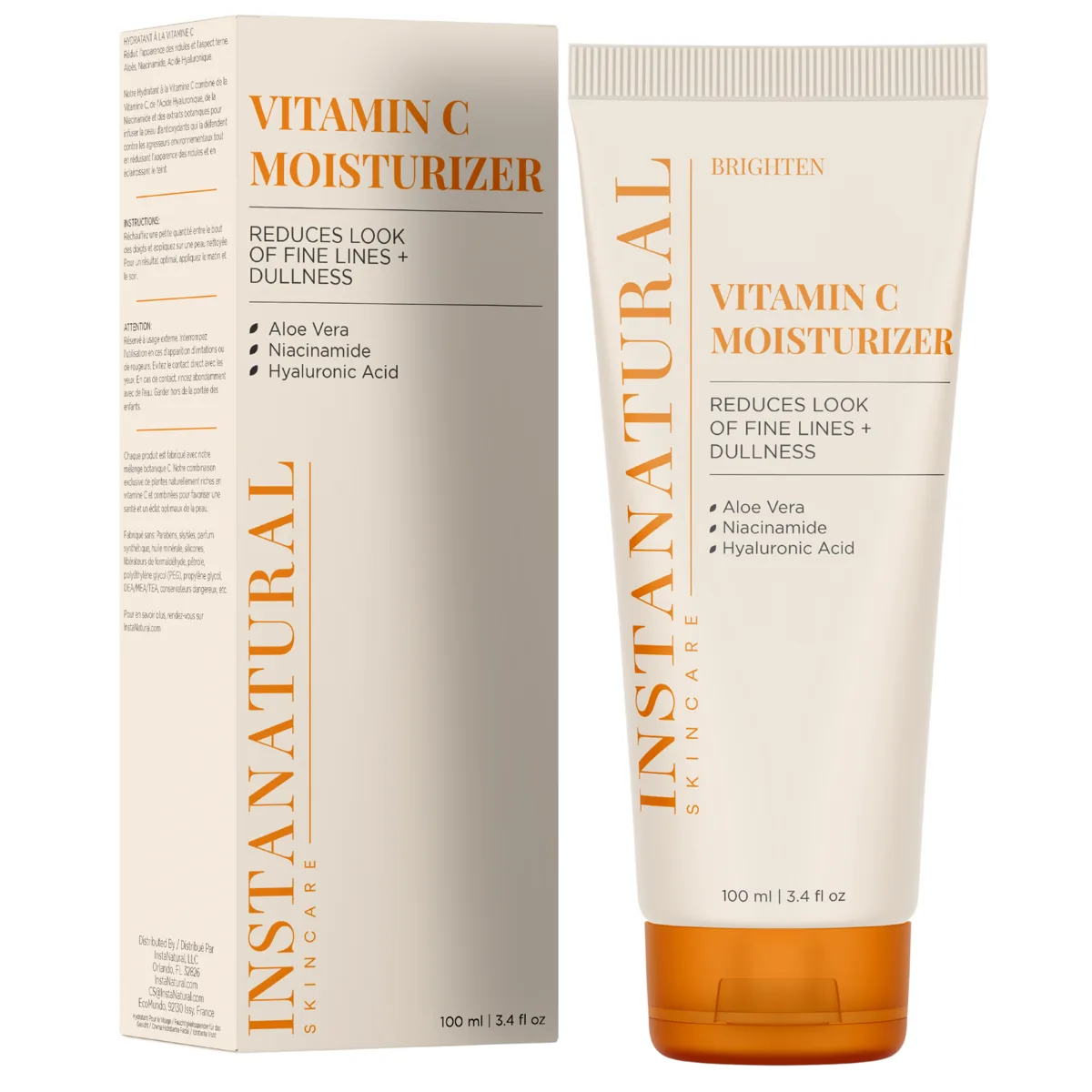 Ten-Dollar Workhorse
 Vitamin C Moisturizer
A rich, cheerful, citrus-scented cream that puts a stable vitamin C derivative and niacinamide genuinely high in a plant-oil base and sells 100ml for under ten dollars, with six thousand Amazon reviewers behind it. Dry and normal skin get a lot of moisturizer for very little money; oily, acne-prone and fragrance-sensitive skin should look at the essential oils and walk on.
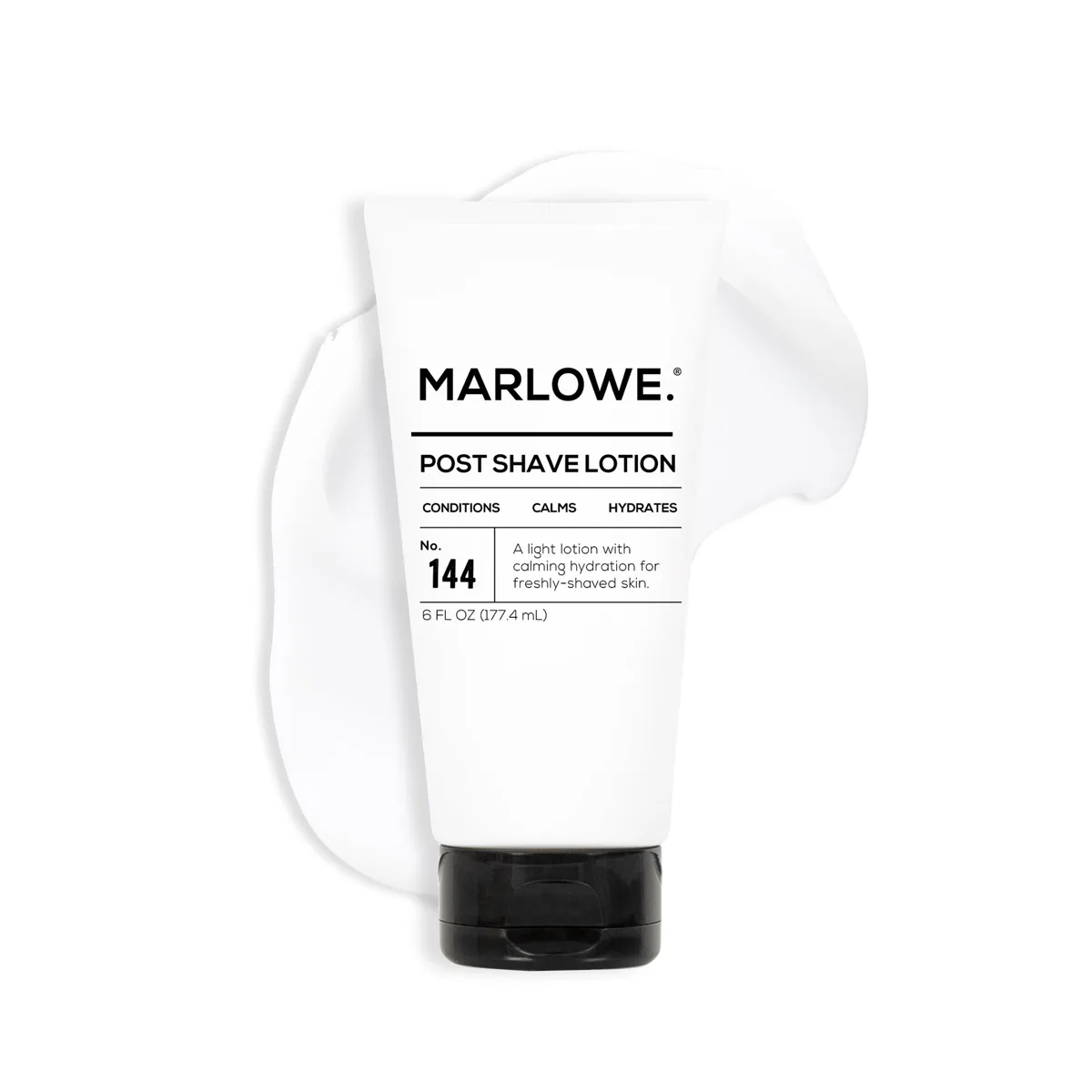 Alcohol-Free, Award-Winning
 Post Shave Lotion
Marlowe's post-shave lotion is a genuinely good, GQ-awarded product and one of the better things the brand makes. It's free of drying alcohol, so it soothes freshly-shaved skin instead of stinging it, and it's lightweight, non-comedogenic, and hydrating (glycerin, sodium PCA, panthenol) with a silica-mattified, non-greasy finish that oily skin especially likes. The one recurring catch is fragrance plus lemon peel oil and menthol on just-shaved skin, which makes it less ideal for truly reactive types and mildly photosensitizing from the citrus. For most men wanting a soothing, non-greasy, non-stinging post-shave lotion, it's a well-earned recommendation; fragrance-sensitive skin should choose a fragrance-free balm.
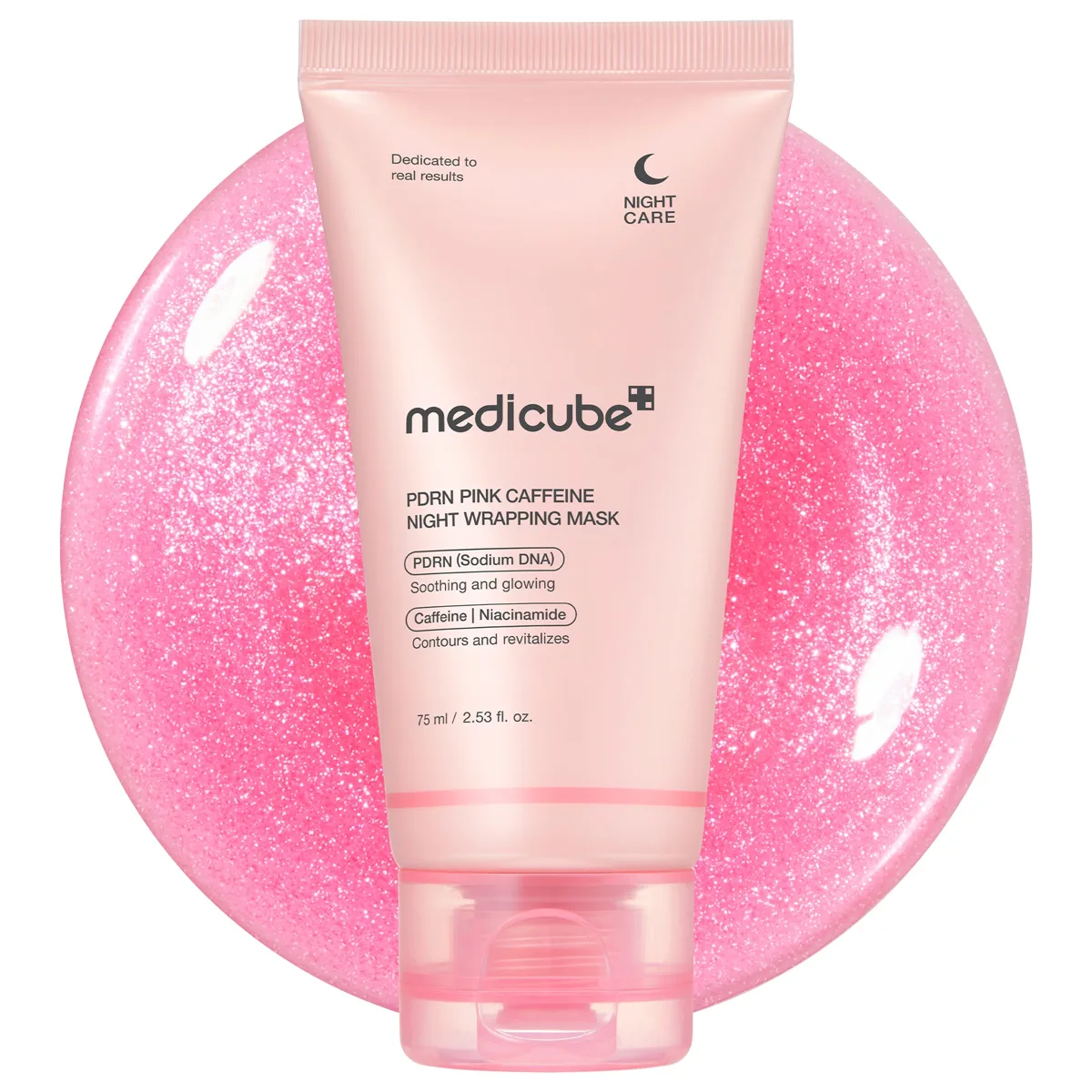 Overnight Peel-Off Under a PDRN Label
 PDRN Pink Caffeine Overnight Wrapping Mask
A sparkly pink peel-off film you sleep in, which traps glycerin and niacinamide against the face for a plump, tight, glowing morning that lasts until lunch. The PDRN, caffeine, collagen and forty-odd hyaluronates, amino acids and peptides on the tube sit behind the mica and pigment; the polyvinyl alcohol does the work. Fun, briefly effective, awkward to sleep in, and carrying a rose oil that reactive skin should not seal in for eight hours.
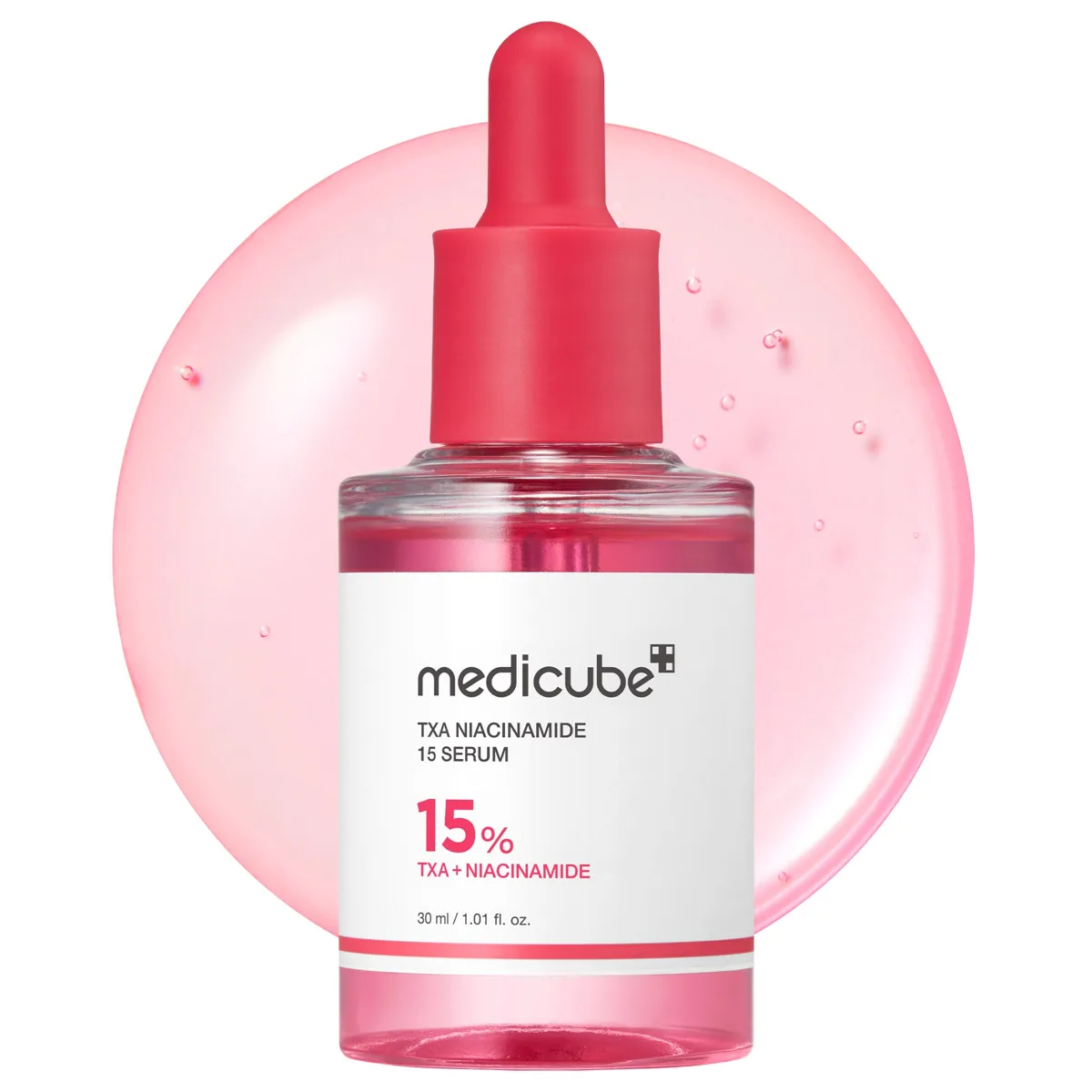 Three-Pathway Brightener, Disclosed Doses
 TXA Niacinamide Serum
A genuinely well-dosed brightening serum that prints its numbers, 5 percent tranexamic acid, 10 percent niacinamide and 2 percent arbutin, and hits three separate points in the pigment pathway in a light, hydrating base for twenty-four dollars. It is slow, as every honest brightener is, the high niacinamide can flush reactive skin, and the fragrance-free claim ignores a rose oil, but for post-acne marks and melasma maintenance it is one of the best-value serums in its category.
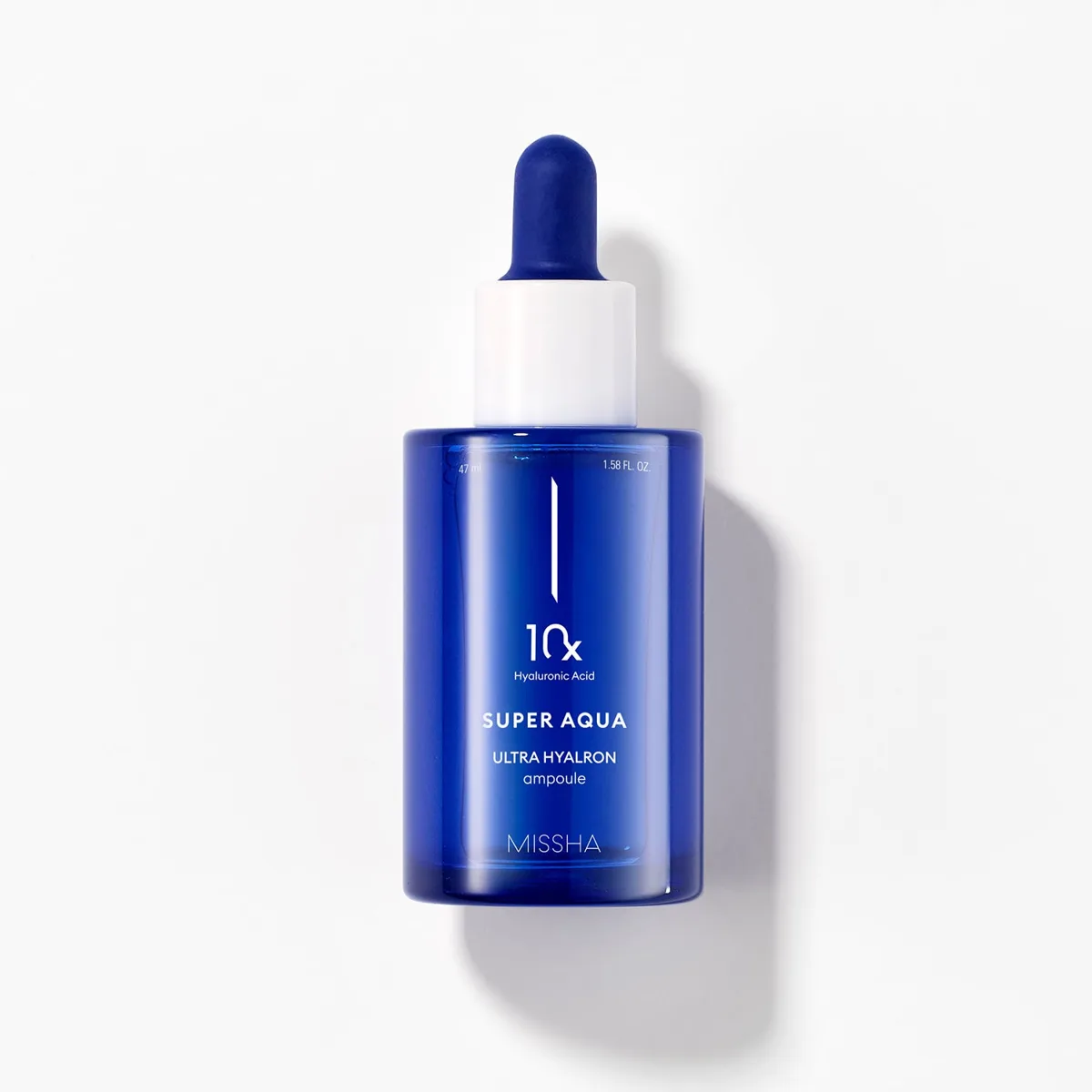 Silky Hyaluronic Layer
 Super Aqua Ultra Hyalron Ampoule
A silky, cooling, fairly priced hyaluronic ampoule whose best ingredient, niacinamide at sixth, is never mentioned on the label and whose headline, ten hyaluronic forms, lives in the back half of the list. It hydrates well and feels better than most hyaluronic serums; the four essential oils and the coolant are odd choices in a bottle recommended for sensitive skin, and reactive users have a fragrance-free sibling to choose instead.
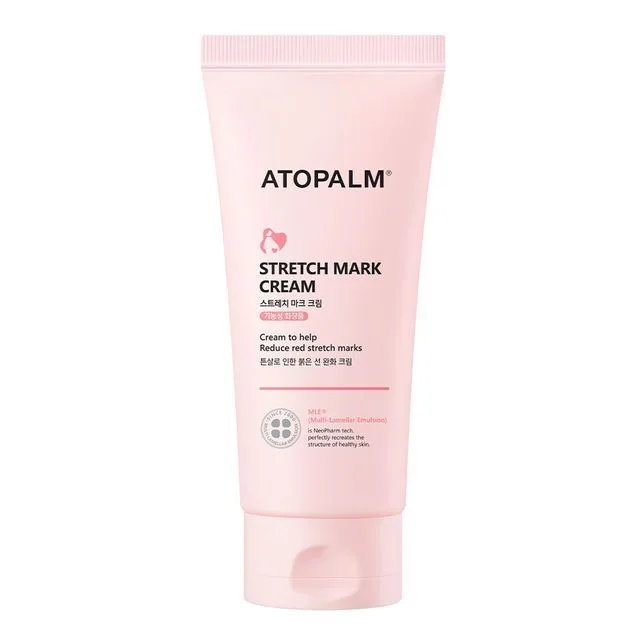 Barrier Cream in Maternity Clothes
 Maternity Stretch Mark Cream
A very good pregnancy comfort cream wearing a promise it cannot keep: Atopalm's clinically credible MLE barrier system in a rich olive-and-rapeseed base soothes the itch and tightness of stretched skin better than most, but no topical prevents stretch marks, the peptide and mushroom collagen are decoration, and bergamot and litsea oils are a strange thing to massage onto a belly that may see the sun.
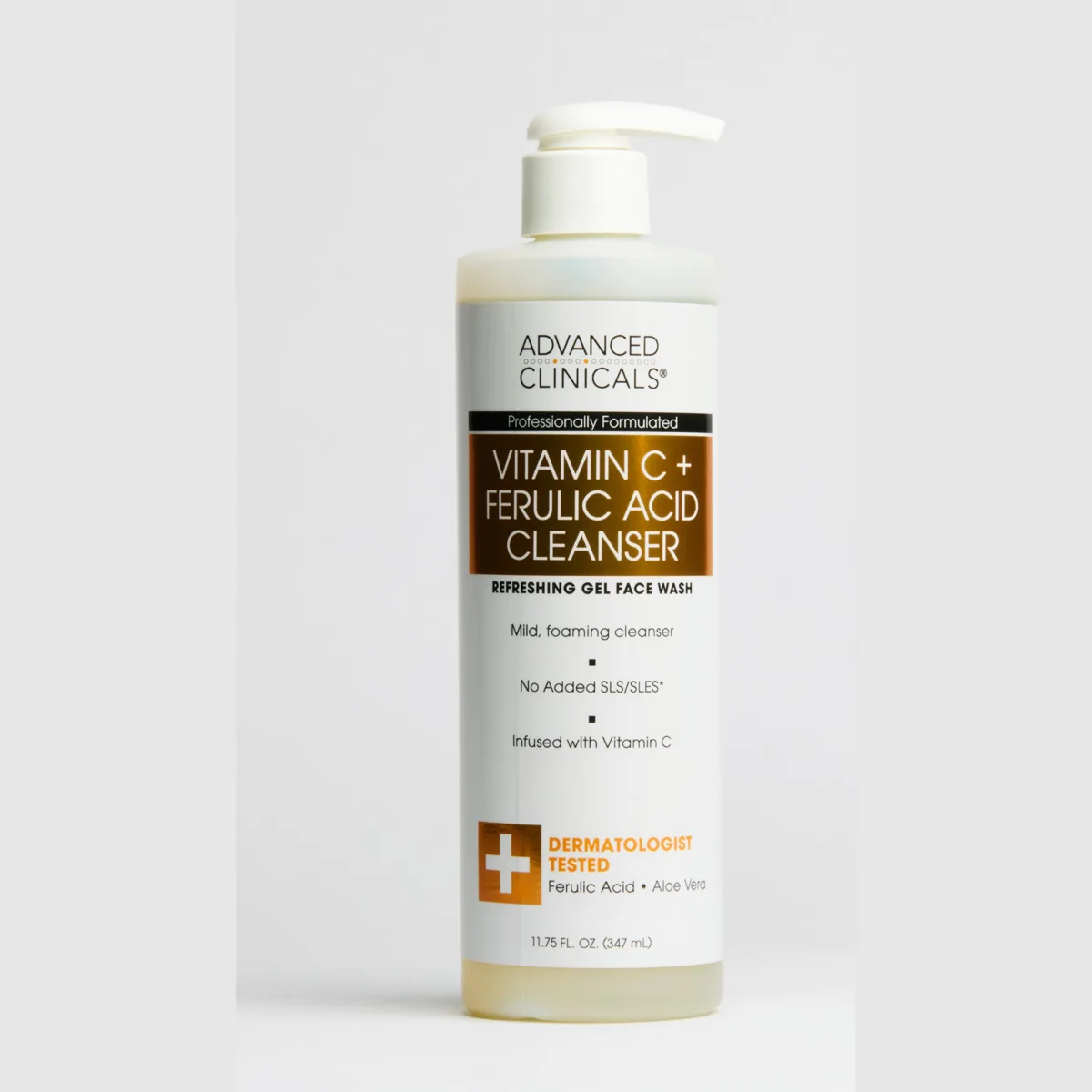 Big-Bottle Citrus Foam
 Vitamin C + Ferulic Acid Cleanser
A large, cheap, citrus-scented foaming gel that cleans oily and normal skin thoroughly and pleasantly, and whose vitamin C and ferulic acid are there for the label rather than the face. The olefin sulfonate and the peel oils make it wrong for dry or reactive skin, and anyone buying it to brighten should buy a serum instead.
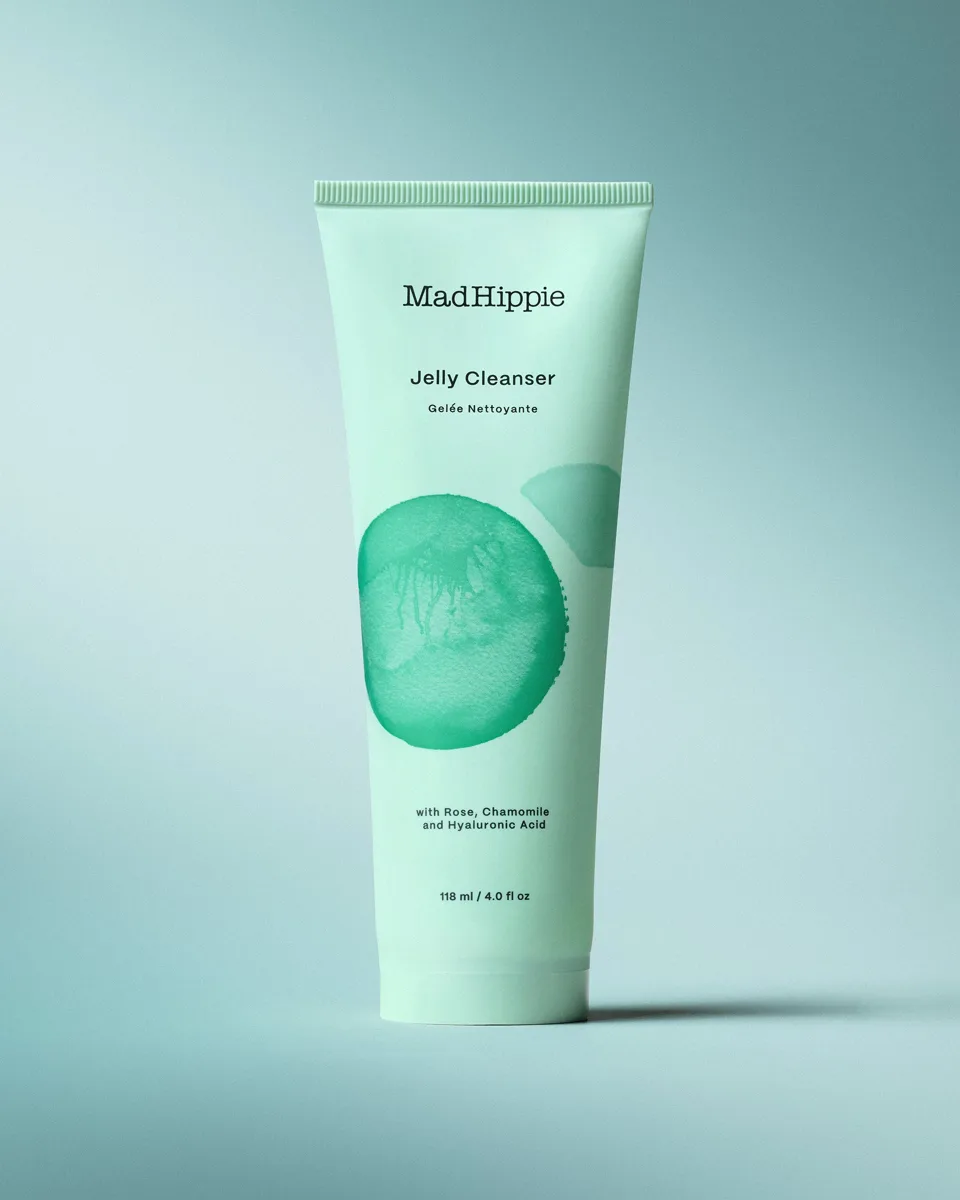 Jelly-to-Milk Makeup Melter
 Jelly Cleanser
An oil-first jelly that melts sunscreen and makeup, turns to milk, and rinses to a silky, un-tight finish — the brand's better cleanser for most faces. Sugar-ester emulsifiers, one mild glucoside, stable squalane, glycerin second in the list. Lightly scented with lime oil, so not for the fragrance-averse, and the 'eleven actives' are decoration. Eighteen dollars well spent for combination-to-dry skin.
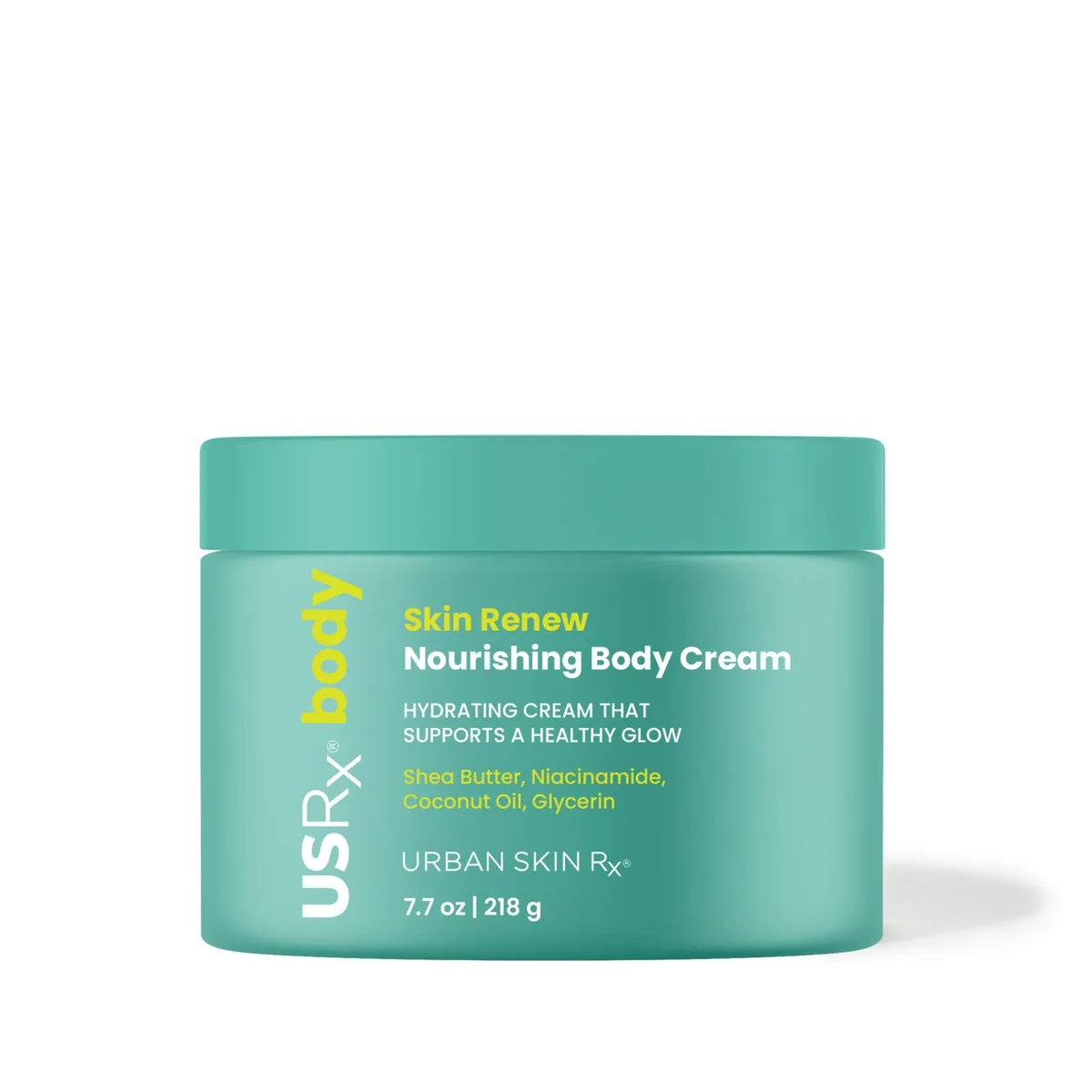 Citrus Body Butter, Lightly
 Skin Renew Nourishing Body Cream
A dense, melting body cream that absorbs like a lotion, built on a coconut triglyceride, sunflower oil and shea, with a fresh tangerine-grapefruit scent and a trace of niacinamide behind the thickener. It hydrates ordinary dry skin well for $18 and is the natural partner to the brand's glycolic body wash; the even-tone language is unearned, the citrus oils sit above the only active, and reactive skin should look elsewhere.
 Rose-Powered Hydration Staple
 Rose Deep Hydration Face Cream
A genuinely pleasant gel-cream that earns its popularity through reliable hydration and an elegant texture. The dual-weight HA system and quadruple rose complex are well-conceived, but the fragrance allergens and a price that outpaces the ingredient innovation keep it from being a universal recommendation.
 K-Beauty Green Tea Serum
 Intensive Hydrating Serum with Green Tea Seed
Green tea leaf extract sits at the very top of this serum's INCI list — an unusually honest placement that signals a real concentration of one of cosmetic chemistry's best-studied antioxidants. It's a lightweight, well-priced K-beauty hydrator with a genuinely useful actives backbone. The trade-off is the alcohol and citrus content, which makes it a poor fit for the most reactive skin.
 Smoothing Lanolin Lip Treat
 Lemonaid Lip Treatment
Lanolips' Lemonaid is the brand's iconic lanolin balm given a smoothing, citrusy twist: lemon and lime oils add a gentle natural-exfoliating tingle and a flattering shimmer on top of lanolin's superior moisturization, with shea butter making it richer than the original. It's lovely for flaky, dry lips — but the citrus oils bring fragrance allergens and mild phototoxicity, so it's a little less gentle than the plain 101.
 High-Zinc Mineral Sunscreen
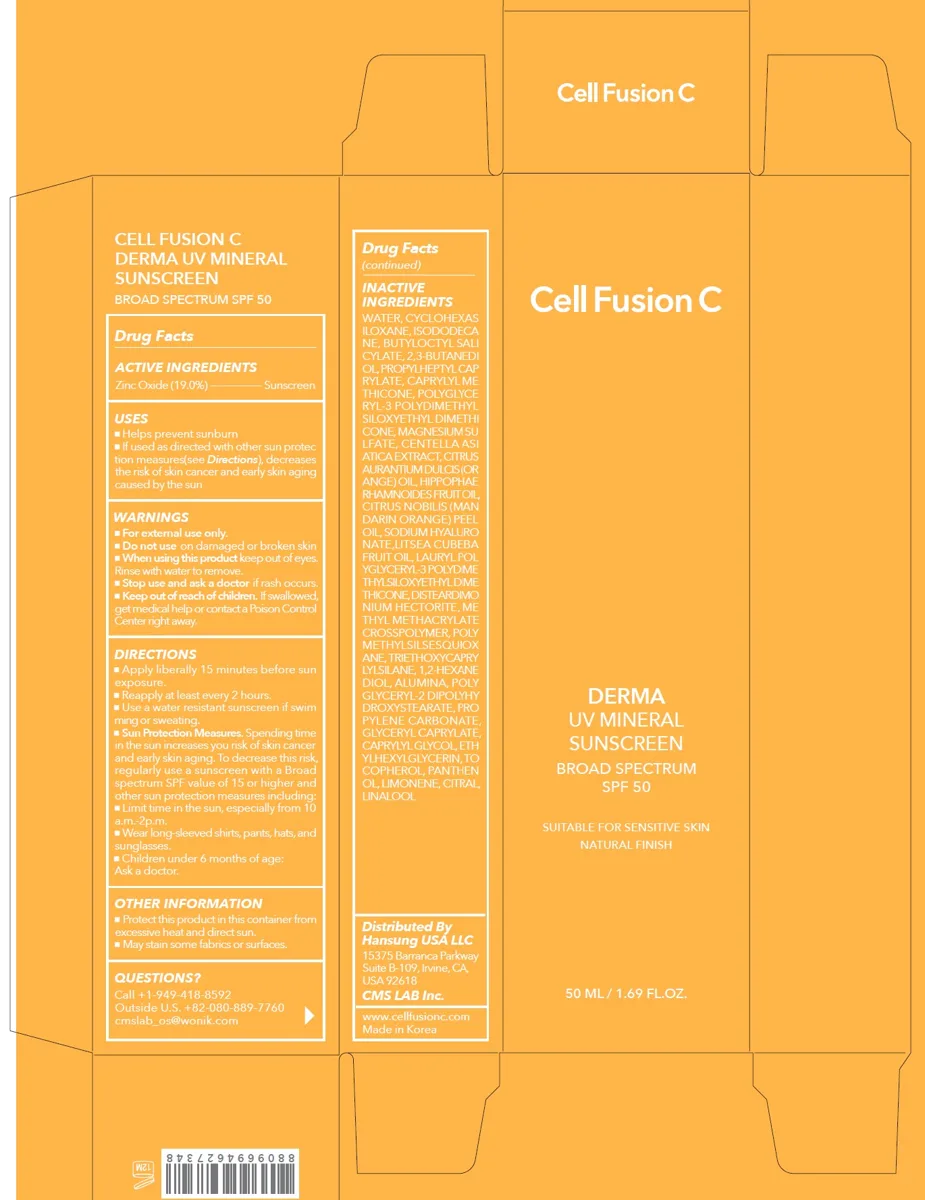
 Derma UV Mineral Sunscreen SPF 50
A genuinely strong mineral sunscreen with a self-inflicted flaw. The filter is excellent: 19% zinc oxide, true mineral, broad-spectrum, gentle, and dispersed in a silicone base that keeps it surprisingly wearable, with soothing centella, HA and panthenol. But it's pitched for sensitive 'Derma' skin and then loaded with citrus essential oils — orange, mandarin, litsea, plus limonene, citral and linalool — that can irritate exactly that skin. Great filter, questionable fragrance brief.
 Rose Brightening Eye Cream
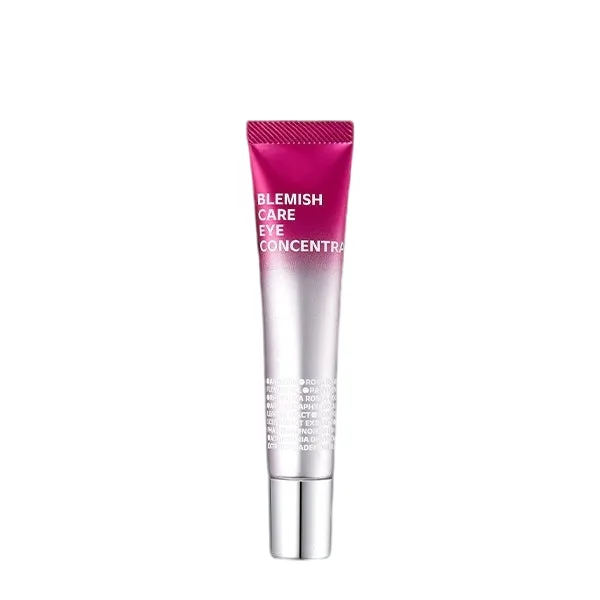
 Rose Eye Concentrate
isoi's rose brightening philosophy applied to the eye area: arbutin for the look of pigmented dark circles, adenosine for fine lines, and a rich shea-and-rose base that nourishes thin under-eye skin. It's a genuine tone-and-nourishment eye cream with the brand's signature rose, held back mainly by the natural fragrance near the delicate eye area.
 One-Step Double Cleanse
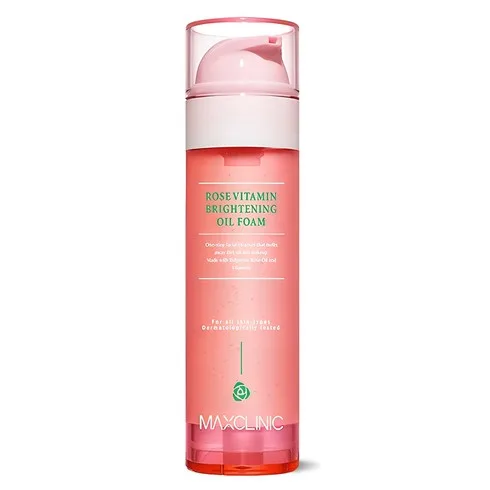
 Rose Vitamin Oil to Foam
The cleanser that made Maxclinic famous, and deservedly so: it behaves like a cleansing oil on dry skin, then turns into a rinse-clean foam the second water hits, collapsing the double cleanse into one step. The Rose Vitamin version adds a gorgeous true-rose scent and a vitamin-brightening angle that is more bonus than benefit. Brilliant for dry-to-normal skin, less so if fragrance bothers you.
 No-Frills Daily Lip Pick
 Original Lip Balm
A quietly good everyday lip balm that does the unglamorous job well. Plant waxes plus shea and cocoa butter make it genuinely conditioning rather than just a waxy seal, and the subtle cornmint keeps it fresh without sugary flavors or dyes. It's vegan and broadly suitable; the mint's menthol is the only reason very sensitive or cracked lips should approach with mild caution.
 Three-Minute Cooling Clay
 Zero Pore Blackhead Mud Mask
A well-engineered three-minute clay mask that does the two things a clay mask can do, absorb surface oil and make blackheads look smaller for a day, and adds a genuine cooling agent and enough hyaluronate that it does not leave skin tight. Its AHA, BHA and PHA are label traces, its three citrus oils sit high for a product sold as fragrance-free, and pores refill within days; as weekly T-zone maintenance for oily skin it is pleasant and fairly priced, and it should not be mistaken for a treatment.
 Rich Ferment Cream with a Trace of Retinol
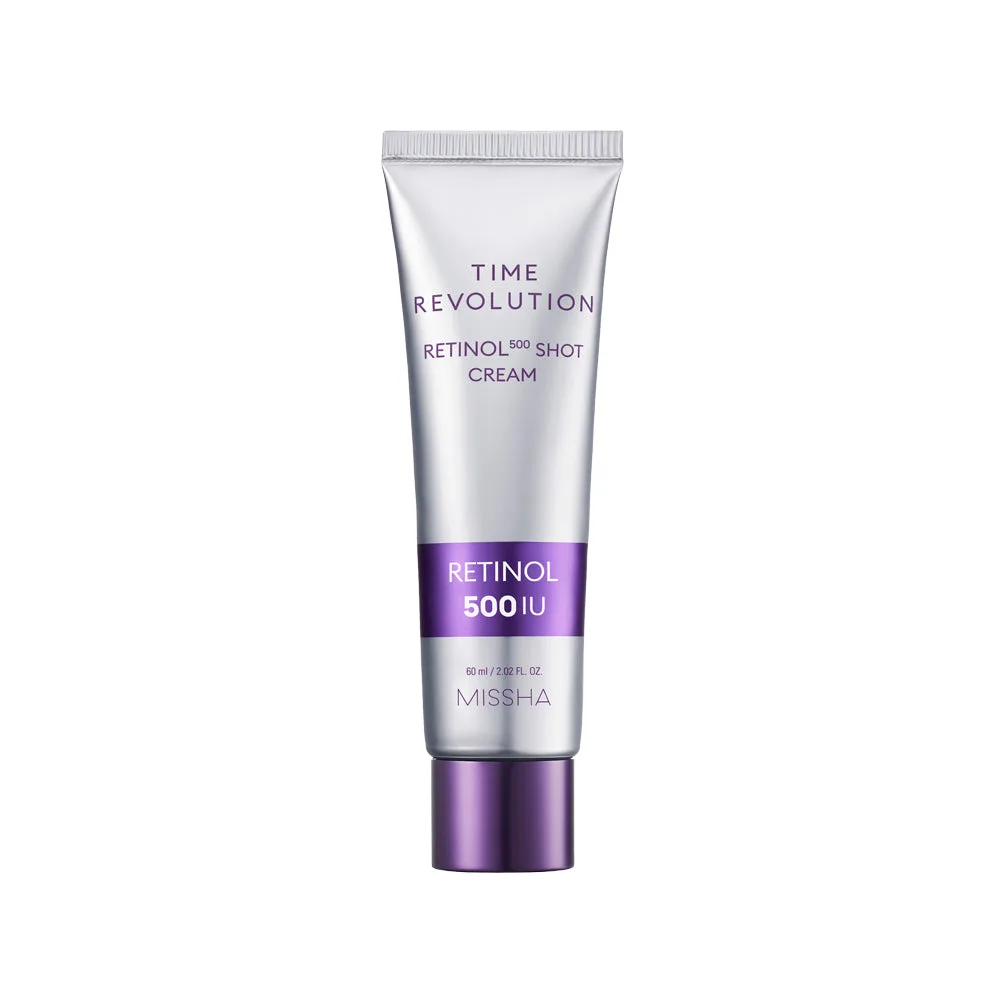
 Time Revolution Night Repair Retinol 500 Shot Cream
A rich, balm-like bifida-ferment night cream with niacinamide, which dry skin will find comfortable and softening, sold as a retinol treatment on the strength of 500 IU, a supplement unit that works out to roughly 0.015 percent and a thirty-ninth-place listing. The retinol will not peel anyone and will not treat anything; the six essential oils and four declared allergens are what reactive skin will notice. A good night cream for dry, resilient skin, and a misleading retinoid.
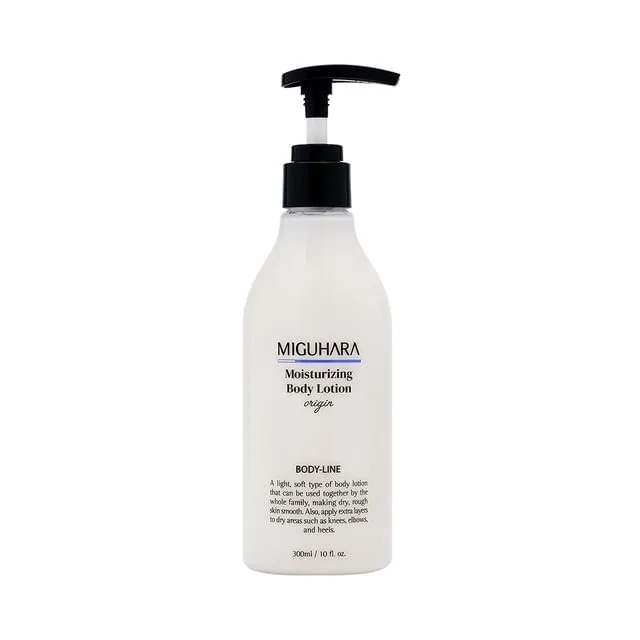 Light Citrus Body Lotion
 Moisturizing Body Lotion Origin
A light, quick, citrus-scented glycerin-and-ester body lotion with green tea high on the list and a face serum's roll call of collagen, hyaluronate, beta-glucan and peptides for decoration. It hydrates normal skin comfortably and dries too light for dry skin; four essential oils, bergamot and lemon among them, make it an evening lotion for the sun-shy and a patch-test lotion for the sensitive, and it can only be had through YesStyle at a price this review will not guess.
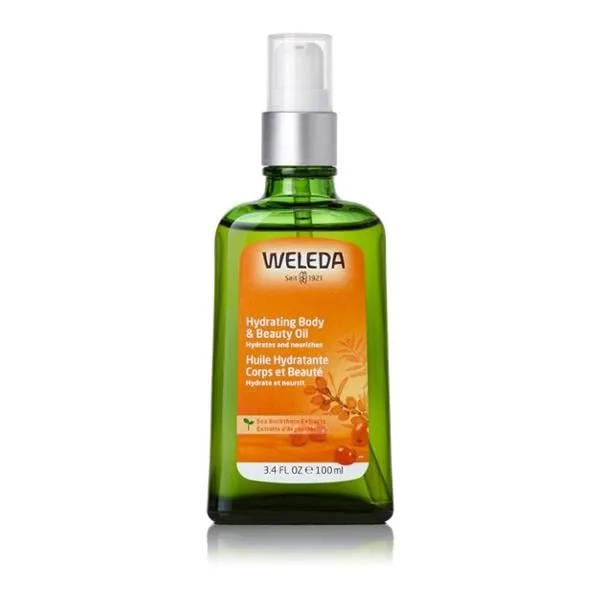 Golden Sesame Body Oil
 Hydrating Body Beauty Oil
A four-ingredient sesame and sea buckthorn body oil that leaves dry skin soft and faintly golden, stable, vegan and alcohol-free, with a bright fruity scent that carries eight declared allergens over a lot of skin. It is an honest, pleasant oil and a slightly expensive one for what is mostly organic sesame; the sea buckthorn earns its place with tint and antioxidants rather than any effect the label needs a name for.
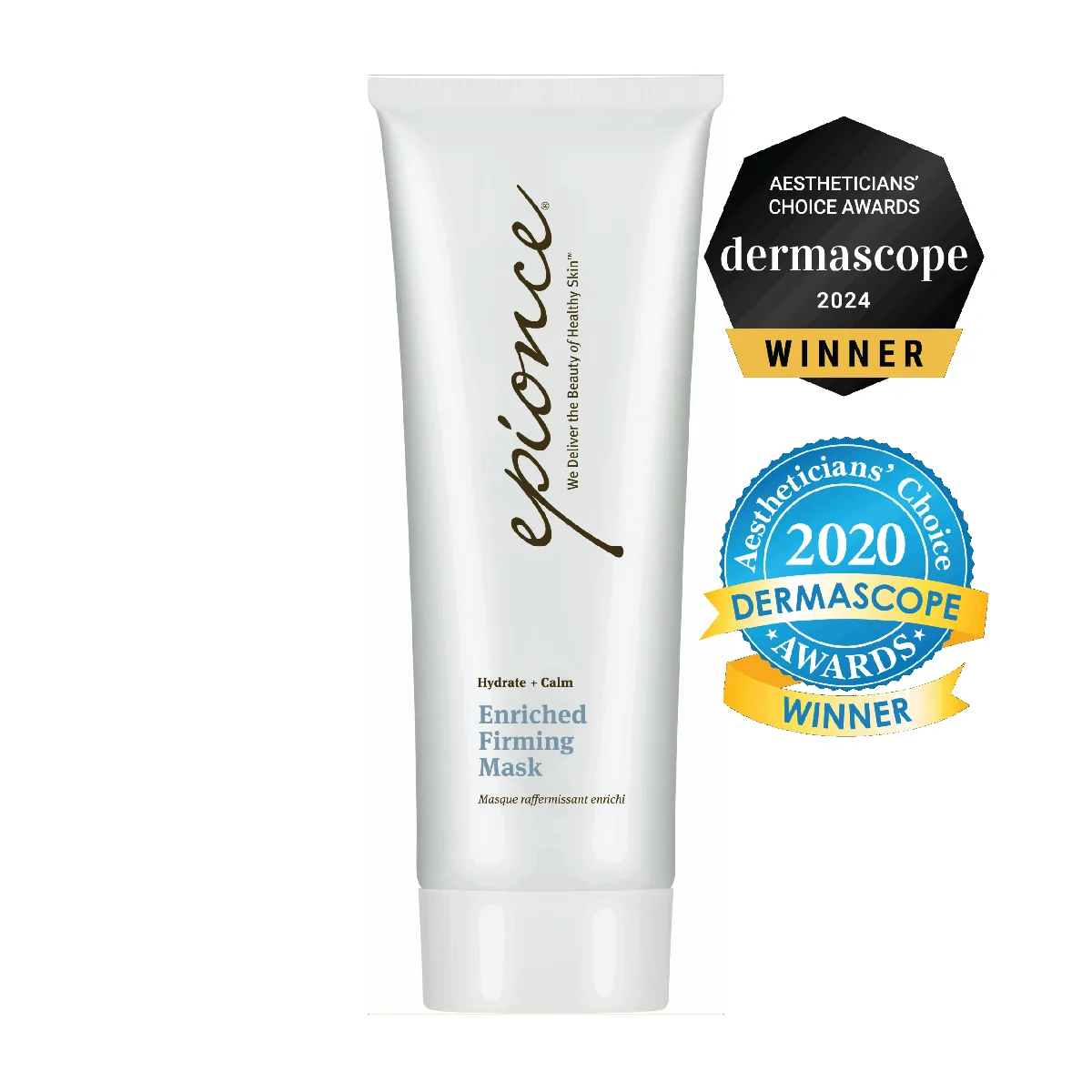 Cooling Firming Mask
 Enriched Firming Mask
A thoughtfully built occlusive treatment mask anchored by a real barrier-supportive lipid backbone of petrolatum, shea butter, cholesterol, and plant sterols, paired with an essential oil and menthol cooling complex that delivers the immediate firming-and-tightening sensation the category demands. The essential oil load is the main compromise — it powers the signature experience but rules the mask out for genuinely sensitive or reactive skin.
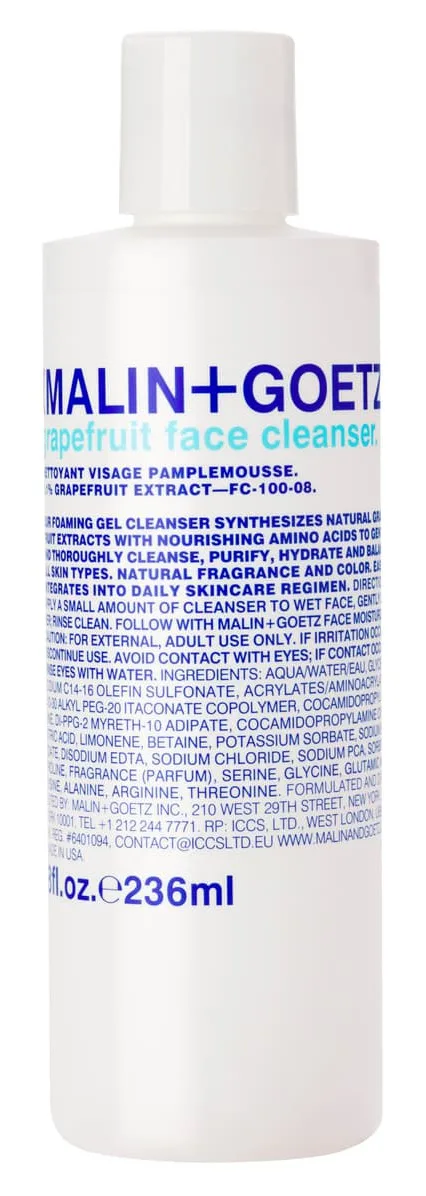 Iconic Malin + Goetz Cleanser
 Grapefruit Face Cleanser
A well-built gel cleanser with a genuinely lovely natural grapefruit scent and a gentle, sulfate-free amino acid surfactant base that won't strip your skin. The formula is solid and the experience is pleasant — but at $32 you're paying a notable premium for a cleansing job that costs far less to do, and the citrus oil rules it out for the most reactive skin.
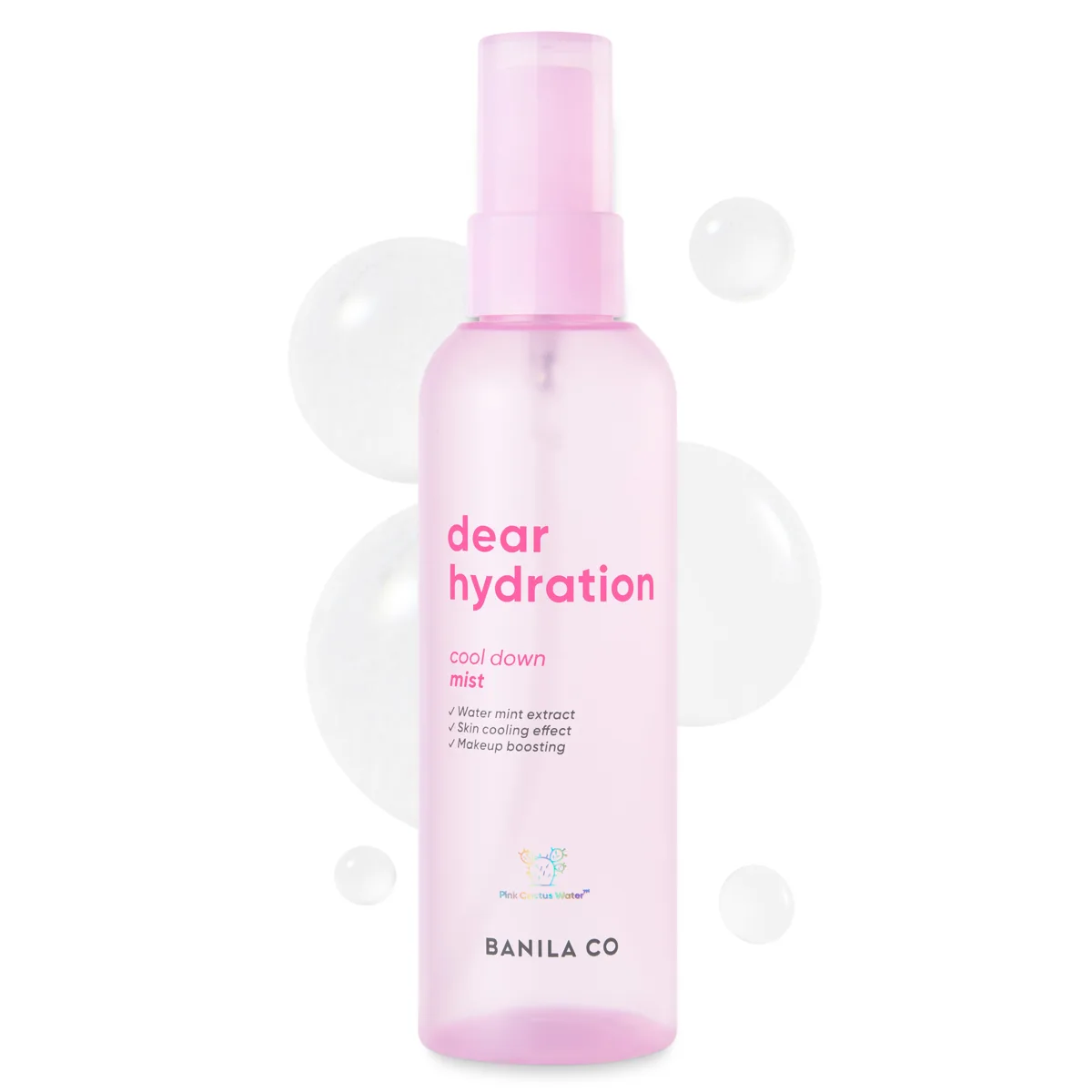 Commute-Cooling Makeup Mist
 Dear Hydration Cool Down Mist
A fifteen-dollar refresh mist that understands its modest job completely: glycerin-weighted re-wetting, water-mint cooling that won't sting or streak, atomization above its price class, and a bottle sized one milliliter under the carry-on limit. The fragrance is the lone asterisk on an otherwise correctly humble product — graded as infrastructure, it earns its gym-bag slot without argument.
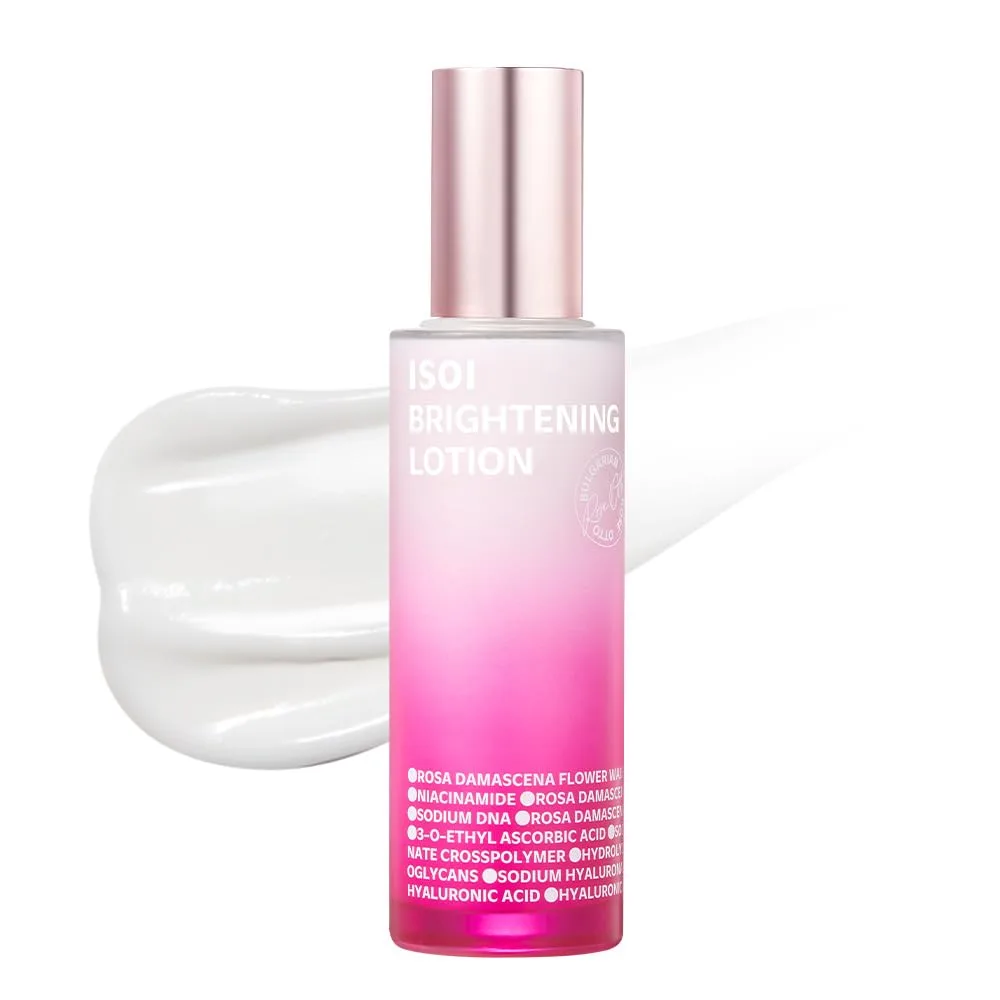 Rose Brightening Lotion
 Rose PDRN Lotion
The milky moisturizer step of isoi's Rose PDRN brightening line, pairing niacinamide and a 5-type hyaluronic acid complex with genuine Bulgarian rose and trending PDRN. It hydrates normal-to-dry skin nicely while reinforcing the line's brightening and delivering its most pronounced rose scent — the natural fragrance allergens being the main caveat.
 Lightweight Rose Brightener
 Rose Cream
The lightweight, brightening-focused moisturizer of isoi's rose line, pairing a genuine arbutin-and-glutathione brightening duo with a 5-type hyaluronic acid and ceramide barrier base and real Bulgarian rose. It brightens and hydrates without heaviness — a more tone-focused, less rich alternative to the Intensive cream, with the natural rose fragrance the main caveat.
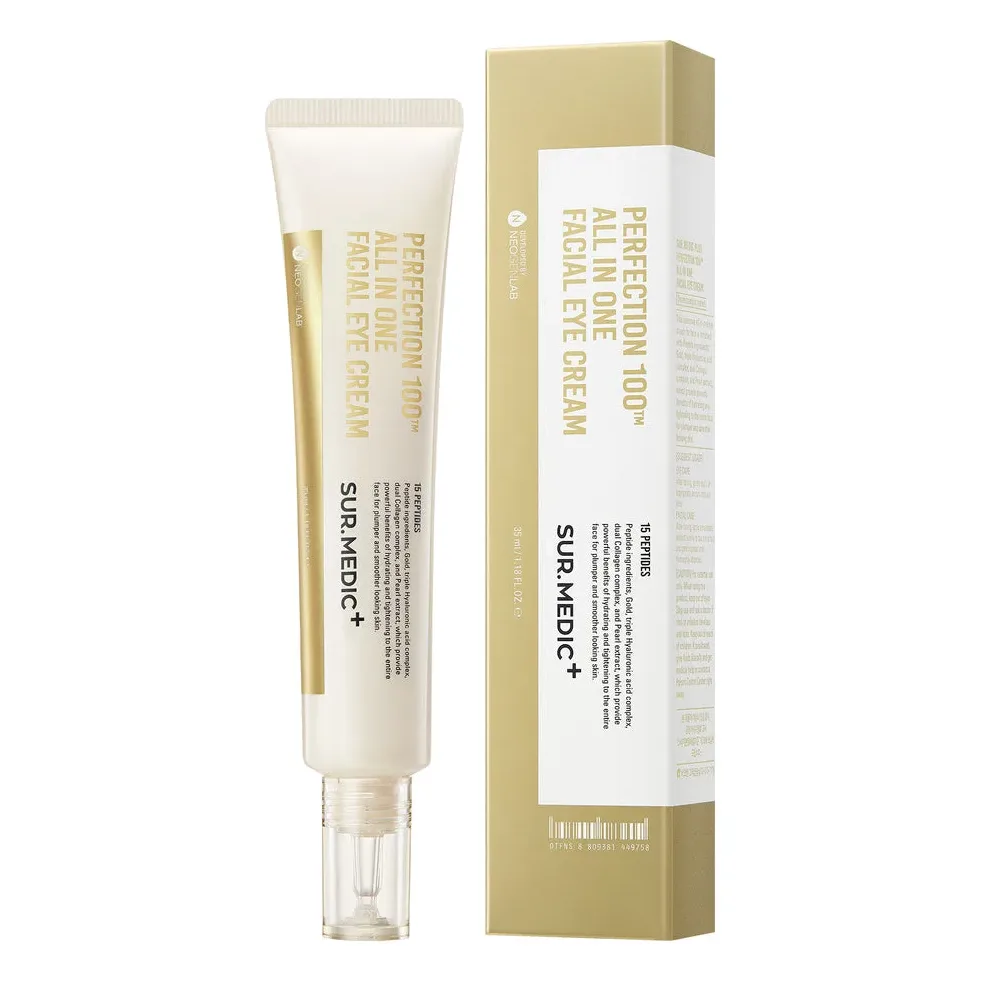 Gold-Flecked Face-and-Eye Butter
 Perfection 100 All In One Facial Eye Cream
A buttery, gold-flecked, fast-absorbing eye-and-face cream whose real virtues, niacinamide at eighth and a well-built shea-silicone-hyaluronic base, are buried under a prestige story of 24-karat gold, two collagens and fifteen peptides at the tail of a 123-ingredient list. Six essential oils around the eyes are the deal-breaker for sensitive faces; for robust, dry skin that enjoys the shimmer, the 35 mL tube is decent value for a rich night cream.
 Micro-Nozzle Refresher
 The Chok Chok Green Tea Mild Micro Mist
The nozzle is the star here: an almost dry, perfectly even micro cloud that sets a squalane-softened veil over bare skin or makeup without a single drip. The green tea is a garnish and the essential-oil scent disqualifies it for reactive faces, but as a daytime refresher for normal to dry skin it is a well-made, fairly priced little bottle.
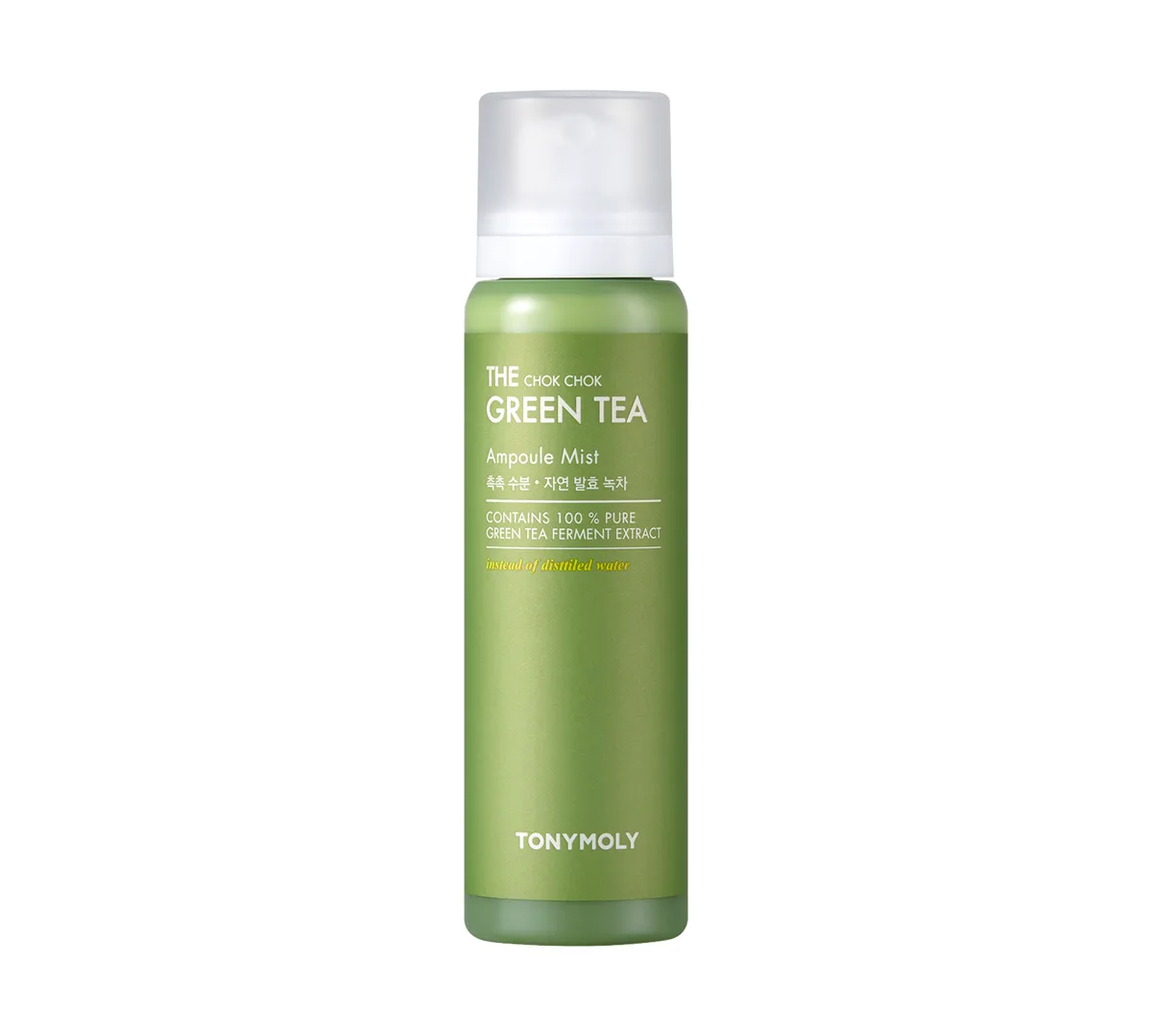 Dry-Skin Serum Mist
 The Chok Chok Green Tea Serum Mist
A real bi-phase serum mist that leaves dry skin soft for hours, with green tea placed high enough to count and a proper soothing cluster of centella, allantoin and licorice. It is too rich for oily faces, too fragranced for reactive ones, and it must be shaken like a salad dressing, but for a dry, tolerant complexion it is one of the better-value sprayable hydrators around.
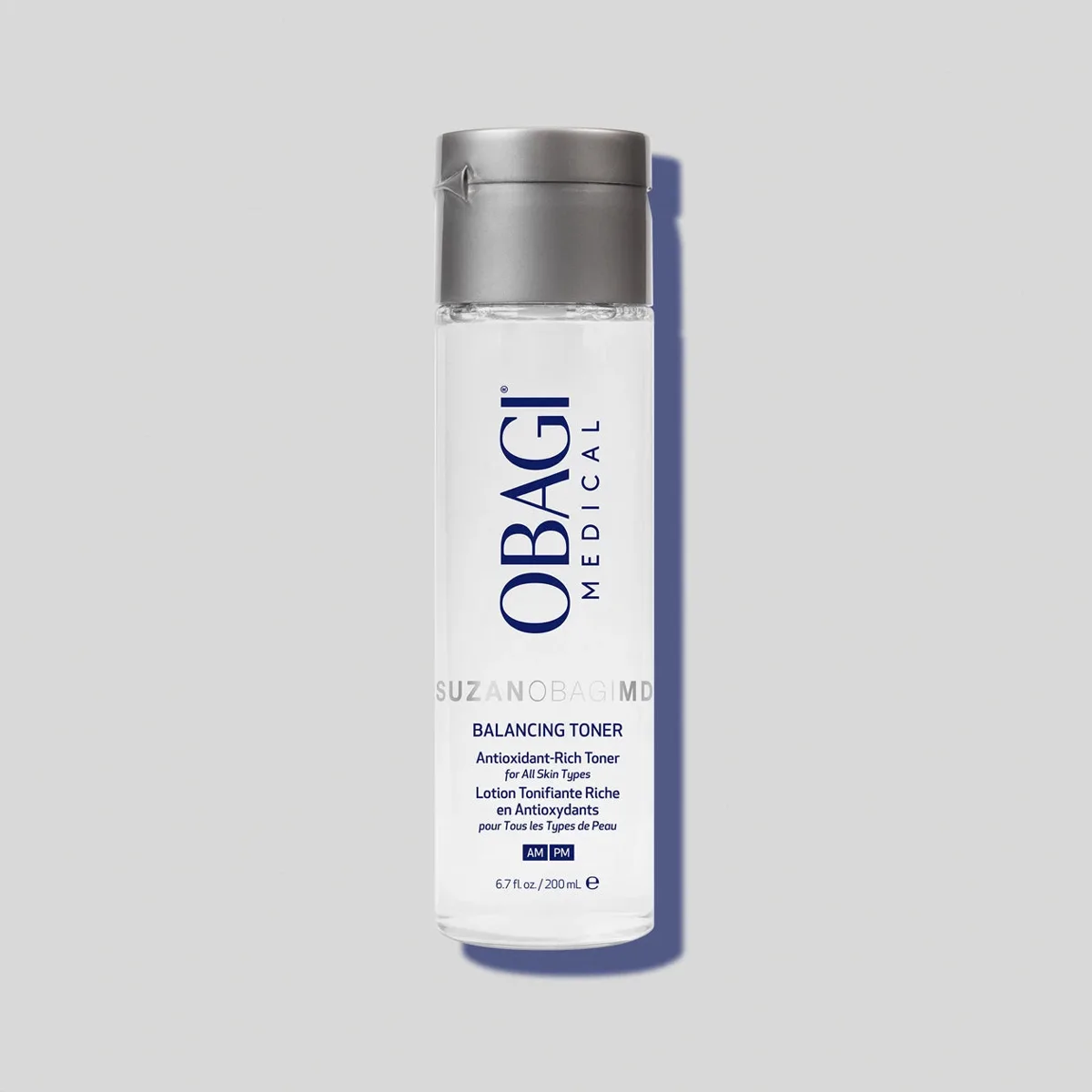 Gentle Witch Hazel Refresh
 Balancing Toner
A gentle, alcohol-free witch hazel toner done properly, with glycerin, sodium PCA, licorice and panthenol turning an astringent into something combination and reactive skin can use twice a day. It refreshes, lightly hydrates and takes the shine down for a few hours, which is all a toner can honestly do; the grapefruit oil is an odd choice for a hypoallergenic line, and fifty dollars is a physician-shelf price for a drugstore idea done well.
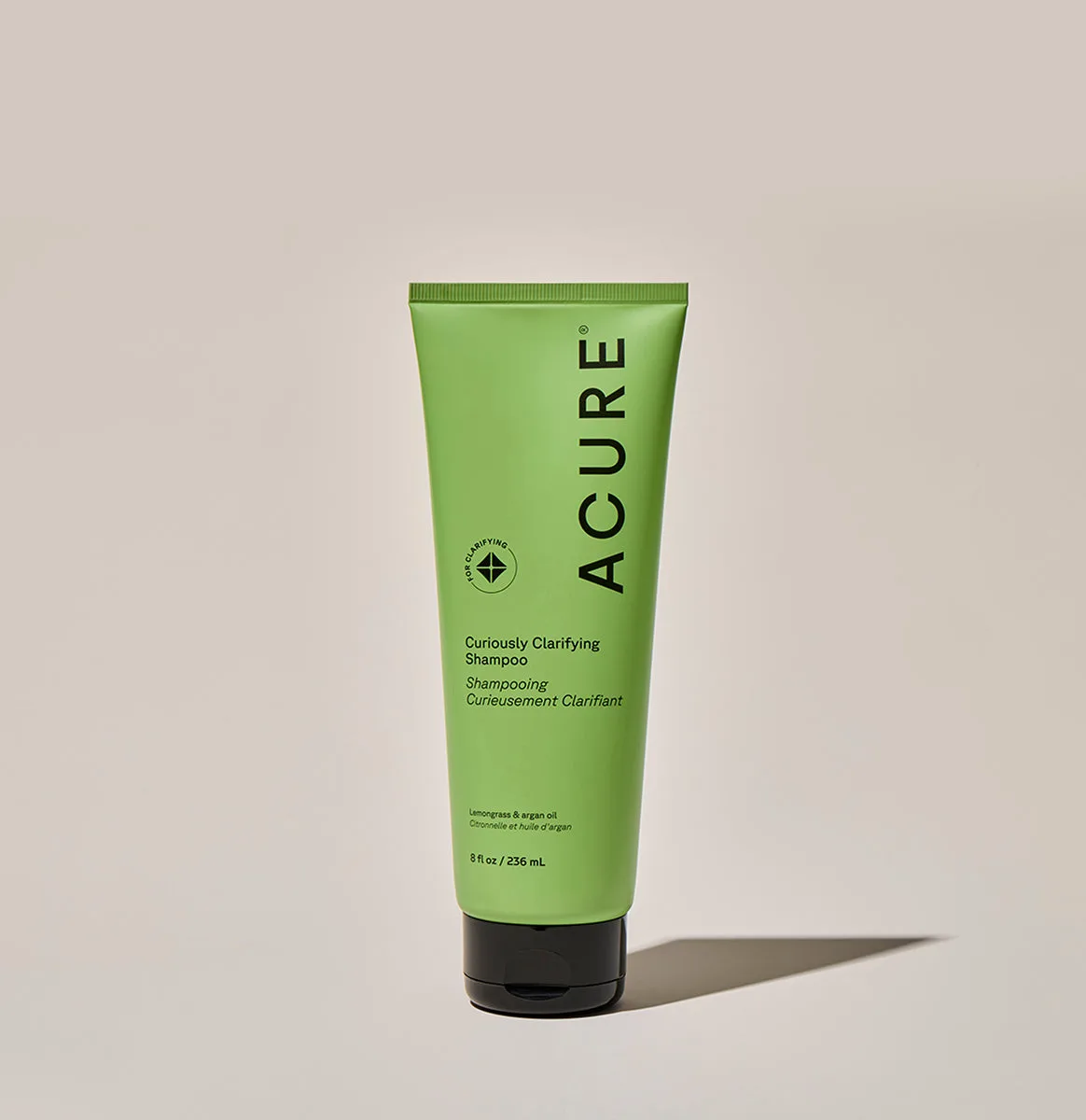 Fresh-Scented Daily Wash
 Curiously Clarifying Shampoo
A gentle, well-made, lemongrass-scented daily shampoo for normal-to-oily hair that is clarifying in name and scent only: it shares its mild surfactant base and cationic polymers with Acure's hydrating wash and will not strip build-up. Good as a fresh everyday shampoo at ten dollars, wrong as a periodic reset, and the declared citral and linalool make it a poor choice for a reactive scalp.
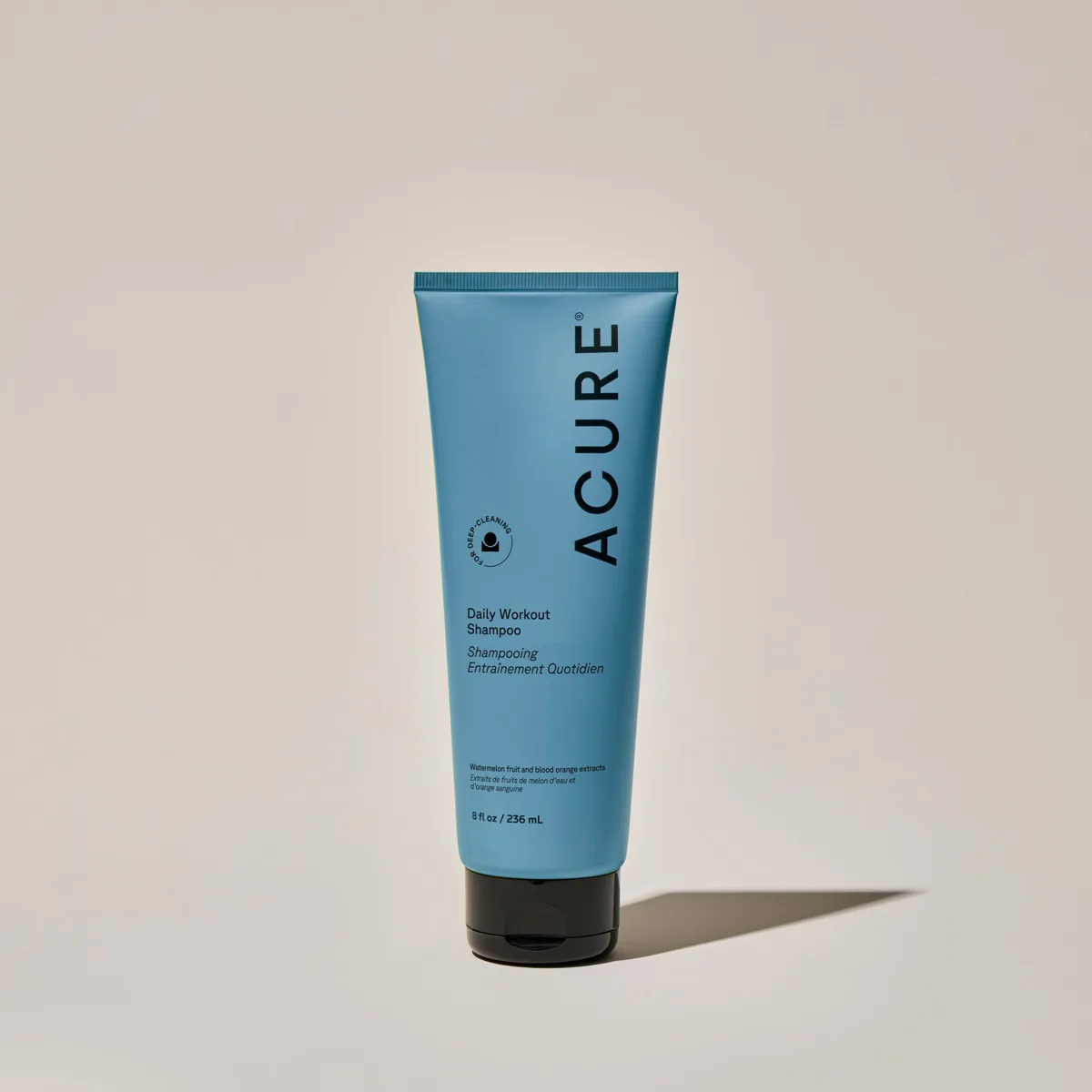 Gentle Post-Gym Wash
 Daily Workout Shampoo
The leanest, most citrus-scented dressing of Acure's single sulfate-free shampoo base, and a sound choice for washing normal-to-oily hair every day after exercise without drying the scalp. That is the whole product: the watermelon and blood orange are rinsed away, it removes sweat because everything does and build-up because nothing this mild can, and the declared limonene and clove oil make daily use a real consideration for reactive scalps.
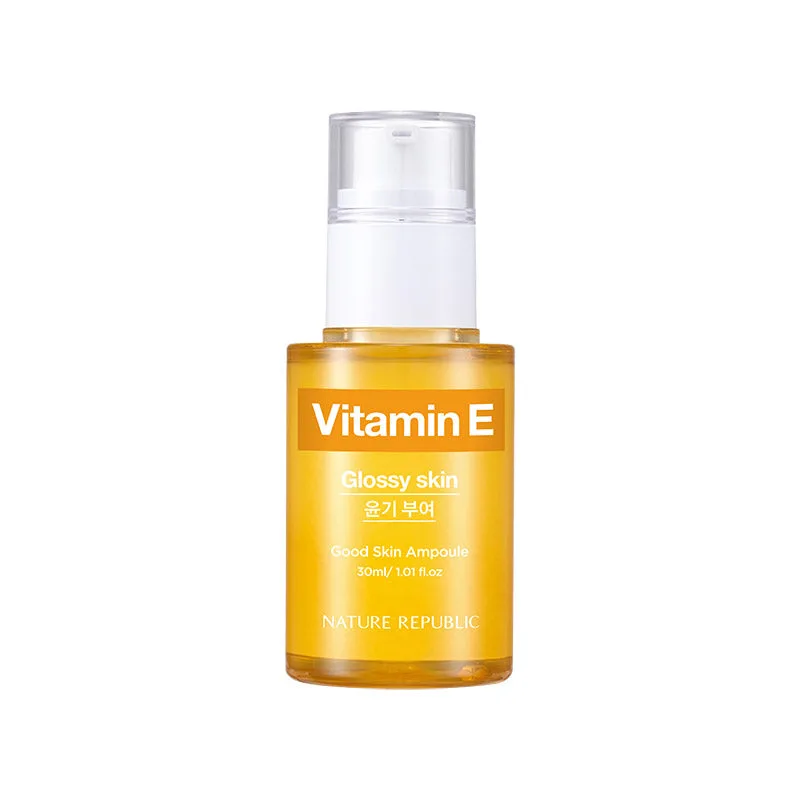 The Yellow Ampoule for Dry Skin
 Good Skin Vitamin E Ampoule
A fifteen-dollar nourishing ampoule that leaves dry skin soft and faintly glossy — a humectant base, a light ester and a modest dose of vitamin E in two forms, with panthenol as the quiet best ingredient and four plant oils bringing up the rear of the list. It does its small job pleasantly and cheaply. Five essential oils on a serum for dry, often reactive skin are the reason it is not an easy recommendation, and the reason a shopper should read the middle of the list before the yellow label.
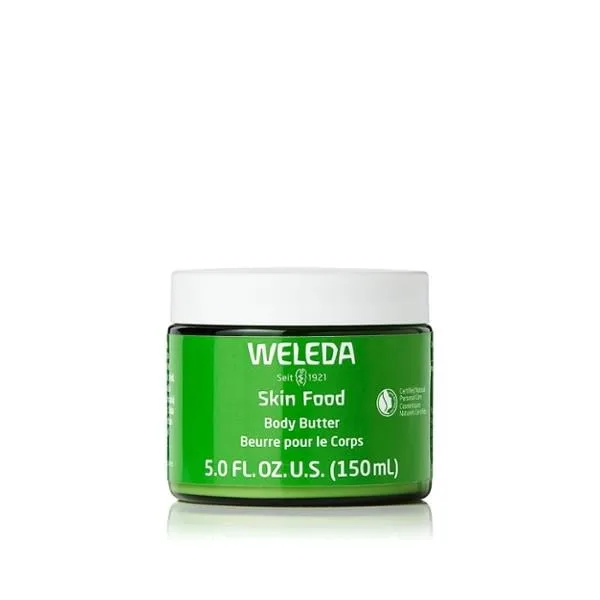 Skin Food for the Body
 Skin Food Body Butter
A rich, vegan sunflower-cocoa-shea butter that seals dry body skin for a day, smells powerfully of Skin Food and sinks in faster than its density suggests when applied to damp skin. It is the most sensible place in the Skin Food line for the scent and the alcohol to live, since body skin tolerates both better than the face, and eight thousand-odd reviews agree. Eczema-prone, fragrance-sensitive and hot-climate users should pass; everyone else with dry shins will be pleased.
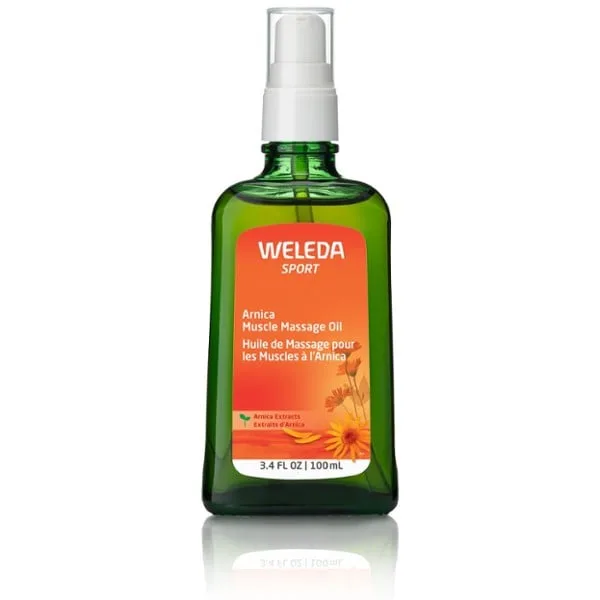 The Sports Massage Standard
 Muscle Massage Oil - Arnica
The reference natural sports massage oil: sunflower and olive oils with a real arnica extract and a warm rosemary-lavender scent, from the brand that has grown arnica for a century, with twelve thousand reviewers at 4.8 stars who swear by it after a run. The massage is what eases the muscles and the arnica's own contribution is uncertain in trials; it is a comfort product of the highest quality, not a remedy, and the arnica and fragrance are for intact, non-reactive skin only.
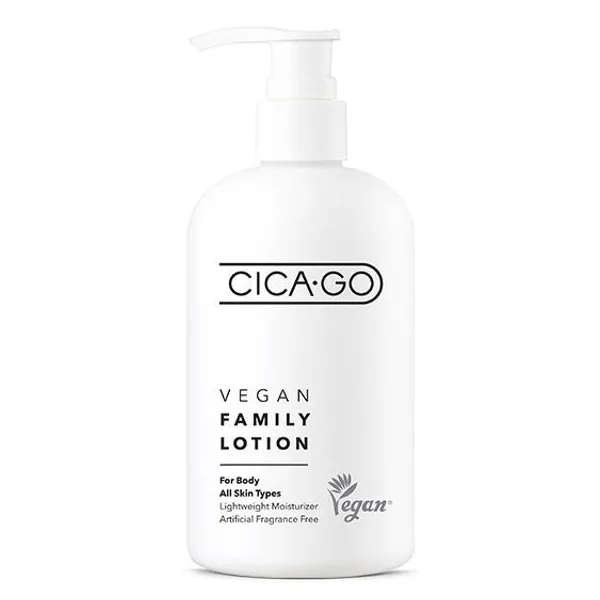 Shareable Vegan Body Lotion
 CICAGO Vegan Family Lotion
A generous vegan body lotion that softens dry skin well with macadamia and apricot oils, humectants, panthenol, allantoin and a touch of ceramide, at a fair price for 350ml. Read the 'family' and 'artificial fragrance free' labels carefully: rosemary and bergamot oils plus three declared allergens make it a weaker fit for children with sensitive or eczema-prone skin.
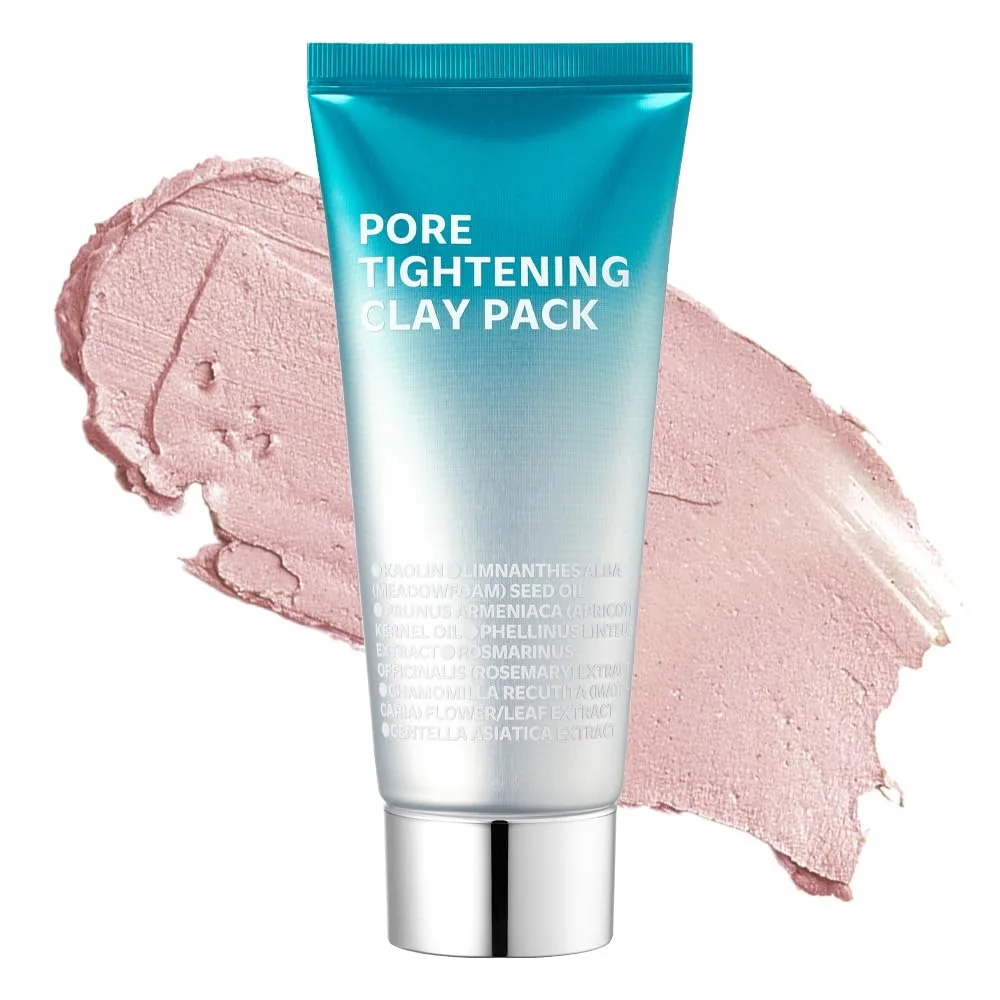 Clay Mask That Doesn't Tighten
 Pore Tightening Clay Pack
A clay mask for people who dislike clay masks: kaolin absorbs oil from the T-zone, but an unusually rich base of shea butter and meadowfoam, olive and apricot oils keeps skin soft rather than tight. Pores look smoother after ten minutes, the rose oil adds a pleasant scent and some allergens, and the oils make it a poor fit for fungal-acne-prone skin.
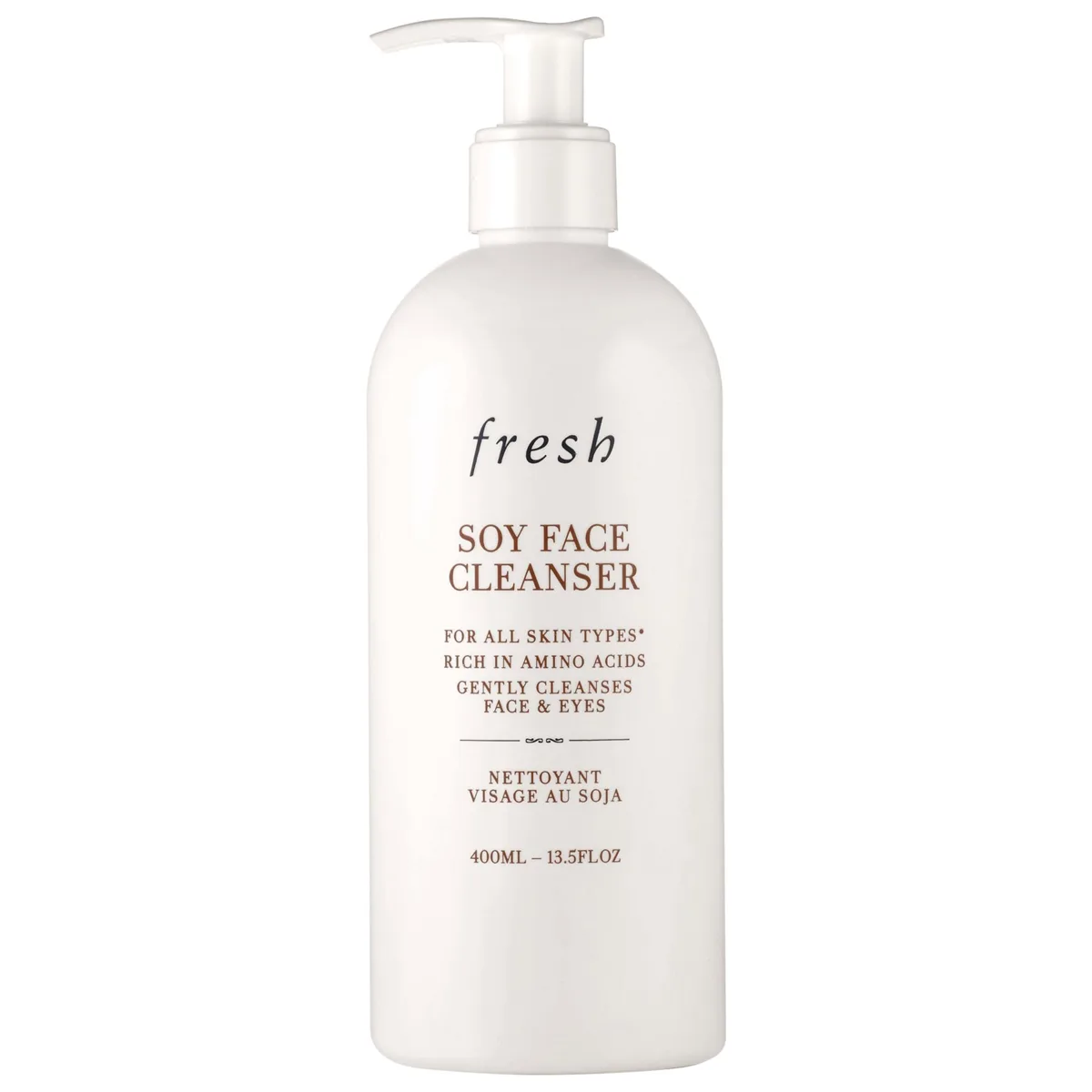 The Original Gentle Cleanser
 Soy pH-Balanced Hydrating Face Wash
The cleanser that launched a brand and hasn't stopped selling for 25 years. Fresh's Soy Face Wash is about as close to universally good as a cleanser gets — pH-balanced, barrier-respecting, and gentle enough for eyes. The premium price for a wash-off product is its only real weakness.
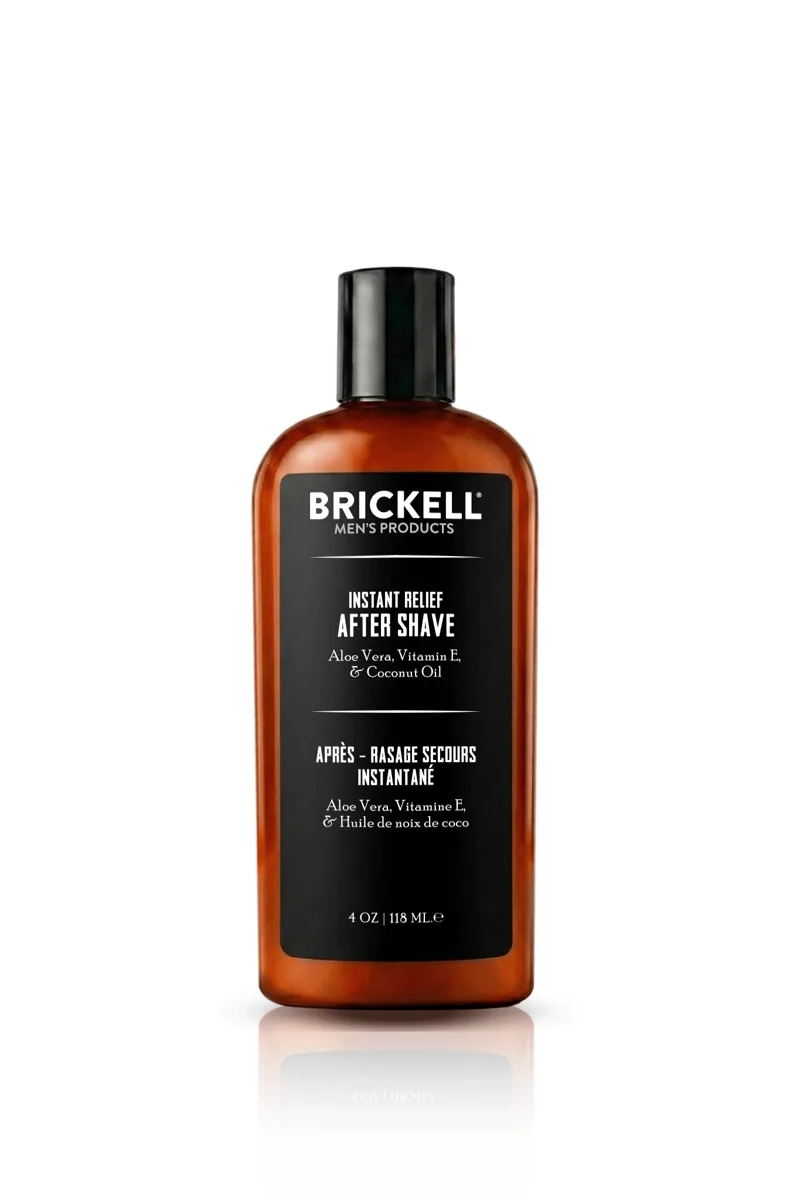 Alcohol-Free, Anti-Bump
 Instant Relief Aftershave for Men
Brickell's aftershave is one of the smarter, better-value products in the line: alcohol-free, so it soothes freshly-shaved skin instead of stinging it, with calming aloe and calendula, real hyaluronic acid, and a genuinely sensible touch of gentle AHAs (glycolic, malic, tartaric) that target razor bumps and ingrown hairs. At $13 it's affordable, too. The main caveat is the citrus and lavender essential oils, which can irritate freshly-shaved, more-permeable skin — but the unscented version drops them, and it's the safer pick for sensitive skin. A thoughtful, functional, well-priced aftershave, especially unscented.
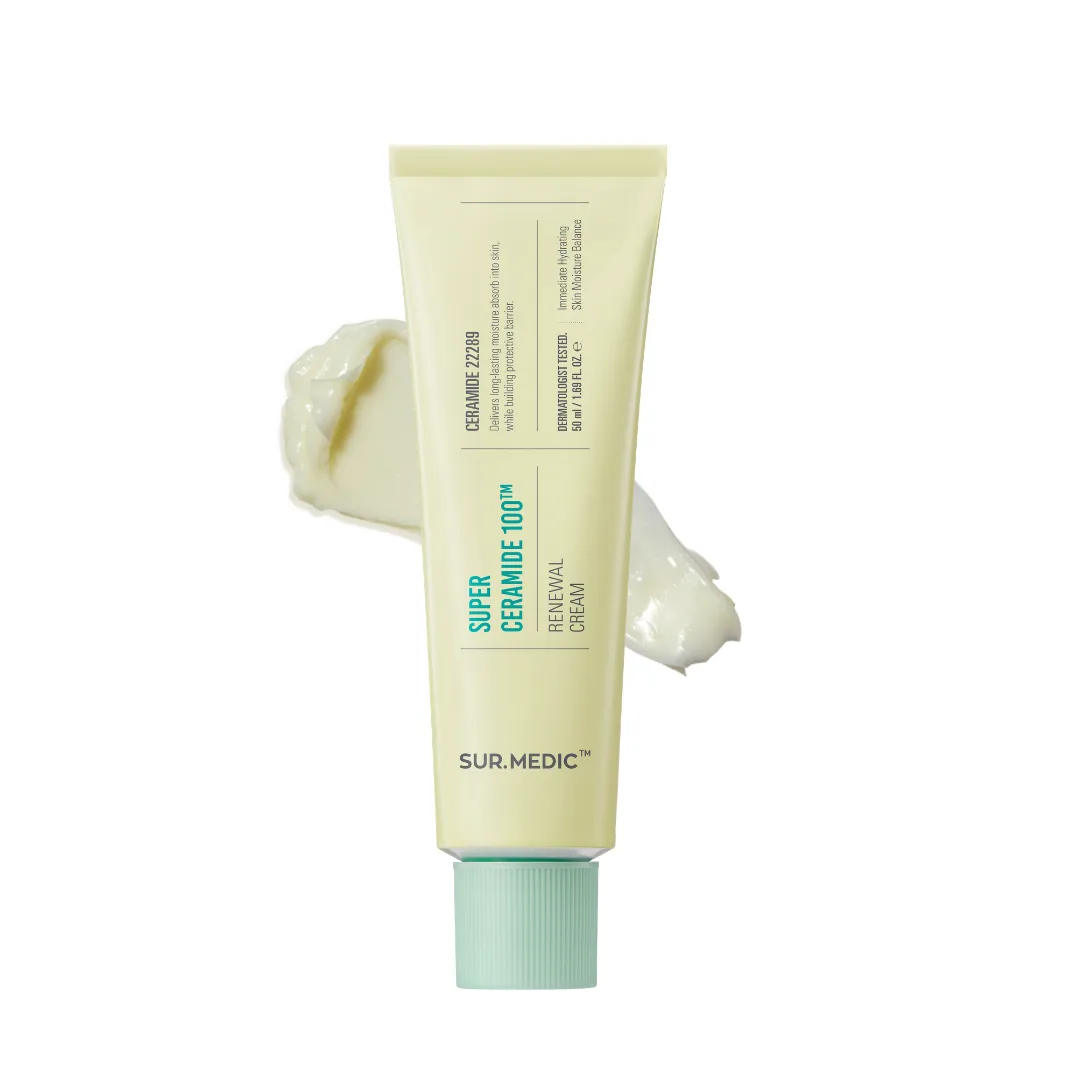 Ceramide in Name, Perfume in Practice
 Super Ceramide 100 Renewal Cream
A silky, fast-absorbing, pleasantly scented hydrating cream sold as a five-ceramide barrier treatment for sensitive skin, whose own label discloses ceramide doses in the parts-per-million range and whose ten essential oils make it wrong for the skin it targets. Niacinamide and a strong humectant base do honest work underneath; the name and the audience are the problems, not the texture.
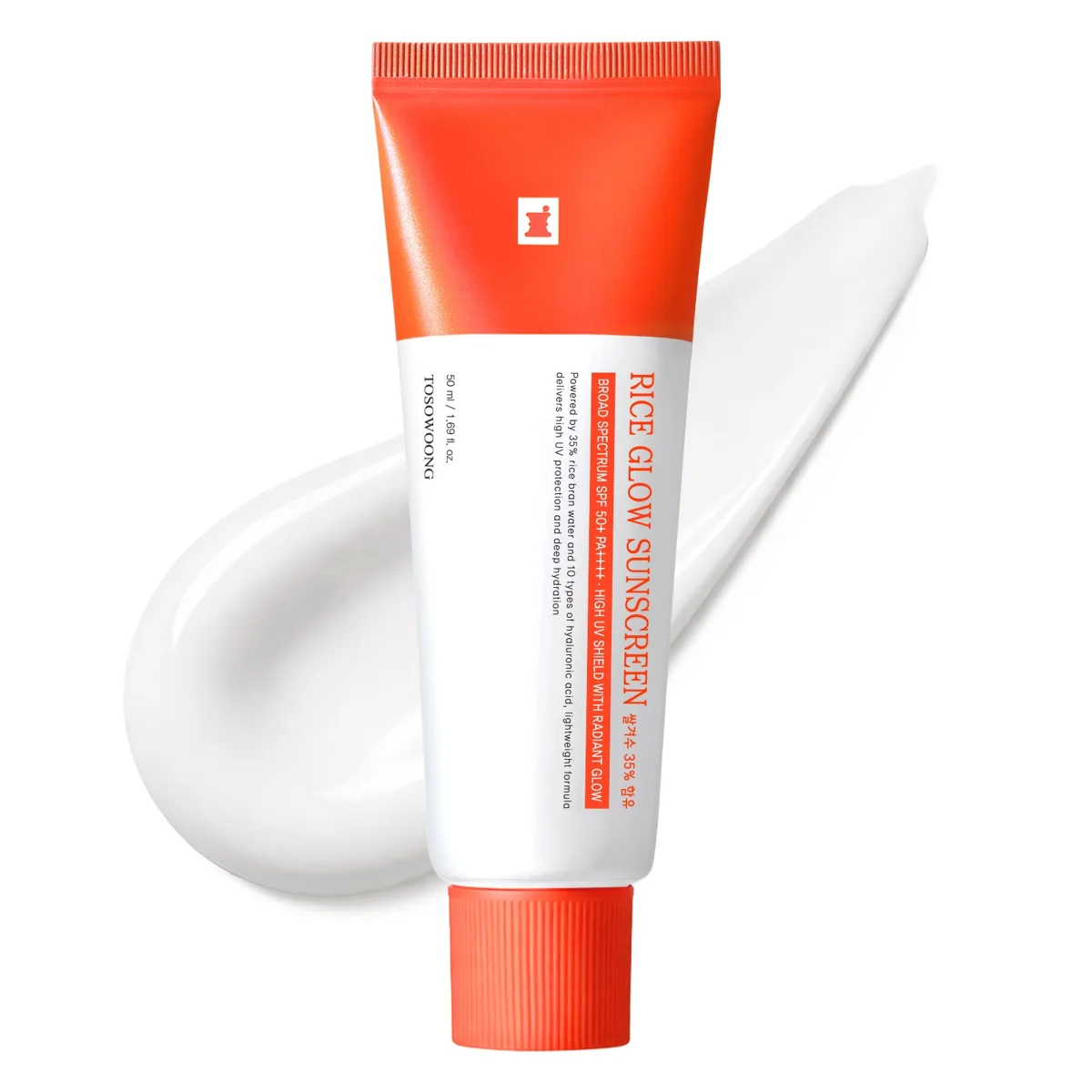 Dewy Rice SPF, Scented
 Rice Glow Sunscreen SPF 50+
A Korean glass-skin sunscreen rebuilt on American filters, with maximum-dose avobenzone, niacinamide, a hydrating rice-water base and a dewy, cast-free finish at a friendly price. Then five essential oils in a leave-on sold for sensitive skin, no water resistance, and eye-sting from the filter set. Good for normal-to-dry, non-reactive skin on ordinary days; the wrong bottle for reactive faces, oily skin or a day outdoors.
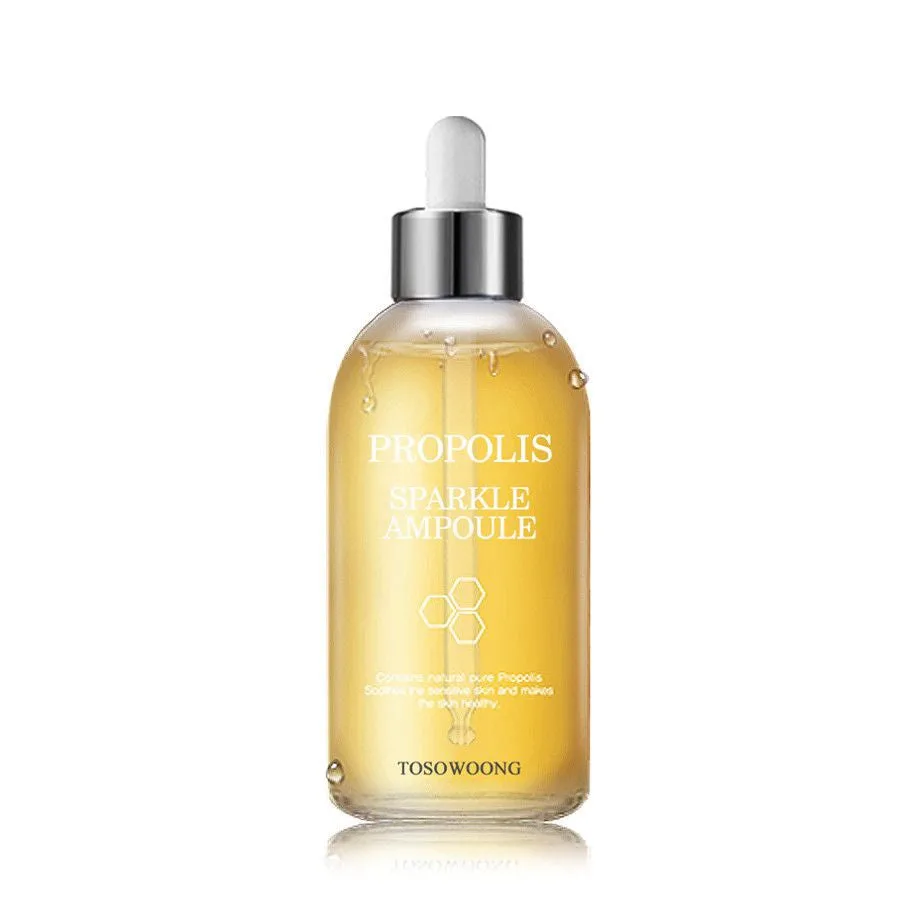 Mid-2010s Propolis Cult Ampoule
 Propolis Sparkle Ampoule
A mid-2010s cult ampoule that still does what made it famous: a honeyed, propolis-dense glow for very little money in a generous bottle. It also still carries six essential oils, four of them citrus and one bergamot, on top of propolis, itself an allergen, which makes it a poor bet for the sensitive skin propolis is meant to soothe. Good value for resilient, dry-to-normal skin that wants a dewy layer; a sting waiting to happen for everyone else.
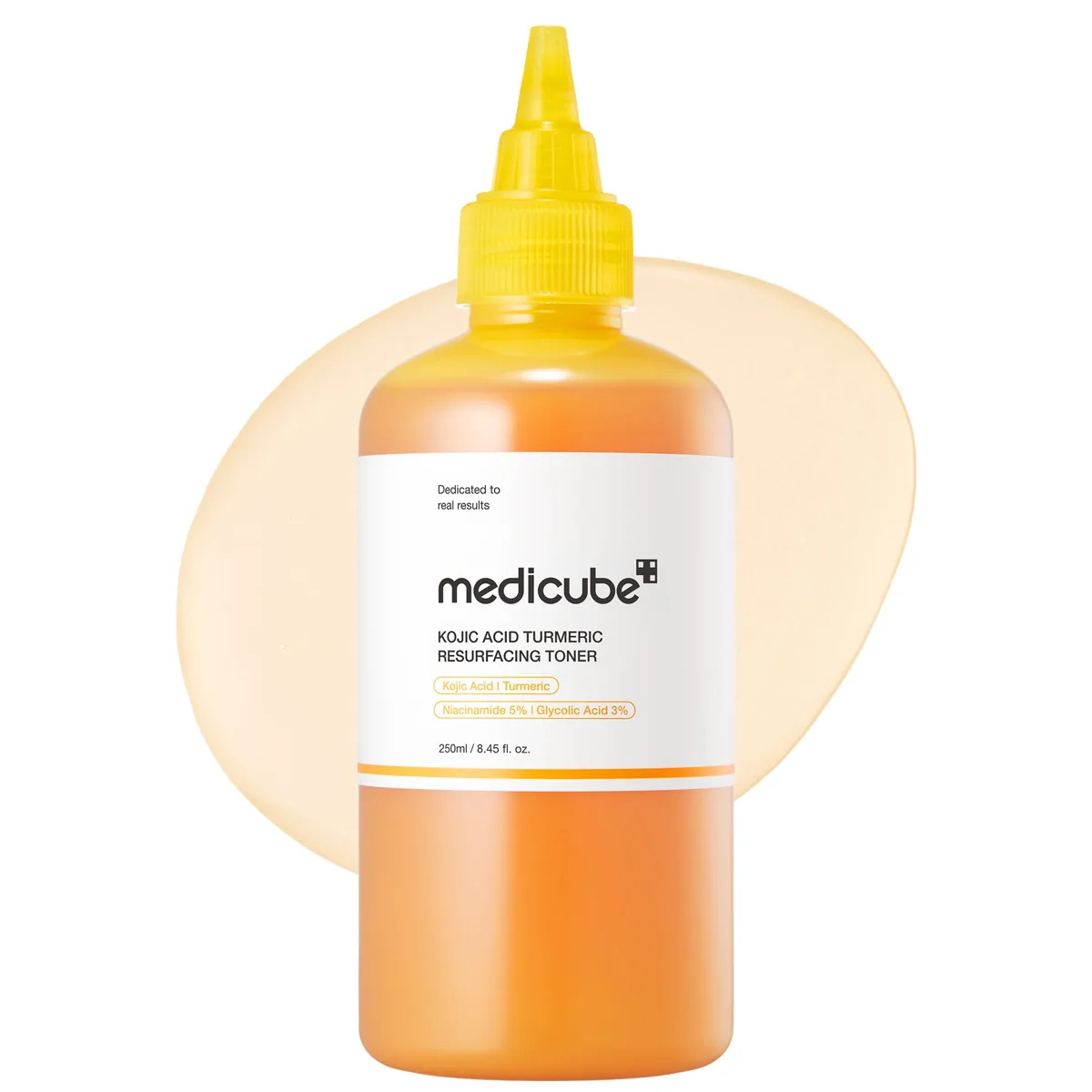 Body-and-Face Brightening Toner
 Kojic Acid Turmeric Toner
A niacinamide-first, mildly glycolic toner in a quarter-litre nozzle bottle built for underarms, elbows and knees as much as for the face, with a generous hyaluronic and ceramide finish that keeps it comfortable. It smooths rough body patches well and brightens the surface gradually; its kojic acid is a light supporting note, and its lavender and bergamot oils make it the scented, more sensitising sibling of the line's fragrance-free pad, with a sunscreen obligation the underarm pitch does not mention.
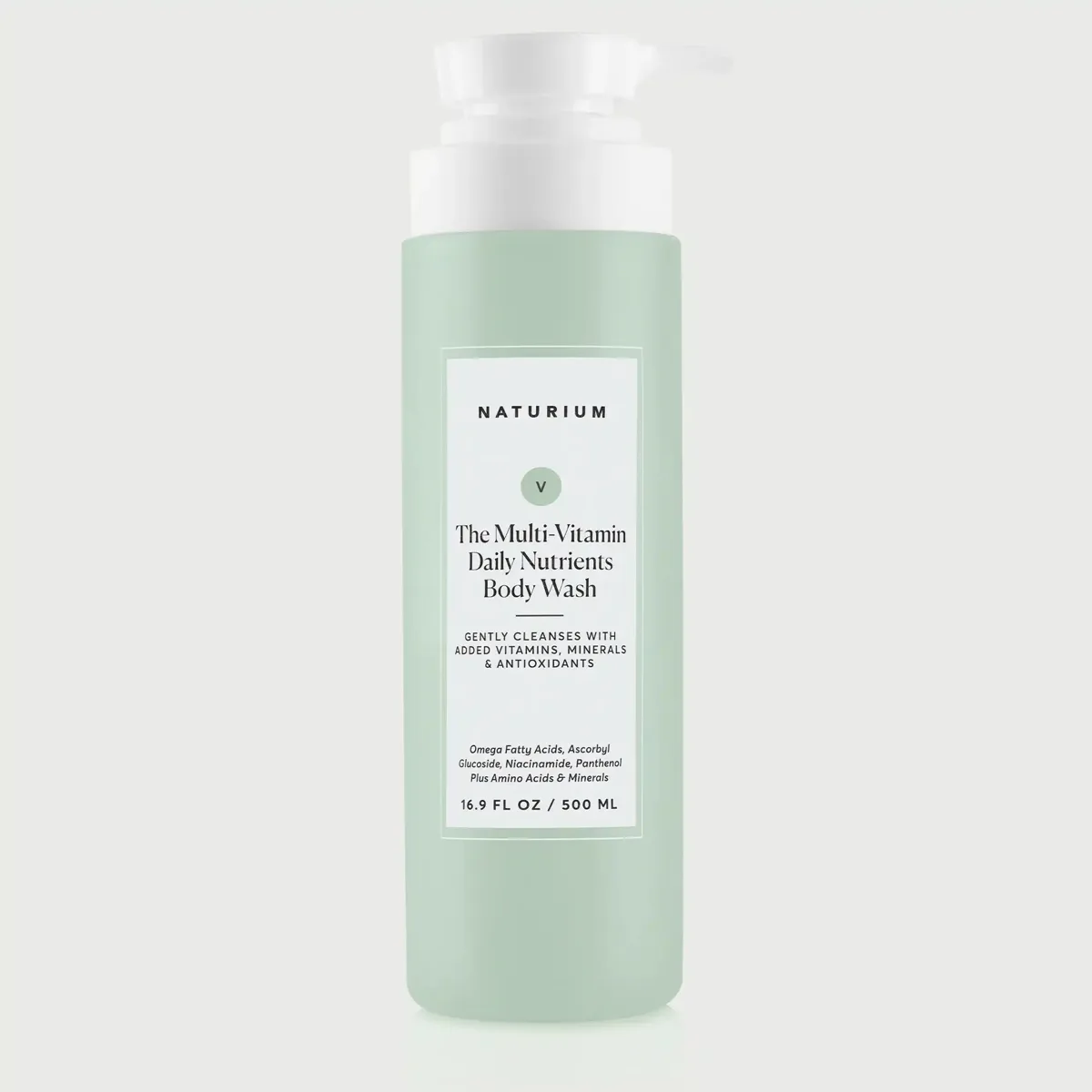 Multivitamin on the Label, Wash in the Bottle
 The Multi-Vitamin Daily Nutrients Body Wash
A pleasant, sulfate-free, isethionate-based everyday wash that cleans gently and smells lightly of chamomile and citrus, at the line's fair $17 — and a forty-eight-ingredient list of vitamins, minerals and amino acids that a rinse-off cannot deliver. It is a decent scented daily wash, not a nutrient treatment, and the essential oil that gives it its scent is the reason reactive skin should reach for the brand's fragrance-free options instead. Good base, long label, wrong name.
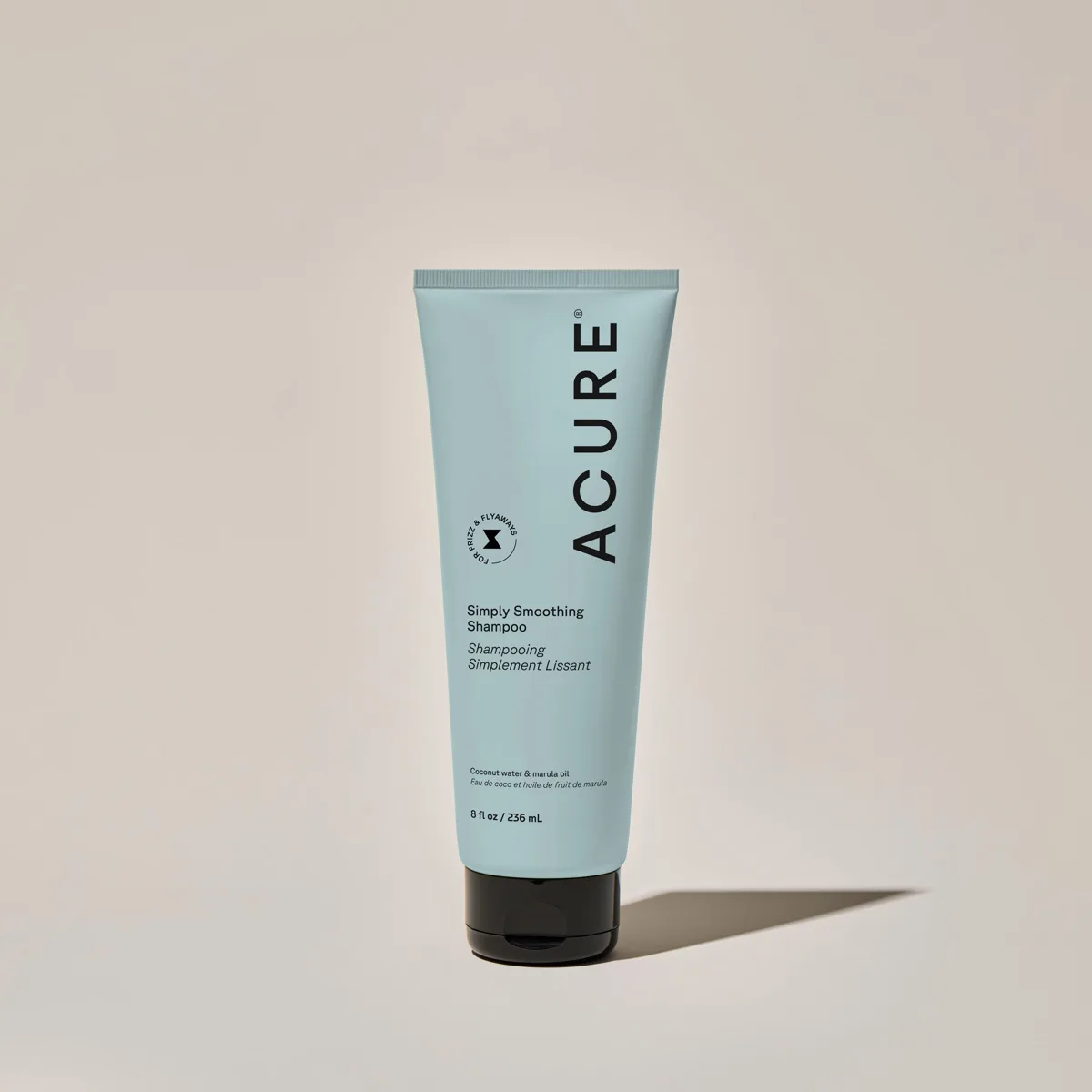 Rich Sulfate-Free Smoother
 Simply Smoothing Shampoo
The richest of Acure's sulfate-free shampoos, with seven oils in the list and two cationic polymers that do the real smoothing, and a good wash for coarse, wavy and frizz-prone hair at ten dollars. Fine hair will feel it as weight, the marula and coconut water are mostly rinsed away, and the clove-and-citrus essential-oil scent makes it the wrong choice for a reactive scalp.
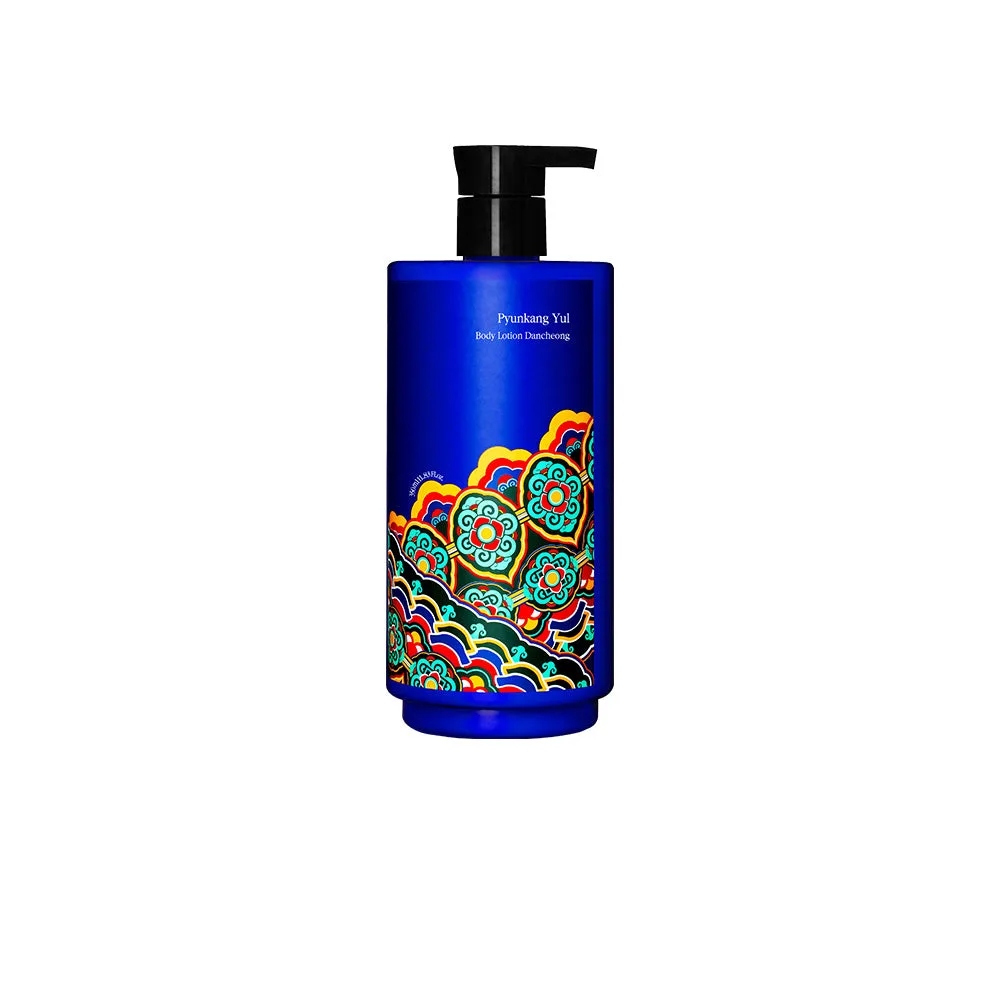 K-Beauty Scented Body Staple
 Body Lotion Dancheong
A light, fast-sinking olive-and-shea body lotion with a glycerin-rich base, a five-weight hyaluronic complex and a warm geranium-orange scent, fairly priced for 350 mL. It is a perfectly good everyday lotion and, coming from the house of fragrance-free minimalism, a slightly odd one: five essential oils in the top twenty is the last thing Pyunkang Yul's core customer expects. Normal skin that likes scent will be happy; reactive skin should stay with the unscented lines.
The full essential oils guide
Few skincare ingredients carry more contradiction than essential oils: real antimicrobial and anti-inflammatory activity in lab settings, a long history of therapeutic use, and a sensitization risk significant enough that dermatologists routinely tell reactive-skin patients to avoid them entirely.
The category covers hundreds of chemically distinct compounds — tea tree behaves nothing like lavender, which behaves nothing like frankincense — so blanket praise and blanket fear are both unhelpful. What the evidence actually shows is more nuanced, and more worth understanding before you decide whether they belong in your routine.
How it's regulated in the US
FDA does not classify ingredients — it classifies products, by what they are sold to do. The same molecule can be a drug active in one product and a cosmetic ingredient in the next, and only the claim on the label decides which. What follows is a statement about that legal standing, not about whether it works — the evidence question is answered separately above.
Cosmetic Essential Oils is a cosmetic ingredient in the US: no OTC monograph covers it and it is not an active in any FDA-approved drug, so a product built around it is a cosmetic rather than a drug.
Most of the supportive evidence is in vitro (lab-based) or from small, often unblinded trials rather than large randomized controlled studies. Tea tree oil (Melaleuca alternifolia) has the strongest clinical base: a 2023 systematic review of randomized controlled trials in Frontiers in Pharmacology found measurable antimicrobial and anti-acne activity, while cautioning that overall trial quality was modest and that more evidence is needed to firmly confirm benefit. A 2025 systematic review in Frontiers in Medicine, analyzing roughly 70 studies, reported signals of benefit across acne, atopic dermatitis, and psoriasis but flagged inconsistent study quality throughout. On the safety side the data are clearer: fragrance allergens such as linalool, limonene, geraniol, and eugenol occur naturally in many essential oils, and their air-oxidized hydroperoxide forms are potent contact sensitizers. Patch-test data from the North American Contact Dermatitis Group (2021–2022) keep fragrance markers among the most relevant allergens, with hydroperoxides of linalool alone testing positive in around 10% of patients. A 2023 French case series confirmed lavender, tea tree, and other oils as direct triggers of allergic contact dermatitis. Individual oils vary enormously in risk — this is not a monolithic category, and oxidation and leave-on use push the risk higher.
How it works
Extracted mostly by steam distillation or cold pressing from leaves, bark, flowers, rinds, and roots, each essential oil is a complex mixture of terpenes, esters, phenols, alcohols, and aldehydes. That chemical complexity is exactly what drives both their reported activity and their risk. The antimicrobial mechanism is reasonably well characterized in the lab: terpene-rich oils like tea tree and eucalyptus appear to disrupt bacterial cell membranes, interfering with membrane integrity and ion transport in a way that may make resistance less likely than with single-molecule antibiotics. For acne-associated Cutibacterium acnes, this membrane disruption is thought to be the primary pathway. Anti-inflammatory effects are attributed to inhibition of pro-inflammatory cytokines and, for some oils, dampening of NF-kB signaling — a shared pathway across inflammatory skin conditions. Bisabolol (from chamomile), linalool (lavender), and boswellic acid fractions (frankincense) have been studied here, though largely in cell and animal models rather than human skin. Sensitization is where things get complicated. Many of these oils carry linalool, limonene, geraniol, and eugenol — fragrance compounds that oxidize on air exposure into hydroperoxides, which act as potent haptens. They bind skin proteins and prime an immune response that can surface as allergic contact dermatitis on later exposures. This isn't a sign of a bad batch; it's inherent to the chemistry. A lovely-smelling lavender oil is still a potential sensitizer, and its risk climbs the longer it sits exposed to air.
Key benefits
- Tea tree oil shows antimicrobial activity against acne-associated Cutibacterium acnes, with most RCT support clustered around 5% formulations
- Terpene-rich oils disrupt bacterial membranes in a way researchers suggest may slow resistance development
- Anti-inflammatory compounds in chamomile, lavender, and frankincense reduce cytokine-driven redness in cell and animal models
- Deliver botanical scent without synthetic parfum — a meaningful distinction for some consumers, though not a safety advantage
- Rosemary and eucalyptus oils show early lab evidence of antimicrobial and skin-conditioning activity
- Aromatic compounds add a sensory dimension that can improve how consistently people use a product
Concentration & usage
Concentration matters enormously here. The International Fragrance Association (IFRA) sets category-specific limits for many common essential oil components, and the EU requires on-label declaration of 26 fragrance allergens — including linalool, limonene, geraniol, and eugenol — when present above 0.001% (10 ppm) in leave-on products or 0.01% in rinse-off. In finished skincare, essential oils used as functional actives typically land between roughly 0.5% and 2%; pushing higher tends to raise sensitization risk without a proportional gain in benefit. Tea tree oil around 5% is the level with the most acne RCT support. Undiluted essential oils should never be applied directly to skin. To spot them on a label, scan the INCI list for botanical Latin names rather than common names: Melaleuca Alternifolia (Tea Tree) Leaf Oil, Lavandula Angustifolia (Lavender) Oil, Pelargonium Graveolens (Rose Geranium) Oil, Boswellia Serrata Oil, Eucalyptus Globulus Leaf Oil, and Citrus Aurantium Dulcis (Orange) Peel Oil are common examples.
Who it's for & who should be cautious
Who it's for
People with resilient, non-reactive skin who already tolerate fragranced products tend to use essential oil-containing formulas without issue. Those chasing antimicrobial or spot-treatment benefits — particularly acne-prone but not sensitive skin — have some evidence to lean on, especially with a well-formulated tea tree product. And for consumers who actively prefer botanical scent over synthetic parfum, essential oils can be a reasonable choice, provided their own skin history supports it rather than working against it.
Who should be cautious
Anyone with a known fragrance allergy, a history of contact dermatitis, rosacea, eczema, or a compromised skin barrier should treat essential oils as a genuine risk category rather than an afterthought. Dermatology guidance and contact-dermatitis registries consistently rank fragrance — including the naturally derived kind from essential oils — among the most common cosmetic allergens. People who have already reacted to one oil are at elevated risk of cross-reacting to others because of shared terpene constituents. Those layering prescription actives onto an already-disrupted barrier — post-procedure, on isotretinoin, or during an active eczema flare — should be especially wary, since barrier disruption raises sensitization potential.
Pairs with & conflicts
Pairs well with: Jojoba Oil, Squalane, Plant & Seed Oils, Plant Butters, Glycerin, Aloe Vera, Vitamin E (Tocopherol), Ceramides
Use with care alongside: Retinol, Benzoyl Peroxide, Salicylic Acid (BHA), Glycolic Acid (AHA), Azelaic Acid
Myths & facts
Myth: Natural essential oils are hypoallergenic because they come from plants
Reality: Origin has no bearing on allergenic potential. Linalool (lavender), limonene (citrus), eugenol (clove), and geraniol (rose) are among the contact sensitizers most frequently flagged by dermatological patch-test networks — and all are entirely plant-derived. 'Natural' describes a source, not a safety rating.
Myth: If an essential oil doesn't irritate your skin the first time, you're in the clear
Reality: Allergic contact dermatitis is a delayed hypersensitivity reaction that needs prior sensitization. The first exposure can quietly build the immune response; the visible reaction often appears on a second or later exposure — sometimes months or years on. First-time tolerance is not a free pass.
Myth: Essential oils at low concentrations are too dilute to cause a reaction
Reality: The EU mandates label declaration of 26 fragrance allergens starting at just 0.001% in leave-on products, reflecting how little it takes to provoke a response in sensitized skin. Once someone is sensitized, even trace amounts can trigger a clinically meaningful flare.
Frequently asked questions
Do essential oils count as fragrance under cosmetic labeling rules?
Effectively, yes. Dermatologists and regulators treat essential oils as fragrance because they contain the same volatile aromatics — limonene, linalool, geraniol, eugenol — found in synthetic scent blends. A product that lists 'lavender oil' instead of 'parfum' is not fragrance-free by any clinical standard, even when it's marketed as 'naturally scented' or 'clean.'
Which essential oils tend to cause the most contact allergy?
Lavender and tea tree oil come up repeatedly as direct triggers in contact-dermatitis case series, alongside oils like ravintsara and helichrysum. Lavender's risk in particular climbs sharply once the oil oxidizes with storage and air exposure. Because individual reactivity varies, patch testing with an essential oil series is how a dermatologist actually pins down which oil is responsible.
Can I use products with essential oils if my skin is acne-prone?
It largely depends on whether your skin is also reactive. Tea tree oil around 5% has the most acne support among essential oils, though trials still place it below benzoyl peroxide for efficacy. If your skin handles fragrance without redness or itching, an essential oil formula carries low day-to-day risk. But if your acne comes with sensitivity or rosacea, the irritation risk usually outweighs the antimicrobial upside.
Do essential oils go off, and does that change how safe they are?
Yes to both. Air exposure oxidizes terpenes like limonene and linalool into hydroperoxides, which are markedly stronger skin sensitizers than the original compounds. Oils kept in clear glass, warm spots, or with the cap left off oxidize faster. Tightly sealed, cool, dark storage helps, but a product that smells slightly 'off' or has been open well over a year is more likely to provoke a reaction.
Is it safe to use essential oils on skin during pregnancy?
The evidence is incomplete, and most guidance errs toward caution. A few oils — sage, rosemary, and clary sage among them — contain compounds with hormone-modulating or uterotonic effects at high doses, though the levels in typical cosmetics are generally considered low-risk. A practical approach is to go easy on high-concentration leave-on essential oil products, especially early in pregnancy, and run anything you're unsure about past an OB or midwife.
How do I spot essential oils on a label if they aren't named plainly?
They show up in INCI lists under botanical Latin names — Lavandula Angustifolia Oil, Melaleuca Alternifolia Leaf Oil, Citrus Aurantium Bergamia Peel Oil, and so on. They can also appear broken out as isolated components: linalool, limonene, geraniol, citronellol, eugenol, and coumarin are fragrance allergens derived from essential oils that EU rules require to be declared separately above threshold concentrations.
- Clean Beauty & MarketingThe Organic Seal on Your Serum Certifies a Farm, Not a FormulaAsked directly whether organic cosmetics are safer than conventional ones, the FDA's published answer is one word. It is not the word the aisle implies.
- Clean Beauty & MarketingThe Most Common Contact Allergens in Skincare Are Overwhelmingly Plant-DerivedThe fourth most frequent positive patch test in North America is an oxidation product of a molecule that occurs naturally in lavender. Nobody synthesised it into your face cream.
- Clean Beauty & MarketingThe App Scoring Your Moisturiser a 7 Has Never Seen the FormulaYuka's published rule is that the single worst ingredient sets the score. Not how much of it there is, not what it does in that base — its presence. Here is why that is a defensible design choice and a bad safety verdict.
- Natural & BotanicalA Product Can Be Scented Head to Toe and Still Say Fragrance-FreeEssential oils are declared by botanical name rather than as fragrance, which is why the most heavily perfumed products in the natural aisle can carry the reassuring word — and why the bottle gets more sensitising the longer you own it.