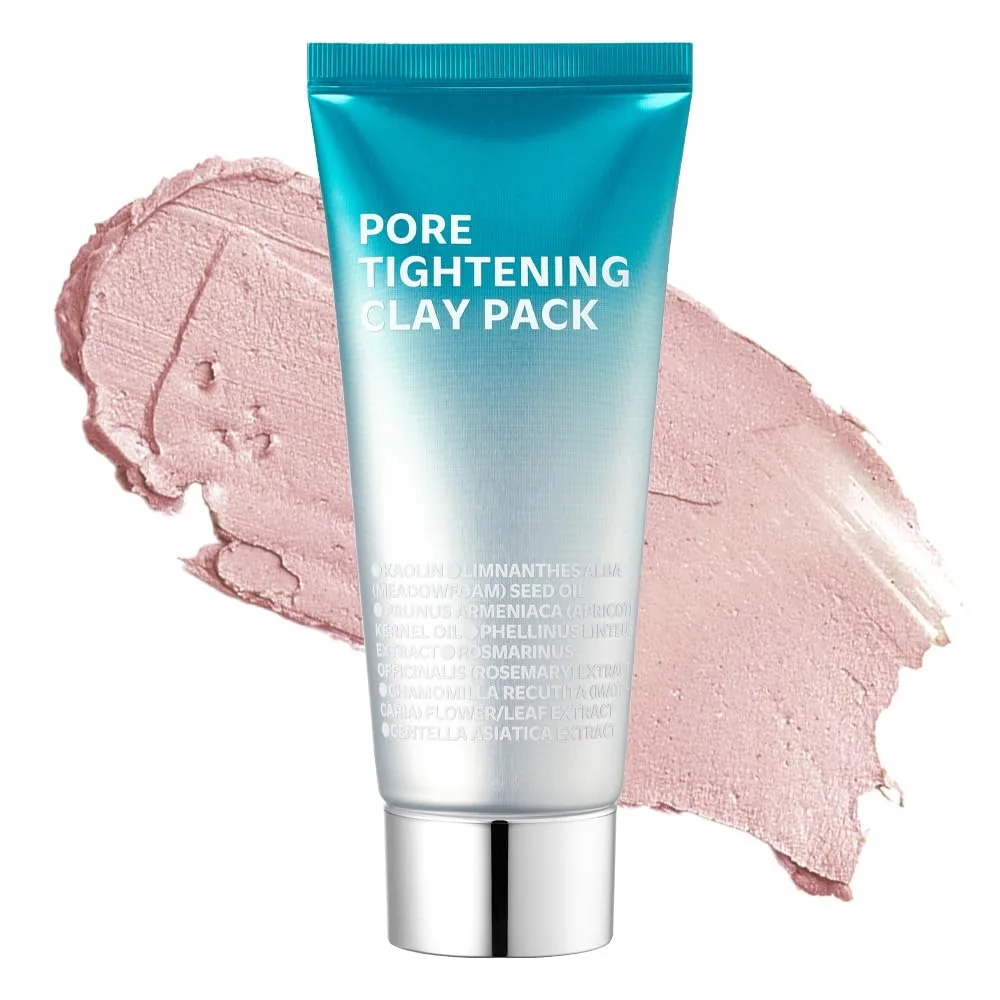
It pairs kaolin clay with an unusually rich emollient base of shea butter and meadowfoam, olive and apricot kernel oils, plus Bulgarian rose oil and a long botanical blend, so it absorbs oil without the tight, cracking finish of typical clay masks.
A clay mask for people who dislike clay masks: kaolin absorbs oil from the T-zone, but an unusually rich base of shea butter and meadowfoam, olive and apricot oils keeps skin soft rather than tight. Pores look smoother after ten minutes, the rose oil adds a pleasant scent and some allergens, and the oils make it a poor fit for fungal-acne-prone skin.
About two dozen Amazon ratings and the full ingredient list inform this assessment; YesStyle's own ingredient listing for this pack appears to show a different product, so the Amazon list was used. No independent testing of pore claims exists.
Verdicts
How well it fits each concern
Verdict by concern none yet
Listed for Large Pores, Excess Oiliness and Dullness — the actives here (Kaolin Clay, Meadowfoam Seed Oil, Shea Butter, Centella Asiatica) are in our research queue for those concerns; there is no verdict until their evidence rows are written. That is a gap in our table, not a mark against the product.
As a maskNot judged: what a mask is for — works within its wear time, benefit outlasts the mask, comes off cleanly — cannot yet be measured from the ingredient list (only intensity without injury can).
A verdict is DermApproved’s assessment of how well a product’s ingredients fit a concern — never a claim about what the product treats. Evidence dots and collected reviews sit beside it and are never blended in.
Rules 0.5.1 · evidence table ev-2026.09-r228 · how we decide
Assessment
Pros & Cons
Pros
✓ Kaolin absorbs excess oil from the T-zone
✓ Rich emollient base prevents tightness and cracking
✓ Leaves skin matte but soft after rinsing
✓ Soothing botanical blend including centella and licorice
✓ Works for combination and even normal-to-dry skin
✓ Pleasant natural rose scent
Cons
✗ Rose and niaouli oils bring citronellol and geraniol
✗ Plant oils make it unsuitable for fungal acne
✗ May be too rich for some acne-prone skin
✗ Small 100 ml tube for the price
✗ Does not shrink pores permanently
Review
Full Review
Clay masks have a reputation problem. They absorb oil well, but many dry into a stiff, cracking shell that leaves skin tight and flaky after rinsing. isoi's Pore Tightening Clay Pack takes an unusual approach to that problem. After water and kaolin, its ingredient list reads more like a rich cream than a clay mask: glycerin, cetyl ethylhexanoate, cetearyl alcohol, pentaerythrityl tetraisostearate, meadowfoam seed oil, glyceryl stearate, shea butter, olive fruit oil and apricot kernel oil. That emollient cushion is the defining feature of the mask, and it explains both its appeal and its limits.
The kaolin does the oil-absorbing work. It is a gentle white clay, widely used for oily skin because it soaks up sebum without being as aggressive as bentonite. During a ten-minute application, it mattifies the T-zone and lifts surface oil from around pores, which is where the pore-smoothing effect comes from. Pores look less obvious after rinsing because the surface is less oily and more even, not because they have changed size.
The emollients change the experience. The mask spreads like a soft pink cream, sets only lightly, and never cracks. After rinsing, the T-zone is matte but the rest of the face feels soft, not tight. For combination skin, and even for normal-to-dry skin that finds typical clay masks punishing, that is a real advantage. The brand suggests leaving it on for about ten minutes, which is sensible; clay masks do not need to dry fully to work, and letting them dry completely mainly draws water from the skin.
isoi's signature Bulgarian rose oil appears near the end of the list, alongside a long botanical blend: Phellinus linteus mushroom, rosemary, niaouli, chamomile, centella, licorice, sumac gall, olive leaf, chrysanthemum, Japanese pagoda tree bud, self-heal, chestnut shell, white willow bark, calendula, Baikal skullcap and tree peony. Several of these have soothing or antioxidant properties in laboratory studies, which helps offset the drying potential of clay. The rose and niaouli oils also bring citronellol and geraniol, labelled fragrance allergens, and the chamomile and calendula belong to the daisy family, which matters for people with plant sensitivities.
The rich base is also the main caution. Olive oil and the other plant oils and esters make the mask a poor choice for anyone managing fungal acne, and some people with acne-prone skin may find the emollient load too much for a pore product. For them, a simpler kaolin or bentonite mask without added oils may be better. For people whose main complaint is shine and texture rather than active breakouts, the balance works well.
In a routine, the mask fits once or twice a week after cleansing. Follow it with a hydrating toner and a light moisturiser. It pairs well with a leave-on salicylic acid on other nights, which addresses clogged pores more directly, while the clay mask handles surface oil and texture. Avoid using it on the same day as scrubs or exfoliating masks.
There is also a small mystery worth flagging for anyone shopping carefully. YesStyle's listing for this pack has carried an ingredient list that does not include kaolin at all, which cannot be right for a product sold as a clay pack and appears to belong to a different isoi item. The list printed on Amazon's listing, which puts kaolin second and titanium dioxide a few places later, matches the pink, opaque clay in the tube and the ingredients named on its front. That is the list this review relies on, and it is worth checking the carton if you buy from a reseller.
The titanium dioxide here is a whitening pigment and opacifier rather than sun protection; in a rinse-off mask it simply gives the clay its soft pastel colour and some extra coverage while it sits on the skin. The arachidyl glucoside and related fatty alcohols form the emulsifier system that lets clay and oil share one smooth cream, and they are also why the mask rinses cleanly without needing a cleanser afterwards. Xanthan gum thickens the base so the layer stays put rather than sliding at the edges.
Texture-wise, the experience is closer to a skin-softening treatment than to a detox ritual. There is no tingle, no pulling sensation as it sets, and no chalky residue in the hairline. For people who have given up on clay masks because of how their skin felt afterwards, that alone may justify a try.
Roughly two dozen Amazon reviewers give it an average of 4.4 stars, and the recurring praise is that it does not leave skin tight. The main complaints are the small tube for the price and the scent.
On value, a 100 millilitre tube costs around twenty-eight dollars through YesStyle's US listing. At once or twice weekly use with a thin layer, it lasts two to three months, reasonable but not cheap for a clay mask.
isoi, founded in 2006, is best known for its Bulgarian rose products, and this mask belongs to its rose pore range, sold under both the plain and Bulgarian Rose names. The full ingredient list is published, but no independent testing of the pore claims exists.
All told, this is a comfortable, well-balanced clay mask that removes oil without stripping. For combination skin that hates the tight feeling of traditional clay masks, it is a good choice. For fungal-acne-prone or fragrance-sensitive skin, look for something simpler.
Formula
Key Ingredients
The hero actives that drive this product's performance.
Apply a thin, even layer to clean, dry skin for about ten minutes, rinse with lukewarm water, then continue with toner and moisturiser.
Results Timeline
Immediate: a mattified T-zone with smoother, softer-looking pores and no tight feeling. Once or twice weekly use keeps oil in check; pore size itself does not change.
Pairs Well With
A hydrating toner afterwardsA leave-on BHA on other nightsA light moisturiser
Kaolin is a hydrated aluminium silicate clay with a moderate capacity to adsorb sebum and impurities; it is gentler than bentonite and commonly used for oily and combination skin. Clay masks reduce surface oil and can temporarily make pores less conspicuous, but pore size is governed by sebum production, genetics and dermal support.
This formula includes a substantial emollient phase, including cetyl ethylhexanoate, pentaerythrityl tetraisostearate, shea butter and meadowfoam, olive and apricot kernel oils, emulsified with cetearyl alcohol and glyceryl stearate. These lipids reduce the transepidermal water loss and tightness often associated with clay masks, particularly when they are left to dry completely.
The botanical blend includes centella asiatica, licorice root, chamomile, calendula and Scutellaria baicalensis, which have anti-inflammatory and antioxidant activity in laboratory studies. White willow bark contains salicin, a precursor of salicylic acid, though its exfoliating effect in a rinse-off mask is minimal.
Rosa damascena flower oil and Melaleuca viridiflora (niaouli) leaf oil contain citronellol, geraniol and other terpenes that are recognised contact allergens. Olive oil, rich in oleic acid, and other plant oils can support Malassezia growth, making oil-containing masks less suitable for fungal folliculitis.
Dermatologist Perspective
Dermatologists generally consider clay masks a reasonable occasional step for oily skin, useful for temporarily reducing shine, while advising against leaving them to dry completely or using them too often. For enlarged-looking pores and comedones, leave-on salicylic acid and retinoids have stronger evidence. Fragrance components from essential oils are a common cause of contact dermatitis, so sensitive patients are often advised to choose unscented formulas. Patients with Malassezia folliculitis are usually told to avoid oil-rich products.
Guidance
Usage & Recommendations
How to Use
After cleansing, pat the face dry and apply a thin, even layer, avoiding the eyes and lips. Focus on the T-zone if your cheeks are dry. Leave on for about ten minutes, without letting it dry completely, then rinse thoroughly with lukewarm water. Follow with a hydrating toner and moisturiser. Use once or twice a week, and avoid combining it with scrubs or exfoliating masks on the same day.
Value Assessment
At about $28.29 for 100 ml through YesStyle's US listing, the clay pack is moderately priced and lasts two to three months at once or twice weekly use. Its balance of oil-absorbing kaolin and a rich, non-tightening base offers fair value for combination skin. The essential oils and plant oils narrow its audience, reducing value for sensitive or fungal-acne-prone skin. isoi's established reputation supports quality.
Who Should Buy
People with combination, normal or oily skin who want a clay mask that absorbs oil and smooths the look of pores without leaving skin tight or flaky, and who enjoy a natural rose scent.
Who Should Skip
Those prone to fungal acne, sensitive to essential oils or daisy-family plants, or with very oily, breakout-prone skin that dislikes rich textures should choose a simpler, oil-free clay mask.
A soft, creamy pink clay that spreads easily and stays supple rather than cracking.
Scent
A natural rose and herbal scent.
Packaging
A 100 ml teal-to-silver gradient squeeze tube with key ingredients printed on the front.
Finish
mattenatural
What to Expect on First Use
Spreads like a cream and sets only lightly over ten minutes. Rinses off easily, leaving skin matte in the T-zone but soft, not tight. Sensitive skin may react to the essential oils.
How Long It Lasts
About two to three months at once or twice weekly use.
The Pore Tightening Clay Pack is part of isoi's Bulgarian Rose pore range, alongside a pore serum and tonic, designed to bring the brand's rose oil into oil-control care.
About isoi Established Brand (5–20 years)
isoi is a Korean clean-beauty brand founded in 2006, known for Bulgarian rose oil formulas and a minimal-additive philosophy. It has a loyal following in Korea and publishes full ingredient lists, but no independent clinical studies of its individual products have been published.
Brand founded: 2006
Myth vs. Reality
Common Myths
Myth
A clay mask must dry and crack to work.
Reality
Kaolin absorbs oil while wet; drying to the point of cracking mainly pulls water from the skin.
Myth
Clay masks shrink pores.
Reality
They temporarily reduce oil and make pores look smaller, but pore size does not change.
FAQ
Frequently Asked Questions
How long should I leave the isoi Pore Tightening Clay Pack on?
About ten minutes, then rinse with lukewarm water. It does not need to dry completely.
Is the isoi clay pack suitable for dry skin?
Better than most clay masks, thanks to its shea butter and oils, though very dry skin should limit it to the T-zone.
Does the isoi Pore Tightening Clay Pack contain fragrance?
No synthetic fragrance, but rose and niaouli oils add scent along with citronellol and geraniol.
Can acne-prone skin use the isoi clay pack?
It can help absorb oil, but the rich oils may not suit everyone with acne, and it is not suitable for fungal acne.
How often should I use the isoi clay mask?
Once or twice a week is enough for most skin types.
Is the Pore Tightening Clay Pack the same as the Bulgarian Rose Pore Tightening Clay Pack?
Yes, isoi sells it under both names; it belongs to the brand's Bulgarian Rose pore range.
Reviews
What Reviewers Tend to Say
Recurring themes our editors read across retailer reviews of this product — summaries in our words, not quotations, and not a substitute for your own patch test.
Essential oils are declared by botanical name rather than as fragrance, which is why the most heavily perfumed products in the natural aisle can carry the reassuring word — and why the bottle gets more sensitising the longer you own it.
The fourth most frequent positive patch test in North America is an oxidation product of a molecule that occurs naturally in lavender. Nobody synthesised it into your face cream.
The K-beauty buzzword slaps a green leaf on half the shelf — but centella is one of the rare botanicals with genuine wound-healing data. The trick is knowing which molecule is doing the job.
The most common self-inflicted skincare injury is not a bad product. It is three good ones started in the same fortnight, leaving nobody able to name the culprit.
Products, answers, therapy guides, tools and articles in one search. Brand names,
slang and abbreviations all work — accutane finds isotretinoin, bacne finds truncal acne.