Cica Is on Everything. Here's the Part of Centella That Actually Works
The K-beauty buzzword slaps a green leaf on half the shelf — but centella is one of the rare botanicals with genuine wound-healing data. The trick is knowing which molecule is doing the job.
Read the preview
From the DermApproved blog, in Natural and Botanical: centella asiatica — the cica everyone's slapping on everything. Here's the twist. Most trend ingredients are a nice smell wearing a lab coat. Centella is the opposite — a genuine wound-healing plant that earned its stripes in medicine long before it hit the beauty aisle. So the buzzword is real. Sort of. Because 'cica' isn't one thing — it's four specific molecules, and a green tube can contain almost none of them. There's a way to read the label that tells you instantly whether you're buying the science or the sticker. There's a reason it makes retinol suddenly bearable. And there's one job it quietly does better than almost anything — plus one it can't do at all. Which is which? Find out at dermapproved.com/blog.
A wound-healing herb wearing a trend's clothing
Long before it became the word stamped on mint-green tubes, centella asiatica was a medicinal plant. Traditional systems across Asia used it on burns, ulcers, and slow-healing wounds; the French pharmaceutical industry standardized its active fraction decades ago into a compound called TECA and put it into scar and wound treatments. This is not the usual botanical origin story, where a plant with a nice smell gets retrofitted with health claims. Centella earned its reputation in the clinic first and the beauty aisle second.
Which makes the current moment a little strange. 'Cica' — short for cicatrisant, meaning wound-healing — is now a marketing texture applied to serums, balms, masks, and moisturizers with wildly different formulas, some of which contain a meaningful dose of the plant's actives and some of which contain a homeopathic whisper of leaf extract and a green label. The ingredient is real. The buzzword is doing a lot of unearned work on top of it. Separating the two starts with knowing that 'centella' isn't really one thing at all.
Four molecules, not one leaf
The whole leaf contains hundreds of compounds, but the skin benefits trace to a small family of triterpene saponins and their acids: madecassoside, asiaticoside, madecassic acid, and asiatic acid. Together they're often abbreviated as the plant's 'titrated extract.' They don't all do the same job.
Asiaticoside is the collagen-stimulating one — it drives fibroblast proliferation and type I collagen synthesis, the reason centella shows up in scar and wound research. A 2023 review in Metabolites traced much of the plant's regenerative activity specifically to asiatic acid, its metabolite. Madecassoside leans more anti-inflammatory and antioxidant, protecting keratinocytes and dialing down the inflammatory signaling that leaves skin red and reactive. A 2024 review in Pharmaceutics laid out how these fractions collectively promote wound repair through fibroblast activity and collagen deposition.
The practical upshot: two products can both say 'centella' and behave differently depending on which fraction dominates and at what concentration. A brand like SKIN1004, which sources its centella from Madagascar and markets its madecassoside content, is making a specific claim — you can see it in something like SKIN1004 Hyalu-Cica Blue Serum, built around that soothing fraction. A minimalist option like Mary & May Centella Asiatica Serum puts the extract high and keeps the formula short so the plant is genuinely the point. If you want to see exactly what's in a given 'cica' product and where it sits, running the INCI list through an ingredient decoder is faster than trusting the front of the box.
The barrier evidence that separates it from most botanicals
What lifts centella above the average soothing herb is that its two headline effects — building structure and calming inflammation — are mechanistically documented, not just asserted. On the structural side, the triterpenes upregulate transforming growth factor beta (TGF-beta) signaling, which stimulates collagen and helps the extract support repair rather than merely coat the skin. On the calming side, they attenuate the NF-kB inflammatory pathway, tamping down the cytokines that drive redness and reactivity.
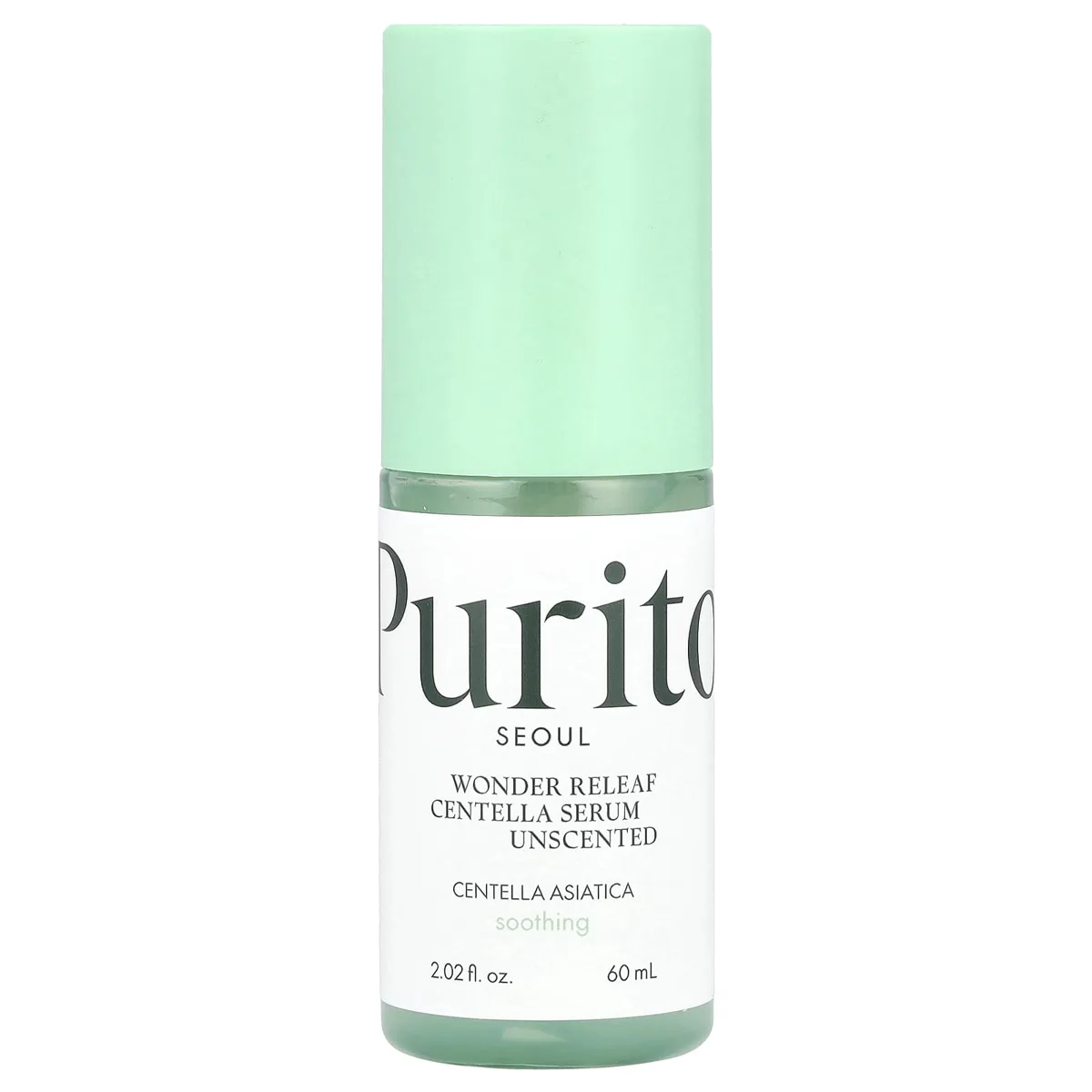
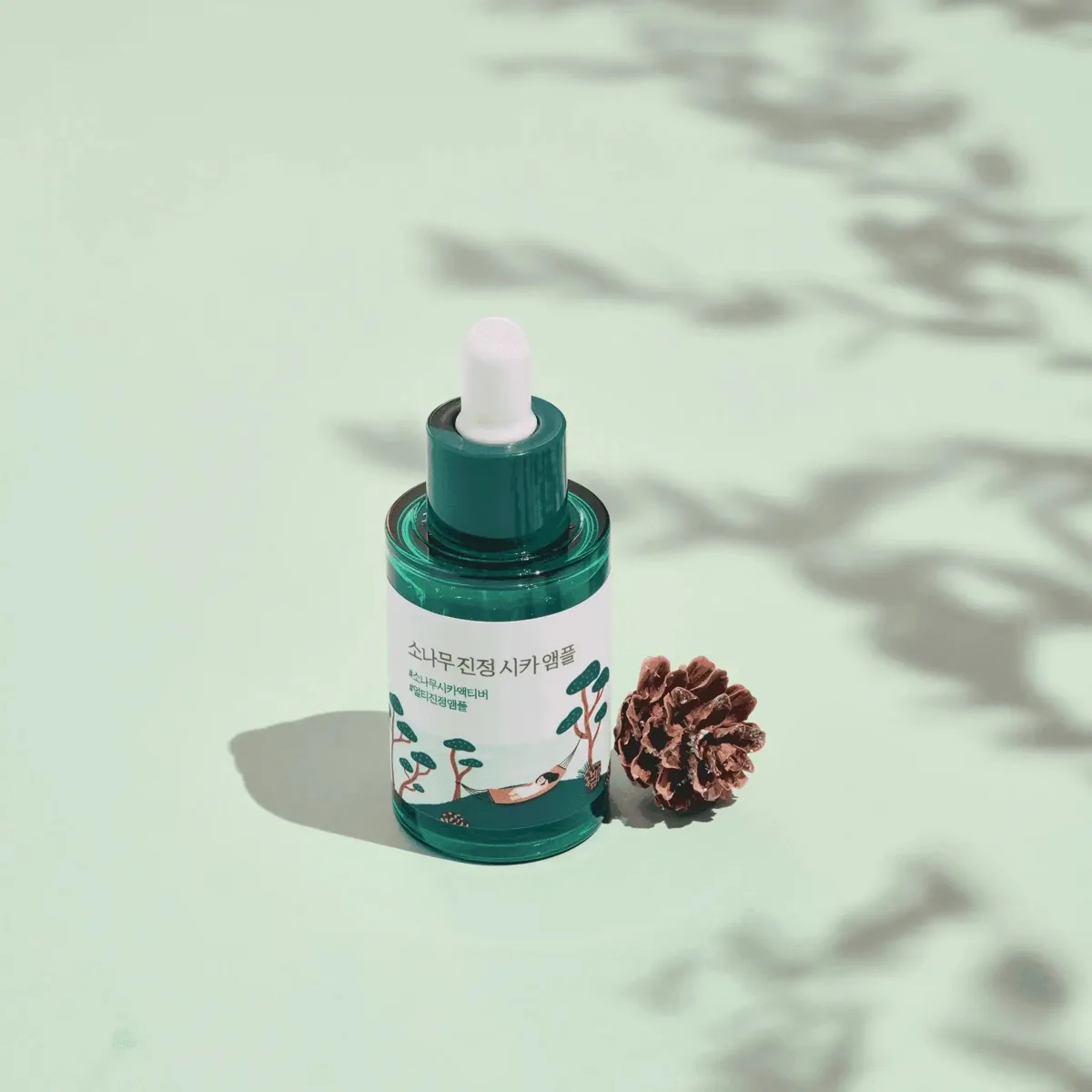
A 2021 review in Evidence-Based Complementary and Alternative Medicine collected this across skin-disease models, and human data is starting to catch up: a 2025 prospective study in the Journal of Cosmetic Dermatology found that a cream combining centella leaf extract with ceramide NP and panthenol gave measurable relief of facial redness and discomfort and strengthened the barrier in people with sensitive skin. That pairing — centella with ceramides and panthenol — is the template most good barrier formulas follow. Purito Centella Unscented Serum leans on it deliberately, dropping fragrance entirely so a reactive face gets the soothing without a common trigger; ROUND LAB Pine Tree Calming Cica Ampoule takes a similar calm-and-support approach. The honest caveat: much of the deepest mechanistic evidence still comes from lab and animal models, and human trials remain smaller than the marketing implies. The direction is convincing; the effect size is 'meaningfully calmer,' not 'clinically transformed.'
Why it's the perfect wingman for retinoids and lasers
Centella's real superpower shows up when it's not the star. The two things it does best — repair a compromised barrier and quiet inflammation — are the exact two problems created by the treatments that actually change skin: retinoids, acids, microneedling, lasers, and peels.
Retinoids work by accelerating cell turnover, and the price of that is a transitional stretch of dryness, flaking, and irritation while the barrier adapts. A centella-rich layer addresses both halves of that at once — the anti-inflammatory triterpenes calm the reaction while the collagen-supporting fraction backs the barrier's recovery. It's why so many people who can't otherwise tolerate a retinoid do fine once they buffer or alternate it with a cica product. The same logic applies after an in-office procedure, where skin is briefly wounded on purpose and needs exactly the kind of controlled repair centella was originally standardized to provide. If you're not sure how a centella serum should slot around your actives, a tool like my-skin can map it into a routine that puts the soother where it does the most good. The one place to be careful: 'soothing' is not 'inert.' A handful of people react to centella itself, so a new cica product still deserves a patch test, especially on already-angry skin.
How to read a 'cica' label without getting played
Because the word carries no regulatory meaning, the label is where you win or lose. A few tells separate a real formula from a green sticker.
First, look for specificity. 'Madecassoside' or 'Asiaticoside' named as an isolated ingredient signals the brand is dosing the active fraction on purpose, not just tossing in a trace of whole-leaf extract. A standardized 'Centella Asiatica Extract' or TECA sitting high on the INCI list — in the top third — is a good sign the plant is a real player. 'Centella Asiatica Extract' hovering near the preservatives at the bottom means it's there for the claim and little else.
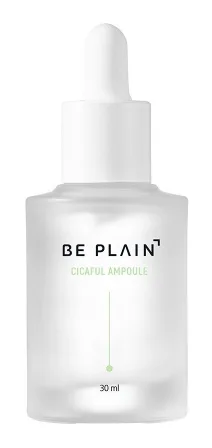
Second, watch the supporting cast. The best cica products pair the extract with barrier lipids (ceramides, cholesterol), humectants (panthenol, hyaluronic acid), and — critically — leave out fragrance and essential oils, which undercut the whole soothing premise. A calming ampoule like Be Plain Cicaful Ampoule earns the label by keeping the formula focused on centella and gentle humectants rather than piling on scent.
So here's the verdict. Centella is one of the few trend-driven botanicals that's genuinely worth the shelf space — a real barrier-supporter with a real anti-inflammatory mechanism and a centuries-old wound-healing résumé. But it's a supporting actor, not a lead. Buy it to calm a reactive barrier, to make your retinoid livable, to recover after a procedure. Buy it for those jobs from a formula that names its actives, and you're getting the science. Buy it for the green tube alone, and you're mostly getting the sticker.
Products mentioned
Independently reviewed and scored — the real products behind this piece.


References
- Topical Application of Centella asiatica in Wound Healing: Recent Insights into Mechanisms and Clinical Efficacy — Pharmaceutics, 2024
- Pharmacological Effects of Centella asiatica on Skin Diseases: Evidence and Possible Mechanisms — Evidence-Based Complementary and Alternative Medicine, 2021
- Centella asiatica and Its Metabolite Asiatic Acid: Wound Healing Effects and Therapeutic Potential — Metabolites, 2023
- The Effectiveness and Safety of a Skin Care Product With Centella asiatica Leaf Extract, Ceramide NP, and Panthenol in Subjects With Sensitive Skin — Journal of Cosmetic Dermatology, 2025
Every cited link is verified to resolve to the paper named. Where a source could not be independently confirmed, it is listed without a link rather than pointing you somewhere wrong.
Frequently asked
What is 'cica' actually short for, and does the word mean anything?
Cica is short for cicatrisant, meaning wound-healing, and it refers to centella asiatica. But the term has no regulatory definition, so a product can be labeled 'cica' with only a trace of the plant. The meaningful signal is on the ingredient list, not the front of the tube.
Which centella compound should I actually look for on the label?
Madecassoside and asiaticoside are the two to look for named specifically — madecassoside for its anti-inflammatory and antioxidant action, asiaticoside for collagen support. Seeing them isolated on the INCI list means the brand is dosing the active fraction on purpose rather than relying on a small amount of whole-leaf extract.
Can centella asiatica help my skin tolerate retinol?
Often, yes. Centella's triterpenes calm inflammation and support barrier repair, which directly counters the dryness and irritation retinoids cause during the adjustment period. Many people who struggle with a retinoid find it manageable once they buffer or alternate it with a centella-rich layer — though a patch test is still wise.
Is centella good for sensitive or reactive skin?
It's one of the better-supported choices. A 2025 clinical study found a centella-ceramide-panthenol cream reduced facial redness and strengthened the barrier in sensitive skin. Choose a fragrance-free version, since added scent undercuts the soothing benefit, and patch test first — a small minority react to centella itself.
Is cica an anti-aging ingredient?
Only indirectly. Its asiaticoside fraction does stimulate collagen, but centella's real value is calming inflammation and reinforcing the barrier, not delivering visible wrinkle reduction. Treat it as a soother and barrier supporter that keeps skin resilient — not as a replacement for a retinoid or a dedicated anti-aging active.