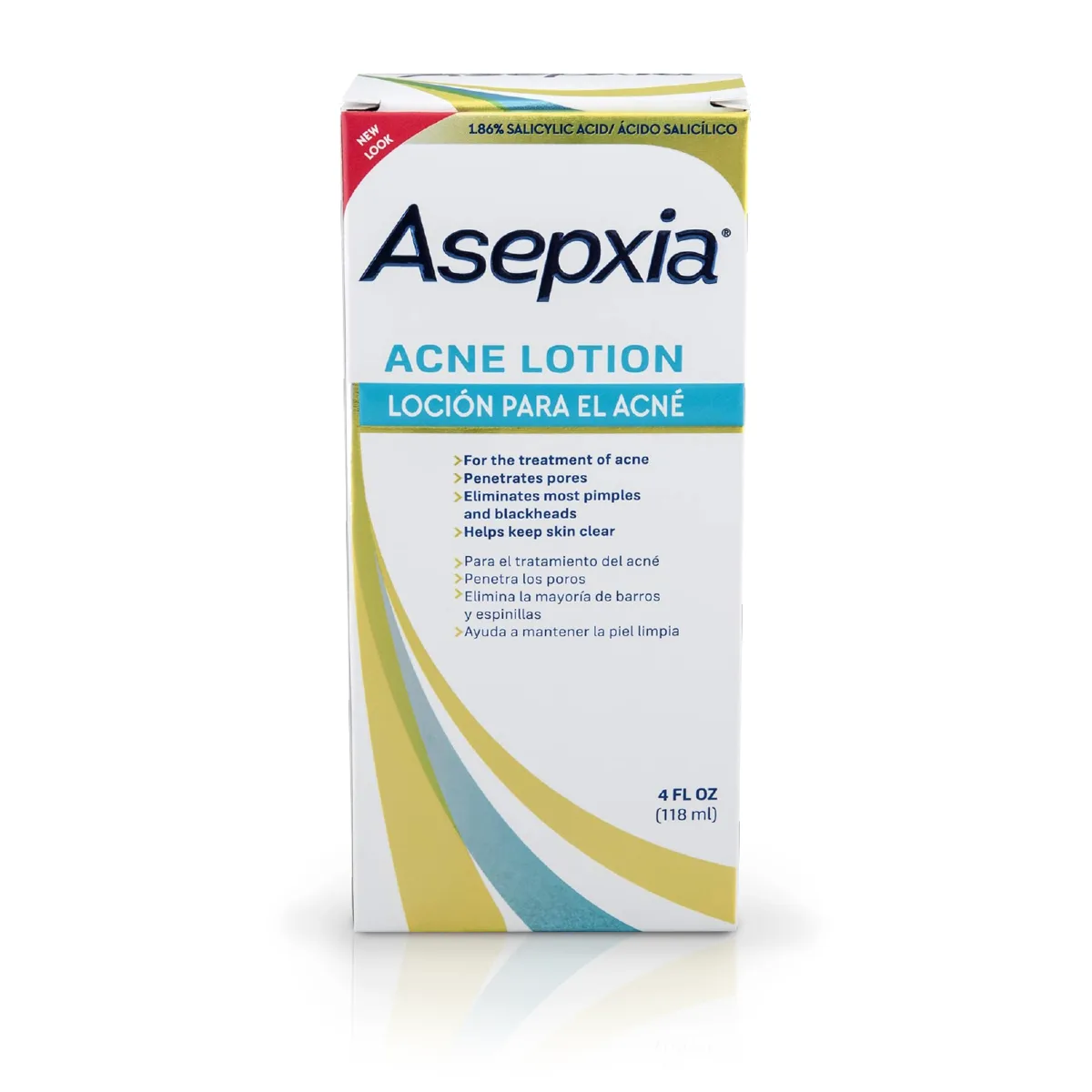
It's a throwback medicated astringent — 1.8% salicylic acid delivered in a high-alcohol base with camphor and cooling essential oils, for that bracing tingle and instant degreased feel. In an era of gentle, alcohol-free toners, its unapologetically old-school harshness is both its identity and its main drawback.
A throwback medicated astringent — 1.8% salicylic acid in a high-alcohol base with camphor and cooling essential oils — that degreases oily skin instantly and tingles like it means business. For genuinely oily, resilient skin it can cut shine and clear pimples cheaply, and longtime users love the bracing feel. But by modern standards it's harsh: the alcohol and fragrant oils are drying and irritating, and gentler salicylic acid treatments control oil more sustainably. Effective for a narrow audience, dated for everyone else.
Strong choicefor AcneIn your profileYou chose · Salicylic Acid is an approved or monograph active for acne; this liquid carries it at 1.8%.Moderate evidenceStandard tolerabilityNo reviews collected yet
The case for it
Salicylic Acid 1.8% is a first-line active — approved, monograph-listed or named in current guidelines — for this concern.
It is present at an effective concentration, declared or high in the ingredient list.
The formula carries no trigger this concern is sensitive to, with the cautions noted.
Cautions: fragrance; known irritants.
Same rule for everyone. “Strong choice” is the verdict on 1,459 of 45,024 concern verdicts across the catalog; rule R2 decided 892 of them.
Unchanged since September 5, 2026, engine 5.1.1.
R2 — A regulator- or guideline-recognised first-line active, declared at an effective strength, in a form the claim supports. · the full register
Carrying active
Salicylic Acid 1.8%
Standing
first line — a regulator recognises it for this use; trials support it · per § 333.310 Acne active ingredients. (U.S. Food and Drug Administration — 21 CFR Part 333 Subpart D (Topical Acne Drug Products), Code of Federal Regulations via GovInfo), opened July 27, 2026
Form
adequate (declared 1.8%) — studied range 0.5–2%, from the OTC monograph or label; judge it after ~6 weeks
Tolerability
standard — fragrance load, irritant load
Row checked
against its sources on July 27, 2026 (evidence table ev-2026.09-r228)
Unprovenfor Excess OilinessIn your profileYou chose · Salicylic Acid has early or mechanistic evidence for excess oiliness — a reasonable bet, not a recommendation; the other actives here are not yet assessed for it.Moderate evidenceStandard tolerabilityNo reviews collected yet
The case for it
Salicylic Acid 1.8% has early or mechanistic evidence for this concern, not trial-backed standing.
It is present below the studied range.
The formula carries no trigger this concern is sensitive to, with the cautions noted.
What would change this: A concentration inside the studied range would raise this a step.
Same rule for everyone. “Unproven” is the verdict on 1,111 of 45,024 concern verdicts across the catalog; rule R9 decided 1,111 of them.
Unchanged since September 5, 2026, engine 5.1.1.
R9 — Plausible-tier actives alone do not earn a recommendation, and 'not for this' would overstate the case against them. 'Unproven' with the evidence dots lets the reader judge the bet (added 0.2.0 after the first shadow run put a 10% niacinamide serum at 'not for this' for hyperpigmentation). 0.5.0: the closing clause reads the other heroes — "nothing else here addresses it" only when every other active has a researched 'none' row; "not yet assessed" when that is the truth. Rows whose dots read moderate or better now reach R9p first. · the full register
Carrying active
Salicylic Acid 1.8%
Standing
plausible — trials support it
Form
sub threshold (declared 1.8%) — studied range 30%, from the trials on the row; needs leave-on contact; judge it after ~6 weeks
Tolerability
standard
Row checked
against its sources on July 17, 2026 (evidence table ev-2026.09-r228)
Strong choicefor BlackheadsIn your profileYou chose · Salicylic Acid is an approved or monograph active for blackheads; this liquid carries it at 1.8%.Moderate evidenceStandard tolerabilityNo reviews collected yet
The case for it
Salicylic Acid 1.8% is a first-line active — approved, monograph-listed or named in current guidelines — for this concern.
It is present at an effective concentration, declared or high in the ingredient list.
The formula carries no trigger this concern is sensitive to, with the cautions noted.
Same rule for everyone. “Strong choice” is the verdict on 1,459 of 45,024 concern verdicts across the catalog; rule R2 decided 892 of them.
Unchanged since September 5, 2026, engine 5.1.1.
R2 — A regulator- or guideline-recognised first-line active, declared at an effective strength, in a form the claim supports. · the full register
Carrying active
Salicylic Acid 1.8%
Standing
first line — a regulator recognises it for this use; trials support it · per 21 CFR § 333.350 - Labeling of acne drug products. (US Code of Federal Regulations (Legal Information Institute, Cornell Law School)), opened July 27, 2026
Form
adequate (declared 1.8%) — studied range 0.5–2%, from the OTC monograph or label; judge it after ~6 weeks
Tolerability
standard
Row checked
against its sources on July 27, 2026 (evidence table ev-2026.09-r228)
The studies behind the evidence row
OTC monograph, Topical Acne Drug Products — salicylic acid 0.5–2% recognized as an acne treatment active — US Food and Drug Administration
A verdict is DermApproved’s assessment of how well a product’s ingredients fit a concern — never a claim about what the product treats. Evidence dots and collected reviews sit beside it and are never blended in.
Rules 0.5.1 · evidence table ev-2026.09-r228 · how we decide
Assessment
Pros & Cons
Pros
✓ 1.8% salicylic acid genuinely treats acne and blackheads
✓ Instantly degreases oily skin for a matte feel
✓ Cooling, tingling sensation some users love
✓ Oil-free and won't leave residue
✓ Very affordable and long-lasting
✓ Fast, familiar astringent for resilient oily skin
Cons
✗ High alcohol content is very drying
✗ Camphor and essential oils sting and can irritate
✗ Harsh, dated approach that can trigger rebound oil
✗ Unsuitable for dry, sensitive, or normal skin
Review
Full Review
There's a whole generation of acne products built on a single, now-questioned premise: that oily, acne-prone skin needs to be dried out, stripped, and disciplined into behaving. Asepxia's Acne Lotion is a near-perfect specimen of that philosophy, preserved and still selling. Splash it on and it announces itself immediately — a cold, tingling, medicinal rush and a bracingly degreased, matte finish. For millions of longtime users, especially across Latin America, that sensation is the very feeling of skincare working. Whether it actually reflects good acne care is a more complicated, and more honest, conversation.
Underneath the theatrics, there is a legitimate active. Salicylic acid at 1.8%, just shy of the over-the-counter maximum, is a genuine, well-studied acne treatment — the oil-soluble BHA that penetrates into pores and dissolves the plugs behind blackheads and pimples. If this lotion clears your skin, that's the ingredient doing it. The problem is everything the salicylic acid is dissolved in.
The base is where the old-school harshness lives. The lotion is primarily alcohol, paired with benzalkonium chloride, an antimicrobial — together an aggressive astringent, antiseptic system that flashes off the skin and takes surface oil with it, producing that instantly degreased feel. Layered on top is a blend of camphor and fragrant essential oils: eucalyptus, clove, and peppermint. These are the source of the signature cooling tingle, and here's the crucial reframe — that tingle is not your acne being treated. It's camphor and menthol-type compounds stimulating nerve endings, a purely sensory effect. Past a certain point, a sharp sting isn't a sign the product is working harder; it's a sign of irritation. The essential oils contribute a mild antiseptic, traditional-use character but no proven acne benefit, and they're among the more common fragrance allergens.
That combination — high alcohol plus multiple fragrant essential oils plus an exfoliating acid — is precisely the kind of formula modern dermatology has moved away from, and for good reason. Aggressively stripping oil can backfire: over-drying disrupts the skin barrier and can trigger rebound oil production and irritation that make acne worse, not better. So while the lotion genuinely does cut shine in the moment and can help resilient oily skin, the strategy it embodies is dated, and the collateral dryness and irritation are real risks rather than hypothetical ones.
All of which makes suitability unusually narrow and worth stating bluntly. This is a product for genuinely oily, tolerant skin, used sparingly, with a moisturizer to follow — and even then with awareness that a gentler approach would likely serve better. For dry, sensitive, normal, rosacea-, or eczema-prone skin, it's close to a worst-case formula: the alcohol and essential oils will sting, dry, and inflame. It should be kept off dry patches and the eye area, used once daily at most to start, and never stacked with other strong actives like retinoids or benzoyl peroxide, which would compound the harshness.
It's worth being fair about why a product like this survives, because the answer isn't simply inertia. Sensory feedback is genuinely powerful in skincare adherence: a treatment that produces an obvious, dramatic sensation feels trustworthy in a way a quiet, gentle serum often doesn't, and for a teenager anxious about their skin, that cold tingle and squeaky-degreased finish can be reassuring enough to keep them using it consistently — and consistency does matter for acne. So the essential oils and alcohol aren't only liabilities; they're also, in a behavioral sense, part of why some people stuck with the salicylic acid long enough to benefit. The trouble is that the same sensory intensity that builds trust is also what damages the barrier, and once you understand that the tingle and the treatment are two different things, the case for a gentler product that keeps only the useful half becomes hard to argue against.
Value, in the narrow Asepxia sense, is fine — around five dollars for a bottle that lasts a couple of months on targeted areas. But value here is heavily conditional: cheap is only a virtue if the product suits your skin, and for most people a modern, alcohol-free, fragrance-free salicylic acid treatment would deliver the acne benefit without the irritation, at a similar price. You're paying little, but you may be paying for an approach that isn't ideal.
Who should buy it? Genuinely oily, resilient, nostalgic skin that specifically wants that bracing, degreasing, tingling astringent experience and knows its skin tolerates alcohol and essential oils — and who will moisturize afterward. Who should skip it? Almost everyone else: dry, sensitive, normal, or reactive skin, and anyone building a modern barrier-friendly routine, for whom the high-alcohol, essential-oil formula is more liability than asset. Judged charitably, it's an effective relic that still works for a specific, hardy audience. Judged by current standards, it's a reminder of how far acne care has moved from stripping skin toward respecting it — and most people are better served by that newer direction.
Formula
Key Ingredients
The hero actives that drive this product's performance.
The near-maximum over-the-counter BHA — it penetrates oily pores to clear the plugs behind blackheads and pimples, the actual acne treatment carried by this astringent lotion's alcohol base.
The astringent, antiseptic backbone of the lotion — a high dose of alcohol paired with an antimicrobial that aggressively degreases the skin and gives the fast, dry, tingly finish this old-school format is built around; also its harshest, most drying element.
A blend of camphor and aromatic essential oils that produce the cooling, medicinal tingle the product is known for and lend mild antiseptic character — sensory and traditional-use ingredients rather than proven acne actives, and a notable source of potential irritation.
Not yet assessed
Ingredient standings describe the active at treatment-level doses and
vehicles; this product's own condition grades weigh its actual formula.
Sweep a little over oily, breakout-prone areas on a cotton pad after cleansing, avoiding dry patches and the eye area. Given the alcohol and essential oils, use it once daily at most to start and always follow with a moisturizer; don't layer it with other strong exfoliants or a retinoid, and wear sunscreen since salicylic acid raises sun sensitivity.
Results Timeline
Skin feels instantly degreased and tingly-clean, with oiliness and pimples easing over three to five weeks of measured use. The astringent effect is immediate; the acne benefit comes gradually from the salicylic acid, provided the alcohol doesn't over-dry you first.
This lotion pairs a proven active with a vehicle current dermatology largely disavows. Salicylic acid at 1.8% is a near-maximum over-the-counter concentration of the lipophilic beta hydroxy acid that partitions into follicular sebum to dissolve comedonal plugs — an established, effective treatment for blackheads and comedonal acne, and the only genuine acne active here. The base is the issue. It is predominantly alcohol (denatured ethanol) with benzalkonium chloride, a quaternary-ammonium antiseptic; this combination is a potent degreasing astringent, but high-alcohol topical vehicles are documented to disrupt the stratum corneum barrier and increase transepidermal water loss, and over-drying acne-prone skin can provoke compensatory sebum production and irritation that undermine the intended benefit. Layered on are camphor and the essential oils of eucalyptus, clove (a rich source of eugenol), and peppermint (menthol): these generate the cooling, tingling counterirritant sensation via TRP-channel stimulation of sensory nerves, a purely neurosensory effect unrelated to acne clearance, and all are recognized contact-allergen and irritant risks with only traditional-use, not clinical, support for treating acne. The oil-free composition avoids Malassezia-feeding lipids, but the fragrant terpenes make it a poor choice for reactive skin regardless. The evidence-based reading is that the salicylic acid is worthwhile while the surrounding astringent-and-essential-oil system reflects a mid-century 'dry it out' model that has been superseded by gentler, barrier-preserving formulations shown to control acne with less irritation.
Dermatologist Perspective
Astringent acne lotions built on high alcohol and camphor-menthol counterirritants represent an older treatment philosophy that dermatology has largely moved beyond. Salicylic acid at 1.8% is a legitimate acne active, but clinicians now generally caution against high-alcohol, fragranced astringents because aggressive degreasing disrupts the skin barrier and can provoke rebound oiliness and irritation, and because essential oils like clove, eucalyptus, and peppermint are common sensitizers. The cooling tingle patients often equate with efficacy is a neurosensory effect, not evidence of treatment. Standard clinical guidance favors gentle, alcohol-free, fragrance-free salicylic acid or benzoyl peroxide formulations that clear acne while preserving the barrier. This lotion may be tolerated by genuinely oily, resilient skin used sparingly and followed with moisturizer, but for dry, sensitive, rosacea-, or eczema-prone skin it is best avoided. Where used, typical advice is once-daily application to oily areas only, diligent moisturizing, sun protection, and avoiding combination with other strong actives. The overall clinical view is that gentler modern options are preferable for most people.
Guidance
Usage & Recommendations
How to Use
Apply a small amount to a cotton pad and sweep over oily, breakout-prone areas after cleansing, avoiding dry patches, the eye area, and any broken skin. Because of the high alcohol and essential oils, use it once daily at most to begin, and always follow with a moisturizer to offset the dryness. Don't layer it with other strong actives such as retinoids or benzoyl peroxide in the same routine, and wear sunscreen given the salicylic acid. If your skin stings sharply, tightens, or reddens, cut back the frequency or stop — that's irritation, not the treatment working.
Value Assessment
At roughly $5.27 for a 4 fl oz bottle lasting two to three months on targeted areas, it carries the Asepxia line's low price, but value here is unusually conditional on suitability. Cheap only counts as good value if the product actually helps your skin, and for the majority — anyone not blessed with tolerant, oily skin — the high-alcohol, essential-oil formula is likely to irritate more than it helps, making even a few dollars poorly spent. A modern alcohol-free, fragrance-free salicylic acid treatment can be found at a comparable price and would deliver the acne benefit without the harshness, which arguably makes it the better value for most buyers. For the narrow audience that specifically wants and tolerates this bracing astringent, the cost is genuinely low; for everyone else, spending slightly differently buys a gentler, more sustainable result.
Who Should Buy
Genuinely oily, resilient skin that specifically wants a bracing, degreasing, tingling astringent, tolerates alcohol and essential oils well, and will moisturize afterward — often longtime users who grew up with this format and know their skin can handle it. It suits those whose main concern is cutting oil and shine on hardy skin.
Who Should Skip
Reactive skin — dry, sensitive, normal, rosacea-, or eczema-prone — should avoid it, since the high-alcohol base and fragrant essential oils are likely to sting, dry, and irritate. Anyone building a modern, barrier-friendly routine, or looking for sustainable oil control, will do better with a gentle, alcohol-free, fragrance-free salicylic acid treatment instead.
A thin, watery liquid that flashes off quickly, leaving a dry, cooled finish.
Scent
A strong medicinal-herbal aroma from camphor, eucalyptus, clove, and peppermint.
Packaging
A 4 fl oz bottle, typically applied with a cotton pad.
Finish
mattenon-greasy
What to Expect on First Use
Hits with an immediate cooling, tingling, antiseptic sensation and a bracingly degreased, dry finish. That tingle is the essential oils and alcohol — invigorating to some, stinging to others. Dryness and tightness can appear fast, so start sparingly and moisturize.
How Long It Lasts
A 4 fl oz bottle lasts roughly two to three months when used once daily on targeted oily areas.
Astringent acne lotions like this were the standard of the mid-20th century, when 'drying out' oily skin was the whole strategy, and Asepxia's has endured largely on nostalgia and habit. The camphor-and-menthol tingle became a familiar signal of a product 'working,' even as dermatology moved away from that approach.
About Asepxia Legacy Brand (20+ years)
Asepxia is a 1960s Mexican acne brand and Latin American drugstore staple; this medicated astringent lotion is an old-school format — 1.8% salicylic acid in a high-alcohol base with camphor and cooling essential oils — meant to degrease and dry pimples with a tingling, antiseptic finish.
Brand founded: 1960
Myth vs. Reality
Common Myths
Myth
The tingling and cooling mean the product is working on your acne.
Reality
That sensation comes from camphor and essential oils stimulating nerve endings, not from acne being treated. The actual acne benefit is from the salicylic acid; the tingle is a sensory effect that, past a point, signals irritation rather than efficacy. A product doesn't have to sting to clear breakouts.
Myth
Drying out oily skin with alcohol is the best way to control acne.
Reality
Stripping skin with high-alcohol astringents can backfire — over-drying disrupts the barrier and can trigger rebound oil production and irritation that worsen acne. Modern dermatology favors gently unclogging pores over aggressively degreasing them. This lotion can help resilient oily skin but reflects an older, harsher philosophy.
FAQ
Frequently Asked Questions
What is Asepxia Acne Lotion and how does it work?
It's a medicated astringent lotion with 1.8% salicylic acid in a high-alcohol base with camphor and cooling essential oils. The salicylic acid clears pores while the alcohol degreases the skin and the oils give a cooling tingle. It's an old-school 'dry it out' acne treatment, effective at cutting oil but harsher than modern alcohol-free options.
Is Asepxia Acne Lotion too harsh?
For many skin types, yes. Its high alcohol content and fragrant essential oils (eucalyptus, clove, peppermint) make it drying and potentially irritating, especially for dry, sensitive, or normal skin. Genuinely oily, resilient skin may tolerate it once daily with a moisturizer, but it reflects an older, more stripping approach that dermatology has largely moved past.
Why does it tingle and feel cold?
The tingling, cooling sensation comes from camphor, peppermint, eucalyptus, and clove oils acting on the skin's nerve endings — not from your acne being treated. Some people find it refreshing and satisfying, but the sensation is sensory, and if it stings sharply, that's a sign of irritation rather than the product working harder.
How should I use it without over-drying?
Apply a little on a cotton pad to oily, breakout-prone areas only, avoiding dry patches and the eyes, once daily at most to start. Always follow with a moisturizer, and cut back if your skin feels tight, red, or flaky. Because it's already so drying, don't layer it with other strong actives like retinoids or benzoyl peroxide in the same routine.
Can sensitive skin use this lotion?
It's not a good choice for sensitive skin. The combination of high alcohol and multiple fragrant essential oils is a recipe for stinging, redness, and barrier disruption on reactive skin. Sensitive, rosacea-, or eczema-prone skin should avoid it and choose a gentle, alcohol-free, fragrance-free salicylic acid treatment instead.
Does it help with oily skin and blackheads?
Yes, at least short-term — the alcohol strips surface oil for an instantly matte feel, and the salicylic acid clears blackhead plugs inside pores. The catch is that aggressive degreasing can trigger rebound oiliness and irritation over time, so while it cuts shine effectively, a gentler salicylic acid product often controls oil more sustainably.
Reviews
What Reviewers Tend to Say
Recurring themes our editors read across retailer reviews of this product — summaries in our words, not quotations, and not a substitute for your own patch test.
Common Praise
Instantly degreases oily skin
Cooling, tingly clean feel
Dries up pimples
Cheap and familiar
Common Complaints
Very drying, high alcohol content
Essential oils sting and can irritate
Harsh by modern standards
Not for sensitive or dry skin
Notable Endorsements
Traditional Latin American medicated astringent lotion, a longtime drugstore fixture
The fourth most frequent positive patch test in North America is an oxidation product of a molecule that occurs naturally in lavender. Nobody synthesised it into your face cream.
Essential oils are declared by botanical name rather than as fragrance, which is why the most heavily perfumed products in the natural aisle can carry the reassuring word — and why the bottle gets more sensitising the longer you own it.
The whole case for salicylic acid rests on one unglamorous fact of chemistry: it dissolves in oil. Understand that, and you know exactly when it beats a glycolic acid — and when it's overkill.
Adult hormonal acne and teenage acne are different beasts, yet grown women keep drying out deep jawline cysts with teenage products and wondering why it spreads.
May 30, 2026· 5 min
Questions people ask about Acne
Verified answers from our questions library — the nuance a product page cannot carry.
Products, answers, therapy guides, tools and articles in one search. Brand names,
slang and abbreviations all work — accutane finds isotretinoin, bacne finds truncal acne.