Alcohol Denat. (Denatured Alcohol)
Products with Alcohol Denat. (Denatured Alcohol)
 Refillable Kids' Spray
 Kids 360 Coverage Advanced Control Mist Sunscreen SPF 50
The best reason to buy a Banana Boat kids' spray in years is the bottle, not the sunscreen: a quiet, non-aerosol, any-angle, refillable sprayer that covers a squirming child in three sweeps without a cloud to breathe or a can to bin. The formula is the adult Sport mist minus the fragrance — standard four-filter SPF 50+, eighty minutes of water resistance, an alcohol base that stings scrapes. Rub it in, keep it off the face, and reach for a mineral lotion if the child has eczema.
 Refillable Sport Spray
 Sport 360 Coverage Advanced Control Mist Sunscreen SPF 50
Buy it for the bottle. The sunscreen inside is Banana Boat's ordinary four-filter sport formula — SPF 50+, eighty minutes of water resistance, alcohol base, tropical fragrance — but the non-aerosol, refillable dual-mode sprayer is a real improvement on the propellant cans it replaces: no cloud, no chill, no inhalation, any angle, and a refill that costs less than a new one. Rub it in, keep it off the face, and know the alcohol will sting a shaved leg.
 Tanning Oil, Reformed
 Glow Oil SPF 50 Body Oil
The tanning-oil experience with a real sunscreen inside it: a fast-spreading, dry-touch, glossy body oil whose SPF 50, doubly stabilised avobenzone and 80-minute water resistance are properly engineered and monograph-tested. The costs are the ones the format demands — maximum-dose homosalate and octocrylene over a lot of skin, alcohol second, an oil that is easy to under-apply, and $40 for 148 ml that a properly dosed beach week will empty. Better than it has any right to be; still an oil.
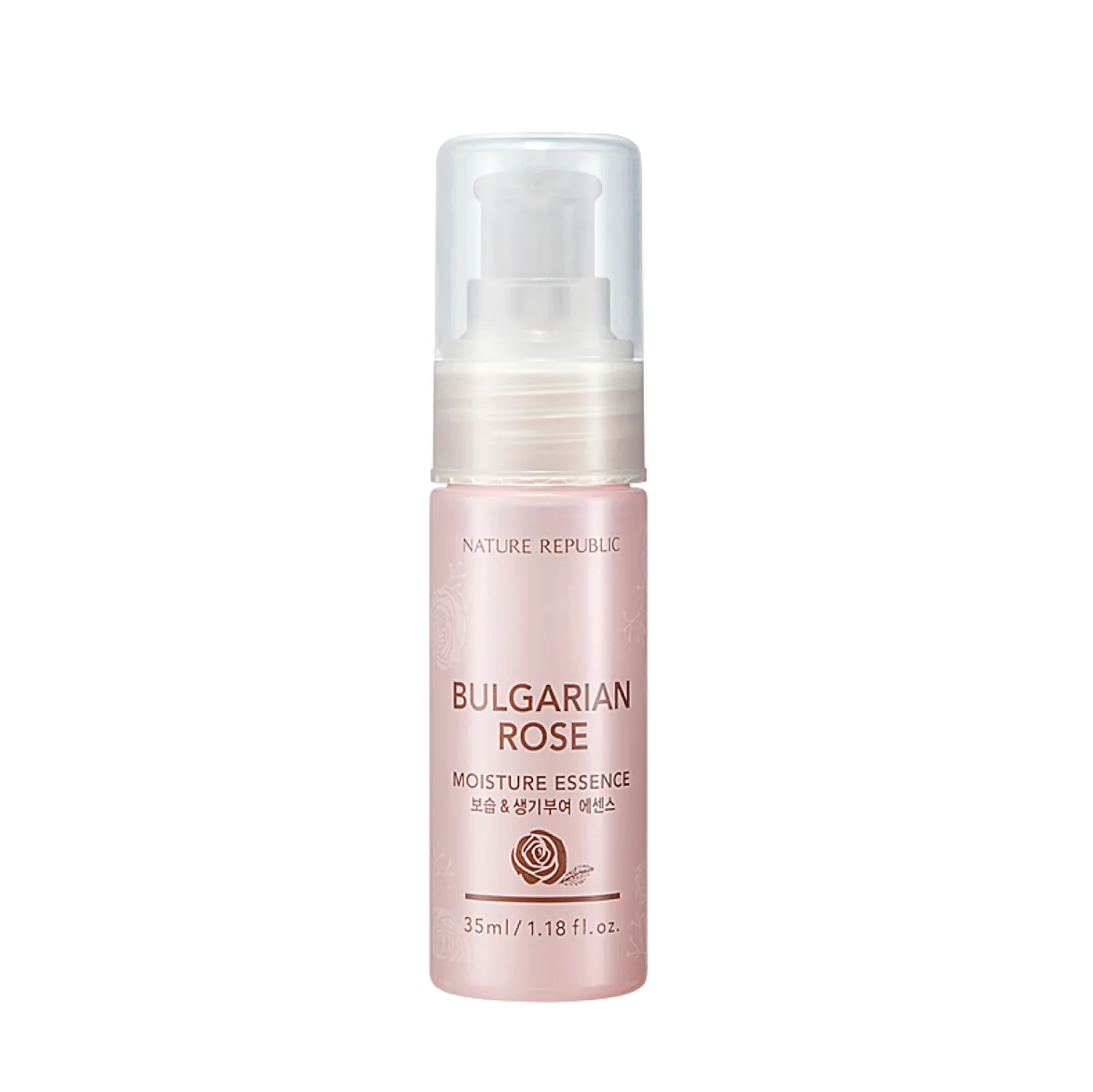 Rose-Scented Budget Essence
 Bulgarian Rose Moisture Essence
A ten-dollar essence that feels like a twenty-five-dollar one — silky silicone glide, a genuine damask-rose scent, a plump first morning — and formulates like a five-dollar one: ethanol fourth in the list, two layers of perfume, and glycerin as the only thing doing any work. Fine for normal, resilient skin that wants a rose-scented primer; not for dry, reactive or serious skin.
 Quick-Dry Body Sunscreen
 Quick Dry Body Spray SPF 40
A non-aerosol body sunscreen that dries fast and doesn't leave you greasy — a genuine convenience win for limbs and torso. Reef-conscious filters and an amla antioxidant boost show thought. But the alcohol base that makes it quick-drying also makes it drying, and spray formats demand careful application to actually work.
 Old-School Astringent
 Essentials Deep Cleaning Astringent
A genuine relic: a 41% alcohol astringent with a real 2% salicylic acid active that delivers an intense, instantly degreased feel oily-skinned users either love or regret. The salicylic acid is legitimate, but the punishing alcohol base, fragrance, and dye make this a harsh, barrier-stripping product that modern acne care has largely left behind.
 Cheap, Light, Fast-Absorbing
 Maximum Hydration Nourishing Lotion
Nivea Men's 3-in-1 Nourishing Lotion is a cheap, big-bottle everyday body and hand lotion whose real appeal is a light, fast-absorbing, genuinely non-sticky feel — the thing that gets men who hate lotion to actually use it. It hydrates decently with glycerin, aloe, and dimethicone, and it's paraben-free. The honest limits: like other 'Maximum Hydration' Nivea Men products, it contains denatured alcohol and fragrance that trend drying and undercut the name, it's a light lotion rather than an intense one, and the comedogenic isopropyl palmitate makes it less ideal on oily faces. Good value for light daily hydration; reach for a richer cream if your skin is very dry.
 Weightless Glycerin Milk
 80 Hour Hydrating Liquid Milky Moisturizer
A weightless glycerin milk that hydrates far longer than its serum-like texture suggests, thanks to two glycerins, snow mushroom and hyaluronate stacked over a light shea-and-ester seal. It is an excellent daytime moisturizer for normal, combination and mildly dry skin and a lovely base for sunscreen. Alcohol denat. in third place and a lipid load too light for very dry faces are the honest limits of a product labelled for dry skin.
 Organic Body Lotion
 Organic Lotion
An organic, fair-trade, vegan body lotion with genuinely nice oils — coconut, jojoba, avocado, hemp — from one of the most ethical brands going. The honest snag is the formula: organic ethyl alcohol sits high in the list and the scents come from essential oils, so despite the natural halo it can dry and irritate, especially on sensitive or facial skin. A pleasant body lotion for tolerant skin; not the gentle facial moisturizer the label implies.
 Oily-Skin Oil Buster
 Clarifying Lotion 4
The heavy hitter of Clinique's numbered exfoliating-toner ladder, with salicylic acid pushed high and an unapologetically astringent alcohol-and-witch-hazel base built to degrease oily skin. It genuinely controls oil and clears congestion at a fair price, but the alcohol content makes it drying and unsuitable for sensitive or dry skin, and the added dye is an unnecessary touch. A targeted tool, not an everyone product.
 Skin Food, Tamed
 Skin Food Light Nourishing Cream
The version of Skin Food most people should actually buy: the same sunflower oil, botanicals and herbal scent as the 1926 balm, rebuilt as a real cream with cocoa and shea butters and far less lanolin, so it absorbs in minutes, works under makeup and still protects dry skin through winter. Alcohol fourth, a declared fragrance and animal-derived lanolin keep it from sensitive, acne-prone and vegan buyers; for dry, normal skin it is excellent value with a vast review base behind it.
 Classic Leave-On BPO Gel
 Acne Gel 5%
An old-school but effective leave-on benzoyl peroxide gel. Benzagel Acne Gel puts a fast-drying 5% BPO in an alcohol base that genuinely clears breakouts and mattifies oily skin. The trade-offs are real, drying, fragranced, fabric-bleaching, and harsh on sensitive skin, but for resilient, oily, acne-prone skin it does the job affordably.
 Fast-Cooling Flare Fighter
 Eczema Relief Hydrogel
A genuinely useful idea executed with one compromise: a water-light gel carrying monograph-strength colloidal oatmeal, licochalcone A, a ceramide and hyaluronic acid that cools an itchy flare within a minute and vanishes without a film, built on a denatured-alcohol base that gives it that speed and occasionally bites cracked skin. For hot, itchy, face-and-summer eczema it fills a real gap; for dry, scaly patches it is the first layer, not the whole answer.
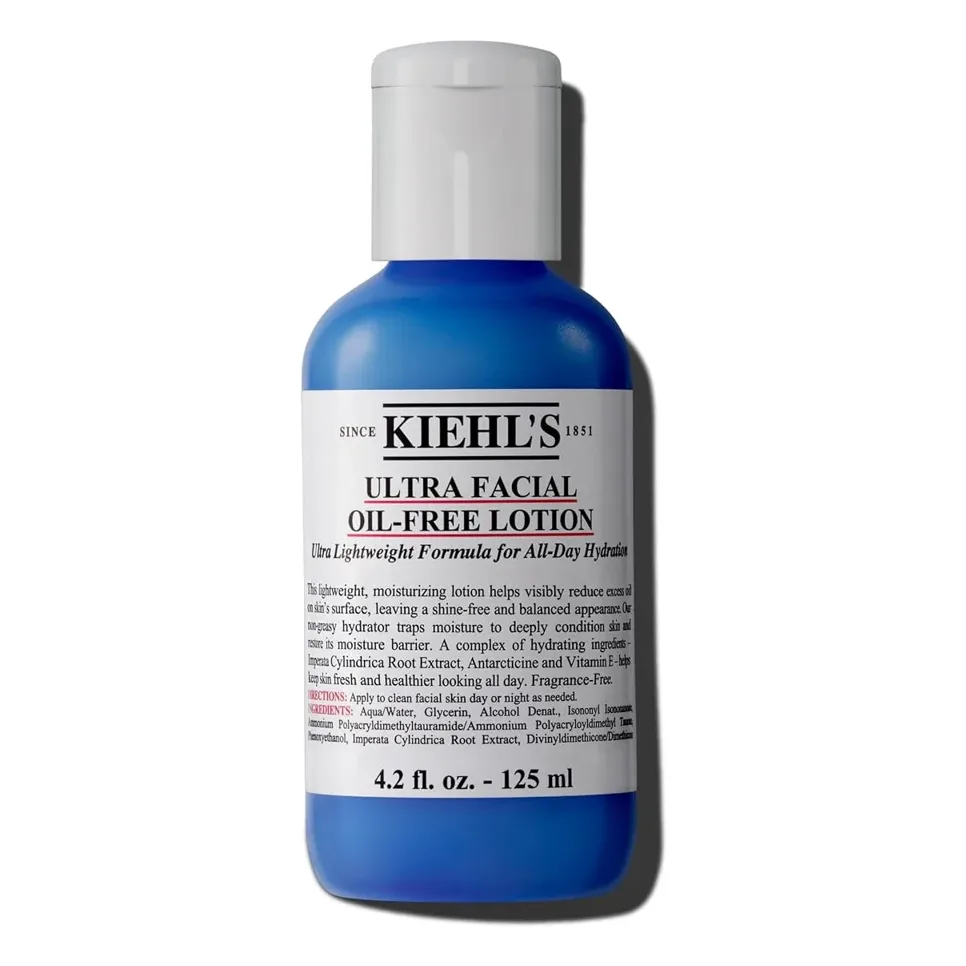 Matte Lotion With a Tingle
 Ultra Facial Oil-Free Lotion
A thin, cool, quick-drying oil-free lotion that hydrates with glycerin and a clever little natural-moisturizing-factor blend, mattifies with polymer films instead of oil, and then adds alcohol, menthol and a flush-inducing niacin ester to feel fresh. Oily, robust skin will like the matte lightness; anyone reactive will feel the sting, and thirty-nine dollars is a lot for a lotion whose best trick is not adding anything.
 Mochi-Skin Drugstore BHA
 2% BHA Exfoliating Hydra Serum
A declared 2 percent salicylic acid in a twelve-ingredient, fragrance-free, oil-free gel that Kao has built as a texture play, bouncy, bubble-flecked and cushiony, so the acid stays on the skin while a glycerin, butylene glycol and sorbitol trio keeps the finish soft. It unclogs and smooths oily, congested skin well for seventeen dollars and is one of the cleanest drugstore BHAs on the shelf; denatured alcohol second is what dissolves the acid and what will tighten drier faces, and a month-old product has no track record yet.
 Sweat-Proof Sport Reapplication
 UV Athlizm Protect Mist
A sixteen-ingredient alcohol mist that does the one thing a sport reapplication sunscreen must, land evenly on sweaty skin and hair, dry in seconds and stay through sweat and rubbing, with four modern filters at SPF 50+ PA++++ set in Kao's Tough Boost film and a quiet, non-gas pump that works upside down and travels in a cabin bag. Alcohol first and a fragrance make it wrong for dry or reactive skin, it must never be sprayed at the face, three filters keep it off US shelves, and at twenty-three dollars for 70 ml it empties fast on a body; for the gym bag and the tennis court it is the best of its kind.
 The Aloe Gel's Toner Sibling
 Soothing & Moisture Aloe Vera 90% Toner
A cheap, cooling, honestly hydrating aloe toner — glycerin, glycol, a hyaluronate and a water-holding polymer doing the work behind a 90 percent aloe juice base — that suits oily and combination skin in warm weather and layers well for pennies. The soothing on the label is undercut by denatured alcohol and undisclosed fragrance near the end of the list, so it refreshes healthy skin far better than it rescues irritated skin, and buyers should read it as the gel's watery sibling rather than a treatment.
 No-Cast Glow SPF
 UV Aqua Rich Glow Enhancing Moisturizer SPF 50
The cult Bioré UV Aqua Rich texture — weightless, fast-drying, genuinely no white cast — in a moisturizer-and-SPF-50 hybrid with a niacinamide bonus, so it protects, hydrates, and glows in one elegant step you'll actually want to wear daily. That feel is the real draw. The honest catch is the base: it's alcohol-forward and fragranced with four named allergens, which makes it a poor fit for sensitive or dry skin. A superb daily SPF for normal-to-oily skin; the wrong one for reactive skin.
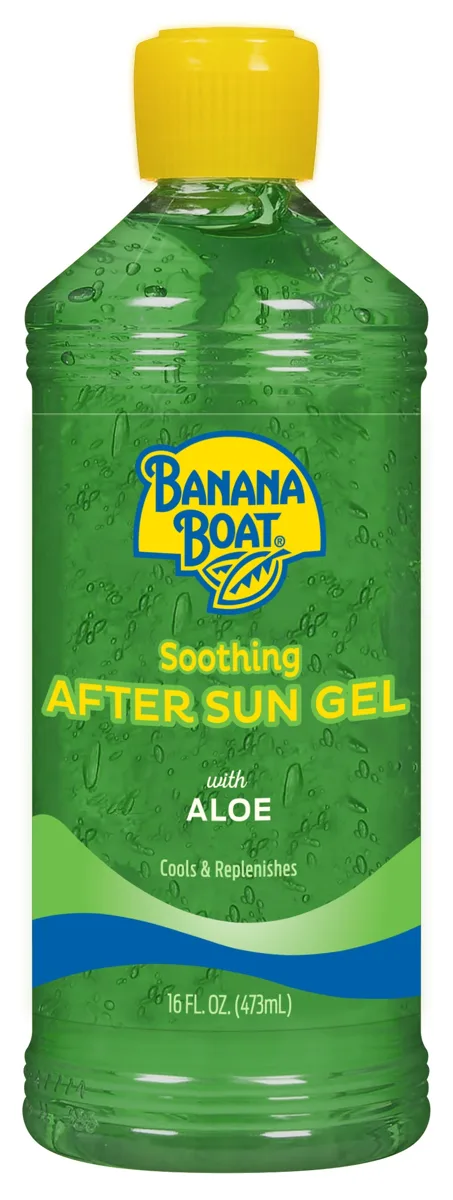 Beach-Bag Cooler
 Soothing Aloe After Sun Gel
A nostalgic, dirt-cheap beach-bag staple that delivers exactly one thing well: a satisfying flash of cool on overheated skin. Just don't mistake it for skincare — the alcohol-and-fragrance base soothes the sensation of mild sunburn but won't repair, deeply moisturize, or undo damage, and it can sting genuinely raw skin.
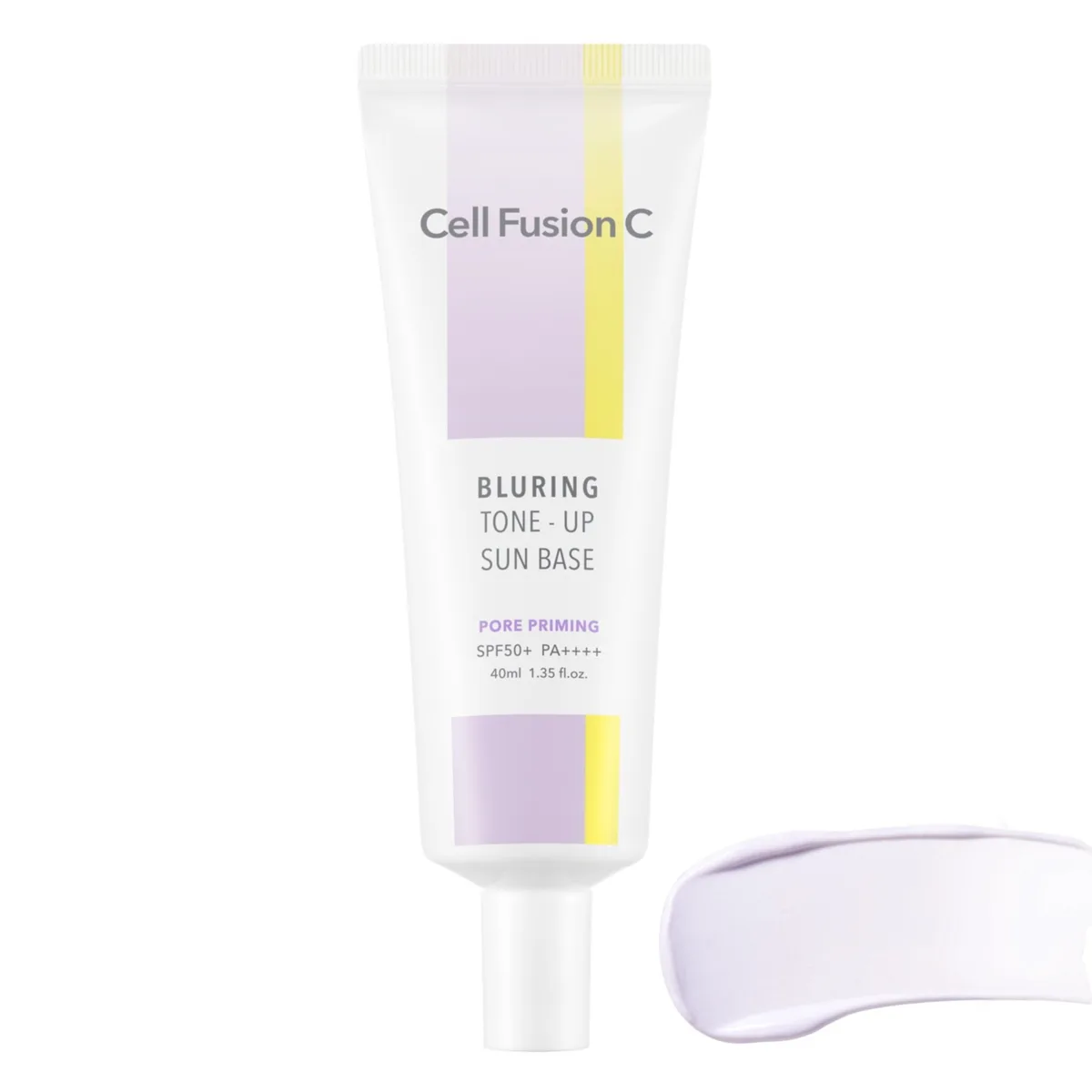 Pore-Blurring Lavender SPF
 Blurring Tone-Up Sun Base SPF 50+ PA++++
The oily-skin member of Cell Fusion C's tone-up trio: a lavender corrector with a genuine pore-primer blur, silica, witch hazel and a lean European filter set, matte and fast on a shiny summer face. Alcohol sixth on the list and two essential oils make it the least gentle of the three, the purple greys on deeper skin, and it cannot be sold as a sunscreen in the US. Imported, for the right face, it earns its place.
 Tone-Up Sunscreen That Clicks
 UV Aqua Rich Aqua Highlight Lotion
Kao's Aqua Rich two-layer lotion, four modern filters at SPF 50+ PA++++ with eighty-minute water resistance, given a new job: titanium dioxide, mica and tin oxide turn it into a luminous tone-up base that brightens the high points of the face and blurs nose pores, for under thirteen dollars through importers. Alcohol second and a fragrance keep it off reactive and very dry skin, the pigment suits lighter tones and casts on deeper ones, and three of its filters keep it off US shelves; for oily, combination and normal skin that wants glow and real protection in one weightless step, it is a very good import.
 Ten Percent Glycolic, Honestly Labelled
 Glycolic Acid Toner
An honest, effective, inexpensive 10 percent glycolic acid — pH declared at 3.6 to 4.0, which almost no mass-market AHA admits to — that clears blackheads, tightens the look of pores and smooths texture on oily and combination skin for $18. It is also, with its witch hazel and alcohol, a strong and drying exfoliant that stings, thins the barrier if overused and demands daily sunscreen; the brand's 'one to three times a week' is the whole instruction. Right for congested, oily, resilient skin used sparingly; wrong for dry, sensitive or rosacea-prone faces at any frequency.
 Liquid Pimple Patch Innovation
 Mighty Shield Liquid Patch
Hero Cosmetics liquid pimple-patch extending the brand pimple-patch positioning into liquid-applied format addressing difficult-to-patch areas. Polyurethane + hydrocolloid polymer film-former in ethyl alcohol carrier creates invisible protective barrier in ~60 seconds. Specifically addresses nose crevices, brow lines, and curved facial contours where traditional adhesive patches do not conform.
 Gentle-Exfoliating Toner
 Aqua Seed Therapy Hydrating Toner
A cleverer budget toner than its plain 'hydrating' name suggests: it slips a gentle polyhydroxy acid and a centella complex into a hydrating base, so it lightly refines texture while it preps. The catch is a fairly high dose of denatured alcohol plus fragrance, which keeps it best for oily and combination skin and off the list for dry or sensitive complexions.
 Lightweight Cica Gel
 Calming Repair Cica Gel Serum
The lightweight, oil-free member of Luvum's cica line: high young-centella plus polyglutamic acid in a cooling, mist-like gel that oily skin will find refreshing and lightly hydrating. But ethanol sits fairly high and cornmint and fragrance join it, so the 'calming' label is misleading for dry or sensitive skin — this is a soothe-and-refresh serum for resilient, oily complexions.
 Budget Oil-Control Staple
 Pore Perfecting Toner
A 150-year-old, dirt-cheap witch hazel astringent that oily and combination skin swears by for instant oil control and a matte, freshly-cleansed finish — fragrance-free and simple, in a giant bottle for the price of a coffee. The 14% alcohol is the whole story: great for cutting shine, genuinely drying for dry or sensitive skin, so match it to your oil levels and always moisturize after.
 Scent First, Oil Second
 Oil Infused Lotion Peach Blossom & Avocado Oil
A pleasant, fast-absorbing drugstore lotion whose hydration comes from glycerin rather than from the avocado oil sitting eighth in its list, wrapped in a sweet peach scent that is the real reason to buy it. It suits normal and moderately dry skin that wants to smell like summer and not feel greasy; it is too light and too alcohol-forward for very dry or eczema-prone skin, and it has become hard to find at a normal price in the United States.
 J-Beauty Reapplication SPF Mist
 UV Aqua Rich Smooth Mist SPF 50
An ambitious J-beauty drugstore mist sunscreen combining sophisticated four-filter chemistry (Octinoxate + DHHB + Uvinul T 150 + Tinosorb S) with silicone film-formers in a true mist format. The filter system is uncommon at this price tier and the reapplication convenience over makeup addresses the daily compliance gap that defines real-world sunscreen effectiveness. The alcohol-and-fragrance composition limits sensitive-skin suitability, but for the target demographic — users wanting Japanese-tier filter chemistry in a reapplication format — this is among the most thoughtful mist sunscreens currently available globally.
 Affordable Aloe Toner
 Mild & Moisture Aloe Vera Toner
A simple, affordable hydrating aloe toner — 90% aloe with hyaluronic acid and sea water for a fresh, lightly hydrating first layer, at genuinely strong value. It's a fine refreshing everyday step for resilient skin. The honest caveats are that it contains alcohol denat and fragrance, which give the fresh feel but make it less suitable for dry or sensitive skin, and the hydration itself is basic rather than a treatment.
 Old-School Oil Cutter
 So Totally Clean
An unabashedly old-school astringent: denatured alcohol does the heavy degreasing while a low 0.5% salicylic acid handles the actual blemish work. It delivers that instant squeaky-clean feel for a couple of dollars, but the alcohol-led, fragranced, dye-containing formula is harsh by modern standards. Fine as an occasional oil-spot-treat for very oily skin; a poor everyday choice for everyone else.
 Astringent in Hydration Clothing
 Holy Hydration! Keep Your Balance Toner
A $9 alcohol-and-witch-hazel astringent from 2019 that e.l.f. relabelled as a Holy Hydration! toner in 2026 without touching the formula, complete with hexyl nicotinate, a niacin ester that makes skin flush. Refreshing and cheap on resilient oily skin, drying and mislabelled on everyone else; the hydration is in the name, not the bottle.
 Generous Instructions, Modest Tube
 Ice Plant Body Care Lotion
A fragrance-free, glycerin-forward body lotion with the ice plant at a serious dose, a light enough lipid stack to go on all over and a dry, comfortable finish — genuinely pleasant on dry, unreactive skin. Ethanol, lanolin and beeswax make it a gamble for the atopic skin on its label, and the price makes it impossible to use as instructed: $50 for 145 ml of a product that asks to be applied generously to the whole body every day is two to three weeks of lotion.
 Green-Cap Oily-Skin Micellar
 Micellar Cleansing Water All-in-1 Mattifying
The pink-cap Garnier micellar water with alcohol added — that is the whole of it, and for oily, combination skin that is a fair trade: the same gentle surfactants, a faster dry-down, a matte, degreased finish and twelve dollars for 400 mL. There is no oil-control active in the bottle; 'mattifying' means the alcohol evaporates. Oily skin will like it, normal and dry skin should stay with the original, and nobody should mistake it for a treatment.
 Perfumed Alcohol Toner
 Biosource Hydrating & Softening Toner
A classic French department-store toner that has not caught up with the decade: denatured alcohol third, a strong fragrance declaring seven allergens including lilial, and a glycol-glycerin-mannose base that makes the dry-skin label defensible on normal skin and hollow on dry. Cool, fresh and pleasant to sweep, and thirty-five dollars for perfumed alcohol water with a trace of Life Plankton.
 Fragrance-Free Finishing Spray
 Hair Spray
Seven ingredients, no fragrance, no propellant, no preservative, no botanical — a pump hairspray stripped to the resins that hold and the alcohol that carries them, which makes it the finishing spray for anyone whose scalp, sinuses or migraines object to every aerosol on the shelf. It holds firmly, brushes out clean and dries hair a little if overused. That is the whole product, and for the right buyer it is exactly enough.
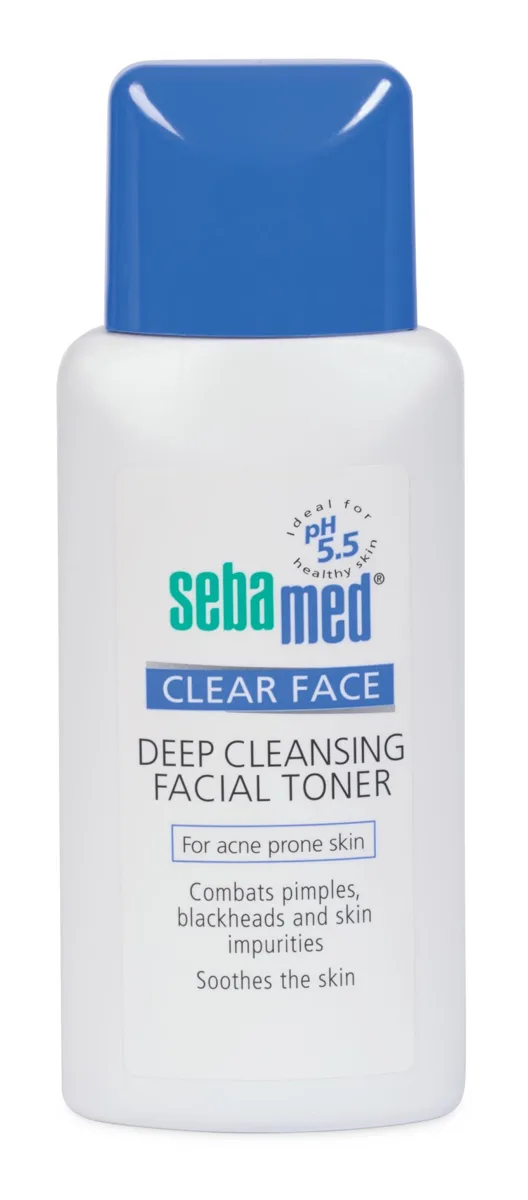 German Pharmacy Astringent Toner
 Clear Face Deep Cleansing Toner
Sebamed Clear Face traditional astringent toner with witch hazel + alcohol astringent platform, sodium lactate mild AHA, panthenol buffering, cucumber + allantoin soothing, and pH 5.5 physiological formulation. The alcohol-based astringent approach is appropriate for oily-skin targeting but limits broader compatibility. Traditional category positioning at accessible $15 German pharmacy value tier.
 Astringent Snail Toner
 Nutri Snail Daily Toner
A cheap snail toner that, refreshingly, actually contains meaningful snail mucin — but pairs it with a fairly high dose of denatured alcohol for an astringent, oily-skin finish. That combination is a bit of a contradiction: hydrate with one hand, clarify-and-dry with the other. For oily skin that likes a fresh toner it's a fine budget buy; dry and sensitive skin should pass.
 Cica Oil-Serum Hybrid
 Calming Repair Cica Oil Serum
The nourishing, oil-blended member of Luvum's cica line: 60% young centella in a light 95%-serum/5%-oil format with a ceramide touch, genuinely soothing for dry, stressed skin. But it carries alcohol, fragrance, anise and comedogenic coconut oil, so the 'calming' promise comes with caveats — it suits dry-to-normal skin, not the oily, acne-prone, or sensitive.
 Budget Brightening Ampoule
 Collagen Intensive Ampoule
A 'collagen' ampoule that's really a competent dual-function brightening-and-wrinkle treatment in disguise — niacinamide at a genuine 2.4-2.9% and adenosine at a working level do the real work, while the triple collagen is a surface film. Generously sized and well-priced, but a notable SD alcohol content and fragrance keep it off dry and sensitive skin.
 Oil-Control Acne Pad
 Rapid Clear Treatment Pads
A convenient, affordable way to swipe maximum-strength 2% salicylic acid and instant oil control across the face in one step. For oily, resilient skin these pads genuinely help with shine and congestion, but a drying alcohol high in the formula plus fragrance make them too harsh for dry or sensitive skin, and they demand a moisturizer chaser and a restrained hand.
 Satisfying Peel Novelty
 Charcoal Peel Off Mask
A cheap, satisfying charcoal peel-off mask that's genuinely fun to use and leaves skin feeling smooth and clean — but honesty matters here. The peel mostly removes surface oil, dead skin, and your fine facial hairs, not blackheads, and 'charcoal detox' is cosmetic marketing, not a real pore-clearing mechanism. The PVA-and-alcohol pull-off can also irritate and dry the skin, so it's occasional-use only and a poor fit for sensitive skin. Taken for what it is — a fun, temporary, surface-level novelty rather than a blackhead treatment — it's an inexpensive bit of skincare entertainment.
 Medicated Cooling Toner
 Gokujyun Adlay Trouble Care Skin Conditioning Lotion
The Gokujyun that is nothing like the others: a fourteen-dollar Japanese medicated toner with two registered anti-inflammatory actives in an alcohol, menthol and camphor base, cooling and tightening on a hot, oily face and stinging on anything else. For breakout-prone summer skin it is a cheap, effective preventive; for dry, sensitive or barrier-compromised skin it is the wrong bottle on the right shelf.
 Elbow-and-Shin Rescue, Med Edition
 Ice Plant Intensive Cream
A dense, fragrance-free spot cream that does what the itch of very dry skin needs — seals cracked elbows and shins under avocado, mango butter, shea and lanolin within minutes — with the ice plant juice at its highest dose in the range. Lanolin and ethanol are odd passengers on a cream that names atopic skin and infants over six months, and $55 for 50 ml is a face-cream price on a body product. Good on the right patch; expensive and slightly compromised for the skin it is sold to.
 Tanning Oil, Honestly Labelled
 Dry Oil Clear Sunscreen Spray SPF 8
A tanning oil that tells the truth on its own label — SPF 8, not broad spectrum, and the monograph's sunburn-only warning printed in the Drug Facts — in a convenient, clear, coconut-scented aerosol that does exactly what it promises. What it promises is a tan, and a tan is UV damage the skin is showing you. As a product it is competent and cheap; as a choice it is one dermatology has spent forty years arguing against, and this review is not going to be the exception.
 Numbing Foot Cream
 Maximum Strength Medicated Foot Pain Relief Cream
A monograph-maximum 4 percent lidocaine cream in a fast-drying alcohol-and-silicone base that numbs an aching foot within fifteen minutes and holds for a few hours. It is a drug, not skincare: it treats nothing, the 15 percent alcohol dries and stings on cracks, the label limits it to a week, and the active is identical to the brand's general pain and itch cream. Useful for the occasional sore sole; not a foot-care product in any lasting sense.
 Iconic Herbal Brightener
 Sekkisei Emulsion
The moisturizing milk of Sekkisei, one of Japan's most iconic brightening lines: a herbal, vitamin-C-brightening emulsion with a beloved fresh, cooling feel and decades of cult devotion behind it. It genuinely brightens with patience — but it is an old-school formula, high in alcohol with added fragrance and parabens, which makes it refreshing for oily skin and genuinely harsh for dry or sensitive skin.
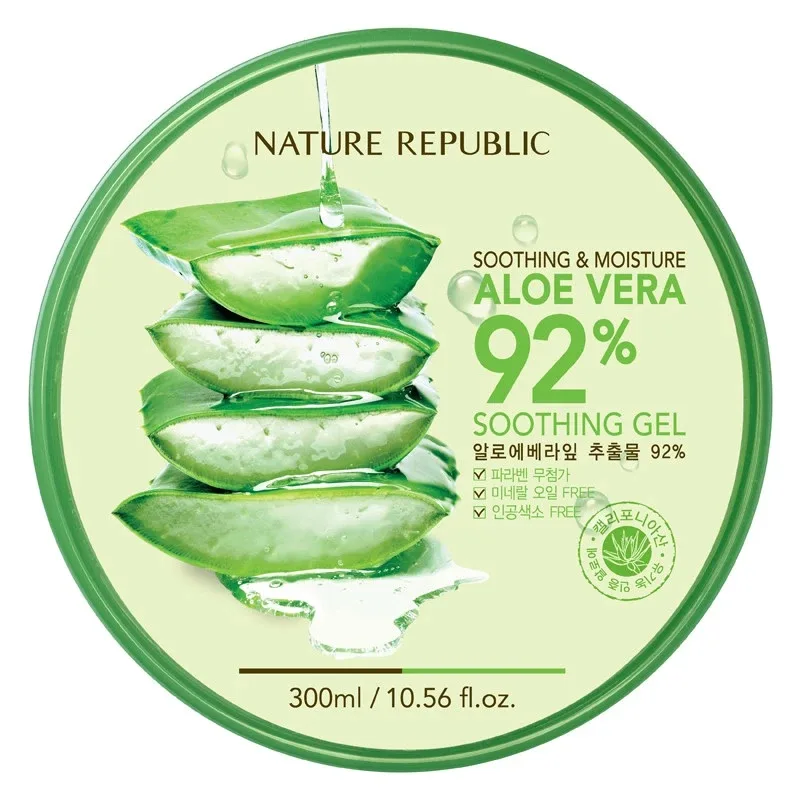 Cult Multi-Use Aloe Gel
 Soothing & Moisture Aloe Vera 92% Soothing Gel
The legendary, ultra-cheap, do-everything cult aloe gel — 92% aloe plus polyglutamic and hyaluronic acid for a cooling, lightly hydrating refresh you can slather on face, body and hair. Its value and versatility are genuinely high and earn the love. But read honestly, it contains alcohol (second in the list) and fragrance, which give the fresh feel yet make it a poor pick for genuinely sensitive or sunburned skin — the very use it's most famous for.
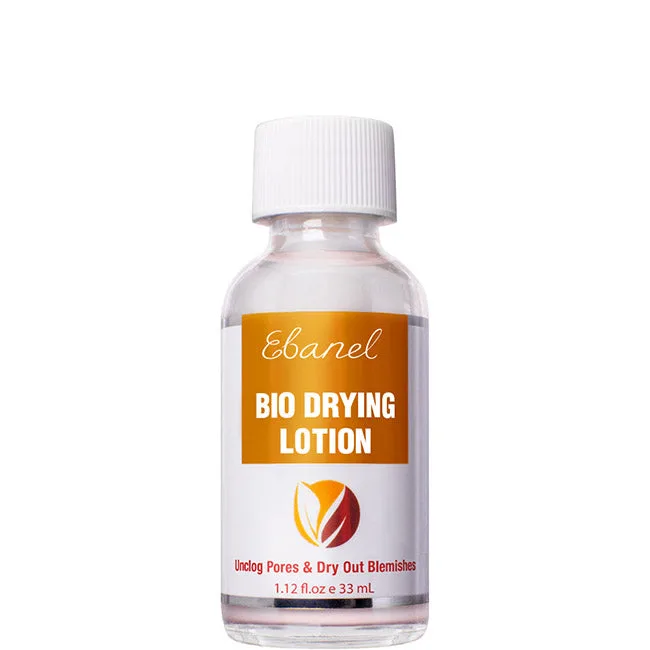 Overnight Whitehead Dryer
 Bio Drying Lotion
An affordable, effective take on the classic pink 'drying lotion' spot treatment — sulfur, salicylic acid, and calamine that you dab onto an individual whitehead at night to shrink and dry it by morning. For that narrow job it genuinely works and undercuts the famous version it echoes. But be clear on its limits: it's harsh (denatured alcohol and camphor heavy), strictly for dabbing on individual surface pimples (never all over), useless on cystic acne, and drying to the surrounding skin. A useful, cheap tool for the occasional surface whitehead — nothing more, and nothing you should misuse.
 Cheap, Cooling, Oversold Name
 Maximum Hydration Face Wash
Nivea Men's Maximum Hydration Face Wash is a cheap, familiar, effective foaming cleanser with the brand's signature cooling tingle — and its value is genuine at around $6. But the name is the problem: for a wash sold on 'maximum hydration,' the formula leans on denatured alcohol, menthol, and a sulfate surfactant that all work against hydration, alongside fragrance, parabens, and blue dye. So it cleanses briskly and costs little, which is fine for oily, resilient skin that likes a foamy, cool cleanse — but it isn't the hydrating wash it claims to be, and it's a poor pick for dry or sensitive skin. Cleanse with it if you like the feel, then rely on your moisturizer for the actual hydration.
 Parting Protector
 Scalp & Hair Sunscreen Mist
A purpose-built answer to the burnt parting, with a stabilised broad-spectrum SPF 30 in a fast-drying, targeted alcohol mist that leaves hair mostly alone. It is undermined by its own hair-product instincts: an alcohol base that stings burnt skin, a twenty-plus-molecule perfume with clove and bergamot oils, and a filter residue on fine hair. Right idea, scalp-unfriendly execution.
 Salon-Era Astringent
 Aloe Lotion Toner
A salon-era aloe-and-alcohol astringent that lifts oil on contact and leaves the T-zone tight and matte, scented with a fragrance whose declared components include lilial, banned from EU cosmetics since 2022, and tinted with three dyes. It does what alcohol toners do, cheaply and for a big bottle; almost every other toner in the brand's range is a better choice, and its alcohol-free sibling costs the same.
 Morning-After Eye Roller
 Clearly Brighter Anti-Puff Eye Roller
A thirteen-dollar morning trick that works exactly as long as a trick does: a cold steel ball, caffeine and horse-chestnut escin take the puff down for a few hours, and mica makes the shadows look fainter until lunch. The pairing of caffeine with escin is smarter than the price suggests. The alcohol and peppermint that make it feel effective also make it a poor daily habit for dry or reactive eyes, and nothing in the tube changes anything permanently.
 Strawberry-Nose Peel-Off
 Reversal Pores Tightening Pack
A cheap, cheerful peel-off gel that gives the satisfying sensation of lifting grime from a congested nose, and a short-lived cleaner look. It cannot reverse pores or pull out whole blackheads, and alcohol third in the list, fragrance and the tugging peel make it harsh for sensitive or dry skin. Treat it as an occasional novelty, not a pore solution.
 Budget Acne Pad
 Ultimate Clear Anti-Blemish Pads
A no-frills, maximum-strength salicylic acid pad that will satisfy oily-skinned teenagers who want to feel their acne treatment working, but the 60%+ alcohol base and parade of fragrance allergens make this a blunt instrument in an era of smarter, gentler acne solutions.
 Loaded Hydration Sheet Mask
 Water Luminous S.O.S Ringer Amino Mask
A genuinely loaded hydrating-and-soothing sheet mask that borrows the IV-'ringer' idea — a full panel of NMF amino acids plus electrolytes — and stacks on ferments, niacinamide, polyglutamic acid and peptides. It delivers a real, immediate plumped glow for very little money; the alcohol high on the list and the fragrance are the caveats, and like all sheet masks the benefit is short-term.
 Budget Hydrating Gel Ampoule
 Water Lift Moisture Ampoule
A lightweight hydrate-brighten-soften gel ampoule with a genuine humectant moisture core and the same working-level niacinamide and adenosine as its siblings. Generously sized and very affordable, but a notable SD alcohol level and a fragrant botanical bouquet sit awkwardly against the 'moisture' name — making it better for normal-to-oily skin than the dry it seems to court.
 Astringent Spot Drier
 Rapid Clear Acne Eliminating Spot Treatment Gel
A 2% salicylic acid spot gel that uses the right format — leave-on, so the BHA has time to clear a congested pore — but loads the formula with drying alcohol and witch hazel that make it harsher than it needs to be. It can dry out a blemish quickly, yet its alcohol-forward sting, tiny size, and increasingly spotty availability hold it back. A decent salicylic acid option for resilient, oily skin, with caveats.
 Oily-Skin Spot Fixer
 Rapid Rescue Deep Treatment Acne Pads
A maximum-strength 2% salicylic acid pad that does exactly what it promises on oily, breakout-prone skin: degrease, exfoliate, and shrink spots fast. The alcohol-and-fragrance base makes it bracing and best reserved for oilier complexions. Cheap, effective, and unfussy, but not for sensitive or dry skin.
 Biodegradable Beads, Drying Base
 Maximum Hydration Deep Cleansing Face Scrub
Nivea Men's face scrub gets one genuine thing right — it uses biodegradable cellulose beads rather than the plastic microbeads older scrubs relied on, and they're relatively gentle. But almost everything else about it is oversold or misjudged: its 'Maximum Hydration Deep Cleansing' name sits on a formula whose sulfate, menthol, and denatured alcohol actually trend drying, it adds fragrance, parabens, and dye, and it contains lactose (so it's not vegan). It's cheap and it smooths skin, which suits oily, resilient skin used gently a couple of times a week — but it isn't hydrating, it's a poor pick for dry or sensitive skin, and a gentle chemical exfoliant does more for pores. Use sparingly and moisturize after.
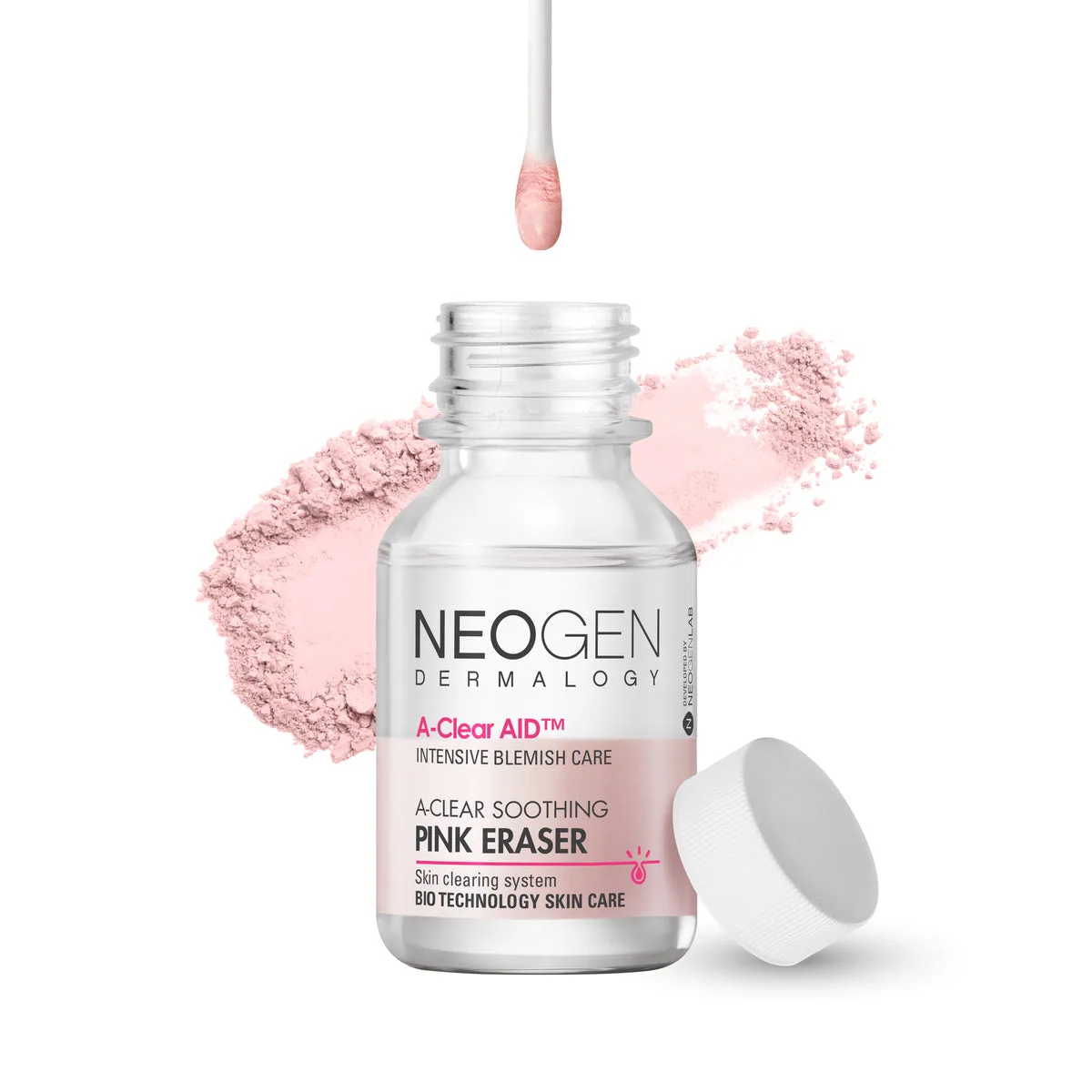 Korean Take on the Drying Lotion
 A-Clear Aid Soothing Pink Eraser
A Korean take on the century-old pink drying lotion: alcohol and calamine flatten a surface whitehead overnight, a high-placed centella complex and azulene keep the aftermath calmer than the American originals, and a trace of salicylic acid decorates the label. It does the one thing drying lotions do and nothing else, stings, can mark deeper skin, and comes with brand copy that misidentifies its own key ingredient.
The full alcohol denat. (denatured alcohol) guide
Few cosmetic ingredients split opinion as sharply as denatured alcohol — ethanol made undrinkable with bittering agents, then put to work as a solvent, fast-drying volatile, and penetration enhancer.
It earns genuine praise from formulators for what it makes possible (lightweight toners, dissolved fragrances and actives) and genuine wariness from skin-barrier advocates for what it can do when overused. The truthful position sits between the slogans: it is neither a guaranteed villain nor harmless filler, and the formulation around it usually matters more than its mere presence on a label.
How it's regulated in the US
FDA does not classify ingredients — it classifies products, by what they are sold to do. The same molecule can be a drug active in one product and a cosmetic ingredient in the next, and only the claim on the label decides which. What follows is a statement about that legal standing, not about whether it works — the evidence question is answered separately above.
Cosmetic Denatured alcohol is a first aid antiseptic drug active at 48 to 95 percent by volume. In the toner or the fast-drying sunscreen it is a solvent at a fraction of that, and a cosmetic ingredient.
Drug standing it holds for a different use
These are real regulatory standings for the same molecule, and none of them reaches the skincare use above. They are here because leaving them out is how a page ends up implying more than it can support.
- first aid antiseptic OTC monograph 48 to 95 percent by volume in an aqueous solution
Denatured alcohol has decades of cosmetic use and a substantial mechanistic literature behind it. The Cosmetic Ingredient Review Expert Panel published a full safety assessment in 2008, concluding that Alcohol Denat. and most SD Alcohol grades are safe as used in cosmetics (it requested more data only on a few specific denaturants such as quassin and brucine). The penetration-enhancing mechanism is well characterized: a 2020 RSC Advances molecular dynamics study showed ethanol selectively extracts free fatty acids from the stratum corneum lipid bilayer within microseconds, and a 2017 Journal of Pharmaceutics liposome study demonstrated ethanol disrupts the polar regions of intercellular lipids in a concentration-dependent way. A 2025 Pharmaceutics study using 20% ethanol on ex vivo skin found that on intact skin it tended to dry the surface, while on already barrier-disrupted skin it unexpectedly reduced water loss (a transient "pudding skin" effect) — a reminder that ethanol's impact depends heavily on skin state. The astringent and antibacterial benefits often cited for oily skin are mechanistically plausible but rest mostly on general antimicrobial data rather than cosmetic-context randomized trials.
How it works
Start with the denaturants. Compounds like denatonium benzoate or t-butyl alcohol are added to ethanol to make it non-ingestible, present in trace amounts and without altering how the alcohol behaves on skin. From there, three things happen in quick succession once it is applied. The first is solvency: ethanol dissolves fragrance constituents, oil-soluble actives, and certain preservatives that resist water-based systems, which is why it sits at the structural heart of many toners, sprays, and lightweight treatments. The second is rapid evaporation, the source of that brisk, momentarily tightened feeling after a toner swipe; as it volatilizes it carries a little surface water with it, producing a temporary tight sensation that differs from true long-term dryness but can accumulate with heavy daily use. The third, and most consequential, is penetration enhancement. Barrier lipids — ceramides, cholesterol, and free fatty acids — normally pack into tightly ordered bilayers. Molecular dynamics work suggests ethanol slips between the polar head groups and, at higher concentrations, extracts free fatty acids outright, loosening the lattice and widening the route for co-formulated molecules to pass through. At low concentrations that is a feature; at high concentrations or with repeated use, the same mechanism can strip lipids rather than merely loosen them, which is where barrier-disruption concerns become legitimate. The antimicrobial effect is concentration-dependent too: weaker at the 5–20% seen in facial toners than at sanitizer strength.
Key benefits
- Dissolves fragrance, oil-soluble actives, and preservatives that water-based solvents cannot suspend
- Loosens stratum corneum lipids to speed penetration of co-formulated actives
- Lends mild surface antimicrobial activity that may suit oily, acne-prone skin
- Astringent feel temporarily tightens the look of pores and cuts surface shine
- Flashes off fast, enabling weightless textures that resist pilling under makeup or SPF
- Can contribute to preservation, supporting shelf stability in some formulas
Concentration & usage
There is no single safe percentage — what matters is context and what surrounds it. The CIR's 2008 review reported safe use of SD Alcohol 40-B at concentrations up to roughly 12% in leave-on products, with rinse-off and hair uses typically tolerating more. In practice, label position is your best proxy: alcohol denat. inside the top five ingredients usually signals a major component (potentially 20%+) the formula leans on structurally, while a mid-list position below water-soluble actives and humectants generally points to under 10% in a supporting solvent or preservative role. A formula that follows the alcohol with glycerin, hyaluronic acid, or a meaningful emollient is far better buffered against net dryness than one that lists it first or second with nothing to counterbalance it.
Who it's for & who should be cautious
Who it's for
Oily and combination skin tends to get along best with alcohol denat., especially in toners and treatments where its astringent feel and light antimicrobial action address shine and surface bacteria without a heavy base. It also suits anyone layering multiple actives who wants thin, fast-flashing textures that won't pill under moisturizer or sunscreen. Normal skin generally tolerates moderate concentrations comfortably, particularly in formulas that pair it with glycerin or panthenol to offset the drying tendency.
Who should be cautious
Dry, dehydrated, and barrier-compromised skin — including anyone managing eczema, rosacea, or active inflammation — has the most to lose. The penetration-enhancing mechanism can work against fragile skin by deepening the reach of potential irritants alongside intended actives, and the lipid-loosening effect can speed water loss that an already-weakened barrier struggles to absorb. Note that the picture is not uniform: an ex vivo study found ethanol could transiently reduce water loss on already-disrupted skin, so individual response varies and is best judged on your own skin. If a toner that lists alcohol denat. near the top of its INCI consistently leaves your skin tight, stinging, or red, treat that as a real signal rather than an adjustment period.
Pairs with & conflicts
Pairs well with: Glycerin, Hyaluronic Acid, Niacinamide (Vitamin B3), Panthenol (Pro-Vitamin B5), Salicylic Acid (BHA), Witch Hazel, Centella Asiatica (Cica)
Use with care alongside: Ceramides, Fatty Alcohols, Petrolatum (Petroleum Jelly), Colloidal Oatmeal
Myths & facts
Myth: All alcohol in skincare is the same — fatty alcohols like cetyl alcohol are just as drying as alcohol denat.
Reality: Fatty alcohols (cetyl, stearyl, cetearyl) are long-chain lipid molecules that act as emollients and emulsifiers, adding slip and softness — essentially the opposite of ethanol's effect. The shared word 'alcohol' reflects a chemical classification, not a shared behavior on skin. Products labeled 'alcohol-free' typically mean free of ethanol and short-chain drying alcohols while still containing fatty alcohols.
Myth: Alcohol denat. always damages the skin barrier, so any product containing it should be avoided.
Reality: The barrier concern is real but concentration- and context-dependent rather than absolute. The same alcohol low on an INCI list — in a formula also carrying meaningful humectants and emollients — behaves very differently from a product where it sits first or second with nothing to counterbalance it. Mechanistic studies show ethanol can extract barrier lipids at high concentrations, which is precisely why formulation architecture, not mere presence, determines the risk.
Myth: Alcohol denat. in a toner is just there for the refreshing 'clean' feeling and does nothing functional.
Reality: That brisk, tingling sensation is a side effect, not the point. Ethanol lets formulators dissolve ingredients that won't go into water — certain actives, fragrance constituents, and preservatives — and it temporarily loosens the stratum corneum's lipids to help co-formulated actives penetrate. That is why many targeted treatment toners are built on it rather than a purely water-based base.
Frequently asked questions
Does alcohol denat. in my toner trigger my oily skin to make more sebum?
The 'rebound oil' idea is widely repeated but the direct evidence is thin. What's better documented is that repeated barrier disruption from high-concentration alcohol can provoke a compensatory response in some people — more likely at high strengths on already-sensitized skin than as a universal rule. If your skin stays oily without visibly worsening after a few weeks on the product, a rebound effect probably isn't happening to you.
What does 'denatured' actually mean, and is it more toxic than ordinary alcohol?
Denatured simply means trace additives — bittering agents like denatonium benzoate, or small amounts of t-butyl alcohol — were added to make the ethanol undrinkable for regulatory and tax reasons. Those denaturants are present in tiny quantities, and the CIR's safety review assessed them directly, finding the common cosmetic-grade denaturants raise no toxicity concern at use levels. On skin it behaves like plain ethanol.
Why do K-beauty toners with alcohol denat. near the top still feel fine on my skin?
Many high-alcohol K-beauty toners are loaded with polyols — glycerin, butylene glycol, propanediol — that follow the alcohol on the label and provide real humectant offset, so the net moisture effect comes from the whole formula rather than the alcohol alone. Personal tolerance also varies widely; a toner that's perfect for normal-to-oily skin may still be wrong for a compromised or reactive barrier.
Can I use alcohol denat. products if my skin barrier is currently damaged?
Caution is the safer call while you're repairing. During an eczema flare, post-procedure recovery, or after over-exfoliating, lean toward formulas where alcohol denat. sits below the first five INCI positions, or switch to alcohol-free options until the barrier settles. Skin response is individual here — one ex vivo study even found ethanol transiently reduced water loss on disrupted skin — so let your own reaction guide the decision.
Does where alcohol denat. falls on the label tell me the concentration?
Roughly, yes. INCI lists run highest to lowest, though anything under 1% can be placed in any order. Alcohol denat. in the first one to three slots signals a high-alcohol formula, plausibly 20% or more. Mid-list placement, especially after water and the key actives, usually points to a supporting role under 10%. It's an estimate rather than an exact figure, but a useful one for gauging how central the alcohol is.
Is it safe to use alcohol denat. products while pregnant?
Topical use at cosmetic concentrations is generally considered low-risk in pregnancy, since systemic absorption through intact skin at typical levels is minimal. Very high-strength formulas or large surface-area applications — full-body sprays, heavily layered toners — are worth raising with a healthcare provider, mainly because the pregnancy concerns around alcohol center on ingestion and inhalation, not the small dermal exposure from a toner or treatment.
- Natural & BotanicalYour Witch Hazel Is 14% Alcohol and Almost No Witch HazelThe supplier specification for standard witch hazel water caps the tannin content — the fraction all the research is about — at a level indistinguishable from none. The tightness you feel is the solvent.
- Men's GroomingBlade or Electric Is the Wrong First Question. Prep Is.Cutting a beard hair takes about a twentieth of a newton. You press with two and stretch your skin by a fifth — which is why almost every shaving problem is a technique problem wearing a hardware costume.
- Clean Beauty & Marketing'Preservative-Free' Is the One Clean Claim That Can Actually Hurt YouOrganic is a sourcing claim. Cruelty-free is an ethics claim. Preservative-free is a microbiological claim about a jar you will open with your fingers every morning for three months — and it is the only one on the shelf with a body count behind it.
- Clean Beauty & MarketingSephora, Credo and Target All Publish a Banned List. None of Them Agree.If these encoded a scientific consensus they would converge. They contradict each other on the same ingredient, which tells you what kind of document they actually are.