Petrolatum (Petroleum Jelly)
Products with Petrolatum (Petroleum Jelly)
 Everyday Essential
 Daily Moisturizing Lotion
Ten ingredients. That's it. Aveeno's Daily Moisturizing Lotion proves that in skincare, restraint isn't laziness — it's strategy. This fragrance-free, dermatologist-recommended workhorse delivers clinically validated 24-hour hydration through the most elegant possible combination of glycerin, petrolatum, colloidal oatmeal, and dimethicone.
 Pediatrician-Recommended Baby Body Lotion
 Baby Sensitive Lotion
Aquaphor Baby Sensitive Lotion combines petrolatum-mineral-oil-dimethicone occlusive framework with substantial glycerin humectant plus bisabolol-panthenol-allantoin soothing cast in baby-appropriate fragrance-free format. Pediatrician-recommended sensitive-skin care at 16-dollar accessible pricing — adults benefit too.
 Barrier Rescue Hero
 Healing Ointment
CeraVe's Healing Ointment takes the simplest concept in skincare — seal the skin with petrolatum — and makes it genuinely intelligent by adding ceramides, hyaluronic acid, and panthenol beneath the occlusive layer. It is the gold standard drugstore occlusive for barrier rescue, slugging, and post-procedure care.
 Budget Holy Grail
 Moisturizing Cream
The CeraVe Moisturizing Cream is the most important moisturizer in the drugstore — a ceramide-rich, dermatologist-developed formula that delivers barrier repair, multi-humectant hydration, and occlusive protection at a price so accessible it has no real excuse not to be in every household. Twenty-one years of consistent performance and universal dermatologist approval speak louder than any ingredient list.
 Derm Office Staple
 Moisturizing Cream
A no-nonsense, clinically validated workhorse moisturizer that has earned its place on dermatologists' recommendation lists for over 75 years. The glycerin-petrolatum core delivers serious occlusive hydration, and the addition of niacinamide and panthenol brings modern barrier-building science to a classic formula. At under a dollar per ounce in the 16 oz size, it's one of the best values in skincare.
 Pediatric Derm Pick
 Baby Moisturizing Cream
CeraVe's ceramide barrier technology adapted for the youngest, most vulnerable skin. The Baby Moisturizing Cream offers the same proven hydration as the adult version with a paraben-free preservative system and pediatric dermatologist development — a formula gentle enough for newborns yet effective enough that many adults have quietly adopted it for themselves.
 Budget Barrier Hero
 Skin Barrier Moisturizing Cream
A barrier-repair body cream that brings genuine face-grade science to a body format at a near-unbeatable price. Five ceramides, cholesterol and fatty acids in a physiologic ratio, plus petrolatum and a five-type hyaluronic acid blend, fragrance-free, all in a 450 mL pump for $25. It softens rough skin instantly and feels light rather than greasy — an easy recommendation for dry, neglected body skin.
 The Original Skin Protectant
 Original Healing Jelly
The most important skincare product ever made — not because it is exciting, but because it is perfect at its one job. A single ingredient, 156 years of proof, and a price tag that makes it accessible to everyone. Every skincare routine should have a jar of this somewhere nearby.
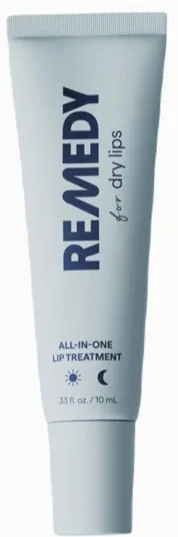 Chapped-Lip Fixer
 Remedy for Dry Lips
Remedy for Dry Lips is a textbook chapped-lip treatment done right: petrolatum to seal moisture in, ceramide NP to rebuild the barrier, shea butter and oils to soften, and a peptide as a small treatment-grade bonus. It is fragrance-free, flavor-free, gentle, genuinely repairing, and at $16 it is the easy, unglamorous, hard-to-fault pick. There is no drama here, and for a lip treatment, that is exactly the point.
 Derm-Favorite Lip Shield
 Lip Repair + Protect SPF 30
A petrolatum-powered lip sunscreen that borrows Aquaphor's healing pedigree and delivers reliable SPF 30 protection, though the inclusion of oxybenzone at 5.4% is an increasingly dated formulation choice that may give ingredient-conscious users pause.
 Dry Skin Emergency Room
 Clinical Care Extremely Dry Skin Rescue Healing Moisture Lotion
A no-frills clinical powerhouse that takes the brand's 150-year petrolatum expertise and wraps it in a genuinely effective barrier repair lotion. At under $9 for 13.5 ounces, it delivers drugstore pricing with derm-office results for anyone whose skin cracks, flakes, or screams for mercy in winter.
 Drugstore Crepey-Skin Specialist
 Age Renew Crepe Corrector Lotion
Gold Bond Age Renew Crepe Corrector targets the underserved crepey skin category — hydroxyethyl urea (aggressive humectant) plus whey protein plus CoQ10 plus stable vitamin C plus Selaginella plus petrolatum/dimethicone occlusive chassis at $12.99 for 8oz. Fragrance-free. For users managing crepey arm, decolletage, neck, or knee skin specifically, this is one of the few accessible drugstore options with serious crepey-targeted chemistry.
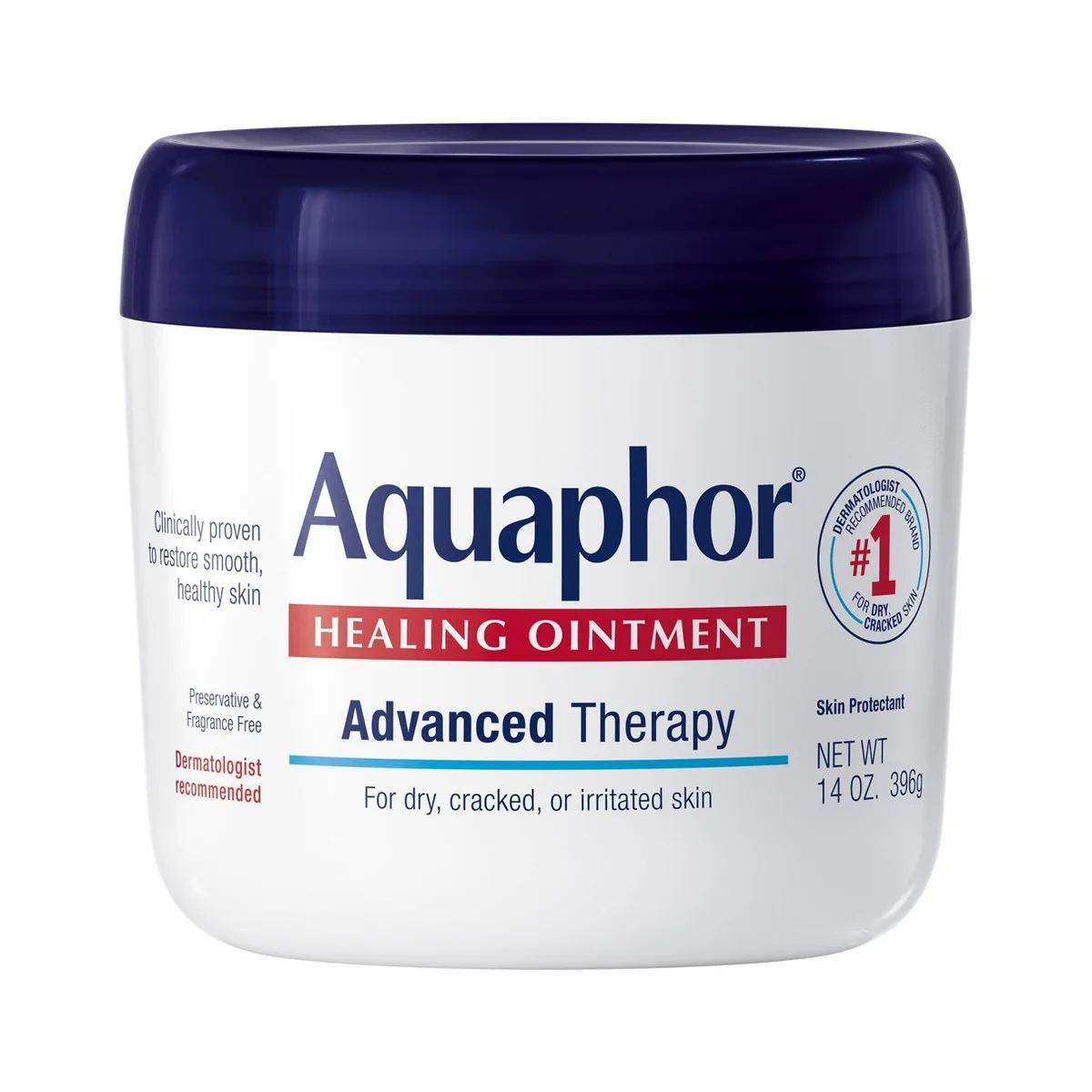 Derm Office Holy Grail
 Healing Ointment
A century-old formula that remains the gold standard for barrier protection because nobody has found a way to improve on the fundamentals. Seven ingredients, zero filler, and the kind of dermatological credibility that takes a hundred years to earn. Greasy? Absolutely. Effective? Unimpeachably.
 Everyday Dry Skin Essential
 Intensive Care Advanced Repair Lotion
The body lotion equivalent of a sensible savings account — unglamorous, reliable, and quietly doing more work than you'd expect for the price. At under $8 for 20 ounces of NEA-accepted, fragrance-free barrier repair, it sets the standard that every budget body lotion has to answer to.
 Budget Sensitive-Skin Workhorse
 Sensitive Facial Cleanser
A quietly competent sensitive-skin cleanser that prioritizes comfort over lather. The oat-and-petrolatum base leaves skin soothed rather than tight, and the huge bottle makes it a genuine value. The only real caveat is the sulfate surfactant, which keeps it just shy of the gentlest options.
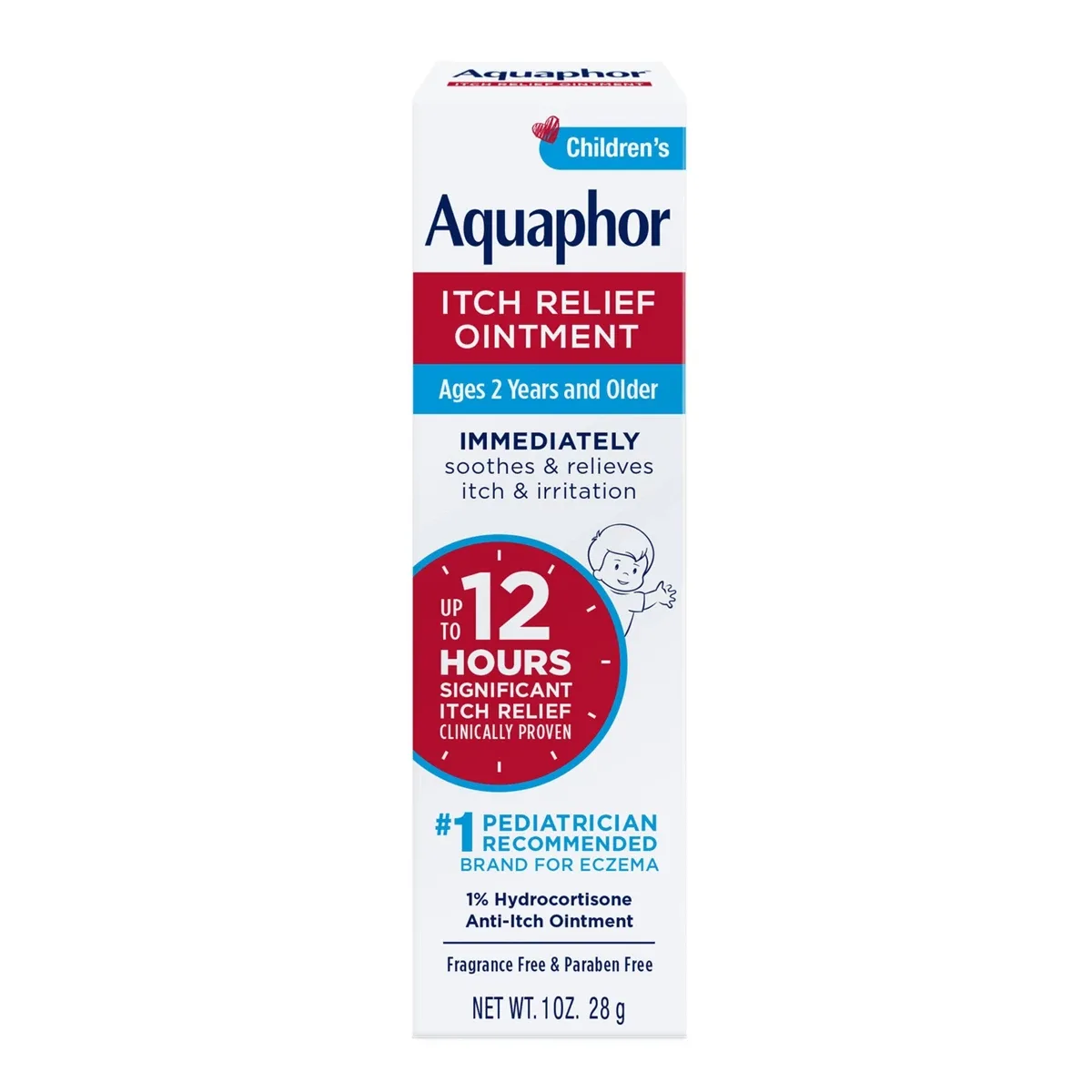 Sensitive Skin Spot Treatment
 Children's Itch Relief Ointment
A small tube that does one job well: it puts maximum-strength OTC hydrocortisone inside Aquaphor's soothing petrolatum base to quiet itchy bites, rashes, and eczema flares. Fragrance-free and gentle enough for kids, it is a smart medicine-cabinet staple rather than an everyday skincare product, and the lanolin is its one real caveat.
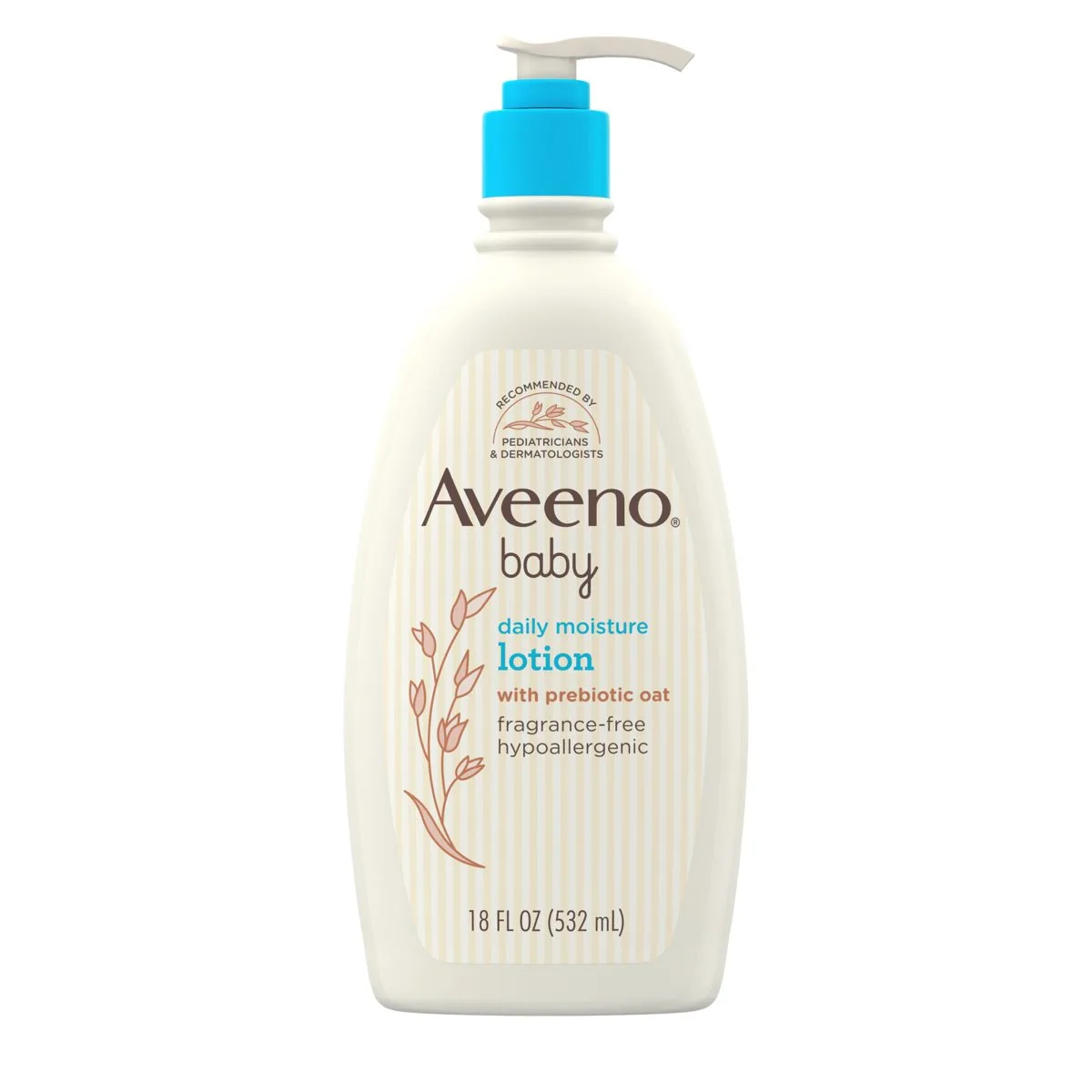 The Pediatrician's Default Lotion
 Baby Daily Moisture Body Lotion
Eleven ingredients, no fragrance, and the three that matter exactly where they should be: glycerin, petrolatum and oat flour in a cationic base that makes a petrolatum lotion absorb like a light cream. It is the bottle pediatricians name for dry and mildly eczematous infant skin, it costs thirteen dollars for a pump that lasts months, and fifteen thousand reviews agree with the pediatricians. Flares still need an ointment on top.
 The Moisturizer That Started It All
 Dramatically Different Moisturizing Lotion+
The moisturizer that invented the category — and the reformulated '+' version proves that sixty years of refinement can keep a classic relevant. The urea-glycerin-petrolatum trio is clinical-grade hydration in a cosmetically elegant package. Not for oily skin, and the prestige price is increasingly challenged, but for dry skin this remains a genuinely excellent choice.
 Sensitive Skin Staple
 Moisturizing Lotion
A deliberately boring moisturizer — and that's the highest compliment in dermatology. Eleven ingredients, zero fragrance, and decades of clinical trust make this the lotion dermatologists reach for when they need to rule out every possible irritant. It won't transform your skin, but it absolutely will not betray it.
 Pharmacy-Counter Legend
 Moisturizing Skin Cream
The original sensitive-skin moisturizer — eleven ingredients, zero fragrance, forty-five years of dermatologist trust. It's thick, it's basic, and it works. This is the cream that proved skincare didn't need to be complicated to be effective, and 30,000 reviews later, nothing about the formula has needed to change.
 Pediatrician's #1 Pick
 Healing Ointment Baby
The same seven-ingredient ointment that hospitals stock and dermatologists prescribe, now in baby-aisle packaging. The formula is identical to the adult version — which is the highest compliment a baby product can receive. If it's trusted in NICUs, it's good enough for your changing table.
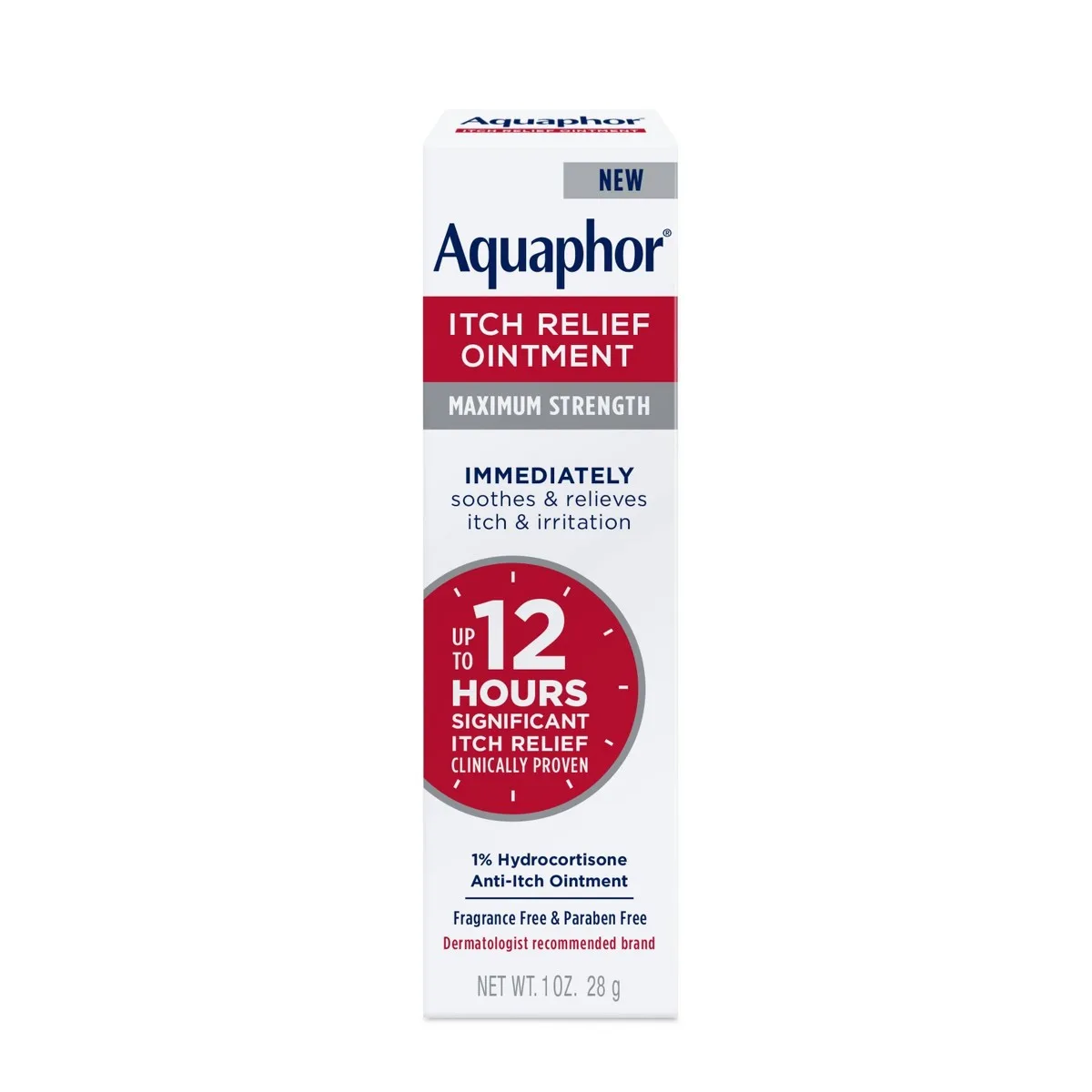 Eczema Flare First Responder
 Itch Relief Ointment
The gold standard of OTC itch relief in an Aquaphor wrapper. Maximum-strength hydrocortisone delivered in a barrier-repairing petrolatum base with multi-pathway anti-inflammatory support — this treats both the symptom (itch) and the underlying cause (barrier compromise) simultaneously. The greasy texture and small tube are the price of admission.
 The Original Medicated Lip Balm
 Classic Medicated Lip Balm
Nearly 90 years old and still polarizing — Carmex's camphor-menthol-petrolatum formula delivers undeniable occlusive protection and that signature medicated tingle, but its old-school ingredient list full of potential irritants makes it a love-it-or-debate-it classic.
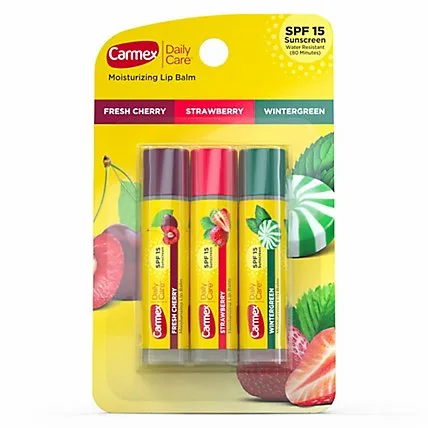 Everyday SPF Lip Protection
 Daily Care Lip Balm SPF 15
A budget-friendly daily SPF lip balm that delivers reliable moisture and passable sun protection, but the inclusion of oxybenzone — increasingly avoided in modern formulations — and limited UVA coverage make it feel like a product that hasn't quite caught up with the times.
 Australian Pharmacy Classic
 Intensive with Ceramides Moisturising Cream
QV's Intensive with Ceramides Moisturising Cream is one of the most clinically-minded barrier repair creams on the Australian pharmacy shelf, pairing a three-ceramide spectrum with cholesterol, phytosphingosine, and a petrolatum seal. It's dry, eczema-prone, and compromised-skin territory — and it belongs in that conversation with the biggest names in the category.
 Body Care You'll Actually Use
 Hydro Boost Hydrating Body Gel Cream
A lightweight, fast-absorbing body gel cream that pairs glycerin and hyaluronic acid with petrolatum for hydration that actually lasts, without the greasy stickiness that makes people skip body care. The fragrance-free version is a sensitive-skin-friendly, rock-bottom-priced everyday workhorse — just not an intensive treatment for severely dry or cracked skin.
 Slugging Made Sensible
 Deep Moisture Slugging Mask
Olay turns the viral slugging hack into a sensible, fragrance-free overnight mask that seals in moisture far more pleasantly than plain petroleum jelly, with bonus niacinamide and panthenol. Skin wakes up plumper and softer, and it is genuinely barrier-friendly. The only real limits are the obvious ones: it is too rich for oily or acne-prone skin and the jar is a touch unhygienic.
 Pharmacy Fragrance-Free Staple
 Daily Hydration Lotion
The plainest lotion in Eucerin's range and one of the most sensible bottles in the body-care aisle: sunflower oil over petrolatum and glycerin, no fragrance, no dye, no gimmick, absorbed in a minute and comfortable all day on normal-to-dry skin. It will not rescue cracked winter heels and it does not pretend to. For thirteen dollars a pump bottle, it is what a daily body lotion should be.
 No-Nonsense Lip Rescue
 Healing Lip Balm
An unglamorous, genuinely medicinal lip balm: petrolatum declared at nearly half the formula, CeraVe's three ceramides, and none of the flavor, menthol or fragrance that keeps chapped lips chapped. It lacks SPF and is too new to have a review record, but for cracked winter lips it is exactly the kind of boring product that works.
 Eczema Gold Standard
 Eczema Therapy Moisturizing Cream
The strongest formulation in Aveeno's lineup for eczema-prone skin, combining FDA-regulated colloidal oatmeal with ceramide NP and panthenol for a multi-mechanism approach to barrier repair. Steroid-free, fragrance-free, and HSA/FSA eligible — this is the drugstore eczema cream dermatologists actually recommend by name.
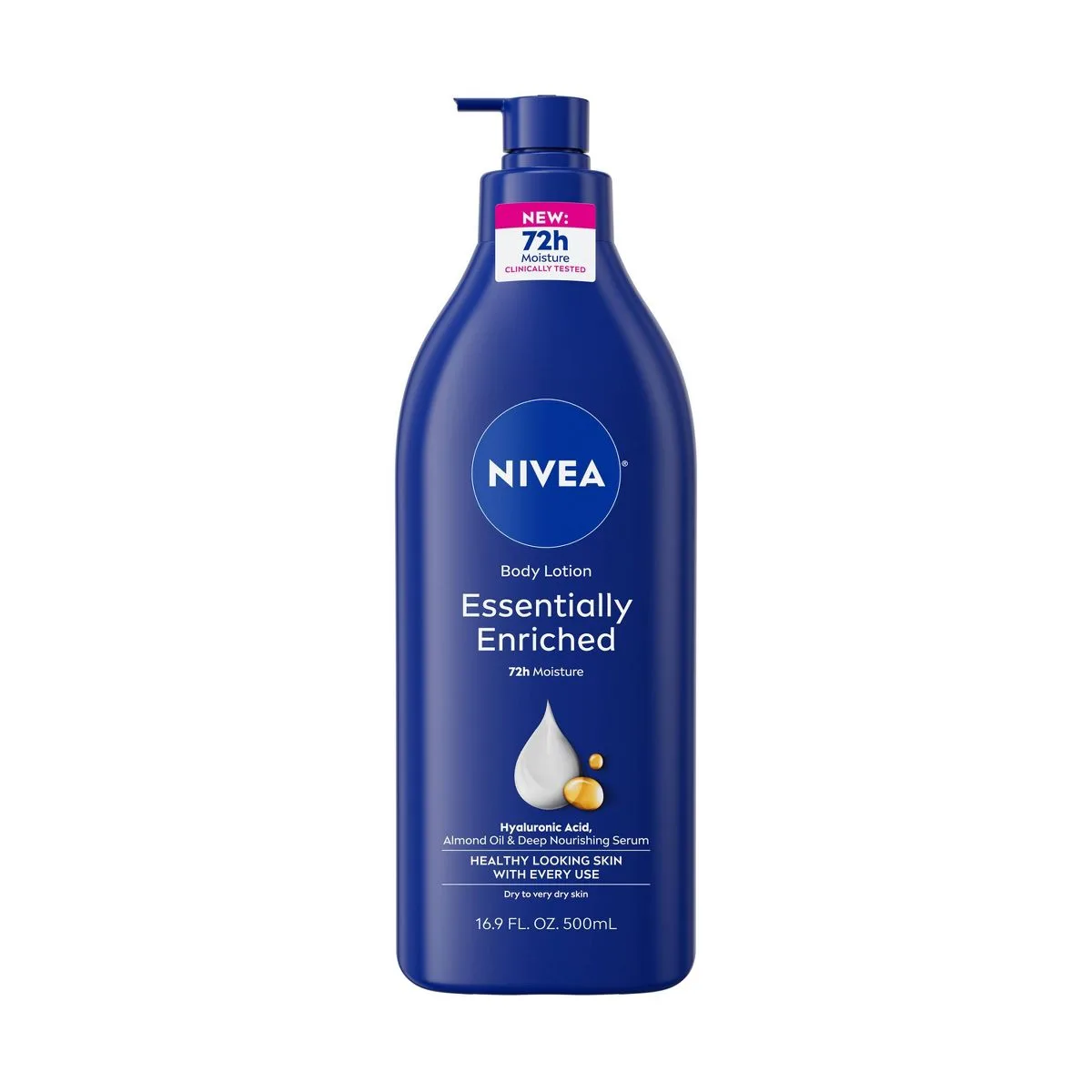 Dry Skin Budget Champion
 Essentially Enriched Body Lotion
A no-nonsense body lotion that does exactly what dry skin needs — delivers moisture through glycerin and hyaluronic acid, then locks it in with petrolatum and sweet almond oil. The 2025 reformulation added modern hydration science to a proven emollient base, and the under-seven-dollar price for 16.9 oz makes generous daily application a non-issue financially. Not glamorous, but genuinely effective.
 Fungal Acne Fighter
 Z-Bar Medicated Cleansing Bar
A medicated cleansing bar that actually respects sensitive skin — pyrithione zinc at the maximum OTC strength in a syndet base that cleanses without stripping. For seborrheic dermatitis sufferers who've been punished by harsh antifungal bars, this is a genuine relief. It controls Malassezia without creating new problems.
 On-the-Go Skin Rescue
 Healing Balm Stick
A century of healing ointment expertise distilled into a pocket-sized stick. The lanolin-free, mess-free format solves the biggest complaint about traditional Aquaphor while maintaining the petrolatum-based barrier protection that dermatologists trust — though the tiny size and premium per-ounce price make it an expensive convenience.
 Cult Classic Multi-Balm
 Balm Dotcom
Balm Dotcom is an honest, effective occlusive balm that does exactly what it promises — seal moisture in and keep dry, cracked lips at bay. The formula is dead simple and proven, but the price asks you to pay a premium for the Glossier name on what is fundamentally a petrolatum-lanolin balm.
 Itch-Prone Skin Essential
 Itch Defense Calming Body Lotion
A smart, science-backed body lotion that treats itch at its source rather than just masking the sensation. The four-ceramide system backed by Kao's proprietary research and an NEA seal delivers genuine barrier repair at a price that makes generous daily application guilt-free. The anti-itch lotion that actually fixes the itch.
 German Derm-Science Classic
 Moisturizing Cream for Sensitive Skin
A no-frills, pH-calibrated moisturizer that does exactly what decades of German dermatological research designed it to do — protect and hydrate sensitive skin without drama. The petrolatum-glycerin backbone is genuinely effective, though the inclusion of fragrance in a sensitive skin product remains a puzzling choice.
 Drugstore Lip Rescue
 DCT Daily Conditioning Treatment SPF 20
A petrolatum powerhouse that delivers serious lip moisture and SPF protection at a price that barely registers. The 55% petrolatum base is the gold standard of occlusive lip care. But the dated formulation — oxybenzone, menthol, camphor, phenol, and lanolin — reads like a 1990s ingredient list that never got the memo about modern clean formulation. Effective, affordable, and controversial.
 Emergency Lip Rescue
 Lip Medex
The lip equivalent of a fire extinguisher — you reach for it when things have gone wrong. Nearly 60% petrolatum with triple analgesic action delivers aggressive moisture protection and pain relief for lips that are cracked, raw, and protesting. Not elegant, not modern, and loaded with irritants, but when your lips are in genuine distress, few products work this immediately.
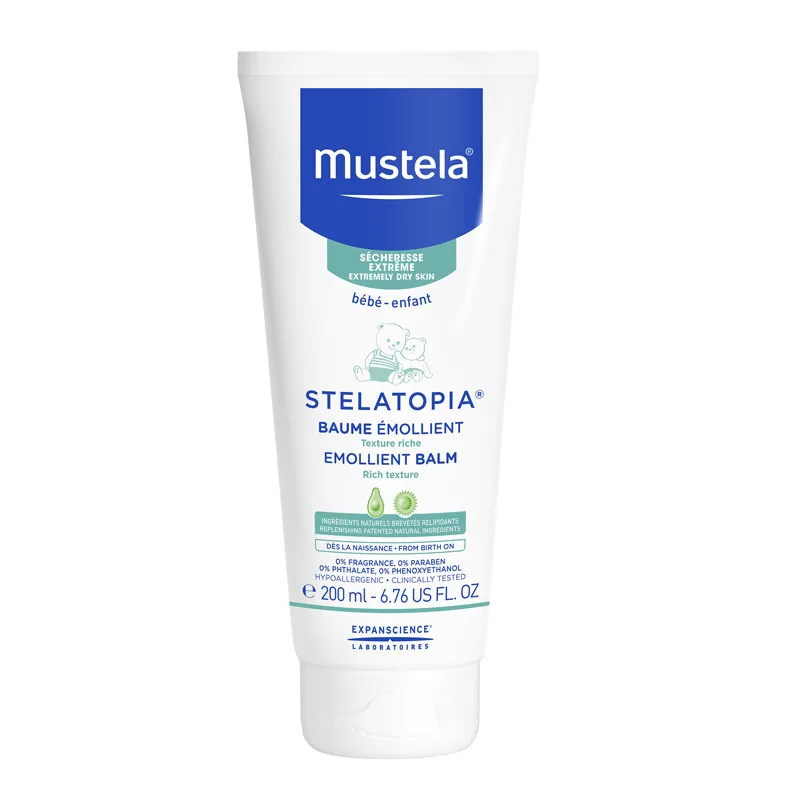 Eczema-Prone Skin Essential
 Stelatopia Emollient Cream
The best product in Mustela's lineup and one of the strongest baby eczema emollients available: a fragrance-free, ceramide-rich formula that addresses atopic dryness at its structural root. This is what happens when a 70-year-old pediatric skincare brand focuses its full pharmaceutical expertise on a single skin condition.
 Australian Sun-Smart Essential
 Lip Balm SPF 30
QV's Lip Balm SPF 30 is the rare drugstore lip balm that treats SPF as the point, not a garnish. With a four-filter broad-spectrum system in a petrolatum-and-wax base, it offers genuine daily lip protection from a brand whose parent company has been formulating Australian sun care since the 1970s.
 Reliable Skin Repair Staple
 Healing Ointment
A near-bulletproof petrolatum healing ointment — 71.5% petrolatum, the gold-standard occlusive, with shea butter and vitamin E and a texture less greasy than plain petroleum jelly. Cheap, effective, exceptionally gentle, and genuinely useful for chapped and cracked skin. It simply is not a product for oily facial skin.
 Maximum-Strength Acne Wash
 Rapid Clear Stubborn Acne Cleanser
A maximum-strength 10% benzoyl peroxide cleanser that genuinely helps stubborn breakouts, softened by a creamy, hydrating base that makes a harsh active more usable. It's potent and affordable, but the high strength plus menthol, fragrance, and benzyl alcohol stack real irritation risk, making it a tool for oily, resilient, acne-fighting skin rather than an everyday cleanser for most.
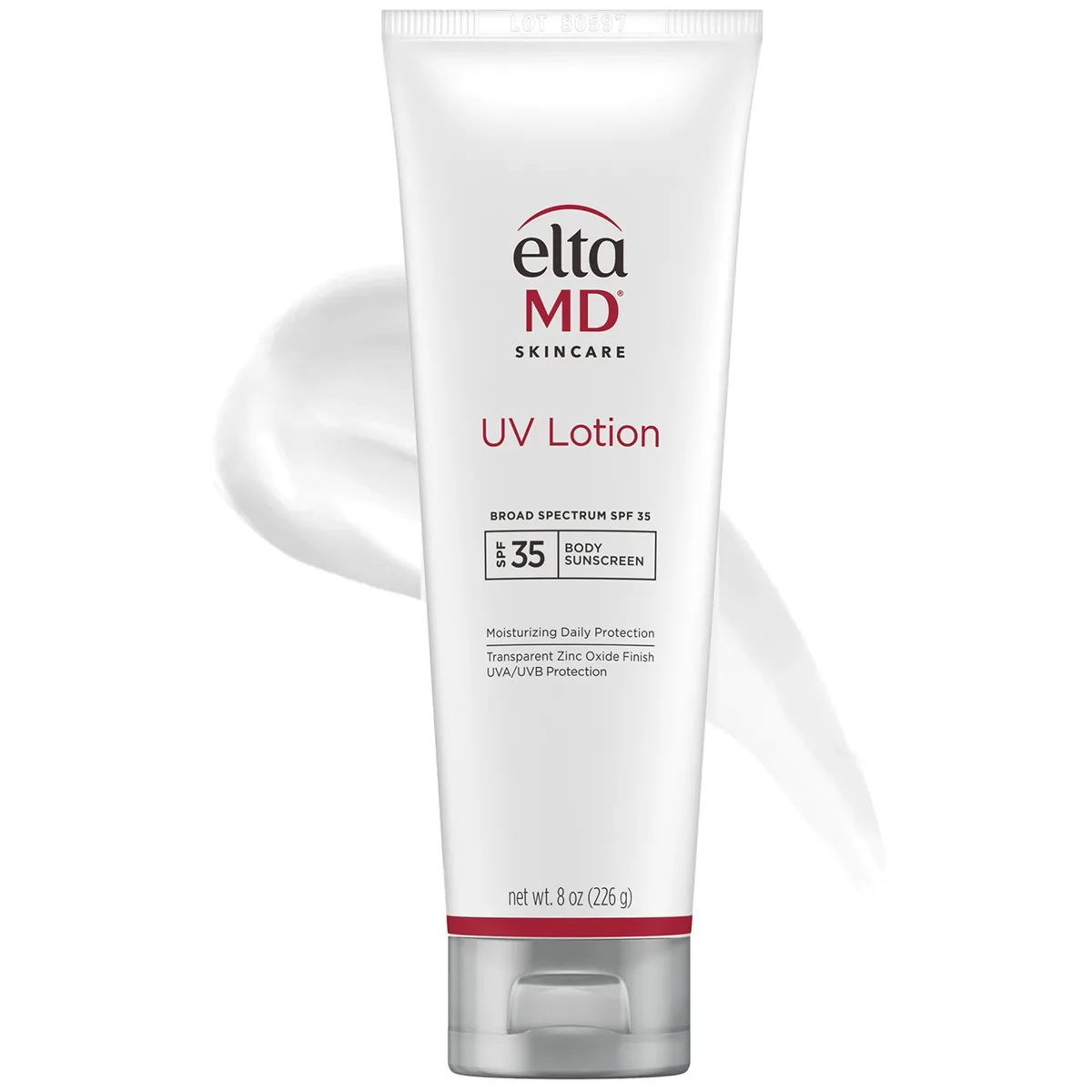 Moisturizing Body Staple
 UV Lotion Broad-Spectrum SPF 30+
EltaMD's moisturizing full-body sunscreen, and the keyword is moisturizing. A low zinc load plus a single chemical filter gives it a near-invisible finish, while hyaluronic acid and a petrolatum base keep body skin hydrated. The big bottle and gentle, fragrance-free formula make whole-body protection actually pleasant. The catches: octinoxate won't suit filter-averse users, and the rich base skews toward dry skin.
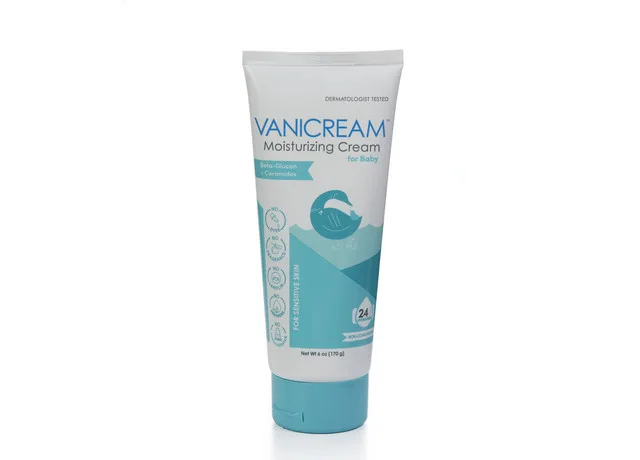 Sensitive Skin MVP
 Moisturizing Cream for Baby
A baby moisturizer that behaves like a grown-up barrier cream: short ingredient list, no fragrance, ceramides and beta-glucan over a petrolatum-glycerin base. It quietly hydrates reactive infant skin without the botanicals that tend to trigger flare-ups, and at around ten dollars it is hard to fault.
 Bedtime Lotion, Aromatherapy Optional
 Stress Relief Moisturizing Body Lotion
Underneath the lavender this is Aveeno's dependable glycerin, petrolatum and oat lotion, and it moisturizes exactly as well as that base always has. The stress relief is a scent, not a mechanism, and the fragrance load that makes the scent work is the same thing that rules the lotion out for eczema-prone and reactive skin. Buy it for bedtime if you love lavender; buy the unscented sibling if you do not.
 1968 Formula, Grey Tube
 For Men Moisturizing Lotion
Clinique's founding 1968 lotion — mineral oil, petrolatum, urea, sesame oil — in a grey squeeze tube, and none the worse for its age: fragrance-free, non-stinging after a shave, and reliably comfortable on dry skin all day. At $42 for 100 ml it is a heritage tax on a very simple formula, and the lanolin alcohol and three dyes are avoidable flaws, but the moisturising itself is beyond argument.
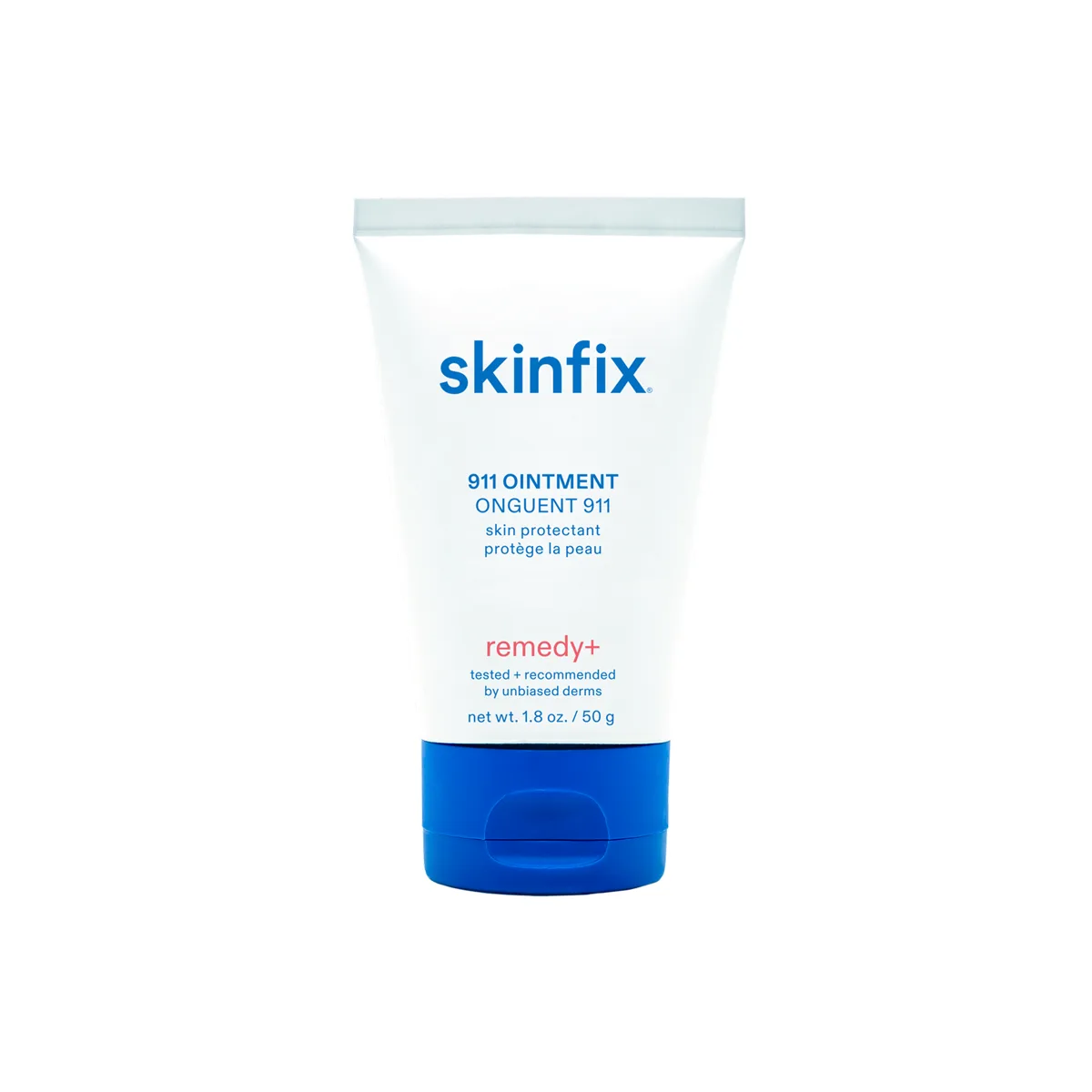 Upgraded Petroleum Jelly
 911 Ointment
A petrolatum ointment made pleasant: 55 percent petroleum jelly loosened with sunflower, coconut and jojoba oils, shea, cupuaçu and beeswax, with a monograph dose of allantoin and no fragrance or preservative. It heals chapped lips, cracked heels and chafed skin as well as the drugstore jelly it improves on, spreads better, and costs about fifteen times as much per ounce. Good product, luxury price, small tube.
 No-Frills Lip Glaze
 Bamboo Hyalu Lip Essence
A cheap, fragrance-free petrolatum ointment in a glossy, squeezable costume, and a very effective one. The hyaluronic acid and bamboo on the label barely register in the formula, but the petrolatum base is exactly what chapped lips need. Bought as a plain, well-textured lip ointment rather than a hydration serum, it is one of the easier recommendations in lip care.
 Eczema Relief Essential
 DermaSeries Eczema Body Lotion
Dove's DermaSeries Eczema Body Lotion bridges the gap between drugstore moisturizer and clinical eczema treatment. The 1% colloidal oatmeal active ingredient provides real anti-inflammatory relief, while the petrolatum-anchored occlusive system seals in the moisture that eczema-damaged skin can't hold on its own. Fragrance-free, fast-absorbing, and genuinely effective for daily eczema management.
 Pediatrician-Tested Essential
 Baby Rich Moisture Lotion
A smartly formulated baby lotion that applies the moisture-locking principles Dove has refined for over sixty years to the most delicate skin in the house. The glycerin-petrolatum-dimethicone triple layer provides genuine 24-hour hydration with a surprisingly non-greasy finish, and the price-to-performance ratio is hard to beat.
 Overnight Lip Rescue Hero
 Lip & Body Treatment Balm
A no-nonsense, intensely effective occlusive balm that does exactly what severely dry lips and rough skin patches need — seal in moisture with a dense barrier of waxes, oils, and emollients. The jar packaging is its only real weakness; the formula itself is nearly perfect for its purpose.
 Drugstore Workhorse
 Ultimate Healing Skin Therapy Lotion
A no-frills pharmacy workhorse that delivers serious hydration at a price that makes luxury body lotions look absurd. The glycerin-petrolatum core does exactly what it promises, but the fragrance and dated preservative system keep it from being a universal recommendation.
 Overnight Lip Rescue
 Lip Repair Night Treatment
A deceptively powerful overnight lip treatment that punches well above its drugstore price point, using a dimethicone-anchored multi-oil formula to deliver genuinely transformative overnight results for chronically cracked lips. The tiny jar belies the serious repair work happening inside.
 Tinted Lip Balm Icon
 Lip Therapy Rosy Lips
The lip balm that proves sometimes the simplest formula wins. Seven ingredients, a universally flattering tint, and the most studied occlusive in skincare history — all in a pocket-sized tin for under $4. It will not revolutionize lip care, but it will keep your lips soft, pink, and protected.
 Drugstore Lip Care Icon
 Medicated Lip Balm SPF 15
The quintessential drugstore lip balm that generations grew up reaching for — a solid occlusive formula with basic SPF that genuinely seals in moisture, though the menthol-camphor tingle that made it famous is more performance art than medicine. At under $2, it's hard to argue with the value, but sensitive lips may find the 'medicated' ingredients create more problems than they solve.
 Generational Dry Skin Staple
 Dry Skin Cream
Pond's Dry Skin Cream is the kind of product that makes you question whether the skincare industry needed to get complicated at all. An 80-year-old formula of petrolatum, mineral oil, and glycerin does exactly one thing — seal moisture in like a vault — and it does it better than most products at ten times the price.
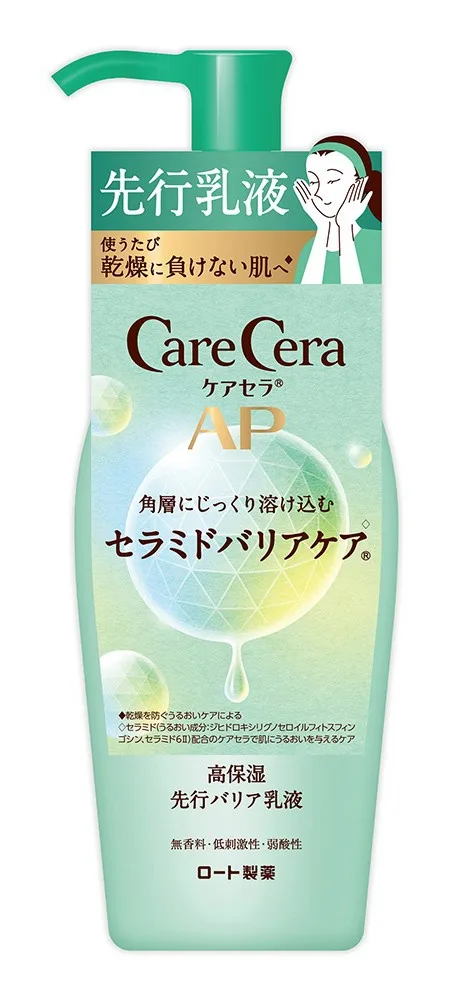 Premium Ceramide Drugstore Pick
 AP High Moisture Pre-Barrier Milk
Rohto's CareCera AP Pre-Barrier Milk delivers 8 total ceramides (proprietary Ceramide Plus + 7 natural forms) plus petrolatum occlusive at accessible drugstore pricing. One of the most ceramide-rich Japanese drugstore products available, particularly valuable for atopic dermatitis and chronic dry skin contexts.
 Comfort Cleanser
 Sensitive Face Cleanser Hungarian Water Essence
A surprisingly comfortable drugstore cleanser that uses petrolatum to wash without stripping, making it a genuine ally for dry skin. The catch is the 'sensitive' label oversells it: fragrance and methylisothiazolinone preservatives mean truly reactive skin should look elsewhere, and there's no real Hungarian herbal magic behind the romantic name.
 Sensitive Skin MVP
 Calm + Restore Skin Therapy Balm
A genuinely soothing barrier balm that treats sensitive, reactive skin like a patient rather than a customer. The triple-oat-plus-ceramide formula calms redness and rebuilds the barrier without fragrance or fuss. The only real friction is a small jar at a not-quite-budget price.
 Everyday Sensitive-Skin Staple
 Calm + Restore Oat Repairing Body Lotion
An unflashy, fragrance-free oat body lotion that quietly nails the basics for dry, sensitive, eczema-prone skin. It soothes and softens without scent or grease, at a sensible size and price. It won't rescue severely cracked skin, but as a daily, gentle, full-body workhorse it is hard to fault.
The full petrolatum (petroleum jelly) guide
Few skincare ingredients have a track record like petrolatum: dermatologists have leaned on it for well over a century, even as the beauty industry cycles through trendier occlusives.
The FDA classifies it as an over-the-counter skin protectant, and it ranks among the most effective occlusives available — published data show it can cut transepidermal water loss by anywhere from roughly 50% up to nearly 99%, depending on how much is applied and how. The sticking point isn't the performance; it's the origin. Because it's derived from petroleum, it has become a lightning rod for clean-beauty skepticism that the refining science doesn't actually justify.
Where the evidence stands, by concern
Evidence for an ingredient is not one grade — it differs concern by concern. Each row below was researched separately against regulatory approvals, clinical guidelines, and trials our team opened and verified; the band and dots rank how central petrolatum (petroleum jelly) is to treating that concern, from first-line therapy down to supportive care, at treatment-level doses and vehicles. A product's own grade weighs its actual formula.
Researched, not established: Psoriasis. We looked at this concern and the current evidence does not clear our bar for a treatment standing — that is a finding, not a gap in our research.
How it's regulated in the US
FDA does not classify ingredients — it classifies products, by what they are sold to do. The same molecule can be a drug active in one product and a cosmetic ingredient in the next, and only the claim on the label decides which. What follows is a statement about that legal standing, not about whether it works — the evidence question is answered separately above.
OTC drug active Petrolatum at 30 percent and above is an OTC drug active, which is why a tub of plain petroleum jelly is legally a drug and the ceramide cream beside it is a cosmetic.
- skin protection OTC monograph 30 to 100 percent
Generally recognized as safe and effective under an FDA order — marketed without FDA approval
Permitted label wording “Temporarily protects minor cuts, scrapes and burns; Helps prevent and temporarily protects and helps relieve chafed, chapped or cracked skin and lips”
White petrolatum is listed separately at § M016.10(r) on the same 30 to 100 percent band.
Petrolatum is among the most thoroughly studied topical agents in dermatology. The 1992 JAAD study by Ghadially, Brown, Sequeira-Martin, Feingold, and Elias (PMID 1564142) showed that petrolatum permeates the intercellular spaces of the stratum corneum rather than acting as a simple impermeable surface film, and that it accelerates barrier recovery after disruption instead of impeding it. A 2016 study in the Journal of Allergy and Clinical Immunology (Czarnowicki et al.) demonstrated that petrolatum-occluded skin upregulates antimicrobial peptides and barrier-differentiation genes — challenging the long-standing "inert" label. A 2023 comprehensive review in JAAD (Zaenglein et al., PMID 37315800) systematically addressed the major safety concerns — comedogenicity, allergenicity, and PAH contamination — concluding that refined cosmetic- and pharmaceutical-grade petrolatum is non-comedogenic, that PAH levels are negligible after refining, and that allergic contact dermatitis to it is exceptionally rare. Reported TEWL reduction varies from about 50% to nearly 99% with application amount and method. Randomized trials and clinical guidelines support its use in atopic dermatitis, wound care, and post-procedure recovery.
How it works
The work petrolatum does is largely physical, and it does that work better than almost anything else. Once applied, it settles into the intercellular spaces of the outermost stratum corneum rather than merely resting on the surface as a film — the 1992 Ghadially study found it permeating throughout those interstices. By doing so, it lowers the vapor-pressure gradient across the skin surface, slowing the rate at which water diffuses outward into the air. The payoff is a sharp drop in transepidermal water loss, which lets the skin's own repair machinery operate in a moister, more favorable setting. The less obvious part is that petrolatum adds no water of its own — it guards what's already present. That's why sequence matters: layered over a humectant such as hyaluronic acid or glycerin, it seals in the moisture those ingredients have pulled into the skin; applied to bare, dry skin, it simply conserves whatever hydration remains. The 2016 Czarnowicki research complicated the old "inert barrier" picture. Petrolatum-occluded skin showed measurable upregulation of antimicrobial peptides (such as S100A8/A9, human β-defensin 2, and elafin) along with the barrier proteins filaggrin and loricrin. In other words, the skin actively responds to it at a molecular level — which may help explain why petrolatum tends to outperform other occlusives in wound healing and eczema beyond what TEWL reduction alone would predict.
Key benefits
- Cuts transepidermal water loss by roughly 50% up to nearly 99%, among the highest of any cosmetic occlusive
- Associated with upregulation of antimicrobial peptides and barrier-repair proteins like filaggrin and loricrin in occluded skin
- Supports faster wound healing by maintaining a moist, protected recovery environment
- Helps reduce atopic dermatitis flare frequency and severity as part of regular emollient use
- Carries one of the lowest sensitization rates in dermatology — true allergy is exceptionally rare
- Shields chapped lips, cracked heels, and compromised barriers from further moisture loss
Concentration & usage
On an INCI list, it appears plainly as "Petrolatum." In OTC skin protectant products, the FDA monograph requires a 30–100% concentration to make the protectant claim. In healing ointments and barrier moisturizers it often sits at 40–60% as the primary active, while in supporting occlusive roles — lip balms, eye creams, layered barrier creams — it may run anywhere from 5–30%. For compromised or sensitive skin, white petrolatum (the USP/pharmaceutical grade) is the better pick over yellow: both are refined, but white has gone through additional decolorization. As a rule of thumb, the higher petrolatum sits on the ingredient list, the more ointment-weight the product is meant to be.
Who it's for & who should be cautious
Who it's for
The biggest beneficiaries are people with a compromised, dry, or irritated barrier — atopic dermatitis, eczema, post-procedure skin, and severely chapped or cracked areas all respond well to petrolatum-rich formulas. Its sensitization risk is low enough that it's one of the few moisturizing ingredients widely considered safe for newborn skin. Anyone living in a harsh, dry climate or dealing with chronic hand dryness from frequent washing will find it especially handy as an overnight treatment or a final occluding layer.
Who should be cautious
Acne-prone skin is the main caveat, particularly when petrolatum is applied generously to the face — the heavy occlusion can trap sebum and existing debris and worsen breakouts, even though petrolatum itself is non-comedogenic. Anyone who dislikes a greasy slip will find it impractical for daytime wear. True hydrocarbon or petrolatum allergy is extraordinarily uncommon, but it does exist, so patch testing is reasonable if you notice a reaction. If you're sourcing from regions with unclear refining transparency, choosing a product that specifies USP or pharmaceutical grade adds extra assurance.
Pairs with & conflicts
Pairs well with: Hyaluronic Acid, Glycerin, Ceramides, Niacinamide (Vitamin B3), Panthenol (Pro-Vitamin B5), Colloidal Oatmeal, Shea Butter, Squalane, Urea (Carbamide), Allantoin
Use with care alongside: Salicylic Acid (BHA), Retinol, Glycolic Acid (AHA), Benzoyl Peroxide
Myths & facts
Myth: Petrolatum clogs pores and causes acne
Reality: Cosmetic-grade petrolatum is non-comedogenic — the molecules don't enter the follicle in a way that forms comedones, a point the 2023 JAAD review reaffirms. The acne issue is contextual rather than chemical: a thick occlusive layer over acne-prone facial skin can trap existing sebum and debris, which is a texture-and-application problem, not a comedogenicity one. On body skin, wound sites, or dry patches, the clogged-pore risk is essentially nil.
Myth: Petrolatum is carcinogenic because it comes from petroleum
Reality: Crude petroleum does contain carcinogenic polycyclic aromatic hydrocarbons (PAHs), but cosmetic- and pharmaceutical-grade (USP) petrolatum is refined extensively, leaving PAH levels negligible. The EU requires manufacturers to document the full refining history. Long-standing dermatological use, FDA recognition as a skin protectant, and the 2023 JAAD review all support that refined white petrolatum poses no meaningful carcinogenic risk.
Myth: Petrolatum is just an inert physical barrier with no biological activity
Reality: That assumption held until the 2016 Czarnowicki et al. study in the Journal of Allergy and Clinical Immunology showed petrolatum-occluded skin upregulating antimicrobial peptides (including human β-defensin 2 and S100 proteins) along with the barrier proteins filaggrin and loricrin. The 'inert' label turned out to be a placeholder, not a settled conclusion.
Frequently asked questions
Can I slug with petrolatum on my face every night, or is that too much?
It depends on your skin type and how much you use. The 'slugging' technique — a thin layer of petrolatum as the final nighttime step, over your serums and moisturizer — has solid dermatological support for dry or barrier-compromised skin. For oily or acne-prone skin, the face is the one spot where that heavy occlusion can backfire, and many people get more value applying it to lips, under-eyes, or body skin instead.
Is it safe to keep using petrolatum while pregnant?
White petrolatum is generally regarded as safe for topical use in pregnancy and is commonly suggested by dermatologists for dry skin, stretch marks, and barrier support. It isn't absorbed systemically to any meaningful degree. If your petrolatum product also contains active ingredients, those other actives are what warrant a closer look — petrolatum itself isn't the concern.
Does petrolatum genuinely hydrate skin, or does it just feel that way?
It's a pure occlusive, so it contains no water or humectants and doesn't add moisture directly. What it does is sharply slow how fast your skin loses water to the air, letting hydration levels climb as your barrier repairs itself. The end result is skin that becomes genuinely more hydrated — but through preservation rather than delivery.
Why does petrolatum get a bad rap in clean-beauty circles?
The worry traces back to crude petroleum and its carcinogenic PAHs. Clean-beauty marketing extended that fear to refined petrolatum, which is chemically distinct — refining removes the PAH contamination, and cosmetic-grade material must meet strict purity standards. The EU actually imposes stricter documentation requirements than the US here, and the 2023 JAAD review addressed and dismissed these concerns with clinical data.
What's the difference between white petrolatum and ordinary petroleum jelly?
White petrolatum is the higher-purity grade — further refined and decolorized beyond standard petroleum jelly. USP (pharmaceutical grade) white petrolatum meets the bar for wound care and prescription vehicles. Most skincare uses white or USP-grade material; a yellow tint signals a less-refined grade. For compromised or sensitive skin, the white or pharmaceutical grade is the safer choice.
Is petrolatum actually useful for eczema?
Yes — it's among the most consistently supported tools in atopic dermatitis care. Randomized trials and dermatological guidelines recommend petrolatum-based emollients to lower TEWL, calm itch, and stretch the time between flares. The 2016 study also found it boosts filaggrin and antimicrobial peptides — proteins that tend to be deficient in atopic skin — hinting at a benefit beyond simple occlusion.
- Surgical DermatologyShave, Punch, or Excisional: What Each Skin Biopsy Involves and Why Your Derm Picks OneThree different tools, three different depths, three different scars — and one decision rule underneath all of it: what they suspect determines how deep they have to sample.
- Men's GroomingHands Fail in Four Stages, and Almost Everyone Intervenes at Stage ThreeOccupational hand dermatitis is one of the most common work-related diseases on earth, it follows a script, and the cheapest fix works only if you start it before the skin splits.
- DIY & At-HomeThe Dermatology Pantry: Six Cheap Things With Better Evidence Than Most of What's Marketed to YouEvery post that dismantles a home remedy owes the reader a replacement. The honest replacement list is embarrassingly cheap, and one item on it is cheaper still — it is a bath.
- Hydration & BarrierShea Butter Is Doing a Different Job Than You ThinkIt is sold as deeply nourishing. What it measurably does is seal — and the difference decides whether you should apply it to damp skin or not at all.