Urea (Carbamide)
Products with Urea (Carbamide)
 Psoriasis Management MVP
 Psoriasis Moisturizing Cream
CeraVe's Psoriasis Moisturizing Cream brings clinical-grade descaling and barrier repair together in a formula that psoriasis patients will actually want to use every day — combining 2% salicylic acid with urea, niacinamide, and the full ceramide complex in a cream that feels more like a luxury moisturizer than a medicated treatment. For mild-to-moderate psoriasis management, it sets the standard for OTC care.
 Extreme Dryness Rescue
 Intensive Moisturizing Cream
CeraVe's Intensive Moisturizing Cream brings pharmaceutical-grade hydration technology to the drugstore shelf, combining 5% hydroxyethyl urea with amino acid NMF components, shea butter, and the signature ceramide complex. For skin that the standard Moisturizing Cream cannot fully satisfy, this is the next level up — and still under twenty dollars.
 Drugstore Whey Protein Body Lotion
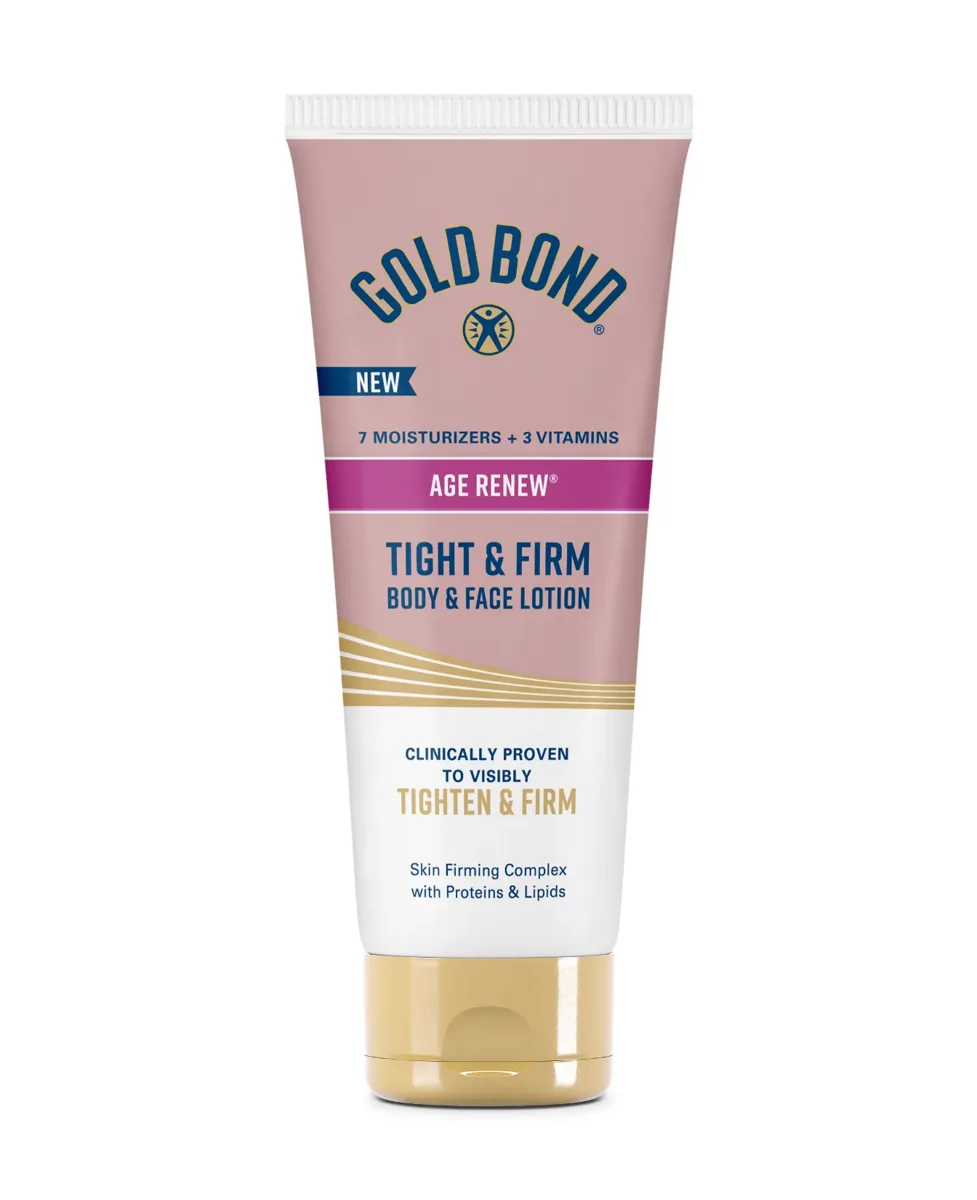
 Age Renew Tight & Firm Body & Face Lotion
Gold Bond Age Renew Tight & Firm delivers whey protein firming chemistry + CoQ10 antioxidant + stable vitamin C + Selaginella resurrection plant + multi-botanical chassis at $12.99 for 8oz. Fragrance-free. Body-and-face dual positioning. The petrolatum inclusion is well-tolerated cosmetic-grade chemistry that supports occlusive moisture retention. Exceptional value vs. prestige firming body lotion alternatives.
 Bi-Phase Barrier Mist
 Barrier Bounce Bi-Phase Mist
Naturium's Barrier Bounce Bi-Phase Mist combines plant oil network (squalane, sunflower, jojoba, milk thistle) with urea, sphingolipids, ceramide NP, and substantial ayurvedic botanical cast in 100ml fragrance-free format. Strong value at 22 dollars for the bi-phase barrier-supportive mist category.
 Drugstore Crepey-Skin Specialist
 Age Renew Crepe Corrector Lotion
Gold Bond Age Renew Crepe Corrector targets the underserved crepey skin category — hydroxyethyl urea (aggressive humectant) plus whey protein plus CoQ10 plus stable vitamin C plus Selaginella plus petrolatum/dimethicone occlusive chassis at $12.99 for 8oz. Fragrance-free. For users managing crepey arm, decolletage, neck, or knee skin specifically, this is one of the few accessible drugstore options with serious crepey-targeted chemistry.
 Combination Skin MVP
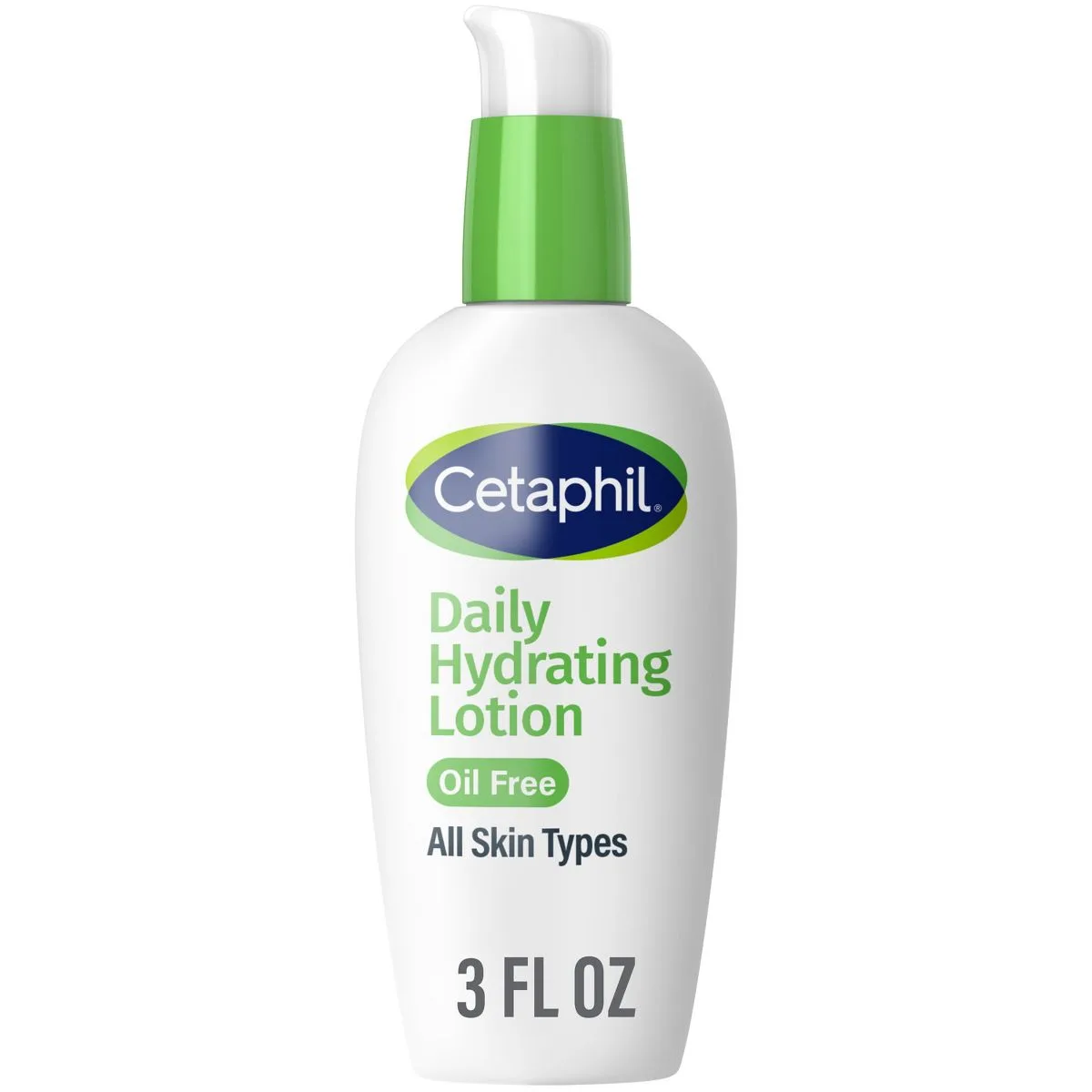
 Daily Hydrating Lotion
A deceptively sophisticated lightweight moisturizer that packs a triple-humectant system and osmotic stress technology into a minimalist 16-ingredient formula. Its only real weakness is the 3 oz size at nearly $15 — the formulation itself punches well above typical drugstore moisturizer quality.
 The Moisturizer That Started It All
 Dramatically Different Moisturizing Lotion+
The moisturizer that invented the category — and the reformulated '+' version proves that sixty years of refinement can keep a classic relevant. The urea-glycerin-petrolatum trio is clinical-grade hydration in a cosmetically elegant package. Not for oily skin, and the prestige price is increasingly challenged, but for dry skin this remains a genuinely excellent choice.
 Daily Body Workhorse
 Advanced Repair Lotion
The lighter, more practical counterpart to the Advanced Repair Cream — same 5% urea load, an even more complete 11-component NMF amino acid roster, Ceramide NP, and shea butter, all in a fast-absorbing pump-bottle format. For daily full-body use across the broad body care population, this is the more sensible choice than the cream. The value proposition is essentially unbeatable.
 Keratosis Pilaris Pick
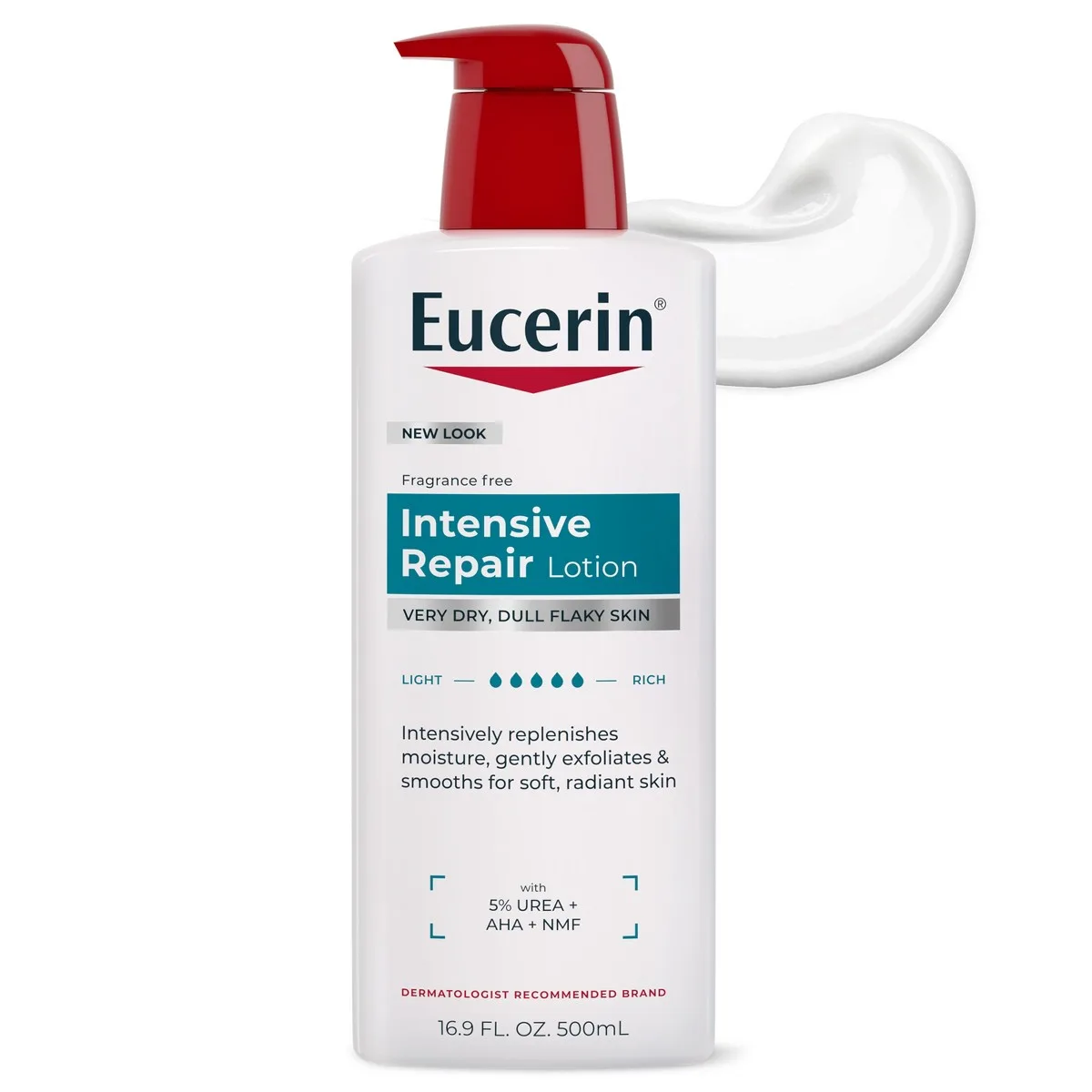
 Intensive Repair Lotion
One of the rare drugstore body lotions that combines clinical-grade alpha hydroxy acid exfoliation (lactic acid + sodium lactate) with urea 5% and substantial mineral oil occlusion — at $13-15 for nearly 17 oz, the per-ounce value is among the best in derm-recommended skincare. The dermatologist's go-to for keratosis pilaris, very dry body skin, and rough flaky patches that simple moisturizers can't resolve.
 Sensitive Skin MVP
 Daily Body & Face Healing Sensitive Lotion
Gold Bond without the famous scent, and better for it if your skin is easily provoked. This fragrance-free, dye-free lotion pairs a gentle humectant base with genuine soothing actives, oat extract, bisabolol, chamomile, and panthenol, to calm and hydrate reactive body and face skin. It is lighter than the brand's ceramide-heavy overnight formula and a touch plain, but for sensitive skin at around ten dollars, it is a quietly excellent everyday choice.
 Blue Line Lip Seal
 Blue EGF Barrier Lip Balm
A well-made, fragrance-free, flavour-free gloss-balm that does what a lip balm should and adds two things most do not: polyisobutene and a lanolin-like ester over a declared ten percent shea seal the lip, urea softens the dead edges of a chapped one, and panthenol, ceramide NP and squalane support the thin lipid layer underneath, with a guaiazulene salt for the Blue calm. The EGF is a trace at the very end of the list and the badge on the tube, chamomile oil is the one allergen note, there is no SPF, and a month-old balm has no record; at ten dollars it is a good lip balm with a story attached.
 KP-Busting Triple Acid
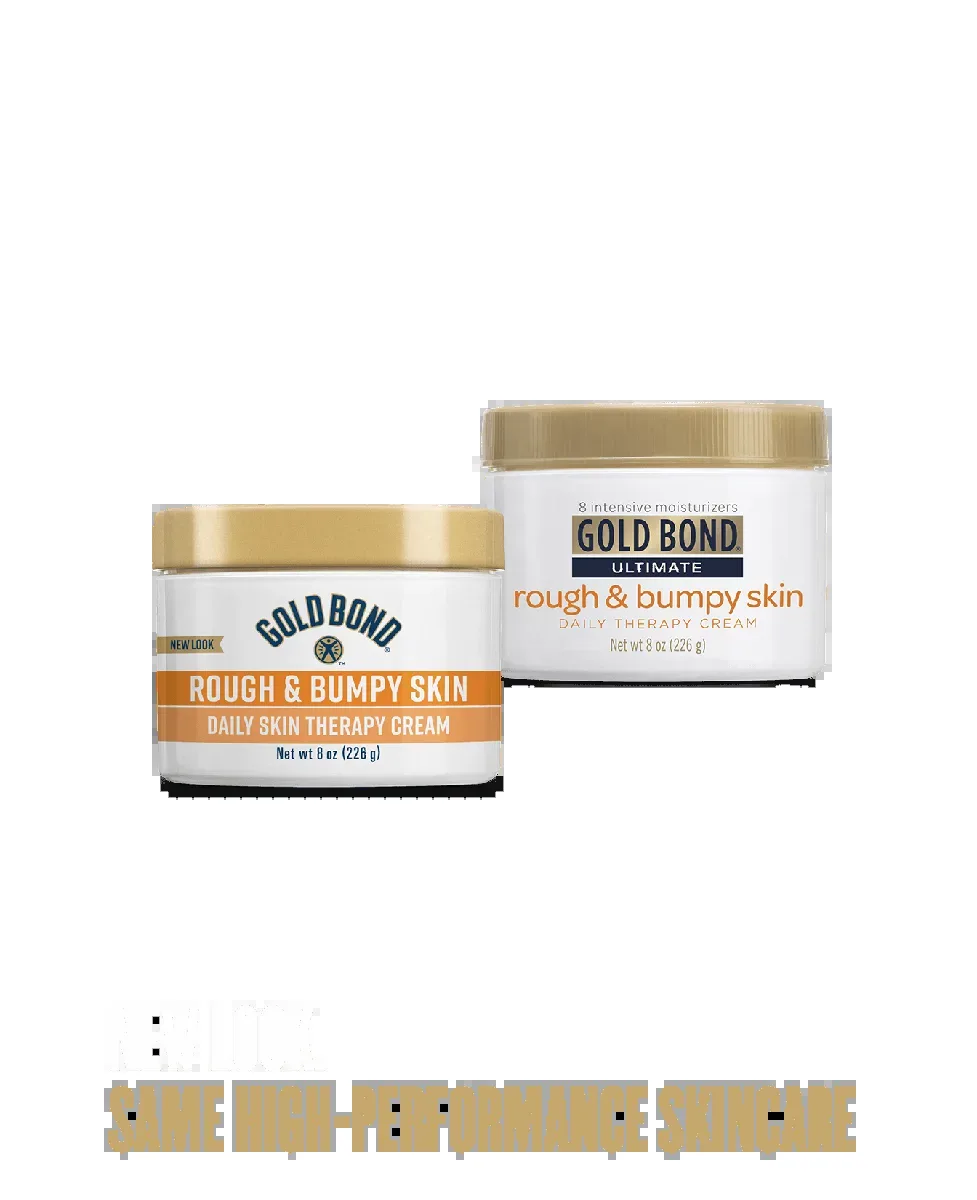
 Rough & Bumpy Daily Skin Therapy
The most thoughtfully formulated OTC rough-and-bumpy skin treatment available, using a triple-acid approach that clinical data validates with a 74% bump reduction in four weeks. The fragrance-free, hypoallergenic formula manages the rare trick of being genuinely exfoliating while remaining gentle enough for daily use — a combination that most competing products cannot match.
 Fungal Acne Holy Grail
 5% Urea Moisturizer
The flagship product of the only commercial brand that takes fungal acne seriously, and for the intended user it's the moisturizer that finally works. A simple, intelligent formula built around 5% urea, dimethicone, and niacinamide — no fatty acids, no ceramides, no plant oils, no flare triggers. At $17 for 150ml, it's reasonable too.
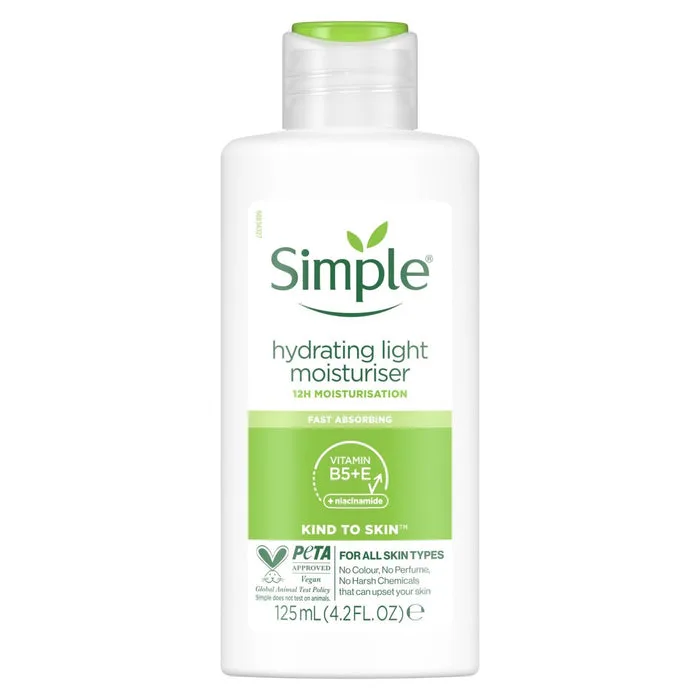 Budget Holy Grail
 Kind to Skin Hydrating Light Moisturizer
A shockingly well-composed budget moisturizer that does the unglamorous work of multi-humectant hydration, barrier support, and soothing reactive skin — for under $10. The formula is more sophisticated than the price suggests, and for sensitive skin on a budget, there are few better everyday picks.
 Barrier-Repair Body Staple
 Natural Moisturizing Factors + Inulin Body Lotion
A genuinely thoughtful body lotion that replicates the skin's own hydration system on a large practical scale. The National Eczema Association seal is a real third-party validation, the 240 mL bottle at fifteen dollars is strong value, and the formulation logic — NMFs as the primary story, emollients as supporting cast — is the correct inversion of how most body lotions are built.
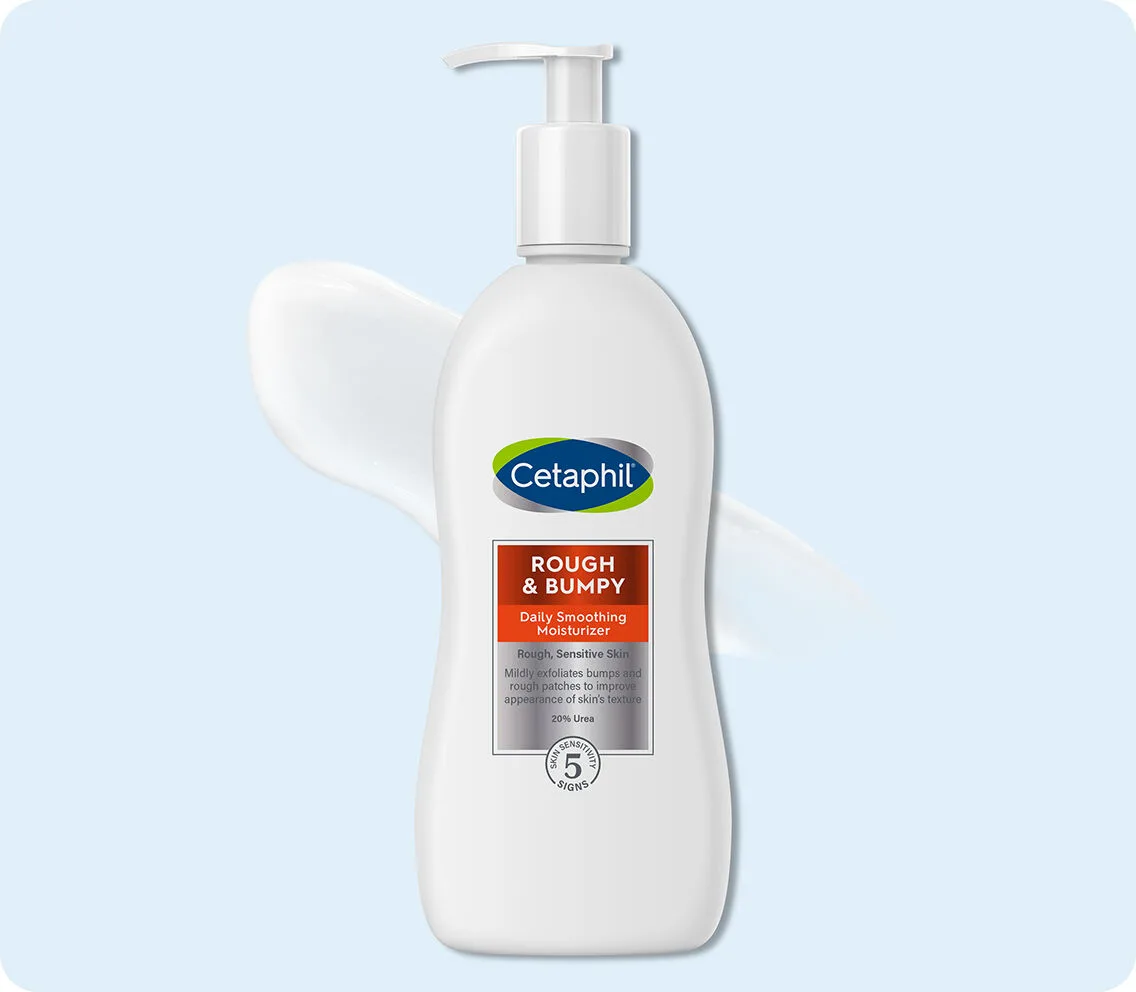 Keratosis Pilaris Smoother
 Daily Smoothing Moisturizer for Rough & Bumpy Skin
A genuinely effective, gentle moisturizer for rough, bumpy 'chicken skin,' built on 20% urea — a dual humectant-and-keratolytic that smooths without stinging acids. Well-priced, broadly tolerable, and easy to use daily, which is exactly what chronic keratosis pilaris demands. The dated formula touches are minor.
 Budget Barrier-Repair Cream
 Hyaluronic Acid & Squalane Moisturizer
Deconstruct's Hyaluronic Acid & Squalane Moisturizer punches well above its price: a genuine barrier-repair cream with three ceramides plus cholesterol and phytosphingosine, backed by HA, squalane, niacinamide and a full NMF complex. Fragrance-free and broadly suitable, it's an outstanding everyday moisturizer for dry, normal, combination and sensitive skin — the only real caveat being it isn't fungal-acne-safe.
 Winter Hand Rescue
 Repairing Hand Mask
A smart, fuss-free way to deep-condition wrecked winter hands: Aquaphor packs a genuinely functional urea-shea-avocado treatment into occlusive cotton gloves you wear for ten minutes. It works on contact and won't sting sensitive skin. The catch is cost-per-use — single pairs are pricier than scooping ointment from a tub.
 Heel Softening Soak
 Repairing Foot Mask
An easy, fragrance-free way to soften rough, tired feet without the drama of an acid peel. The urea-and-shea formula tucked inside occlusive booties does real work on dry heels in a single ten-minute soak. It won't dissolve heavy calluses on its own, and single-use pricing makes it a treat rather than a daily fix.
 1968 Formula, Grey Tube
 For Men Moisturizing Lotion
Clinique's founding 1968 lotion — mineral oil, petrolatum, urea, sesame oil — in a grey squeeze tube, and none the worse for its age: fragrance-free, non-stinging after a shave, and reliably comfortable on dry skin all day. At $42 for 100 ml it is a heritage tax on a very simple formula, and the lanolin alcohol and three dyes are avoidable flaws, but the moisturising itself is beyond argument.
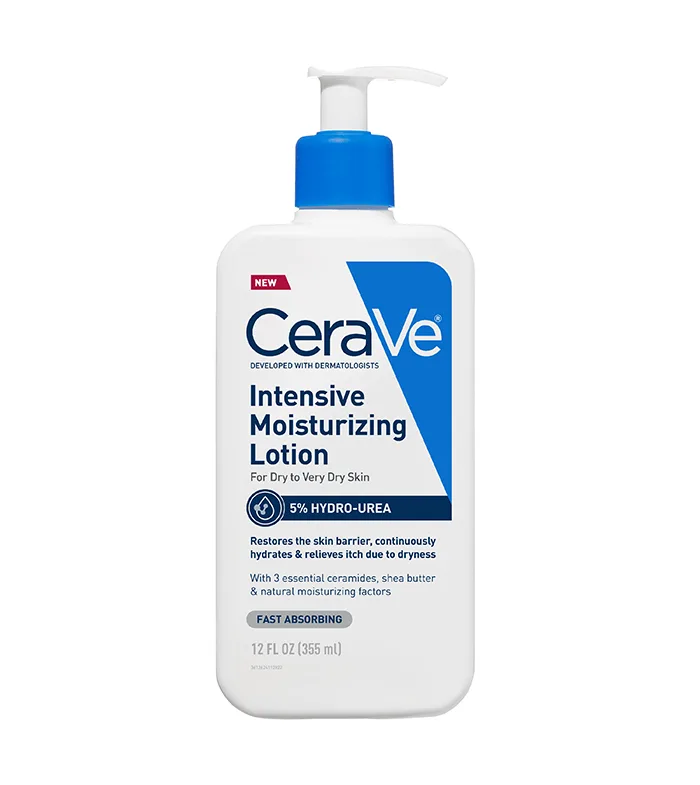 Dry Skin Upgrade Pick
 Intensive Moisturizing Lotion
CeraVe's most therapeutically ambitious body lotion delivers meaningful innovation with its 5% Hydro-Urea complex, addressing chronic dryness at the NMF level rather than just slathering moisture on the surface. The rich-but-not-greasy texture and 72-hour MVE delivery system make it a genuine upgrade over the Daily Moisturizing Lotion for dry-to-very-dry skin. Worth the premium if your skin needs more than basic hydration.
 NPF-Recognized Psoriasis Fighter
 Psoriasis Relief Cream
The most sophisticated OTC psoriasis cream on the drugstore shelf, combining maximum-strength salicylic acid with a five-ceramide barrier complex and provitamin D. National Psoriasis Foundation recognition and a steroid-free, fragrance-free formula make this a smart first-line treatment for mild to moderate psoriasis at under ten dollars.
 Budget Body Care MVP
 Soothing Oatmeal & Shea Butter Body Lotion
A no-frills body lotion that punches above its weight class thanks to an underrated ingredient list featuring urea and oat extract. It won't win any packaging awards, but for under six dollars, it delivers genuinely soothing, all-day hydration that keeps dry, itchy skin comfortable through the harshest winter months.
 Budget Body Holy Grail
 Advanced Repair Cream
One of the most formulation-literate body creams at any price point. The combination of 5% urea, the full NMF amino acid system, Ceramide NP, explicit cholesterol, and substantial shea butter delivers more complete barrier repair than most $50-80 luxury body creams. At $15 for 16 oz, the value is essentially unbeatable.
 KP Drugstore Standard
 Roughness Relief Lotion
A long-standing dermatology-favorite body lotion that pairs 5% urea with lactic acid to address keratosis pilaris and stubborn rough skin at a drugstore price. The chemistry is unfussy, the results are consistent, and the value-per-bottle is hard to beat.
 Cracked-Skin Daily Repair
 Cracked Skin Repair Lotion
A solid, no-nonsense repair lotion for very dry, cracked skin — a dimethicone skin-protectant active plus mineral oil to seal, and urea and lactate humectants to hydrate and prevent re-cracking. It genuinely works, the 16oz bottle is excellent value, and the formula is effective if basic, with parabens and a dated ingredient set.
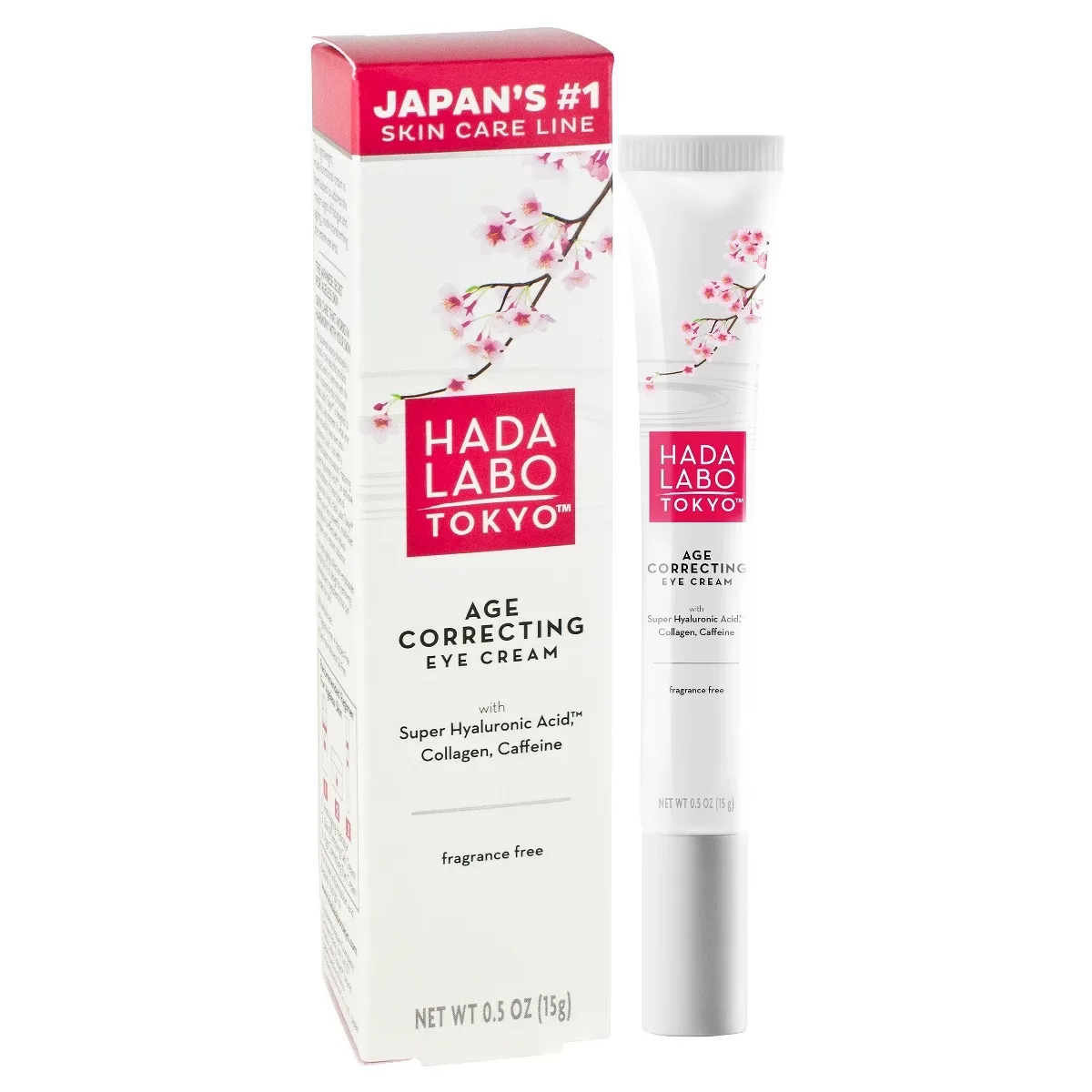 Gentle De-Puff Eye Cream
 Tokyo Age Correcting Eye Cream
A gentle, fragrance-free, affordable eye cream that does what hydration and caffeine can genuinely do around the eyes — de-puff, refresh, and soften fine dehydration lines — without irritating the delicate eye zone. It's honest about its lane: retinol-free and hydration-led, so it won't erase deep wrinkles or stubborn dark circles, but for an everyday brightening de-puff at around $17, it's a quietly good buy.
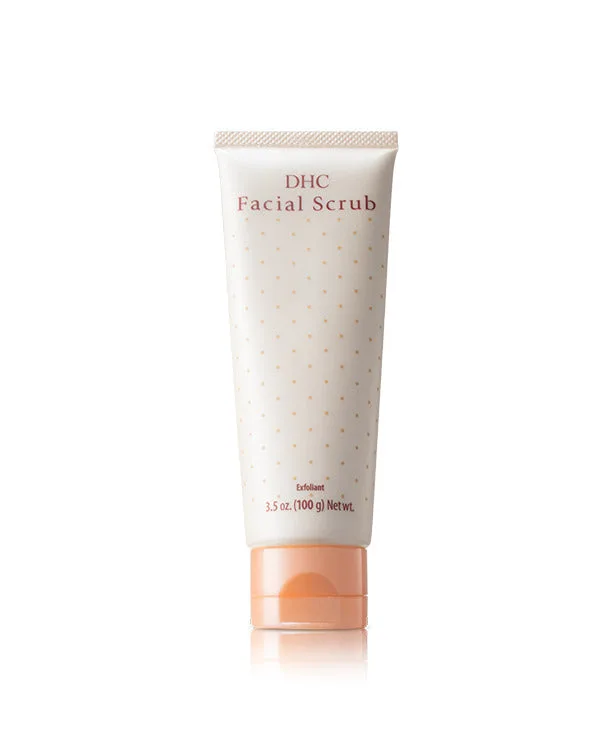 Classic Physical Scrub
 Facial Scrub
A simple, fragrance-free, affordable physical scrub that leaves skin smooth and matte, softened with urea and soothing agents to take some edge off the abrasion. It does the scrubbed-clean job for resilient, oily skin — but it relies on coarse apricot-seed particles, an older and harsher exfoliation approach, so a light hand is essential and sensitive or acne-prone skin should steer clear.
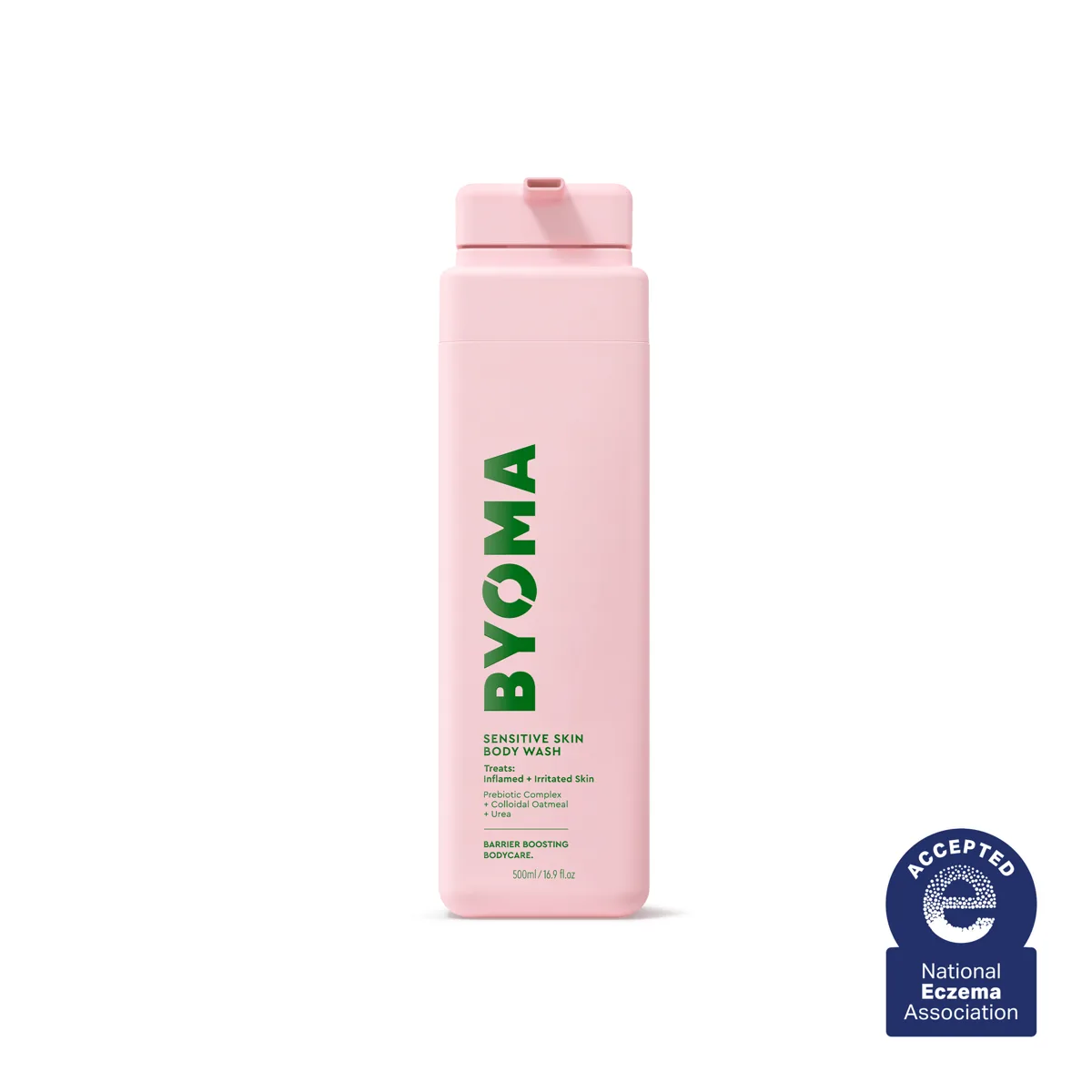 Sensitive Skin MVP
 Sensitive Skin Body Wash
Byoma's best body wash for the people who need a body wash most: a fragrance-free, sulfate-free formula stacked with colloidal oat, panthenol, urea, and allantoin that cleanses without a hint of sting. The lather is gentle and there is no scent for those who want one, but for reactive, eczema-prone skin it is a genuinely soothing, well-priced everyday choice.
 Daily Hydration Sheet
 Hyaluronic Panthenol Hydra Mask
Thirty thin sheets of glycerin, hydroxyethyl urea, panthenol and a hyaluronate blend declared to the ppm, for seventy-five cents each. It is a hydrating toner in sheet form and it does that job well every morning of a dry winter; the hyaluronic acid is a hundredth of a percent, the fragrance is unnecessary, and without moisturiser on top the quench is gone by lunch.
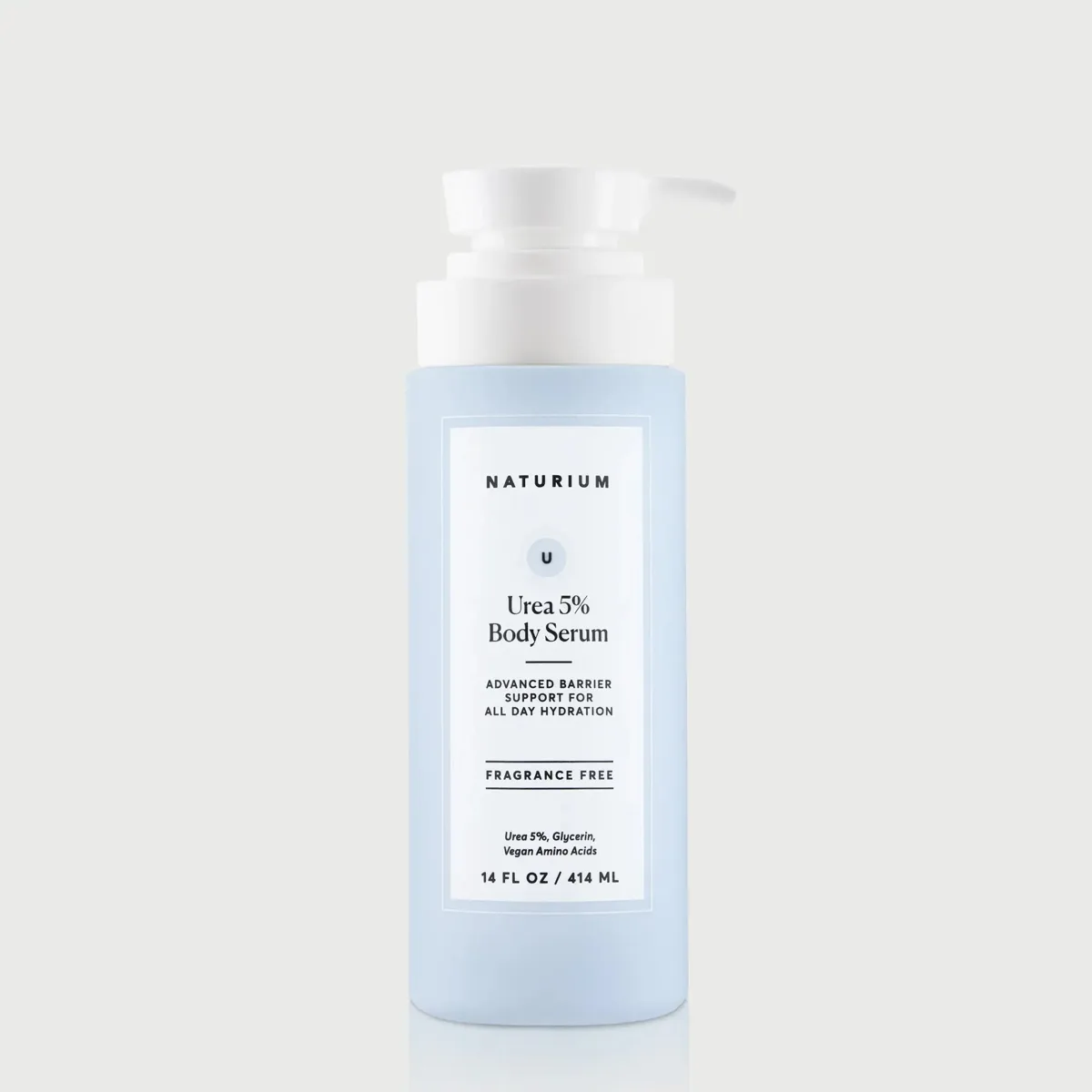 NMF in a Pump Bottle
 Urea 5% Body Serum
A smart, unglamorous body hydrator: 5 percent urea with glycerin, PCA, hyaluronate and free amino acids — the skin's own moisturising factor, replaced wholesale — in a thin, fragrance-free milk that vanishes in a minute and costs $23 for 14 ounces. It makes ashy shins and rough elbows look better within a week and hydrates deeply over a month. It is not a KP smoother at this dose, the 'firming' is marketing, and very dry skin needs a cream over it; but as the daily base layer for a whole body, it is one of the better-value things in the aisle.
 Sensitive Skin MVP
 Ultra Repair Face Moisturizer
A genuinely excellent lightweight moisturizer for sensitive and barrier-compromised skin, packing colloidal oatmeal, ceramide NP, squalane, and urea into a formula that disappears on contact. The only real sin is the 1.7-ounce bottle — you'll love it and resent repurchasing it.
 K-Beauty Barrier-Repair Bargain
 Dermoisture Barrier.D Intense Cream
A genuinely excellent K-beauty barrier cream that rivals premium derm brands at a fraction of the price. Three ceramide types with cholesterol, niacinamide, dual urea, and an oatmeal-cica soothing layer — the formulation is more sophisticated than the price suggests. One of the best values in the category.
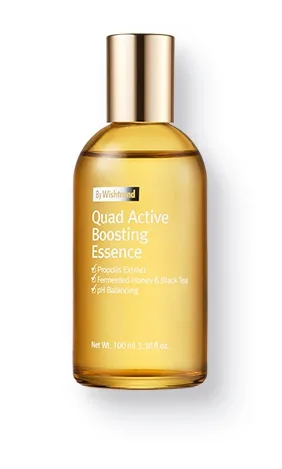 First-Essence Workhorse
 Quad Active Boosting Essence
A first-step prep essence that names four botanical actives at honest percentages on the front of the bottle and actually delivers them on the back. Willow bark at 10%, cornflower water at 9%, schisandra at 9%, and mulberry plus lotus at nearly 18% combined — almost no other essence at this price point comes close to this density.
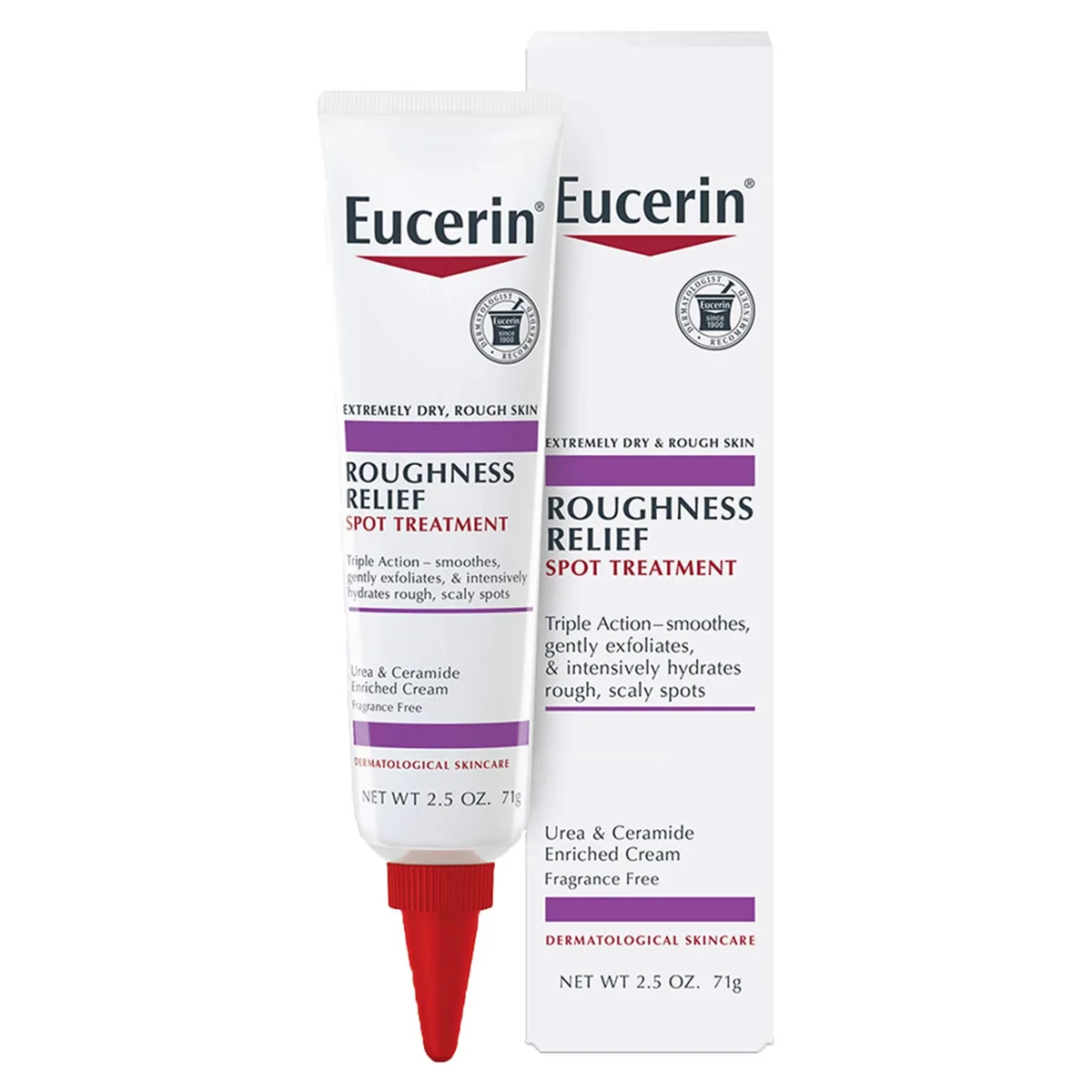 Targeted Urea Heavyweight
 Roughness Relief Spot Treatment
A genuinely sophisticated 10% urea spot treatment buffered with a complete ceramide-cholesterol-fatty acid barrier trio and full NMF amino acid complex — essentially prescription-grade chemistry in an OTC tube. Targeted at heels, elbows, knees, and stubborn KP clusters where general body lotions plateau.
 European Pharmacy Standout
 UreaRepair Plus 5% Urea Day Cream
A sophisticated European facial moisturizer pairing 5% urea with a complete ceramide-phytosphingosine-cholesterol barrier trio and NMF amino acid complex. Effectively a scaled-down face version of the UreaRepair Plus body line, calibrated for daily-use facial skin with chronic dryness or sensitivity.
 Simple Urea Eye Hydrator
 Sukoyaka Suhada Urea Moisture Eye Cream
A simple, honest, fragrance-free urea eye cream that does exactly what it sets out to do: hydrate the thin under-eye skin and soften dry, rough texture, with ceramide AS and hyaluronic acid backing up the urea. At around twenty-three dollars it is a sensible Japanese drugstore hydrator for dry eyes — just don't mistake it for an anti-aging or dark-circle treatment, because it isn't one and doesn't claim to be.
 Pharmacy Urea, Face-Cream Texture
 10% Urea Moisturizer
A pharmacy-strength urea cream with a face-cream texture: a declared 10 percent urea and 1 percent colloidal oat in a light, fragrance-free triglyceride-squalane base, for $22. On flaky, rough, winter-tight skin it clears the flakes in days and keeps the face hydrated between applications — the one moisturiser in the brand's range that treats dryness rather than just topping it up. It prickles on cracked or reactive skin, it is too much for oily faces and not enough alone for the driest, and the 48-hour claim is the brand's own test; but for scaly, stubborn dryness on a face, it is exactly the right tool.
 Hydrating Gommage Gel
 DIVE IN Peeling Gel
The most hydrating version of a format that usually dries: a cellulose gommage gel built on Torriden's five-weight hyaluronate stack with panthenol, allantoin and squalane, that polishes flaky skin gently and leaves it comfortable rather than tight. The crumbs are the product, not your skin, the three peptides and the PHA wash off before they can act, and the whole thing is weeks old on US shelves. A pleasant weekly polish for normal and dry skin at a fair price; not a treatment, and honest only once you know what a peeling gel is.
 Dry-Pore Rice Lotion
 Keana Nadeshiko Rice Toner N
A thoughtfully built, fragrance-free and alcohol-free hydrating toner that treats visible pores as a dehydration problem rather than an oil problem. Its deep humectant stack, rice-derived lipids and licorice soother leave dry and combination skin plump and smooth, making pores look softer; it does not shrink them, and the rice story is supporting rather than starring.
 Budget Body Retinol MVP
 Age Renew Retinol Overnight Body & Face Lotion
A genuinely impressive body lotion that packs facial-grade anti-aging ingredients — retinol, peptides, niacinamide, and ceramides — into a drugstore-priced formula. This is the product that made the internet realize body skin deserves the same care as your face.
 Budget Nail Rescue
 Healthy Hands Stronger Nails Hand Cream
A no-frills, fast-absorbing hand lotion that quietly delivers on its dual promise of softer hands and stronger nails — all for under $4. It's lighter than you'd expect from a hand cream, which makes it genuinely practical for daytime use, though it won't satisfy those with severely cracked winter hands.
 Foundational French Pharmacy Daily Moisturizer
 Essentials Light Ultra-Moisturizing Face Cream
Topicrem's foundational daily moisturizer built around the brand's signature 1% urea + 5% glycerin disclosed combination, with mineral oil occlusion and a substantial 75 mL size at affordable French pharmacy pricing. The 30+ year track record and dermatologist-developed credibility add trust factors. The added parfum and isopropyl isostearate limit fragrance-reactive and acne-prone use; otherwise this is a broadly recommendable foundational daily moisturizer at exceptional per-volume value.
 Urea Hydration Toner
 Sukoyaka Suhada Urea Moisture Lotion
A genuinely effective, fragrance-free urea-and-ceramide hydrating toner that smooths dry, rough, flaky skin while reinforcing the barrier — a Japanese drugstore staple that punches above its modest price. A small amount of alcohol and fungal-acne incompatibility are the only real caveats on an otherwise broadly gentle, well-built formula.
 Budget Grooming Workhorse
 Men's Essentials Everyday Moisture Daily Body & Hand Cream
This is the rare men's-aisle moisturizer that is actually worth the shelf space: a few dollars buys a ceramide, niacinamide, panthenol, and vitamin C cream on a solid humectant base that genuinely fixes dry, rough hands and body skin. It absorbs cleanly, smells lightly fresh, and over-delivers for the price. The only real catches are added fragrance and parabens, which keep it off the list for sensitive or facial use.
 Nighttime Barrier Repair Pick
 Healing Overnight Body & Face Lotion
An unusually ingredient-dense overnight lotion that delivers a real five-ceramide, niacinamide, and hyaluronic-acid barrier-repair formula for around ten dollars. It leaves dry body and face skin soft and comfortable by morning without feeling greasy. The melatonin angle is more marketing than miracle, and the fragrance plus coconut oil make it a poor fit for sensitive or breakout-prone skin, but the core formula genuinely overdelivers for the price.
 The Family Urea Lotion
 ATO Lotion Blue Label
One of the better-reasoned drugstore-priced body lotions around: glycerin and 5 percent urea up top, a skin-identical fatty-acid base instead of silicones, no fragrance, and a pump bottle under twenty dollars that a whole household can share. It stings on broken skin like every urea product and it lacks the ceramides the brand saves for pricier lines, but for dry, flaky, itchy body skin it does exactly what the evidence says it should.
 Real-Dose Ceramide Serum
 Ceramedix Capsule Serum
A properly dosed, fragrance-free barrier serum that backs its '2% ceramide' label with a declared 20,441 ppm, pairs it with cholesterol, niacinamide, urea and ectoin, and feels comfortable on even over-exfoliated skin. It is Maxclinic's most convincing formula; the only gaps are a thin review record and no settled US price.
 Everyday Essential
 Natural Moisturizing Factors + HA
A moisturizer that does exactly what moisturizers are supposed to do — replicate the skin's own hydration system — at a price that makes the entire prestige moisturizer category look like a money-laundering operation. NEA-certified, conflict-free, and genuinely effective for most skin types. Not glamorous. Not trying to be.
 Urea Classic for Dry Faces
 Extreme Dry Skin Relief Face Cream 5% Urea
A specialist cream for the specific misery of chronically extreme dry facial skin, built around 5% urea, NMF components, and shea butter on a pH 5.5 base. Fragrance-free, genuinely effective, and one of the few urea face creams on the market that doesn't feel like a body cream forced into a smaller tube.
 Winter Barrier Hero
 Natural Moisturizing Factors + PhytoCeramides
One of the most formulation-literate barrier creams under $25. The full phytoceramide-plus-fatty-acid-plus-phytosterol lipid architecture, combined with a proper NMF humectant system, is the kind of thing dermatologist brands charge twice as much for. For dry, eczema-prone, or winter-compromised skin, this is an easy recommendation.
 International Daily Workhorse
 Complete Repair Moisturizing Lotion 5% Urea
The Canadian and international naming for what US markets sell as Eucerin Advanced Repair Lotion — same 5% urea + Ceramide NP + full NMF amino acid architecture, packaged in a 500 mL pump bottle that improves per-mL value over the US 16.9 fl oz format. For users in markets where this specific product is available, one of the strongest value picks in the urea-based body care category.
 Severe Dry Skin Specialist
 UreaRepair Plus 10% Urea Lotion
An exceptionally sophisticated European body lotion that pairs 10% urea with ceramide NP, a near-complete NMF amino acid complex, gluco-glycerol for aquaporin activation, and shea butter — essentially prescription-formulation chemistry in a daily-use product. The standout choice for moderate-to-severe xerosis, ichthyosis maintenance, and chronic dry skin where simpler lotions plateau.
 No-Fuss Men's Hydrator
 DIVE IN FOR MEN All In One
A smart, no-nonsense one-bottle routine: Torriden's five-form hyaluronic stack plus zinc PCA, panthenol and adenosine in a fragrance-free, fast-absorbing all-in-one pitched at oilier skin. At twenty-four dollars for a generous 200ml, it is excellent value for someone who wants real hydration in a single step. It is not rich enough to be a winter cream for very dry skin, and it keeps the actives basic, but it nails the brief.
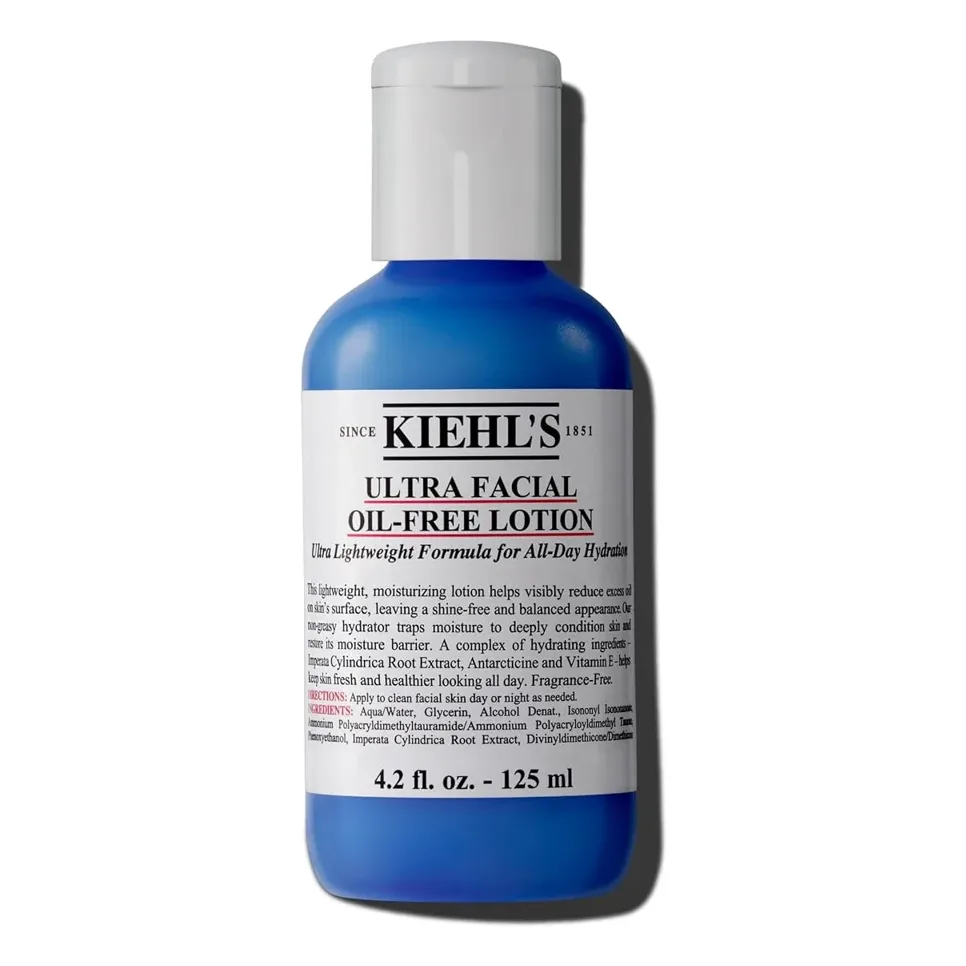 Matte Lotion With a Tingle
 Ultra Facial Oil-Free Lotion
A thin, cool, quick-drying oil-free lotion that hydrates with glycerin and a clever little natural-moisturizing-factor blend, mattifies with polymer films instead of oil, and then adds alcohol, menthol and a flush-inducing niacin ester to feel fresh. Oily, robust skin will like the matte lightness; anyone reactive will feel the sting, and thirty-nine dollars is a lot for a lotion whose best trick is not adding anything.
 Sensitive-Skin Water Gel
 Deep Hydration Skin Restoring Water Gel
A water gel built the way a sensitive-skin brand should build one: fragrance-free, gently preserved, glycerin and propanediol doing the hydrating, niacinamide and panthenol at real positions, and a sugar-derived complex behind them. It is cooling, weightless and kind to oily and combination skin. The acids on the front are far down the list, and twenty dollars for 1.7 ounces is a prestige price on a drugstore jar.
 Gommage Starter Gel
 Floria Brightening Peeling Gel
A fun, cheap gommage that leaves skin polished for a couple of days, provided you understand the grey pills are polymer theatre rather than shed skin. The actives are decorative and the fragrance is loud, so treat it as a gentle weekly smoothing step, not the brightening treatment its name suggests, and it earns its modest price.
 Drugstore Heel Softener
 Triple Action Therapeutic Foot Cream
A properly built urea-and-occlusive foot cream at a drugstore price that softens rough, dry heels within a week when worn under socks, wrapped in a peppermint-menthol package that makes tired feet feel treated. The mint does nothing for the dryness, stings on cracked skin, and comes with fragrance, parabens and a formaldehyde-releaser that sensitive skin should avoid. For ordinary rough feet, it is hard to beat for the money.
 Pharmacy-Style Relief Cream
 5% B5 Ceramide Barrier Relief Moisturizer
Skintific's most grown-up product: a fragrance-free, oil-free relief lotion that declares five percent panthenol, places five ceramides and three named centella triterpenes high in the list, and costs under fourteen dollars for a 50 g tube. It calms stinging, over-treated skin within a day and suits oily and sensitive faces alike; very dry skin will want something richer over it, and it is too new for a long track record.
 Budget Heel Rescue
 Cracked Heel Foot Cream
A properly built keratolytic foot cream — urea and lactic acid above the shea on the list, mineral oil to seal it — sold by the half-pound for about $13. It softens cracked heels in a few nights under socks and outperforms most foot creams costing twice as much. The fragrance and the undisclosed urea percentage are the only reasons to hesitate.
The full urea (carbamide) guide
Your skin makes its own urea — it's one of the primary components of the Natural Moisturizing Factor, the cocktail of water-binding compounds that keeps the stratum corneum supple and intact.
When skin is dry, compromised, or aging, urea levels in the epidermis decline, and topical application replenishes exactly what's been lost. Few ingredients can claim that kind of biological legitimacy.
Where the evidence stands, by concern
Evidence for an ingredient is not one grade — it differs concern by concern. Each row below was researched separately against regulatory approvals, clinical guidelines, and trials our team opened and verified; the band and dots rank how central urea (carbamide) is to treating that concern, from first-line therapy down to supportive care, at treatment-level doses and vehicles. A product's own grade weighs its actual formula.
Researched, not established: Eczema, Keratosis Pilaris, Nail Fungus, Psoriasis. We looked at each of these and the current evidence does not clear our bar for a treatment standing — that is a finding, not a gap in our research.
How it's regulated in the US
FDA does not classify ingredients — it classifies products, by what they are sold to do. The same molecule can be a drug active in one product and a cosmetic ingredient in the next, and only the claim on the label decides which. What follows is a statement about that legal standing, not about whether it works — the evidence question is answered separately above.
Cosmetic Urea is a cosmetic ingredient in the US at every strength sold, including the 40 percent keratolytics. No OTC monograph covers it and no approval underpins it.
Urea has one of the deepest evidence bases of any cosmetic ingredient, supported by decades of peer-reviewed clinical and mechanistic research. A 2021 review in Dermatology and Therapy (Springer) catalogued its emollient, moisturizing, keratolytic, and skin-barrier-enhancing properties, alongside in-vitro and ex-vivo data on antimicrobial activity and gene expression. Celleno's 2018 review in Dermatologic Therapy laid out the concentration-dependent framework: at roughly 10% or below, urea acts mainly as a humectant; above 10%, keratolytic effects emerge; and at 40% it can chemically soften nail plate, a property used clinically for nail avulsion in onychomycosis. Clinical work documents measurable hydration gains and reduced trans-epidermal water loss in xerosis, atopic dermatitis, psoriasis, and ichthyosis. A 2024 open-label study in the Journal of Drugs in Dermatology reported improvement in keratosis pilaris texture after four weeks of once-daily 20% urea cream, though it was a small, non-comparative trial. Overall, the evidence is strong for moisturization and barrier support in dry and disordered skin, and for keratolytic action at medium-to-high concentrations. The barrier-gene and antimicrobial-peptide effects rest largely on mechanistic human and laboratory data rather than large clinical endpoints — promising, but a notch below the hydration evidence.
How it works
Urea's versatility comes from doing two things at once that most ingredients can only do one at a time: it pulls water in and loosens what doesn't belong. At low concentrations (roughly 2–10%), it acts as a humectant in the classical sense — a small, water-soluble molecule that integrates into the stratum corneum and holds moisture against the gradient constantly trying to pull it out through the surface. Because urea is already present in the epidermis as part of the Natural Moisturizing Factor, the skin takes it up through dedicated transporters, including aquaporin channels, making uptake efficient rather than superficial. Above about 10%, something shifts. Urea begins disrupting the hydrogen bonds that hold keratin chains together in the stratum corneum — the keratolytic effect. It doesn't strip skin like an acid; it gradually loosens cohesion between corneocytes so dead-cell buildup can shed more easily. That's why 20% urea works so well on rough, thickened skin, and why 40% formulations can soften nail plate in onychomycosis. A third, less-discussed mechanism is barrier gene regulation. Research in the Journal of Investigative Dermatology found that urea uptake into keratinocytes upregulates genes tied to lipid synthesis, differentiation markers like filaggrin, and antimicrobial peptides including cathelicidin and beta-defensin-2. In short, topical urea doesn't just patch a dry-skin problem — the data suggest it nudges the skin toward rebuilding and defending itself over time.
Key benefits
- Replenishes a depleted NMF component to restore hydration in clinically dry, barrier-compromised skin
- Softens and loosens dead-cell buildup on rough patches, heels, elbows, and thickened skin
- Upregulates filaggrin and other barrier-related genes in keratinocytes, per mechanistic studies
- Supports antimicrobial peptide production, adding a layer of defense the skin builds itself
- Acts as a penetration enhancer, improving uptake of co-applied actives through the stratum corneum
- Useful across a wide span of conditions — xerosis, atopic dermatitis, keratosis pilaris, and ichthyosis
Concentration & usage
On an INCI list, urea appears simply as "Urea" (occasionally "Carbamide," its older systematic name). Concentration dictates function: 2–5% is a gentle humectant suitable for the face and sensitive skin; 10% is the workhorse level for daily dry-skin body lotions and mild facial moisturizers; 20–30% targets keratosis pilaris, calluses, and noticeably thickened skin; and 40% is a clinical-strength concentration for nail avulsion and severe hyperkeratosis, often used under professional guidance. Most over-the-counter products land at 10–20%. Urea is most stable in mildly acidic to neutral formulas (roughly pH 4–7); high pH or sustained heat can degrade it into ammonia and carbon dioxide, which is why well-built products are buffered. There's no meaningful pH conflict with AHAs at low percentages, but pairing strong exfoliating acids with high-percentage urea raises the irritation ceiling.
Who it's for & who should be cautious
Who it's for
Anyone wrestling with persistent dryness, rough texture, or conditions like keratosis pilaris, eczema, psoriasis, ichthyosis, or cracked heels should keep urea on their radar — it's one of the few ingredients dermatologists and podiatrists genuinely reach for in practice, not just suggest in passing. It's also underrated in mature skincare: NMF components including urea decline with age, so replenishing it is restorative rather than merely cosmetic. Normal-to-dry skin types do well with 10% in a daily moisturizer; oilier types often find a low-percentage urea formula smooths texture without feeling heavy.
Who should be cautious
People with actively broken skin, open fissures, or weeping eczema flares should hold off on higher-concentration urea until the barrier has at least partly stabilized — the stinging can be sharp and penetration through compromised skin is unpredictable. Pregnancy safety is genuinely unsettled: there are no adequate controlled studies, and while absorption at cosmetic concentrations is generally considered low risk, high-percentage formulas are worth running past an OB or dermatologist first. Anyone with a known (if uncommon) urea sensitivity should steer clear, and newcomers to 20%-plus concentrations should patch-test, since the keratolytic action can trigger temporary redness or stinging on delicate areas.
Pairs with & conflicts
Myths & facts
Myth: Urea in skincare is literally urine or derived from animal waste.
Reality: Cosmetic urea is synthetically manufactured by reacting ammonia with carbon dioxide. It's chemically identical to the urea found in urine, but that's a bit like calling water 'swimming-pool extract' — the molecule is the same, the source is industrial chemistry, not biological waste.
Myth: Higher concentration is always better, so 40% must be the best pick for dry skin.
Reality: Concentration should match the job. Slathering 40% urea on the face or mildly dry arms invites irritation; that strength exists for nail avulsion and severe hyperkeratosis under clinical guidance. For everyday dry-skin care, 10–20% is the sweet spot — effective, tolerable, and appropriate for regular use.
Myth: Urea is just another humectant, interchangeable with glycerin or hyaluronic acid.
Reality: At low concentrations urea does overlap with other humectants, but the keratolytic and gene-regulatory actions at higher percentages aren't replicated by glycerin or HA. Urea also replenishes something the skin makes itself, giving it a biomimetic dimension that purely hygroscopic humectants lack.
Frequently asked questions
Can I put a urea cream on my face, or is it strictly a body product?
Low-concentration urea (5–10%) is well-tolerated on the face and shows up in plenty of facial moisturizers, especially ones built for very dry or eczema-prone skin. Concentrations above roughly 15–20% are usually reserved for the body — heels, elbows, legs — where skin is tougher and the keratolytic action is the whole point.
How fast does a urea cream work on cracked heels?
Many people notice softer, more pliable skin within a few days of consistent 20–40% use. For deeply fissured heels, a week or two of nightly application with a sock worn over the top to boost occlusion tends to produce visible improvement. Stepping down to a 10–20% formula a few times a week afterward helps keep the cracking from returning.
Is it safe to layer urea with retinol or AHAs?
At 10% or below, urea generally plays nicely with both retinoids and AHAs and can even buffer the dryness those actives cause. At higher percentages the combination can tip into over-exfoliation, so it's smarter to alternate than to stack them — or save the high-strength urea product for nights you're skipping the acid or retinoid.
Why does urea sometimes sting the first time I apply it?
A brief stinging or tingling on first use is common, particularly above 10% or on skin with tiny abrasions. It usually fades within a minute and eases with continued use as the barrier improves. If the burning lingers or worsens, the concentration is probably too high for that spot, or the skin is too compromised at the moment to tolerate it.
Does urea go off faster than other moisturizer ingredients?
Urea is reasonably stable in well-formulated products but can break down into ammonia and carbon dioxide under heat, high pH, or long storage. A tube left in a hot car or steamy bathroom may lose potency over time, and a faint ammonia smell is a telltale sign of degradation. Keep it in normal conditions and use it within the period-after-opening window on the packaging.
Is plain urea the same as hydroxyethyl urea, and do they behave alike?
They share the urea backbone but act differently. Hydroxyethyl urea is a modified version that's less volatile and less likely to sting at comparable humectant levels, making it a gentler choice in leave-on face products. It lacks meaningful keratolytic activity even at higher concentrations, so it's not a stand-in when exfoliation or barrier-gene effects are what you're after.
- Men's GroomingHands Fail in Four Stages, and Almost Everyone Intervenes at Stage ThreeOccupational hand dermatitis is one of the most common work-related diseases on earth, it follows a script, and the cheapest fix works only if you start it before the skin splits.
- DIY & At-HomeThe Dermatology Pantry: Six Cheap Things With Better Evidence Than Most of What's Marketed to YouEvery post that dismantles a home remedy owes the reader a replacement. The honest replacement list is embarrassingly cheap, and one item on it is cheaper still — it is a bath.
- Men's SkincareMale Skin Ages on a Cliff, and Fifty Is Roughly Where the Ground GoesWomen get a biological alarm bell at menopause. Men get a straight line down from their twenties, which is why so many arrive at fifty-five with thirty-five years of unopposed decline and no routine.
- Hands & NailsThe Hardener Works. That Is Exactly How It Ruins Your Nails.Formaldehyde cross-links nail keratin into something genuinely harder — and then brittler, and then shattering — which is why the product that fixed the problem sells best to the people it created.