


Keratosis Pilaris ('Chicken Skin'): What Actually Works and What's a Scam
The rough little bumps on your arms are harmless, genetic, and impossible to cure — which hasn't stopped a whole aisle from promising otherwise.
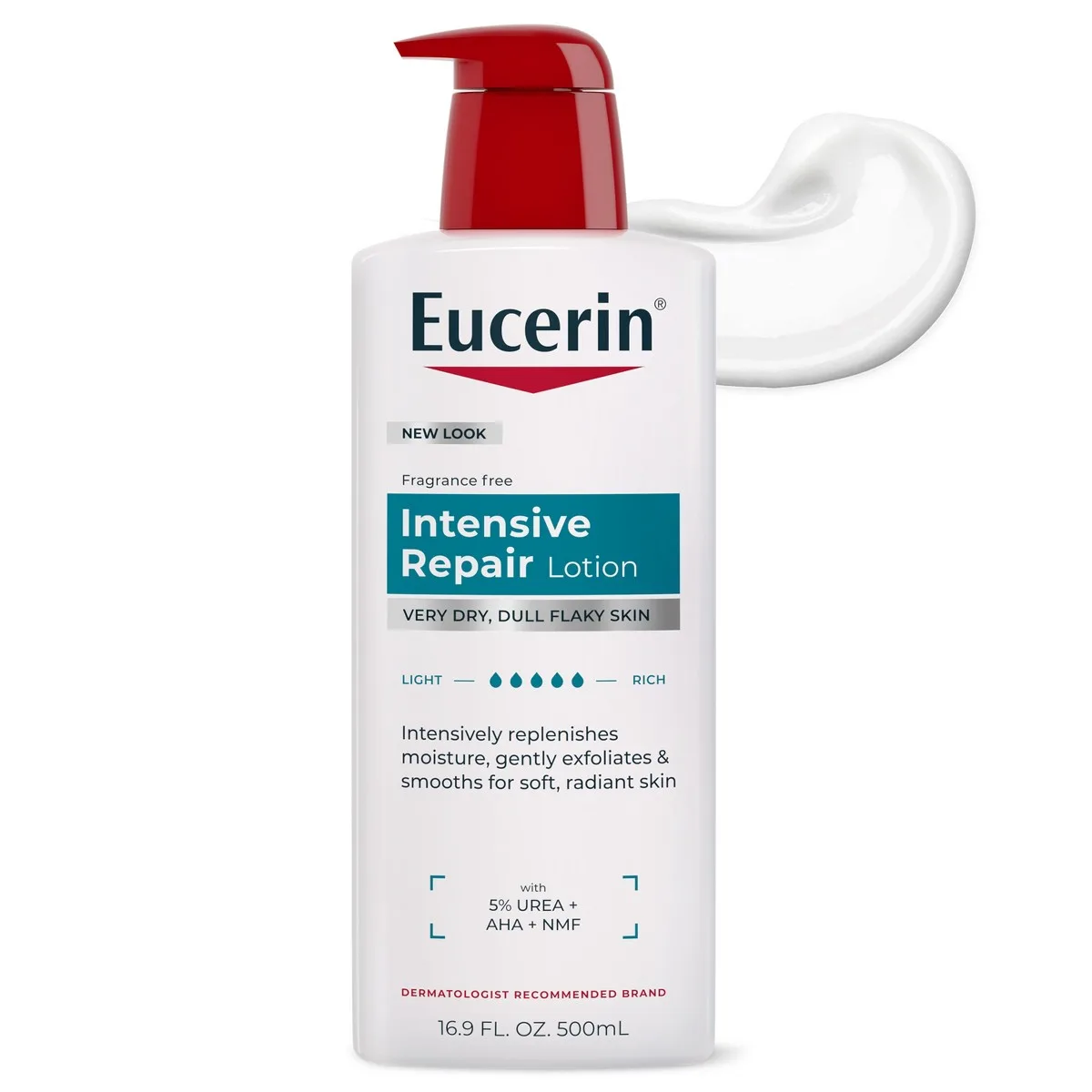
Eucerin Intensive Repair Lotion is one of the rare drugstore body lotions that combines alpha hydroxy acid chemical exfoliation (lactic acid + sodium lactate) with urea 5% as both humectant and mild keratolytic, plus mineral oil occlusion. Most drugstore body lotions offer only humectants and emollients without the active exfoliation component. The AHA architecture is what makes it particularly effective for flaky patches, keratosis pilaris (bumpy arm skin), and rough texture that simple moisturizers can't resolve.
One of the rare drugstore body lotions that combines clinical-grade alpha hydroxy acid exfoliation (lactic acid + sodium lactate) with urea 5% and substantial mineral oil occlusion — at $13-15 for nearly 17 oz, the per-ounce value is among the best in derm-recommended skincare. The dermatologist's go-to for keratosis pilaris, very dry body skin, and rough flaky patches that simple moisturizers can't resolve.
The case for it
Same rule for everyone. “Strong choice” is the verdict on 1,459 of 45,024 concern verdicts across the catalog; rule R2 decided 892 of them. Unchanged since September 5, 2026, engine 5.1.1.
Brand or formulator? Disclose a concentration or correct a fact →
The studies behind the evidence row
The case for it
What would change this: A concentration inside the studied range would raise this a step.
Same rule for everyone. “Supporting role” is the verdict on 8,197 of 45,024 concern verdicts across the catalog; rule R8 decided 4,250 of them. Unchanged since September 5, 2026, engine 5.1.1.
Brand or formulator? Disclose a concentration or correct a fact →
The studies behind the evidence row
The case for it
What would change this: A concentration inside the studied range would raise this a step.
Same rule for everyone. “Supporting role” is the verdict on 8,197 of 45,024 concern verdicts across the catalog; rule R7 decided 258 of them. Unchanged since September 5, 2026, engine 5.1.1.
Brand or formulator? Disclose a concentration or correct a fact →
The studies behind the evidence row
The case for it
What would change this: A declared concentration would move this to a firmer reading of the dose.
Same rule for everyone. “Promising” is the verdict on 7,858 of 45,024 concern verdicts across the catalog; rule R9p decided 7,858 of them. Unchanged since September 5, 2026, engine 5.1.1.
Brand or formulator? Disclose a concentration or correct a fact →
The studies behind the evidence row
Also listed for Compromised Skin Barrier — the actives here (Mineral Oil, Urea, Glycerin, Lactic Acid) are in our research queue for that concern; there is no verdict until their evidence rows are written. That is a gap in our table, not a mark against the product.
As a body productNot judged: what a body product is for — real substance, not just slip, realistic to use daily — cannot yet be measured from the ingredient list (only fragrance load can).
A verdict is DermApproved’s assessment of how well a product’s ingredients fit a concern — never a claim about what the product treats. Evidence dots and collected reviews sit beside it and are never blended in. Rules 0.5.1 · evidence table ev-2026.09-r228 · how we decide
Keratosis pilaris is one of the most common skin conditions dermatologists see: rough, bumpy skin on the backs of the arms, thighs, and sometimes cheeks, caused by keratin plugs blocking hair follicles. It's harmless, often cosmetically frustrating, and notoriously resistant to simple moisturizers. Patients who've cycled through the usual drugstore ceramide and oat lotions without success often arrive at the dermatologist's office expecting a prescription. The recommendation they usually get is a drugstore product: Eucerin Intensive Repair Lotion. The reason it works where simpler moisturizers don't is the formulation architecture. Most drugstore body lotions provide humectants (glycerin, hyaluronic acid) and emollients (oils, butters) but no active chemical exfoliation. For ordinary dry skin, that's sufficient. For keratosis pilaris, flaky eczema-adjacent skin, or chronically rough body texture, the underlying problem is excessive keratin buildup and impaired desquamation (the natural shedding of dead skin cells). Humectants and emollients address symptoms but not cause. Eucerin Intensive Repair Lotion adds the active component: lactic acid as the primary alpha hydroxy acid, supported by sodium lactate (the salt form of lactic acid that doubles as a humectant) and urea at 5% concentration (both a keratolytic and a humectant). This multi-mechanism approach addresses the keratin buildup directly while also providing the hydration and barrier support of standard body lotions. The mineral oil at second position provides substantial occlusive moisture-locking — important because AHA-containing formulations can be slightly drying without proper emollient support. The base completes the architecture: octyldodecanol, caprylic/capric triglyceride, isopropyl palmitate, dimethicone, and a series of stabilizers. Glycerin sits at eighth position as a supporting humectant. The formula contains no added fragrance, no parabens, and a relatively short ingredient list for a multi-active body lotion. The wear in actual use is what users notice. The lotion dispenses as a smooth, medium-thick white emulsion. It spreads easily and absorbs within 1-2 minutes. There may be a slight cool tingle on very dry or compromised skin from the AHA — this fades quickly and isn't typically uncomfortable. Skin feels immediately softer. Over 2-4 weeks of consistent daily use, flaky patches smooth out, keratosis pilaris bumps visibly reduce, and rough body texture improves. The improvement is gradual but reliable for users with KP or extreme dryness who haven't found relief from simpler products. Technique multiplies the payoff. The lotion works best applied within a few minutes of bathing, while skin is still damp — the urea, lactate, and glycerin grab that surface water and hold it, which is half the hydration story. For the worst patches, the old dermatology two-step applies: lotion first, a thin petrolatum layer over top to seal the deal overnight. Seasonally it's a fall-and-winter workhorse; the same emollient weight that rescues January skin can feel like too much in humid July. Where the formula needs honest framing is its limits. This is a body lotion, not a face lotion — the mineral oil and isopropyl palmitate content makes it potentially comedogenic for facial skin in some users. The AHA content increases sun sensitivity, so applying sunscreen to exposed body areas (arms, legs, decolletage) is genuinely necessary if using this lotion daily during sunny months. The 'mineral oil is bad' argument from natural-skincare shoppers doesn't survive dermatological scrutiny, but for shoppers who specifically want plant-oil-based formulations, this isn't the right product. For active eczema or broken skin, the AHA may sting — Eucerin Eczema Relief Cream (no AHA, with colloidal oatmeal) is the better choice for flaring conditions. Value is exceptional. At $13-15 for 16.9 oz (and $24 for the 33.8 oz size), the per-ounce cost is well under $1/oz. Compared to the category's best-known 12% ammonium lactate lotion — the most direct competitor, at $20-25 for a smaller bottle — Eucerin offers comparable AHA-plus-urea benefits at meaningfully lower cost. The 12% ammonium lactate approach is stronger but also potentially more irritating; shoppers who tolerate it well may prefer that extra push, while shoppers wanting daily-tolerable AHA support will find Eucerin Intensive Repair gentler and cheaper. The pediatric framing is important. While this lotion is body-positioned and suitable for adolescent and adult use, the AHA content means it's not typically recommended for infants or young children. For pediatric keratosis pilaris (it does occur in children), a dermatologist consultation is appropriate to determine whether AHA-containing products are appropriate by age. Pregnant patients can generally use this lotion — lactic acid and urea at these concentrations are considered safe during pregnancy by mainstream obstetric dermatology, though always confirm with your OB. The Eucerin Intensive Repair Lotion has spent over 15 years as one of the most consistently dermatologist-recommended drugstore body lotions for keratosis pilaris and very dry, rough body skin. The architecture isn't trendy — no peptides, no novel actives, no marketing-driven claims. Just a multi-mechanism formula that does what it claims: exfoliate gently, hydrate deeply, and seal in moisture. For the specific use case, it's one of the most reliable recommendations dermatology has to offer at drugstore pricing. The public record is about as strong as drugstore skincare gets: twelve thousand reviews averaging 4.7, with nods from the American Academy of Dermatology, Allure, and Good Housekeeping along the way. The praise tracks the formula — genuine KP improvement, exfoliation without irritation, clinical results at a drugstore price — while the complaints are small-bore: the sunscreen obligation, the tingle on broken skin, mineral-oil objections, a pump that clogs with age, and the summer heaviness. One practical note for family use: the twenty-four-month period-after-opening means the giant 33.8 oz bottle won't expire before a household finishes it.
The hero actives that drive this product's performance.
| Ingredient | Function | Evidence |
|---|---|---|
| Lactic Acid / Sodium Lactate | Alpha hydroxy acid that provides gentle chemical exfoliation, dissolving the corneocyte bonds that hold dead skin cells in flaky, rough patches of very dry skin. Sodium lactate (the salt form) also doubles as a humectant — part of skin's natural moisturizing factor (NMF). Together they address both the exfoliation and hydration needs of compromised dry skin. | Established mechanism for Rough Texture · established mechanism |
| Urea 5% (5.0%) | Dual-function ingredient: at this concentration acts as a humectant that draws water into the stratum corneum, with mild keratolytic activity that softens rough, flaky patches. Naturally present in skin's NMF, urea is well-tolerated and one of the most clinically validated ingredients for very dry skin and conditions like keratosis pilaris. | Established mechanism for Rough Texture · established mechanism |
| Mineral Oil + Petrolatum-Adjacent Emollients | Second-position occlusive emollient that seals in the hydration drawn by lactic acid and urea — mineral oil is one of the most thoroughly studied moisture-locking ingredients in dermatology, well-tolerated and effective at preventing transepidermal water loss. The high position in the ingredient list signals a substantial occlusive layer. | Regulator-approved for Dryness · established mechanism |
| Glycerin | Eighth-position humectant supporting the lactic acid and urea hydration system — pulls water into the upper stratum corneum where the emollients can hold it. Standard barrier-supporting humectant role in this multi-mechanism dry-skin formula. | Established mechanism for Dryness · established mechanism |
Ingredient standings describe the active at treatment-level doses and vehicles; this product's own condition grades weigh its actual formula.
Water, Mineral Oil, Octyldodecanol, Caprylic/Capric Triglyceride, Isopropyl Palmitate, Sodium Lactate, Urea, Glycerin, PEG-7 Hydrogenated Castor Oil, Benzyl Alcohol, Dimethicone, Methoxy PEG-22/Dodecyl Glycol Copolymer, PEG-45/Dodecyl Glycol Copolymer, Magnesium Sulfate, Lactic Acid, Ozokerite, PEG-20 Hydrogenated Castor Oil, Sorbitan Isostearate, Hydrogenated Castor Oil.
moisturizer
AM & PM
Apply liberally to body after bathing while skin is still slightly damp. The AHA content may increase sun sensitivity — use sunscreen on exposed areas during the day. Best applied to the body (legs, arms, torso); avoid face use unless specifically intended.
Immediate softer skin feel after first application. Visible reduction in flaking, rough patches, and keratosis pilaris bumps over 2-4 weeks of consistent daily use. Sustained smoother texture and moisture retention over 4-8 weeks.
The lactic acid in this formula is one of the most studied alpha hydroxy acids in dermatology. At the cosmetic concentrations used here (likely 4-5% total lactic acid plus sodium lactate), lactic acid produces measurable improvements in skin barrier function, hydration, and surface texture. A study reported in the Journal of the American Academy of Dermatology and other dermatology journals has documented lactic acid's effects on stratum corneum thickness, corneocyte cohesion, and barrier lipid synthesis. The mechanism is dual: chemical exfoliation through partial breakdown of corneocyte bonds, plus stimulation of natural moisturizing factor production. For keratosis pilaris specifically, multiple studies have shown that lactic acid and urea topical preparations produce clinically meaningful improvements in bump appearance and skin smoothness over 4-8 weeks of consistent use. Urea research is similarly well-established. At 5-10% concentrations, urea functions as a keratolytic (softening and breaking down keratin) and humectant (binding water to skin). It's a component of skin's natural moisturizing factor (NMF), so topical supplementation is well-tolerated. Studies in the British Journal of Dermatology have demonstrated urea's effectiveness in atopic dermatitis, ichthyosis, and other dry skin conditions. The combination of lactic acid and urea is more effective than either alone for very dry skin and KP. Mineral oil's role as an occlusive emollient is well-established with extensive research support. The earlier marketing-driven concerns about mineral oil have been thoroughly addressed in dermatological literature — cosmetic-grade mineral oil is non-comedogenic at the concentrations used in body lotion, doesn't disrupt the skin barrier, and effectively prevents transepidermal water loss. The 'mineral oil is bad for skin' claim is unsupported by evidence and reflects clean-beauty marketing rather than dermatological science. The architecture is layered: AHA for active exfoliation, urea for keratolytic and humectant support, mineral oil and dimethicone for occlusion, glycerin for additional humectant activity. For the target use cases (KP, very dry skin, rough body texture), this multi-mechanism approach is meaningfully more effective than humectant-and-emollient-only body lotions.
Practicing dermatologists frequently recommend Eucerin Intensive Repair Lotion by name for patients with keratosis pilaris, ichthyosis, or other very dry body skin conditions where simple moisturizers haven't provided relief. The lactic acid plus urea combination addresses the keratin buildup that drives these conditions, while the mineral oil occlusion provides the moisture-sealing layer needed to prevent further dryness. For pediatric KP, dermatologists may suggest milder alternatives or recommend this product only for older adolescents. For pregnant patients with KP or dry skin, this lotion is generally considered safe and is commonly recommended. The body-only positioning is appropriate — dermatologists generally don't recommend this for facial use due to the mineral oil and isopropyl palmitate content. For shoppers wanting AHA + urea combinations for the face, dedicated facial products with different supporting ingredients are typically better.
Apply liberally to body after bathing while skin is still slightly damp to maximize moisture retention. Use enough product to lightly cover the affected area — don't ration. For best results on keratosis pilaris, apply twice daily (morning and evening). If using on areas that will be sun-exposed (arms, legs, decolletage), apply sunscreen (SPF 30+) after the lotion absorbs since AHA increases sun sensitivity. Avoid use on broken skin, active eczema flares, or freshly shaved skin (may sting). The pump bottle works well for body application; for travel, the smaller 3 oz size is available.
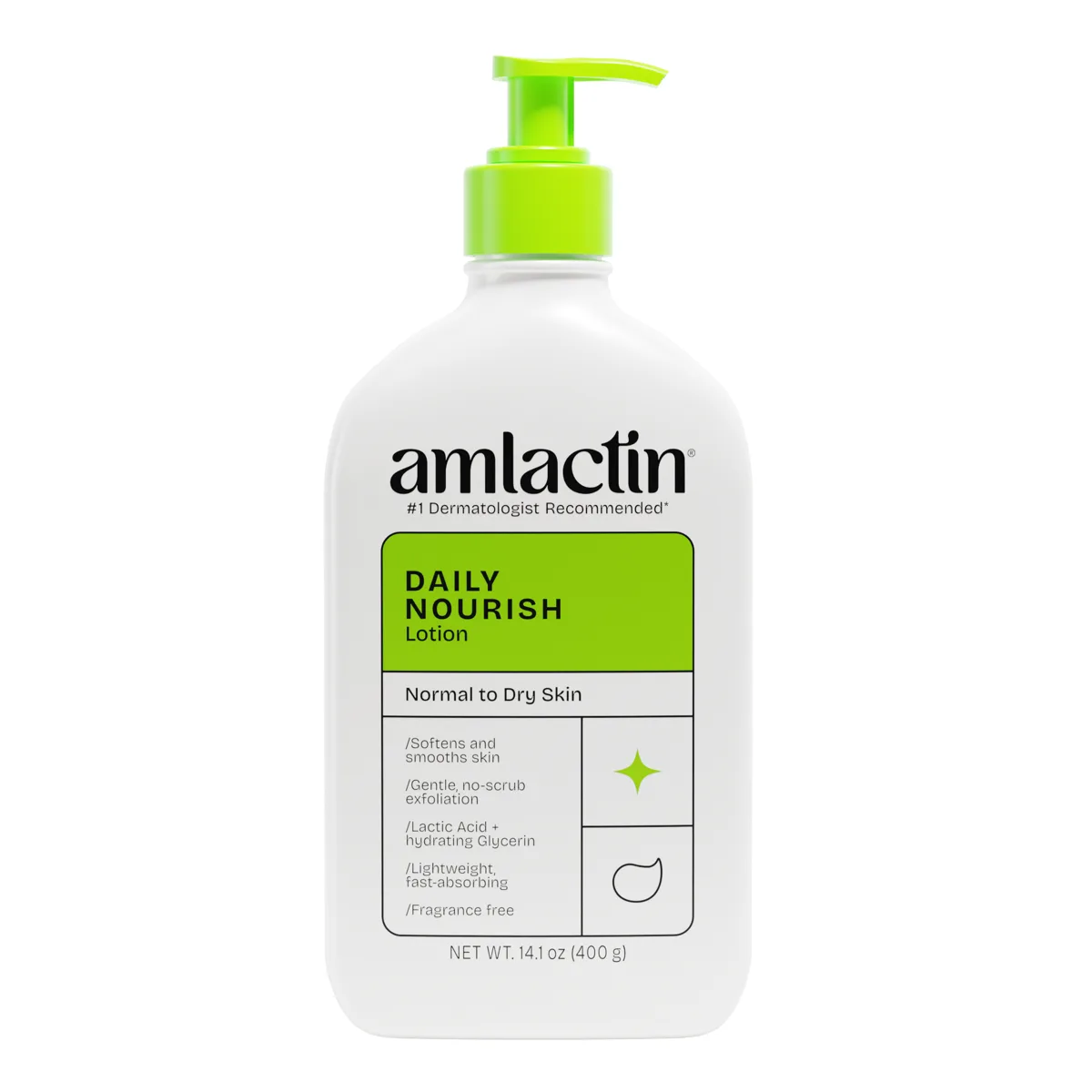
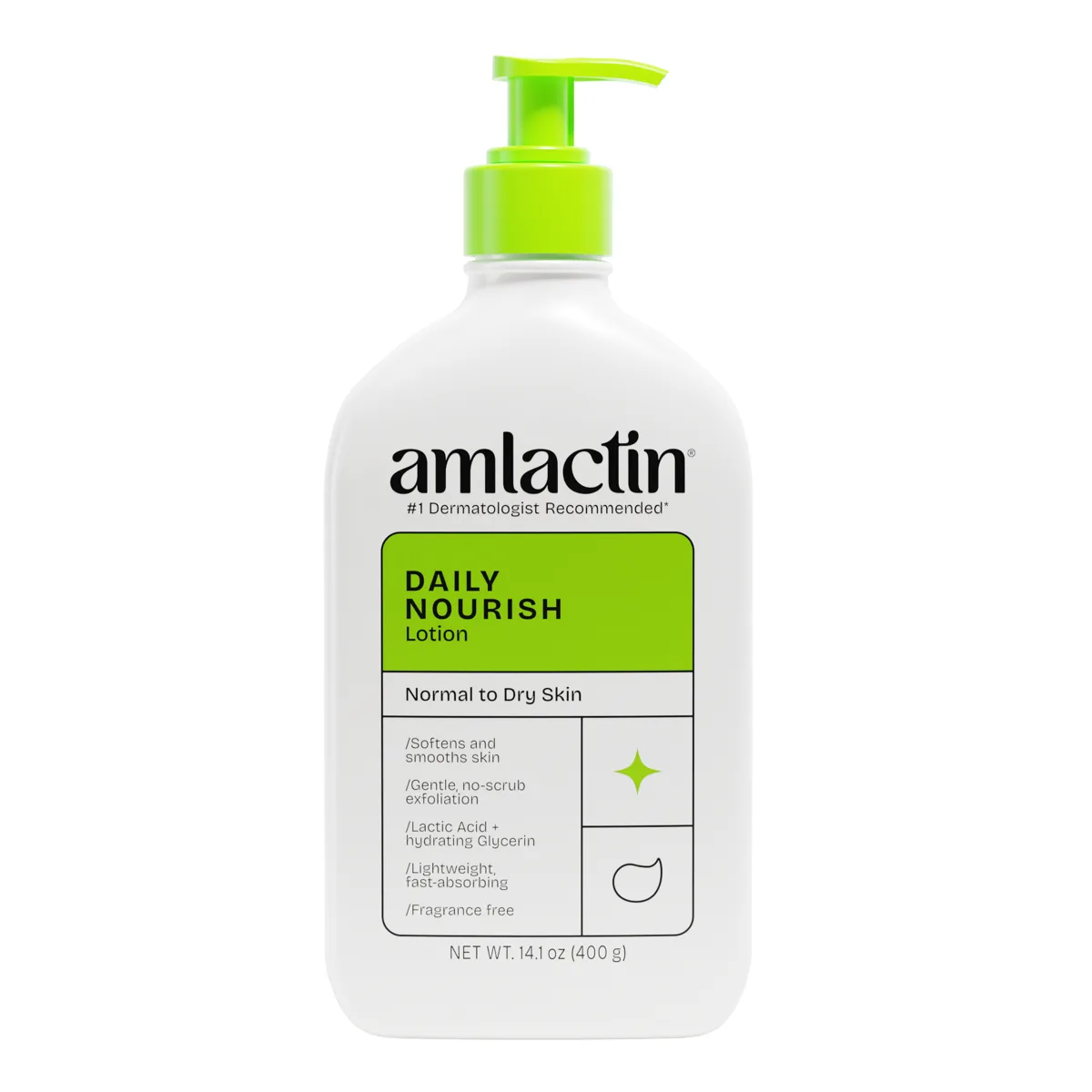
At $13-15 for 16.9 oz (roughly $0.85/oz), Eucerin Intensive Repair Lotion is one of the most exceptional values in clinical-grade body skincare. The 33.8 oz size at approximately $24 brings per-ounce cost to roughly $0.70/oz. Direct competitors (AmLactin Daily Moisturizing Lotion at $20-25 for 14 oz, CeraVe Renewing SA Lotion at $19 for 8 oz) cost meaningfully more for similar AHA-based body lotions. For shoppers needing daily use of an AHA body lotion for KP or very dry skin, Eucerin's per-ounce value is hard to beat. The dermatology-office credibility (15+ years of consistent recommendations) supports the formulation quality despite the drugstore pricing.
This lotion suits anyone with keratosis pilaris (KP), very dry body skin with rough flaky patches, ichthyosis, or chronically rough body texture that hasn't responded to simpler moisturizers. It's well-matched to adults and older adolescents who can manage the sun-sensitivity precaution. It's especially valuable as a value purchase for daily long-term use given the exceptional per-ounce pricing. Pregnant patients can generally use this lotion safely.
Skip this for facial use (it's body-positioned), for active eczema flares or broken skin (the AHA may sting — use Eucerin Eczema Relief Cream instead), for young children without dermatologist guidance, or if you're shopping for a plant-oil-based formulation (the mineral oil base disqualifies this). Pure-mineral or fragrance-free alternatives from CeraVe or Cetaphil are options for shoppers who can't tolerate AHA or want lighter texture.
Ready to try Eucerin Intensive Repair Lotion?
Buy at Amazon ♥Medium-thick body lotion with a smooth, slightly emollient feel from the mineral oil base — heavier than a basic lotion, lighter than a body butter
Effectively unscented — no added fragrance
Pump bottle in 16.9 oz and 33.8 oz sizes; smaller travel sizes available. The larger 33.8 oz size offers better per-ounce value for whole-family use.
Dispenses as a smooth, medium-thick white lotion. Spreads easily and absorbs within 1-2 minutes. May feel a slight cool tingle from the AHA on very dry or compromised skin — this fades quickly. Skin feels immediately softer and more hydrated. Over 2-4 weeks of consistent use, rough patches noticeably smooth and keratosis pilaris bumps reduce.
2-3 months with daily full-body application; 4-6 months with limited area use
fall winter
Eucerin developed the Intensive Repair Lotion in the late 2000s as the brand's clinical-grade dry-skin body lotion, building on Beiersdorf's German pharmacy heritage in dermatological formulations. The combination of lactic acid (proven AHA for body skin), urea 5%, and a substantial mineral oil emollient base was a deliberate choice to address the specific clinical presentation of very dry body skin that simpler lotions don't resolve. The formula has been a consistent dermatologist recommendation for over 15 years.
Eucerin was founded in 1900 by Beiersdorf in Germany and is one of the longest-established pharmacy skincare brands. Intensive Repair Lotion is a long-running drugstore body lotion combining alpha hydroxy acids with humectants and urea — a clinical-grade approach to extremely dry, flaky body skin that few competing brands match.
AHA body lotions are too aggressive for daily use.
At 5% lactic acid and the gentle sodium lactate salt form, the AHA content in this lotion is calibrated for daily body use without sensitization. The lactic acid is also acting partly as a humectant (its salt form, sodium lactate, is part of skin's natural NMF) — the exfoliation is genuine but mild enough for consistent daily application.
Mineral oil is bad for skin.
Cosmetic-grade mineral oil is one of the most thoroughly studied skincare ingredients and consistently shown to be non-irritating, non-comedogenic at the concentrations used in body lotion, and effective as an occlusive moisture barrier. The 'mineral oil is bad' claim is unsupported by dermatological evidence and reflects marketing positioning rather than science.
Yes — it's one of the most consistently dermatologist-recommended drugstore options for keratosis pilaris (KP, the bumpy skin condition on arms and thighs). The lactic acid (AHA) gently exfoliates the keratin plugs that cause KP bumps, while the urea 5% provides keratolytic and humectant support. Most users see noticeable smoothing within 2-4 weeks of consistent daily use.
It's not specifically formulated for facial use. The mineral oil and isopropyl palmitate content may be too rich and potentially comedogenic for facial skin in some users. For facial dryness with AHA benefits, Eucerin's face-specific products or dedicated facial AHA serums are better choices.
Yes — like all AHA products, this lotion can increase sun sensitivity. Apply sunscreen (SPF 30+) to areas of the body that will be exposed to sun if using this lotion regularly. The sensitivity is more relevant for body areas typically exposed (arms, legs, decolletage) than for covered torso and back.
Generally yes — the formula contains no retinoids, hydroquinone, or other typically pregnancy-restricted ingredients. Lactic acid and urea at the concentrations used are generally considered safe during pregnancy. Always confirm with your OB or dermatologist.
Yes — the formula contains no added fragrance. It does contain benzyl alcohol as a preservative, which is sometimes confused with fragrance ingredients but functions purely as a preservative in this concentration.
Both use lactic acid as the primary AHA. AmLactin contains 12% ammonium lactate (the slightly different salt form with more chemical exfoliation activity), making it stronger and potentially more irritating. Eucerin Intensive Repair uses a milder lactic acid plus sodium lactate combination, generally better tolerated for daily use. Both are derm-recommended; AmLactin is more aggressive, Eucerin is gentler.
The AHA content makes this lotion potentially irritating on broken skin or active eczema flares. For those situations, use Eucerin Eczema Relief Cream (no AHA, with colloidal oatmeal) instead. Once eczema is in maintenance phase, the Intensive Repair Lotion can be used on non-flaring body areas as needed.
Recurring themes our editors read across retailer reviews of this product — summaries in our words, not quotations, and not a substitute for your own patch test.
Genuine improvement in flaky, rough patches
Excellent for keratosis pilaris
Drugstore price for clinical-grade formula
Exfoliates without irritation
Fragrance-free for sensitive body skin
AHA increases sun sensitivity — sunscreen required
Slight tingle on broken or compromised skin
Mineral oil content disliked by natural-skincare shoppers
Pump bottle can clog over time
Heavier finish in summer