


Keratosis Pilaris ('Chicken Skin'): What Actually Works and What's a Scam
The rough little bumps on your arms are harmless, genetic, and impossible to cure — which hasn't stopped a whole aisle from promising otherwise.
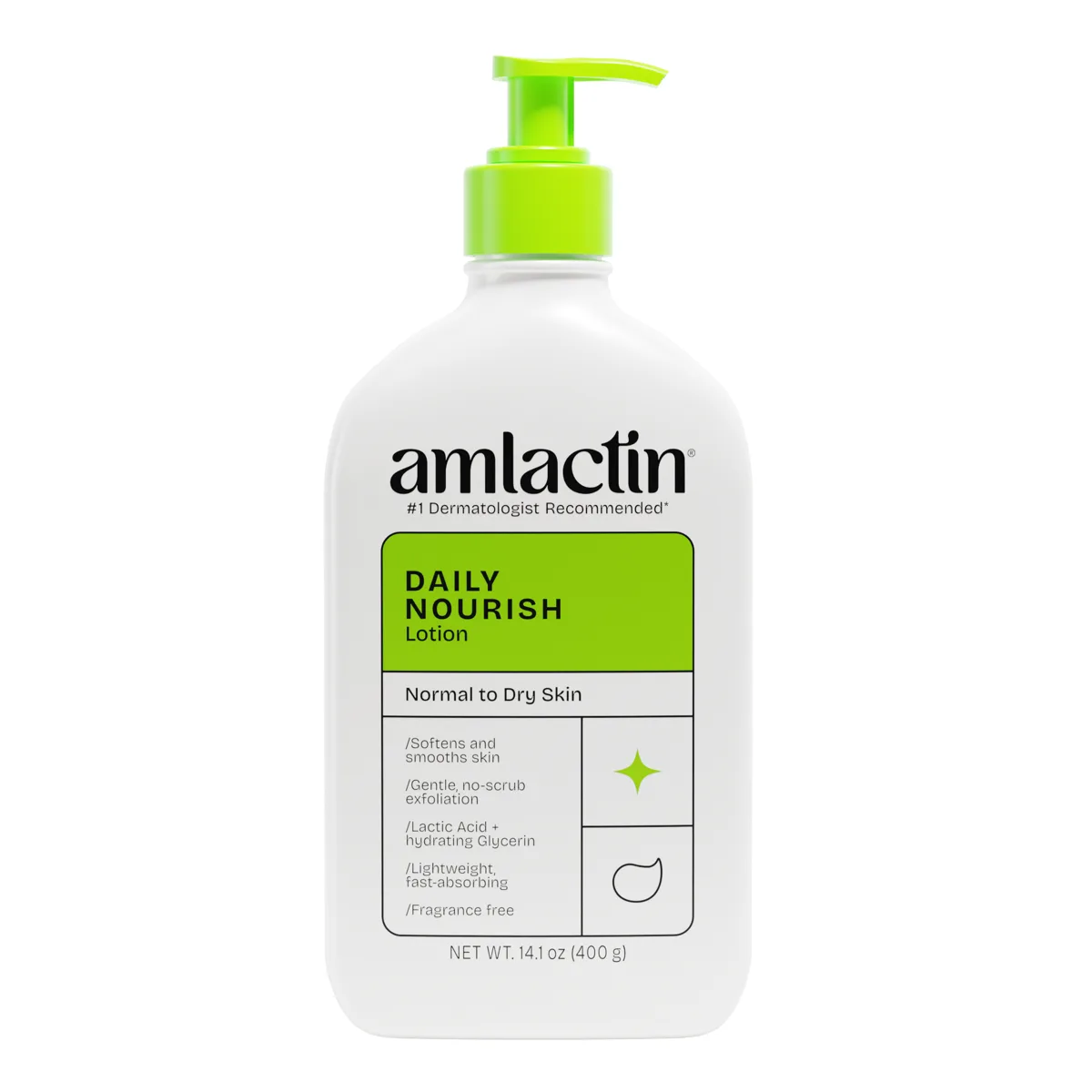
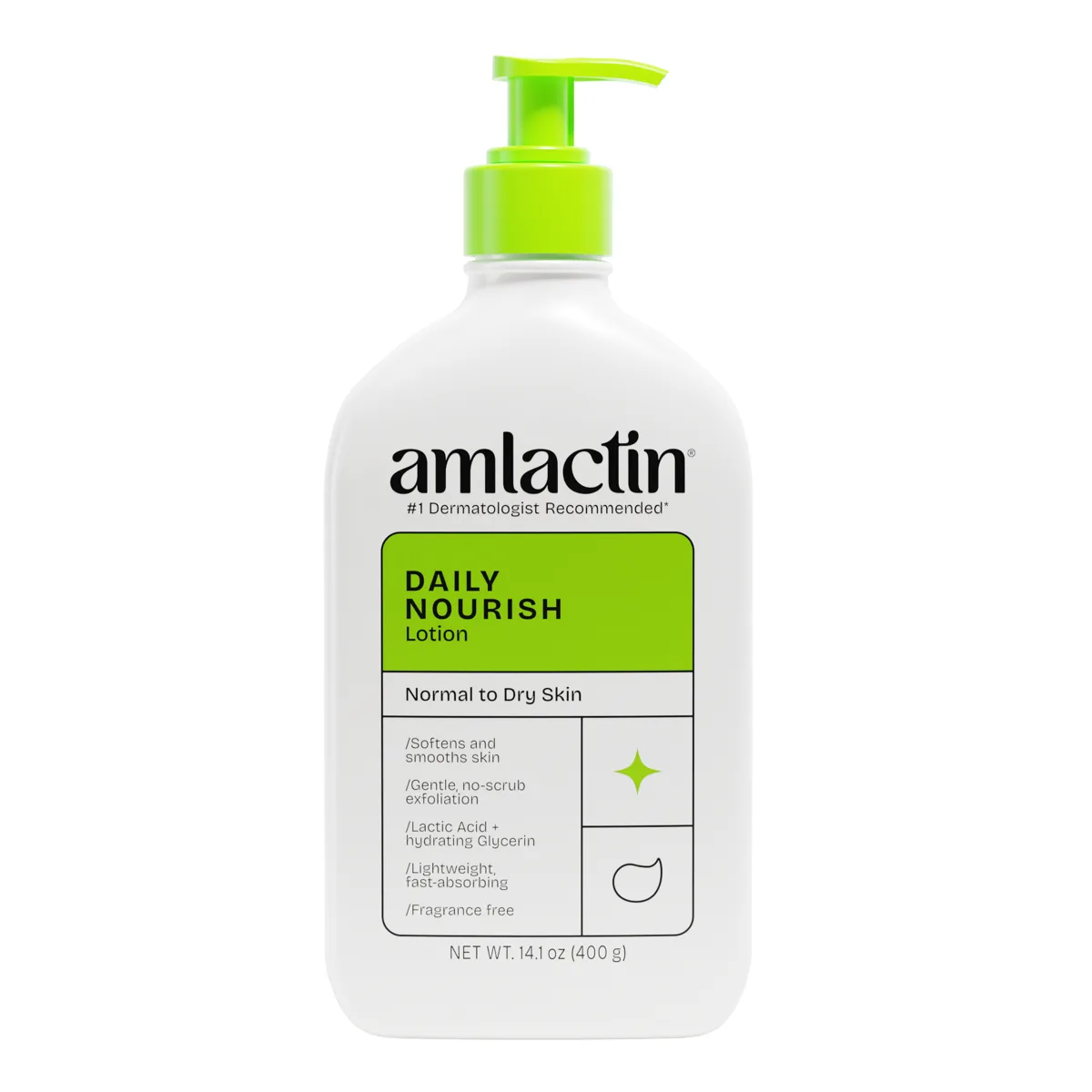
While most body lotions just moisturize, AmLactin's 12% ammonium lactate actively exfoliates at the cellular level — dissolving the protein bonds that hold dead skin cells in place rather than physically scrubbing them off. This no-scrub chemical exfoliation is why it's the gold standard dermatologist recommendation for keratosis pilaris, a condition that physical exfoliation can actually worsen.
The unglamorous workhorse of body care — AmLactin's 12% lactic acid formula has been the dermatologist's go-to for rough, bumpy skin for nearly three decades because it simply works. No frills, no fuss, just clinically proven chemical exfoliation at a price that makes daily use painless.
The case for it
What would change this: Trial evidence for the active on this concern would move this from a bet to a recommendation.
Same rule for everyone. “Supporting role” is the verdict on 8,197 of 45,024 concern verdicts across the catalog; rule R8a decided 1,489 of them. Unchanged since September 5, 2026, engine 5.1.1.
Brand or formulator? Disclose a concentration or correct a fact →
The studies behind the evidence row
The case for it
What would change this: A declared concentration would move this to a firmer reading of the dose.
Same rule for everyone. “Strong choice” is the verdict on 1,459 of 45,024 concern verdicts across the catalog; rule R3 decided 567 of them. Unchanged since September 5, 2026, engine 5.1.1.
Brand or formulator? Disclose a concentration or correct a fact →
The studies behind the evidence row
The case for it
Same rule for everyone. “Good choice” is the verdict on 9,564 of 45,024 concern verdicts across the catalog; rule R5 decided 9,072 of them. Unchanged since September 5, 2026, engine 5.1.1.
Brand or formulator? Disclose a concentration or correct a fact →
The studies behind the evidence row
The case for it
What would change this: Guideline or regulatory standing for the active on this concern would move this from a promising bet to a recommendation.
Same rule for everyone. “Promising” is the verdict on 7,858 of 45,024 concern verdicts across the catalog; rule R9p decided 7,858 of them. Unchanged since September 5, 2026, engine 5.1.1.
Brand or formulator? Disclose a concentration or correct a fact →
The studies behind the evidence row
As a body productNot judged: what a body product is for — real substance, not just slip, realistic to use daily — cannot yet be measured from the ingredient list (only fragrance load can).
A verdict is DermApproved’s assessment of how well a product’s ingredients fit a concern — never a claim about what the product treats. Evidence dots and collected reviews sit beside it and are never blended in. Rules 0.5.1 · evidence table ev-2026.09-r228 · how we decide
Walk into any dermatologist's office and ask what to use for those persistent rough bumps on your upper arms, and there's a very good chance the answer will be AmLactin. It's been the answer for nearly three decades — since the brand took a prescription-strength 12% ammonium lactate formulation and made it available over the counter in 1997. That kind of longevity in skincare isn't built on marketing budgets or influencer partnerships. It's built on a product that does what it says.
The formula is almost aggressively simple. Twelve ingredients. No botanical extracts with aspirational claims, no peptides, no antioxidant cocktails. Just ammonium lactate — the neutralized salt form of lactic acid — at a clinical 12% concentration, supported by glycerin for hydration, dimethicone for occlusion, mineral oil and cetearyl alcohol for the emollient base, and xanthan gum to hold the whole thing together. It's an ingredient list that would bore an Instagram audience and delight a formulation chemist, and it quietly makes the case that complexity and efficacy are not the same thing.
Ammonium lactate works through a mechanism that's both elegant and thoroughly documented. As an alpha-hydroxy acid, lactic acid breaks the desmosomes — the protein bridges connecting corneocytes in the stratum corneum — dissolving the sticky bonds that hold dead cells in place and letting them shed without any scrubbing at all. At the same time, lactic acid acts as a humectant, pulling water into the newly exposed layers. That dual exfoliant-humectant action is exactly why it suits keratosis pilaris, where keratin plugs physically block hair follicles and produce the characteristic rough bumps. The pH sits around 4.5, low enough for the acid to work and high enough that daily body-wide use doesn't become an ordeal.
Which points to the most useful thing anyone with KP can learn: scrubbing makes it worse. The instinct to attack sandpaper skin with a loofah or a sugar scrub is understandable and almost always counterproductive, because physical abrasion inflames follicles that are already inflamed. Chemical exfoliation dissolves the plug from within instead of grinding at the surface, and that difference is why this lotion has held the dermatological recommendation for so long while scrubs have cycled in and out of fashion.
Using it won't win any luxury skincare awards. The lotion is thin and fluid, spreading over arms, legs, and torso without a fight — which matters enormously when the application area is an entire body rather than a face. There's a mild, slightly tangy scent from the ammonium lactate that some people register and some never notice. It isn't unpleasant, but it isn't a lavender-vanilla spa experience either. It absorbs fast, leaves no greasy film, and lets you get dressed within minutes. Functional, efficient, and unremarkable in precisely the ways that matter for something you'll use every single day.
The first application may bring a mild tingle or sting, particularly on very rough, very dry, or freshly shaved skin. That's the acid meeting a compromised surface, and it settles within minutes. By the second or third use, most people stop noticing. By day three or four, the real work starts showing — skin that has been rough for months begins to feel genuinely smooth. By two weeks, the change on KP-affected areas can be striking: the bumps flatten, the sandpaper softens, and the skin starts to look like the even surface it was supposed to be all along. Rough, scaly patches on shins and elbows take longer, closer to six or eight weeks.
The limitation is that this is maintenance, not cure. Keratosis pilaris is a chronic condition driven by excess keratin production, and the bumps drift back the moment you stop. That isn't a failure of the product; it's the nature of the condition, and it reframes what matters most about the lotion. Daily long-term use is the expectation, which is precisely why the pricing and the size options — 7.9, 14.1, and 20 ounces — matter more than any hero ingredient could. A treatment you can afford to reapply forever beats a better one you'll abandon in March.
For plain dry skin without KP, it works beautifully as a smoothing body moisturizer, though it may not be rich enough on its own for severely dry skin. The thin consistency prioritizes absorbency and exfoliation over deep emollience. On feet, elbows, and shins, layering a thicker body butter on top gives the lactic acid the occlusion it needs to do its best work. Apply to slightly damp skin straight out of the shower, skip anything freshly shaved, and don't stack it with a scrub or another body acid on the same day.
The reformulated version has dropped the parabens from the original without touching the efficacy. Fragrance-free, dye-free, paraben-free — about as clean as a 12% AHA body lotion reasonably needs to be. It is not fungal-acne safe, and the mineral oil will bother a certain kind of shopper, which is worth naming even though body skin is far less prone to comedones than facial skin.
Sensitive skin should be careful. Twelve percent lactic acid is not gentle; it's a clinical-strength exfoliant that can genuinely irritate reactive skin in the first week. Anyone with active eczema, dermatitis, or a broken barrier should either skip it or start with the 5% version and build up. The pump bottle, unglamorous as it is, at least makes the dosing easy and keeps fingers out of the product across its two-year shelf life.
The 2024 Allure Best of Beauty Award for Best Exfoliating Moisturizer is only the latest validation for something dermatologists have been quietly recommending since the late nineties, and the thousands of reviews behind it say the same thing in plainer language: it works, it's cheap, it stings a bit at first. In an industry obsessed with novelty, that continued relevance is its own kind of endorsement. It doesn't need to reinvent itself, because the original formula works — and at under $17 for 14.1 ounces, it delivers more clinical value per dollar than almost anything else on the pharmacy shelf.
The hero actives that drive this product's performance.
| Ingredient | Function | Evidence |
|---|---|---|
| Ammonium Lactate (12% Lactic Acid) (12%) | The foundation of this formula — 12% ammonium lactate (the neutralized salt of lactic acid) serves as both a chemical exfoliant and a humectant. At this pH, it dissolves the protein bonds holding dead cells to the skin surface while simultaneously drawing moisture into the stratum corneum. This dual-action mechanism is what makes lactic acid uniquely suited for dry, rough skin conditions like keratosis pilaris. | Established mechanism for Rough Texture · established mechanism |
| Glycerin | Reinforces the humectant activity of the lactic acid, pulling additional moisture into the skin and preventing the over-drying that chemical exfoliation can sometimes cause. Positioned third in this streamlined formula, glycerin provides reliable hydration that complements the AHA's exfoliating action. | Established mechanism for Dryness · established mechanism |
| Dimethicone | Creates an occlusive, breathable film over the exfoliated skin surface, locking in the moisture that lactic acid and glycerin attract. This silicone barrier also smooths the skin's surface texture immediately, providing a cosmetic benefit while the chemical exfoliation works on deeper layers over time. | Regulator-approved for Dryness · established mechanism |
Ingredient standings describe the active at treatment-level doses and vehicles; this product's own condition grades weigh its actual formula.
Water, Ammonium Lactate, Mineral Oil, Glycerin, Cetearyl Alcohol, Dimethicone, Glyceryl Stearate SE, Steareth-2, Stearyl Alcohol, Xanthan Gum, Phenoxyethanol, Ethylhexylglycerin
moisturizer
AM & PM
Apply to body skin after showering while skin is still slightly damp to boost hydration. Can be used on arms, legs, feet, and torso. Avoid applying to freshly shaved or broken skin. For face use, the 12% concentration may be too strong — use a dedicated facial AHA product instead.
Immediate: smooth, hydrated feel. Days 3-7: noticeable reduction in rough, bumpy texture. Weeks 2-4: significant improvement in keratosis pilaris bumps and overall skin smoothness. Weeks 6-8: rough, dry patches and scaly areas substantially reduced with consistent daily use.
Ammonium lactate is the neutralized salt of lactic acid — a well-studied alpha-hydroxy acid with dual mechanisms of action relevant to body skincare.
As a keratolytic, lactic acid disrupts corneocyte cohesion by interfering with the ionic bonds between stratum corneum cells. At 12% concentration and an acidic pH (approximately 4.4-4.8), it effectively dissolves the desmoglein proteins that hold dead cells to the skin surface, promoting even, non-traumatic desquamation. This mechanism is particularly relevant for keratosis pilaris, where excess keratin production creates plugs within hair follicles. A 2025 case series published in the Indian Journal of Applied Research evaluated ammonium lactate 12% in patients with severe xerosis and keratosis pilaris, documenting improvements in both hydration and skin texture with once or twice daily application.
Simultaneously, lactic acid functions as a humectant — its hydroxyl group attracts and binds water molecules, increasing moisture content in the newly exfoliated stratum corneum. This dual action distinguishes it from purely keratolytic agents like salicylic acid, which exfoliate without the same hydrating benefit.
A clinical comparison study examined 10% lactic acid versus 5% salicylic acid for keratosis pilaris, with twice-daily application over three months. The lactic acid group showed a mean lesion reduction of 66%, compared to 52% for salicylic acid, supporting lactic acid's superior efficacy for this specific condition.
The pH-dependent activity of ammonium lactate is critical to its efficacy. At the product's formulated pH of approximately 4.5, a significant portion of the lactic acid remains in its free acid (protonated) form, which is the active exfoliating species. Fully neutralized lactate salts at higher pH values lose keratolytic activity, which is why the specific pH engineering of this formula matters for clinical outcomes.
Dermatologists have recommended AmLactin's 12% ammonium lactate formula as a first-line treatment for keratosis pilaris and severe xerosis for nearly three decades. Working dermatologists generally find that the chemical exfoliation mechanism is preferable to physical scrubbing for KP, as scrubs can exacerbate follicular inflammation. The 12% concentration represents the sweet spot between efficacy and tolerability for most patients — strong enough to dissolve keratin plugs, gentle enough for daily full-body use. Dermatologists commonly advise patients to apply to damp skin after bathing to enhance penetration and start with every-other-day use if irritation occurs. The product's fragrance-free, paraben-free formulation and pharmacy availability make it a practical recommendation that most patients will actually follow through on.
Apply to body skin once or twice daily, ideally after showering while skin is still slightly damp to enhance absorption. Massage gently into arms, legs, torso, or any rough, dry areas. Avoid applying to face, broken skin, or freshly shaved areas. Allow to absorb for a few minutes before dressing. If using on sun-exposed areas, apply sunscreen as AHAs increase photosensitivity. For keratosis pilaris, daily consistent use is essential — results require ongoing application.
At approximately $16.99 for 14.1 oz, AmLactin delivers exceptional value — clinical-strength 12% lactic acid at a fraction of the cost of similar formulations. The 20 oz size (around $23-33 depending on retailer) offers even better per-ounce economics for daily full-body use. With a tube lasting 2-3 months at daily application, annual cost is roughly $70-135 depending on size and frequency. For a product with nearly three decades of clinical validation and dermatologist endorsement, this represents some of the best value in body skincare. There is simply no reason to spend more for a 12% lactic acid body lotion.
Anyone with keratosis pilaris looking for the dermatologist-recommended gold standard treatment. Those with chronically rough, dry body skin who want chemical exfoliation without scrubbing. Budget-conscious consumers who want clinical-strength body care at pharmacy prices.
Those with sensitive body skin or active eczema who may react to 12% lactic acid — consider the 5% strength instead. Anyone who dislikes the characteristic lactic acid scent. Those seeking a luxuriously rich, deeply emollient body cream — AmLactin is a functional treatment lotion, not an indulgent moisturizer.
Ready to try AmLactin Alpha-Hydroxy Therapy Moisturizing Body Lotion?
Buy at Amazon ♥Lightweight, fluid lotion that spreads easily over large body areas. Not thick or creamy — more of a watery lotion consistency that absorbs quickly into the skin without leaving a heavy film.
Fragrance-free, though the ammonium lactate has a characteristic mild, slightly tangy scent that fades within a few minutes of application. Not unpleasant, but noticeable to scent-sensitive users.
Standard pump bottle in multiple sizes (7.9 oz, 14.1 oz, 20 oz). Functional, pharmacy-style packaging that prioritizes utility over aesthetics. The pump format makes application easy and hygienic.
On first use, expect mild tingling on particularly rough or dry areas — this is the lactic acid working and subsides within minutes. Skin immediately feels smoother to the touch. Very dry skin may notice the exfoliating effect before the moisturizing catches up in the first few days. By day three, the smoothing effect becomes dramatically apparent.
2-3 months with daily full-body application (14.1 oz size)
All Year
AmLactin was born from prescription-strength lactic acid formulations that dermatologists had been using for decades to treat severely dry, rough skin. The brand made the 12% ammonium lactate concentration available over the counter in 1997, democratizing a clinical treatment that previously required a prescription. Nearly three decades later, it remains the benchmark body lotion that dermatologists name when patients ask about keratosis pilaris.
AmLactin was founded in 1997 and is the #1 dermatologist-recommended moisturizer brand with lactic acid. The brand has been a pharmacy-counter staple for nearly three decades, with its 12% ammonium lactate formula originally based on prescription-strength lactic acid preparations. Now owned by Advantice Health.
Physical exfoliation with scrubs is better than chemical exfoliation for rough, bumpy skin.
For conditions like keratosis pilaris, physical scrubbing can actually worsen inflammation and the bumpy texture. AmLactin's chemical exfoliation with 12% lactic acid dissolves the keratin plugs from within, addressing the root cause rather than irritating the surface. Dermatologists consistently recommend chemical over physical exfoliation for KP.
You need a complex, multi-ingredient formula for effective body care.
AmLactin's streamlined 12-ingredient formula proves that more isn't always better. The 12% ammonium lactate does the heavy lifting, glycerin and dimethicone provide hydration and occlusion, and the formula avoids unnecessary additives. Sometimes the most effective products are the simplest.
Yes — AmLactin's 12% ammonium lactate formula is one of the most widely recommended treatments for keratosis pilaris among dermatologists. The lactic acid dissolves the keratin plugs that cause the characteristic bumps, while the humectant properties keep skin hydrated. Most users see significant improvement within 2-4 weeks of daily use, though continued application is necessary to maintain results.
AmLactin is formulated specifically for body use. The 12% lactic acid concentration can be too strong for facial skin, potentially causing irritation, redness, or over-exfoliation. For facial exfoliation with lactic acid, use a product specifically formulated for the face at a lower concentration with appropriate pH buffering.
Mild tingling or stinging on particularly rough, dry, or freshly shaved skin is normal and indicates the lactic acid is actively working. The sensation typically subsides within a few minutes. If stinging is severe or persistent, reduce frequency to every other day and apply to fully intact, non-irritated skin. The sensation usually decreases as skin becomes smoother with consistent use.
Most users notice smoother texture within 3-7 days. Significant improvement in keratosis pilaris bumps typically occurs within 2-4 weeks of daily application. Full results develop over 6-8 weeks. Results require continued use — if you stop applying, the rough texture and bumps will gradually return as dead skin cells accumulate.
Topical lactic acid at 12% concentration is generally considered safe during pregnancy, as the amount absorbed systemically through body application is minimal. However, always consult your OB/GYN or dermatologist before starting any new skincare product during pregnancy.
Yes, but avoid layering other AHA/BHA treatments or physical scrubs on the same areas on the same day to prevent over-exfoliation. You can layer a richer body butter or oil on top of AmLactin for additional moisture if needed. If using on sun-exposed areas, apply sunscreen as lactic acid can increase photosensitivity.
Recurring themes our editors read across retailer reviews of this product — summaries in our words, not quotations, and not a substitute for your own patch test.
Dramatically smooths keratosis pilaris bumps on arms and legs
Affordable and available at every major pharmacy and retailer
Lightweight formula absorbs quickly without greasiness
Noticeable improvement in skin texture within one to two weeks
Mild stinging on freshly shaved or broken skin
The lactic acid scent can be noticeable to some users initially
Not moisturizing enough for extremely dry skin without layering
Contains mineral oil, which some consumers prefer to avoid