Best Lactic Acid for Texture
Updated September 2026 · independently researched, no sponsored placements
Our top 40 picks, ranked from 177 reviewed products — ordered by each product's rough texture verdict, then evidence strength.
















How to Choose
Lactic acid is the AHA to reach for when rough, bumpy texture is your concern but your skin can't take a beating — because it's the gentlest of the alpha-hydroxy acids and, uniquely, it hydrates while it exfoliates. Here's the chemistry that matters: lactic acid is a larger molecule than glycolic acid, so it penetrates more slowly and stays closer to the surface, dissolving the 'glue' holding dull, flaky dead cells to a rough surface without the deep sting that puts sensitive skin off acids entirely.
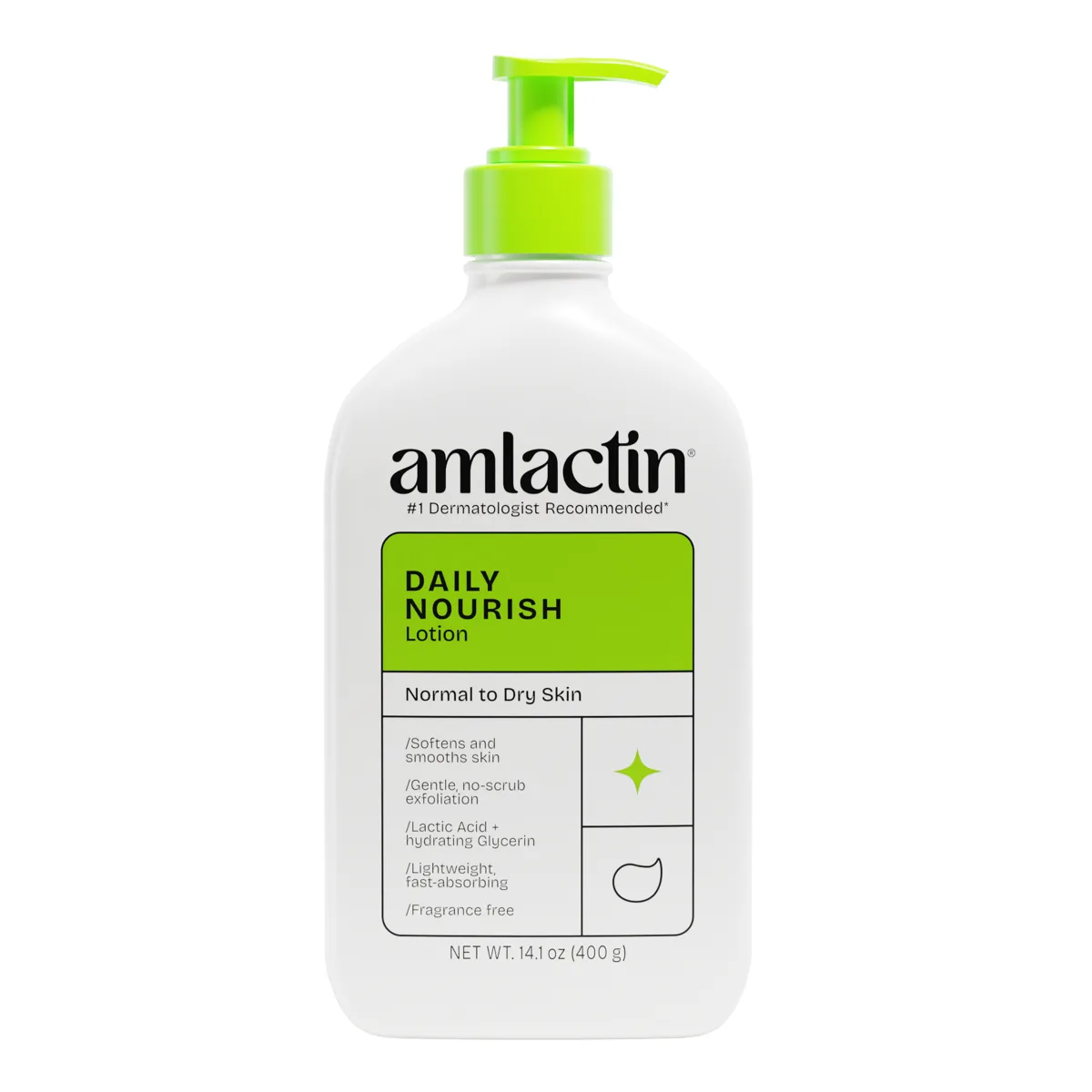
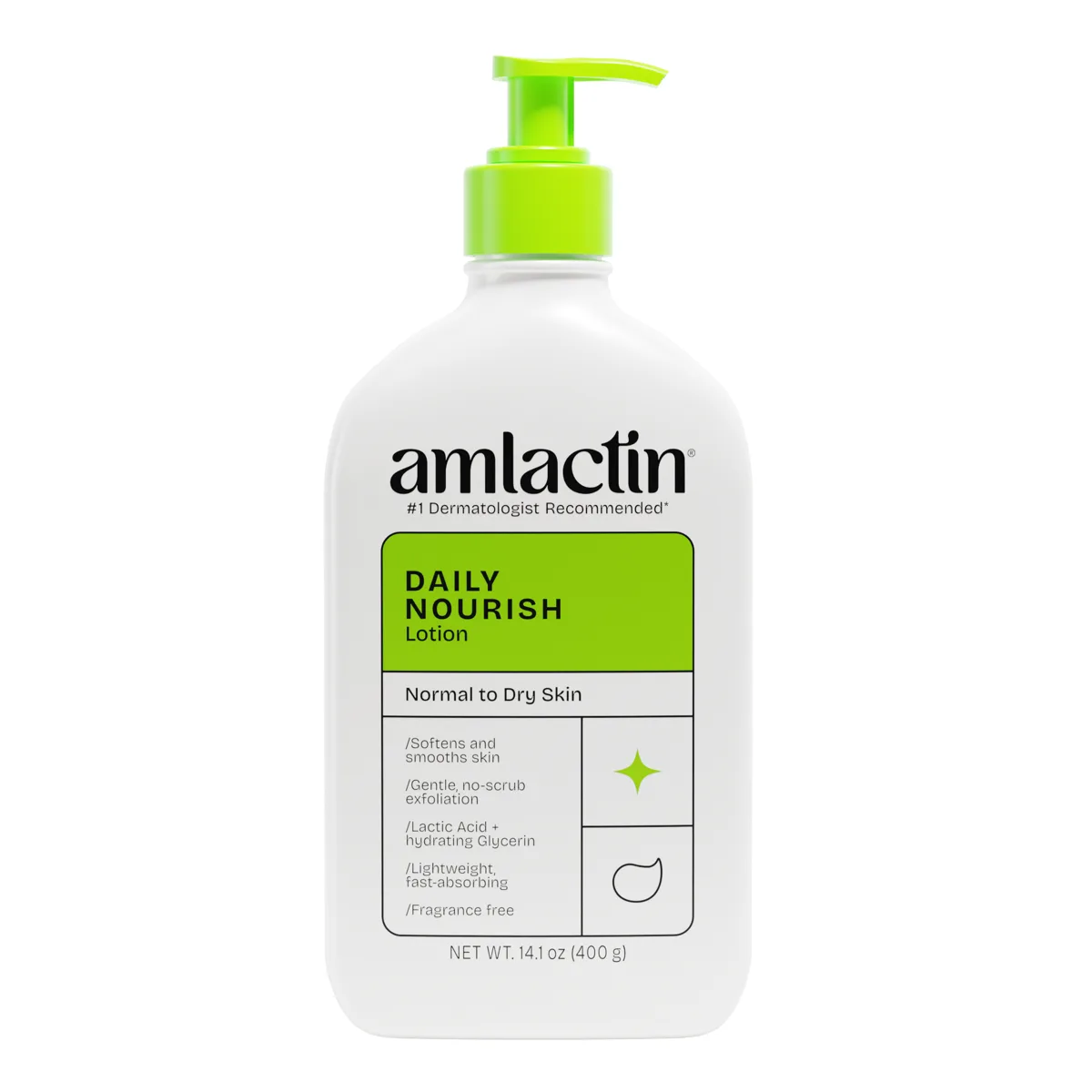
On top of that, lactic acid is a natural humectant — it draws water into the skin — which is why it smooths without leaving skin tight and parched the way harsher exfoliants can. That makes it ideal for the texture sweet spot: uneven, slightly rough, or congested skin that also reads as dry. Look for lactic acid around 5–10% for the face, often blended with the equally gentle mandelic acid (Paula's Choice 6% Mandelic + 2% Lactic, $37) or buffered in a peel (Prequel's Multi-Acid Milk Peel, $23); for rough body skin and keratosis pilaris, a higher-strength lactate lotion like AmLactin ($18) is the move. The trap with texture is over-correcting — scrubbing daily, stacking acids, or layering a physical scrub on top, all of which inflame skin and make texture worse. Use lactic acid two or three times a week, never skip sunscreen (acids increase sun sensitivity), and give it a few weeks. Smoother skin is a slow build, not a one-night peel.
Buying Guide
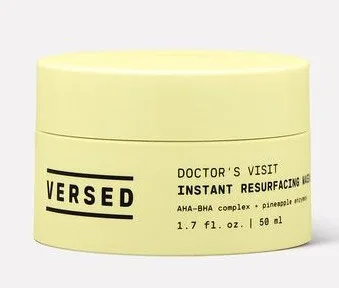
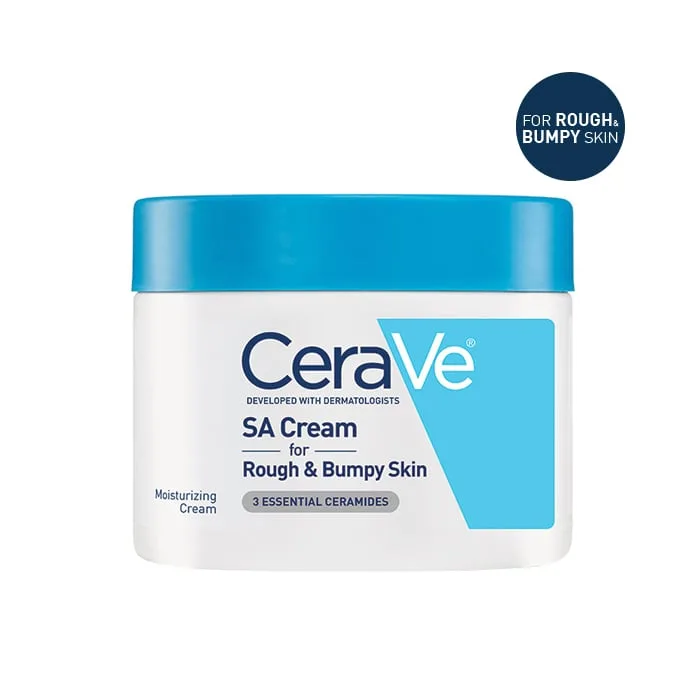
Match the concentration to the zone and your tolerance. For facial texture, lactic acid in the 5–10% range smooths effectively while staying gentle; for rougher body skin or keratosis pilaris, a stronger lactate lotion such as AmLactin's 12% is appropriate. Favor formulas that pair lactic with other mild acids — mandelic and PHAs (Paula's Choice, Prequel) — for layered, low-irritation resurfacing, or with ceramides and niacinamide (CeraVe SA Smoothing Cream) to support the barrier as you exfoliate. Decide format by routine: leave-on liquids and serums give steady, controllable exfoliation a few times a week, while wash-off masks and peels (Versed's Resurfacing Mask) are gentler entry points. Avoid the over-exfoliation trap — don't combine a lactic acid product with a physical scrub or daily-use stronger acids, and scale back if skin stings or flakes. Sun protection is non-negotiable, since AHAs increase photosensitivity. Price spans widely here; the $18–$37 picks perform on par with the $90+ at-home peels, so spend on texture and formula fit, not prestige.
Frequently Asked Questions
Is lactic acid better than glycolic acid for rough skin texture?
Lactic acid is the gentler option because its larger molecule penetrates more slowly, making it ideal for sensitive or dry skin that finds glycolic too harsh. It also doubles as a humectant, hydrating while it smooths, which helps with texture that comes alongside dryness. Glycolic penetrates deeper and may work faster, but lactic is the safer starting point for reactive skin.
How often should I use lactic acid to improve texture?
Two to three times a week is plenty for most people, with results building over several weeks rather than overnight. Daily use, or stacking it with scrubs and other acids, tends to inflame the skin and worsen texture. Start once or twice weekly and increase only if your skin stays comfortable.
Can lactic acid help with bumpy skin and keratosis pilaris?
Yes — lactic acid is one of the most recommended ingredients for the rough, bumpy texture of keratosis pilaris on the arms and legs. A higher-strength lactate body lotion like AmLactin exfoliates and hydrates those areas at once. For best results, apply consistently and pair with regular moisturizing, since KP improves with ongoing maintenance.
Do I need sunscreen when using lactic acid?
Absolutely — like all AHAs, lactic acid increases your skin's sensitivity to UV, so daily broad-spectrum sunscreen is essential while using it. Skipping SPF not only risks sunburn but can also cause the uneven tone and texture you're trying to fix. Applying acids at night and sunscreen every morning is the safest routine.