Best Toners for Texture
Updated September 2026 · independently researched, no sponsored placements
Our top 39 picks, ranked from 186 reviewed products — ordered by each product's rough texture verdict, then evidence strength.













How to Choose
The best toners for rough, bumpy texture work by dissolving the glue that holds dead cells onto the surface — chemical exfoliation, not scrubbing, is what actually smooths skin. Rough texture is mostly a buildup problem: dead cells that should slough off naturally instead pile up unevenly, catching the light and feeling gritty under your fingers.
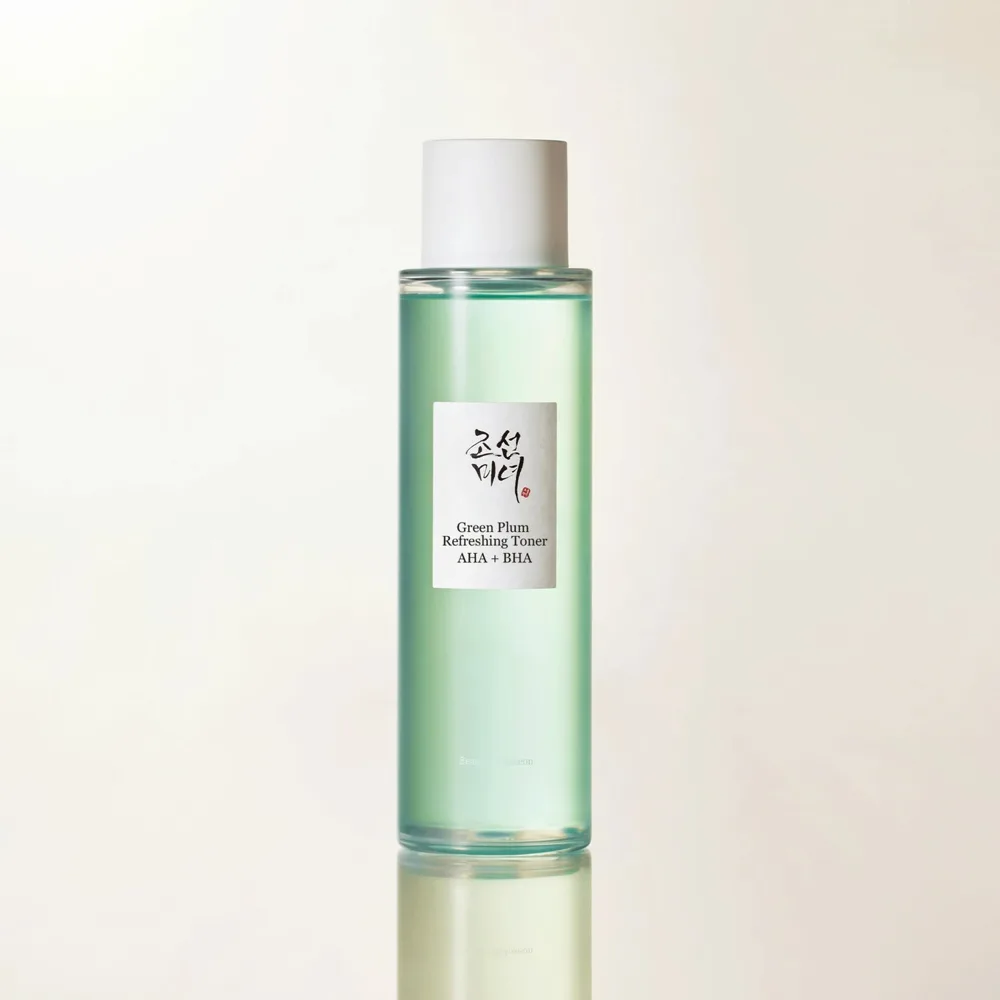
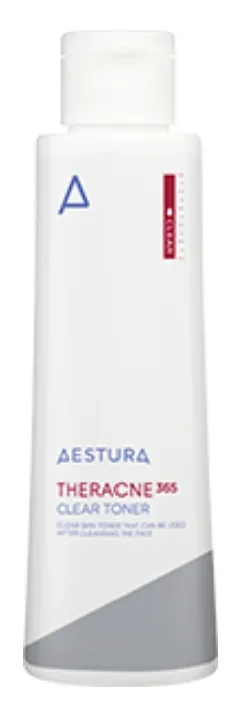
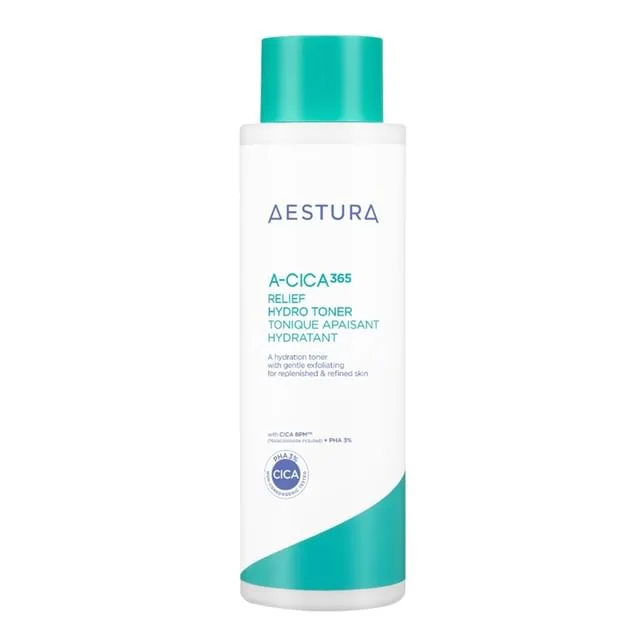
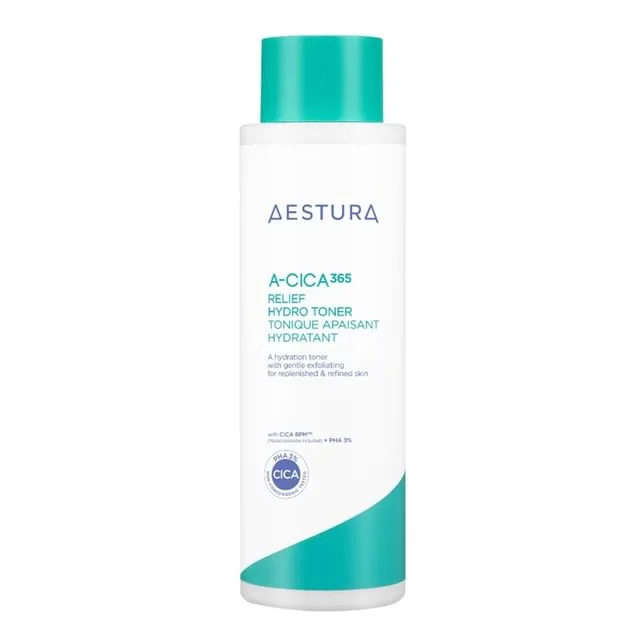
Physical scrubs seem like the obvious answer, but they tend to over-abrade and inflame without addressing the cause. Exfoliating acids in a toner do it more elegantly. Glycolic and lactic acid (AHAs) loosen surface cells, salicylic acid (a BHA) clears the pore-clogging debris that creates bumps, and gentle gluconolactone (a PHA) does the same with less sting for sensitive skin — Beauty of Joseon's Green Plum AHA + BHA toner ($18) and Aestura's PHA-based A-CICA toner ($28) are good examples of each approach. The toner format is genuinely useful here: a thin liquid layer spreads acids evenly across the whole face in a way a thick serum can't. What to look for is one clear exfoliating acid used a few times a week, ideally buffered with soothing centella or niacinamide so you smooth without wrecking the barrier. The trap is over-exfoliating — daily acids plus a scrub plus a retinoid is how you end up red, stinging, and rougher than when you started. The honest timeline is a few weeks of consistent, restrained use, always with daytime SPF since acids increase sun sensitivity. At $9 to $39, the budget K-beauty toners here are the standouts.
Buying Guide
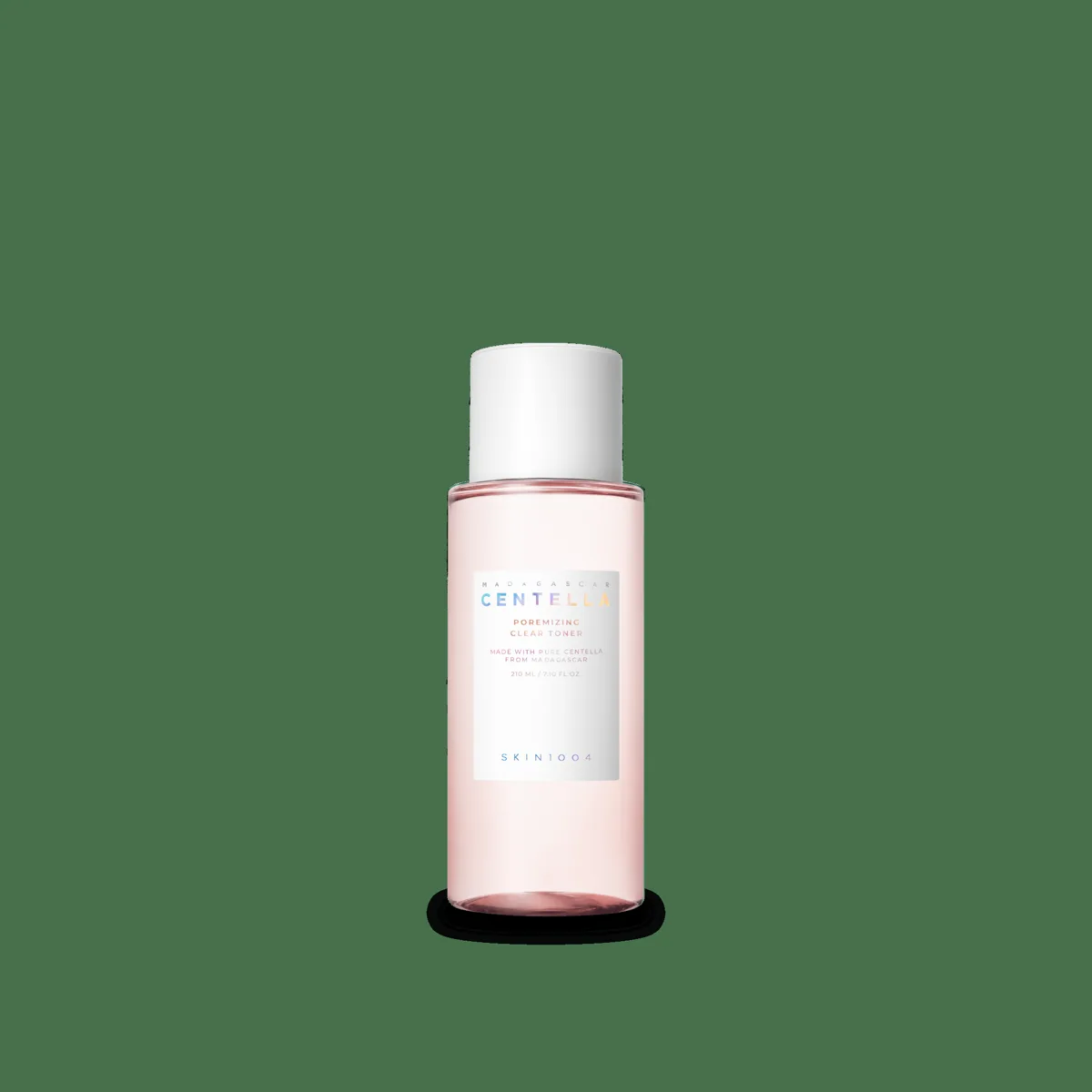
Center your choice on the exfoliating acid: glycolic acid smooths the surface aggressively and suits resilient skin, lactic acid is gentler and adds hydration, salicylic acid clears the pore debris behind bumpy congestion, and PHAs like gluconolactone exfoliate with minimal irritation for sensitive types. Match the acid to your tolerance, and favor a formula that buffers it with soothing, barrier-supporting ingredients like centella asiatica, niacinamide, or hyaluronic acid so smoothing doesn't come at the cost of irritation. Frequency is the real skill — a few times a week is plenty, and stacking an acid toner on top of a retinoid and a scrub is the fastest route to an over-exfoliated, rougher complexion. Avoid high-alcohol astringent toners, which strip rather than refine. Daytime sunscreen is mandatory, since exfoliating acids make skin more sun-sensitive. On price, effectiveness doesn't scale up: $14–$22 options like Beauty of Joseon and SKIN1004 deliver well-formulated acids, so there's no need to chase a premium label.
Frequently Asked Questions
Which acid in a toner is best for rough skin texture?
Glycolic acid is the most effective surface-smoothing AHA for resilient skin, lactic acid is a gentler hydrating alternative, and salicylic acid works best when bumpy texture comes from clogged pores. If your skin is sensitive, a PHA like gluconolactone exfoliates with far less irritation — match the acid to how reactive your skin tends to be.
How often should I use an exfoliating toner for texture?
A few times a week is the sweet spot for most people; daily use is only for well-acclimated skin and even then risks over-exfoliation. The biggest mistake is layering an acid toner with a scrub and a retinoid all at once — pick your exfoliation method and give skin recovery days between uses.
Will an exfoliating toner make my skin worse before better?
Used at a sensible frequency, a well-buffered acid toner shouldn't trigger a major adjustment period, though mild tingling on application is normal. Redness, stinging, and increased roughness are signs you're over-exfoliating and should cut back — smoothing should build gradually over a few weeks, not come with persistent irritation.
Do I need sunscreen if I use an acid toner?
Yes — exfoliating acids increase your skin's sensitivity to UV, so daily broad-spectrum sunscreen is essential to avoid sun damage and the pigmentation it can cause. Skipping SPF while exfoliating undermines the smoothing you're working toward and raises the risk of new texture and dark spots.