Best Toners for Dry Skin
Updated September 2026 · independently researched, no sponsored placements
Our top 40 picks, ranked from 581 reviewed products — ordered by how well each product does its category’s job.
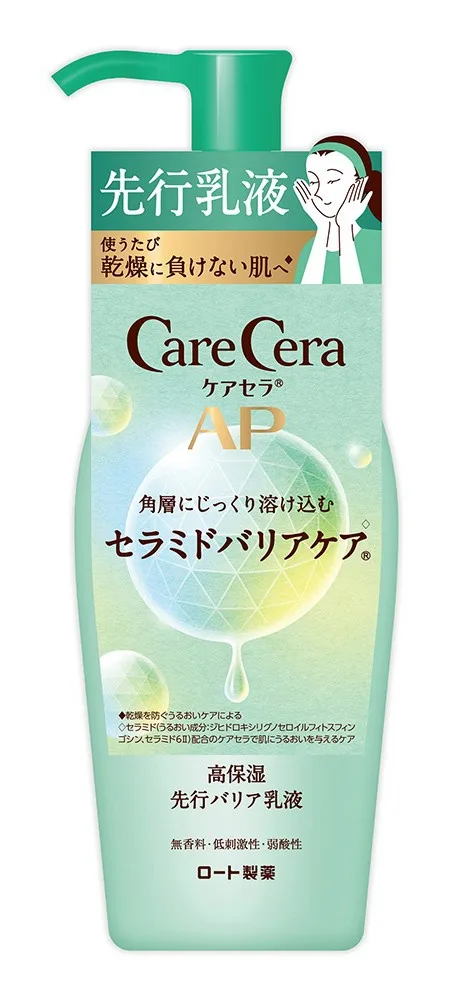
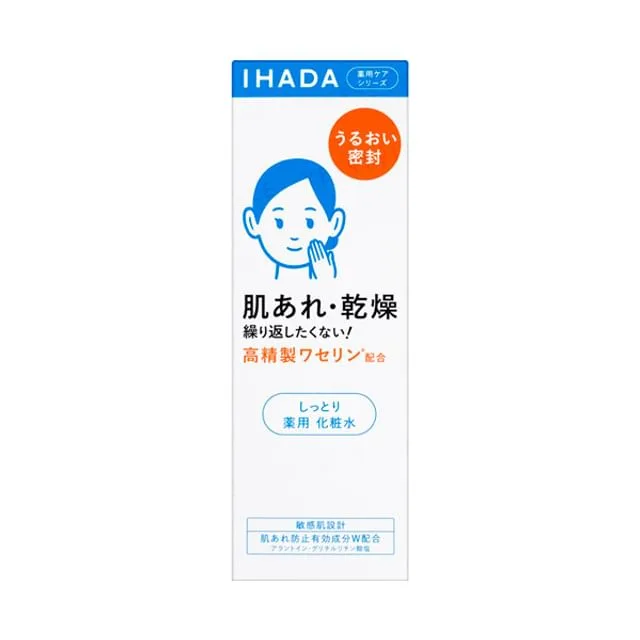
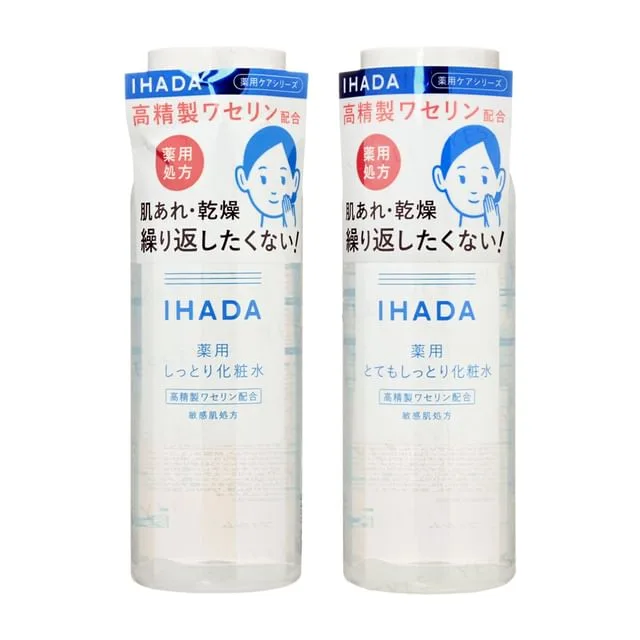
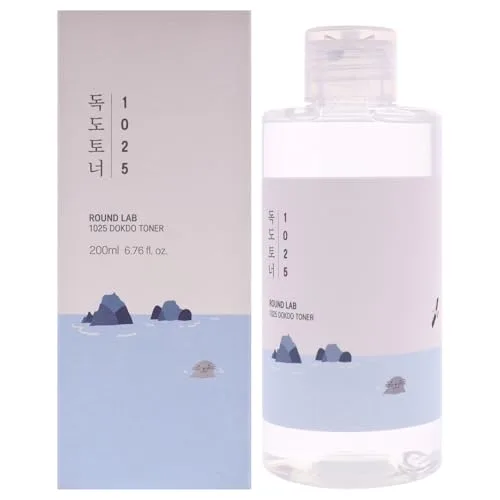




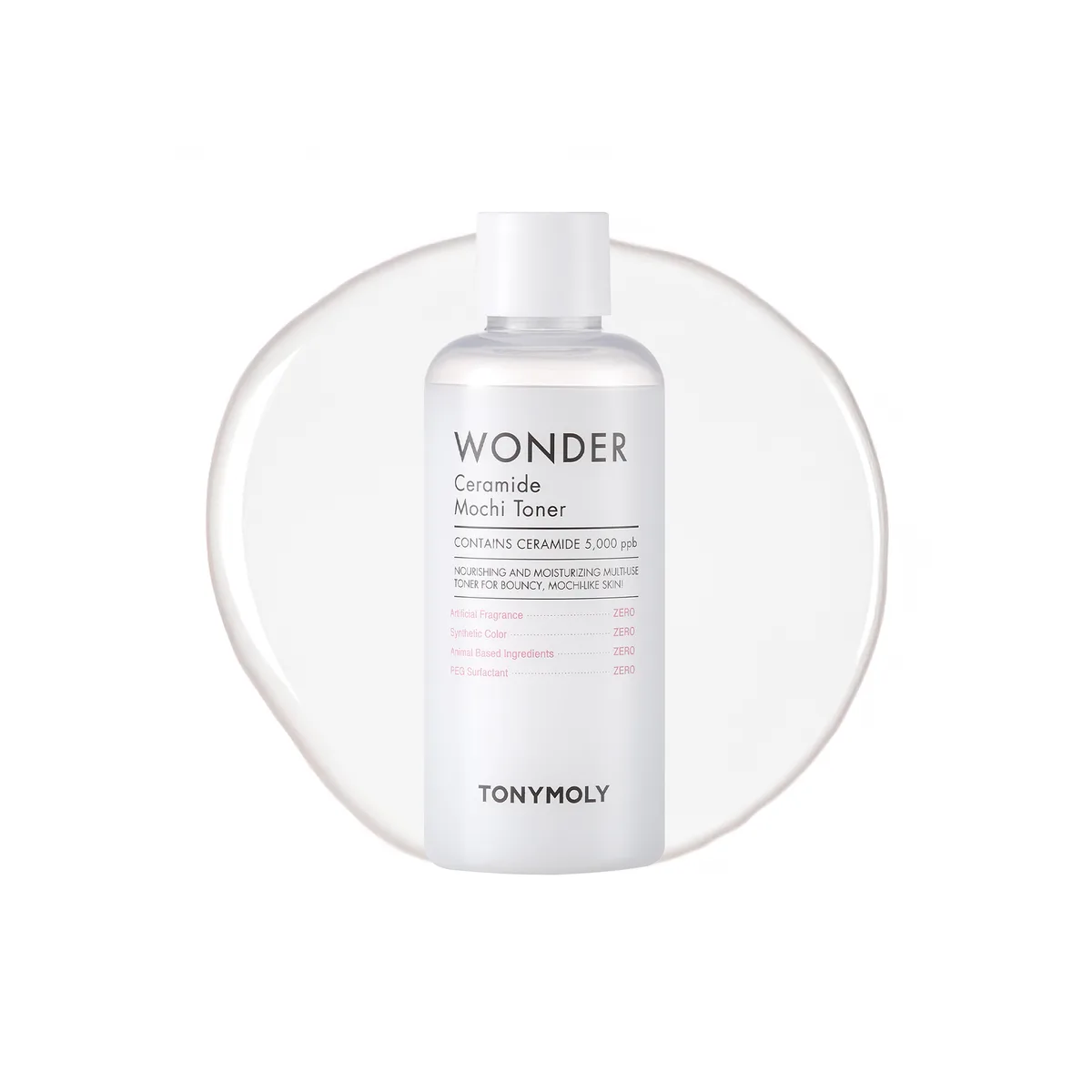
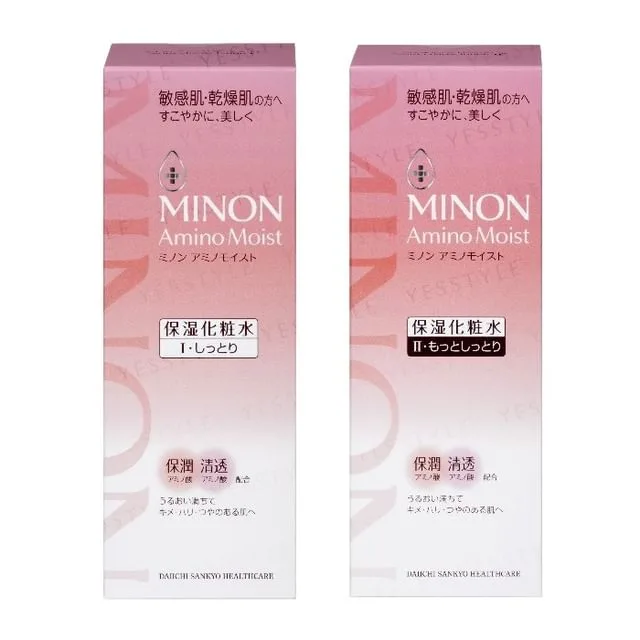
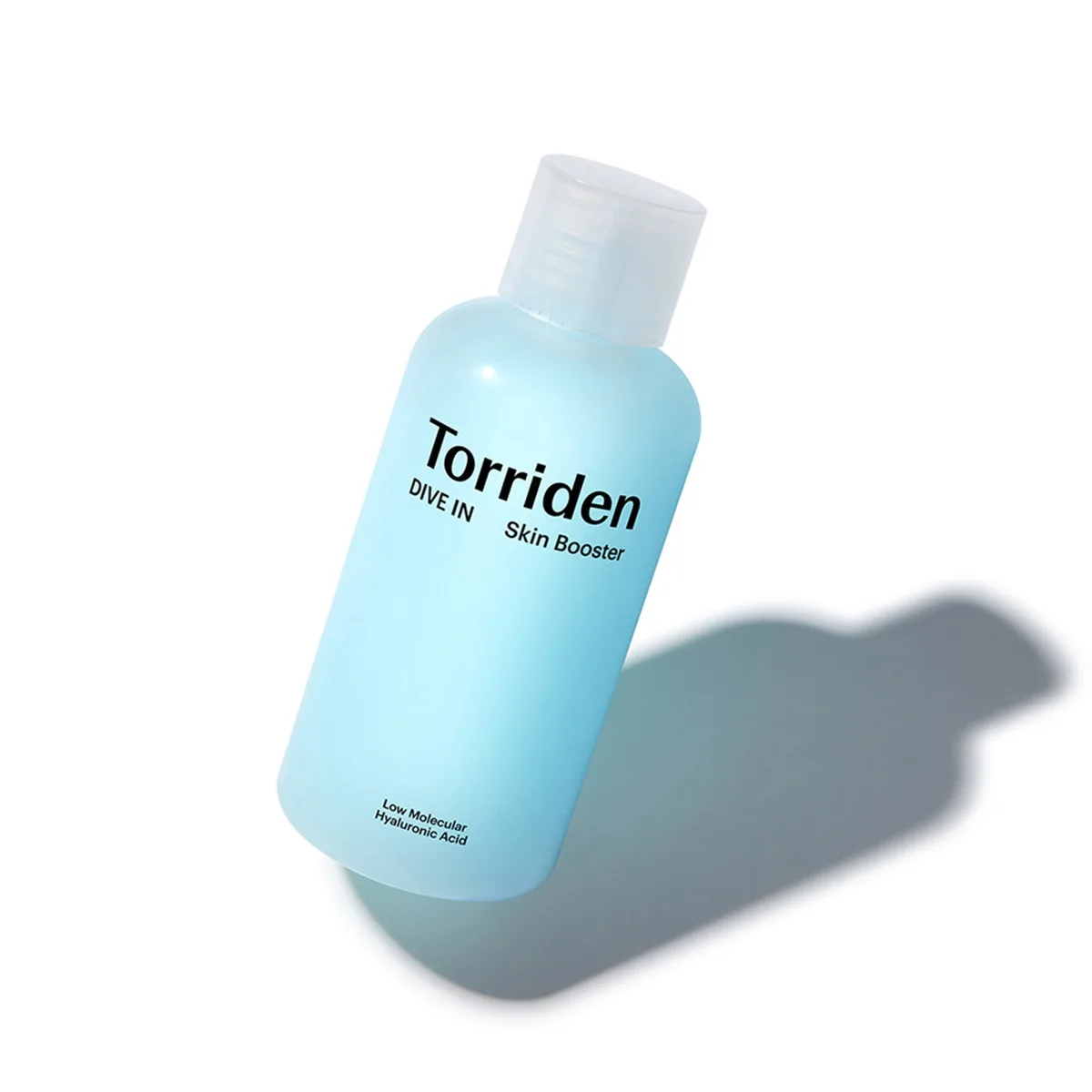
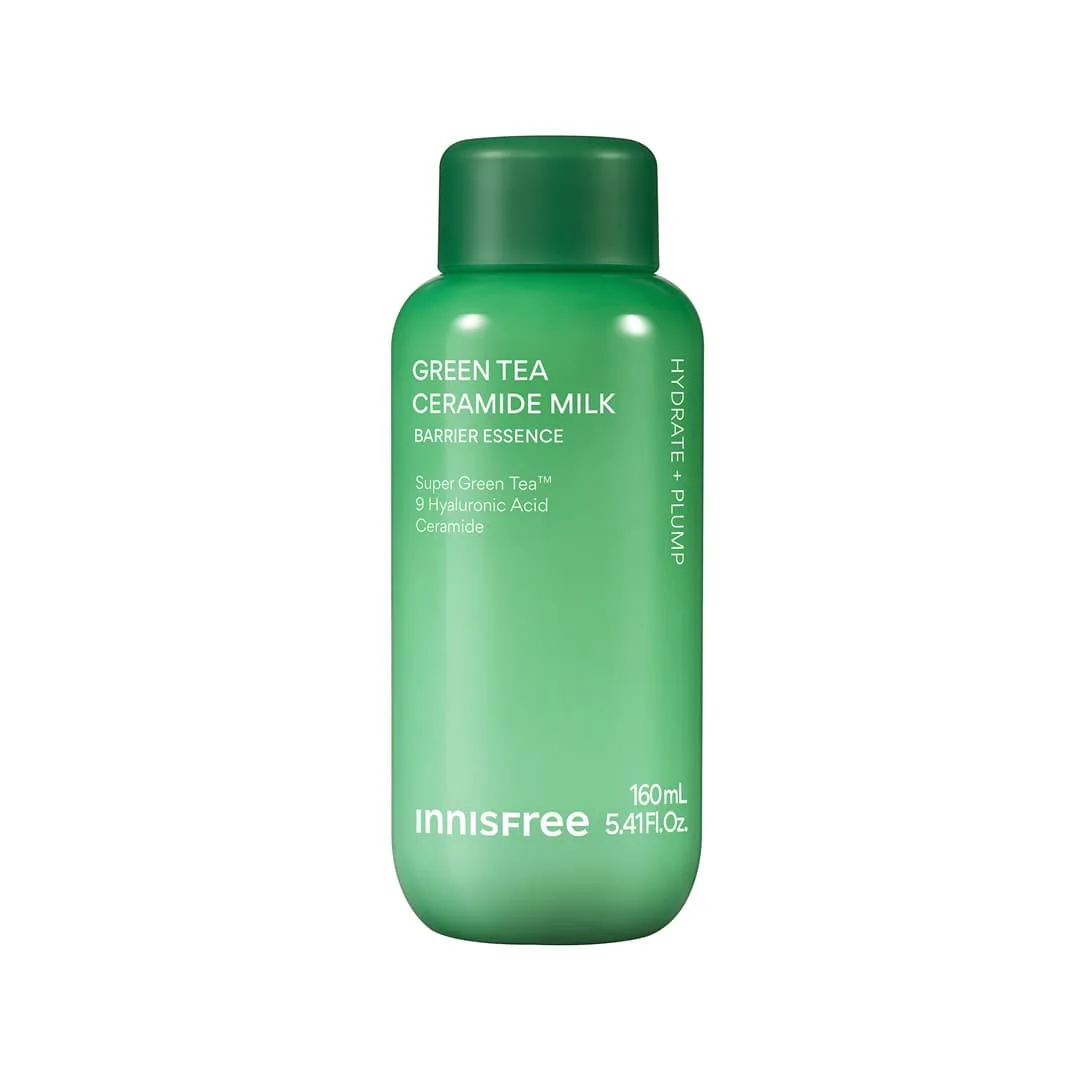











How to Choose
The best toner for dry skin does something a hydrating toner can't always manage: it doesn't just add water, it helps the skin hold onto it. That distinction matters because truly dry skin (as opposed to temporarily dehydrated skin) underproduces lipids — the oils and ceramides that form the seal keeping moisture in.
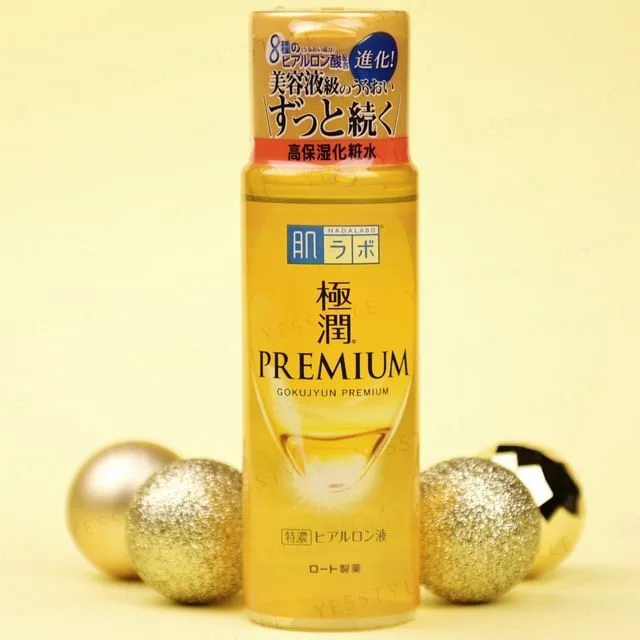
Splash on a watery toner with no follow-up and it evaporates, sometimes leaving skin tighter than before. So the move for dry skin is a richer, lotion-style toner that layers humectants with something that helps cushion and seal. Humectants like hyaluronic acid and the urea-and-trehalose blend in Hada Labo's Gokujyun Premium ($15) pull water in; ceramides, panthenol, snail mucin, or beta-glucan (Jumiso's Snail Mucin + Peptide Toner, $22) give that water somewhere to stay and leave a faint, comforting slip you can actually feel. The Japanese 'lotion' format excels here precisely because it's thicker and more emollient than a Western toner. Look for HA paired with barrier-supportive or occlusive ingredients, and a texture that feels like it's settling in rather than flashing off. The trap is anything astringent — denatured alcohol, witch hazel, strong fragrance — which strips the very lipids dry skin is short on. One caveat: a toner is a hydration booster, not the whole job. Always lock it in with a ceramide moisturizer, or the layer you just applied won't last the morning. At $13–$36, this is an easy, high-payoff upgrade for tight, flaky skin.
Buying Guide
Read texture as a clue: for dry skin you want a toner that feels slightly viscous and emollient — the Japanese 'lotion' style (Hada Labo) or a milky toner — rather than a thin astringent splash. The core should be a strong humectant like hyaluronic acid, ideally backed by ingredients that help seal it in: ceramides, panthenol, snail mucin, beta-glucan, or tremella mushroom all leave a cushioning slip that water-only toners lack. Treat alcohol and witch hazel as deal-breakers; they're fine for oily skin but strip the lipids dry skin can't spare, and heavy fragrance is a needless irritant on an already-compromised barrier. A brightening or soothing bonus (licorice root, centella, galactomyces) is welcome but secondary to the hydrate-and-hold job. Most importantly, plan the follow-up — a dry-skin toner is a primer for a richer ceramide moisturizer, not a standalone fix, so apply it to damp skin and seal immediately. Price is no obstacle: the $15 Hada Labo lotions hold their own against everything above them.
Frequently Asked Questions
Do people with dry skin even need a toner?
A toner isn't mandatory, but the right one is genuinely useful for dry skin because it lays down a layer of humectants on damp skin that the rest of your routine can seal in. The key is choosing a hydrating, lotion-style toner rather than an astringent one. Skip it only if your moisturizer alone keeps you comfortable all day.
What's the difference between a toner for dry skin and one for dehydrated skin?
Dry skin lacks oil (lipids) and tends to be a constant skin type, while dehydrated skin lacks water and can affect anyone temporarily. Dry skin benefits from richer, more emollient toners with ceramides and occlusive support, whereas dehydration is mostly addressed with humectants like hyaluronic acid. Many dry-skin toners cover both bases, but the sealing, cushioning feel is what sets a dry-skin pick apart.
Should I avoid alcohol in a toner if my skin is dry?
Yes — denatured alcohol and witch hazel are drying astringents that strip the lipids dry skin is already short on, often leaving it tighter and flakier. Look instead for hyaluronic acid, panthenol, snail mucin, or ceramides. A small amount of fatty alcohol like cetyl or stearyl alcohol is different and actually conditioning, so don't confuse the two on an ingredient list.
How do you apply a hydrating toner to get the most out of it?
Apply it to slightly damp skin right after cleansing, pressing it in with your palms rather than wiping with a cotton pad, which wastes product and can irritate. For extra hydration, layer it two or three times (the K-beauty '7-skin' approach) before sealing with moisturizer. Locking it in with a ceramide cream is what makes the hydration actually last.