Best Serums for Dry Skin
Updated September 2026 · independently researched, no sponsored placements
Our top 40 picks, ranked from 1197 reviewed products — ranked by our overall assessment of formula, safety and value.



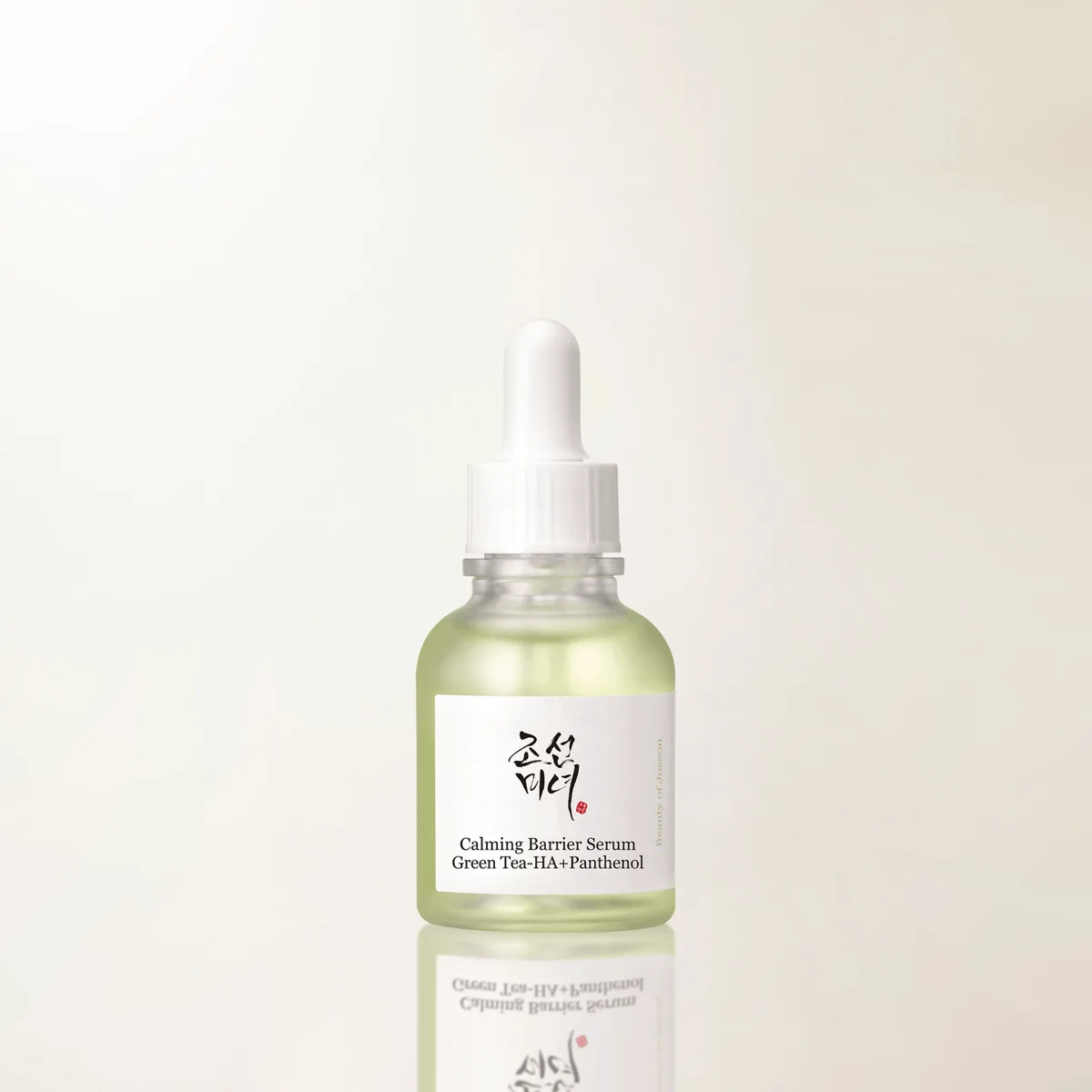


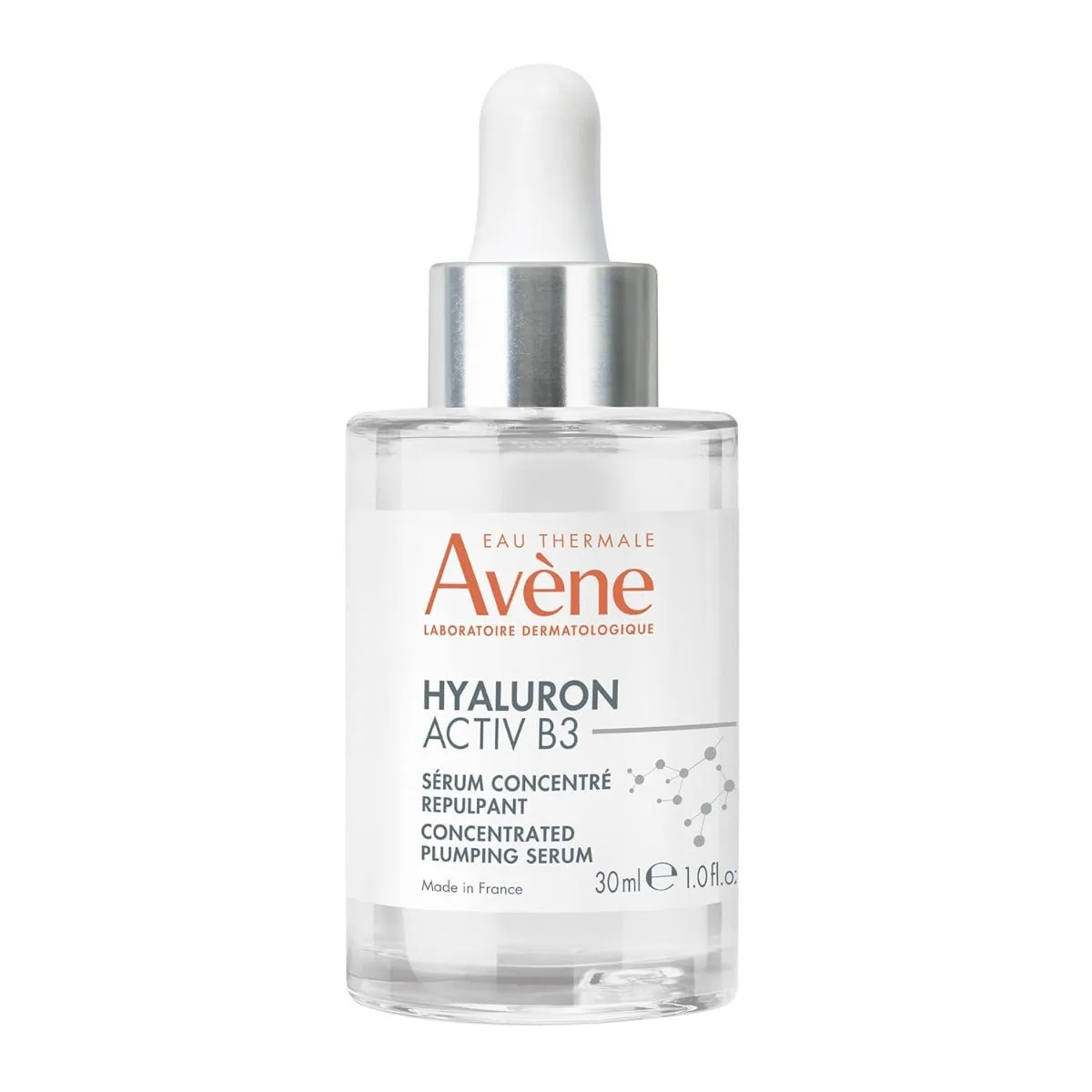
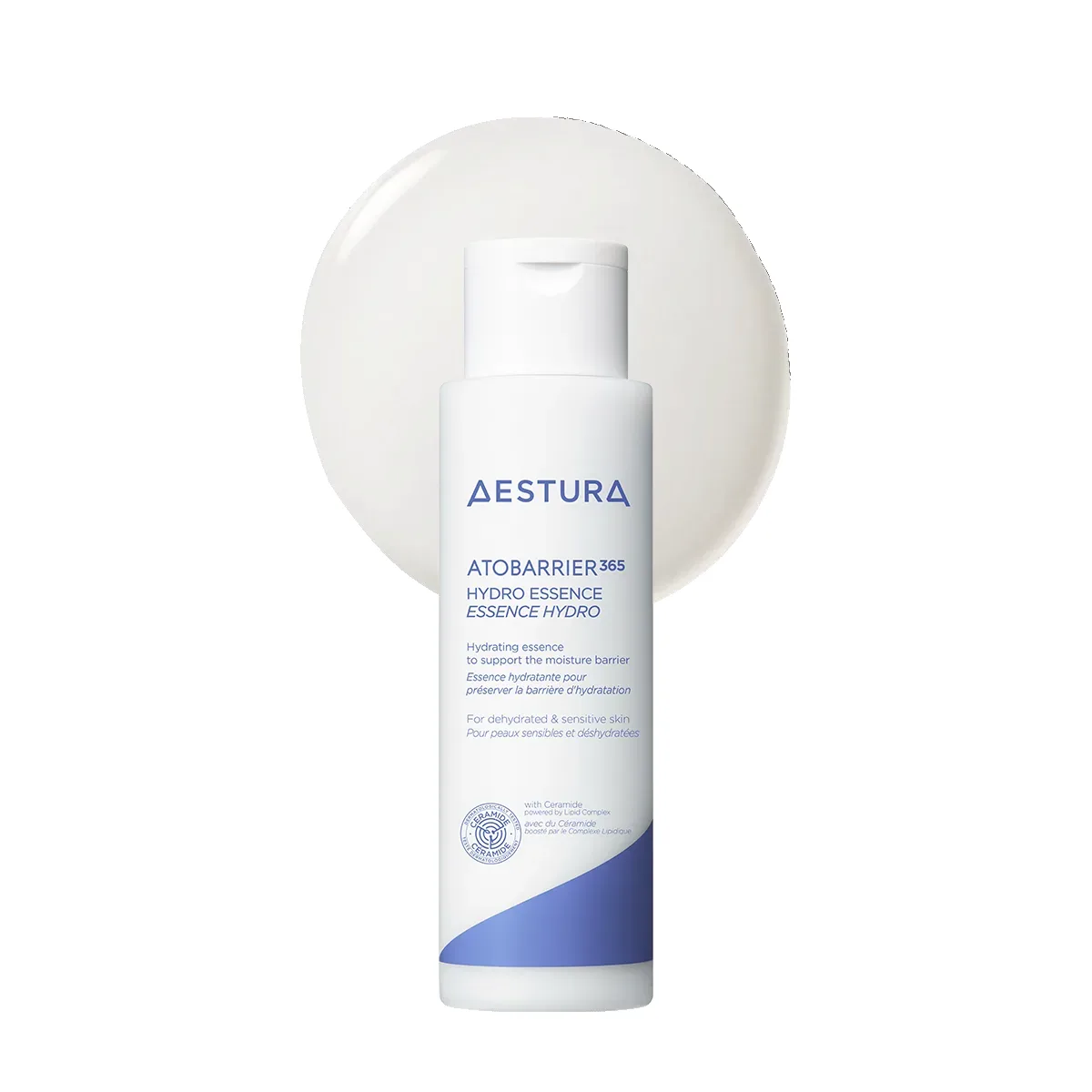


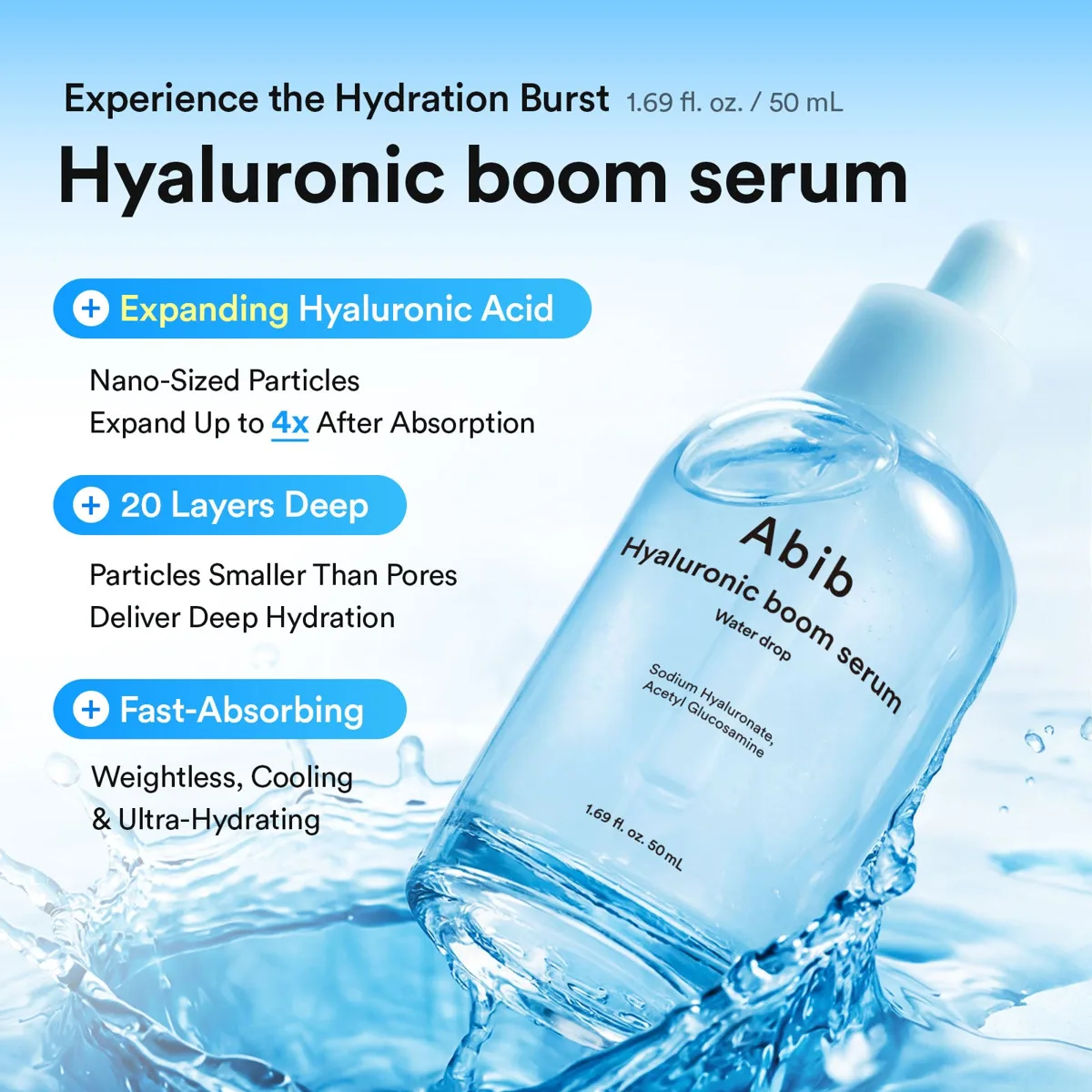



How to Choose
The best serums for dry skin are the layer that loads moisture in — but they only win if you seal them with a cream on top, because a serum alone can't fix a lipid deficiency. That's the honest mechanism most product pages skip.
Dry skin is short on oils (ceramides, cholesterol, fatty acids), and a thin, water-based serum doesn't replace those. What it does brilliantly is flood the skin with humectants — hyaluronic acid, glycerin, panthenol — so that when your moisturizer's occlusives go on top, there's a deep reservoir of water for them to trap. Skip the cream and that serum can actually backfire in dry winter air, pulling water out of your skin instead of into it. 's Thirst Burst Drops ($18) leans on niacinamide plus HA to hydrate while calming the tight, flaky feeling. Look for multiple molecular weights of hyaluronic acid (deeper and surface hydration), glycerin high on the list, and bonus soothers like panthenol or tremella mushroom — Geek & Gorgeous 101 HA-5 ($15) is a value standout on that front. What to avoid: a serum sold as your whole routine. One realistic caveat — apply it to slightly damp skin and follow immediately with a ceramide cream. At $6 to $25 for the strongest options, the serum is the cheap, easy half of a two-step fix; the moisturizer is what makes it last.
Buying Guide
Think of a serum as the hydration delivery step, then choose accordingly. The most useful formulas for dry skin layer humectants — hyaluronic acid (ideally in more than one molecular weight), glycerin, and panthenol — so they pull water into both the surface and deeper layers. A touch of barrier support is a real bonus here: ceramides, centella, or tremella mushroom help the serum do more than just sit on top, especially when dryness comes with flaking. Texture should still feel like a serum — fluid and quick to absorb — but it shouldn't vanish without leaving skin feeling cushioned and dewy. The non-negotiable is what comes next: always follow with an occlusive moisturizer, because humectant serums need a cream to trap the water they attract, and in dry or low-humidity conditions an unsealed HA serum can actually leave skin tighter. Price is forgiving — the best-scoring options run roughly $6 to $25, so reserve any premium spend for a serum with a genuinely smarter active blend rather than a single-ingredient formula in fancier packaging.
Frequently Asked Questions
Can a serum alone moisturize dry skin?
No — a serum hydrates but doesn't replace the lipids dry skin is missing, so it needs an occlusive cream layered on top to seal that hydration in. Used on its own in dry air, a humectant serum can even draw water out of the skin, which is why it works best as the step before your moisturizer.
Should I apply a hydrating serum to wet or dry skin?
Apply it to slightly damp skin, then follow immediately with a moisturizer. The extra surface water gives humectants like hyaluronic acid more to grab onto, and the cream on top locks the whole reservoir in before it can evaporate.
What's the difference between a serum for dry skin and one for dehydrated skin?
There's a lot of overlap, since both rely on humectants, but dry skin also benefits from added barrier ingredients like ceramides because it's short on oil long-term. Dehydrated skin is a temporary lack of water that humectants alone usually resolve, while dry skin needs the serum paired with a lipid-rich cream.
Is hyaluronic acid enough for very dry skin?
Hyaluronic acid is a great start but rarely enough on its own for very dry skin, because it attracts water without sealing it or supplying lipids. Look for a serum that also includes glycerin, panthenol, or ceramides, and always lock it in with an occlusive moisturizer.
How many serums can I layer for dry skin?
One well-chosen hydrating serum is usually plenty; layering several humectant serums adds little and can leave a tacky finish. Spend the second step on an occlusive moisturizer instead, since sealing is what actually keeps dry skin comfortable through the day.