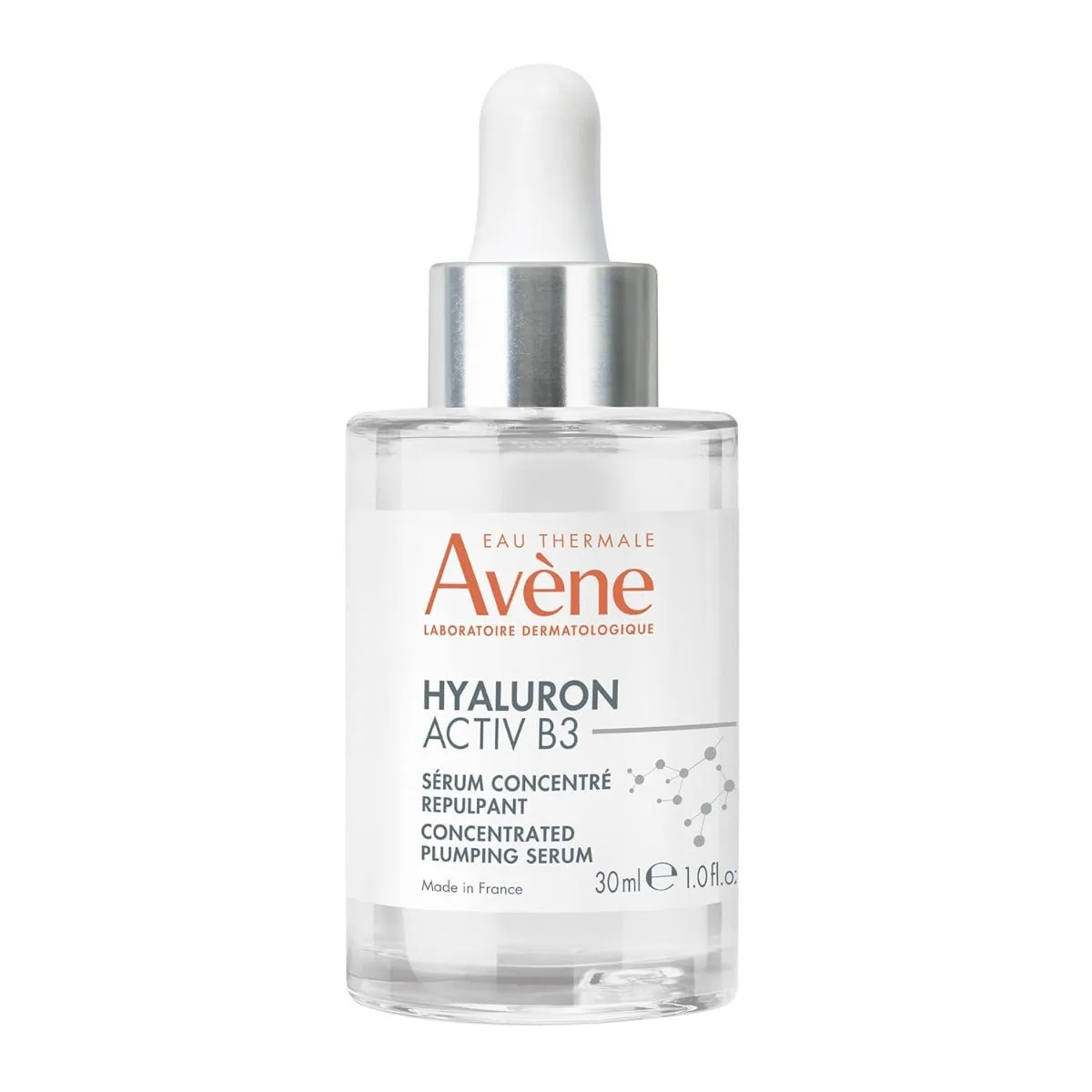
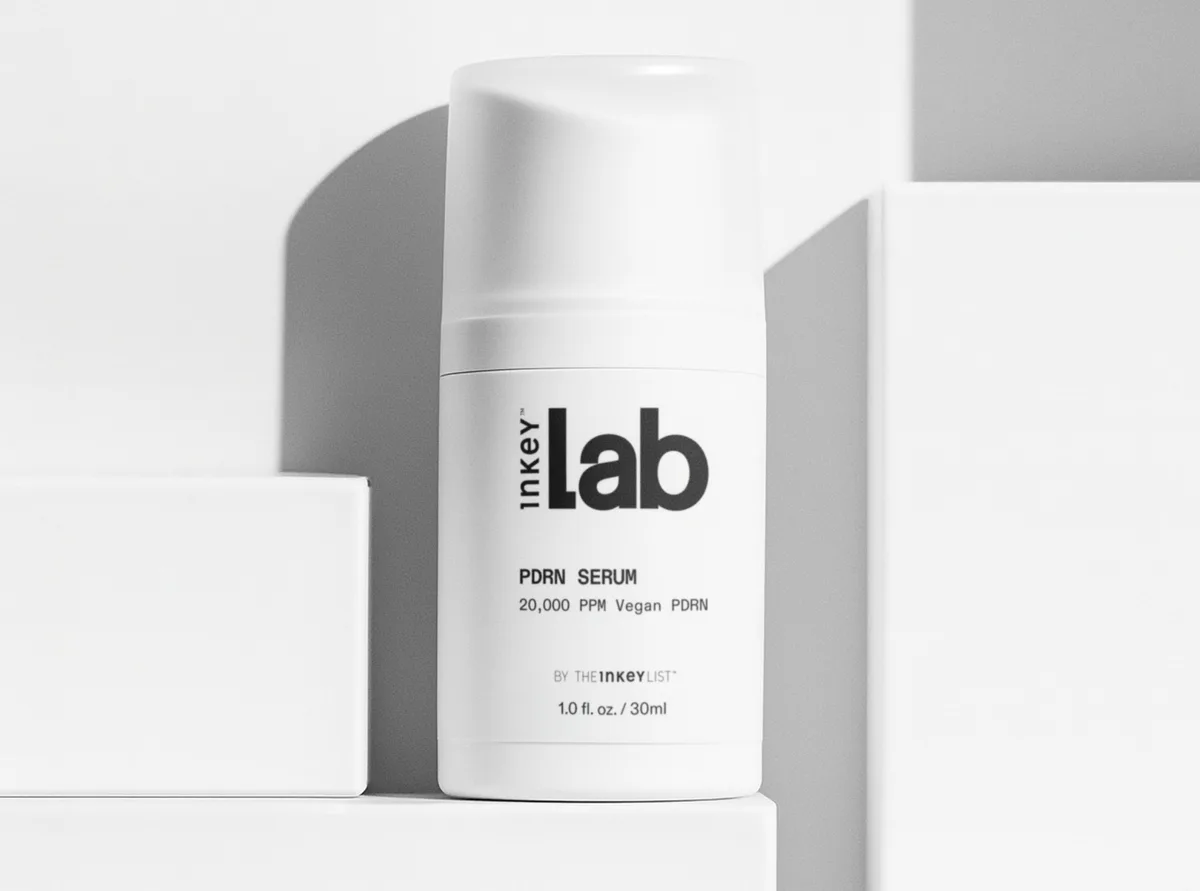
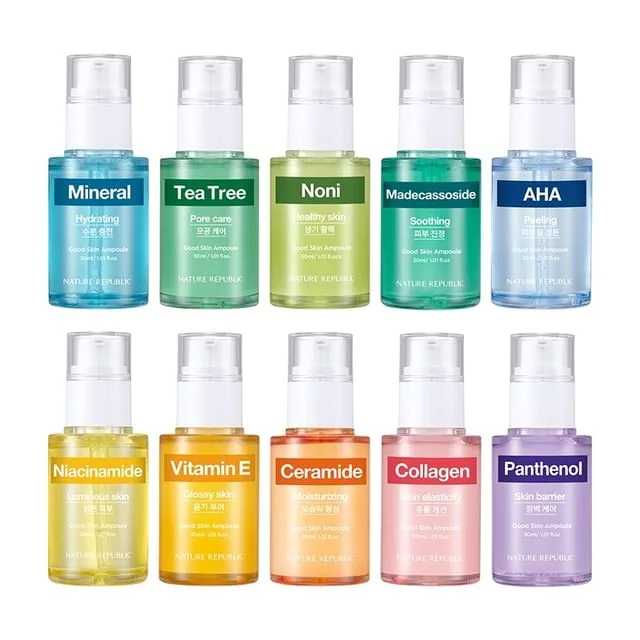
With just nine ingredients, this may be the most stripped-back hyaluronic acid serum on the market at any price point. Where most HA serums add botanical extracts, peptides, or additional humectants that increase both cost and potential irritation risk, Good Molecules chose radical simplicity — sodium hyaluronate, glycerin, propanediol, vitamin E, and minimal preservatives. The result is a serum that's essentially impossible to react to and plays well with every other product in your routine.
The ultimate no-frills hyaluronic acid serum: nine ingredients, six dollars, and a formula so simple it's essentially impossible to react to. If you want hydration without complexity, this is the purest expression of that idea on the market.
Good choicefor DehydrationIn your profileYou chose · Glycerin is a reference standard by mechanism for dehydration; this serum carries it high in the ingredient list.Moderate evidenceGentle250 reviews collected
The case for it
Glycerin has trial-supported standing for this concern.
It is present at an effective concentration, declared or high in the ingredient list.
The formula carries none of the triggers this concern is sensitive to.
Same rule for everyone. “Good choice” is the verdict on 9,564 of 45,024 concern verdicts across the catalog; rule R5 decided 9,072 of them.
Unchanged since September 5, 2026, engine 5.1.1.
R5 — Trial-supported or guideline-supported active, adequately or plausibly dosed. · the full register
Carrying active
Glycerin
Standing
supported — its mechanism is established
Form
adequate — studied range 20%, from the trials on the row; needs leave-on contact; judge it after ~1 weeks
Tolerability
gentle
Row checked
against its sources on July 17, 2026 (evidence table ev-2026.09-r228)
The studies behind the evidence row
USP glycerin monograph / Fluhr et al., glycerol and the skin (review) — glycerin is the reference humectant, drawing and holding water in the stratum corneum — reference work
Good choicefor DrynessIn your profileYou chose · Glycerin is a reference standard by mechanism for dryness; this serum carries it high in the ingredient list.Moderate evidenceGentle97% report improvement · n = 31
The case for it
Glycerin has trial-supported standing for this concern.
It is present at an effective concentration, declared or high in the ingredient list.
The formula carries none of the triggers this concern is sensitive to.
Same rule for everyone. “Good choice” is the verdict on 9,564 of 45,024 concern verdicts across the catalog; rule R5 decided 9,072 of them.
Unchanged since September 5, 2026, engine 5.1.1.
Promisingfor DullnessIn your profileYou chose · Glycerin has trial-level evidence for dullness but no guideline or regulatory standing yet — promising, short of a recommendation; the other actives here are not yet assessed for it.Moderate evidenceGentle250 reviews collected
The case for it
Glycerin has trial-level evidence for this concern but no guideline or regulatory standing yet.
It is present at an effective concentration, declared or high in the ingredient list.
The formula carries none of the triggers this concern is sensitive to.
What would change this: Guideline or regulatory standing for the active on this concern would move this from a promising bet to a recommendation.
Same rule for everyone. “Promising” is the verdict on 7,858 of 45,024 concern verdicts across the catalog; rule R9p decided 7,858 of them.
Unchanged since September 5, 2026, engine 5.1.1.
R9p — 0.5.0: 'Unproven' beside three filled dots read as one question answered twice with opposite words (7,018 rows). The chip measures standing, the dots measure trial volume; where the row carries at least one RCT or a tier-2 source (moderate dots) and the active is present at a working level, the honest word is Promising. Unproven is reserved for plausible-standing rows with limited or weak evidence, or an under-dosed form. Same rank as Unproven — a bet either way; the dots order them. · the full register
Carrying active
Glycerin
Standing
plausible — trials support it
Form
adequate — studied range 2–20%, from the trials on the row; needs leave-on contact; judge it after ~1 weeks
Tolerability
gentle
Row checked
against its sources on July 17, 2026 (evidence table ev-2026.09-r228)
The studies behind the evidence row
Harry's Cosmeticology / Baran & Maibach Textbook of Cosmetic Dermatology — humectant, emollient and occlusive classification — standard reference text
Where our review and the verdict differ. The review below was written on the formulation and the published trials; the verdicts above apply the stricter standing test in our methodology — an active earns a recommendation only with guideline or regulatory standing for the concern. Where the two disagree, the verdict is DermApproved’s position.
A verdict is DermApproved’s assessment of how well a product’s ingredients fit a concern — never a claim about what the product treats. Evidence dots and collected reviews sit beside it and are never blended in.
Rules 0.5.1 · evidence table ev-2026.09-r228 · how we decide
Assessment
Pros & Cons
Pros
✓ Nine-ingredient formula minimizes irritation and allergen risk for all skin types
✓ Exceptional value at $6 with a clinically relevant 1% sodium hyaluronate concentration
✓ Universally compatible — layers seamlessly with every active and product type
✓ Fragrance-free, oil-free, silicone-free, and fungal acne safe
✓ Lightweight water-like texture absorbs instantly with no stickiness or pilling
✓ Available in a 75 mL size for even better per-unit value
Cons
✗ Minimalist formula provides hydration only — no additional active benefits
✗ Requires damp skin application and moisturizer follow-up for optimal results
✗ Single molecular weight of HA limits hydration depth compared to multi-weight formulas
✗ May be insufficient as a standalone hydration step for very dry skin
✗ Simple dropper bottle packaging is functional but not airtight
Review
Full Review
There's a peculiar arms race happening in the hyaluronic acid serum category. Every brand seems determined to prove that their HA serum is the most sophisticated — five molecular weights, seventeen botanical extracts, peptide complexes, ferment filtrates, and an ingredient list that reads like a biochemistry textbook. Good Molecules looked at all of that and asked a question that borders on heretical in the skincare industry: what if we just... didn't?
The Hyaluronic Acid Serum contains nine ingredients. Nine. Water, propanediol, glycerin, sodium hyaluronate, and five supporting players that handle preservation and pH stabilization. That's it. No botanical extracts, no peptides, no ferment filtrates, no additional actives competing for attention. It's the Marie Kondo of serums — everything that doesn't spark joy (or serve a direct functional purpose) has been removed.
This radical minimalism isn't laziness — it's a design choice with real-world benefits. The fewer ingredients in a formula, the lower the probability of irritation or allergic reaction. For sensitive skin types who've played ingredient Russian roulette with more complex serums, a nine-ingredient formula is about as close to zero risk as skincare gets. It's also fungal acne safe, free from every common allergen and irritant, and compatible with literally every other product in your routine. Try causing a conflict with this serum. You can't.
The 1% sodium hyaluronate concentration is the clinically relevant dose — not a token dusting, not an eyebrow-raising mega-dose, just the amount that research has consistently shown to be effective for topical hydration. Sodium hyaluronate, the lower-molecular-weight salt form of hyaluronic acid, penetrates more readily into the stratum corneum than standard HA, which means it's doing its water-binding work slightly deeper than the surface level. Paired with glycerin — arguably the most thoroughly validated humectant in cosmetic science — it creates a simple but effective two-pronged hydration system.
Propanediol serves as a lightweight solvent and humectant, adding a thin layer of moisture-binding capacity without the sticky feel that some glycols produce. Tocopherol (vitamin E) rounds out the active portion of the formula with antioxidant protection. The remaining ingredients — hydroxyacetophenone, sodium citrate, citric acid, and ethylhexylglycerin — are there to preserve the formula and maintain its pH stability. Every ingredient has a job. Nothing is decorative.
The texture is barely there — a thin, water-like liquid with just enough viscosity to know you've applied something. On damp skin, it absorbs in seconds and leaves zero residue. No stickiness, no film, no tackiness. If you've ever been annoyed by thick, gel-like HA serums that sit on your skin and pill under moisturizer, this is the antidote. It vanishes so completely that the only evidence you've applied it is how your skin feels — softer, plumper, more supple.
That application-on-damp-skin step is genuinely important here. Hyaluronic acid is a humectant, which means it works by binding water. If there's water present — from a freshly washed face, a facial mist, or just not having toweled off completely — the HA has something to grab onto. Applied to dry skin in a dry environment, humectants can theoretically pull moisture from deeper skin layers instead of the atmosphere. The glycerin in the formula helps mitigate this, but for best results, apply to damp skin and follow with a moisturizer to create an occlusive seal that keeps the moisture where you want it.
Performance is immediate and reliable. First application delivers a visible plumping effect — not dramatic, but real. Skin looks slightly dewier, feels softer, and has that 'well-hydrated' bounce that skincare people spend a lot of money chasing. Over the first week of twice-daily use, the cumulative effect becomes noticeable: consistently more supple, less tight, fewer of those fine dehydration lines that show up when your skin is thirsty. By a month, you're looking at measurably more hydrated skin that holds up better through the day.
The honest limitation is scope. This serum does one thing — hydrate — and it does it well. But if you're looking for brightening, anti-aging, acne-fighting, or any other benefit, you'll need to look elsewhere. That's by design: the minimal formula means this layers effortlessly with whatever actives you want to add. But for someone who wants a single serum to do multiple jobs, this will feel incomplete.
The other consideration is environment. In humid climates, this serum is a dream — there's plenty of atmospheric moisture for the HA and glycerin to capture. In very dry, arid, or cold winter environments, you may need to be more deliberate about the damp-skin application and the moisturizer seal. The formula doesn't include occlusives, so it relies on whatever you layer on top to lock the hydration in.
At six dollars for 30 mL — or twelve dollars for the more economical 75 mL — the value proposition is almost absurd. You're getting 1% sodium hyaluronate, glycerin, and vitamin E in a clean, minimal base for less than the price of a fancy coffee. The 75 mL size lasts roughly four months with twice-daily use, which works out to about three dollars a month. For reference, many popular HA serums with comparable or simpler formulas retail for $20-40 at similar volumes. The math is straightforward.
Good Molecules isn't pretending this serum will change your life. They're not claiming proprietary technology or breakthrough delivery systems. They're selling you a well-made, honestly priced hyaluronic acid serum that does exactly what the label says. In a market saturated with overcomplicated, overpriced alternatives, there's something quietly revolutionary about that.
Formula
Key Ingredients
The hero actives that drive this product's performance.
The star active at 1% concentration, sodium hyaluronate is the low-molecular-weight salt of hyaluronic acid that penetrates more efficiently into the upper skin layers. In this minimalist nine-ingredient formula, it works alongside glycerin and propanediol to create a focused hydration system with no competing actives or unnecessary filler ingredients.
Established mechanismfor Dehydration · established mechanism
A proven humectant that works in tandem with the sodium hyaluronate to draw and retain moisture. In this stripped-back formula, glycerin provides the immediate moisture-binding that complements the longer-term hydrating effects of the hyaluronic acid.
Established mechanismfor Dehydration · established mechanism
Natural vitamin E serves double duty as a lipid-soluble antioxidant and a formula stabilizer. In this hydrating serum, it protects the skin from oxidative stress while helping preserve the integrity of the other ingredients.
Not yet assessed
Ingredient standings describe the active at treatment-level doses and
vehicles; this product's own condition grades weigh its actual formula.
Apply to damp skin after cleansing and toning for maximum efficacy — hyaluronic acid binds moisture most effectively when water is present. Layer under moisturizer and sunscreen. Can be mixed with other water-based serums.
Results Timeline
Immediate plumping and hydration visible after first application. Skin feels consistently more supple and hydrated within 1 week of daily use. Long-term improvements in skin texture and fine line appearance after 4-6 weeks.
Pairs Well With
Niacinamide serumsVitamin C serumsRetinol (to buffer dryness)Any moisturizer
Sodium hyaluronate is the sodium salt of hyaluronic acid, a glycosaminoglycan naturally present in human skin that can bind up to 1,000 times its weight in water. As a topical ingredient, its primary mechanism is humectant — drawing water from the environment and from deeper skin layers into the stratum corneum, increasing hydration and temporarily reducing the appearance of fine lines. A randomized, double-blind study published in the Journal of Clinical and Aesthetic Dermatology (2014) demonstrated that topical hyaluronic acid at similar concentrations significantly improved skin hydration and elasticity over eight weeks.
The molecular weight of hyaluronic acid determines its depth of penetration. Standard HA (>1,000 kDa) forms a hydrating film on the skin surface, while lower-molecular-weight forms like sodium hyaluronate can penetrate into the upper epidermis. This formula uses sodium hyaluronate, which provides a balance between surface hydration and some degree of penetration into the stratum corneum.
Glycerin, the formula's co-humectant, is one of the most extensively studied moisturizing ingredients in dermatology. One trial published in the British Journal of Dermatology has shown that glycerin improves skin barrier function by attracting water to the stratum corneum and by upregulating aquaporin-3, a water channel protein in keratinocytes. The combination of sodium hyaluronate and glycerin creates complementary hydration pathways: HA provides large-scale water binding while glycerin supports cellular hydration mechanisms.
Tocopherol (vitamin E) contributes antioxidant protection against UV-induced oxidative damage. While present primarily as a formula stabilizer, its topical antioxidant benefits are well-documented in dermatological literature, including photoprotective synergy when used alongside vitamin C.
Dermatologist Perspective
Dermatologists consistently recommend hyaluronic acid as a foundational hydrating ingredient suitable for virtually all skin types and conditions. Clinicians consistently observe that the simplicity of a formula like this — with minimal inactive ingredients — makes it an ideal base layer in multi-step routines, particularly for patients with sensitive or reactive skin. Dermatologists emphasize the importance of applying HA to damp skin and sealing with a moisturizer, as humectants alone do not provide occlusion. For patients seeking affordable, effective hydration without the risk of irritation from complex formulas, this type of minimalist HA serum is often recommended as a starting point.
Guidance
Usage & Recommendations
How to Use
Apply 3-4 drops to damp skin immediately after cleansing and toning, before your face fully dries. Gently press into the skin with your fingertips — no need to rub. Follow immediately with moisturizer to seal in the hydration. Use morning and evening. Can be mixed with other water-based serums or applied in layers for extra hydration.
Value Assessment
At $6 for 30 mL or $12 for 75 mL, this is one of the most affordable quality HA serums available. The 1% sodium hyaluronate concentration matches or exceeds what many $20-40 alternatives offer. The larger 75 mL size provides the best value, lasting approximately four months with twice-daily use at roughly $3 per month. The only area where pricier HA serums may justify their cost is through multi-weight HA complexes or additional active ingredients — but if pure hydration is your goal, the price difference is hard to justify.
Who Should Buy
Anyone seeking a simple, affordable, universally compatible hydrating serum. Particularly ideal for sensitive skin types, skincare minimalists, and anyone who wants a hydrating layer that won't interfere with other products in their routine.
Who Should Skip
Those looking for a multi-tasking serum with brightening, anti-aging, or acne-fighting benefits in addition to hydration. Also may not be sufficient as a standalone hydrating step for those living in very dry, arid climates without proper moisturizer follow-up.
Ready to try Good Molecules Hyaluronic Acid Serum?
Thin, water-like serum with a slight viscosity. Absorbs instantly on damp skin with zero stickiness or residue.
Scent
Completely unscented — no detectable fragrance or product smell.
Packaging
Clear glass dropper bottle with a white cap. Simple, functional design. Also available in a larger 75 mL size.
Finish
lightweightinvisibledewy
What to Expect on First Use
First application on damp skin delivers an immediate plumping sensation. Skin feels noticeably softer and more supple within minutes. No adjustment period, no irritation, no surprises — this is about as drama-free as skincare gets.
How Long It Lasts
2-3 months applied morning and evening face application (30 mL size)
Good Molecules launched this serum as one of their earliest products, establishing the brand's philosophy that effective skincare ingredients shouldn't require luxury pricing. The 1% sodium hyaluronate concentration was chosen as the clinically relevant dose, and the nine-ingredient formula was designed to be the ultimate 'plays well with everything' hydrating step.
About Good Molecules Established Brand (5–20 years)
Good Molecules was launched in 2019 as the in-house skincare brand of Beautylish, the cosmetics e-commerce platform founded by Nils Johnson. The brand positions itself as affordable, ingredient-focused skincare with full concentration transparency.
Brand founded: 2019 · Product launched: 2020
Myth vs. Reality
Common Myths
Myth
More expensive hyaluronic acid serums work better because they use 'better' hyaluronic acid.
Reality
Sodium hyaluronate is a standardized cosmetic ingredient — the molecule is the same whether it costs $6 or $60. What varies between products is the molecular weight, concentration, and supporting formula. At 1%, this serum uses a clinically relevant concentration of the same ingredient found in luxury alternatives.
Myth
Hyaluronic acid can dry out your skin in low-humidity environments.
Reality
This can happen if HA is applied to dry skin without a moisturizer on top. The formula includes glycerin and propanediol as co-humectants, but for best results, always apply to damp skin and seal with a moisturizer — this prevents the HA from drawing moisture out of deeper skin layers.
FAQ
Frequently Asked Questions
Is Good Molecules Hyaluronic Acid Serum as good as more expensive HA serums?
For pure hydration, yes. The 1% sodium hyaluronate in this serum is the same ingredient found in premium alternatives. Where it differs is in simplicity — luxury HA serums often add peptides, botanical extracts, or multiple molecular weights. If you want straightforward hydration without extras, this delivers that at a fraction of the price.
How should I apply Good Molecules Hyaluronic Acid Serum for best results?
Always apply to damp skin — either right after cleansing before your face fully dries, or mist your face with water first. Hyaluronic acid needs available water to bind, and damp skin provides that. Follow immediately with moisturizer to seal in the hydration.
Can I use Good Molecules Hyaluronic Acid Serum with vitamin C or retinol?
Yes to both. This serum's simple, pH-neutral formula makes it compatible with virtually every active ingredient. Use it before vitamin C in the morning or before/after retinol at night. The hydration it provides can actually help buffer the dryness that retinol sometimes causes.
Is Good Molecules Hyaluronic Acid Serum enough for dry skin?
On its own, no — this is a humectant serum, not a moisturizer. It draws moisture into the skin but doesn't contain occlusive ingredients to lock it in. For dry skin, use this as a hydrating layer under a richer cream or oil-based moisturizer. The combination is more effective than either product alone.
Which size of Good Molecules HA Serum is the best value?
The 75 mL size at $12 offers better per-unit value than the 30 mL at $6. If you've already tried and like the serum, the larger size gives you 2.5 times the product for twice the price.
Reviews
What Reviewers Tend to Say
Recurring themes our editors read across retailer reviews of this product — summaries in our words, not quotations, and not a substitute for your own patch test.
Common Praise
Incredible value at $6 for a quality HA serum
Lightweight, non-sticky formula absorbs instantly
Works well under any moisturizer and makeup
No irritation even on the most sensitive skin
Simple ingredient list inspires confidence
Common Complaints
Minimalist formula means no additional active benefits
Not hydrating enough on its own for very dry skin
Needs to be applied to damp skin for best results
Small 30 mL bottle at this price — the 75 mL is better value
The rules exist. They are just different in every state, unevenly enforced, and invisible from the pavement — which is why the excellent clinic and the volume shop can charge the same price.
The internet's favorite hydrator has a counterintuitive dark side — in dry air, a humectant with nothing to seal it can pull water out of your skin instead of into it.
Products, answers, therapy guides, tools and articles in one search. Brand names,
slang and abbreviations all work — accutane finds isotretinoin, bacne finds truncal acne.