Best Serums for Dehydrated Skin
Updated September 2026 · independently researched, no sponsored placements
Our top 40 picks, ranked from 666 reviewed products — ordered by each product's dehydration verdict, then evidence strength.
















How to Choose
A serum for dehydrated skin solves a water problem, not an oil problem — which is why even oily, breakout-prone faces can feel tight, look dull, and need one. This is the distinction that trips most people up: dry skin lacks oil and is a permanent skin type, while dehydration is a temporary condition where the skin is short on water, and anyone can have it after a flight, a cold snap, or an over-zealous round of actives.
The fix isn't a heavy cream; it's a humectant — an ingredient that grabs water and holds it in the skin. Hyaluronic acid is the headliner (it can bind many times its weight in water), with glycerin and panthenol as quietly excellent partners. Geek & Gorgeous's HA-5 serum at $15 and SKIN1004's Hyalu-Cica Blue layer multiple humectants for the price of a sandwich, which is why hydration is one category where spending more rarely buys more. But humectants come with a genuine catch worth knowing: in a dry environment with nothing sealing them, hyaluronic acid can actually pull water out of the deeper skin and evaporate it off the surface, leaving you more dehydrated. The rule, then, is to apply your humectant serum to slightly damp skin and lock it down with a moisturizer on top. Look for that humectant stack — HA plus glycerin or panthenol — and ignore "hydrating" serums whose first active is a fragrant oil. Hydration is fast: you'll often see plumper, less crepey skin within days, not weeks.
Buying Guide
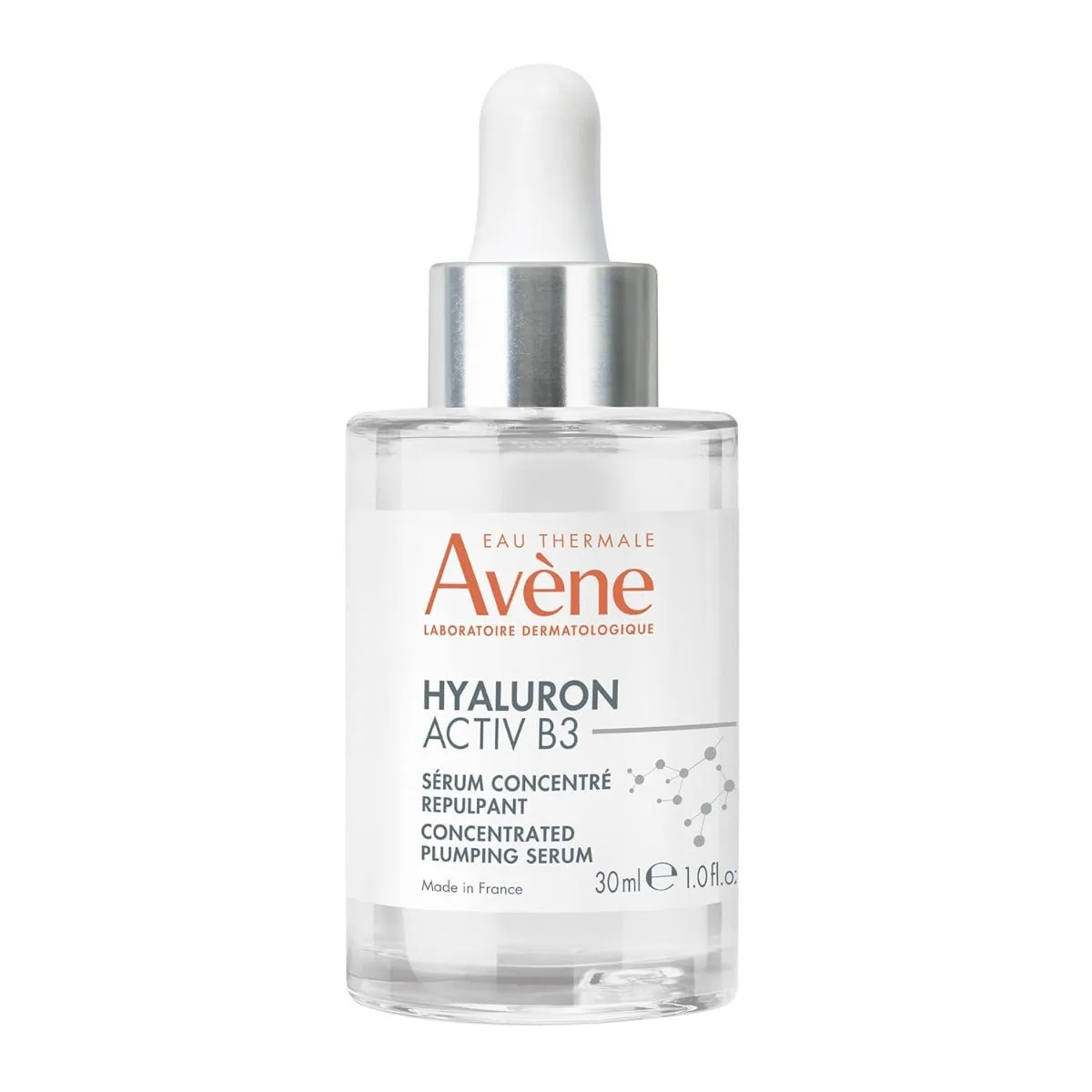
Confirm you're treating dehydration, not dryness — if your skin is flaky and tight all over regardless of season, you may need lipids and oils instead; if it's situationally dull, tight, or showing fine 'dehydration lines,' a humectant serum is the right tool. Look for a stack rather than a single ingredient: hyaluronic acid paired with glycerin and panthenol pulls in and holds more water than HA alone, which is why SKIN1004's and e.l.f.'s multi-humectant formulas score so well. Texture should be light and water-like so it layers under anything; that also makes these serums ideal for oily and combination skin that can't tolerate creams. The one non-negotiable technique: apply to damp skin and seal with a moisturizer, or a humectant can backfire in dry air. On price, $15–$25 is the sweet spot — the jump to $42 (Avène) buys brand and thermal-water extras, not better hydration.
Frequently Asked Questions
What's the difference between dry skin and dehydrated skin?
Dry skin is a skin type that lacks oil and tends to be a long-term trait, while dehydration is a temporary condition where the skin is short on water and can affect any skin type, including oily. Dehydrated skin often looks dull, feels tight, and shows fine surface lines that disappear when you hydrate. A humectant serum addresses dehydration; oils and lipid creams address true dryness.
Can oily skin be dehydrated?
Absolutely — dehydration is about water, not oil, so oily and acne-prone skin frequently lacks water while still producing plenty of sebum. In fact, harsh oil-stripping routines often trigger dehydration. A lightweight humectant serum with hyaluronic acid and niacinamide hydrates without adding heaviness, which is why these water-based serums suit oily skin so well.
Why does my hyaluronic acid serum sometimes make my skin feel drier?
In a dry environment with no moisturizer on top, hyaluronic acid can draw water from the deeper layers of your skin and let it evaporate off the surface, leaving you more dehydrated than before. The fix is simple: apply the serum to slightly damp skin so it has surface water to grab, then seal it with a moisturizer. Done that way, it pulls and holds water effectively.
How quickly does a hydrating serum work?
Hydration is one of the fastest-acting things in skincare — you'll often notice plumper, smoother, less crepey skin within a day or two of consistent use, since you're physically adding water to the surface. Unlike anti-aging actives, there's no weeks-long ramp. Maintaining it just requires using the serum daily and sealing it in, because hydration is replenished, not permanently fixed.