Best Serums for Sensitive Skin
Updated September 2026 · independently researched, no sponsored placements
Our top 40 picks, ranked from 787 reviewed products — ranked by our overall assessment of formula, safety and value.

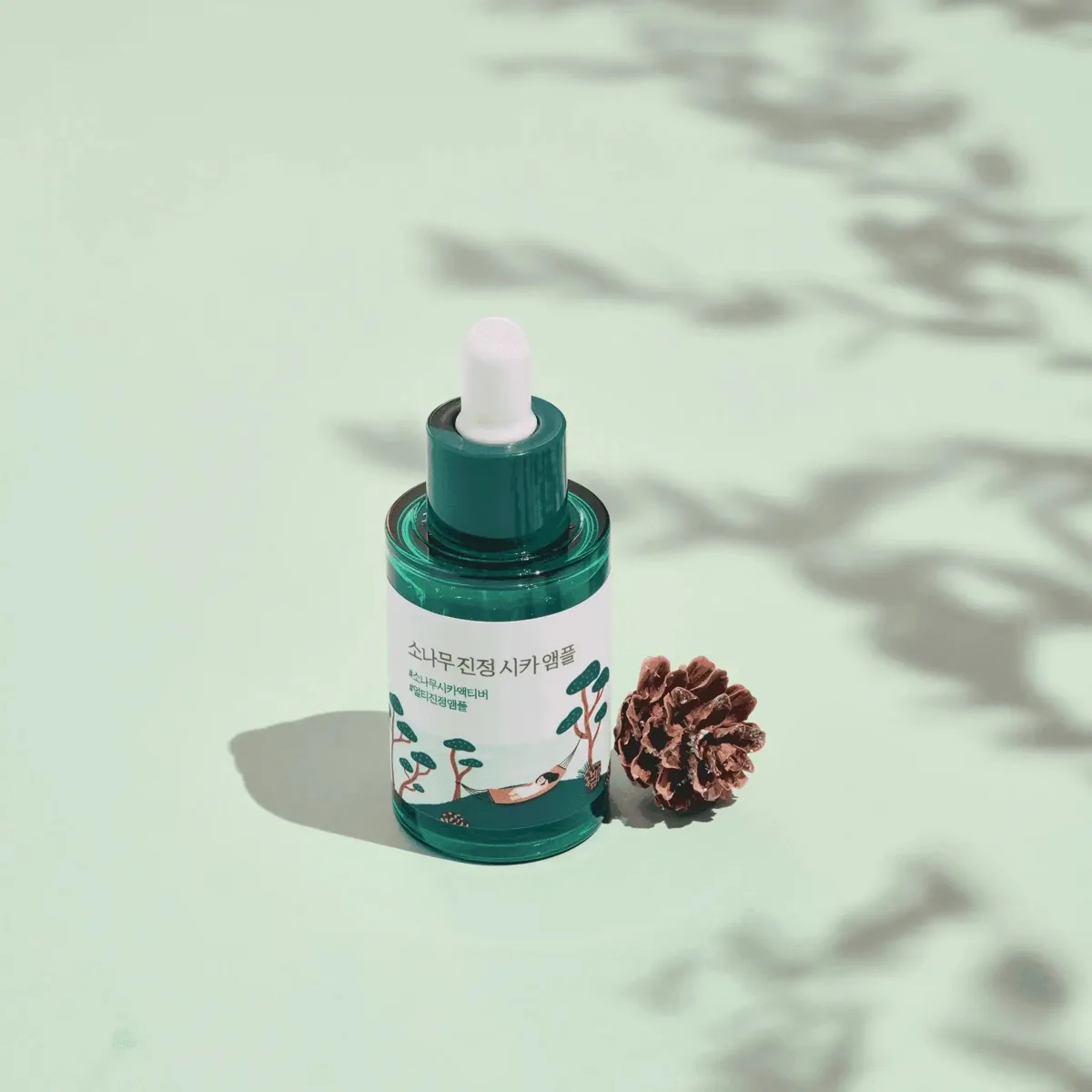

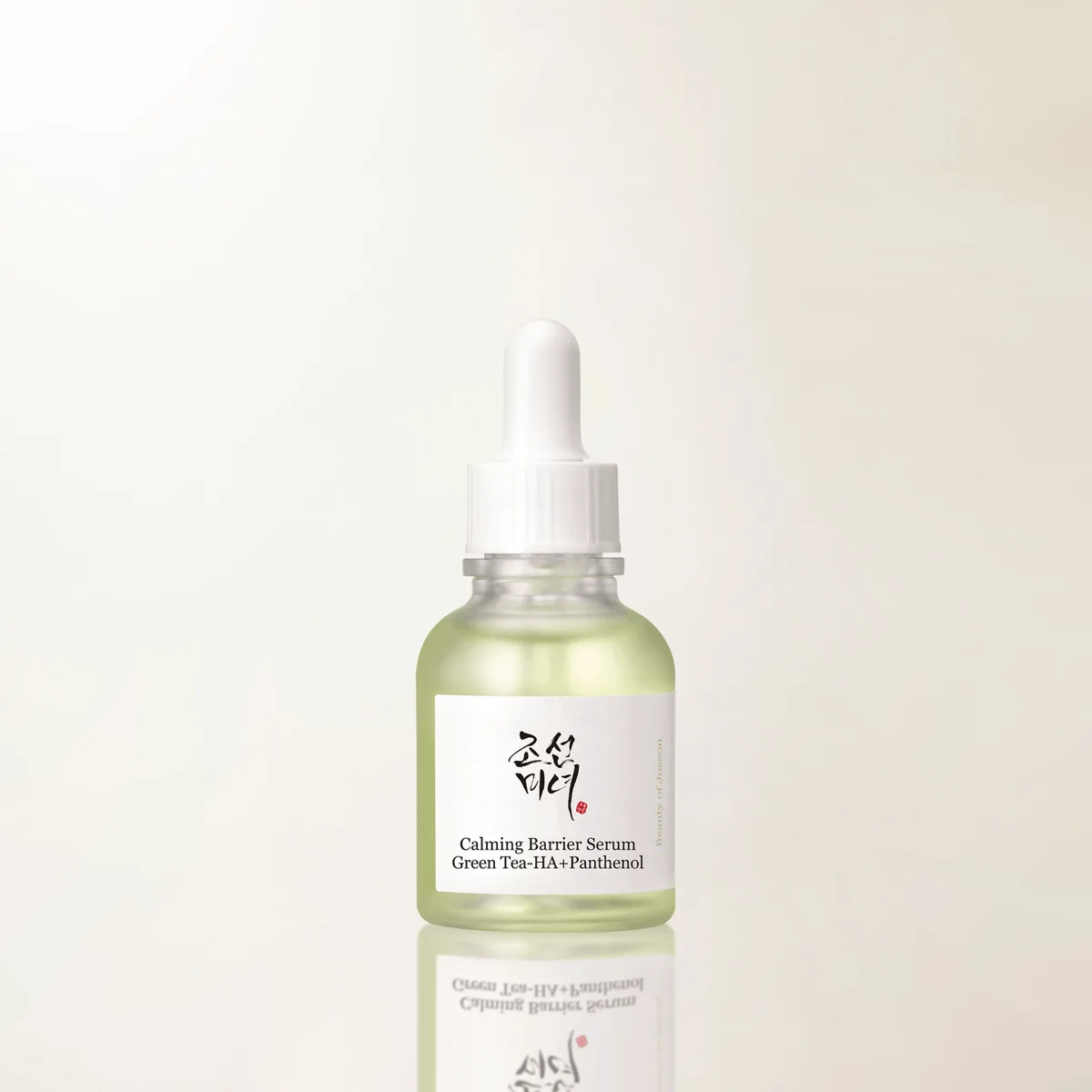


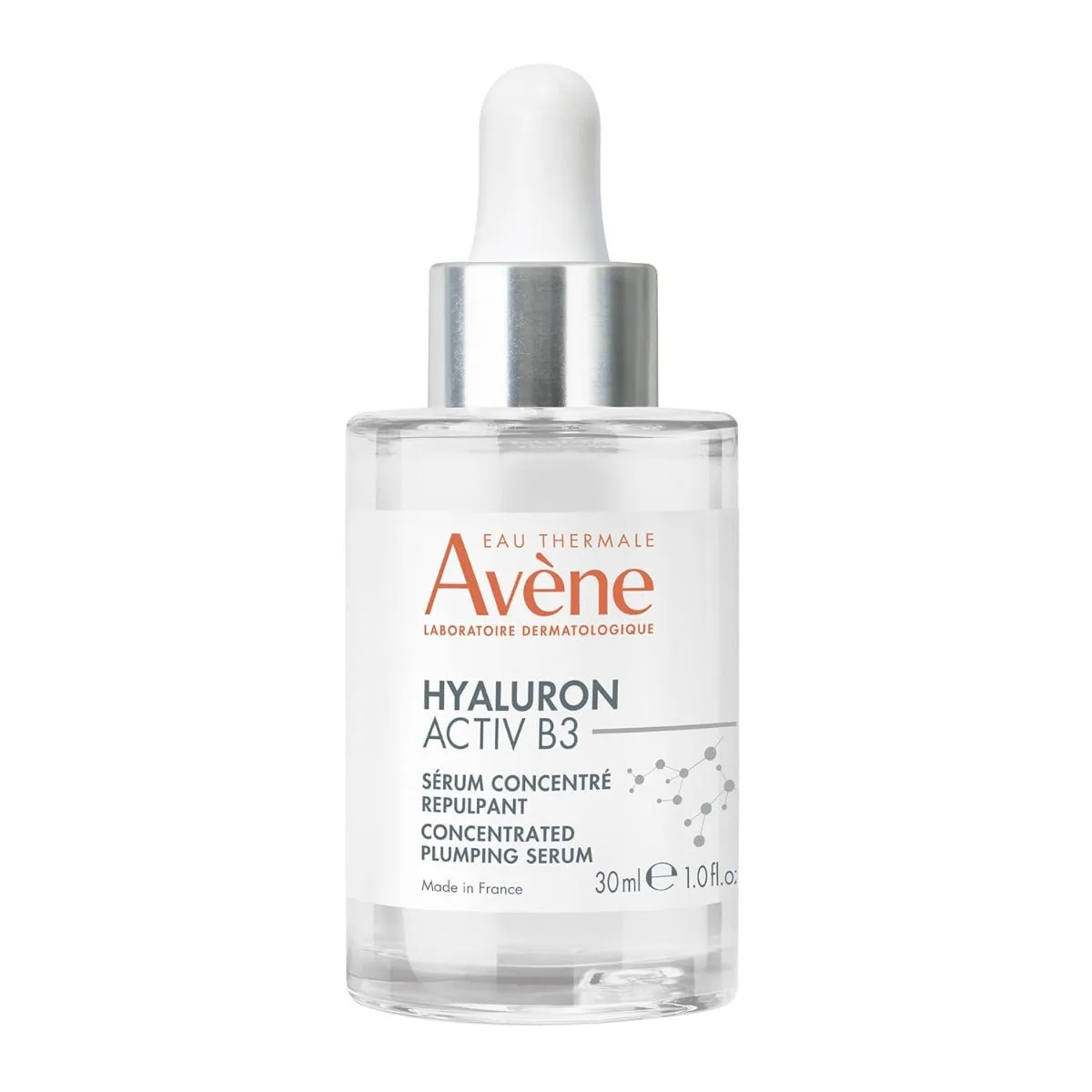

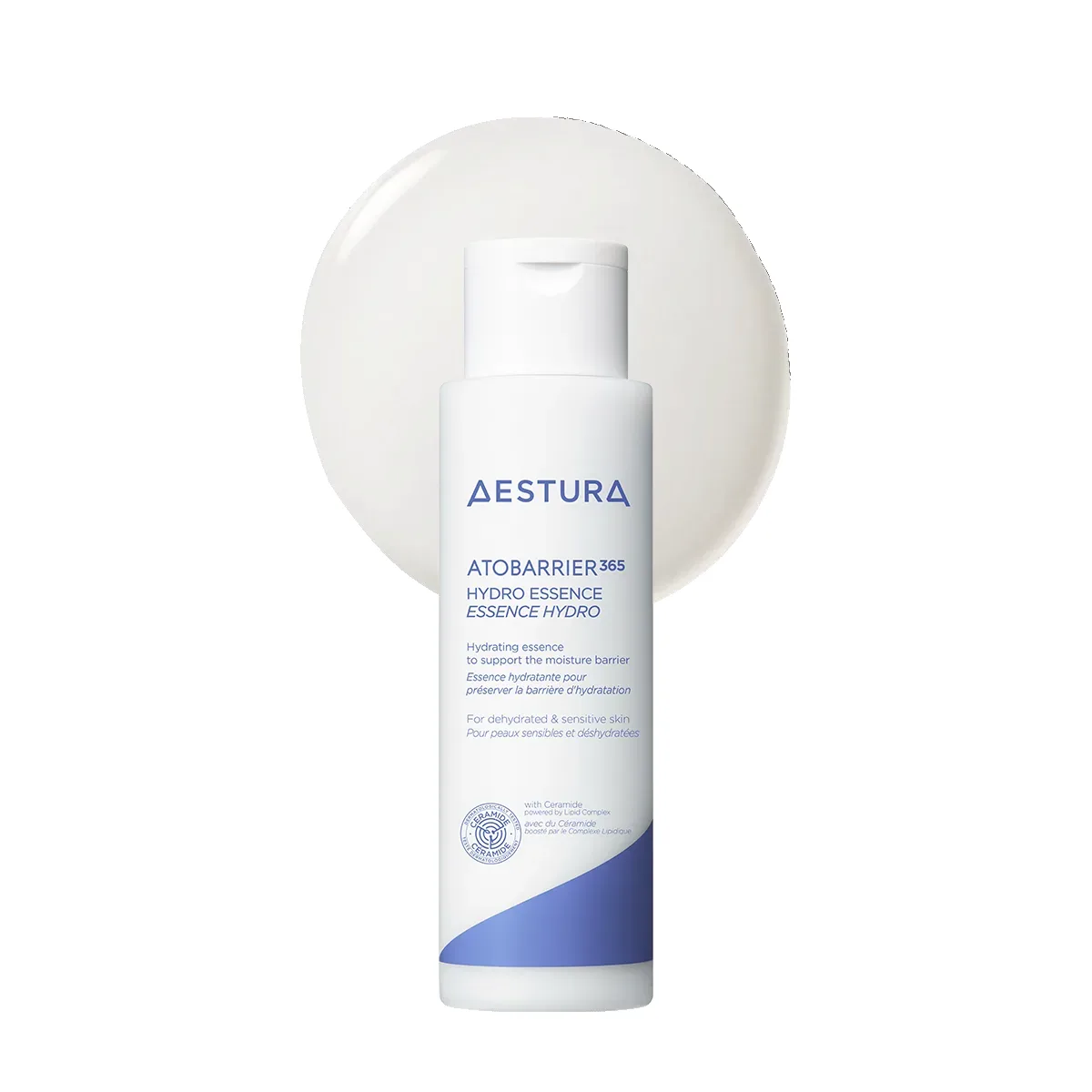







How to Choose
The best serums for sensitive skin invert what most people think a serum is for: instead of stacking potent actives, they calm and reinforce. A serum is usually where the routine gets aggressive — high-percentage acids, vitamin C, retinoid boosters — and for reactive skin that's exactly where things go wrong.
Sensitive skin doesn't need more stimulation; it needs fewer triggers and a stronger barrier so it stops overreacting in the first place. The standout formulas here read like soothing concentrates. Centella asiatica (cica) is the hero ingredient, clinically calming and barrier-supportive, which is why SKIN1004's Hyalu-Cica serums ($16–$25) and Mary & May's Centella Asiatica Serum ($19) dominate the rankings. Pair that with humectants — hyaluronic acid, glycerin, panthenol — and you get hydration without irritation. If you want one functional active, niacinamide at a modest 4–5% is the gentlest choice for evening tone and reinforcing the barrier; Tunemakers' minimalist niacinamide serum ($17) keeps the ingredient list short, which is its own form of safety. What to avoid: fragrance and essential oils (fragrance is the leading sensitizer), denatured alcohol high on the list, and serums that pile on five actives at once. The shorter the formula, the fewer the suspects. One honest caveat — introduce any new serum slowly, every other day, and patch test first, because even gentle ingredients can surprise reactive skin. At $10 to $25, calm is cheap.
Buying Guide
Treat the serum as a soothing and hydrating step, not a place to be adventurous. The most reliable choices for sensitive skin lead with calming actives — centella asiatica, panthenol, beta-glucan, or bifida ferment — paired with simple humectants like hyaluronic acid and glycerin. Favor a short ingredient list; fewer components means fewer potential triggers, and a minimalist niacinamide or HA serum is often safer than a loaded multi-active. Fragrance-free is non-negotiable, and you should scan the label yourself for essential oils and denatured alcohol, both of which can sting reactive skin. If you want a functional active, niacinamide around 4–5% is the gentlest route to tone and barrier support, while higher-strength acids, vitamin C, and retinoid boosters are best approached cautiously or skipped at the serum step. Texture should feel light and absorb cleanly, leaving skin comfortable rather than tight. Prices range from about $10 to $69, but several of the best-tolerated, top-scoring options sit under $25 — so introduce whatever you choose slowly and patch test before daily use.
Frequently Asked Questions
What serum ingredients are safest for sensitive skin?
Centella asiatica, panthenol, beta-glucan, hyaluronic acid, and glycerin are among the best-tolerated, offering soothing and hydration without stimulation. If you want a functional active, niacinamide at around 4–5% is the gentlest option for tone and barrier support on reactive skin.
Can sensitive skin use a vitamin C or retinol serum?
Sometimes, but cautiously — both can irritate reactive skin, so start with a low strength, use it every few days, and buffer with a moisturizer. Many people with sensitive skin do better choosing a calming centella or niacinamide serum and reserving stronger actives for a tolerance-building approach over time.
Should a serum for sensitive skin be fragrance-free?
Yes — fragrance is the most common cause of skin reactions, so a fragrance-free serum removes the biggest variable. Be sure to check for essential oils too, since "natural" scent ingredients can be just as sensitizing as synthetic fragrance.
How do I introduce a new serum if my skin reacts easily?
Patch test on your inner forearm for a few days first, then start applying it to your face every other day before building to daily use. Introducing one product at a time also makes it easy to identify the culprit if a reaction does occur.
Is a simple serum better than a multi-active one for sensitive skin?
Generally yes — a shorter ingredient list means fewer potential triggers, which is why minimalist hydrating or centella serums are often the safest choice. Multi-active serums increase the odds that one component irritates, so for reactive skin, less really is more.