Best Serums for Dark Spots
Updated September 2026 · independently researched, no sponsored placements
Our top 35 picks, ranked from 551 reviewed products — ordered by each product's hyperpigmentation verdict, then evidence strength.


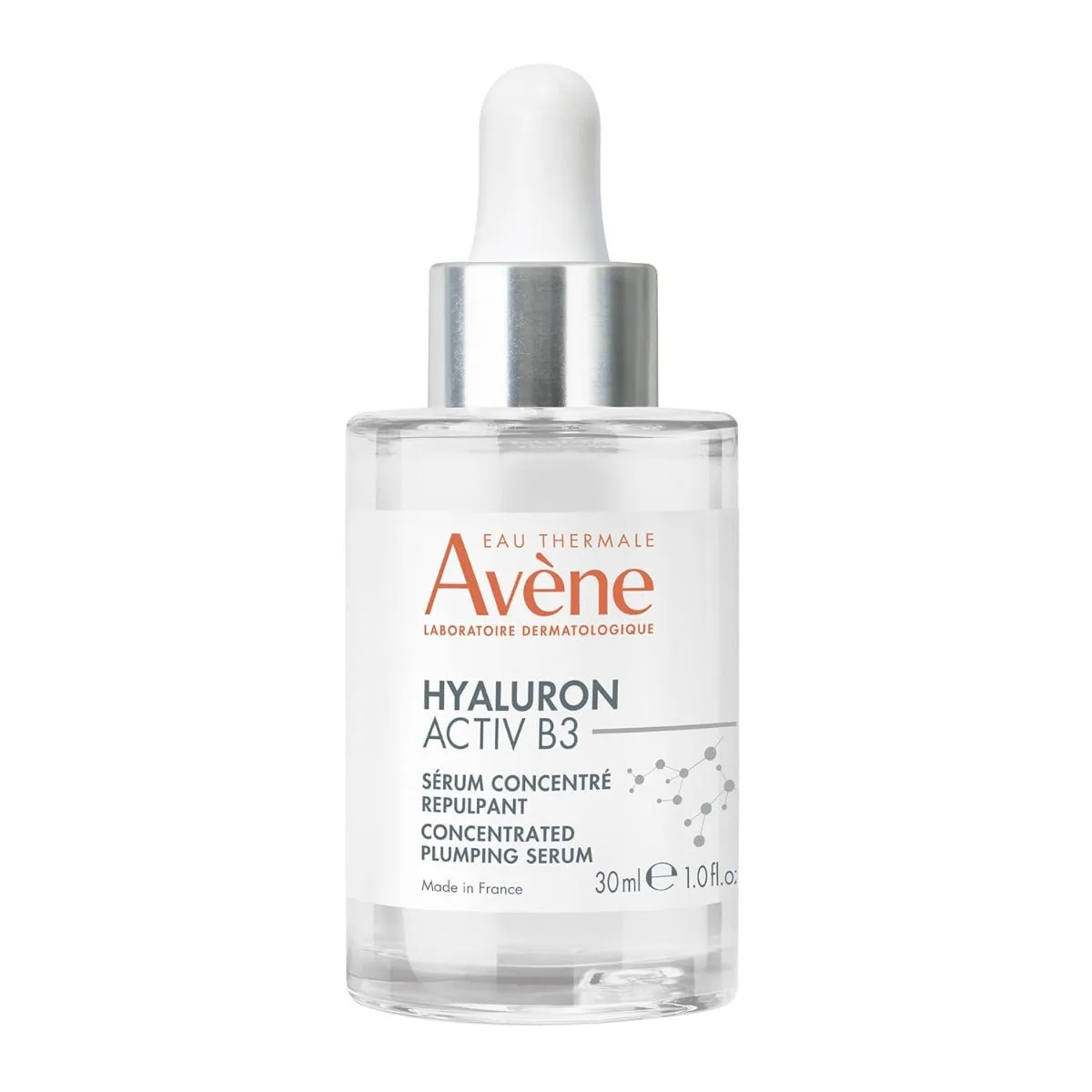




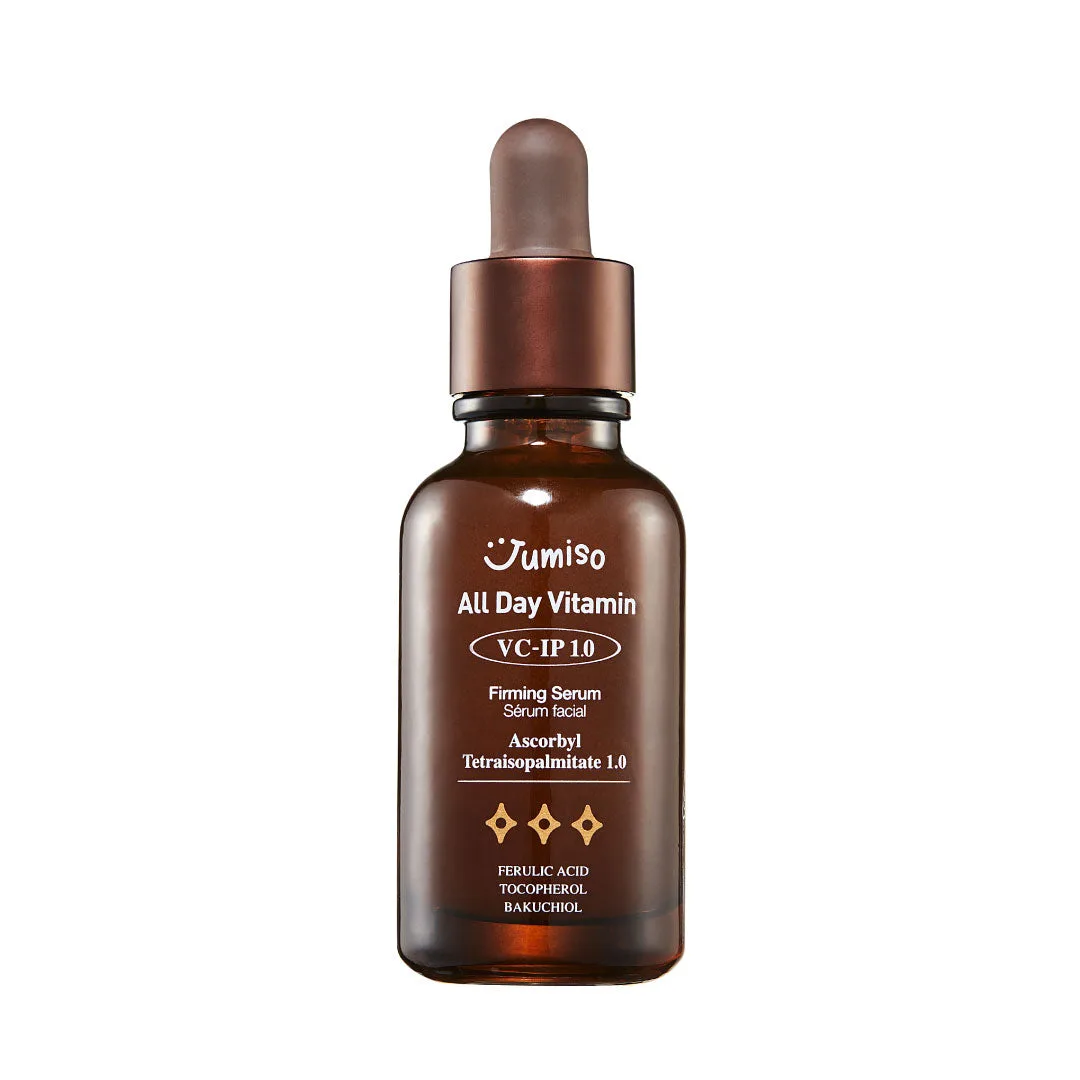


How to Choose
The best serum for dark spots fades the discrete marks left behind by old breakouts and years of sun — those sharp-edged brown dots that linger long after the pimple or the summer is gone. Unlike diffuse discoloration, a dark spot is a concentrated deposit of melanin in one spot, which is both good and bad news: it's a clear target, but the pigment can sit deep and take months to clear.
There's no genuine spot-eraser, so ignore any serum promising to vanish a mark in days. What actually works is a brightener that throttles melanin production while skin turnover slowly carries the existing pigment up and out — vitamin C, niacinamide, alpha arbutin, tranexamic acid, kojic acid, and licorice are the proven players. 's Thirst Burst Drops ($18) and Tunemakers' undiluted niacinamide ($17) punch well above their price. For tougher sun spots, a multi-active fader like SkinCeuticals Discoloration Defense ($112) or the alpha-arbutin-rich Cocokind Chlorophyll serum ($20) leans harder on tyrosinase inhibition. You can apply these all over or press extra onto individual spots. The honest caveat: dark spots are a patience exercise — figure 8 to 12 weeks minimum, often longer for deep sun spots — and every spot you fade can be replaced by a new one if you skip daily sunscreen. A truly stubborn, changing, or irregular spot deserves a dermatologist's eyes, not a serum.
Buying Guide
First, identify what made the spot. Post-acne dark marks (post-inflammatory hyperpigmentation) respond well to niacinamide, which calms lingering inflammation, plus a gentle exfoliant to speed turnover. Sun spots and age spots — denser, more entrenched deposits — usually need a stronger tyrosinase-inhibitor stack: vitamin C, alpha arbutin, kojic acid, or tranexamic acid, ideally two combined. Look for the brightener at a real concentration, not trace levels, and consider whether you'll use the serum all over or dab it onto individual spots (thinner, fast-absorbing textures suit targeted use). Pairing a daytime antioxidant serum with a nighttime retinoid or acid accelerates results, but add one active at a time, because irritation can darken spots rather than fade them. Budget is on your side: highly rated dark-spot serums start under $20, and the $100-plus options buy a fuller multi-acid blend rather than a categorically better result. The one rule with no exception is daily broad-spectrum sunscreen — it's what stops new spots from forming as fast as you fade the old ones, and it protects freshly cleared skin from re-darkening.
Frequently Asked Questions
What's the difference between dark spots and general hyperpigmentation?
Dark spots are discrete, well-defined marks — individual sun spots, age spots, or post-acne blemishes — while hyperpigmentation is the broader category that also includes diffuse, patchy discoloration like melasma. They share the same root cause, excess melanin, and respond to the same brightening actives. The practical difference is that distinct spots can be targeted individually, whereas widespread discoloration calls for all-over treatment.
How long does it take to fade a dark spot with a serum?
Plan on at least 8 to 12 weeks of daily use, and often several months for deeper sun spots, since the pigment has to be broken down and carried out through natural skin turnover. Recent post-acne marks tend to fade faster than long-standing sun-induced spots. Consistency and daily sunscreen are what make the timeline work; sporadic use stretches it out indefinitely.
Can I spot-treat dark spots or should I apply serum all over?
You can do both. Applying a brightening serum across the whole area evens out tone and prevents new spots, while pressing an extra layer onto individual marks can speed their fading. Just keep potent actives like high-strength vitamin C or acids from over-concentrating on one area, which can irritate and worsen the very spot you're targeting. For most people, all-over use with optional spot reinforcement works best.
When should I see a dermatologist about a dark spot instead of using a serum?
See a dermatologist if a spot is changing in size, shape, or color, has irregular borders, or simply looks different from your others — these can be signs that need professional evaluation. Also worth a visit are deep or long-standing spots that haven't budged after a few months of consistent treatment, since in-office options like prescription formulas, chemical peels, or lasers may be needed. A serum is a fine first step, not a substitute for evaluating a suspicious lesion.