
Good Molecules Routine Guide: Brightening a Full Regimen for Pocket Change
Updated September 2026 · picks refresh with our database
About Good Molecules All Good Molecules reviews →
Launched in 2019 as the in-house skincare line of e-commerce retailer Beautylish; ingredient-led and affordable with transparent active percentages, it relies on the published research behind well-studied raw ingredients rather than brand-specific clinical trials.
Good Molecules was born inside a shopping cart. Beautylish, the e-commerce retailer founded by former Bergdorf Goodman buyer Nils Johnson, spent a decade watching which serums customers actually repurchased and finished before launching its own line in 2019 — a catalog built from that purchase data rather than from trend forecasting. The result is deliberately unglamorous: well-studied ingredients at disclosed percentages, iterated like software, with most bottles priced in the six-to-fifteen-dollar range. Its science case rests on the published research behind those raw ingredients rather than brand-run trials, which is worth knowing and, at these prices, a reasonable trade.
For fading dark spots and reviving dull skin, the catalog's depth happens to sit exactly where you need it — the treatment and serum shelves are the brand's largest, stocked with the brightening workhorses: azelaic acid, niacinamide, and gentle resurfacing options. Cleansers are plentiful too. The thin end is sun protection, with only a pair of SPF options — a genuine limitation for a pigmentation routine, since unprotected UV exposure re-darkens every spot you're trying to fade. When the in-house options can't cover a step properly, this page swaps in an outside pick on its own.
Go all-in on one brand here if you like your skincare quantified and cheap enough to experiment with; a full regimen costs less than most single serums. Skip the one-brand approach if deep or melasma-type pigmentation is the fight — that tier of problem deserves prescription options a budget line can't offer.
Good Molecules Routine Guide: Brightening a Full Regimen for Pocket Change
dermapproved.com/routines/good-molecules/ · September 2026
Morning Routine


Sunscreen
Good Molecules
Good Molecules Sheer Mineral Sunscreen SPF 30
Final morning step — apply generously and reapply every two hours in direct sun.
The honest swap
This step is done meaningfully better outside the brand:
Dr. Sheth's Ceramide & Vitamin C Sunscreen SPF 50 (Full protection for hyperpigmentation)
1 alternative

Evening Routine
Cleanser Good Molecules Brightening & Dark Spots Bar — same as your morning cleanser
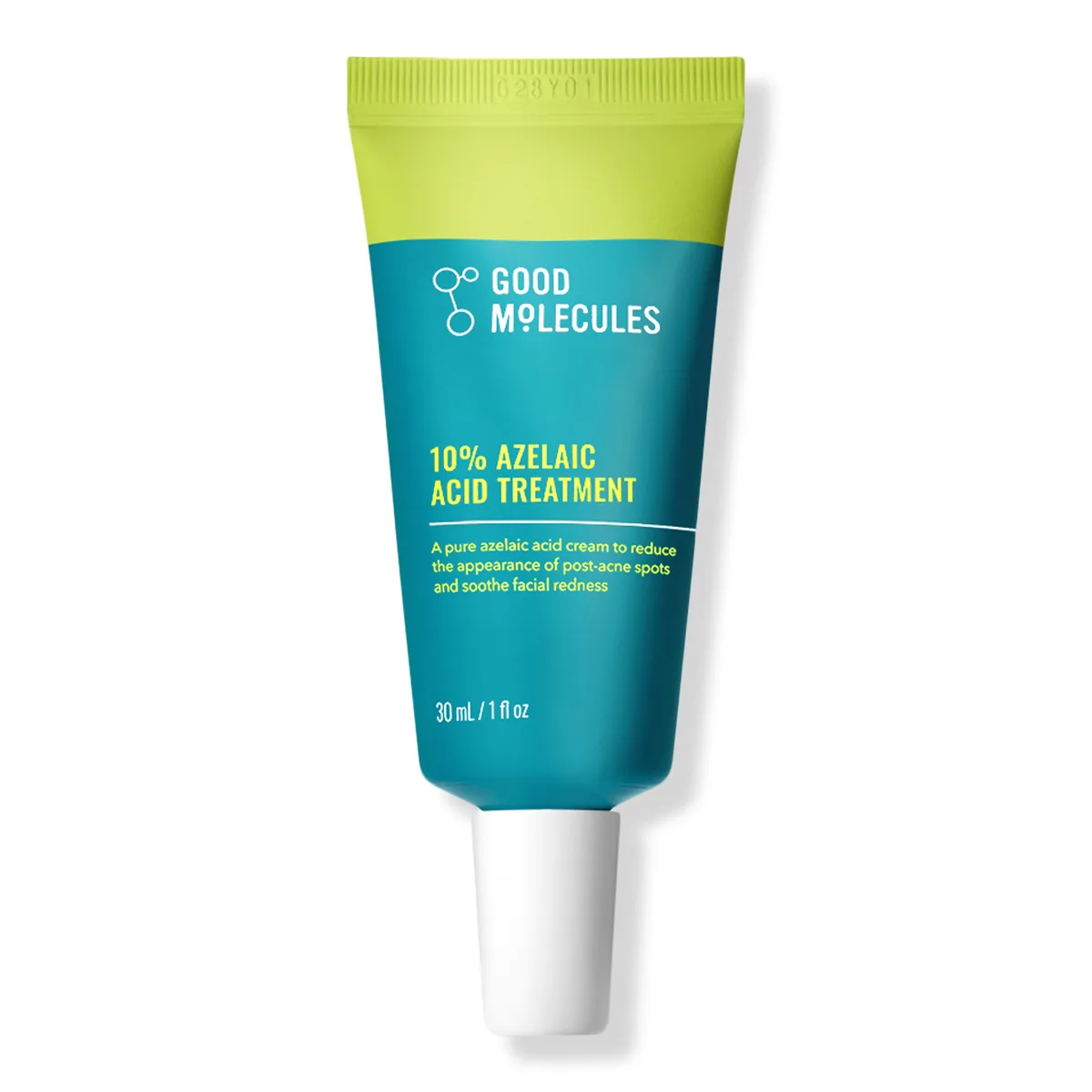


Moisturizer Good Molecules Hydrating Gel Moisturizer with Electrolytes — same as your morning moisturizer
Independently scored, no sponsored placements — dermapproved.com
Not quite your skin?
This routine is one profile. Answer six quick questions and our engine rebuilds it around your exact skin type, concerns, budget, and experience with actives.
Frequently Asked Questions
Can Good Molecules actually fade dark spots?
For post-blemish marks and general unevenness, its brightening actives — azelaic acid, niacinamide, and similar — carry solid published evidence at the concentrations the brand discloses. Expect gradual change over eight to twelve weeks with daily SPF. For deeper, hormonal melasma-type pigmentation, over-the-counter actives at any price have limits, and a dermatologist visit outperforms any routine.
Are the ingredient percentages on Good Molecules labels trustworthy at $6?
The disclosed percentages align with the studied ranges for each active, and the low prices trace to the retailer-owned business model — no wholesale markup, minimal packaging, no advertising budget — rather than to under-dosing. What you give up is refinement: textures are functional, and there's no proprietary delivery technology, just straightforward formulas.
In what order should a Good Molecules brightening routine be applied?
Cleanse, then apply water-light serums before anything creamy, finishing with moisturizer — and sunscreen every single morning, since UV undoes brightening work faster than actives can do it. If you're using both an exfoliating treatment and a brightening serum, split them between evening and morning rather than piling them into one session.
Is Good Molecules' sunscreen selection strong enough for a pigmentation routine?
It's the catalog's weakest flank — just two options, both mineral-leaning SPF 30. They're serviceable for daily wear, but a dark-spot routine really benefits from protection you love enough to reapply, so this is the one step where shopping outside the brand is actively encouraged if neither texture wins you over.
Who should mix other brands into a Good Molecules routine?
Three groups: anyone needing higher-strength retinoids than the line carries, sunscreen enthusiasts who want more finish options, and people with reactive skin who need the shorter, fragrance-free ingredient lists of dedicated sensitive-skin brands. For everyone else chasing glow on a budget, the in-house catalog covers a surprising amount of ground.
Products are selected by our matching engine from independently scored reviews — no sponsored placements. Recommendations are not a substitute for professional dermatological advice; if you have a diagnosed skin condition, consult your dermatologist before starting a new routine.