Best Sunscreens for Hyperpigmentation
Updated September 2026 · independently researched, no sponsored placements
Our top 26 picks, ranked from 309 reviewed products — ordered by each product's hyperpigmentation verdict, then evidence strength.







How to Choose
The best sunscreen for hyperpigmentation isn't the one with the most brighteners stacked into the bottle — it's the one you'll actually reapply, ideally with iron oxides to block the visible light that keeps dark spots coming back. Here's the part most spot-correcting routines miss: UVA and UVB aren't the only triggers.
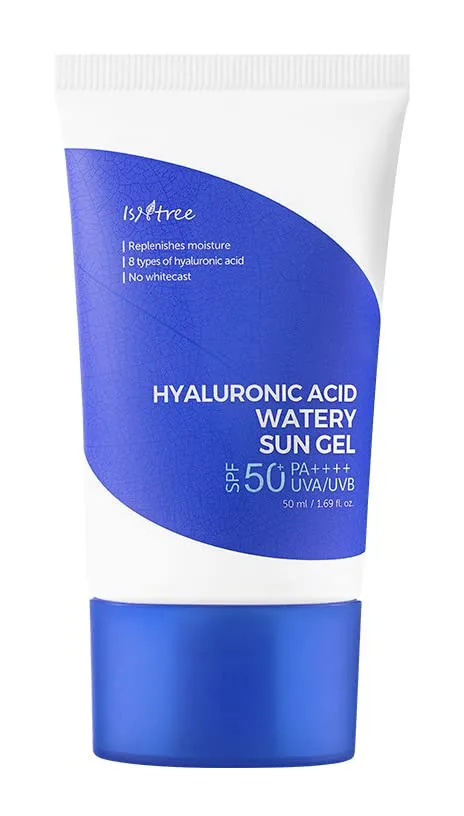
High-energy visible light, the kind streaming off your screen and through windows, drives melanin production too, especially in deeper skin tones and in melasma. That's why a tinted formula matters more here than almost anywhere else. Iron oxides (look for them in the EltaMD UV Clear Tinted or any visible-tint mineral SPF) physically scatter that light in a way clear chemical filters can't. Beyond the tint, the smart move is a sunscreen that pulls double duty: niacinamide, which interrupts the transfer of pigment to skin cells, shows up in standouts like La Roche-Posay Anthelios UV Clear and the budget-friendly Isntree Watery Sun Gel at $22. A few even fold in azelaic acid or vitamin C. But manage the timeline honestly — sunscreen prevents new spots and protects the fade work your serums are doing; it won't erase existing pigment on its own, and you're looking at 8 to 12 weeks of daily, consistent use before the mirror agrees with you. Skip the SPF on cloudy days and you've quietly undone a month of progress. Pick one texture you genuinely like, in a tint that disappears on your skin, and wear it every single morning.
Buying Guide
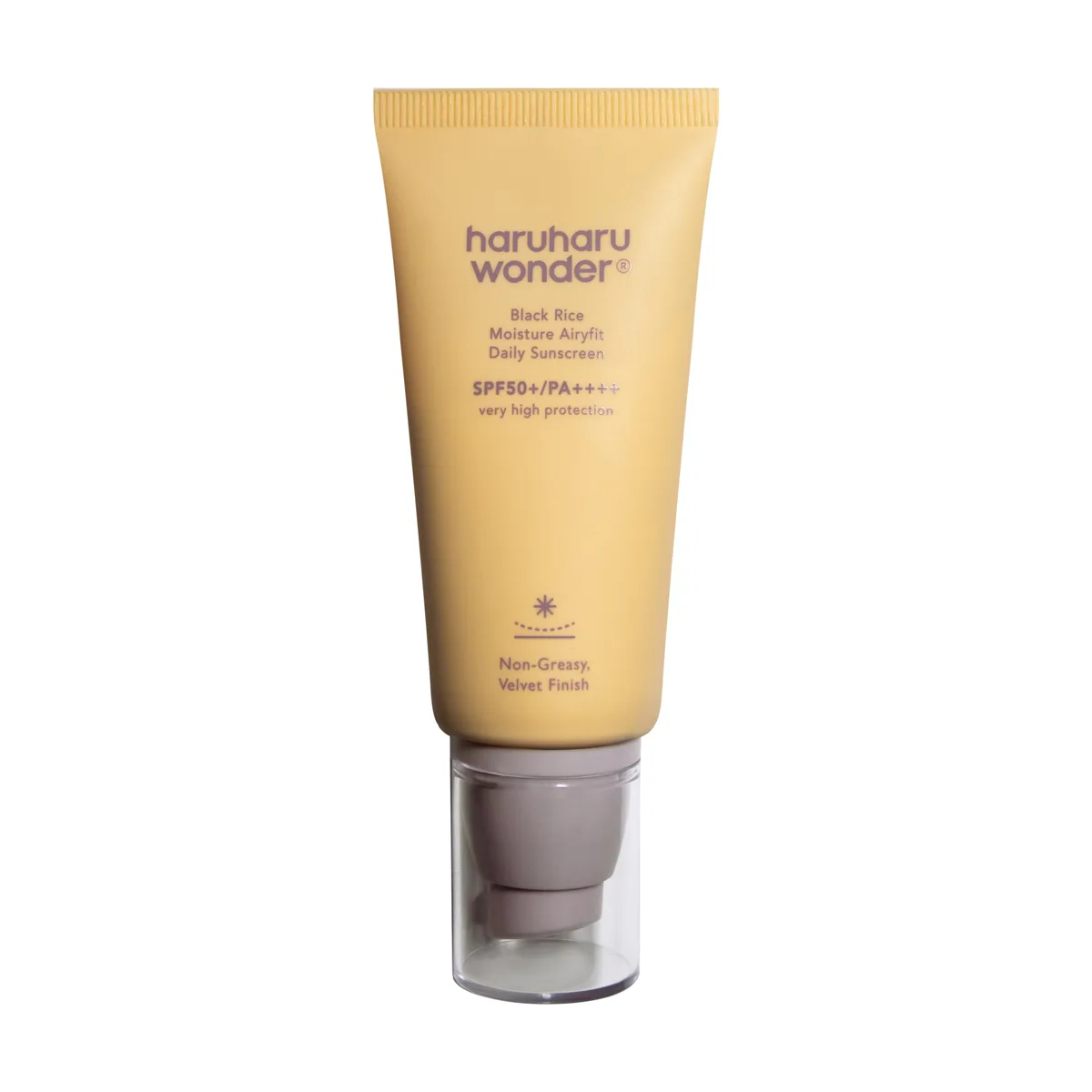
Start with the tint. For hyperpigmentation and especially melasma, a sunscreen with iron oxides (which give it that sheer beige cast) shields against visible light that clear formulas let straight through — the tinted EltaMD UV Clear and other iron-oxide mineral SPFs are worth the extra step. Next, treat any added brightener as a bonus, not the main event: niacinamide at a meaningful level (in the Isntree, Naturium Dew-Glow, and both Anthelios formulas) genuinely helps fade pigment over time, but the SPF rating and your reapplication habit do the heavy lifting. Match the texture to your skin so you'll wear it daily — the watery K-beauty gels like Isntree and Benton Air Fit sit weightless under makeup, while a moisturizing mineral like Naturium doubles as your morning cream. Expect to spend anywhere from $16 to $47; the Rohto Sunplay at $16 proves you don't need a luxury price to get reliable, high-SPF protection. Above all, choose broad-spectrum SPF 50, and buy enough that you never ration it.
Frequently Asked Questions
Does sunscreen actually fade existing dark spots?
Not directly — sunscreen's job is to prevent new pigment and stop existing spots from getting darker. What it does brilliantly is protect the work your brightening serums and exfoliants are doing, so a vitamin C or tranexamic acid treatment can actually win the fade. Without daily SPF, UV and visible light keep re-triggering melanin and your spots never budge.
Why are tinted sunscreens recommended for melasma and hyperpigmentation?
Tinted sunscreens contain iron oxides, which block high-energy visible light (HEVL) — a known driver of melasma and pigment in medium-to-deep skin tones that standard clear sunscreens don't filter. Studies on melasma have found tinted, iron-oxide formulas outperform non-tinted ones at preventing recurrence. The tinted EltaMD UV Clear is a common dermatology-office pick for exactly this reason.
Is mineral or chemical sunscreen better for dark spots?
Both prevent the UV damage that worsens pigmentation, so the better one is whichever you'll wear consistently. Mineral formulas with zinc oxide, like Naturium Dew-Glow, are a safe bet if added iron oxides give them a tint; chemical filters like the avobenzone in Anthelios tend to feel lighter and leave no cast. For visible-light protection specifically, the tint matters more than the filter type.
What SPF do I need if I'm trying to treat hyperpigmentation?
Use broad-spectrum SPF 50 and reapply every two hours of sun exposure — pigment-prone skin has zero margin for missed protection. Picks like Isntree Watery Sun Gel SPF 50+ and the SPF 50 Anthelios range hit that mark. The number on the bottle matters far less than applying a full, generous layer and topping it up through the day.
- Hyperpigmentation & Dark SpotsYou Are Fading a Spot Your Commute Redraws Every MorningEvery pigment-fading active runs against a re-pigmenting stimulus, and for melasma part of that stimulus is visible light — which broad-spectrum sunscreen does essentially nothing about unless you can see it on your face.
- Hyperpigmentation & Dark SpotsYour Brightening Serum Is Fine. It Is Being Applied to the Wrong Disease.'Dark spots' bundles at least five distinct processes that sit at different depths, respond to different things, and have wildly different prognoses — one clears on its own, one relapses forever, and one will not move for any serum ever made.