KAINE's Green Fit Pro Sun uses four modern EU-tier UV filters (Uvinul A Plus, Tinosorb S, Uvinul T 150, Mexoryl SX) plus titanium dioxide, fragrance-free, with panthenol and multi-weight HA at under $20. The combination of modern-filter access and budget pricing is unusual — most modern-filter K-beauty sunscreens cost $25-$40.
A modern Korean hybrid sunscreen that delivers four advanced filters US shoppers normally cannot buy, plus titanium dioxide, panthenol, and multi-weight hyaluronic acid — for under twenty dollars. The finish is light and satin, it is fragrance-free and fungal-acne safe, and the only meaningful catch is a 55ml tube that empties faster than you would like. One of the best sunscreen values going.
Note: KAINE is an emerging brand and this product has been on the market about three years with moderate review volume. Our assessment leans on the well-established performance of its modern UV filters alongside early real-world feedback, and we will revisit it as more cumulative consumer data accumulates.
Verdicts
How well it fits each concern
Verdict by concern tap a concern for the case
Full protectionfor Sun DamageIn your profileYou chose · Broad-spectrum SPF 50 with titanium dioxide, Uvinul A Plus, bemotrizinol (Tinosorb S), ecamsule (Mexoryl SX): the protection sun damage calls for.Moderate evidenceGentleNo reviews collected yet
The case for it
Hybrid UV Filter Stack is a first-line active — approved, monograph-listed or named in current guidelines — for this concern.
It is plausibly present at a working level, though the concentration is not declared.
The formula carries none of the triggers this concern is sensitive to.
What would change this: A declared concentration would move this to a firmer reading of the dose.
Same rule for everyone. “Full protection” is the verdict on 2,288 of 45,024 concern verdicts across the catalog; rule P1 decided 2,232 of them.
Unchanged since September 5, 2026, engine 5.1.1.
P1 — Photoprotection standing is regulatory (M020 / Annex VI filters; 21 CFR 201.327 attaches the early-skin-aging claim to tested broad-spectrum SPF 15+). SPF 30 is the AAD daily-use bar. · the full register
Carrying active
Hybrid UV Filter Stack
Standing
first line — a regulator recognises it for this use; trials support it · per § 352.10 Sunscreen active ingredients. (U.S. Food and Drug Administration — 21 CFR Part 352 (Sunscreen Drug Products for Over-the-Counter Human Use), Code of Federal Regulations via GovInfo), opened July 27, 2026
Form
plausible — studied range up to 25%, from the OTC monograph or label; needs leave-on contact
Tolerability
gentle
Row checked
against its sources on July 27, 2026 (evidence table ev-2026.09-r228)
21 CFR 352.10 — Sunscreen active ingredients — US Food and Drug Administration / Electronic Code of Federal Regulations (retrieved 2026-07-16; note stayed effective date), opened July 16, 2026
Full protectionfor AgingIn your profileYou chose · Broad-spectrum SPF 50 with titanium dioxide, Uvinul A Plus, bemotrizinol (Tinosorb S), ecamsule (Mexoryl SX): the protection aging calls for.Not yet assessedGentleNo reviews collected yet
The case for it
Hybrid UV Filter Stack has no evidence row yet for this concern — it is in the research queue.
The formula carries none of the triggers this concern is sensitive to.
What would change this: A researched evidence row for the lead active would replace this with a verdict.
Same rule for everyone. “Full protection” is the verdict on 2,288 of 45,024 concern verdicts across the catalog; rule P1 decided 2,232 of them.
Unchanged since September 5, 2026, engine 5.1.1.
P1 — Photoprotection standing is regulatory (M020 / Annex VI filters; 21 CFR 201.327 attaches the early-skin-aging claim to tested broad-spectrum SPF 15+). SPF 30 is the AAD daily-use bar. · the full register
Full protectionfor HyperpigmentationIn your profileYou chose · Broad-spectrum SPF 50 with titanium dioxide, Uvinul A Plus, bemotrizinol (Tinosorb S), ecamsule (Mexoryl SX): the protection hyperpigmentation calls for.Not yet assessedStandard tolerabilityNo reviews collected yet
The case for it
Hybrid UV Filter Stack has no evidence row yet for this concern — it is in the research queue.
The formula carries no trigger this concern is sensitive to, with the cautions noted.
Cautions: known irritants.
What would change this: A researched evidence row for the lead active would replace this with a verdict.
Same rule for everyone. “Full protection” is the verdict on 2,288 of 45,024 concern verdicts across the catalog; rule P1 decided 2,232 of them.
Unchanged since September 5, 2026, engine 5.1.1.
P1 — Photoprotection standing is regulatory (M020 / Annex VI filters; 21 CFR 201.327 attaches the early-skin-aging claim to tested broad-spectrum SPF 15+). SPF 30 is the AAD daily-use bar. · the full register
Does the jobDoes what a sunscreen is for: UVA coverage, kind to the skin wearing it. Not measured from the label: pleasant enough to actually use.
A verdict is DermApproved’s assessment of how well a product’s ingredients fit a concern — never a claim about what the product treats. Evidence dots and collected reviews sit beside it and are never blended in.
Rules 0.5.1 · evidence table ev-2026.09-r228 · how we decide
Assessment
Pros & Cons
Pros
✓ Four modern EU-tier UV filters plus titanium dioxide for even broad-spectrum coverage
✓ Exceptional value at under twenty dollars
✓ Light satin finish absorbs within about a minute
✓ Fragrance-free, making it suitable for sensitive and reactive skin
✓ Fungal-acne safe with no Malassezia-feeding esters
✓ Panthenol and triple-weight hyaluronic acid add real skincare benefit
✓ Hybrid filter design avoids the heavy feel of pure-mineral sunscreens
✓ Photostable filters hold up reliably through sun exposure
Cons
✗ 55ml tube empties faster than 100ml competitors
✗ Titanium dioxide can leave a faint initial cast before blending
✗ Deeper skin tones may notice more cast than fair-to-medium tones
✗ Limited US mainstream retail distribution
✗ Emerging brand with a shorter track record than legacy SPF names
Review
Full Review
Here is a fact that frustrates dermatologists and sunscreen nerds alike: the United States, for regulatory reasons, has not approved a new UV filter in decades, while the rest of the world has spent that time developing photostable, cosmetically elegant filters that make American sunscreens feel dated by comparison. So when a Korean sunscreen lands on Amazon for $18.99 carrying four of those modern filters, it deserves attention not as a novelty but as a genuine workaround — a way to access ingredients the FDA's slow pipeline keeps out of domestic formulas. KAINE's Green Fit Pro Sun is exactly that, and it is one of the more quietly impressive things you can buy in this category right now.
The filter system is the entire point, so let's open it up. The mineral component is titanium dioxide, the gentle, well-tolerated workhorse for UVB. The chemical side is where it gets good: Diethylamino Hydroxybenzoyl Hexyl Benzoate, better known as Uvinul A Plus, is essentially avobenzone's photostable successor, peaking at full UVA coverage without the degradation older filters suffer. Bis-Ethylhexyloxyphenol Methoxyphenyl Triazine — Tinosorb S — is one of the most potent broad-spectrum agents available, covering both UVA and UVB with exceptional stability and no white cast. Ethylhexyl Triazone, or Uvinul T 150, is a powerful UVB absorber. And Terephthalylidene Dicamphor Sulfonic Acid — Mexoryl SX — is one of the strongest dedicated UVA1 filters in existence. Put together, you get photostable, even, broad-spectrum SPF 50+ PA++++ protection. The hybrid approach matters: pairing a mineral filter with modern chemical filters tends to produce more even coverage across the UV spectrum than a pure-mineral or pure-chemical formula, and you sidestep the heavy, chalky feel that high-percentage mineral sunscreens are known for.
What lifts this above a bare-bones SPF is that KAINE treated it as a skincare product, not just a UV shield. Panthenol sits at the seventh INCI position — a meaningful inclusion — bringing pro-vitamin B5's barrier-supporting, humectant, and mild anti-inflammatory activity. Three molecular weights of hyaluronic acid (hyaluronic acid, hydrolyzed hyaluronic acid, sodium hyaluronate) layer in sustained hydration. And a botanical chorus of bamboo water, chlorella, green tea, mint, and thyme adds supporting antioxidant activity that complements the photoprotection. None of these will replace your serum, but they mean the final step of your morning routine is doing a little quiet skincare work rather than just sitting there.
The in-use experience backs up the spec sheet. It is a light cream with a soft slip that absorbs into a satin finish within about a minute, and it is essentially scentless — a real plus for anyone who finds fragranced sunscreen headache-inducing or irritating. Daily sunscreen use lives or dies on whether the texture is pleasant enough that you actually reapply it, and a light, scentless, non-piling finish is exactly the kind of detail that turns sunscreen from a chore into a habit. It also sits well under makeup, which matters for anyone whose morning routine ends with foundation. The fragrance-free formula, with no Malassezia-feeding fatty acid esters, also makes it genuinely fungal-acne safe, which is a narrow but devoted audience well served here — fungal-acne sufferers spend a lot of time scrutinizing INCI lists, and this one passes. The honest caveat on finish: titanium dioxide can leave a faint initial cast before it blends, and deeper skin tones may notice that more than fair-to-medium tones do. With proper rubbing it largely disappears, but it is worth a patch test if cast is a dealbreaker for you.
The genuine downsides are practical rather than formulational. The tube is 55ml, which is smaller than the 100ml bottles a lot of competitors offer — and since proper sunscreen use means roughly two finger-lengths per face application plus reapplication, this empties in maybe two to three months of daily facial use. You will repurchase more often. US retail distribution is also still limited; this lives more in K-beauty channels and Amazon than on mainstream shelves. And KAINE itself is an emerging brand — founded around 2020, roughly five years on market — so it lacks the multi-decade track record of legacy sunscreen names. That is worth noting honestly, though it is a young brand with a strong reputation rather than an unknown one, and SPF performance here rests on filter chemistry that is itself thoroughly established.
It is worth a brief, friendly word of skepticism for the marketing too. The "Green Fit" botanical positioning leans on the bamboo, chlorella, and herbal extracts as a brand identity, and those ingredients are nice supporting players — but they are not why this sunscreen works. The filter stack is the substance. Fortunately, KAINE built the substance properly, so the marketing dressing is harmless. The bottom line is straightforward: at under $20, this gives you EU-tier modern filters, a fragrance-free fungal-acne-safe formula, a light cosmetically pleasant finish, and real skincare extras. The price for that combination is normally $25 to $40 or higher. If you can live with the smaller tube and the patch-test caveat on cast, this is about as much sunscreen as $19 can buy.
Formula
Key Ingredients
The hero actives that drive this product's performance.
Modern Korean hybrid sunscreen filter system combining mineral (titanium dioxide) with four advanced chemical filters not approved in US-formulated sunscreens. Diethylamino Hydroxybenzoyl Hexyl Benzoate (Uvinul A Plus), Bis-Ethylhexyloxyphenol Methoxyphenyl Triazine (Tinosorb S), Ethylhexyl Triazone (Uvinul T 150), and Terephthalylidene Dicamphor Sulfonic Acid (Mexoryl SX) collectively provide photostable broad-spectrum SPF 50+ PA++++ protection with cosmetic elegance unmatched by US-formulated alternatives.
Regulator-approvedfor Sun Damage · limited certainty
Sits at the seventh INCI position at meaningful concentration. Pro-vitamin B5 provides barrier-supporting, anti-inflammatory, and humectant activity within the sunscreen vehicle. The panthenol inclusion is what distinguishes treatment-tier Korean sunscreens from basic SPF — it delivers daily skincare benefit alongside UV protection.
Three forms of HA (hyaluronic acid, hydrolyzed hyaluronic acid, sodium hyaluronate) provide layered humectant support that compounds with the panthenol and the SPF filter system. The multi-weight approach targets different stratum corneum layers for sustained hydration through the day.
Bamboo water plus chlorella, green tea, mint, and thyme extracts contribute supporting antioxidant and anti-inflammatory chorus that amplifies the photoprotection. The 'Green Fit' brand positioning leverages the botanical content as part of the K-beauty identity.
Not yet assessed
Ingredient standings describe the active at treatment-level doses and
vehicles; this product's own condition grades weigh its actual formula.
Save this for the last step of morning skincare. Use 2 finger lengths for face. Wait 15-20 minutes before sun exposure. Reapply every 2 hours during sun exposure.
The strength of this sunscreen is its filter combination, and each component has a well-documented profile. Titanium dioxide is the established mineral UVB filter, gentle and broadly tolerated. The chemical filters are where modern formulation pulls ahead: Uvinul A Plus (diethylamino hydroxybenzoyl hexyl benzoate) provides full UVA coverage with high photostability, peaking around 354 nm — it is widely regarded as the photostable successor to avobenzone, which degrades under UV exposure. Tinosorb S (bis-ethylhexyloxyphenol methoxyphenyl triazine) is a broad-spectrum filter covering both UVA and UVB with exceptional photostability and one of the highest sun-protective potencies of any single agent. Mexoryl SX (terephthalylidene dicamphor sulfonic acid) is among the strongest dedicated UVA1 filters, with peak absorption near 345 nm, and Uvinul T 150 (ethylhexyl triazone) is a potent UVB absorber. What makes this stack scientifically coherent is not any single filter but the overlap: combining filters with absorption peaks across the UVB and UVA1 ranges produces more even spectral coverage than relying on one or two agents. A 2024 single-center clinical study published in the Journal of Cosmetic Dermatology evaluating a sunscreen built on this class of modern UVA and broad-spectrum filters — including Uvinul A Plus, Mexoryl SX, and Tinosorb S — demonstrated measurable benefits for skin barrier protection and reduction in melanin content, supporting the real-world anti-photoaging value of this filter family. The hybrid mineral-plus-chemical architecture also tends to deliver photostable protection without the chalky cast and heavy feel associated with high-percentage pure-mineral formulas. The panthenol and multi-weight hyaluronic acid additions rest on a separate, deep evidence base for barrier support and hydration.
Dermatologists consistently emphasize that the best sunscreen is the one a person will actually wear daily, and modern Korean and European filters earn frequent praise from clinicians precisely because their cosmetic elegance improves real-world adherence. Dermatology practitioners have long observed that filters like Tinosorb S, Uvinul A Plus, and Mexoryl SX offer photostable, broad-spectrum UVA and UVB protection that older US-formulated filters can struggle to match, and that consistent use of such broad-spectrum sunscreen is a cornerstone of preventing photoaging, hyperpigmentation, and skin cancer. The fragrance-free formulation is generally regarded as appropriate for sensitive, rosacea-prone, and eczema-prone skin. Dermatologists also routinely remind patients that SPF 50+ does not extend wear time — reapplication every two hours during sun exposure, and after sweating or toweling, remains necessary regardless of the filter quality.
Guidance
Usage & Recommendations
How to Use
Apply as the final step of your morning skincare routine, after moisturizer. Use roughly two finger-lengths of product to cover the face and neck adequately — under-application is the most common reason sunscreens underperform their stated SPF. Smooth it in fully and allow about a minute to absorb to a satin finish; wait 15 to 20 minutes before sun exposure. Reapply every two hours during prolonged sun exposure, and after heavy sweating or toweling off. For typical indoor or office days, a single morning application is generally adequate. It layers cleanly over vitamin C, niacinamide, hyaluronic acid, and ceramide-based products. If white cast is a concern for your skin tone, patch test first.
Value Assessment
At $18.99 for 55ml, this is one of the strongest value propositions in modern-filter sunscreen. Comparable formulas built on EU-tier filters typically run $25 to $40 or more, so KAINE is delivering premium filter chemistry plus panthenol and hyaluronic acid extras at a budget price. The one real value caveat is the tube size: 55ml is smaller than many 100ml competitors, and proper application empties it in roughly two to three months of daily facial use, so factor in more frequent repurchasing. There is only one size, so no larger-format discount is available. Even accounting for the smaller tube, the per-application cost remains low, and for an emerging brand with a strong reputation, the price reflects genuine formulation quality rather than hype.
Who Should Buy
Buy this if you want modern, photostable, broad-spectrum protection in a light, fragrance-free formula without paying a premium. It suits every skin type, works for sensitive and fungal-acne-prone skin, and is ideal for anyone who wants EU-tier filters that US-formulated sunscreens cannot legally offer.
Who Should Skip
Pass on this if you go through sunscreen quickly and prefer a larger 100ml-plus bottle to reduce repurchasing, or if even a faint, temporary white cast is a dealbreaker — deeper skin tones in particular may want to patch test first. Those who require mainstream in-store availability may also find the limited US distribution inconvenient.
First applications feel light and cushiony, absorbing into a satin finish within 60-90 seconds with no white cast on most skin tones. No tingling or stinging typical. The fragrance-free formulation makes it appropriate for sensitive users.
KAINE launched the Green Fit Pro Sun as part of its sun-protection lineup, positioning it as the K-beauty modern-filter alternative at accessible pricing. The brand's broader identity around fermented ingredients and modern Korean actives extends into the sun-care category through the botanical and HA supporting cast.
About KAINE Emerging Brand (2–5 years)
KAINE is a Korean K-beauty brand launched around 2020 with a focus on barrier-supportive formulations using modern Korean active ingredients (kombucha ferments, snail mucin, centella, advanced UV filters). Distributed primarily through Stylevana, YesStyle, and Sephora Korea with growing US retail presence through Sephora and Amazon. Roughly five years on market with strong growth in K-beauty community recognition.
Brand founded: 2020 · Product launched: 2022
Myth vs. Reality
Common Myths
Myth
Cheaper Korean sunscreens use older UV filters.
Reality
KAINE Green Fit Pro Sun at under $20 uses the same modern filter stack as premium K-beauty alternatives like Anessa or Allie. The price difference reflects brand premium and packaging rather than filter quality.
Myth
Hybrid sunscreens are less effective than pure mineral or pure chemical.
Reality
Hybrid filter systems combining mineral and chemical filters often provide more photostable broad-spectrum protection than pure mineral or pure chemical alternatives. This KAINE uses titanium dioxide for UVB plus four chemical filters for UVA broad-spectrum, which produces more even protection across the UV spectrum.
FAQ
Frequently Asked Questions
How does it compare to Beauty of Joseon Relief Sun?
Both are popular K-beauty sunscreens at similar prices. Beauty of Joseon Relief Sun uses a simpler chemical filter combination with rice and probiotics positioning. KAINE Green Fit Pro Sun uses a more elaborate hybrid filter stack (titanium dioxide + 4 chemical filters) with botanical antioxidant cast. Different products at similar price points; KAINE has the more modern filter approach.
Will it leave a white cast?
Minimal on most skin tones once fully absorbed. The titanium dioxide content can produce slight initial cast that blends away with proper rubbing. Darker skin tones may notice more initial cast than fair-to-medium tones.
Can Green Fit Pro Sun SPF 50+ be used while pregnant or breastfeeding?
Yes — the modern UV filters used are considered safe for pregnancy and breastfeeding. No oxybenzone or other concerning chemical filters.
Can Green Fit Pro Sun SPF 50+ be used by those prone to fungal acne?
Yes — fragrance-free with no fatty acid esters that feed Malassezia. Appropriate for strict fungal-acne avoidance protocols.
How often should I reapply?
Every 2 hours during sun exposure, after toweling, or after heavy sweating. For office/indoor use, single morning application is generally adequate.
How does it compare to US-formulated sunscreens like EltaMD?
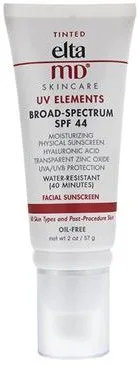
KAINE uses 4 modern EU-tier chemical filters plus titanium dioxide; EltaMD UV Clear at $40 uses older US-formulated filters with niacinamide and lactic acid. KAINE provides more cosmetically elegant protection at half the price. EltaMD has stronger US dermatologist recognition; KAINE has the modern-filter advantage.
Reviews
What Reviewers Tend to Say
Recurring themes our editors read across retailer reviews of this product — summaries in our words, not quotations, and not a substitute for your own patch test.
Common Praise
Modern Korean filters provide cosmetic elegance unmatched by US alternatives
Strong value at under $20
Lightweight finish doesn't pile under makeup
Panthenol and HA provide skincare benefit beyond SPF
Fragrance-free formulation
Fungal-acne safe
Common Complaints
55ml size runs out faster than 100ml competitors
Limited US retail distribution
Some users notice slight white cast initially before blending
Newer brand with shorter track record
Notable Endorsements
Featured in K-beauty sunscreen recommendation listsStrong following in r/SkincareAddiction K-beauty discussions
We have spent years praising Japanese filter chemistry while ignoring that the filter is the last line of a system built out of fabric, shade and timing — the part that needs no importing and does not depend on you remembering to reapply.
Social media says every full upper lip is migrated product. The industry would rather not discuss it at all. Both positions bury the thing that actually matters: one filler class has an eraser and the others do not.
Products, answers, therapy guides, tools and articles in one search. Brand names,
slang and abbreviations all work — accutane finds isotretinoin, bacne finds truncal acne.