Best Affordable Sunscreens
Updated September 2026 · independently researched, no sponsored placements
Our top 40 picks, ranked from 363 reviewed products — ordered by how well each product does its category’s job.
















How to Choose
The best affordable sunscreen is the one whose price never makes you ration it — because the single biggest mistake people make with SPF is applying too little, and a bottle you're afraid to use up is a bottle that won't protect you. Dermatologists recommend about a quarter-teaspoon for the face alone, reapplied every couple of hours outdoors, and at that rate a $40 sunscreen gets expensive fast.
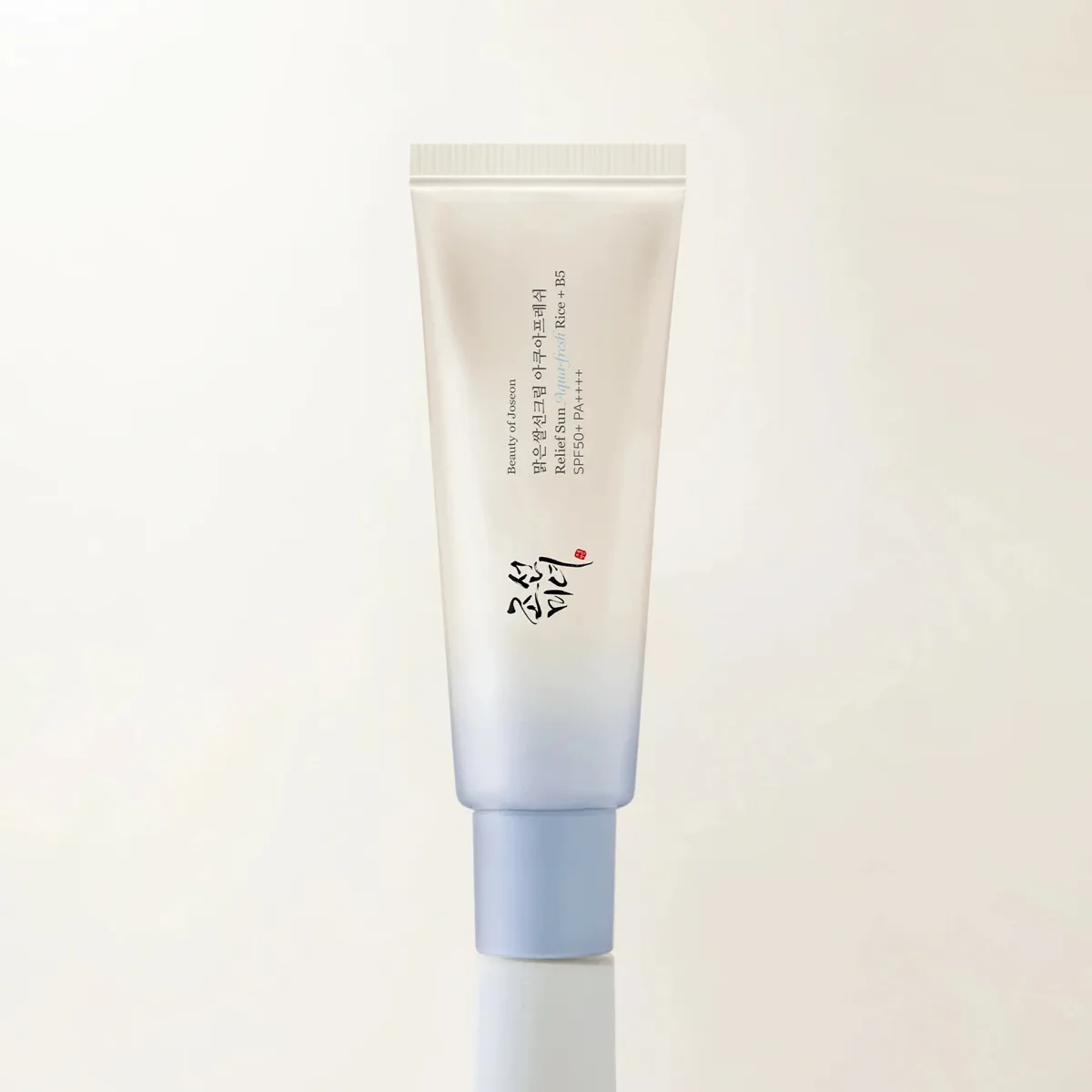
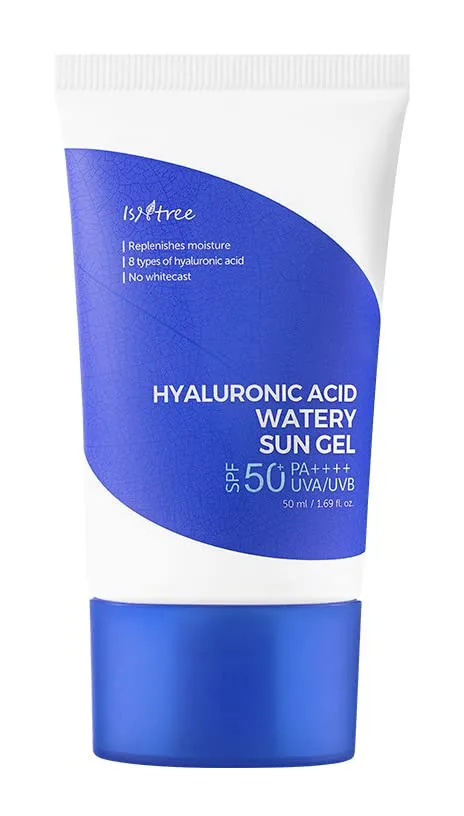
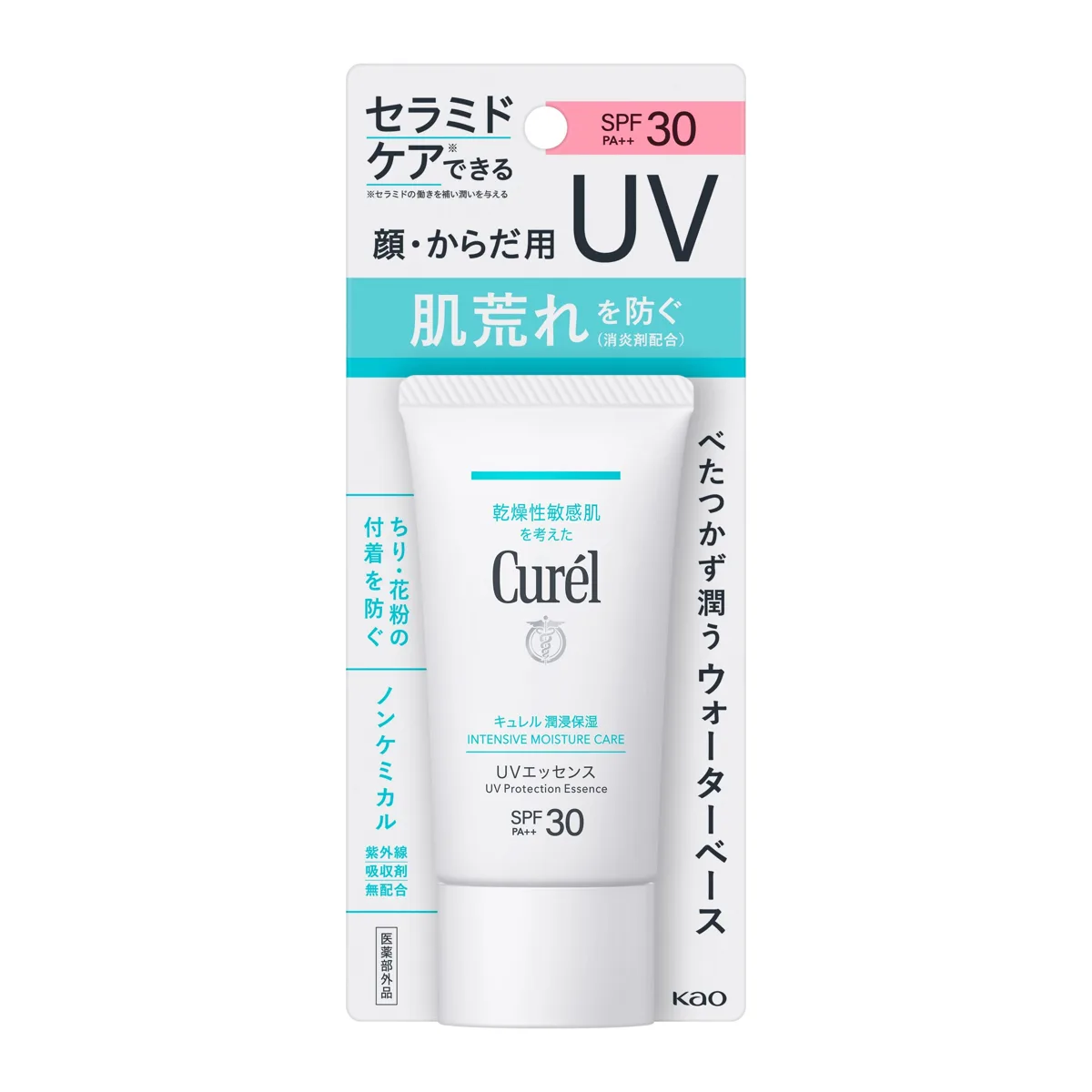
The good news: cheap no longer means bad. The same modern UV filters that made high-end sunscreens elegant — Tinosorb, Uvinul A Plus, ethylhexyl triazone — now show up in budget formulas, which is how a $4 bottle like Deconstruct's Gel Sunscreen earns a top score, and why K-beauty options like KAINE Green Fit Pro ($19) and Isntree's Watery Sun Gel ($22) punch so far above their price. For the lowest cost per use, look for SPF 30 or higher, the word 'broad-spectrum,' a texture you genuinely like (the test of whether you'll reapply), and ideally skin-friendly extras like niacinamide or panthenol. The trap is judging by SPF number alone or assuming a higher price buys better protection — it often just buys nicer packaging. One honest caveat: a few ultra-cheap sunscreens skimp on UVA protection or feel unpleasant enough that you skip reapplication, so favor the proven value picks here over the absolute cheapest unknown. Buy generously, reapply without guilt, and your wallet and your skin both win.
Buying Guide
Shop on cost-per-use, not sticker price — a sunscreen you apply in a thin, anxious layer protects worse than a cheaper one you slather on freely. Confirm the essentials first: SPF 30 or higher and an explicit 'broad-spectrum' claim, since UVA protection is what guards against aging and is easy to shortchange in budget formulas. Then let modern filters guide you: names like Tinosorb, Uvinul A Plus, and ethylhexyl triazone (Deconstruct, Round Lab, Benton) deliver high-end performance at low prices, while zinc-oxide mineral options (Cetaphil Sheer, Bubble) suit sensitive skin affordably. Texture is the real deciding factor, because the most protective sunscreen is the one you'll happily reapply — choose a watery gel for oily skin, a moisturizing cream for dry, a stick for touch-ups. Treat hydrating add-ins like niacinamide and hyaluronic acid as a bonus, not a reason to overspend. And don't equate price with quality here: several sub-$20 sunscreens outscore products costing twice as much, so the smart buy is a proven value pick, not the rock-bottom unknown.
Frequently Asked Questions
Are cheap sunscreens as effective as expensive ones?
They can be every bit as effective, because protection comes from the UV filters and how generously you apply, not the price. Modern budget formulas now use the same advanced filters found in premium products, which is why several sub-$20 options score at the top. Expensive sunscreens often charge for packaging and brand rather than better protection.
How much does it cost to use sunscreen correctly every day?
Used properly — about a quarter-teaspoon for the face, reapplied during sun exposure — even a moderately priced sunscreen runs down faster than people expect. That's exactly why an affordable pick matters: it removes the temptation to under-apply to make the bottle last. A $13–$19 sunscreen you use generously protects far better than a $40 one you ration.
What's the minimum SPF I should look for in a budget sunscreen?
Aim for at least SPF 30 with a clear broad-spectrum label, which covers both UVB (burning) and UVA (aging) rays. Going higher to SPF 50 adds a small margin of safety, useful if you tend to under-apply. The bigger factor than the number is reapplying every couple of hours when you're outdoors.
Is a mineral or chemical sunscreen cheaper to use daily?
Both come in affordable versions, so it comes down to skin preference rather than cost. Chemical and hybrid formulas (Deconstruct, KAINE) tend to feel lighter and leave no cast, making daily reapplication easy, while mineral options like Cetaphil Sheer suit sensitive skin. Pick whichever texture you'll actually reapply, since that consistency is what determines real-world protection.
- Baby & Kids SkincareThe Word 'Kids' on a Sunscreen Predicts More Oxybenzone, Not LessPaediatric sun protection has a short real rulebook. The aisle built around it sells reassurance — and when researchers catalogued 410 sunscreens, the products aimed at children turned out to be the ordinary market with a cartoon on the front.
- Body CareBody Sunscreen Is a Different Product, and You're Using a Fraction of ItFace sunscreen is chosen on how it feels. Body sunscreen has to survive a completely different test — will you keep putting on a shot glass of it, four times a day, for a week?