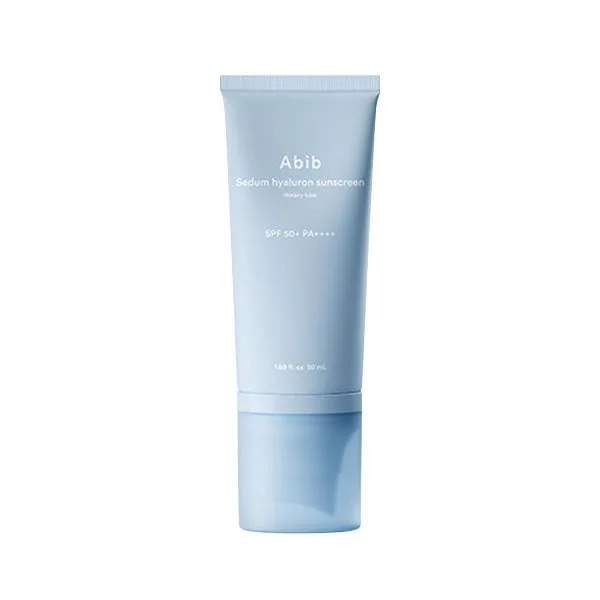
It answers the most common complaint about Japanese chemical sunscreens — that they are alcohol-heavy and drying — by removing the alcohol entirely and building the formula around three molecular weights of hyaluronic acid. The result is modern, photostable filter performance in a texture that feels like a hydrating serum.
A standout budget sunscreen: modern, photostable Japanese filters in an alcohol-free, fragrance-free base built around three types of hyaluronic acid. It protects strongly and wears like a hydrating serum, which makes it genuinely comfortable for dry and sensitive skin. It is not built for swimming or hard sweating, but for everyday use it is one of the best values in sun care.
Recent though this serum-textured sunscreen is, it sits within Skin Aqua's well-established range and uses the brand's proven filter set. Early feedback supplements an assessment grounded in that formulation.
Verdicts
How well it fits each concern
Verdict by concern tap a concern for the case
Full protectionfor Sun DamageIn your profileYou chose · Broad-spectrum SPF 50 with Uvinul A Plus, bemotrizinol (Tinosorb S): the protection sun damage calls for.Moderate evidenceGentleNo reviews collected yet
The case for it
Ethylhexyl Triazone is a first-line active — approved, monograph-listed or named in current guidelines — for this concern.
It is plausibly present at a working level, though the concentration is not declared.
The formula carries none of the triggers this concern is sensitive to.
What would change this: A declared concentration would move this to a firmer reading of the dose.
Same rule for everyone. “Full protection” is the verdict on 2,288 of 45,024 concern verdicts across the catalog; rule P1 decided 2,232 of them.
Unchanged since September 5, 2026, engine 5.1.1.
P1 — Photoprotection standing is regulatory (M020 / Annex VI filters; 21 CFR 201.327 attaches the early-skin-aging claim to tested broad-spectrum SPF 15+). SPF 30 is the AAD daily-use bar. · the full register
Good choicefor DehydrationIn your profileYou chose · Hyaluronic Acid is a reference standard by mechanism for dehydration; this serum carries it.Moderate evidenceGentleNo reviews collected yet
The case for it
Triple Hyaluronic Acid Blend has trial-supported standing for this concern.
It is plausibly present at a working level, though the concentration is not declared.
The formula carries none of the triggers this concern is sensitive to.
What would change this: A declared concentration would move this to a firmer reading of the dose.
Same rule for everyone. “Good choice” is the verdict on 9,564 of 45,024 concern verdicts across the catalog; rule R5 decided 9,072 of them.
Unchanged since September 5, 2026, engine 5.1.1.
R5 — Trial-supported or guideline-supported active, adequately or plausibly dosed. · the full register
Carrying active
Triple Hyaluronic Acid Blend
Standing
supported — its mechanism is established
Form
plausible — studied range 0.1%, from the trials on the row; needs leave-on contact; judge it after ~1 weeks
Tolerability
gentle
Row checked
against its sources on July 17, 2026 (evidence table ev-2026.09-r228)
The studies behind the evidence row
Draelos ZD, Cosmetic Dermatology: Products and Procedures — hyaluronic acid classified as a humectant water-binding agent holding many times its weight in water — reference work
Also listed for Dryness — the actives here (Ethylhexyl Triazone, Octinoxate, Tinosorb, Hyaluronic Acid) are in our research queue for that concern; there is no verdict until their evidence rows are written. That is a gap in our table, not a mark against the product.
Does the jobDoes what a sunscreen is for: UVA coverage, kind to the skin wearing it. Not measured from the label: pleasant enough to actually use.
A verdict is DermApproved’s assessment of how well a product’s ingredients fit a concern — never a claim about what the product treats. Evidence dots and collected reviews sit beside it and are never blended in.
Rules 0.5.1 · evidence table ev-2026.09-r228 · how we decide
Assessment
Pros & Cons
Pros
✓ Modern, photostable filter system (ethylhexyl triazone, Tinosorb S, Uvinul A Plus)
✓ Alcohol-free — genuinely comfortable for dry skin
✓ Fragrance-free, removing a common irritant
✓ Triple hyaluronic acid base hydrates as it protects
✓ No white cast — suits a wide range of skin tones
✓ Lightweight serum texture that sits well under makeup
✓ Outstanding value at a true drugstore price
Cons
✗ Brief tackiness before the formula fully sets
✗ Not water-resistant enough for swimming or hard sweating
✗ Contains silicones, which some prefer to avoid
✗ Not fungal-acne-safe due to esters in the base
✗ A daily-life sunscreen rather than a sport formula
Review
Full Review
Spend any time reading about Japanese sunscreens and you will run into the same paradox over and over. The filters are wonderful — modern, photostable, elegant, the envy of anyone stuck with an older regulatory filter list. But the textures so often feel like rubbing alcohol on your face. That is not an accident: many of the best-protecting Japanese sunscreens lean heavily on ethanol to achieve their famous lightweight, fast-drying, weightless feel. For oily skin, that is a feature. For dry or sensitive skin, it is the reason a brilliantly protective sunscreen ends up unused in a drawer, because wearing it every day is uncomfortable. Skin Aqua's Serum UV exists to solve exactly that problem, and its solution is elegantly simple: take the alcohol out, and build the formula like a serum instead.
Start with the protection, since that is the part you should never compromise. This is a fully chemical sunscreen, and its filter line-up is genuinely excellent. Ethylhexyl methoxycinnamate sits second in the list as the primary UVB filter, and it is joined by ethylhexyl triazone — one of the most powerful and photostable UVB filters that exists — plus two superb UVA filters, diethylamino hydroxybenzoyl hexyl benzoate (Uvinul A Plus) and bis-ethylhexyloxyphenol methoxyphenyl triazine (Tinosorb S). Several of these are not approved for sunscreens sold in the US, where the filter toolkit is decades old. They are photostable, meaning they hold up under sunlight rather than degrading, and together they earn a genuine SPF 50+ PA++++ rating — the PA++++ in particular signalling strong, durable UVA protection, the part of the spectrum that drives aging and pigmentation. As photoprotection, this is modern, serious, and well above what its price suggests.
Now the part that makes this product worth singling out. Look down the ingredient list and notice what is missing: there is no alcohol. None. In its place, sitting prominently in the formula, are three different forms of hyaluronic acid — standard sodium hyaluronate, a hydrolyzed low-molecular-weight version, and a positively charged hyaluronate — each hydrating at a slightly different level. The result is a sunscreen that genuinely behaves like a hydrating serum. It spreads light and slippy, absorbs to a soft, dewy finish, and never delivers that tight, cooling, slightly stripped sensation an alcohol-heavy sunscreen leaves behind. For dry skin, this is the difference between a sunscreen you tolerate and one you actually enjoy putting on. For sensitive skin, the alcohol-free, fragrance-free formula removes two of the most common avoidable irritants in sun care in one stroke.
The wearing experience backs up the formula. It is light, comfortable, and leaves no white cast at all — being fully chemical, it absorbs clear, which makes it friendly across a wide range of skin tones. It sits well under makeup as a hydrating base. There is one minor texture note worth setting expectations on: like many hyaluronic-acid-rich products, it can feel slightly tacky in the moment before it fully sets, so give it a minute. Once it settles, the finish is dewy and pleasant rather than sticky.
The limitations are few, and they are mostly about scope. This is a daily-life sunscreen, not a sport or beach formula. It offers light everyday resistance, but it is not built to survive swimming or heavy, prolonged sweating, and you should not ask it to — for a long beach day or intense outdoor exercise, a dedicated water-resistant sunscreen is the right tool. The formula also contains silicones, which is what helps it spread and feel smooth; the vast majority of people will be perfectly happy with that, but anyone who specifically avoids silicones should know. And it is not fungal-acne-safe, given a couple of ester ingredients in the base, so those managing malassezia-driven breakouts should be cautious. None of these are flaws so much as boundaries — know what the product is for, and it will not disappoint you.
The value here is genuinely excellent, and it is worth saying plainly. This delivers a modern, photostable, broad-spectrum filter system and a comfortable, hydrating, alcohol-free, fragrance-free base for a price that sits firmly in true-drugstore territory — a fraction of what comparable Western sunscreens charge, and many of those use older filters and still manage to be less comfortable. A 70 g tube lasts a couple of months at honest daily application. It is the rare budget sunscreen that does not feel like a compromise.
Who this is for is easy to name, and pleasantly so. If you have dry, normal, or sensitive skin and you have been frustrated by Japanese sunscreens that protect beautifully but feel like alcohol on your face, this is close to an ideal answer — modern filter performance in a texture you will genuinely want to wear every day. Oily and combination skin can use it happily too; it simply leans hydrating rather than mattifying. The only people who should look elsewhere are those who need serious water resistance for sport or swimming, or who strictly avoid silicones. For everyone else, this is one of the smartest, most comfortable sunscreens you can buy for the money, and it earns a strong recommendation by the simple trick of leaving out the one ingredient that ruins so many of its rivals.
Formula
Key Ingredients
The hero actives that drive this product's performance.
The primary UVB filter, sitting second in the list right after water. It carries much of the UVB protection behind the SPF 50+ rating, and in this all-chemical blend it is paired with photostable filters that help keep it effective through sun exposure.
Regulator-approvedfor Sun Damage · emerging certainty
One of the most powerful and photostable UVB filters available. Its inclusion lets this lightweight serum reach a high SPF without a heavy filter load — a key reason the formula can feel like a hydrating serum rather than a dense sunscreen.
Regulator-approvedfor Sun Damage · limited certainty
Diethylamino hydroxybenzoyl hexyl benzoate (Uvinul A Plus) and bis-ethylhexyloxyphenol methoxyphenyl triazine (Tinosorb S) provide deep, photostable UVA coverage — filters unavailable in the US. They earn the genuine PA++++ rating and protect against the UVA that drives aging and pigmentation.
Regulator-approvedfor Sun Damage · limited certainty
The serum side of this sunscreen. Three forms of hyaluronic acid — standard sodium hyaluronate, hydrolyzed low-molecular-weight HA, and a positively charged hyaluronate — hydrate at different levels, which is what gives the formula its plump, dewy, non-drying feel and makes it comfortable for dry skin.
Established mechanismfor Dehydration · established mechanism
Ingredient standings describe the active at treatment-level doses and
vehicles; this product's own condition grades weigh its actual formula.
Apply as the final morning step, after moisturizer and any treatments have absorbed. Use a generous, even layer — about two finger-lengths for the face — to reach the labelled SPF. Its hydrating, non-greasy serum texture sits well under makeup. Reapply every couple of hours during sun exposure.
Results Timeline
Broad-spectrum protection is immediate once applied and set. The hydrating, comfortable feel is consistent from first use, with no break-in period.
Pairs Well With
a hydrating serum or essence underneatha lightweight moisturizermakeup layered over once it setsa separate body sunscreen for full coverage
This sunscreen's protection comes entirely from organic (chemical) UV filters, and the line-up is a strong one. Ethylhexyl triazone is among the most efficient UVB filters available, with very high absorption and excellent photostability. It works alongside ethylhexyl methoxycinnamate, a long-established UVB filter, and two high-quality UVA filters: diethylamino hydroxybenzoyl hexyl benzoate (Uvinul A Plus), a dedicated long-UVA absorber, and bis-ethylhexyloxyphenol methoxyphenyl triazine (Tinosorb S), a photostable broad-spectrum filter. Several of these are approved in Japan and the EU but not in the US, and their photostability — resistance to breaking down under sunlight — is a key reason this formula can credibly hold an SPF 50+ PA++++ rating. The formulation's defining feature, though, is what is absent: there is no ethanol. Alcohol is widely used in Japanese chemical sunscreens to improve spreadability and produce a fast-drying, lightweight feel, and to help dissolve the filters — but it contributes nothing to UV protection and can impair the skin barrier and cause discomfort on dry or sensitive skin. By omitting it and instead building the base around a multi-molecular-weight hyaluronic acid blend — standard sodium hyaluronate for surface hydration, hydrolyzed low-molecular-weight HA for deeper penetration, and a cationic hyaluronate that binds well to skin — the formula achieves a comfortable, hydrating wear without sacrificing filter quality. The point worth drawing out is that the comfort of a sunscreen and the effectiveness of its filters are independent variables: this product demonstrates you can have modern, photostable filters and a gentle, non-drying texture at the same time.
Dermatologist Perspective
Dermatologists hold the modern organic filters used here — ethylhexyl triazone, Tinosorb S, and Uvinul A Plus — in high regard for their efficiency and photostability, and a sunscreen built on them is considered an excellent protective choice. Dermatologists also frequently emphasize that the best sunscreen is the one a person will actually wear daily, so a comfortable, non-drying texture has real clinical value: it improves compliance. An alcohol-free, fragrance-free formulation aligns well with what dermatologists typically recommend for dry, sensitive, eczema-prone, or barrier-compromised skin, since alcohol and fragrance are common sources of sun-care discomfort and irritation. The hydrating hyaluronic-acid base is a sensible, low-risk addition. Dermatologists do consistently note two things: that any sunscreen, however comfortable, must be applied in adequate quantity and reapplied to deliver its labelled SPF; and that a daily-use formula like this is not a substitute for a water-resistant sunscreen during swimming or intense activity. For routine daily protection, particularly on skin that struggles with alcohol-heavy formulas, this style of sunscreen fits mainstream clinical advice well.
Guidance
Usage & Recommendations
How to Use
Apply as the final step of your morning routine, after moisturizer and any treatments have absorbed. Use a generous, even layer — about two finger-lengths for the face and neck — to actually reach the SPF 50+ protection level; under-application is the most common sunscreen mistake. Allow a minute or two for it to set fully, as it can feel briefly tacky, before applying makeup. Reapply every two hours during sun exposure. For swimming, water activity, or heavy sweating, switch to a dedicated water-resistant sunscreen, as this is a daily-life formula. Cleanse it off at night.
Value Assessment
This is one of the best values in sun care. For a true drugstore price, it delivers a modern, photostable, broad-spectrum chemical filter system plus a genuinely comfortable, hydrating, alcohol-free, fragrance-free base — a combination that comparable Western sunscreens charge several times more for, frequently with older filters and less pleasant textures. A 70 g tube lasts roughly two to three months at proper daily facial application, putting the per-use cost very low. There is one size, so there is no bulk discount to consider, but the base price is already minimal. Unlike many budget sunscreens, this one does not ask for a meaningful compromise in protection or comfort to hit its low price. For everyday daily-use sun protection, it is an outstanding-value purchase with very little to argue against.
Who Should Buy
This is the one for dry, normal, or sensitive skin that wants strong, modern sun protection in a texture that is actually comfortable to wear every day. It is an ideal pick for anyone frustrated by alcohol-heavy Japanese sunscreens, and a genuinely excellent-value everyday sunscreen for combination and oily skin too, given its hydrating, no-white-cast finish.
Who Should Skip
This isn't the one if you need serious water resistance for swimming, water sports, or heavy sweating — this is a daily-life sunscreen, not a sport formula. Those who strictly avoid silicones should note the formula contains them, and anyone managing fungal acne should be aware it is not fungal-acne-safe.
A lightweight, hydrating serum-gel that spreads easily and absorbs to a soft, dewy finish
Scent
Fragrance-free; the serum has no real scent of its own
Packaging
Squeeze tube with a flip cap
Finish
dewylightweightnon-greasy
What to Expect on First Use
It applies like a hydrating serum — light, slippy, and comfortable — and absorbs to a soft, dewy finish without the cooling sting of an alcohol-based sunscreen. There may be a brief, slight tackiness before it fully sets. There is no white cast and no adjustment period; the comfortable, non-drying feel is the defining first impression.
Many of the best-protecting Japanese sunscreens lean heavily on alcohol for their light, fast-drying feel, which leaves dry and sensitive skin out. Skin Aqua's serum-textured UV formula was built to close that gap: the same advanced, US-unavailable filters, but in an alcohol-free, fragrance-free, hyaluronic-acid-rich base meant to be worn comfortably by skin that the alcohol-forward formulas underserve.
About Skin Aqua Established Brand (5–20 years)
Skin Aqua is the affordable sun-care line of Rohto Mentholatum, the Japanese company founded in 1899. A long-running drugstore staple in Japan, the brand is trusted for putting modern, photostable UV filters into lightweight, low-priced formulas, and its serum-textured sunscreens are among its most popular.
Brand founded: 1899 · Product launched: 2026
Myth vs. Reality
Common Myths
Myth
Chemical sunscreens are always drying and harsh.
Reality
Drying is usually down to alcohol and other formulation choices, not the chemical filters themselves. This sunscreen uses modern chemical filters in an alcohol-free, hyaluronic-acid-rich base and wears as a hydrating serum. The filter type and the comfort of a formula are separate things.
Myth
A hydrating sunscreen means you can skip moisturizer.
Reality
The triple hyaluronic acid here genuinely improves comfort and adds surface hydration, but a sunscreen is formulated and applied as sun protection, not as a substitute for moisturizer. Dry skin should still moisturize first, then apply this as the final protective step.
FAQ
Frequently Asked Questions
Is Skin Aqua Serum UV good for dry skin?
Yes — it is one of its main strengths. The formula is alcohol-free and built around three types of hyaluronic acid, so it hydrates as it protects and wears like a serum. This makes it far more comfortable for dry skin than typical alcohol-heavy Japanese sunscreens.
Is it a mineral or chemical sunscreen?
It is a fully chemical sunscreen, using modern filters including ethylhexyl triazone, Tinosorb S, and Uvinul A Plus. These are photostable, broad-spectrum filters not approved in the US, and they provide strong protection without any white cast.
Does it work for sensitive skin?
It is a reasonable option for sensitive skin: it is alcohol-free and fragrance-free, removing two common irritants. As with any chemical sunscreen, very reactive skin should patch test first, but the gentle, hydrating base makes it more tolerable than many alternatives.
Is it water-resistant?
It offers light everyday resistance but is not built for swimming or heavy sweating. It is best treated as a daily-life sunscreen; for prolonged outdoor activity or water exposure, choose a dedicated water-resistant formula.
Does it leave a white cast?
No. Because it is a fully chemical sunscreen with no mineral filters, it absorbs clear with no white cast, making it suitable across a wide range of skin tones.
Can I wear makeup over it?
Yes. Its hydrating, non-greasy serum finish makes a comfortable base for makeup. Allow it a minute or two to set fully — there can be a brief tackiness — before applying foundation.
Reviews
What Reviewers Tend to Say
Recurring themes our editors read across retailer reviews of this product — summaries in our words, not quotations, and not a substitute for your own patch test.
Common Praise
Genuinely hydrating, never drying
Lightweight serum texture, no white cast
Alcohol-free and fragrance-free
Excellent value for the protection
Common Complaints
Slight tackiness before it fully sets
Not water-resistant enough for heavy activity
Silicones may not suit everyone
Notable Endorsements
From a long-trusted Japanese drugstore sun-care lineFrequently recommended for dry skin in Japanese sunscreen comparisons
We have spent years praising Japanese filter chemistry while ignoring that the filter is the last line of a system built out of fabric, shade and timing — the part that needs no importing and does not depend on you remembering to reapply.
The internet's favorite hydrator has a counterintuitive dark side — in dry air, a humectant with nothing to seal it can pull water out of your skin instead of into it.
Products, answers, therapy guides, tools and articles in one search. Brand names,
slang and abbreviations all work — accutane finds isotretinoin, bacne finds truncal acne.