Octinoxate (Ethylhexyl Methoxycinnamate)
Products with Octinoxate (Ethylhexyl Methoxycinnamate)
 Active Lifestyle MVP
 Oil-Free Sun Guard SPF 45
A reliable, no-fuss hybrid sunscreen built for oily skin and active lifestyles. The oil-free formula disappears on application and holds up through sweat and water, though the inclusion of octinoxate may give environmentally conscious buyers pause. At $24 for 4 oz, it's a fair deal for a well-engineered SPF that doesn't interfere with your day.
 Sensitive Skin Daily SPF Standby
 Complete Daily Moisturizer SPF 30 Sensitive
A reliable, no-fuss SPF moisturizer that has quietly protected sensitive skin for over fifteen years — fragrance-free, lightweight, and backed by the Skin Cancer Foundation seal. The hybrid mineral-chemical sunscreen system achieves a lighter feel than pure zinc oxide formulas. The DMDM Hydantoin inclusion is the main formulation question mark in an otherwise sensible sensitive skin product.
 Pediatrician-Trusted Kids SPF
 Kids Sport Sunscreen Lotion SPF 50
A reliable, tear-free kids sunscreen backed by the #1 pediatrician-recommended brand in America. The 14.5% zinc oxide mineral protection provides genuine peace of mind, and the fragrance-free, hypoallergenic formula works for even sensitive young skin — though the parabens and octinoxate may give some ingredient-conscious parents pause.
 Tear-Free Pool Pick
 Kids Tear Free Sunscreen Lotion SPF 50
A genuinely tear-free hybrid lotion that solves the specific misery of sunscreen stinging a kid's eyes, with zinc oxide doing real work and silicones making it spread better than a pure mineral. The catch is an older ingredient set — octinoxate, parabens, a urea preservative — that the brand's own mineral line has since cleaned up. Good at its one job; not the cleanest option.
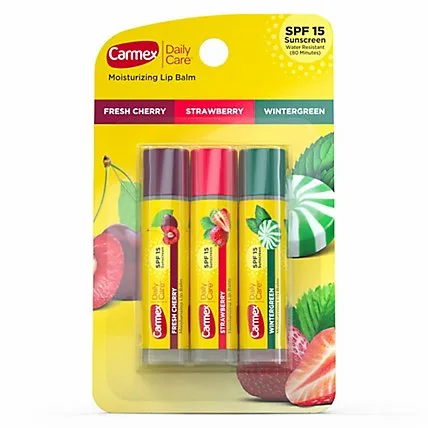 Everyday SPF Lip Protection
 Daily Care Lip Balm SPF 15
A budget-friendly daily SPF lip balm that delivers reliable moisture and passable sun protection, but the inclusion of oxybenzone — increasingly avoided in modern formulations — and limited UVA coverage make it feel like a product that hasn't quite caught up with the times.
 Modern-Filter Daily Sunscreen
 Suncut Perfect UV Essence No Fragrance
A genuinely excellent daily sunscreen: SPF50+ PA++++ protection from a modern Japanese filter system that outclasses what US sunscreens can use, in a watery, fragrance-free essence with no white cast, at a drugstore price. The hydrating skincare feel makes it easy to wear and reapply. The main caveats are an alcohol-forward base and octinoxate, plus it isn't fungal-acne-safe.
 Drugstore Lip Rescue
 DCT Daily Conditioning Treatment SPF 20
A petrolatum powerhouse that delivers serious lip moisture and SPF protection at a price that barely registers. The 55% petrolatum base is the gold standard of occlusive lip care. But the dated formulation — oxybenzone, menthol, camphor, phenol, and lanolin — reads like a 1990s ingredient list that never got the memo about modern clean formulation. Effective, affordable, and controversial.
 SPF Lip Balm With Actual Hydration
 Sheen Screen Hydrating Lip Balm SPF 50
A genuinely well-formulated SPF 50 lip balm that solves the longstanding choice between protective and pleasant. Best for anyone who wants daily lip protection without the white cast of zinc sticks or the wax of drugstore options. Skip if you're allergic to lanolin or avoiding octinoxate.
 Athletic Sport SPF Standard
 UV Sport Broad-Spectrum SPF 50
EltaMD's body-positioned, sport-engineered sunscreen — the brand's strongest water-resistant SKU at the best per-ounce value in the line. SPF 50 with 80-minute water resistance and a triple UV filter system makes UV Sport reliable for outdoor athletes, swimmers, and prolonged sun exposure. Not the right choice for daily face wear or for pregnant or reef-safe use cases, but for its target athletic use, it's the brand's most consistent recommendation.
 Japanese Drugstore Milk Sunscreen Value
 Parasola Essence-In UV Cut Milk
Excellent affordable Japanese drugstore sunscreen — quadruple photostable UV filter system at SPF 50+ PA++++ ratings, integrated beauty serum layer (HA, collagen, ceramide, niacinamide), milk format suitable for dry-to-normal skin. Punches well above its drugstore price point.
 Makeup-Artist UV Base
 UV Face Protector SPF50+/PA++++
A refined Japanese SPF50+/PA++++ face sunscreen built by a makeup-artist brand to live under foundation. Its filter set, zinc oxide plus the modern UVA filters Tinosorb S and Uvinul A Plus, gives it genuinely strong broad-spectrum coverage, and the gel-cream texture grips makeup beautifully. Alcohol and royal jelly mean dry and sensitive skin should approach with care.
 Budget Outdoor SPF
 Super Block Sunblock Lotion SPF50+ PA++++
A quietly excellent budget sunscreen that punches far above its price: mineral zinc and titanium plus the modern, photostable Uvinul A Plus UVA filter deliver genuine broad-spectrum SPF50+ PA++++ in a water-resistant outdoor formula for under ten dollars. The octinoxate and a slightly silicone-heavy feel are the only real caveats. For everyday and outdoor protection on a budget, it's hard to beat.
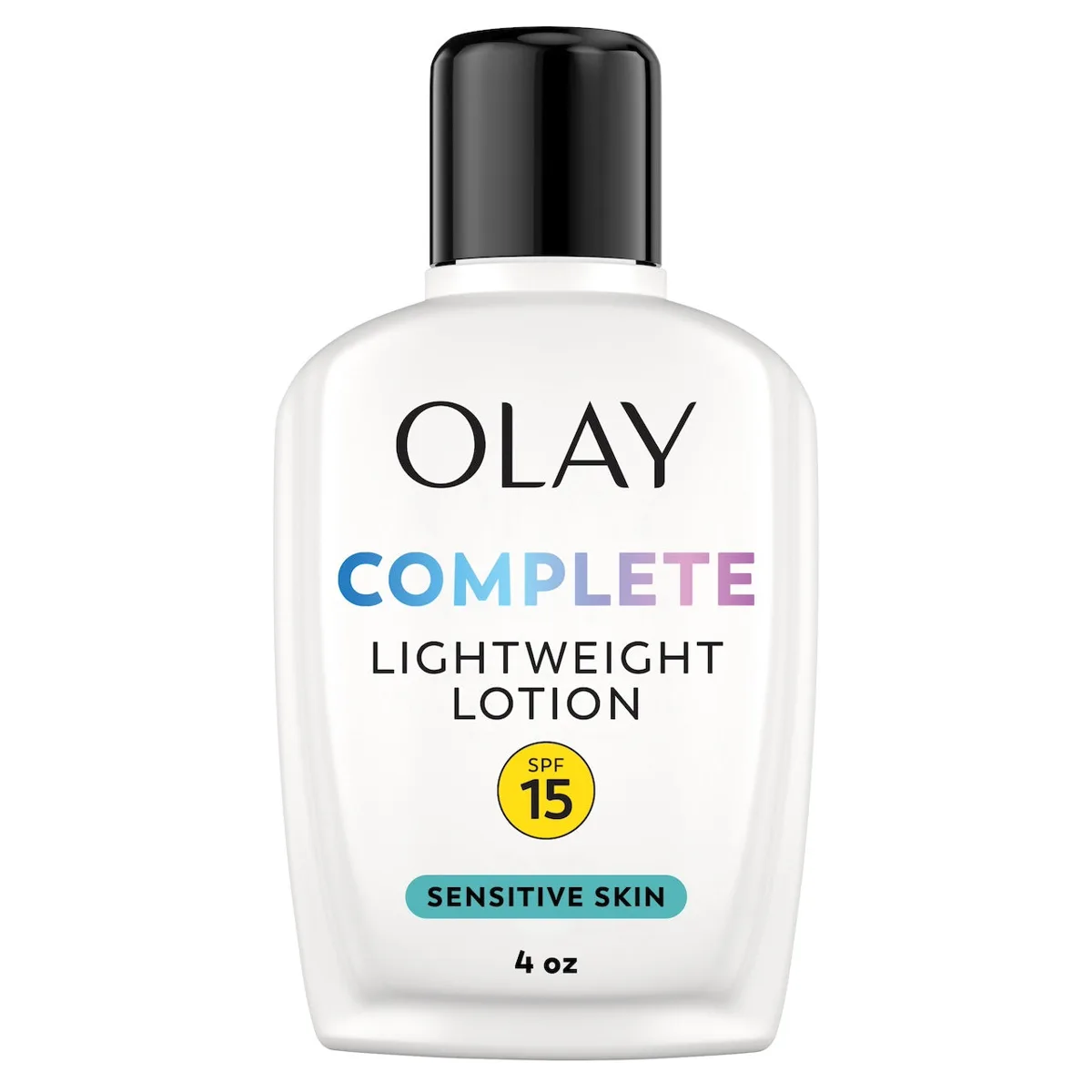 Simple Daily Staple
 Complete Lotion Moisturizer Sensitive with Sunscreen SPF 15
A no-frills, fragrance-free daily lotion with light SPF 15 that does its basic job — lightweight hydration plus incidental sun defense — at a fair price. It is gentle and easy to wear, but the formula is dated: SPF 15 is minimal, octinoxate is an older filter, and two preservatives can sensitize. A simple staple rather than a standout.
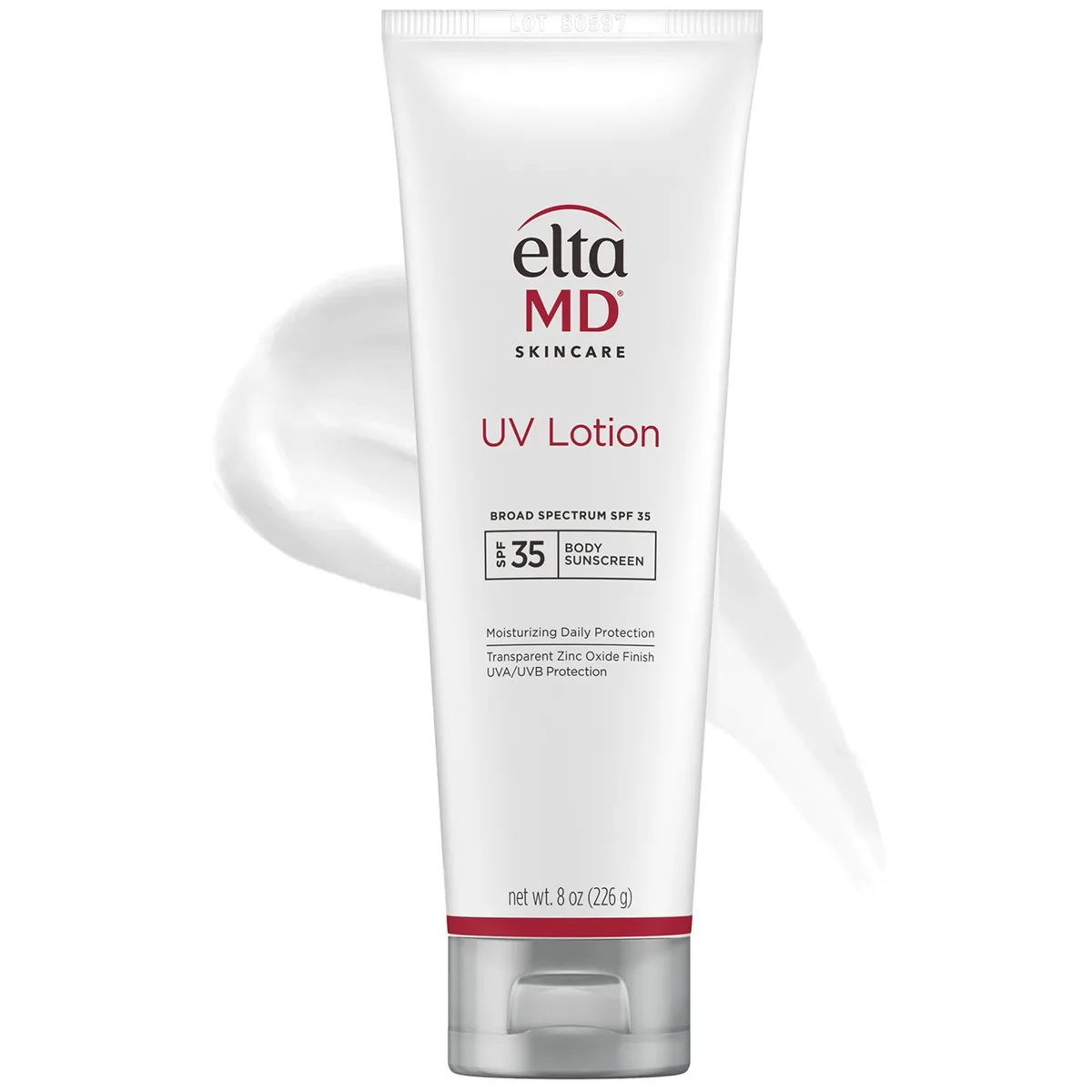 Moisturizing Body Staple
 UV Lotion Broad-Spectrum SPF 30+
EltaMD's moisturizing full-body sunscreen, and the keyword is moisturizing. A low zinc load plus a single chemical filter gives it a near-invisible finish, while hyaluronic acid and a petrolatum base keep body skin hydrated. The big bottle and gentle, fragrance-free formula make whole-body protection actually pleasant. The catches: octinoxate won't suit filter-averse users, and the rich base skews toward dry skin.
 Drugstore Lip Care Icon
 Medicated Lip Balm SPF 15
The quintessential drugstore lip balm that generations grew up reaching for — a solid occlusive formula with basic SPF that genuinely seals in moisture, though the menthol-camphor tingle that made it famous is more performance art than medicine. At under $2, it's hard to argue with the value, but sensitive lips may find the 'medicated' ingredients create more problems than they solve.
 Sport Sunscreen Heavyweight (Discontinued)
 UV Athlizm Skin Protect Milk SPF 50+
Bioré's most battle-ready sunscreen — a hybrid mineral-chemical formula engineered to survive 40°C heat, drenching sweat, and constant friction. Discontinued but unforgotten, it set the standard for what a sport sunscreen should feel like when performance matters more than cosmetic elegance.
 Hydrating Sunscreen Pick
 Serum UV SPF 50+
A standout budget sunscreen: modern, photostable Japanese filters in an alcohol-free, fragrance-free base built around three types of hyaluronic acid. It protects strongly and wears like a hydrating serum, which makes it genuinely comfortable for dry and sensitive skin. It is not built for swimming or hard sweating, but for everyday use it is one of the best values in sun care.
 K-Beauty SPF Sun Water
 Centella Calming Daily Sun Water
IUNIK's Centella Calming Daily Sun Water is an exceptional K-beauty SPF 50+ PA++++ — comprehensive 5-fraction centella complex (leaf water plus four active fractions) combined with Tinosorb S, Tinosorb M, and Uvinul A Plus UV filters in a water-textured format. At $24 for 120ml the value is strong. Octinoxate inclusion eliminates pregnancy compatibility and Hawaii reef compliance.
 Fragrance-Free Reapply Mist
 Skin Aqua Sarafit UV Mist Fragrance Free SPF50+ PA++++
A genuinely broad-spectrum, fragrance-free SPF50+ PA++++ aerosol mist with a modern filter set, ideal for reapplying UV protection over makeup through the day. It is one of the better-protective spray sunscreens at a fair price, with the inherent under-application risk of any spray the main reason to treat it as a top-up rather than your only sunscreen.
 Maximum-Number Spray
 Sport Continuous Sunscreen Spray SPF 100
The maximum-number can in Coppertone's Sport spray family, reaching SPF 100 by stacking six organic filters — including octinoxate and oxybenzone the lower SPFs avoid. The protection is robust and well-stabilized, but the real-world UVB gain over SPF 50 is essentially a rounding error, while the dense filter load, fragrance, and drying alcohol base raise the irritation stakes. You're mostly paying for a bigger number.
 Hybrid Zinc Face Pick
 Defend & Care Clear Zinc Sunscreen Face Lotion SPF 50
A chemical-mineral hybrid face lotion that adds nearly 10 percent zinc oxide to a UVB filter base for sheerer-than-usual partial mineral coverage. Fragrance-free, alcohol-free, and lightweight for a zinc formula, it suits those who want a touch of mineral without the heavy cast. The octinoxate and benzyl alcohol temper its sensitive-skin appeal, and pure-mineral seekers should look elsewhere.
 Budget SPF Lip Essential
 Cocoa Butter Formula Moisturizing Lip Balm SPF 15
A dirt-cheap SPF lip balm that delivers cocoa butter moisturization and basic sun protection, but the oxybenzone and synthetic fragrance keep it from being an easy universal recommendation. Best for budget-conscious users who tolerate fragrance and are not concerned about chemical UV filter safety debates.
 Beginner-Friendly Pick
 AM Moisturizer with SPF 20
A no-frills SPF moisturizer that succeeds at its real mission: getting men who would never buy sunscreen to wear sun protection every morning. The formula is basic but functional, the texture is convincingly lightweight, and the matte finish eliminates the greasiness excuse. Just know that SPF 20 is a compromise, and the essential oils are an unnecessary addition.
 Water-Resistant Japanese Sunscreen
 UV Aqua Rich Watery Hold Cream SPF 50
The cult Aqua Rich texture, finally built to stay put. This 2025 'Hold' version pairs advanced UV filters unavailable in the US with a film-forming polymer system for genuine water and sweat resistance — all at a budget price. The trade-off is a high alcohol content that makes it less comfortable for dry or sensitive skin. For oily and combination skin, it is outstanding value.
 Water-Resistant Hybrid Sunscreen
 Suncut Perfect UV Milk
The water-resistant, hybrid sibling in Suncut's Perfect line: zinc oxide plus modern Japanese chemical filters in a durable silicone milk built for sweat, water, and outdoor use, at SPF50+ PA++++ for a budget price. Strong, photostable protection that survives activity. The trade-offs are a possible faint cast, an alcohol base, octinoxate, and a smaller tube than the essence.
 Dry-Skin Daily Classic
 UV Facial Broad-Spectrum SPF 35
One of EltaMD's original facial sunscreens, and still a quiet workhorse for dry skin. A low zinc load plus a chemical filter give it a near-invisible finish, while hyaluronic acid and petrolatum make it genuinely moisturizing, often moisturizing enough to skip a separate cream. The trade-offs are the octinoxate filter and a rich base that oily and acne-prone skin should steer clear of.
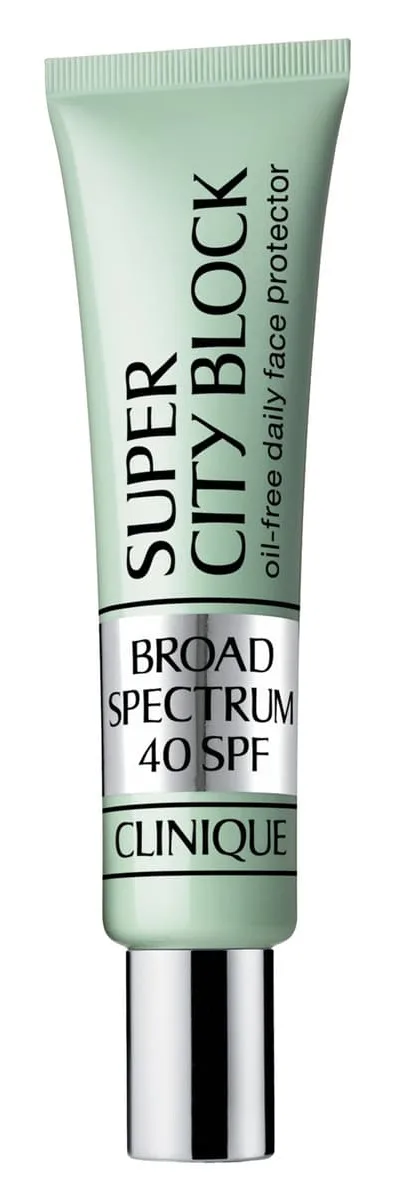 High-SPF Oil-Free Shield
 Super City Block Oil-Free Daily Face Protector Broad Spectrum SPF 40
A high, genuinely broad-spectrum SPF 40 that pairs a heavy mineral load with chemical filters in an oil-free, mattifying base built for oily skin and makeup. Protection and finish are strong; the small tube at a premium price and a possible slight cast on deeper tones are the real trade-offs.
 Nu-Derm's Sheer Step Six
 Healthy Skin Protection Broad Spectrum SPF 35
The Nu-Derm sunscreen patients actually wear: a sheer hybrid of nine percent zinc and octinoxate that vanishes into the skin, does not sting a hydroquinone face, and carries the Skin Cancer Foundation's seal. Its loyal reviewers are right about how it feels and wrong to overlook the label, which pairs an organic filter banned in Hawaii with five parabens, comedogenic esters and a DEA emulsifier; it is a 2000s formula Obagi would rather geo-fence than rebuild.
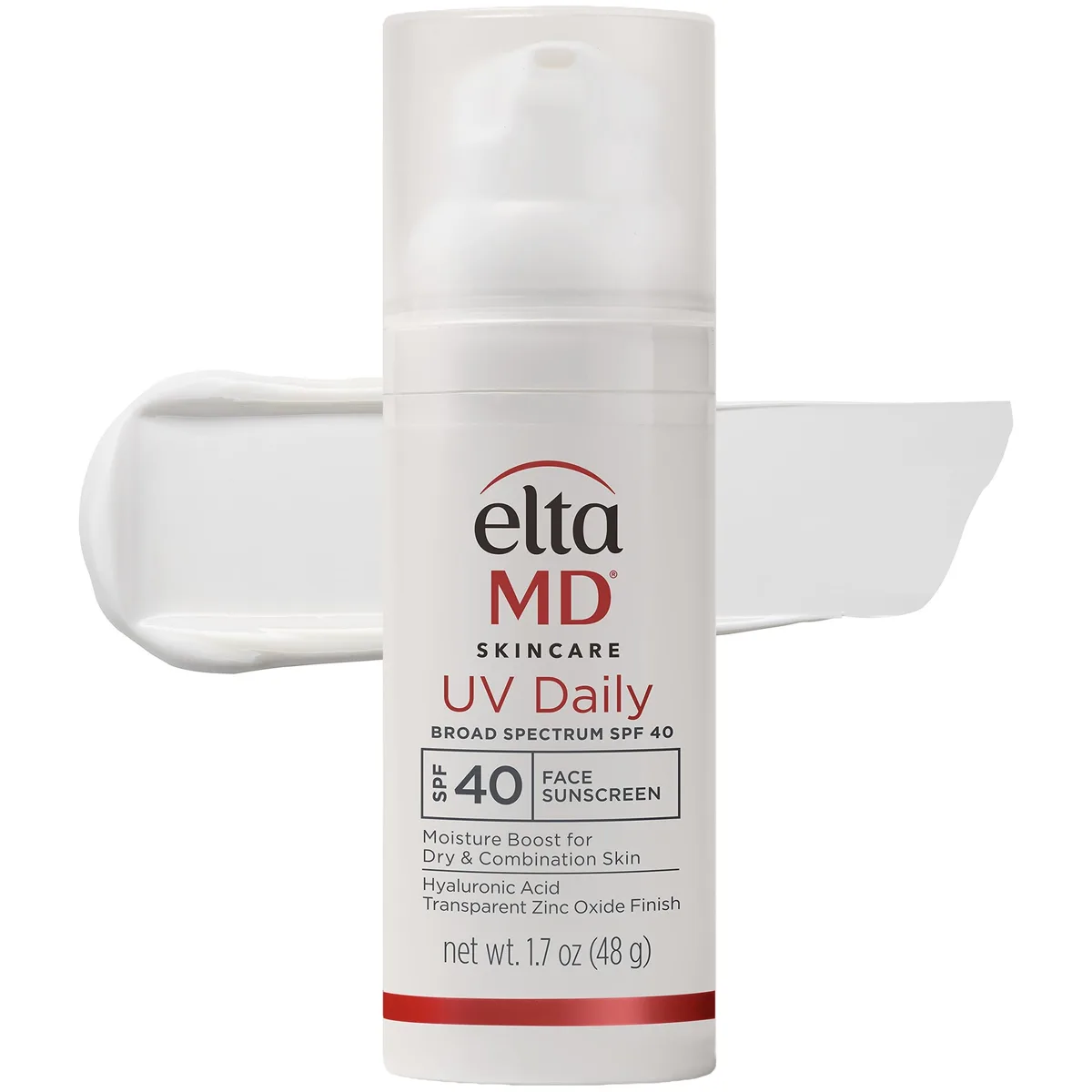 Derm-Office Hydrating SPF
 UV Daily Broad-Spectrum SPF 40
The moisturizing entry in EltaMD's near-canonical UV sunscreen family, built specifically for dry and dehydrated skin with a petrolatum-and-hyaluronic-acid base under a hybrid zinc oxide plus octinoxate SPF system. It's lighter than UV Physical, more hydrating than UV Clear, and one of the few daily sunscreens you can credibly use as your only daytime moisturizer. The reef-restricted chemical filter is the main caveat.
 Budget Tone-Up Sunscreen
 Tone Up UV Essence Lavender SPF 50+
A genuinely clever budget sunscreen: a modern, photostable hybrid filter system plus a lavender color-correcting tint that instantly cancels sallow dullness — all at a true drugstore price. The optical brightening is real and flattering. The high alcohol content and added fragrance keep it from suiting dry or sensitive skin, and the lavender cast favors lighter complexions.
 Japanese Drugstore Sunscreen Workhorse
 Suncut UV Essence Gel SPF 50+
One of Japan's best-value drugstore sunscreens — quadruple photostable UV filter system at SPF 50+ PA++++ ratings, deep botanical extract layer with 10+ herbal antioxidants, humectant collagen-hyaluronic acid pairing. Earns its long-running best-seller status through formulation depth that punches well above the drugstore price tier.
 Rosy Tone-Up Sun Essence
 Tone Up UV Essence Rose Aura SPF 50+ PA++++
A genuinely good broad-spectrum sun essence with a flattering rosy twist. The filter quartet — octinoxate, Uvinul A Plus, Tinosorb S and titanium dioxide — is modern and complete at SPF 50+ PA++++, and the rose-pearl tint instantly brightens dull skin, all for a strong drugstore price. The catch is the base: alcohol sits second and it's fragranced, so it can feel drying, and the rose shade won't flatter everyone.
 Everyday SPF Moisturiser
 Mela Control Day Cream
A comfortable, moisturising SPF 32 day cream with a notable modern filter, bemotrizinol, supporting octinoxate and titanium dioxide. Its PA++ UVA rating, lack of any brightening active and added fragrance mean it does not live up to the melasma promise in its name. Good for low-exposure days on normal to dry skin, not as a melasma sunscreen.
 Budget Hybrid SPF
 Bamboo Hyaluronic Moisture Sun Cream
A cheap, thin hybrid sunscreen that quietly carries two of the best UVA filters on the market, even though retailers keep calling it mineral. It is comfortable, sting-free and well priced; the octinoxate, a slight cast on deeper skin and a very thin review record are the real caveats.
 Lip Protection Essential
 UV Lip Balm Broad-Spectrum SPF 36
A genuinely effective lip sunscreen backed by EltaMD's UV expertise, pairing SPF 36 broad-spectrum protection with sustained hydration and a potent antioxidant complex. The white cast is real and the price is premium for a lip balm, but few competitors match this level of combined protection, moisture, and lip-specific care.
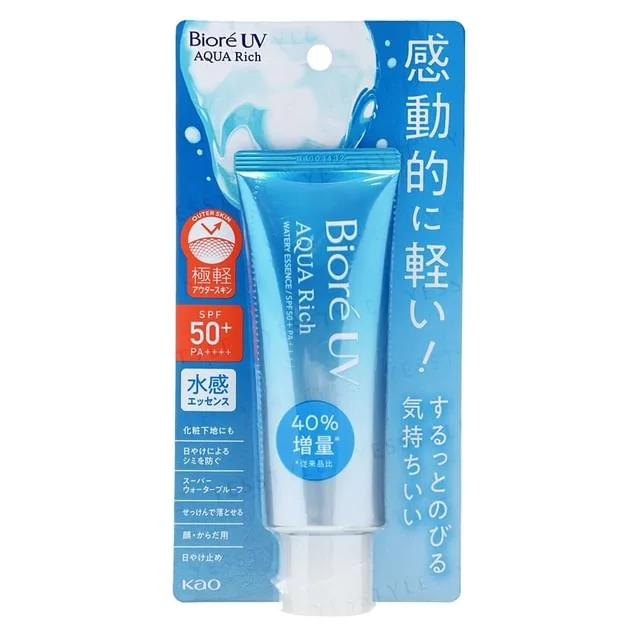 The J-Beauty Sunscreen That Started It All
 UV Aqua Rich Watery Essence SPF 50+
The sunscreen that proved SPF 50+ does not have to feel like a punishment. A decade after it rewrote the rules, the Watery Essence remains the gold standard for lightweight, high-protection daily sunscreen — though the high alcohol content and fragrance keep it from being truly universal.
 Drugstore 3-in-1 Basic
 3-in-1 Face Moisturizer with Green Tea SPF 15
A convenient drugstore 3-in-1 that combines mild hydration, a green tea antioxidant sprinkle, and SPF 15 — serviceable for users who want a single morning step and don't spend meaningful time outdoors. The SPF level, the fragrance, and the octinoxate are real drawbacks for anyone taking daily UV protection seriously, but at under $15 it has a clear audience.
 Invisible Chemical SPF
 SPF 30 Face Moisturizer
A genuinely weightless, truly invisible chemical SPF 30 lotion that disappears under makeup and sits well on oily and combination skin. The catch is that the filter stack still includes oxybenzone and octinoxate — banned in Hawaii and widely phased out of the category — which makes it a hard recommend in 2026 when cleaner options exist for less money.
 J-Beauty Sunscreen Standard
 UV Super Moisture Barrier Milk SPF 50+
A benchmark affordable Japanese sunscreen built around modern photostable filters that the US FDA has not yet approved, delivering genuine PA++++ UVA protection in a lightweight milky emulsion. Exceptional value, with ethanol content and the small 40g tube being the only meaningful drawbacks.
 Reapplication MVP
 Quick Sunstick Protection Bar SPF 50+
A pocket-sized SPF stick that finally makes daytime reapplication feasible — and uses modern Korean UV filters that outperform almost everything FDA-approved in the U.S. The waxy finish takes adjustment, but for anyone who's ever skipped reapplying because it would wreck their makeup, this is a small revelation.
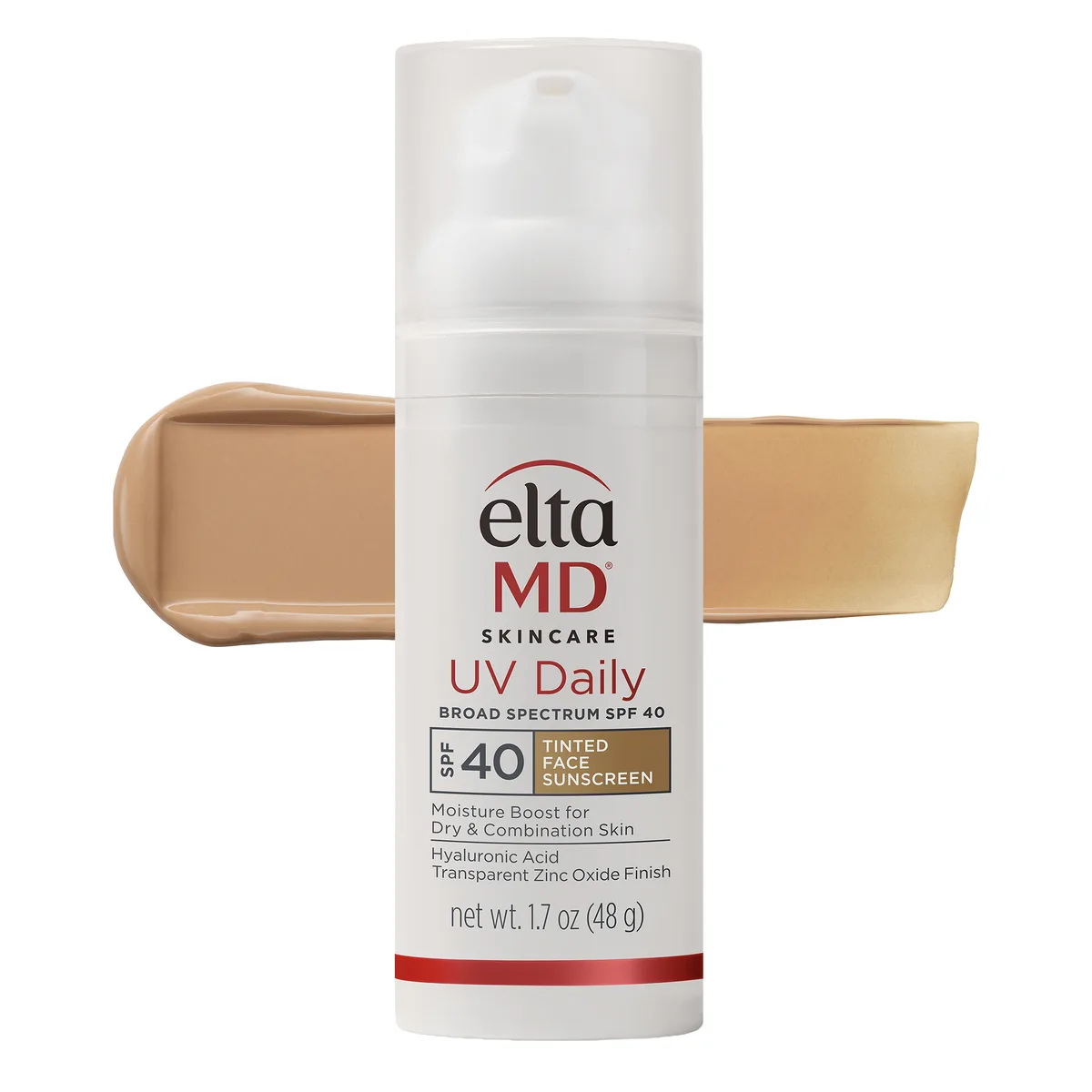 Derm Office Staple
 UV Daily Tinted Broad-Spectrum Facial Sunscreen SPF 40
The hydrating, dry-skin member of the EltaMD UV family — a tinted daily sunscreen that behaves like a tinted moisturizer, with a hybrid zinc-octinoxate filter and iron oxides that add genuine visible-light protection. It's a deserved derm-office staple for dry, normal, and mature skin. Oily skin should reach for UV Clear instead, and the octinoxate is worth noting if you avoid chemical filters in pregnancy.
 Budget Broad-Spectrum Pick
 Sunscreen Milk UV
A genuinely broad-spectrum SPF50+ PA++++ hybrid milk that uses a modern photostable UVA filter and lays down with minimal white cast — all for the price of a sandwich. The alcohol and octinoxate make it a skip for sensitive skin, and the 30ml tube is small, but as a lightweight everyday sunscreen for normal-to-oily skin it is a quietly excellent value.
 Cult Japanese Gel Sunscreen
 Skin Aqua UV Watery Gel SPF50+ PA++++
A cult-favorite Japanese gel sunscreen that crams six modern UV filters into a watery, near-weightless texture to earn a genuine SPF50+ PA++++, then adds ectoin and hyaluronic acid for hydration, all at a remarkably low price. It is one of the best value broad-spectrum sunscreens for oily and combination skin, with alcohol and fragrance the main reasons dry or sensitive skin should pause.
 Everyday Sensitive-Skin SPF
 Calming Sun Cream
A near-model everyday sunscreen for reactive skin: modern organic filters with no cast, niacinamide high enough to count, purified centella actives instead of a token extract, ceramide and five hyaluronates, and a price that removes every excuse for under-applying. The small tube and the octinoxate are the only real quibbles.
 No-Cast Drugstore SPF
 Melanin Care Broad Spectrum SPF 30 Sunscreen Face Lotion
A light, fragrance-free chemical SPF 30 that vanishes on deep skin tones and costs $14, which makes it one of the easier daily sunscreens to actually wear. Look closer and the filter system is thin, the Pro-Ceramides claim has no ceramide behind it on the FDA label, and a transparent formula gives skin of colour no protection from the visible light that darkens its marks. Good for the wearing; incomplete for the promise.
 Rosy Hybrid Tone-Up SPF
 Radiance White Tone-UP & UV Protection
A pretty, water-resistant SPF 50+ tone-up sunscreen whose pink tint brightens fair and light skin more naturally than a plain white cream, with zinc oxide leading a hybrid filter system and niacinamide for gradual brightening. Octinoxate, lavender oil and fragrance allergens, and a shade range that suits only lighter skin, make it a considered choice rather than a universal one.
 Outdoor-Ready Hybrid Fluid
 UV Sun Pro Sun Fluid Extreme SPF 50+ PA++++
A capable, water-resistant hybrid fluid with a strong five-filter system — Uvinul A Plus, bemotrizinol, zinc oxide, octinoxate and octisalate — plus niacinamide and panthenol, in a thin texture that disappears on the skin. It is an excellent summer and outdoor sunscreen for normal, combination and oily skin. Fragrance with six declared allergens, and octinoxate, keep it off the list for sensitive skin.
 Alcohol-Free Moisture Sunscreen
 Skin Aqua Super Moisture UV Essence SPF50+ PA++++
A gentle, moisturising, fragrance-free and alcohol-free sunscreen that dry and sensitive skin will find comfortable to wear every day. Its three-filter system is solid if lean, and it leaves no white cast. Oily skin may find it too dewy, and a verified US price is hard to pin down.
 Beach-Day SPF130 Workhorse
 Ultra Shield Lotion SPF130 PA++++
A tough, water-resistant hybrid sunscreen for long days outdoors, with zinc oxide, titanium dioxide and five chemical filters in a fast-setting silicone lotion. The SPF130 number is more marketing than meaningful extra protection, and alcohol, octinoxate and a volatile-silicone base make it a poor fit for sensitive skin, but as a beach and sports sunscreen it earns its reputation.
 High-Filter Body Mist
 Ultra Shield UV Body Mist SPF130 PA++++
A well-built, fragrance-free body mist with eight UV filters, including photostable Tinosorb S, Uvinul A Plus and zinc oxide, that feels light and dries quickly on hot days. The SPF130 figure is mostly marketing, since protection above SPF 50 adds very little, and like all sprays it only works if applied generously and rubbed in.
 Sweat-Proof Sport Lotion
 Sport UV Lotion SPF120 PA++++
A pocket-sized sport sunscreen with a strong eight-filter system, including zinc oxide, Tinosorb S and Uvinul A Plus, in a quick-drying matte base designed to go onto damp skin and resist sweat. It suits oily, active skin well, but alcohol and menthol can sting sensitive skin and eyes, and the SPF120 figure promises more than it delivers over SPF 50+.
 K-Beauty Filter Tech Leader
 All Around Safe Block Essence Sun Milk SPF 50+
A five-filter Korean sunscreen anchored by Tinosorb S — a next-generation UV filter Americans cannot get in domestic products. Lightweight, invisible, and genuinely photostable, though the alcohol and fragrance content earn it some honest caveats for sensitive skin.
 K-Beauty Sun Essential
 All Around Safe Block Essence Sun SPF 45
A smartly formulated K-beauty sunscreen that leverages next-generation UV filters most American products can't touch, delivering genuinely broad-spectrum protection in a lightweight, affordable package. The fragrance and octinoxate keep it from universal recommendation, but for most skin types, this is one of the best value propositions in sun protection.
 Oil-Control SPF Pick
 Prevention+ Daily Matte Moisturizer SPF 32
An oil-free, matte-finish SPF moisturizer built for oily skin types who want sun protection without the greasy aftermath. The hybrid mineral-chemical SPF system enables a lighter texture than pure mineral alternatives, and the vitamin C and ergothioneine additions add genuine antioxidant value — though the discontinuation status makes this a product to appreciate while supplies last rather than commit to long-term.
 J-Beauty Glow Sunscreen
 UV Aqua Rich Light Up Essence SPF 50+
A genuinely clever dual-purpose sunscreen that delivers robust four-filter UV protection while making your skin look like it has a ring light pointed at it. The alcohol and fragrance limit its audience, but for normal-to-combination skin types who want sun protection and instant radiance in one step, this is a standout.
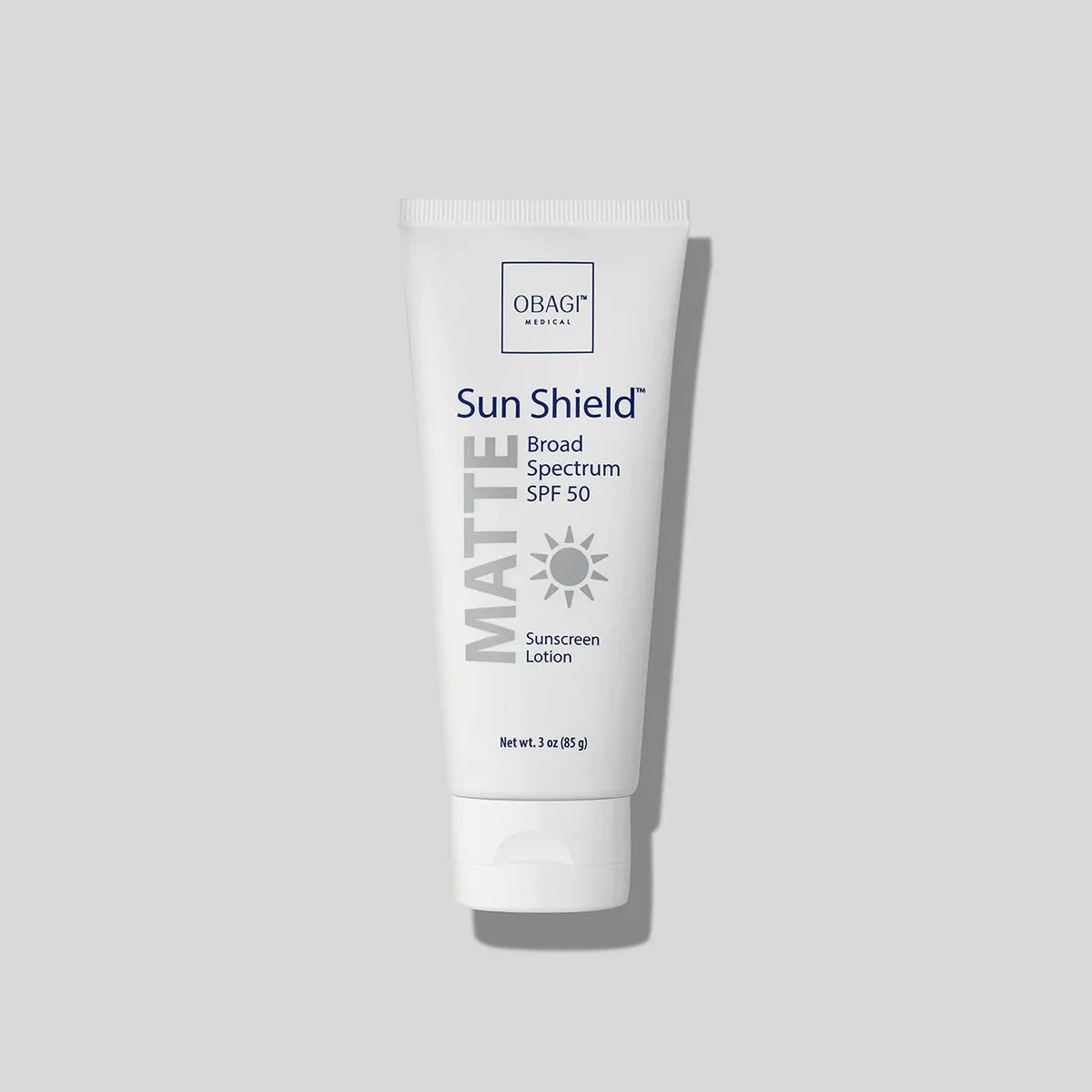 Matte Finish Oil Control SPF
 Sun Shield Matte Broad Spectrum SPF 50
A genuinely excellent matte finish sunscreen with strong SPF 50 hybrid protection — undermined by the inclusion of methylisothiazolinone, a known contact allergen that a clinical skincare brand should have reformulated out years ago. Great texture, questionable preservative choice.
 Daily Acne-Friendly SPF
 Day-Lite SPF 50 Sunscreen
Carbon Theory's most mainstream product: a fragrance-free European-style chemical SPF 50 that wears invisibly on acne-prone skin. Nothing about the filter blend is innovative and nothing about the experience is memorable — which is exactly what you want from a daily sunscreen. Fair value, appropriate for acne-prone users, and unusually low-drama for this brand.
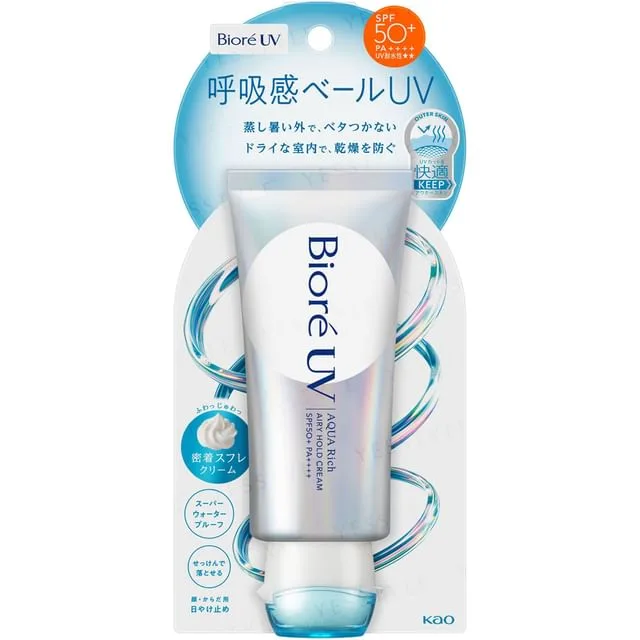 Matte Japanese Sunscreen
 UV Aqua Rich Airy Hold Cream SPF 50+
A high-performance hybrid sunscreen that finally gives the Aqua Rich line a genuinely matte finish. Advanced, photostable filters deliver SPF 50+ PA++++, while silica and talc absorb oil and blur pores. The catch is comfort: alcohol and added fragrance make it less friendly to dry or sensitive skin. For oily skin that hates shine, it is excellent value.
 Cooling Summer Sunscreen
 UV Deep Protect & Care Gel SPF 50+
A budget Japanese-market sunscreen with a genuinely modern filter system, real sweat resistance, and a refreshing cooling finish built for hot weather. The protection and value are strong. But a high alcohol content, fragrance, a cooling agent, and parabens stack up against dry and sensitive skin — this is a warm-weather sunscreen for resilient, oily-leaning skin.
 Affordable Tone-Up Pick
 UV Deep Protect & Care Tone Up Essence SPF 50+
Nivea's UV Deep Protect & Care Tone Up Essence is an affordable Japanese sunscreen that genuinely delivers on protection, with a modern broad-spectrum filter system behind its SPF 50+ PA++++ rating, plus a flattering rosy tone-up finish. It is lightweight, pleasant, and cheap. The trade-offs are a drying alcohol level, added fragrance, parabens, and a tint that can cast pale on deeper skin tones.
The full octinoxate (ethylhexyl methoxycinnamate) guide
For decades, octinoxate has been the workhorse UVB filter quietly tucked into everything from drugstore SPF moisturizers to prestige lip balms — at one point the most widely used chemical UVB filter on the planet.
That ubiquity now travels with asterisks. Regulators on both sides of the Atlantic have scrutinized its systemic absorption and endocrine activity, and Hawaii banned its sale outright over reef-toxicity concerns. The UVB chemistry is settled; the ingredient's regulatory and reputational future is the part still in motion.
Where the evidence stands, by concern
Evidence for an ingredient is not one grade — it differs concern by concern. Each row below was researched separately against regulatory approvals, clinical guidelines, and trials our team opened and verified; the band and dots rank how central octinoxate (ethylhexyl methoxycinnamate) is to treating that concern, from first-line therapy down to supportive care, at treatment-level doses and vehicles. A product's own grade weighs its actual formula.
How it's regulated in the US
FDA does not classify ingredients — it classifies products, by what they are sold to do. The same molecule can be a drug active in one product and a cosmetic ingredient in the next, and only the claim on the label decides which. What follows is a statement about that legal standing, not about whether it works — the evidence question is answered separately above.
OTC drug active Octinoxate holds monograph standing up to 7.5 percent while being banned outright from sale in Hawaii and several other jurisdictions over reef concerns. State marketing bans and federal drug standing are separate systems that can disagree.
- sun protection OTC monograph up to 7.5 percent
Generally recognized as safe and effective under an FDA order — marketed without FDA approval
Permitted label wording “Helps prevent sunburn; if used as directed with other sun protection measures, decreases the risk of skin cancer and early skin aging caused by the sun”
Also among the filters named in FDA's 2019 request for additional safety data.
Octinoxate's UVB-blocking efficacy is well-established and undisputed — it absorbs solar radiation in the 280–320 nm range with peak absorption near 311 nm, reliably preventing sunburn. The open questions are about safety and environment, not whether it works. FDA maximal-use studies (published 2019–2020) measured octinoxate in plasma well above the agency's 0.5 ng/mL threshold for requiring further safety data — roughly 5–8 ng/mL depending on the formulation — which is why it sits in the non-GRASE (not Generally Recognized As Safe and Effective) bucket alongside other organic filters. In its final opinion of June 2025 (SCCS/1671/24), the EU's Scientific Committee on Consumer Safety concluded octinoxate is safe up to 10% in sunscreens, creams, lipsticks, and sprays — and safe for children given the high margin of safety — while flagging it as an endocrine-active substance with estrogenic and weak anti-androgenic activity in vitro and in vivo. The evidence of harm to coral reef ecosystems is comparatively more robust than the human-health signal, and it is what drove the Hawaii and Palau sales bans.
How it works
Octinoxate belongs to the cinnamate ester family of organic UV filters — a methoxycinnamic acid esterified with 2-ethylhexanol, built around a conjugated double-bond system that selectively soaks up high-energy UVB photons. When UVB strikes the molecule, electrons jump to an excited state; as they relax back to ground state, the captured energy is shed as a trace of heat rather than reaching living skin. That makes it a classic absorber rather than a physical reflector. The elegance has a catch: octinoxate is not photostable. Under continued sun exposure it undergoes trans-to-cis isomerization and can form photodimers, converting into byproducts that absorb less UVB. The decay speeds up in concentrated emulsions, and things get worse alongside avobenzone — the two filters can drive a bimolecular photoreaction (the so-called Mayo reaction) that degrades both. Formulators usually blunt this by adding a photostabilizer such as octocrylene. Crucially, octinoxate covers UVB only and offers no UVA protection whatsoever. Any product leaning on it alone would flunk the FDA's broad-spectrum test, so in practice it is paired with a UVA filter like avobenzone or zinc oxide. Its light, non-greasy character makes it one of the most formulation-friendly filters around, which is why it turns up across cosmetics — even in products with no real SPF claim — as a secondary photoprotective ingredient.
Key benefits
- Reliable UVB absorption across the 280–320 nm band, peaking near 311 nm
- Permitted up to 7.5% in the US and up to 10% in the EU and most markets
- Lightweight, non-greasy feel that suits daily moisturizers, tinted bases, and lip products
- Blends easily with zinc oxide or titanium dioxide for hybrid broad-spectrum formulas
- Inexpensive and widely available, helping put SPF in products at every price tier
- Long history of use with a 2025 EU SCCS safety clearance at approved concentrations
Concentration & usage
In the US, the FDA caps octinoxate at 7.5% as a sunscreen active. In the EU and most other markets, the ceiling is 10%. On an ingredient list, scan for "Ethylhexyl Methoxycinnamate" — the INCI name used outside the US — rather than the word octinoxate. If it is the only UV filter present, the product will not give broad-spectrum (UVA + UVB) coverage, so look for formulas that combine it with avobenzone, zinc oxide, or titanium dioxide. And because octinoxate is photounstable — especially in the same formula as avobenzone — a photostabilizer matters; seeing octocrylene on the same ingredient list is a reassuring sign the formulator accounted for it.
Who it's for & who should be cautious
Who it's for
If you want a daily SPF that disappears into skin without a heavy or chalky finish, octinoxate-based products tend to deliver exactly that thin, wearable texture — and wearability is what gets people to actually reapply. It shows up most in tinted moisturizers, lip SPFs, and sheer everyday sunscreens where feel matters as much as protection. Anyone living or traveling outside Hawaii and Palau (where its sale is banned) has access to a huge range of well-formulated products built around it.
Who should be cautious
Anyone buying sunscreen for use in Hawaii, Palau, or other reef-protection jurisdictions should skip octinoxate — these laws restrict its sale, and travelers are better off packing mineral-only formulas. Pregnant individuals, or anyone preferring to minimize endocrine-active exposures, may reasonably default to zinc oxide or titanium dioxide instead, given the established systemic absorption and the FDA's unresolved GRASE status. And people with a known sensitivity to cinnamate compounds — including cinnamic-acid fragrance materials — can react to it; contact allergy is uncommon but documented.
Pairs with & conflicts
Myths & facts
Myth: Octinoxate gives you broad-spectrum UVA + UVB protection on its own
Reality: Its absorption is confined to UVB (280–320 nm, peaking near 311 nm) with no UVA coverage at all. If a product lists octinoxate as its only active yet claims broad-spectrum protection, a separate UVA filter must be present for it to pass the FDA's broad-spectrum test.
Myth: Hawaii banning octinoxate proves it's toxic to humans
Reality: Those bans were driven mainly by harm to coral reef ecosystems — bleaching and effects on marine organisms at environmentally relevant levels. The human-health picture is more equivocal: the EU SCCS concluded in June 2025 that octinoxate is safe at approved concentrations even for children, while the FDA's non-GRASE label reflects a data gap rather than a proven hazard.
Myth: Pairing octinoxate with avobenzone automatically gives you stable UVB-plus-UVA coverage
Reality: On their own, the two filters can actually degrade each other under UV through a photoreaction, weakening both. A well-built broad-spectrum formula using both should also include a photostabilizer such as octocrylene so the protection holds up over a day of wear.
Frequently asked questions
My sunscreen lists 'ethylhexyl methoxycinnamate' — is that the same thing as octinoxate?
Yes, identical molecule. Octinoxate is the US adopted name used on American product labels under FDA drug rules, while ethylhexyl methoxycinnamate (EHMC) is the INCI name on European and most international labels. Older literature also calls it octyl methoxycinnamate or OMC. All refer to 2-ethylhexyl (E)-3-(4-methoxyphenyl)acrylate.
Given the FDA's non-GRASE status, is it actually okay to wear octinoxate every day?
Non-GRASE means the FDA lacks enough data to confirm safety under maximal-use conditions — not that the ingredient was found unsafe. The EU SCCS reached a more definitive positive call in June 2025, deeming it safe up to 10% including for children, while still flagging its endocrine activity. For everyday face use in a broad-spectrum formula, current evidence doesn't point to a clear human risk, though some pregnant users and those minimizing endocrine-active exposures choose mineral alternatives as a precaution.
Does octinoxate break down in sunlight, and does my SPF fade as the day goes on?
It is photounstable and does degrade under UV, shifting via trans-to-cis isomerization into forms that absorb less UVB. When it shares a formula with avobenzone and no photostabilizer, that breakdown can run faster. This is part of why reapplying every two hours matters with any chemical sunscreen, and why better formulas pair octinoxate with stabilizers like octocrylene.
Can I bring an octinoxate sunscreen to Hawaii or other reef-protected destinations?
No — Hawaii's law (SB 2571, effective January 2021) bars the sale of sunscreens containing oxybenzone or octinoxate without a prescription statewide. Enforcement targets sellers, but the practical takeaway for visitors is to pack mineral sunscreen (zinc oxide and/or titanium dioxide) or buy reef-compliant products once there.
Will octinoxate protect me from the UVA rays behind premature aging?
No. Its window is strictly UVB (280–320 nm), the wavelengths that burn. UVA rays (320–400 nm) — which penetrate deeper and drive photoaging — fall entirely outside its reach. For that you need a dedicated UVA filter such as avobenzone, zinc oxide, titanium dioxide, or a newer filter like a Tinosorb to earn a broad-spectrum rating.
Octinoxate and oxybenzone keep getting lumped together — are they the same?
They're different molecules. Oxybenzone (benzophenone-3) is a ketone-based filter covering both UVA and UVB, is absorbed more readily, and shows stronger endocrine activity in animal studies. Octinoxate is a cinnamate ester covering UVB only with somewhat lower systemic exposure. Hawaii banned the pair together over reef toxicity, which is why they get conflated — but their chemistry, coverage, and risk profiles differ.
Sources
- https://health.ec.europa.eu/publications/sccs-opinion-ethylhexyl-methoxycinnamate-ehmc-cas-no-5466-77-383834-59-7-ec-no-226-775-7629-661-9_en
- https://jamanetwork.com/journals/jama/fullarticle/2759002
- https://www.sciencedirect.com/science/article/abs/pii/S0378517325006271
- https://en.reach24h.com/news/industry-news/cosmetic/sccs-2025-final-ppinions-cosmetic-uv-filters-related-substances
- https://en.wikipedia.org/wiki/Octyl_methoxycinnamate