Octisalate (Ethylhexyl Salicylate)
Products with Octisalate (Ethylhexyl Salicylate)
 Outdoor Athlete's SPF
 Sport Mineral Sunscreen SPF 50+
Blue Lizard's most durable formula — engineered for athletes who need sunscreen that stays put through sweat, water, and friction. The hybrid mineral-chemical approach trades 100% mineral purity for real-world spreadability and enhanced film-forming technology that outperforms many chemical-only sport sunscreens on adhesion. At $15 for 5 ounces, the value is hard to beat for regular outdoor athletes.
 Active Kids SPF
 Kids Mineral Sunscreen SPF 50+
A practical hybrid sunscreen that prioritizes real-world wearability for active kids — the octisalate supplement makes it easier to apply than the purely mineral Baby formula, though parents should know this isn't a 100% mineral product despite the branding. At $15 for 5 ounces with SPF 50+ and 80-minute water resistance, the protection-to-value ratio is excellent.
 2-in-1 Daily Pick
 Dayscreen Moisturizer SPF 30
A genuinely competent 2-in-1 that delivers both halves of its promise — a full four-filter broad-spectrum sunscreen and a hydrating green-tea-and-ceramide moisturizer base — in one weightless, fragrance-free, traceless lotion for $20. SPF 30 rather than 50 is the main compromise, but as a morning-routine compressor it earns its place.
 Active Lifestyle MVP
 Oil-Free Sun Guard SPF 45
A reliable, no-fuss hybrid sunscreen built for oily skin and active lifestyles. The oil-free formula disappears on application and holds up through sweat and water, though the inclusion of octinoxate may give environmentally conscious buyers pause. At $24 for 4 oz, it's a fair deal for a well-engineered SPF that doesn't interfere with your day.
 Cult Makeup-Base Sunscreen
 Anthelios Ultra Light Fluid Face Sunscreen SPF 60
A genuinely excellent, decade-proven facial sunscreen — a photostable four-filter SPF 60 in a weightless, instantly-absorbing, true-matte fluid that has earned its cult status as a makeup base. The alcohol-denat base is the whole story: it is exactly what makes the texture beloved, and exactly why dry and sensitive skin should think twice.
 No-Hands High-SPF Pick
 Sport Ultra Roll On Sunscreen SPF 60
A genuinely clever format: a high SPF 60, fragrance-free, photostabilized chemical sunscreen in a no-hands rollerball that is great for faces, necks, and squirmy kids. The filter set is sound and it skips fragrance and oxybenzone, but the roller goes on thin, so the whole thing hinges on applying enough in overlapping passes.
 No-Mess Roller
 Sport Kids Sunscreen Roll On Lotion SPF 60
A genuinely clever no-mess roller that kids tolerate without the usual struggle, in a gentle fragrance- and paraben-free SPF 60 base. It excels at faces, necks, and shoulders where sprays and rubbing fail. The downsides are baked into the format: it is easy to lay down thin streaky tracks, and the small bottle makes it a face-and-spot tool, not a whole-body sunscreen.
 Pediatrician-Trusted Kids SPF
 Kids Sport Sunscreen Lotion SPF 50
A reliable, tear-free kids sunscreen backed by the #1 pediatrician-recommended brand in America. The 14.5% zinc oxide mineral protection provides genuine peace of mind, and the fragrance-free, hypoallergenic formula works for even sensitive young skin — though the parabens and octinoxate may give some ingredient-conscious parents pause.
 Pool-Day Workhorse
 Kids Sport Sunscreen Spray Lotion SPF 50
A wallet-friendly, water-resistant SPF 50 built for the chaos of getting sunscreen onto a kid who will not stand still. The spray-lotion format makes coverage easier to verify than an aerosol mist, and it holds up through pool time. The trade-off is a sensitizer-heavy filter mix plus parabens, so it suits hardy skin far better than reactive or eczema-prone little ones.
 Sensitive-Skin Everyday
 Sheer Sensitive Face Lotion SPF 50
A clever attempt to give sensitive skin a sunscreen that actually disappears: fragrance-free, no white cast, and built around gentler salicylate-forward chemical filters plus soothing aloe. It blends into every skin tone and wears like a light daily lotion. The compromises are that it is still chemical rather than mineral, so very reactive skin should test it, and the small tube is pricey.
 Tear-Free Pool Pick
 Kids Tear Free Sunscreen Lotion SPF 50
A genuinely tear-free hybrid lotion that solves the specific misery of sunscreen stinging a kid's eyes, with zinc oxide doing real work and silicones making it spread better than a pure mineral. The catch is an older ingredient set — octinoxate, parabens, a urea preservative — that the brand's own mineral line has since cleaned up. Good at its one job; not the cleanest option.
 Beach Bag Crowd-Pleaser
 Clear Sunscreen Spray SPF 30 Pina Colada
A genuinely sheer SPF 30 chemical body spray that trades on a loud, fun pina colada scent and an organic seed-oil antioxidant blend. It protects competently and feels weightless, but the alcohol base can be drying and the price sits well above drugstore sprays — you're paying for the vibe and the brand as much as the formula.
 Beach Day Workhorse
 Original SPF 50 Sunscreen Lotion
The sunscreen that launched a surf-culture empire and made SPF application feel like a lifestyle choice rather than a chore. It's a straightforward chemical UV filter system in an enjoyable tropical-scented package, offered at a competitive price across four sizes. Not sophisticated, but genuinely effective and surprisingly well-liked for something most people would rather not think about.
 Sensitive Skin Daily Driver
 Fragrance Free Face Sunscreen Lotion SPF 50+
A fragrance-free, chemical SPF 50+ face lotion formulated to Australia's stricter TGA sunscreen standards, delivering genuinely strong broad-spectrum coverage with zero white cast at a drugstore price. The beeswax base rules it out for vegans and fungal-acne sufferers, but for most reactive skin it's a quietly excellent daily driver.
 Throw-In-The-Bag Sport Stick
 Sport Ultra Sunscreen Stick SPF 50
A cheap, genuinely useful sport stick that nails the one thing sticks are good for: hands-free, targeted reapplication on faces, ears, and noses. The photostabilized chemical filter set is sound and it grips through sweat, but it goes on sheer, carries a coconut scent, and only hits SPF 50 if you apply it in several generous passes.
 Beach Day Budget Pick
 Beach Defense Sunscreen Lotion SPF 70
A no-nonsense, budget-friendly beach sunscreen that delivers legitimate SPF 70 protection with 80-minute water resistance. The reformulated oxybenzone-free Helioplex system holds up during extended sun exposure, and the price-to-protection ratio is hard to beat. Not the most elegant formula — fragrance and high homosalate will turn off purists — but for a day at the beach, it does exactly what it promises.
 Beach Day Workhorse
 Sport Sunscreen Lotion SPF 50
Coppertone Sport SPF 50 is a no-nonsense body sunscreen that earns its keep through sheer reliability — four photostabilized UV filters, 80-minute water resistance, and a price tag that doesn't punish you for reapplying generously. It won't win any elegance awards, but when you need protection that survives a five-set tennis match or a day at the beach, this is the blue bottle you reach for.
 Matte Finish Daily SPF
 Original SPF 50 Sunscreen Face Lotion
A no-nonsense matte face sunscreen that ditches Sun Bum's signature tropical fragrance in favor of office-friendly wearability. The UV protection is solid and the price is fair, but the inclusion of Methylisothiazolinone and widespread eye-stinging complaints keep it from being an easy universal recommendation.
 Maximum Chemical SPF
 Original SPF 70 Sunscreen Lotion
Sun Bum's highest-SPF body lotion pushes Homosalate to its FDA maximum to achieve a number that's more psychologically reassuring than practically superior to SPF 50. The pleasant tropical formula and fair pricing make it a solid beach sunscreen, but the elevated filter concentrations and fragrance limit who should actually reach for it.
 Athletic Sport SPF Standard
 UV Sport Broad-Spectrum SPF 50
EltaMD's body-positioned, sport-engineered sunscreen — the brand's strongest water-resistant SKU at the best per-ounce value in the line. SPF 50 with 80-minute water resistance and a triple UV filter system makes UV Sport reliable for outdoor athletes, swimmers, and prolonged sun exposure. Not the right choice for daily face wear or for pregnant or reef-safe use cases, but for its target athletic use, it's the brand's most consistent recommendation.
 Lightweight Daily Pick
 Sun Day Adventure Sunscreen SPF 50
A lightweight, no-white-cast daily chemical sunscreen with a complete photo-stabilized four-filter SPF 50 system, fragrance-free and well-priced. It is a straightforward, comfortable everyday sunscreen with a sound formula — judged, fairly, against Purito's specific history of having its sun-care testing called into question.
 Beach-Day Quick Spray
 WaterBabies Baby Sunscreen Spray SPF 50
A fast, photostable beach-day spray that does the one job parents need it to do — get broad-spectrum SPF 50 onto a moving target quickly and cheaply. The chemical filter system is genuinely well-built, but the added fragrance and the inherent limits of aerosol application keep it from being a sensitive-skin or true facial recommendation.
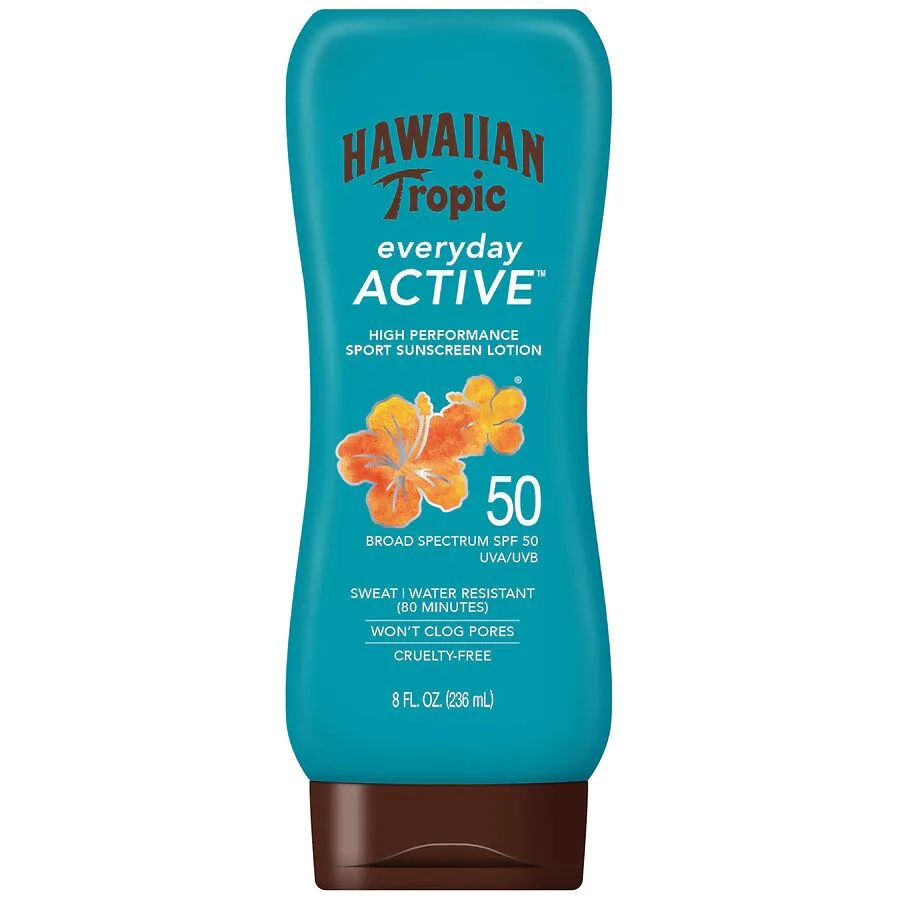 Sport Day SPF Workhorse
 Island Sport Sunscreen Lotion SPF 50
Hawaiian Tropic's most performance-oriented sunscreen delivers SPF 50 protection with 80-minute water resistance while keeping the brand's tropical sensory identity intact. A reliable sport sunscreen at an excellent price point, though the fragrance and older-generation UV filters keep it a step behind the most advanced global formulations.
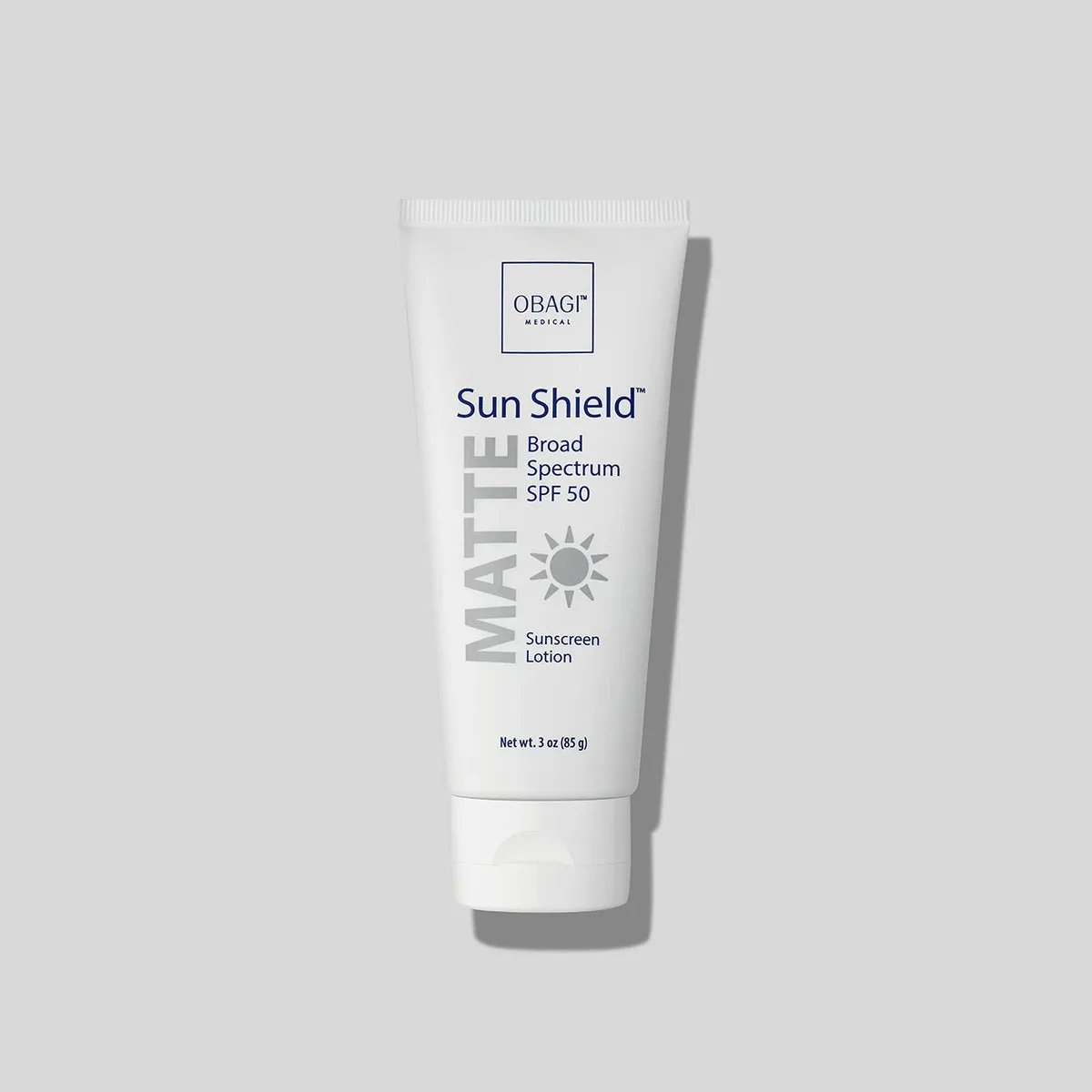 Derm Office Staple
 Sun Shield Matte SPF 50
A dependable hybrid sunscreen built for the derm office waiting room crowd — people who want serious SPF 50 protection without the greasy, shiny aftermath. The matte finish is legitimately impressive for a formula packing 16.5% zinc oxide, though the $59 price tag asks a lot when the supporting cast of ingredients is fairly basic.
 Vacation Drugstore Sunscreen
 Hawaiian Sunscreen SPF 45
A tropical-scented drugstore body sunscreen that reliably delivers SPF 45 at a budget price — but the formulation is stuck in the 2010s, with parabens, fragrance, and a coconut-vanilla signature that makes it more vacation sunscreen than everyday UV protection. It's fine for what it is. It's just no longer where the category is going.
 Sport Sunscreen Workhorse
 Skin Armor SPF 50 Sunscreen
Art of Sport's Skin Armor is one of the better sport sunscreens at any price — and it's a drugstore product. Avobenzone is maxed at 3%, photostabilized by 8% octocrylene, and locked in by a real water-resistance polymer. The fragrance and alcohol denat keep it out of sensitive-skin territory, but for athletes who actually sweat, it earns the name.
 Reapply-Over-Makeup MVP
 Suntouchable All Set for Sun SPF 45
A clear, weightless SPF 45 setting spray that solves the problem everyone has with sunscreen — actually reapplying it — and does so for around fourteen dollars. The avobenzone is properly photostabilized, the finish is invisible, and it doubles as a makeup-setting mist. Just treat it as a top-up over a real base SPF, not as your one and only sun protection.
 Everyday SPF Two-in-One
 MEN Maximum Hydration Face Lotion SPF 15
A genuinely useful two-in-one that sneaks daily UVA/UVB protection into the moisturizer step men actually use, built on a properly photostabilized avobenzone-octocrylene-octisalate trio. The lightweight, no-cast finish is its strength; the low SPF 15, small tube, alcohol denat., and fragrance are its honest limits. Solid as everyday defense, not as a beach sunscreen.
 Everyday Light-Exposure Lotion
 Sport Ultra Sunscreen Lotion SPF 15
A cheap, genuinely lightweight body sunscreen with a sound photostabilized chemical filter set and a pleasant, fast-absorbing feel. The catch is right on the label: SPF 15 is low protection, so this earns its place only for brief, incidental sun exposure, with a strong fragrance and frequent reapplication as the main caveats.
 Hybrid Convenience Pick
 Baby Mineral Enriched Sunscreen Spray SPF 50
A smart middle-ground spray that uses zinc oxide for UVA and chemical filters for UVB, giving parents mineral reassurance with the easy application and minimal white cast of a chemical formula. Fragrance- and paraben-free, it is gentler than the brand's chemical sprays. Just remember it is a hybrid, not true mineral, and aerosols still demand rubbing in and never spraying near a baby's face.
 Beach-Day Workhorse
 Sport Continuous Sunscreen Spray SPF 50
A reliable, properly photostabilized broad-spectrum body spray at a sensible price — the dependable middle child of Coppertone's Sport spray lineup. SPF 50 hits the sweet spot of real protection without the extra filter load of the higher numbers, but the alcohol-heavy aerosol is drying, fragranced, and only as good as how generously you apply it.
 Everyday Errands SPF
 Sport Continuous Sunscreen Spray SPF 30
The sensible everyday member of Coppertone's Sport spray family: a photostabilized SPF 30 that's plenty for errands, dog walks, and casual sun, applied fast and feeling like almost nothing. The lower filter load is genuinely fine for incidental exposure, but the drying alcohol base, fragrance, and the ever-present spray under-application trap are the usual caveats.
 Oxybenzone-Free Quick Spray
 Complete Sunscreen Spray SPF 50
The cleaner, gentler cousin of Coppertone's sport spray: an oxybenzone-free continuous SPF 50 with noticeably less alcohol, so it feels a touch kinder on skin while keeping the same quick, all-over convenience. The protection is legitimate and photostabilized, but it shares every spray's core weakness — it's only as good as how generously you apply it, and the fragrance and residual alcohol keep it off sensitive skin.
 Beach-Bag Convenience Pick
 Complete Sunscreen Spray SPF 30
A fast-drying, genuinely affordable body spray that does the one job a beach sunscreen needs to do — broad-spectrum coverage with photostable avobenzone. The high alcohol base and strong coconut fragrance keep it off sensitive faces, but for arms, legs, and a quick reapply mid-afternoon, it's a sensible grab-and-go.
 Hybrid Zinc Face Pick
 Defend & Care Clear Zinc Sunscreen Face Lotion SPF 50
A chemical-mineral hybrid face lotion that adds nearly 10 percent zinc oxide to a UVB filter base for sheerer-than-usual partial mineral coverage. Fragrance-free, alcohol-free, and lightweight for a zinc formula, it suits those who want a touch of mineral without the heavy cast. The octinoxate and benzyl alcohol temper its sensitive-skin appeal, and pure-mineral seekers should look elsewhere.
 High-SPF Beach Pick
 Clear Sunscreen Spray SPF 70 Peach Blossom
A clear, scented body spray that reaches an unusually high SPF 70 for its aesthetic category by stacking octocrylene and double-stabilizing avobenzone. Protection is robust and the peach scent is tasteful, but the drying alcohol base, long fragrance-component list, and premium price mean it earns a solid rather than spectacular grade.
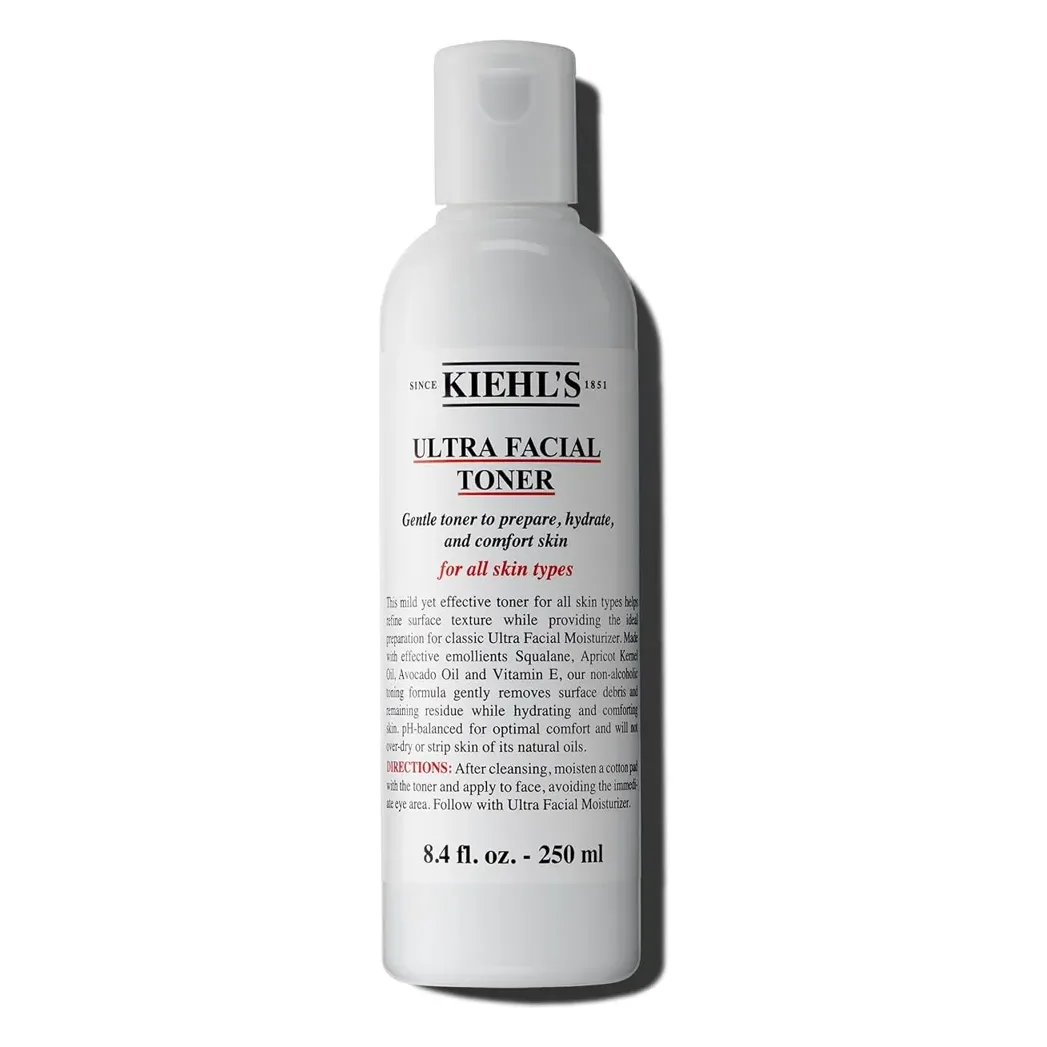 Comfort Toner, Nothing More
 Ultra Facial Alcohol-Free Toner
A seventeen-ingredient, alcohol-free, fragrance-free milky toner built on glycerin and squalane that makes post-cleanse tightness disappear and asks nothing else of you. It is one of the gentlest toners sold and one of the least ambitious, and at twenty-six dollars it charges prestige money for a comfort step that dry and reactive skin will love and oily skin can skip.
 Sensitive-Skin Hybrid
 Moisture Soothing Sun Cream
A mineral-led hybrid that manages to feel like a moisturizer, with a low-irritation filter set and real barrier support from ceramide NP, allantoin and a long tail of calming botanicals. Lovely on dry, reactive skin; too rich and too pale for oily or deeper complexions. Fairly priced for what it does.
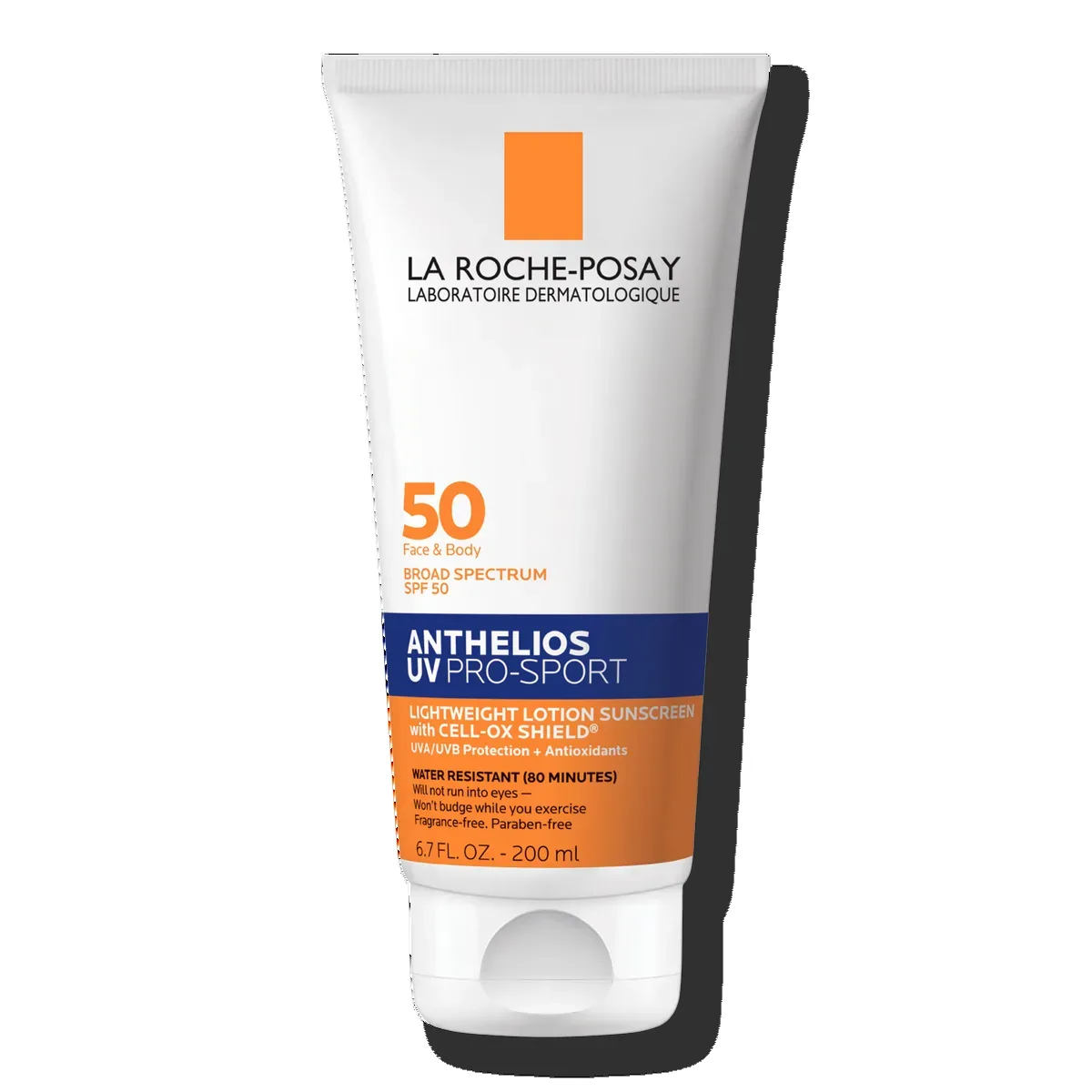 Sport Sunscreen Pick
 Anthelios UV Pro-Sport SPF 50
A genuinely well-engineered sport sunscreen — a high-load, photo-stabilized four-filter SPF 50 that is water and sweat resistant, yet lightweight, non-drip and free of the greasy white-cast heaviness sport sunscreens are known for. Fragrance-free, with skin-conditioning extras, from a legacy dermatological brand, in a generous bottle at a fair price.
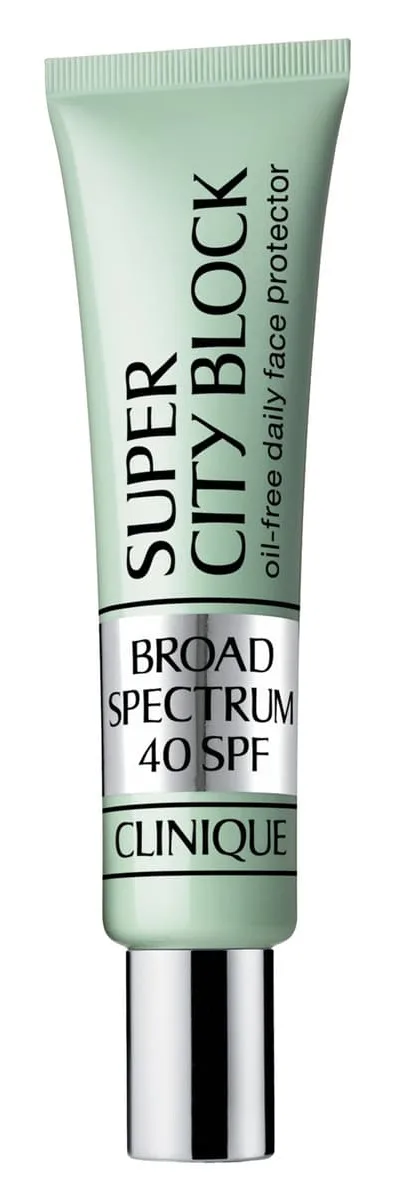 High-SPF Oil-Free Shield
 Super City Block Oil-Free Daily Face Protector Broad Spectrum SPF 40
A high, genuinely broad-spectrum SPF 40 that pairs a heavy mineral load with chemical filters in an oil-free, mattifying base built for oily skin and makeup. Protection and finish are strong; the small tube at a premium price and a possible slight cast on deeper tones are the real trade-offs.
 Men's First Sunscreen
 Men+Care Hydrate+ Face Lotion SPF 15
The ultimate gateway SPF product for men who refuse to wear sunscreen — completely invisible, non-greasy, and genuinely pleasant to use daily. The SPF 15 is lower than dermatologists recommend, and the tiny bottle is expensive per ounce, but for the millions of men currently wearing zero daily sun protection, this imperfect product is infinitely better than the alternative.
 US Drugstore Body Staple
 SPF 50+ Body Sunscreen Lotion
Bondi Sands' original Gold Standard body SPF is a dependable US-available chemical sunscreen that delivers Australian TGA-standard broad-spectrum coverage at a drugstore price, with EWG Verified status and a finish that rubs in clear on every skin tone. The light fragrance and older US-approved filter set keep it from being a category innovator, but for the price it's one of the strongest mainstream body sunscreens on a Target shelf.
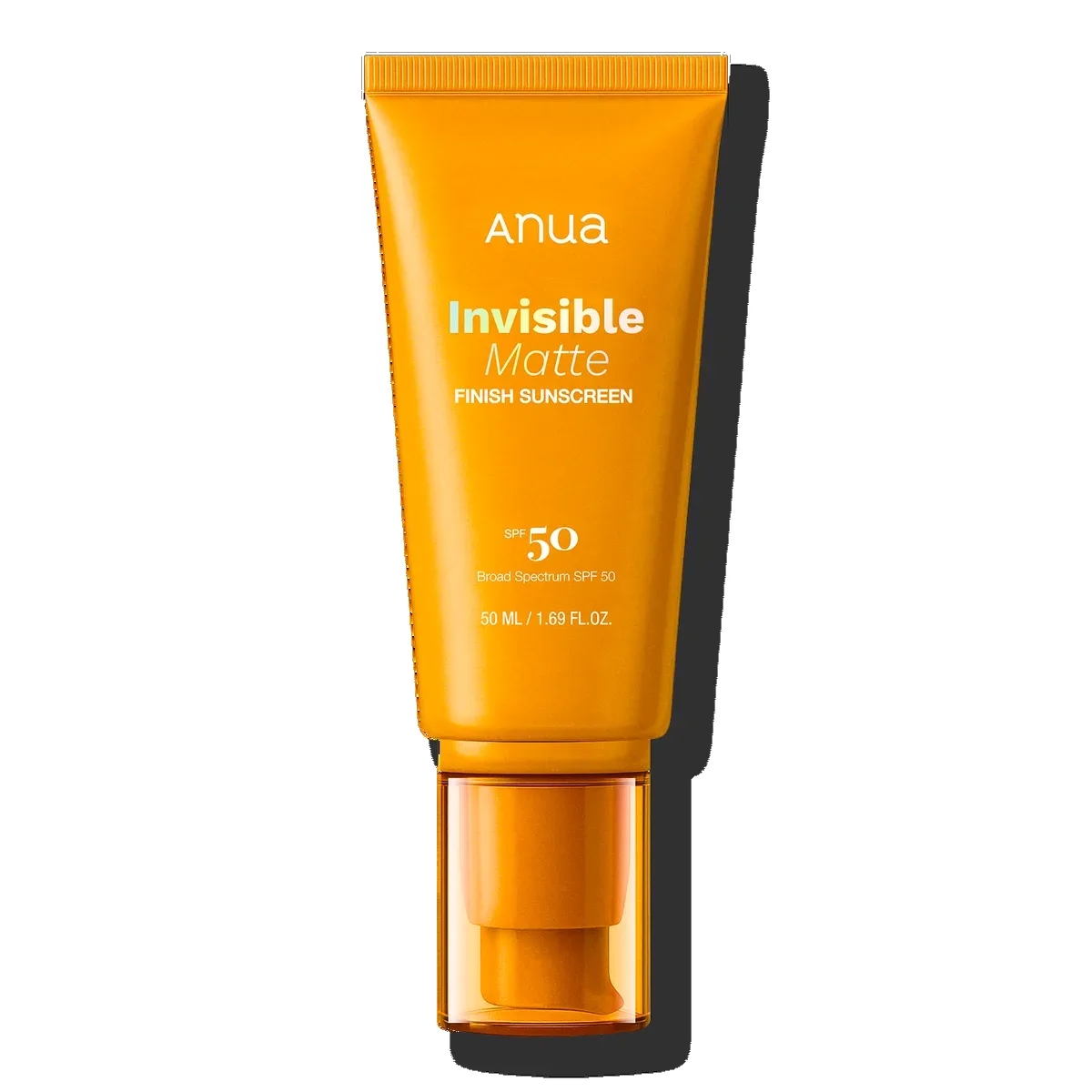 Oily-Skin Sunscreen Pick
 Invisible Matte Finish Sunscreen
A matte chemical sunscreen built specifically for the oily-skin complaint — a photo-stabilized four-filter SPF 50 PA+++ in an anhydrous, pore-blurring base that doubles as a makeup primer. It controls shine genuinely well and stays invisible on all skin tones; dry skin and the comedogenic-wary should look elsewhere.
 Glow-From-Within SPF
 Original SPF 30 Sunscreen Face Lotion
A cleverly designed chemical sunscreen that genuinely doubles as an illuminating primer — the glow effect is real, the texture is featherlight, and the kakadu plum antioxidant elevates it above standard drugstore SPF. The eye-stinging issue and runny formula are real drawbacks, but for anyone who wants their sunscreen step to also be their makeup prep step, this delivers.
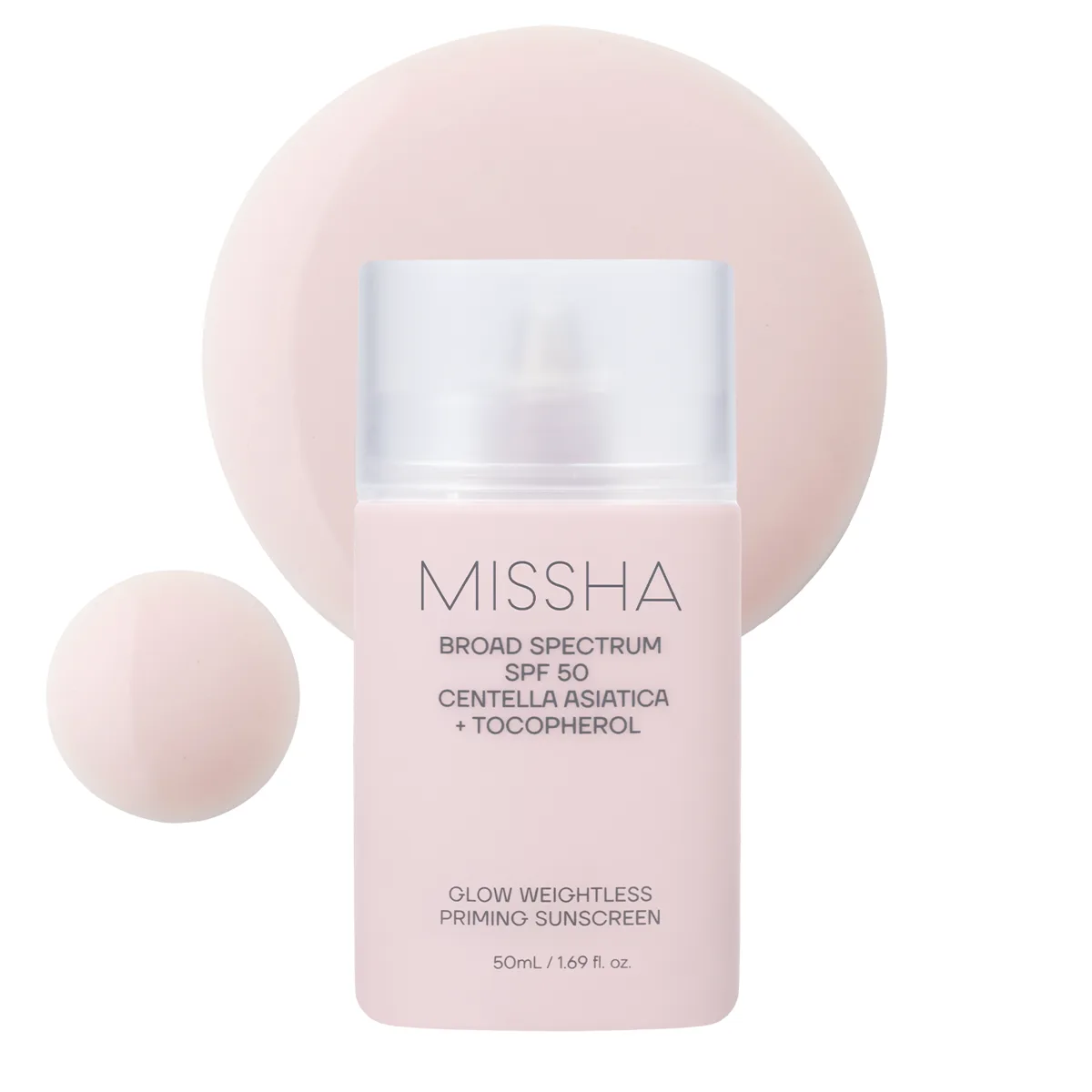 Oily-Skin Primer-Sunscreen
 Glow Weightless Priming Sunscreen SPF50+
For oily, pore-conscious skin that wants real broad-spectrum protection under makeup, this is one of the more intelligently built hybrid sunscreens to reach the US this year: fifteen percent zinc that somehow wears like a primer. Alcohol and fragrance keep it off the list for dry or reactive faces, and deeper skin tones should test the cast first.
 Errand-Day SPF
 Daily Defense Face Moisturizer with SPF 20 for Men
A light, fragrance-free, beard-friendly morning lotion that men will actually wear every day, which counts for a great deal, wrapped around a modest filter system of 4% zinc oxide and 5% octisalate that delivers SPF 20 and limited UVA cover. Fine for the commute and the school run when applied generously; not the mineral sunscreen the marketing implies, and not enough on its own for a day outside.
 Standard Spray, Vitamin C Badge
 Vitamin C Sunscreen Spray SPF 50
A perfectly conventional alcohol-based SPF 50 body spray — avobenzone, homosalate, octisalate, octocrylene, water resistant for 80 minutes — wearing an InstaNatural vitamin C label that adds nothing to the protection. It mists light, dries fast and is fairly priced for the can; it also carries fragrance, alcohol and a high homosalate load. Fine for resilient body skin at the beach, not a face product, and the C is decoration.
 Reduced White Cast Mineral Sunscreen
 Clear Zinc Sunscreen SPF 30
A well-considered mineral sunscreen that genuinely partially solves the white cast problem for fair and medium skin tones without resorting to organic UV filters. The SPF 30 rating is a deliberate trade-off for cosmetic elegance, and in most daily-use contexts it's a smart one. Not perfect for deeper skin tones, but a strong pediatric-friendly pick.
 Classic Coconut Beach SPF
 SPF 50+ Body Sunscreen Lotion Coconut Beach
The Coconut Beach variant of Bondi Sands' body SPF 50+ is the classic scented version that built the brand's US drugstore reputation — same TGA-tested filter set as the fragrance-free sibling, but with a nostalgic coconut parfum that will either be the reason you buy it or the reason you don't. For tolerant body skin at a drugstore price, it's one of the most beach-ready affordable sunscreens on a Target shelf.
 Smooth 15% Azelaic Standout
 Azeclear A15 Azelaic Acid Serum
A prescription-strength 15% azelaic acid serum in a fully dissolved emulsion — not a suspension — at a price that genuinely undercuts the limited competition in this dose range. Smooth enough on application to feel like a daily serum rather than a treatment, with an oat-and-aloe calming layer that makes it tolerable even for rosacea-prone skin.
 Moderate-SPF Tanning Lotion
 Tanning Sunscreen Lotion SPF 15
The middle child of Coppertone's tanning line: SPF 15 offers a genuine, if modest, step up in protection from the SPF 8 version while still being built to let you tan. The base is light and moisturizing and the price is low, but at SPF 15 it sits below modern recommendations and serves a tanning goal dermatology advises against. Better than its weaker sibling; still not a protective sunscreen.
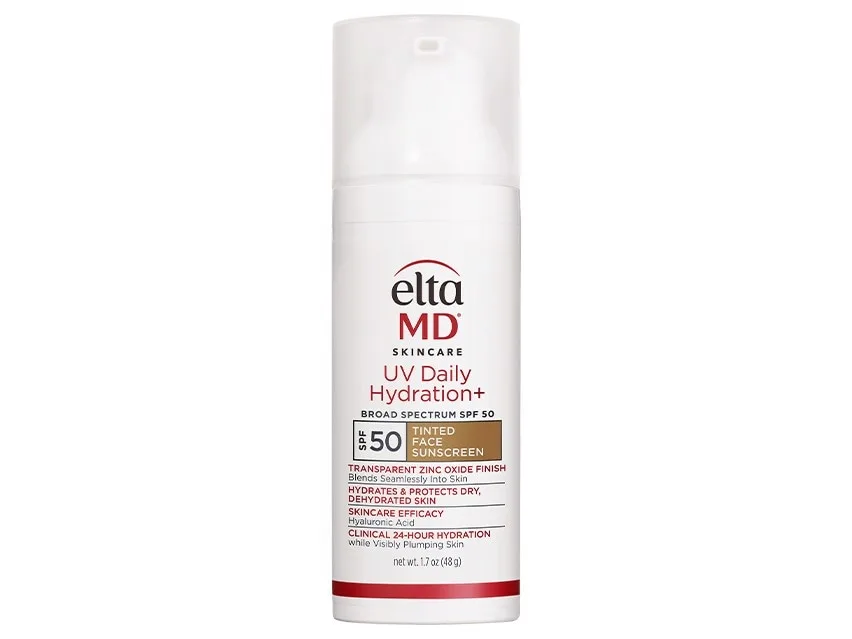 Tinted Pigment Shield
 UV Daily Hydration+ Tinted SPF 50
The tinted sibling of EltaMD's Hydration+ takes everything good about the original, zinc-led SPF 50, boosted hyaluronic acid, antioxidant blend, and adds iron oxides for genuine visible-light and blue-light defense plus a skin-evening universal tint. For melasma, hyperpigmentation, or anyone wanting a hydrating sunscreen that doubles as a light base, it's a smart one-step choice. The single shade and small premium-priced tube are the main caveats.
 On-the-Go Reapply Mist
 Face Sunscreen Mist SPF 50
A genuinely convenient SPF 50 mist that solves the over-makeup reapplication problem, with a robust, photostable filter system in a fast-drying base. Its weakness is the format itself: easy to under-apply, and the alcohol-and-fragrance base is rough on reactive skin. Best as a midday top-up, not your only sunscreen.
 K-Beauty Brand, US-Filter Sunscreen
 Aloe Cica UV Defense Sunscreen SPF 40 PA++++
A Korean brand's American sunscreen: homosalate, octisalate and avobenzone, the US-monograph filter set, with the avobenzone properly stabilised by ethylhexyl methoxycrylene and butyloctyl salicylate, in an oil-free, no-cast, eighty-minute water-resistant lotion for nineteen dollars. It is competently engineered and feels like a good drugstore sunscreen, which is what it is; the aloe and cica on the tube sit behind the fragrance at trace positions, the fragrance and the three organic filters are the wrong combination for reactive skin and melasma, and it is weeks old. For normal, combination and oily skin that wants an FDA-compliant K-beauty tube, it does the job.
 Eczema-Line Family Sunscreen
 ATO Mild Sun Cream
A zinc-led family sunscreen from a brand whose whole reason for existing is atopic skin, now reformulated into a lighter SPF 50 hybrid that keeps the filters parents worry about out and irritation testing in. Not cast-free, not the richest, but one of the more trustworthy sunscreens for eczema-prone faces of any age.
 Mens UK SPF 50 Pick
 Anytime Daily UV Moisturiser SPF 50
Bulldog Skincare UK mens SPF 50 moisturizer with modern EU UV filter pool (Tinosorb S + Uvinul A Plus + Ethylhexyl Salicylate + Phenylbenzimidazole Sulfonic Acid + Ethylhexyl Triazone), glycerin humectant, marine algae extract, and tocopherol antioxidant. The modern EU UV filter loading is exceptional for mens drugstore-tier positioning. Limited US distribution due to non-FDA UV filter content.
 Top-Up Mist, Not a Sunscreen
 Vitamin C SPF 30 Setting Spray
A midday SPF top-up in a convenient pump mist, built on avobenzone, homosalate and octisalate in an alcohol base with fragrance and three token forms of vitamin C. It dries matte and reapplies over makeup easily, which is the whole point; it also stings a fair share of faces, has no named avobenzone stabilizer, and averages three stars on Amazon. A reasonable top-up for oily skin, never a primary sunscreen.
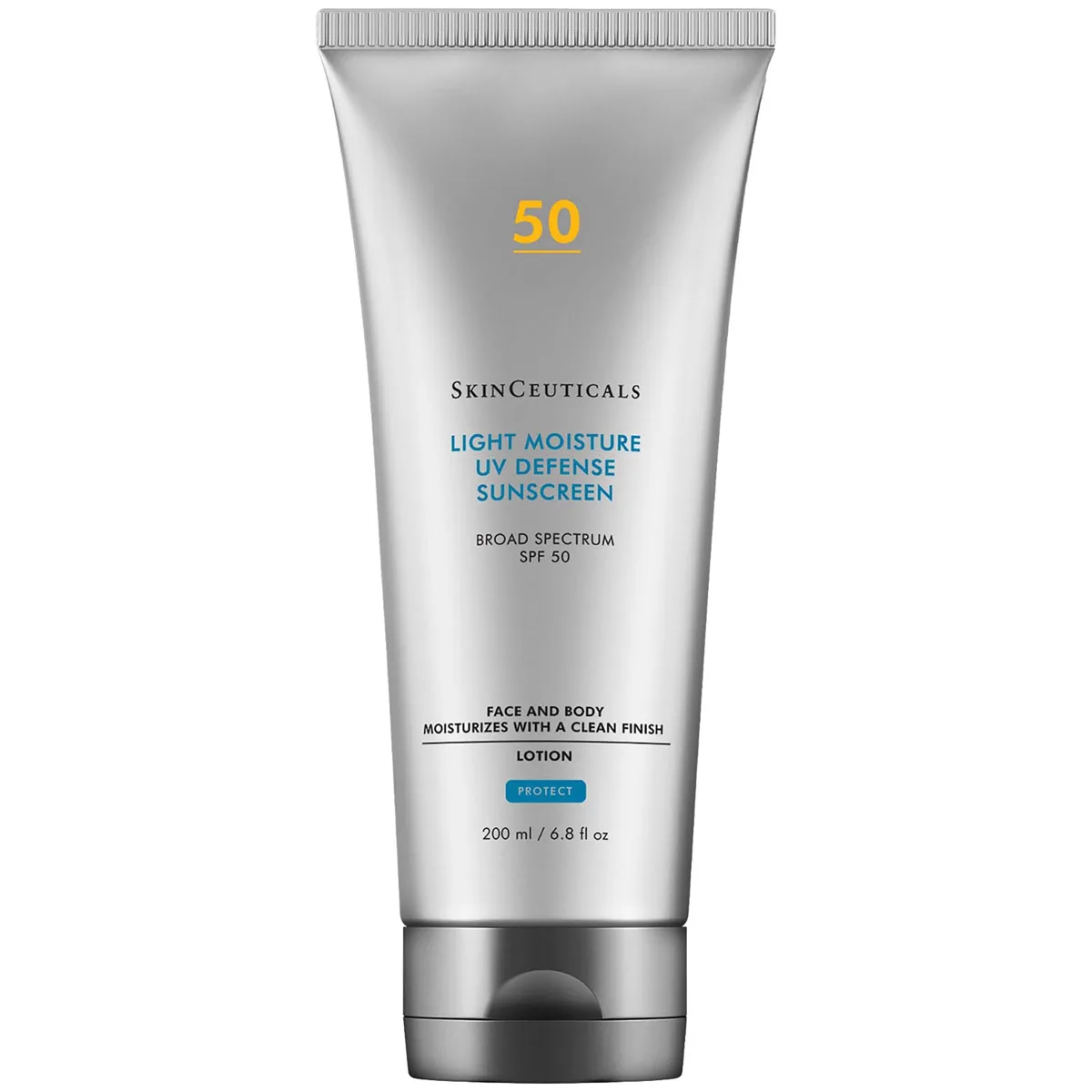 Invisible Daily SPF
 Light Moisture UV Defense SPF 50
Light Moisture UV Defense is SkinCeuticals' lightweight daily chemical SPF 50, built around a standard avobenzone-homosalate-octisalate-octocrylene filter stack in a polymer base that disappears under makeup. It is pleasant, reliable, and genuinely invisible on skin — though the $43 price is high for what amounts to a well-executed but fairly standard US chemical sunscreen.
 Derm Office Staple
 Fusion Water MAGIC Color Light SPF 50+
ISDIN's Fusion Water Magic Color Light delivers the brand's near-legendary water-light texture plus a sheer, fair-leaning tint, built on a thoroughly modern octinoxate-free filter system. It controls shine, evens skin tone, and genuinely doesn't feel like sunscreen. The high price for a small 50 mL bottle and the presence of fragrance are the only meaningful reservations.
 Pigmentation-Prone Pick
 Fusion Water MAGIC Color Medium SPF 50+
The Medium shade of ISDIN's Fusion Water Magic Color brings the brand's celebrated water-light texture to medium and olive skin tones, with a sheer tint that evens the complexion and, thanks to its iron oxides, adds visible-light protection where it matters most. The modern octinoxate-free filter system is excellent. Only the premium price and the fragrance hold it back.
The full octisalate (ethylhexyl salicylate) guide
Octisalate rarely headlines a sunscreen—it's more of a supporting character that earns its place by doing two jobs quietly: absorbing UVB in the 280–320 nm range (peak absorption around 307 nm) and acting as a solubilizing vehicle that helps keep avobenzone photostable in a formula.
Approved by the FDA at up to 5% and used in the EU under the INCI name ethylhexyl salicylate, it appears in a large share of the chemical sunscreens you'll find at any pharmacy. The ingredient is not without open questions: the FDA's 2021 proposed order placed it among twelve organic filters classified as not yet GRASE (generally recognized as safe and effective) pending more data—a procedural status about data gaps, not an affirmative finding of harm.
Where the evidence stands, by concern
Evidence for an ingredient is not one grade — it differs concern by concern. Each row below was researched separately against regulatory approvals, clinical guidelines, and trials our team opened and verified; the band and dots rank how central octisalate (ethylhexyl salicylate) is to treating that concern, from first-line therapy down to supportive care, at treatment-level doses and vehicles. A product's own grade weighs its actual formula.
How it's regulated in the US
FDA does not classify ingredients — it classifies products, by what they are sold to do. The same molecule can be a drug active in one product and a cosmetic ingredient in the next, and only the claim on the label decides which. What follows is a statement about that legal standing, not about whether it works — the evidence question is answered separately above.
OTC drug active A monograph active up to 5 percent, used mainly as a solubiliser and stabiliser for other filters rather than for its own modest UVB absorption. Its regulatory standing is nonetheless identical to theirs.
- sun protection OTC monograph up to 5 percent
Generally recognized as safe and effective under an FDA order — marketed without FDA approval
Permitted label wording “Helps prevent sunburn; if used as directed with other sun protection measures, decreases the risk of skin cancer and early skin aging caused by the sun”
Octisalate's UV-absorbing function is well-characterized chemistry with decades of regulatory approval and widespread use. Its UVB absorption spectrum (280–320 nm, peak ~307 nm) is thoroughly documented, and its role helping stabilize photolabile avobenzone in formulations is supported by published photostability work. The safety picture is more nuanced. The FDA's maximal-use pharmacokinetic study detected octisalate in plasma at roughly 4.6–5.8 ng/mL across spray formulations (about 5.1 ng/mL for the aerosol)—well above the FDA's 0.5 ng/mL threshold that triggers additional safety testing. A 2024 zebrafish study (PubMed PMID 39413646) reported increased T4 and growth reduction in larvae exposed to octisalate, adding to thyroid-axis disruption signals seen in animal models; human epidemiological evidence of harm at real-world exposure remains absent. Allergenicity is low: the European Multicentre Photopatch Test Study recorded 2 reactions among 1,031 volunteers (~0.19%). On environmental safety, the REACH classification submitted to ECHA labels the substance as very toxic to aquatic life with long-lasting effects, and also as suspected of damaging the unborn child. In sum: effective and well-validated as a UV filter; legitimate open questions around systemic absorption and endocrine activity that the FDA has formally requested more data on.
How it works
Octisalate is the ester formed when salicylic acid reacts with 2-ethylhexanol. The salicylate portion of the molecule carries a conjugated aromatic system that absorbs photons in the UVB band—specifically 280 to 320 nanometers, with peak efficiency near 307 nm. When UV photons strike the molecule, the absorbed energy is released as a small amount of heat rather than penetrating deeper into skin or driving the free-radical cascades that damage DNA. This conversion is fairly photostable: octisalate doesn't degrade meaningfully on its own under sun exposure, which is why it's valued less for its weak standalone SPF (typically only 2–3 SPF units at the 5% maximum) and more as a stabilizing partner for filters that break down faster. Avobenzone, the most common broad-spectrum UVA filter in US sunscreens, can lose a large fraction of its activity within an hour of sunlight when unprotected; blending octisalate into the formula helps slow that loss by improving how energy dissipates across the filter system. Beyond its UV role, this oily ester behaves as an emollient and a solubilizer—it dissolves other oil-phase actives and improves spreadability, part of why it shows up so often even in products that already lean on higher-output UVB filters like homosalate or octocrylene. Octisalate does cross the stratum corneum and reach the bloodstream in measurable amounts, which is the basis of the ongoing regulatory review of its systemic absorption.
Key benefits
- Absorbs UVB radiation across 280–320 nm, peaking near 307 nm
- Helps stabilize avobenzone against photodegradation in chemical sunscreen blends
- Works as an oil-phase solubilizer that supports water-resistant formulations
- Emollient ester texture improves spreadability and cosmetic feel
- Low sensitization rate—photopatch testing found roughly 0.19% reactions
- Long regulatory history with FDA use permitted at up to 5%
Concentration & usage
The FDA permits octisalate at up to 5%, and the EU uses the same upper limit under the INCI name ethylhexyl salicylate. On a label, look for "octisalate" (US OTC drug active-ingredient labeling) or "ethylhexyl salicylate" (INCI/international cosmetic labeling)—both name the identical compound. Most formulas dose it at 3–5%. Because its standalone SPF contribution at 5% is only about 2–3 points, it nearly always appears alongside higher-output filters such as homosalate, octocrylene, or avobenzone rather than carrying a formula on its own.
Who it's for & who should be cautious
Who it's for
Anyone reaching for a broad-spectrum chemical sunscreen or an SPF moisturizer will run into octisalate constantly—it's among the most common UV filters on the US market. It's a sensible component of daily UV protection when paired with filters that cover the UVA range, and its low sensitization rate makes it well tolerated by most skin types, including normal, dry, and combination skin that wants a smooth, cosmetically elegant base.
Who should be cautious
Skip it if you have a confirmed salicylate contact allergy—patch testing at 5% in petrolatum has produced positive reactions, and sensitization can develop over time. If you're pregnant or breastfeeding, it's worth knowing that octisalate is systemically absorbed and has been detected in plasma and breast milk; the REACH classification flags it as suspected of damaging the unborn child, and the FDA's not-yet-GRASE status specifically cites the need for more reproductive safety data. Talking to an OB or dermatologist before continued high-frequency use during pregnancy is reasonable caution, not alarmism. And if reef-safe formulation matters to you, note that the REACH data classify the substance as very toxic to aquatic life with long-lasting effects.
Pairs with & conflicts
Myths & facts
Myth: Octisalate protects against both UVA and UVB rays
Reality: Octisalate absorbs only in the UVB range (280–320 nm) and provides no UVA protection. A sunscreen relying on it for broad-spectrum coverage has to pair it with a dedicated UVA filter such as avobenzone, zinc oxide, or one of the newer EU-approved filters.
Myth: The FDA calling octisalate 'not GRASE' means it has been found unsafe
Reality: The FDA's 2021 proposed order did not conclude octisalate is harmful—it concluded the existing data set isn't sufficient to affirmatively classify it as safe and effective under the GRASE standard. The FDA did not advise people to stop using sunscreens containing it and reaffirmed sun protection as a public health priority.
Myth: Octisalate and ethylhexyl salicylate are two different ingredients
Reality: They're the same compound. 'Octisalate' is the US drug-labeling name used on OTC sunscreen active-ingredient declarations; 'ethylhexyl salicylate' is the INCI name that appears on cosmetic formulations internationally. The CAS number and molecular structure are identical.
Frequently asked questions
Does a sunscreen with octisalate cover UVA rays?
Not on its own. Octisalate is a UVB-only filter with an absorption peak near 307 nm and gives no meaningful protection against the UVA wavelengths (320–400 nm) tied to photoaging. A sunscreen using octisalate as its only active won't be broad-spectrum, so check for avobenzone, zinc oxide, or a mexoryl filter listed alongside it.
Why is octisalate in so many sunscreens if its SPF contribution is so small?
Because it multitasks. At 5% it adds only about 2–3 SPF points, but its real value is as a solubilizer and photostabilizer—it dissolves other actives in the oil phase and helps slow avobenzone's breakdown under sunlight. It also improves texture and spreadability, which affects whether people apply enough sunscreen in the first place, a practical factor formulators weigh heavily.
Should I avoid octisalate while pregnant?
The evidence doesn't support a blanket prohibition, but some caution is reasonable. Octisalate is absorbed systemically and has been detected in plasma and breast milk, and both the FDA (citing insufficient reproductive data) and the REACH classification (which lists it as suspected of damaging the unborn child) point to open questions. Switching to a mineral sunscreen—zinc oxide or titanium dioxide, both proposed as GRASE by the FDA—during pregnancy is a conservative, evidence-grounded choice rather than an overreaction.
Is octisalate the same thing as oxybenzone?
No—they're distinct molecules with different structures, absorption spectra, and safety profiles. Oxybenzone (benzophenone-3) absorbs both UVB and some UVA and carries a higher sensitization rate plus stronger evidence of endocrine activity. Octisalate is a salicylate ester covering UVB only, with a lower allergenicity record. Both were among the twelve organic filters the FDA classified as not yet GRASE in 2021 pending more data.
Can octisalate trigger a skin reaction or allergy?
It can, though the rate is low. The European Multicentre Photopatch Test Study recorded about a 0.19% reaction rate among more than a thousand volunteers—far lower than oxybenzone or many fragrances. A confirmed octisalate allergy usually shows up as contact dermatitis at sunscreen-application sites. If you notice persistent redness or itching that tracks where you applied sunscreen, a dermatologist can confirm or rule out octisalate sensitization with a standard patch test.
Is octisalate bad for coral reefs?
There's reason for concern. The REACH data submitted to ECHA classify the substance as very toxic to aquatic life with long-lasting effects. Hawaii and several other jurisdictions that restrict reef-harming sunscreen ingredients focus mainly on oxybenzone and octinoxate, but octisalate's aquatic-toxicity profile is a legitimate reason to choose mineral alternatives when you'll be swimming in the ocean.