Iron Oxides
Products with Iron Oxides
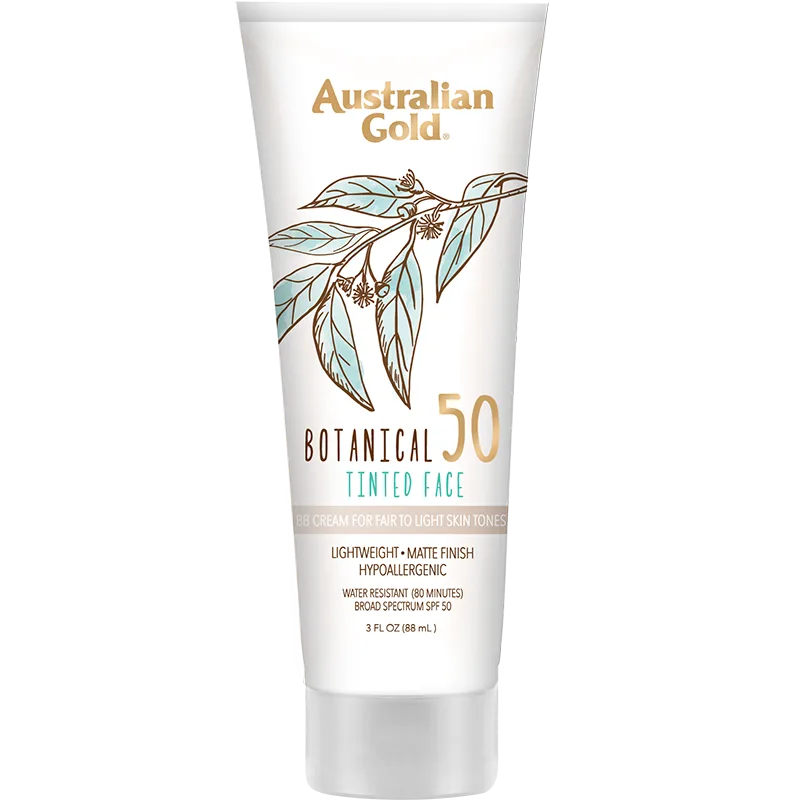 Budget Mineral MVP
 Botanical SPF 50 Mineral Sunscreen Face Lotion
The mineral sunscreen that proved you do not need to choose between effective protection, cosmetic elegance, and an affordable price. Its matte tinted finish has earned it cult status among oily and combination skin types, though dry skin should approach with a solid moisturizer underneath.
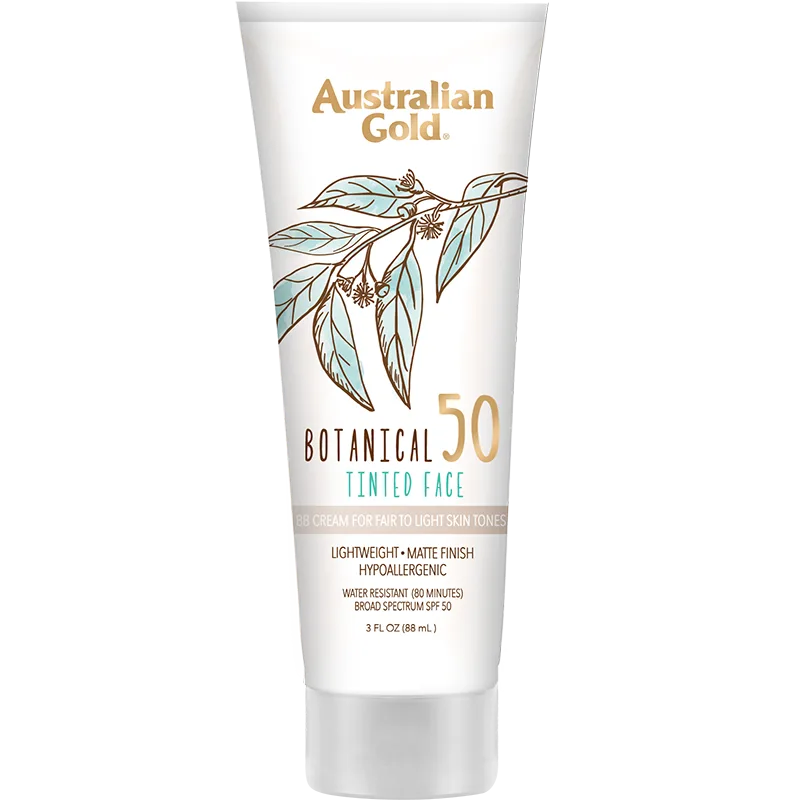 Drugstore Mineral Favorite
 Botanical SPF 50 Tinted Face Mineral Lotion
An outstanding drugstore mineral sunscreen that achieves the near-impossible: SPF 50 protection from mineral filters alone with an elegant matte finish, natural-looking tint, and a sub-$18 price tag. The limited shade range and silicone-heavy base are real drawbacks, but for the skin tones it matches, this is one of the best values in mineral sun protection.
 Mineral SPF for Melasma
 Sunny Daze SPF 50 Moisturiser
A 25% zinc oxide mineral face moisturizer with a built-in universal tint that provides both visible-light protection and white-cast neutralization — one of the better-engineered mineral SPF moisturizers in its price tier. The single universal shade is a real limitation, but for anyone managing melasma or reactive skin, this is a surprisingly thoughtful drugstore option.
 Drugstore Iron Oxide Sleeper
 Botanical SPF 50 Tinted Face Sunscreen
An overlooked drugstore sunscreen that quietly punches above its weight, especially for anyone managing melasma or post-inflammatory hyperpigmentation. The 4% zinc oxide and 4% titanium dioxide combo plus genuine iron oxides at a sub-$16 price is the kind of formulation math most prestige brands would charge thirty-five dollars to deliver.
 Clean Beauty Sun Shield
 Guards Up Daily Mineral Sunscreen SPF 35
A thoughtfully formulated clean mineral sunscreen that achieves the near-impossible: comfortable daily wear without fragrance, silicones, or chemical UV filters. The peachy tint minimizes white cast, but deeper skin tones will need to test before committing.
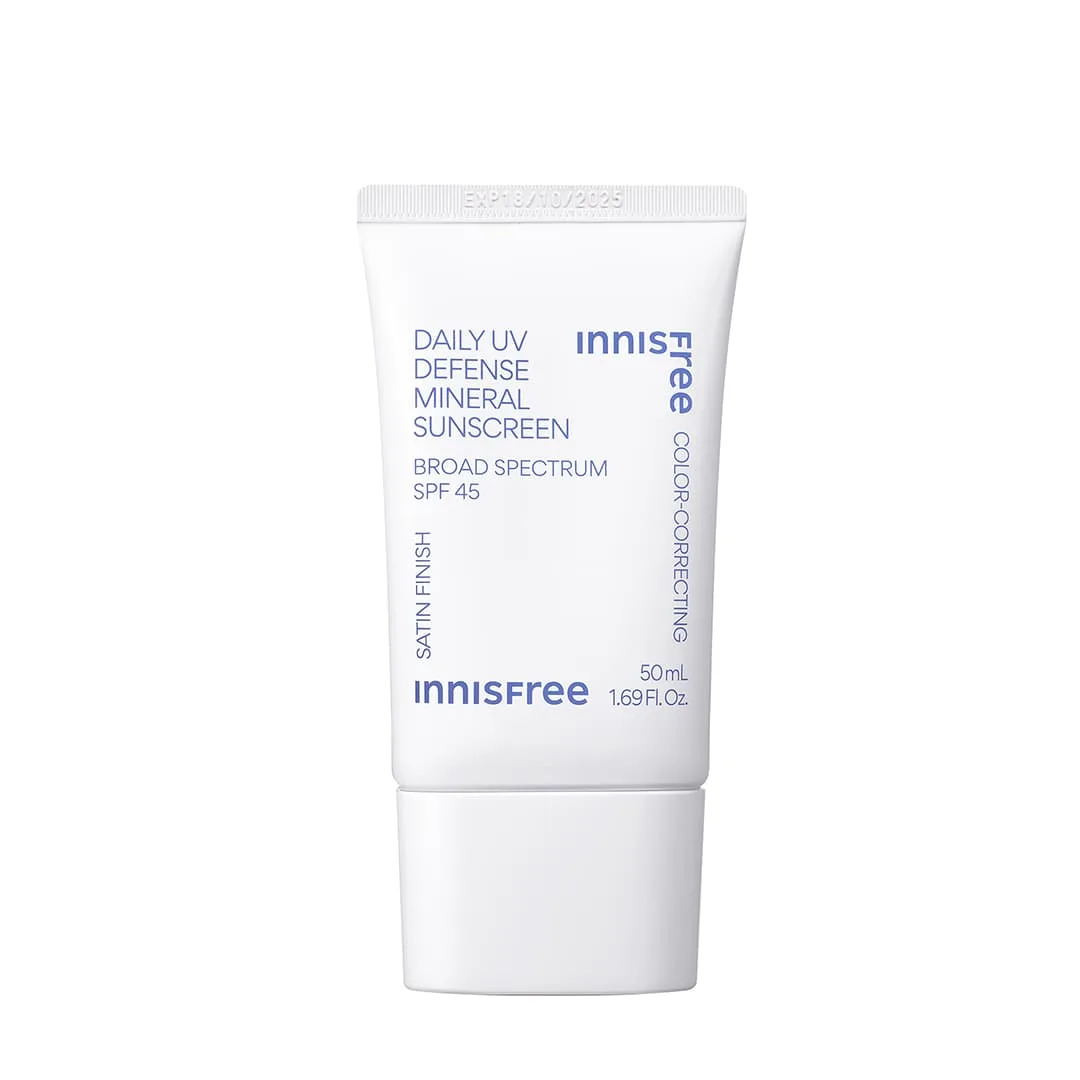 Gentle Mineral Pick
 Daily UV Defense Mineral Sunscreen Broad Spectrum SPF 45
A genuinely clever mineral sunscreen. Innisfree built this 17% zinc oxide formula for the U.S. market as a real FDA over-the-counter drug, then solved the white-cast problem with a green color-correcting pigment that quietly cancels both chalkiness and redness. Add a thorough cica and hyaluronic acid support cast, and you get one of the gentler, better-value mineral sunscreens around.
 Universal Tinted Mineral SPF
 Plus One Tinted Daily Mineral Sunscreen SPF 40
Bubble Plus One Tinted Daily Mineral Sunscreen SPF 40 combines 12% zinc oxide with universal bronze tint (iron oxides + mica) that addresses the white cast problem typical of mineral SPFs. Adds cupuacu seed butter, raspberry seed oil, lilac extract chemistry. Fragrance-free, vegen, $19. Works across most skin tones.
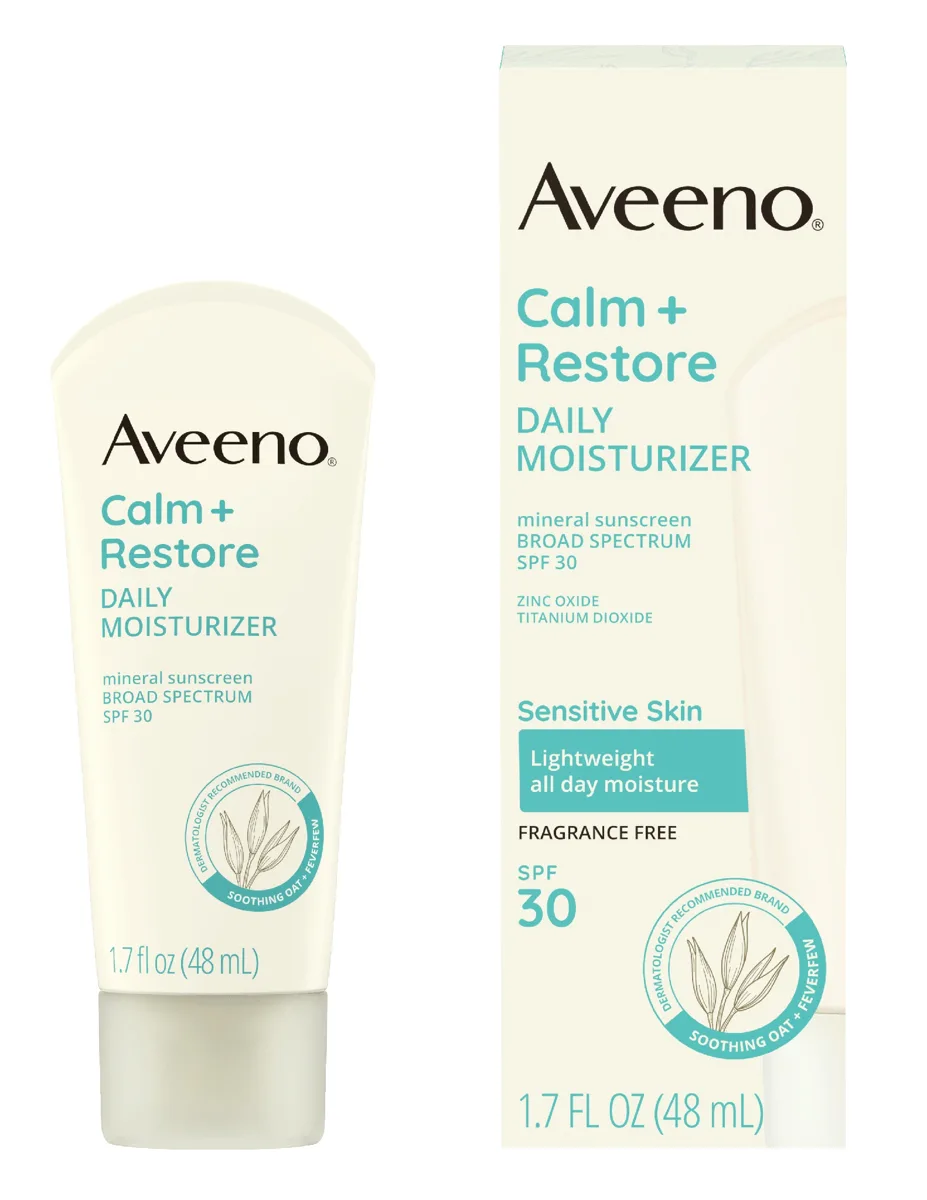 Sensitive-Skin Mineral SPF
 Calm + Restore Daily Moisturizer Mineral Sunscreen SPF 30
A genuinely gentle 100% mineral SPF 30 day moisturizer that gets the sensitive-skin brief right: zinc and titanium filters, soothing oat and feverfew, fragrance-free, and a clever iron-oxide tint to tame white cast. It is one of the better drugstore mineral options for reactive and rosacea-prone skin, if a bit pricey for the size.
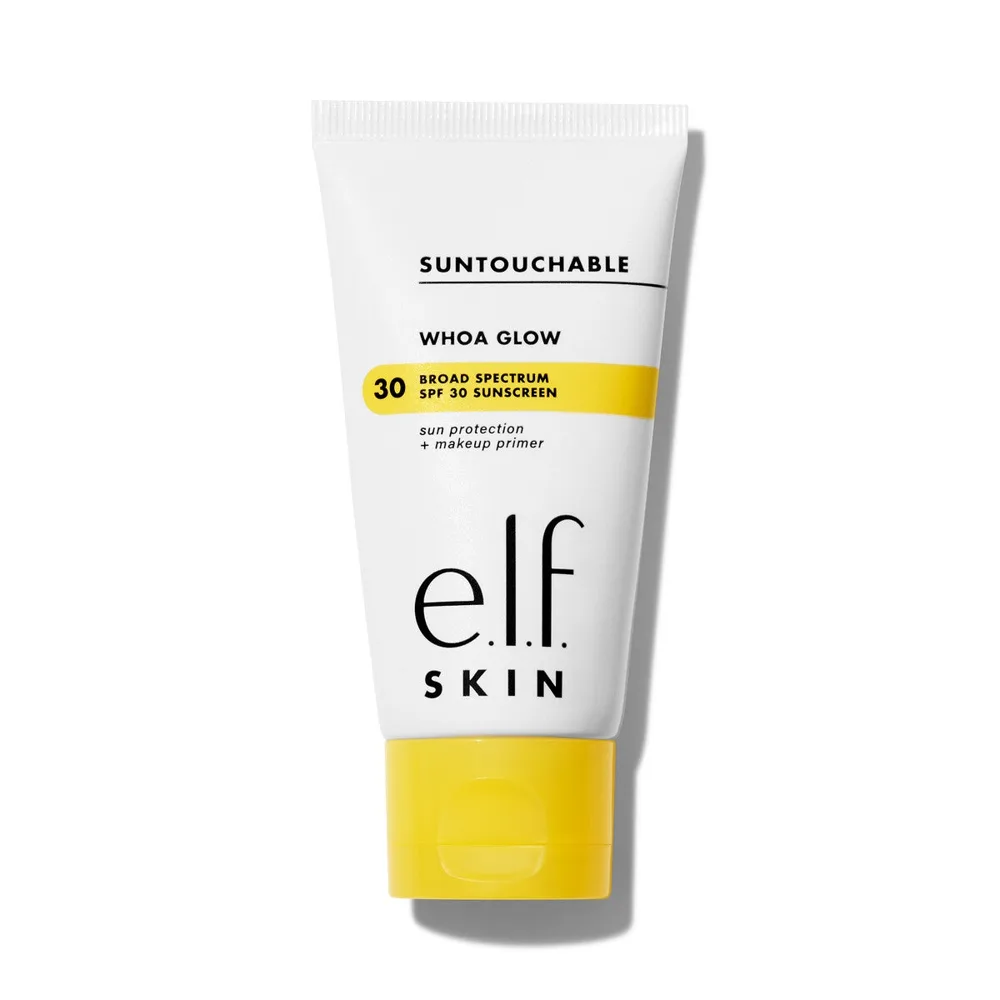 Glow-Getter on a Budget
 SUNTOUCHABLE! Whoa Glow SPF 30
A fun, affordable sunscreen-primer hybrid that delivers genuine SPF 30 protection with a radiant, shimmery finish and real skincare actives — perfect for glow-seekers on a budget, though oily skin types should look elsewhere.
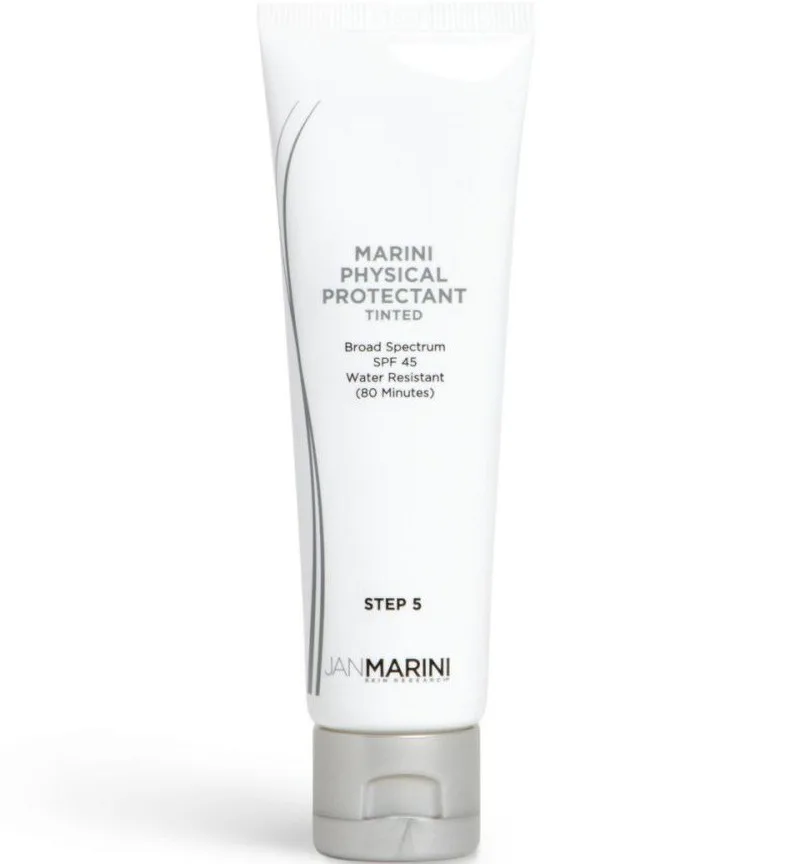 Mineral SPF for Sensitive Skin
 Physical Protectant SPF 45
Jan Marini Physical Protectant SPF 45 is a clinic-tier mineral sunscreen that does more than block UV — the universal iron oxide tint adds genuine visible-light defense while green tea, CoQ10, and bisabolol round out the antioxidant story. It blends cleanly on fair-to-medium skin, suits sensitive and post-procedure faces, and earns its $50 price for the right buyer.
 Drugstore Tinted SPF, Filters and All
 Tinted Daily Facial Moisturizer SPF 50
A fragrance-free chemical SPF 50 with an iron-oxide tint that does real work against visible light and a niacinamide dose that is more than decoration, from a brand whose sensitive-skin testing means something. The costs are a single shade that will not suit everyone, a four-filter organic system with open safety questions, and a small tube. For light-to-medium skin that wants one morning step, it is a sound drugstore pick.
 Derm Office Favorite
 HydraTint Pro Mineral Broad Spectrum Sunscreen SPF 36
A cosmetically elegant tinted mineral sunscreen that earns its place on dermatologists' shelves — the multi-spectrum antioxidant support and primer-like finish genuinely set it apart from the mineral SPF crowd, though the $79 price tag asks a lot for SPF 36 in a single universal shade.
 Melasma MVP
 Physical Fusion UV Defense SPF 50
Physical Fusion UV Defense is SkinCeuticals' 100% mineral tinted SPF 50, built around titanium dioxide and zinc oxide with a universal iron oxide tint. It is one of the most consistently recommended sunscreens in dermatology for melasma and rosacea patients — genuinely well-built, broadly suitable, and capable of replacing foundation for many users.
 Melasma Protocol Pick
 Face Moisture SPF 35 Lightly Tinted
This is the version of Cotz Face Moisture that dermatologists now recommend first for anyone working on pigmentation, because the iron oxide content provides visible-light protection that untinted formulas simply don't deliver. Same 9.1% zinc and 2.9% titanium filter load as the untinted version, plus a universal tint that neutralizes cast and shields skin from the blue-light wavelengths documented to worsen melasma. For light to medium skin tones, this is a meaningful upgrade over the untinted original.
 SPF 50 + Coverage
 Flawless Complexion Tinted SPF 50
Flawless Complexion is what happens when Cotz leans just a little into cosmetic elegance without breaking its dermatologist-friendly formulation discipline. SPF 50, visible-light protection from a generous iron oxide load, and a mica-enhanced finish that lets the product double as light foundation for users with minimal blemishes. The price premium over the SPF 35 version is small enough that anyone with serious sun exposure or melasma concerns should probably upgrade to this one.
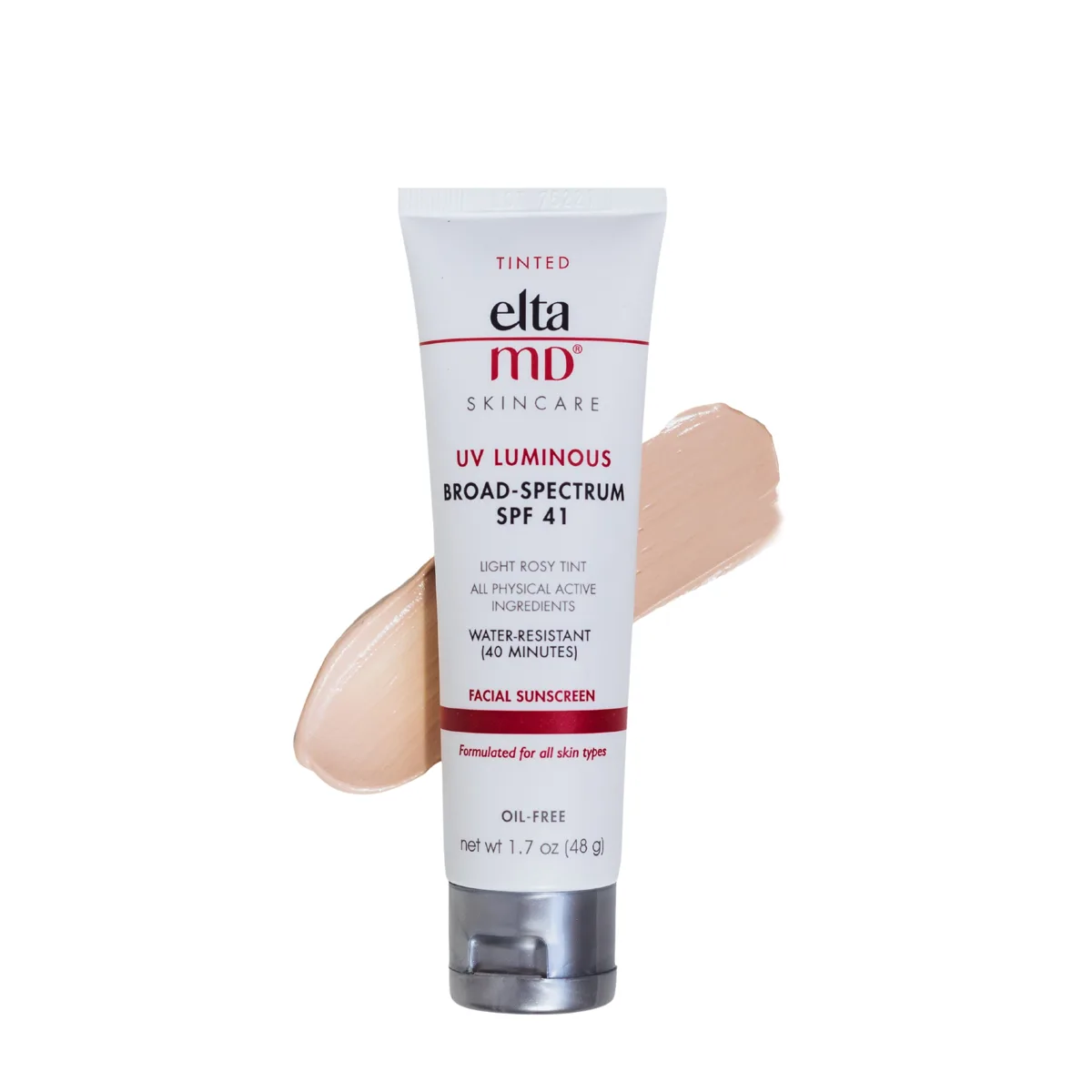 Primer-Friendly Tinted SPF
 UV Luminous Broad-Spectrum SPF 41
EltaMD's newest tinted mineral SPF and the brand's first explicit attempt at a primer-positioned formula. The rosy-warm tint, semi-matte finish, and water resistance distinguish it from UV Elements, and the antioxidant trio (alpha-lipoic acid, quercetin, vitamin E) is unusually sophisticated for a sunscreen. Best for fair-to-medium complexions who want a makeup base that's also a serious mineral SPF.
 Visible-Light Mineral SPF
 Sun Serum Mineral Sunscreen SPF 50
A genuinely well-built mineral SPF 50 — a substantial 10.5% zinc oxide plus iron oxides for visible-light protection, niacinamide, and a hydrating serum base. The iron oxides are a real, meaningful upgrade for pigmentation-prone skin, and the lightweight serum texture sheds the old mineral-sunscreen heaviness. Gentle, pregnancy-safe, and broadly suitable.
 Indian K-Beauty SPF Lip Balm
 Meltie Lip Balm SPF 50+ PA+++
Dot & Key's Meltie Lip Balm SPF 50+ PA+++ combines European-tier hybrid SPF filter framework with shea butter and squalane emollient base plus subtle tint. Real lip SPF protection at 8-dollar accessible Indian K-beauty pricing — limited US retail availability.
 Inclusive Mineral SPF Done Right
 Hueguard 3-in-1 Mineral Sunscreen SPF 30
A genuinely excellent, genuinely inclusive mineral sunscreen — and a refreshing thing to review after so many that fail deeper skin tones. High 18% non-nano zinc gives robust broad-spectrum protection, and tone-balancing iron oxides let it disappear into a far wider range of skin tones without the chalky white cast that dooms most mineral SPFs. Fragrance-free, gentle, pregnancy-safe, and it moisturizes and primes too. Among the best in its class.
 Skincare-Hybrid SPF
 Protection + Vitamins Moisturizing Sunscreen Lotion for Face SPF 50
More skincare hybrid than plain sunscreen: real niacinamide and vitamin C sit high in the formula, iron oxides add visible-light defense and a sheer no-cast tint, and it doubles as a light tinted base. A genuinely useful daily face SPF for pigmentation-prone skin. The catches are comedogenic coconut oil and cetearyl alcohol that worry breakout-prone users, plus a tiny tube that empties fast.
 Visible-Light Pigment Shield
 Tinted Mineral Dayscreen SPF 30
The tint here isn't makeup — it's a second sunscreen. Iron oxides block the visible light that plain SPF ignores, which is the missing piece for melasma and stubborn pigmentation, and a 100% mineral zinc-and-titanium base plus ceramide makes it genuinely gentle. Fifteen shades solve the usual mineral white-cast problem. The one real limit is SPF 30 where 50 would be nice. A smart, pigment-savvy daily face sunscreen.
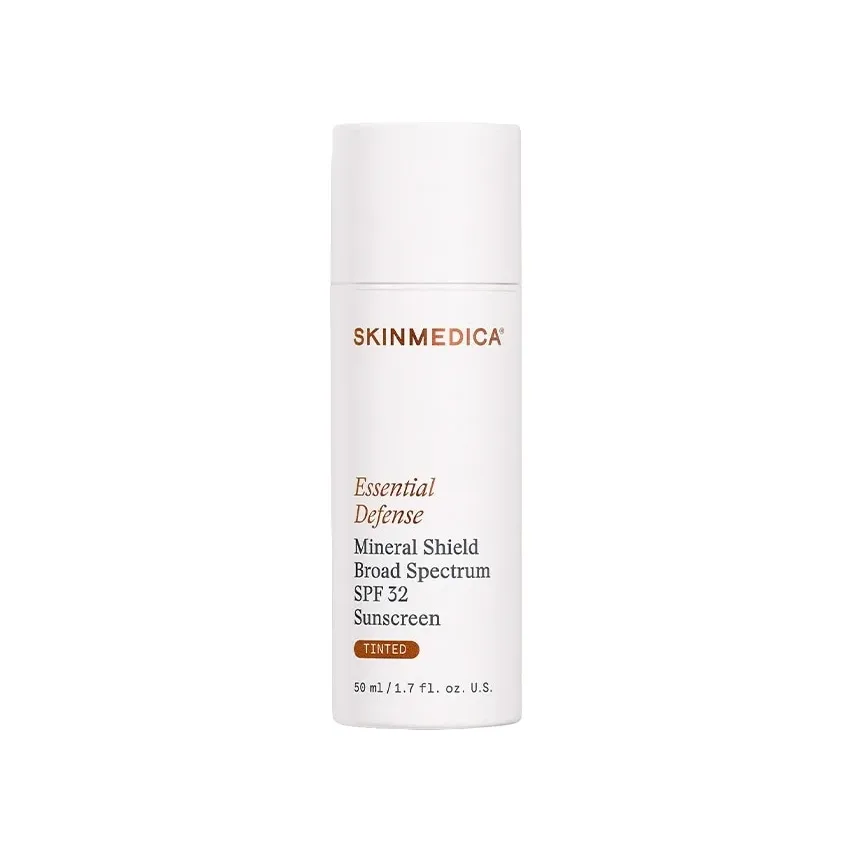 Melasma-Minded Mineral Tint
 Essential Defense Mineral Shield Tinted Broad Spectrum SPF 32
The tinted version of SkinMedica's mineral sunscreen is the one to choose for melasma, dark spots and rosacea, because its iron oxides shield the visible light that colourless mineral filters let through, and its silicone-primer base wears like a light foundation that a great many reviewers use as their only makeup. It is SPF 32 without water resistance, comes in one warm-beige shade that runs light on deeper skin, feels dry on dry skin, and costs forty dollars for 1.7 ounces, but within those limits it is a well-judged daily sunscreen.
 Sensitive Skin's Daily Shield
 Hydrating Mineral Sunscreen SPF 30 Face Sheer Tint
A mineral sunscreen that actually understands what people want: UV protection without the chalky white ghost face, plus genuine skincare benefits from the ceramide complex. The sheer tint and iron oxide combination elevate it beyond basic sun protection into a daily wear product that happens to defend your skin from three types of light damage.
 Rosacea-Friendly Day Cream
 Redness Relieving Daily Facial Moisturizer SPF 20
A targeted daily moisturizer that treats, conceals, and protects redness-prone skin in a single step. The 100% mineral SPF won't trigger flushing, the licorice-caffeine-allantoin trio actively calms inflammation, and the neutral tint provides immediate cosmetic relief. Built by the same pharmaceutical company that makes prescription rosacea treatments.
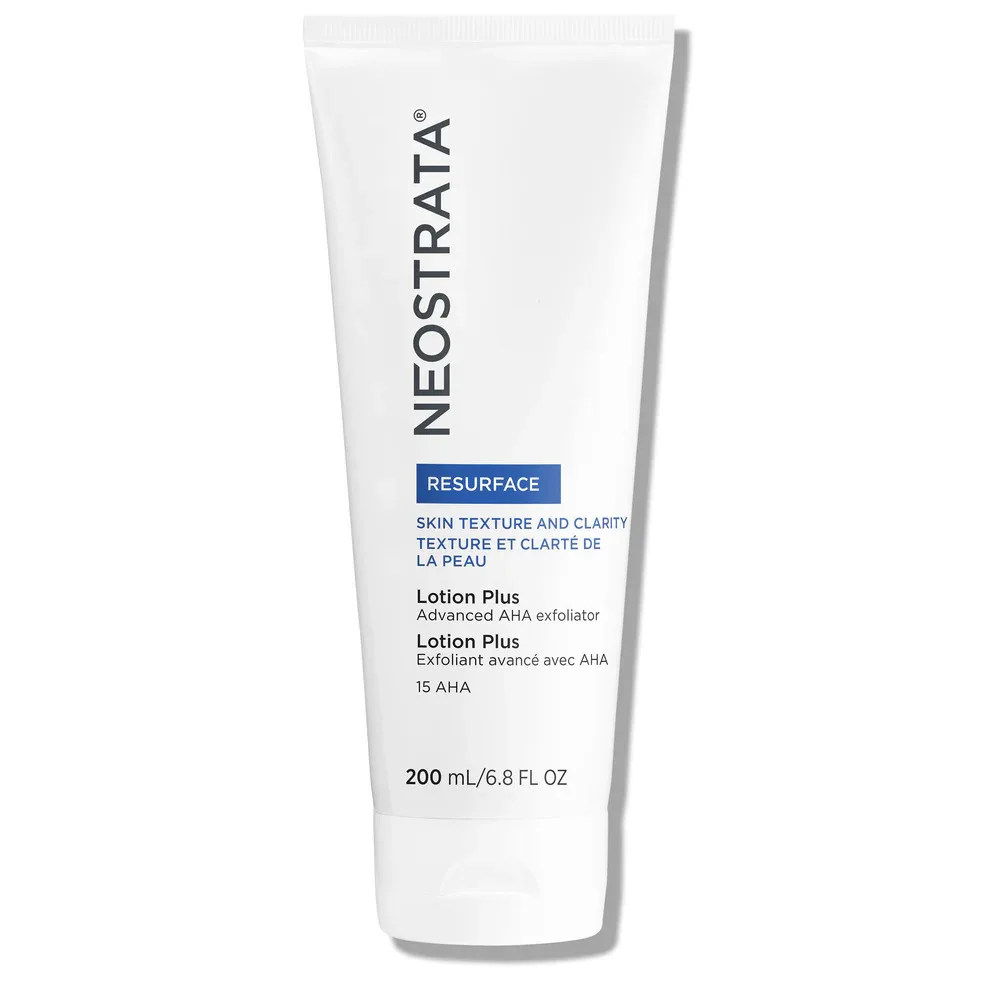 Mineral Shield Plus Antioxidants
 Sheer Physical Protection SPF 50
A mineral sunscreen that thinks beyond UV — NeoStrata's SPF 50 layers zinc oxide and titanium dioxide with their proprietary PHAs, green tea antioxidants, and iron oxide tint to create a multi-defense environmental shield. Cosmetically elegant for a mineral formula, though the single universal tint limits its audience.
 5-in-1 Mineral SPF Multitasker
 Intellishade TruPhysical SPF 45
A genuinely impressive multi-tasking mineral sunscreen that packs meaningful anti-aging actives into a wearable tinted formula. It replaces foundation for many users while delivering SPF 45 mineral protection and peptide-driven corrective benefits — though the thick texture requires patience and may not suit oily skin.
 Clean Beauty Cult Classic
 Super Serum Skin Tint SPF 40
The product that finally made mineral tinted SPF desirable instead of medicinal. At 12% non-nano zinc with iron oxide visible-light protection, niacinamide, and a squalane-based glowy finish, this bottle does the impossible — it delivers real sun protection, real skincare, and real makeup in a single step without any one of them feeling compromised. The $54 price stings, but almost nothing else in the category does all three jobs this well.
 Australian Daily SPF Sleeper Hit
 Sunny Daze SPF 50 Moisturiser Tinted
An Australian-formulated tinted mineral SPF that quietly packs 25% zinc oxide — a higher load than US monograph rules permit — and balances it with a universal iron oxide tint that actually delivers on the non-ghosting promise. The 72-hour hydration claim is more marketing than mechanism, but the formula itself is a legitimate daily-wear option for people who want serious mineral protection without the white cast tax.
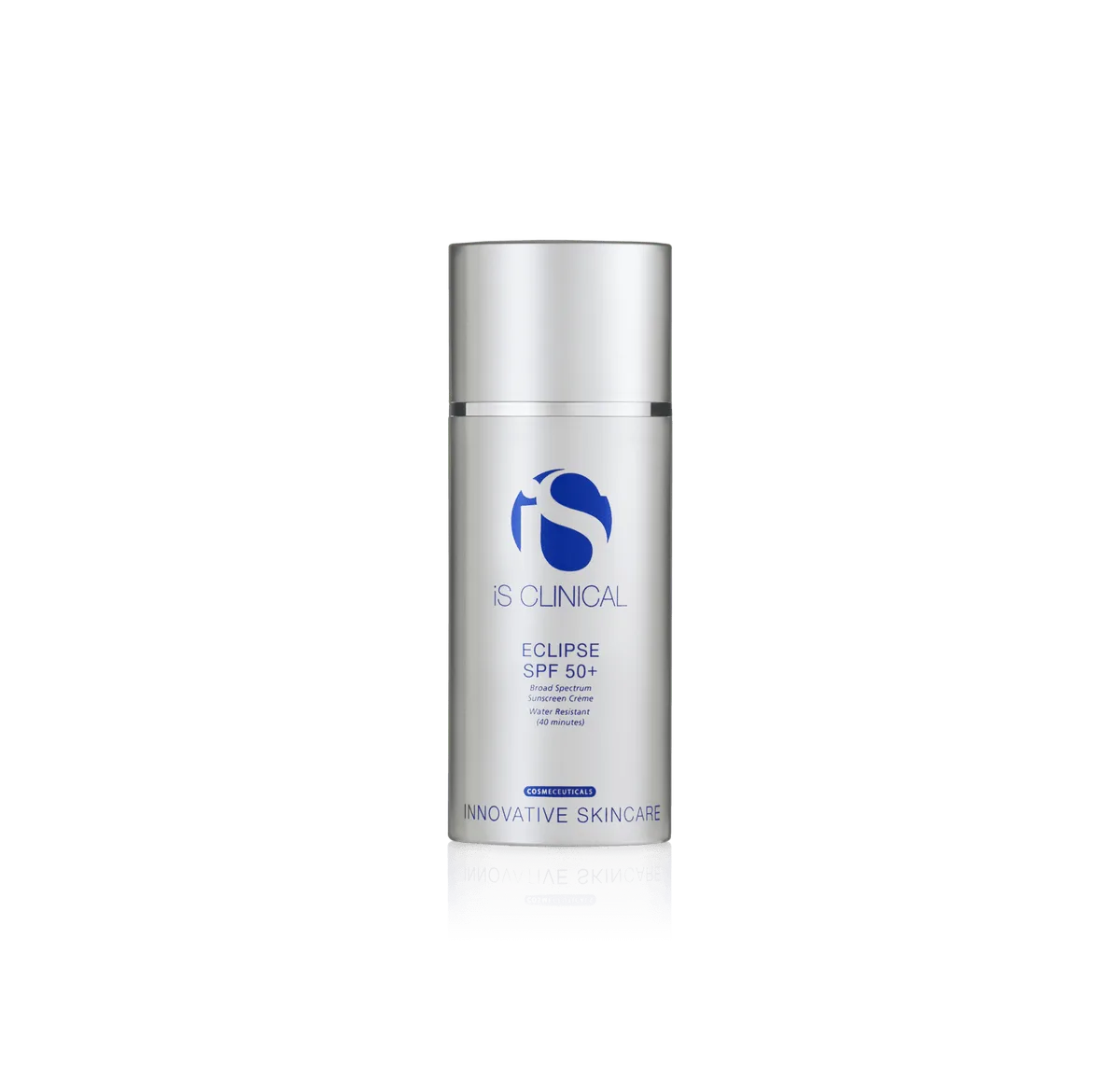 Clinical-Tier Mineral SPF
 Eclipse SPF 50+ Sunscreen
A genuinely well-engineered mineral sunscreen that solves the two problems mineral filters usually pose: white cast and clunky texture. Titanium dioxide and zinc oxide deliver reliable broad-spectrum protection, and the PerfecTint iron oxide versions add visible-light defense that matters for melasma. The clinical-tier price is the main friction point, but the formulation chemistry is the real deal. A standout for sensitive and post-procedure skin.
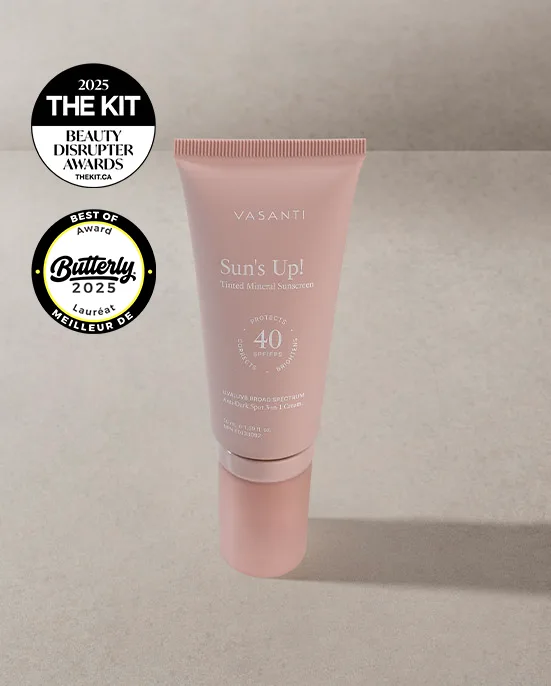 Brightening Mineral SPF
 Sun's Up! Tinted Mineral Sunscreen SPF 40
Vasanti built its name on brightening, and this tinted mineral sunscreen is that mission in SPF form: 20% non-nano zinc oxide for genuine broad-spectrum protection, plus a black currant and peony complex aimed at fading dark spots. The single universal tint blurs tone without a white cast on light-to-medium skin, though it has real limits on deeper complexions. Soothing, fragrance-free, and refreshingly silicone-free — a thoughtful daily pick if its one shade suits you.
 Mineral Sunscreen with Visible Light Protection
 Mineral Glowscreen Soft-Radiance Drops SPF 40
Supergoop! Mineral Glowscreen Soft-Radiance Drops SPF 40 combines 15.11% zinc oxide with iron oxide visible light protection, butterfly pea flower antioxidant, and strawberry seed oil emollient in a tinted drop format. Fragrance-free, vegan, and cruelty-free. At 40 dollars for 50ml, sits in mid-prestige mineral sunscreen pricing with strong differentiation through iron oxide inclusion.
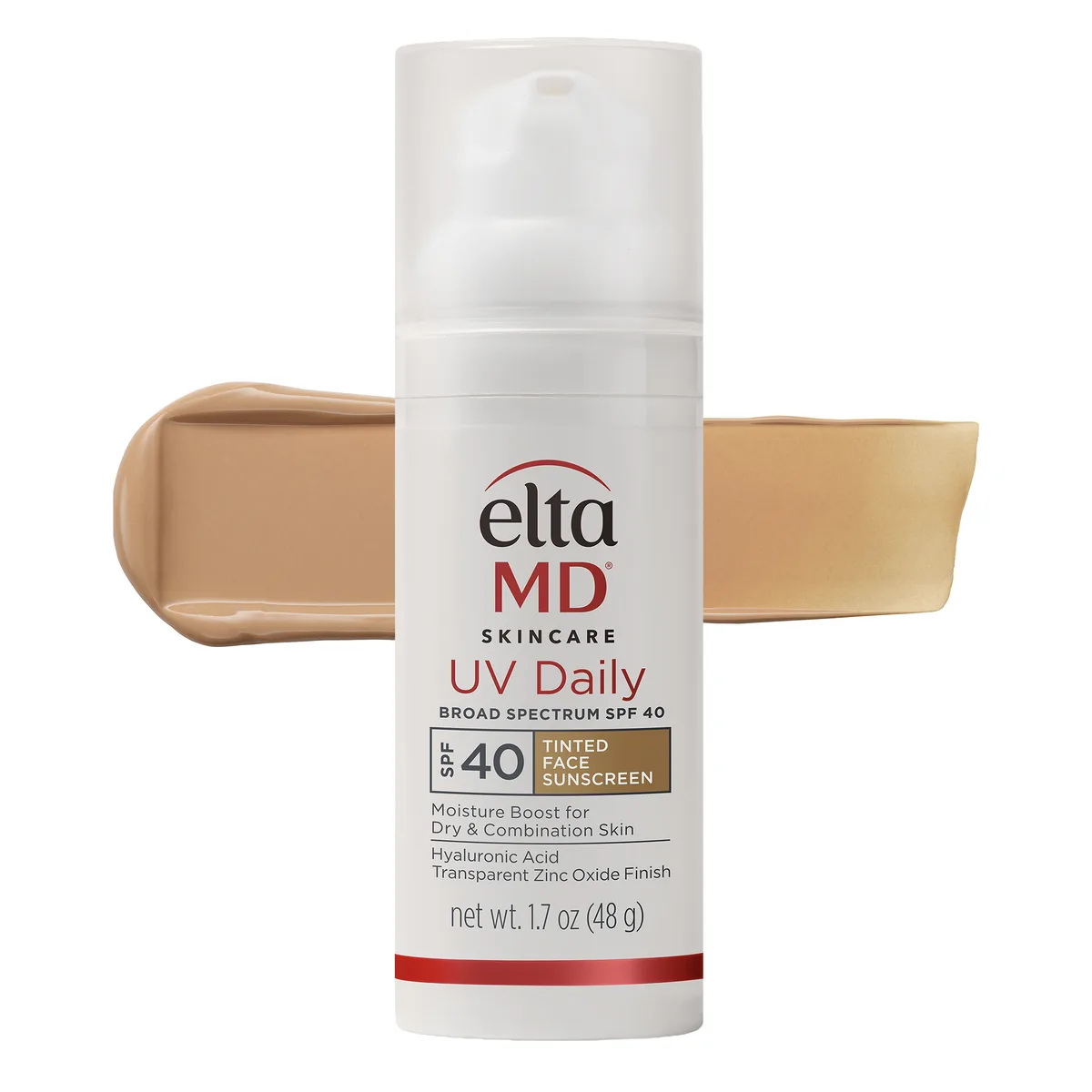 Derm Office Staple
 UV Daily Tinted Broad-Spectrum Facial Sunscreen SPF 40
The hydrating, dry-skin member of the EltaMD UV family — a tinted daily sunscreen that behaves like a tinted moisturizer, with a hybrid zinc-octinoxate filter and iron oxides that add genuine visible-light protection. It's a deserved derm-office staple for dry, normal, and mature skin. Oily skin should reach for UV Clear instead, and the octinoxate is worth noting if you avoid chemical filters in pregnancy.
 No-White-Cast Mineral Body SPF
 Total Protection No-Show Body Shield SPF 50
Colorescience's No-Show Body Shield SPF 50 is a genuinely excellent mineral body sunscreen that solves the biggest problem with mineral formulas: white cast. Its 100% non-nano zinc oxide (10%) provides broad-spectrum protection, while iron oxides and light-adjusting minerals let it blend in and disappear — a real achievement for a mineral body SPF, especially on deeper skin tones. It goes further with iron-oxide blue-light protection (relevant for pigmentation), antioxidants (vitamin E, Lipochroman), and soothing, hydrating jojoba, squalane, bisabolol, and allantoin. So it protects properly, cares for the skin, and wears elegantly with no white cast — ideal for sensitive skin. The caveats: it's premium-priced (about $49) for a body product you use quickly, and, like all SPF, needs generous application.
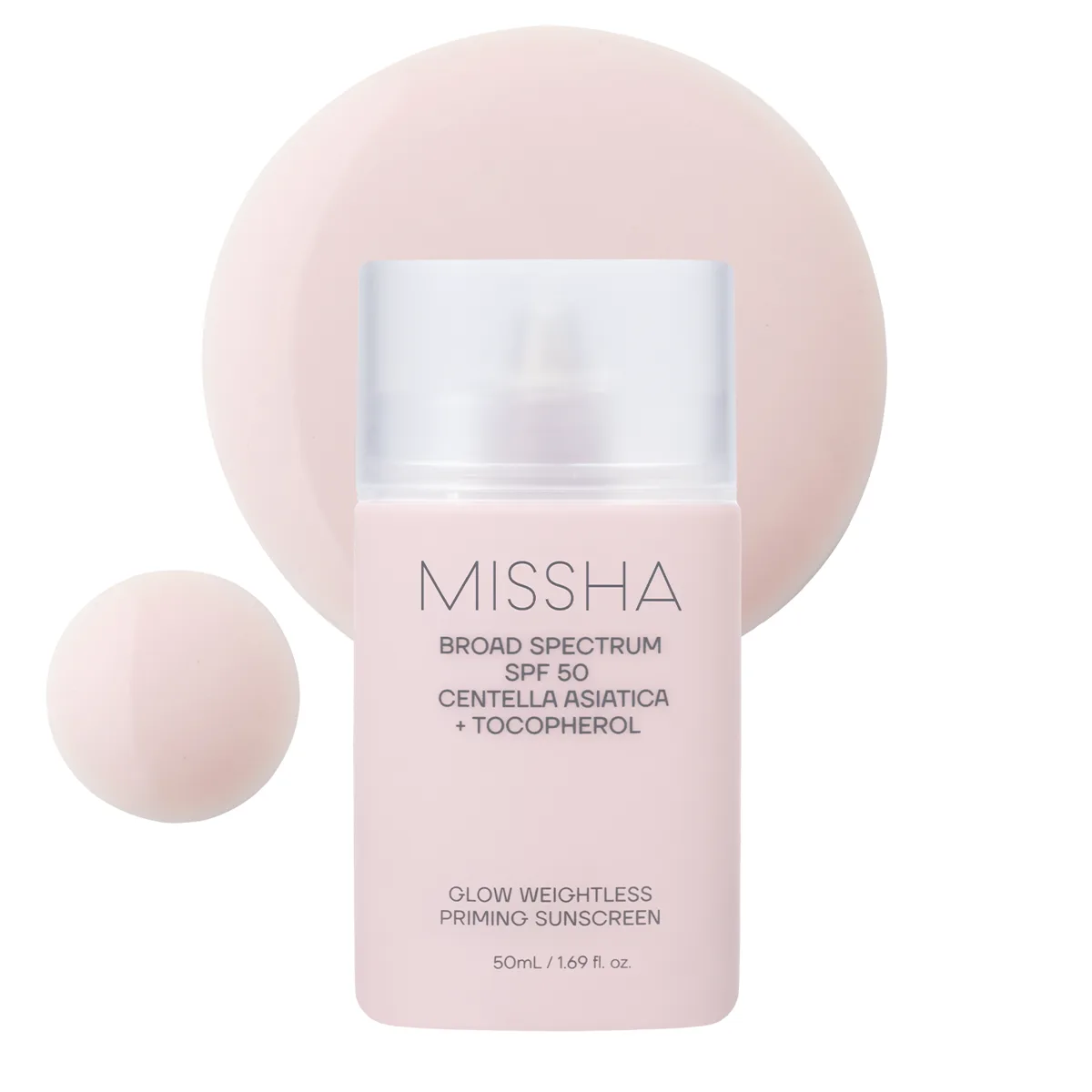 Oily-Skin Primer-Sunscreen
 Glow Weightless Priming Sunscreen SPF50+
For oily, pore-conscious skin that wants real broad-spectrum protection under makeup, this is one of the more intelligently built hybrid sunscreens to reach the US this year: fifteen percent zinc that somehow wears like a primer. Alcohol and fragrance keep it off the list for dry or reactive faces, and deeper skin tones should test the cast first.
 Mineral Tone-Up SPF
 Water Glow Tone-up Suncream
A fragrance-free mineral tone-up sunscreen, led by zinc oxide and titanium dioxide and tinted pink-beige with iron oxides, that protects, brightens and doubles as a light base. It is gentle on sensitive skin and well priced; the tint suits fair to medium skin best, and its heavy silicone base may not suit everyone.
 Sensitive Skin Sun Shield
 Broad Spectrum SPF 50 Mineral Sunscreen Fluid For Face
A reliable, ultra-gentle mineral sunscreen that checks every sensitive-skin box — fragrance free, allergy tested, ophthalmologist tested, even safe for babies. The fluid texture is a genuine step up from chalky mineral pastes, though the white cast and premium price remain real trade-offs.
 Mineral SPF for Oily Skin
 Mineral Mattescreen SPF 40
A mineral sunscreen that actually makes you want to wear mineral sunscreen. Supergoop! Mineral Mattescreen SPF 40 packs 17.42% zinc oxide into a silicone-primer texture that blurs pores, controls oil, and sets to a velvety matte finish — all without the white cast penalty that has plagued mineral SPF for decades. The single universal tint limits its reach across skin tones, but for those it matches, this is one of the most elegant mineral formulas on the market.
 Derm Office Eye Essential
 Total Eye 3-in-1 Renewal Therapy SPF 35
A clever three-in-one that genuinely earns its triple-threat billing — mineral SPF, anti-aging peptides, and buildable concealer coverage in a single cooling applicator. It solves the real problem of eye-area sun protection better than almost anything else on the market, though the $79 price tag for 7 mL demands commitment.
 Derm-Office Sun Defense
 Defend Sheer Physical Protection SPF 50
One of the most scientifically complete mineral sunscreens available: mineral UV filters for UVA/UVB, iron oxides for visible light, and a PHA-antioxidant system for free radical defense. The price is premium, but the photoprotection philosophy is best-in-class.
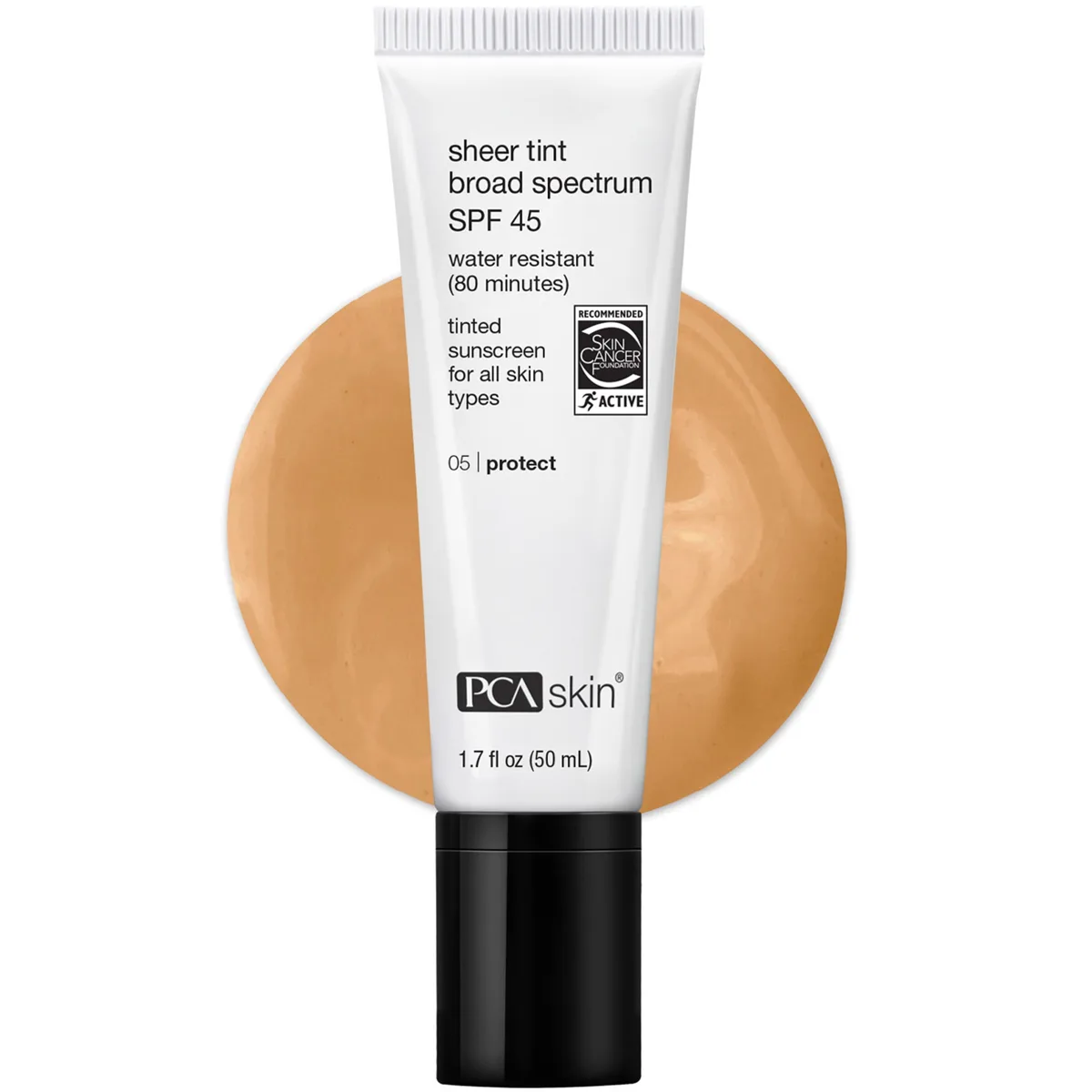 Esthetician's Pick
 Sheer Tint Broad Spectrum SPF 45
A refined, elegantly formulated tinted mineral sunscreen that does what so many mineral SPFs fail at — it actually feels good on the skin. The iron oxide inclusion for visible light protection gives it genuine clinical value beyond basic UV defense, though the $56 price for 1.7 ounces demands a premium for that sophistication.
 Makeup Artist's Mineral SPF
 SOL'D Broad Spectrum Mineral Sunscreen SPF 30
SOL'D is what happens when a makeup artist builds a sunscreen: it prioritizes finish — a soft-focus, light-reflecting blur and a near-universal pink tint — as much as protection. The good news is the formula backs the aesthetics, with a respectable 16.75% zinc load, squalane, and a barrier-soothing supporting cast. The catch is SPF 30 where rivals offer 50, at an influencer-brand price of thirty-eight dollars.
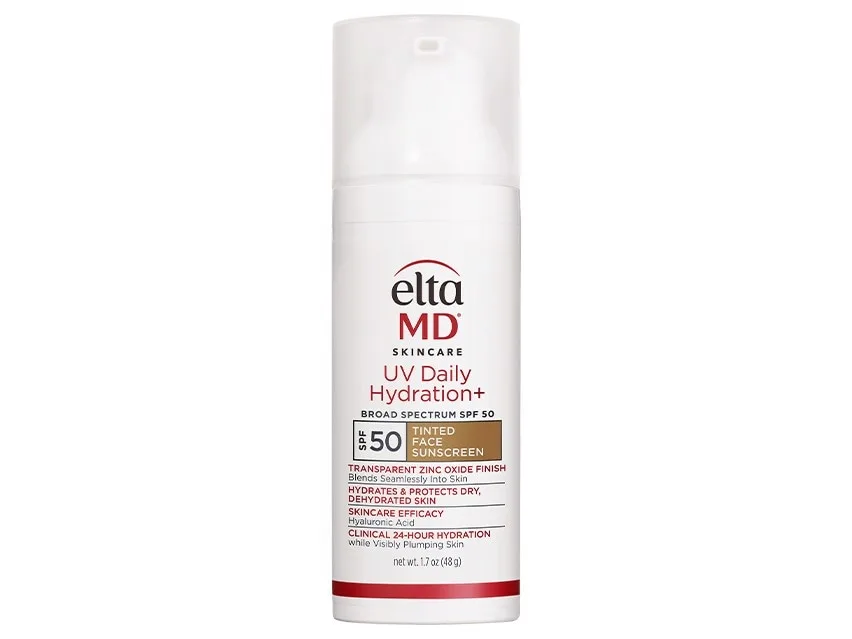 Tinted Pigment Shield
 UV Daily Hydration+ Tinted SPF 50
The tinted sibling of EltaMD's Hydration+ takes everything good about the original, zinc-led SPF 50, boosted hyaluronic acid, antioxidant blend, and adds iron oxides for genuine visible-light and blue-light defense plus a skin-evening universal tint. For melasma, hyperpigmentation, or anyone wanting a hydrating sunscreen that doubles as a light base, it's a smart one-step choice. The single shade and small premium-priced tube are the main caveats.
 Sensitive-Skin Pink Mineral
 SoonJung Director Tone-Up Pink Sun Cream
A mineral-only pink tone-up sunscreen that manages the trick most of its kind fail, spreading a real zinc-and-titanium load thinly enough to leave a satin, lightly rosy finish rather than chalk, with niacinamide placed high and SoonJung's calming garnish to keep reactive skin comfortable. It is months old, its pink suits fair-to-medium skin far better than deeper tones, the base runs rich on oily skin, and the SPF test is the brand's own, but as a sensitive-skin tone-up it is a well-made one.
 Tinted Mineral Cover Sun
 Green Propolis All-Covery Sun SPF50+ PA++++
A solid, zinc-led tinted mineral sunscreen that doubles as a light base, covering redness while delivering SPF50+ PA++++ with a comfortable semi-matte finish. It is a strong pick for fair-to-medium skin that wants mineral protection and coverage in one step, though the single shade, rosemary and lavender oils, and a puzzling propolis claim deserve a closer look.
 Mineral CC Multitasker
 CC Screen 100% Mineral CC Cream SPF 50
CC Screen is one of the most elegant mineral CC creams available — it delivers genuine SPF 50 protection from 100% mineral filters with a luminous, skin-like finish that most mineral sunscreens cannot match. At $42 for 1.6 oz in 15 shades, it is a strong everyday option for anyone who wants coverage and protection without compromise.
 Urban Shield Luxury SPF
 City Skin Age Defense Broad Spectrum SPF 50
A premium mineral sunscreen that combines traditional UV defense with emerging anti-blue-light and anti-pollution ingredients in a cosmetically elegant, primer-like formula. The warm peach tint minimizes the dreaded mineral sunscreen white cast, and the dermatologist-developed pedigree is genuine. At $69 for a tube that lasts barely two months, you are paying luxury prices — but for sensitive skin that needs mineral-only protection with multi-environmental defense, few products do it this beautifully.
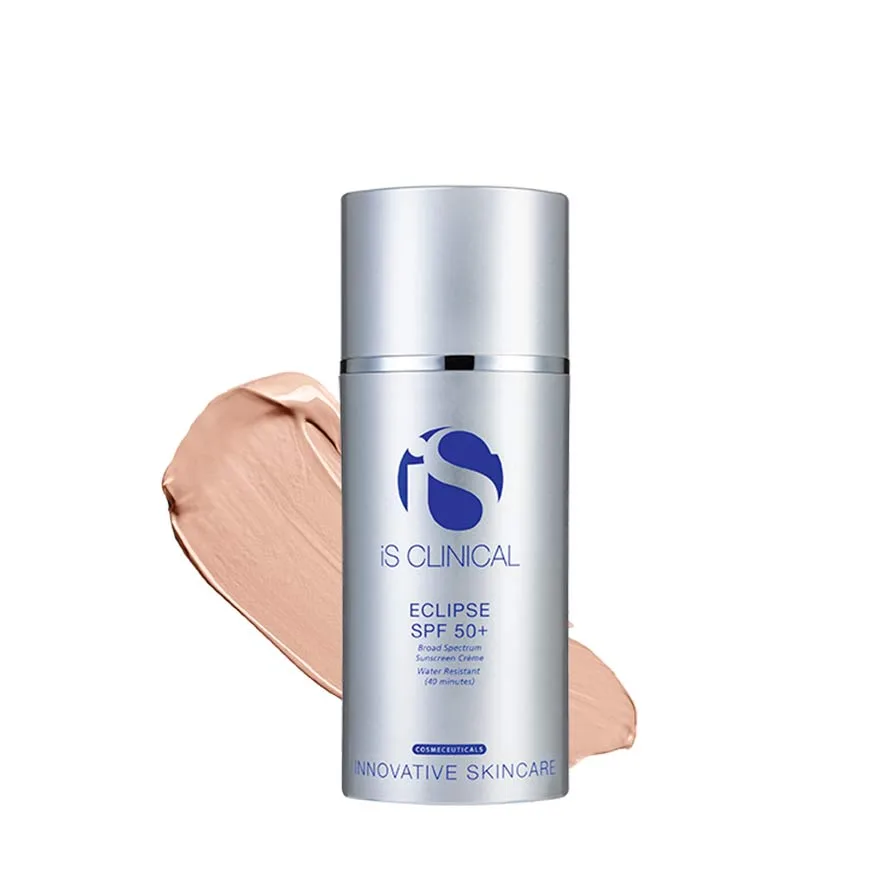 Dermatologist's Daily SPF
 Eclipse SPF 50+
A mineral sunscreen that finally solved the elegance problem — lightweight, matte, and virtually invisible on the skin while delivering SPF 50+ protection from mineral filters alone. The iron oxides add visible light protection that most sunscreens ignore, making it particularly valuable for hyperpigmentation-prone skin, though the low zinc oxide concentration may concern UV purists.
 Melasma MVP
 UV AOX Elements Broad-Spectrum SPF 50
A well-engineered tinted mineral sunscreen that combines a high 13.5% zinc oxide load with iron oxide HEV protection and a meaningful antioxidant trio. For melasma patients, post-procedure users, and anyone concerned about visible-light-triggered pigmentation, this is one of the better consumer choices available. The 1.7 oz size at $46 is the main friction.
 Reef-Safe Mineral CC Cream
 1000 Roses CC Color + Correct Sheer Tint SPF 30
A pleasant surprise from a brand better known for marketing than substance: a genuinely high 20% zinc oxide CC cream that delivers real broad-spectrum SPF 30, tinted with iron oxides so the heavy mineral load actually wears as a sheer, tone-evening base. Reef-conscious, hydrating and gentle, it is excellent value. The limits are a two-shade range and a natural rose scent, but the sunscreen chemistry here is legitimate.
 Glow Primer Serum
 Let Me Glow Illuminating Priming Serum
Keys Soulcare's Let Me Glow is a pleasant hybrid skincare-makeup primer serum: light-reflecting pigments give an instant luminous, soft-focus glow and a smooth makeup base, while genuine niacinamide and hydration provide real skincare over time. It's lovely and flattering. Just know the glow is cosmetic (it washes off), it's fragranced, and the amethyst crystal is wellness theater, not skincare.
 All-in-One Tone-up SPF
 Oligo Hyaluronic Acid Waterfull Tone-up Tinted Moisturizer SPF 50+
A genuinely capable all-in-one: broad-spectrum SPF 50+ PA++++ with modern hybrid filters, hydrating hyaluronic-and-squalane skincare, niacinamide and adenosine, and a brightening tinted tone-up, in one fragrance-free, vegan tube. It wears dewy and light, and brightens instantly. The single universal tone-up shade can leave a cast on deeper skin, and as with any SPF you must apply enough, but as a one-step morning product it's a strong, well-priced pick.
 Tinted Visible-Light Shield
 Tinted Age Defense SPF 50 Face Sunscreen
A sheer, universal-tint take on Eucerin's antioxidant Age Defense formula, where the iron oxides do real work blocking visible light, not just adding color. It's a smart everyday pick for pigmentation-prone skin that doubles as a light base, held back only by the alcohol base and a single tint that skews warm on very fair complexions.
 Tinted SPF for Glow
 Moisture Surge Sheertint Hydrator Broad Spectrum SPF 25
A genuinely clever one-step product that bundles Moisture Surge hydration, hybrid broad-spectrum SPF 25 and a sheer, glow-giving iron-oxide tint into a single weightless gel-cream. It evens skin tone, protects against UV and visible light, and feels like skincare rather than makeup. The light coverage, limited shade range and prestige price are the trade-offs, but for an effortless, protected no-makeup finish it punches above its category.
 Sensitive-Skin Mineral Pick
 Weightless Liquid Mineral Sunscreen with Zinc Oxide SPF 30
A rare mineral sunscreen that lives up to the word weightless: a high 22% zinc oxide dose in an oil-based, universally tinted formula that blends to a satin finish with minimal white cast. Gentle, elegant, and ideal for sensitive skin — but it tops out at SPF 30 and asks $36 for just 1.5 ounces.
 Tinted SPF for Pigmentation
 Water Drench Broad Spectrum SPF 45 Hyaluronic Cloud Sheer Tint Moisturizer
A tinted daily sunscreen that does more than add color: its iron oxides supply real visible-light protection on top of a hydrating SPF 45 base loaded with hyaluronic acid and ceramides. That makes it a smart pick for melasma- and hyperpigmentation-prone skin that wants tone-evening, hydration, and protection in one step. The single universal shade and premium price are the main trade-offs.
 No-White-Cast Tinted SPF
 Dew-Glow Tinted Moisturizer SPF 50+
A genuinely useful three-in-one: broad-spectrum SPF 50+, a universal sheer tint that kills white cast and adds visible-light defense, plus a real skincare payload. The dewy glow flatters most skin and the price is fair. The shade range is thin and oily skin may find it too shiny, but it's an easy daily SPF to love.
 Vitamin C Daily SPF
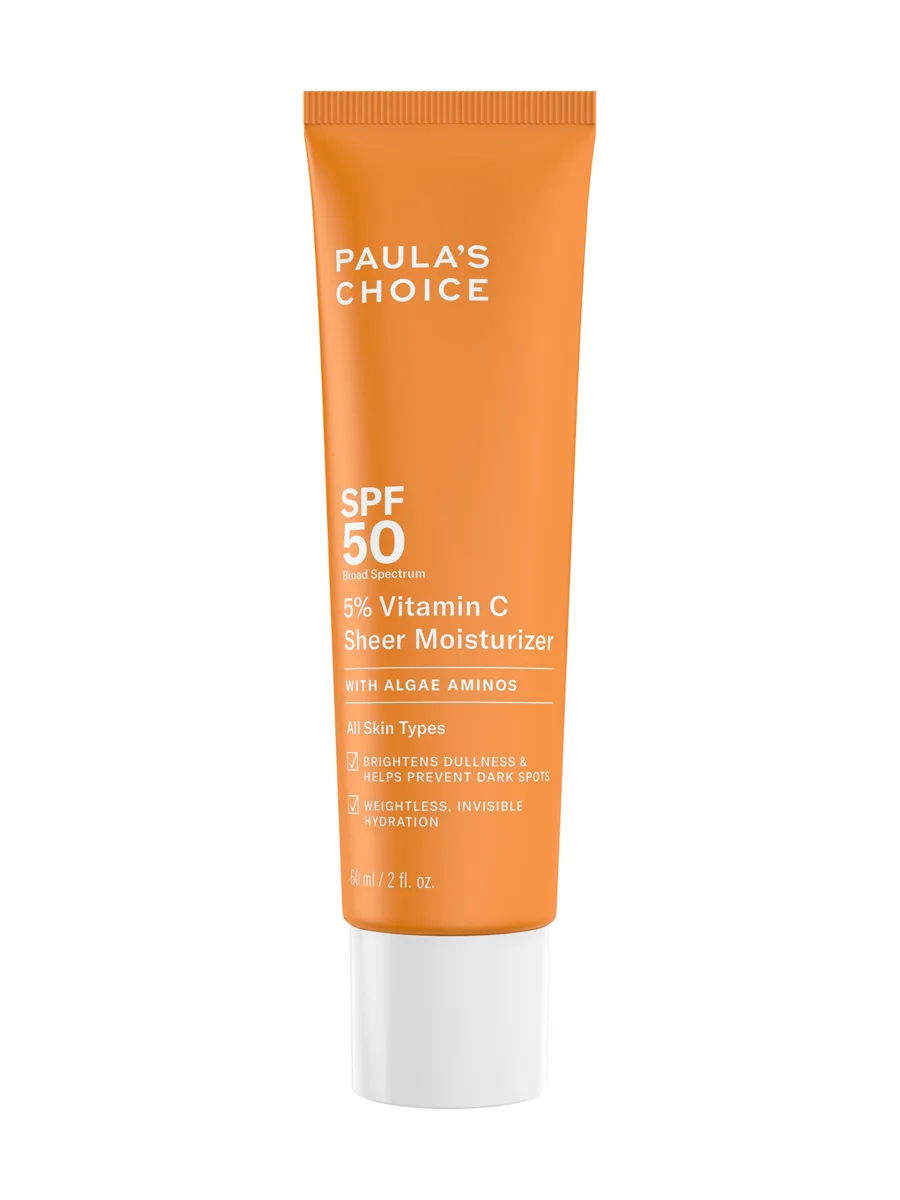
 5% Vitamin C Sheer Moisturizer SPF 50
A sheer, cast-free chemical SPF 50 that doubles as a daily vitamin C step — a declared 5 percent across three derivatives, stabilised with acetyl zingerone, with a photostabiliser guarding the avobenzone — in a fragrance-free fluid light enough to replace a morning moisturiser for most skin. It is a well-built daily-wear sunscreen; it is not water-resistant, it uses four chemical filters including octocrylene, and forty-five dollars for two ounces is a premium.
 K-Beauty SPF Workhorse
 Intensive Triple-Shield Sunscreen SPF 50+
A smartly formulated mineral sunscreen that punches above its weight with iron oxide visible-light protection, niacinamide skin benefits, and a lighter-than-expected texture — all at an impressively accessible price. The fragrance and white cast on deeper skin tones are the trade-offs.
 The Tinted SPF That Took 17 Years
 Protec(tint) Daily SPF Tint SPF 50
Seventeen years of making sunscreens before releasing a tinted one, and the patience paid off. Supergoop! Protec(tint) SPF 50 is a genuinely innovative hybrid that combines mineral and chemical UV filters with ectoin and hyaluronic acid-infused bentonite clay to deliver light, skin-like coverage with serious sun protection underneath. The 14 shades adapt naturally, the finish is weightless, and the formula is fragrance-free. The only real sting is the price-to-volume ratio — 1.18 oz disappears fast when you're applying it properly.
 Reapplication MVP
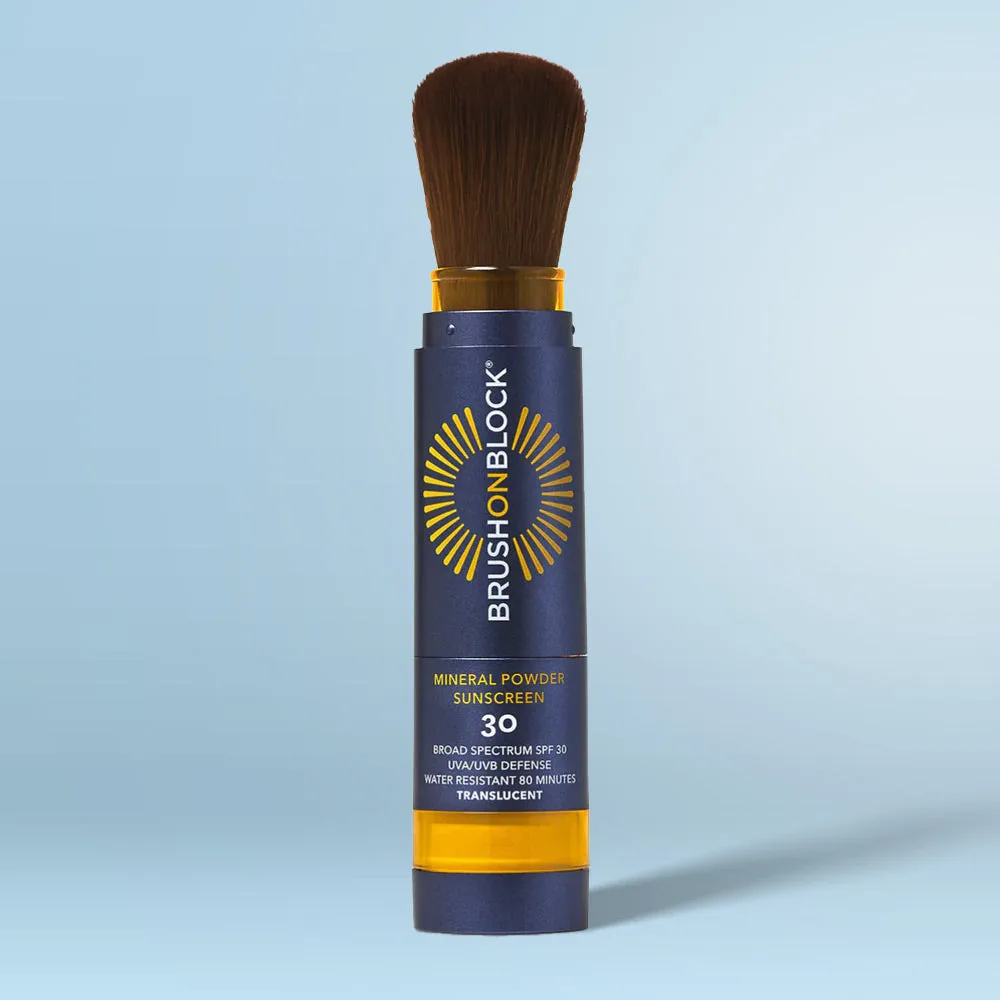
 Mineral Sunscreen Powder SPF 30
The specialty tool that solved the SPF reapplication problem. For anyone who wears makeup and wants to actually reapply sunscreen during the day, this powder is one of the rare products that does exactly what it claims. The price is the main catch, but the decade-plus track record and Skin Cancer Foundation endorsement back the investment.
The full iron oxides guide
The most underrated line on a tinted sunscreen's INCI list, iron oxides do something titanium dioxide and zinc oxide largely cannot: blunt visible light.
That matters more than most sunscreen marketing lets on, because visible light — particularly the high-energy violet and blue end of the spectrum around 400 to 500 nm — is a documented trigger for melasma and post-inflammatory hyperpigmentation, and that effect is more pronounced in deeper skin tones. Across tinted SPFs, foundations, and eye makeup, the three cosmetic-grade iron oxides — red (CI 77491), yellow (CI 77492), and black (CI 77499) — pull double duty as both the pigments that give a product its shade and the agents that extend protection into the visible band.
How it's regulated in the US
FDA does not classify ingredients — it classifies products, by what they are sold to do. The same molecule can be a drug active in one product and a cosmetic ingredient in the next, and only the claim on the label decides which. What follows is a statement about that legal standing, not about whether it works — the evidence question is answered separately above.
Color additive Iron oxides are one of the few cosmetic ingredients FDA approves in advance. Color additives are pre-cleared by listing regulation — a stricter regime than the rest of the ingredient list they sit in, and a standing for color only.
“Iron oxides are safe for use in coloring cosmetics generally, including cosmetics applied to the area of the eye, in amounts consistent with good manufacturing practice.” — 21 CFR § 73.2250 (read the listing)
The case for iron oxides as visible-light photoprotectants is unusually well-supported for a cosmetic pigment. A 2020 Journal of Drugs in Dermatology study (Dumbuya et al.) found that iron oxide-containing formulations protected against visible light-induced pigmentation in skin-of-color individuals more effectively than an SPF 50+ mineral sunscreen lacking iron oxides — protection titanium dioxide and zinc oxide alone did not provide. A 2021 Journal of Cosmetic Dermatology study (Bernstein et al.) measured that formulations combining iron oxides with zinc oxide and titanium dioxide attenuated 71.9 to 85.6% of high-energy visible light across the 415 to 465 nm range in vitro. A 2014 JAAD randomized trial established that a tinted sunscreen with visible-light protection reduced melasma relapse rates compared with a UV-only formulation, and a 2025 prospective randomized investigator-blinded study reinforced that tinted sunscreens with iron oxides and pigmentary titanium dioxide held melasma more stable through summer than untinted UV-equivalent sunscreen. On safety, iron oxides are FDA-approved color additives with enforced heavy-metal purity limits and no evidence of meaningful skin penetration in normal use.
How it works
Protection here is purely optical — iron oxides absorb, scatter, and reflect light rather than driving any chemical reaction. All three coloristic variants (red CI 77491, ferric oxide; yellow CI 77492, hydrated ferric oxide; and black CI 77499, magnetite) act across the visible spectrum, roughly 400 to 700 nm. That is precisely the band conventional UV filters ignore: SPF reflects UVB performance and UVA-PF covers the ultraviolet range up to about 400 nm, yet visible light makes up close to 45% of the solar radiation reaching the skin. The pigment particles sit within the product film on the surface and intercept photons before they can reach melanocytes and set off the enzymatic cascade that produces melanin. Black iron oxide attenuates most broadly, while blending all three lets formulators match a range of skin tones and still hold coverage across the blue-violet HEV band (roughly 400 to 465 nm) that is most melanogenic. Crucially, iron oxides never work alone. Real visible-light protection requires pairing them with UV filters — zinc oxide and titanium dioxide are the usual partners — so the iron oxides widen the protective bandwidth into visible wavelengths while the mineral filters handle UV. Effective attenuation has been shown at roughly 1 to 3% combined iron oxide; fuller-coverage tints typically run 3 to 6%. Because the pigments stay on the surface and do not cross the stratum corneum, systemic exposure is not a realistic concern.
Key benefits
- Extends protection into the visible and high-energy blue light range that UV filters miss
- Shown in skin-of-color trials to reduce visible light-induced pigmentation
- Associated with lower melasma relapse rates in tinted sunscreen formulations
- Provides skin-tone-matching tint that improves wear and reduces white cast
- Highly stable pigments that do not degrade or fade in sunlight
- FDA-approved with controlled heavy-metal purity limits; non-comedogenic and well-tolerated
Concentration & usage
On a label, iron oxides show up as their Color Index numbers — CI 77491 (red), CI 77492 (yellow), and CI 77499 (black) — usually blended to hit a particular shade. For genuine photoprotective benefit rather than mere tint, look for at least two of the three CI numbers in a tinted sunscreen, ideally alongside zinc oxide or titanium dioxide as the UV filters. Meaningful visible-light attenuation has been demonstrated around 1 to 3% combined iron oxide, while fuller-coverage tinted foundations and SPFs may reach 3 to 6%. One honest caveat the dermatology literature has flagged: products that advertise blue light protection without disclosing iron oxide levels or testing methodology give you little basis to judge how much protection you are actually getting.
Who it's for & who should be cautious
Who it's for
If you are managing melasma, post-inflammatory hyperpigmentation, or stubborn sun-induced dark spots, an iron oxide-containing tinted sunscreen is a meaningful step up from conventional SPF. The advantage is largest for medium to deeper skin tones (Fitzpatrick IV to VI), where visible light is a stronger melanogenic trigger relative to UV — though every skin tone is susceptible to HEV-driven pigmentation to some degree. Anyone who has abandoned untinted mineral sunscreen over its white cast often finds a tinted iron oxide formula solves the cosmetic problem and the visible-light gap at once.
Who should be cautious
Genuine iron oxide allergy is rare, but contact sensitization to mineral pigments is documented, so anyone who has reacted to pigments in makeup should patch-test before relying on a daily iron oxide sunscreen. Two expectation-setters matter too: foundations and concealers listing CI 77491/77492/77499 are not reliable substitutes for sunscreen, because their concentration, distribution, and adherence do not form the uniform film photoprotection depends on. And iron oxides extend UV coverage rather than replace it — a product with iron oxides but no UV filter is not a sunscreen.
Pairs with & conflicts
Myths & facts
Myth: Iron oxides are just pigment — they don't actually protect your skin from anything.
Reality: Multiple clinical and in vitro studies show iron oxides provide measurable protection against visible and high-energy visible light, the part of the solar spectrum most implicated in triggering melasma and post-inflammatory hyperpigmentation in deeper skin tones. They function as real photoprotective agents, not decorative color.
Myth: Any tinted sunscreen listing iron oxides offers the same visible-light protection.
Reality: Performance varies a lot by formulation and concentration. Studies show wide differences in actual HEV attenuation between products, and many brands claiming blue light protection do not disclose their iron oxide levels or testing data. A token amount of pigment for color is not the same as a photoprotectively effective dose.
Myth: Iron oxides come from dirt and might contain dangerous heavy metals.
Reality: Cosmetic-grade iron oxides are synthetically manufactured — not dug out of soil — specifically to meet purity standards, and allowable heavy-metal limits are tightly controlled (for example arsenic at or below 5 mg/kg, lead at or below 20 mg/kg, mercury at or below 1 mg/kg). The synthetic route also delivers consistent particle size and color that naturally sourced pigments cannot reliably match.
Frequently asked questions
Can the iron oxides in a tinted sunscreen actually keep my melasma from worsening?
The evidence points that way. A 2014 JAAD randomized trial found a tinted sunscreen with visible-light protection reduced melasma relapses compared with a UV-only sunscreen, and a 2025 prospective investigator-blinded study reported that tinted formulas with iron oxides and pigmentary titanium dioxide kept pigmentation more stable through summer than untinted UV-equivalent sunscreen. Consistent daily use is what makes the difference.
If visible light causes hyperpigmentation, why don't all sunscreens guard against it?
SPF testing only measures UVB protection and UVA-PF only covers the ultraviolet band — neither captures visible-light performance, and there's no standardized regulatory test for it. Iron oxides extend coverage into the 400 to 700 nm visible range, but without a required metric, most products simply don't formulate for it, which is why tinted mineral sunscreens remain the most dependable category for combined UV and visible-light coverage.
Among red, yellow, and black iron oxide, which one blocks the most light?
Each absorbs across slightly different wavelengths, and black iron oxide (CI 77499) tends to have the broadest attenuation profile and the strongest overall light-blocking capacity. In practice, formulators blend all three to land on a target shade, and the combination generally covers the HEV spectrum more completely than any single variant on its own.
Will a foundation that lists CI 77491 give me real visible-light protection?
Not as a dependable strategy. Foundations and concealers do contain iron oxides, but they aren't applied as the uniform, measured film a sunscreen is, and the pigment load swings widely by shade. If you're actively treating melasma, a tinted sunscreen formulated specifically for photoprotection is the more reliable choice — treat the foundation as a bonus layer, not the main defense.
Are iron oxides gentle enough for daily use around the eyes and on reactive skin?
For most people, yes. Iron oxides are FDA-approved color additives with a long track record in eye makeup — liners, shadows, and mascaras have used CI 77491/77492/77499 for decades — and cosmetic-grade material is synthesized to strict heavy-metal limits and doesn't penetrate skin in normal use. Sensitization is uncommon but possible, so anyone with a history of pigment reactions should patch-test first.
Does the tint make iron oxide sunscreens a non-starter for very fair skin?
Not necessarily. Iron oxide ratios can be tuned to produce very light or near-neutral shades, and some products use a small amount mainly for photoprotection while keeping the color subtle enough to blend across fair complexions. A touch of iron oxide can even offset the white cast that zinc oxide otherwise leaves behind.
- Hyperpigmentation & Dark SpotsYou Are Fading a Spot Your Commute Redraws Every MorningEvery pigment-fading active runs against a re-pigmenting stimulus, and for melasma part of that stimulus is visible light — which broad-spectrum sunscreen does essentially nothing about unless you can see it on your face.
- How We RateWhat a Skin Profile Actually Changes on Every Page You VisitPersonalisation here doesn't fetch you a secret list of products — it changes which true sentence sits at the top of a page that says the same thing to everyone.
- Sun ProtectionThe White Cast Problem: Why Deep Skin Deserves Better SunscreenThe ashy gray film that mineral sunscreen leaves on rich skin tones isn't a reason to skip SPF — it's a formulation failure the industry took two decades too long to fix.
- Pollution & Blue LightYour Laptop Isn't Aging Your Skin — But the Blue-Light Panic Is Hiding a Real ProblemScreen 'blue light protection' is chasing a rounding error while the actual visible-light threat — the sun — walks in through the window.