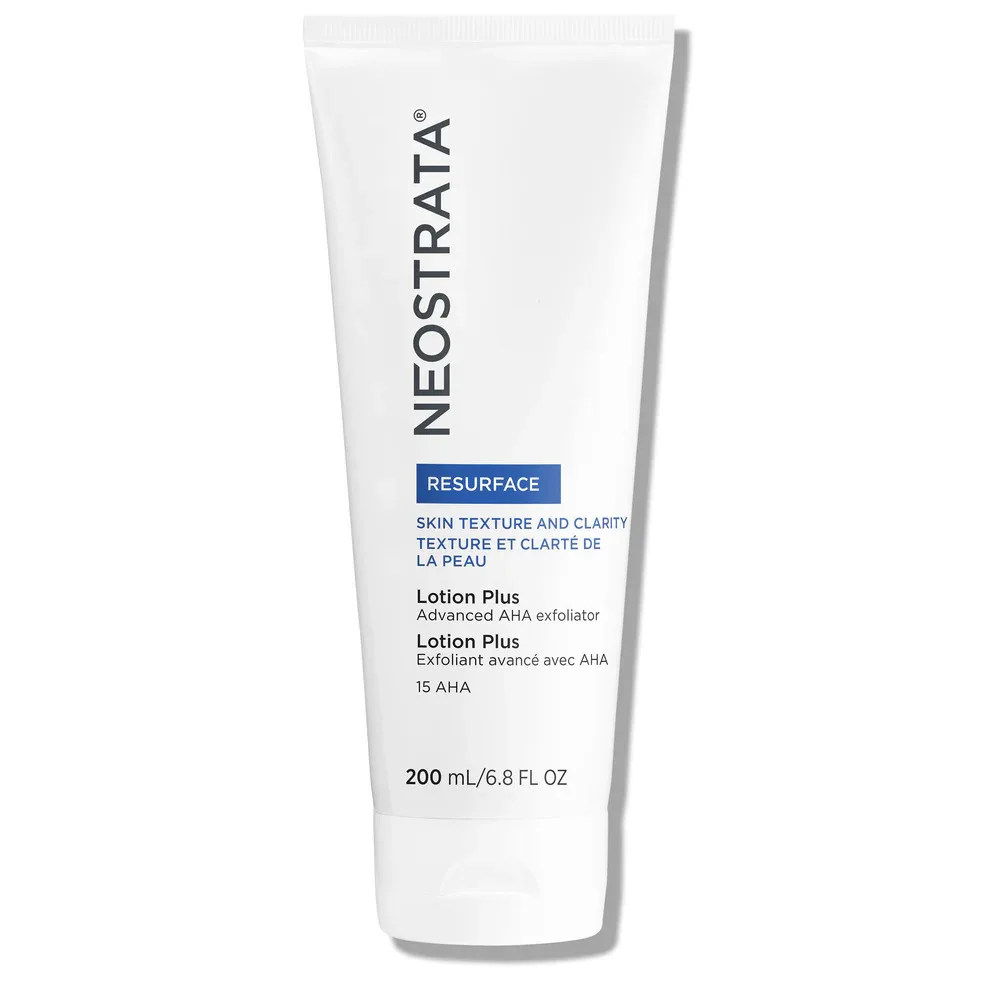
This is one of the few mineral sunscreens that incorporates NeoStrata's PHA technology (gluconolactone and lactobionic acid) alongside the UV filters. While most mineral sunscreens stop at blocking UV, this formula adds exfoliation, barrier support, antioxidant protection from EGCG, and visible-light blocking from iron oxides — creating a multi-layered environmental defense system rather than a simple UV shield.
A mineral sunscreen that thinks beyond UV — NeoStrata's SPF 50 layers zinc oxide and titanium dioxide with their proprietary PHAs, green tea antioxidants, and iron oxide tint to create a multi-defense environmental shield. Cosmetically elegant for a mineral formula, though the single universal tint limits its audience.
Full protectionfor Sun DamageIn your profileYou chose · Broad-spectrum SPF 50 with titanium dioxide, zinc oxide: the protection sun damage calls for.Moderate evidenceGentleNo reviews collected yet
The case for it
Titanium Dioxide is a first-line active — approved, monograph-listed or named in current guidelines — for this concern.
It is present at an effective concentration, declared or high in the ingredient list.
The formula carries none of the triggers this concern is sensitive to.
Same rule for everyone. “Full protection” is the verdict on 2,288 of 45,024 concern verdicts across the catalog; rule P1 decided 2,232 of them.
Unchanged since September 5, 2026, engine 5.1.1.
P1 — Photoprotection standing is regulatory (M020 / Annex VI filters; 21 CFR 201.327 attaches the early-skin-aging claim to tested broad-spectrum SPF 15+). SPF 30 is the AAD daily-use bar. · the full register
Carrying active
Titanium Dioxide
Standing
first line — a regulator recognises it for this use; trials support it · per § 352.10 Sunscreen active ingredients. (U.S. Food and Drug Administration — 21 CFR Part 352 (Sunscreen Drug Products for Over-the-Counter Human Use), Code of Federal Regulations via GovInfo), opened July 27, 2026
Form
adequate (declared 7%) — studied range up to 25%, from the OTC monograph or label; needs leave-on contact
Tolerability
gentle
Row checked
against its sources on July 27, 2026 (evidence table ev-2026.09-r228)
21 CFR 352.10 — Sunscreen active ingredients — US Food and Drug Administration / Electronic Code of Federal Regulations (retrieved 2026-07-16; note stayed effective date), opened July 16, 2026
Full protectionfor AgingIn your profileYou chose · Broad-spectrum SPF 50 with titanium dioxide, zinc oxide: the protection aging calls for.Not yet assessedGentleNo reviews collected yet
The case for it
Titanium Dioxide has no evidence row yet for this concern — it is in the research queue.
The formula carries none of the triggers this concern is sensitive to.
What would change this: A researched evidence row for the lead active would replace this with a verdict.
Same rule for everyone. “Full protection” is the verdict on 2,288 of 45,024 concern verdicts across the catalog; rule P1 decided 2,232 of them.
Unchanged since September 5, 2026, engine 5.1.1.
P1 — Photoprotection standing is regulatory (M020 / Annex VI filters; 21 CFR 201.327 attaches the early-skin-aging claim to tested broad-spectrum SPF 15+). SPF 30 is the AAD daily-use bar. · the full register
Good choicefor SensitivityIn your profileYou chose · No fragrance, drying alcohol, declarable allergens or sensitising preservatives in this cream — the profile sensitive skin looks for.Not yet assessedGentleNo reviews collected yet
The case for it
Titanium Dioxide has no evidence row yet for this concern — it is in the research queue.
The formula carries none of the triggers this concern is sensitive to.
What would change this: A researched evidence row for the lead active would replace this with a verdict.
Same rule for everyone. “Good choice” is the verdict on 1,938 of 45,024 concern verdicts across the catalog; rule F2 decided 1,938 of them.
Unchanged since September 5, 2026, engine 5.1.1.
Full protectionfor HyperpigmentationIn your profileYou chose · Broad-spectrum SPF 50 with titanium dioxide, zinc oxide: the protection hyperpigmentation calls for.Not yet assessedGentleNo reviews collected yet
The case for it
Titanium Dioxide has no evidence row yet for this concern — it is in the research queue.
The formula carries none of the triggers this concern is sensitive to.
What would change this: A researched evidence row for the lead active would replace this with a verdict.
Same rule for everyone. “Full protection” is the verdict on 2,288 of 45,024 concern verdicts across the catalog; rule P1 decided 2,232 of them.
Unchanged since September 5, 2026, engine 5.1.1.
P1 — Photoprotection standing is regulatory (M020 / Annex VI filters; 21 CFR 201.327 attaches the early-skin-aging claim to tested broad-spectrum SPF 15+). SPF 30 is the AAD daily-use bar. · the full register
Full protectionfor MelasmaIn your profileYou chose · Broad-spectrum SPF 50 with iron oxides for visible light — what melasma needs from a sunscreen.Not yet assessedGentleNo reviews collected yet
The case for it
Titanium Dioxide has no evidence row yet for this concern — it is in the research queue.
The formula carries none of the triggers this concern is sensitive to.
What would change this: A researched evidence row for the lead active would replace this with a verdict.
Same rule for everyone. “Full protection” is the verdict on 2,288 of 45,024 concern verdicts across the catalog; rule P2 decided 56 of them.
Unchanged since September 5, 2026, engine 5.1.1.
Does the jobDoes what a sunscreen is for: UVA coverage, kind to the skin wearing it. Not measured from the label: pleasant enough to actually use.
A verdict is DermApproved’s assessment of how well a product’s ingredients fit a concern — never a claim about what the product treats. Evidence dots and collected reviews sit beside it and are never blended in.
Rules 0.5.1 · evidence table ev-2026.09-r228 · how we decide
Assessment
Pros & Cons
Pros
✓ Multi-layered environmental defense combines mineral UV filters, PHA barrier support, EGCG antioxidants, and visible-light-blocking iron oxides
✓ 100% mineral formula suitable for sensitive, rosacea-prone, and post-procedure skin
✓ PHA technology addresses a common mineral sunscreen complaint by adding hydration and gentle exfoliation
✓ Iron oxide tint provides functional protection against visible light-induced pigmentation, not just cosmetic coverage
✓ Fragrance-free, paraben-free, and alcohol-free with a clean safety profile
✓ Cosmetically elegant texture for a mineral formula — fluid, lightweight, and easy to blend
✓ Pregnancy-safe mineral formula with no chemical UV filters
Cons
✗ Single universal tint limits suitability — too dark for very fair skin, potential cast on deeper skin tones
✗ 1.7 oz at $47 means 4-6 weeks of daily use at recommended application, making ongoing cost significant
✗ Can feel slightly drying on already-dry skin despite the PHA humectants
✗ May produce some midday shine on oily skin types
✗ No water resistance claim, limiting outdoor athletic and swimming use
Review
Full Review
There's a certain restlessness in NeoStrata's formulation philosophy. Even when making a sunscreen — a product category where most brands are content with UV filters, a vehicle, and maybe an antioxidant — they couldn't help themselves. This SPF 50 mineral sunscreen comes loaded with gluconolactone, lactobionic acid, EGCG from green tea, and iron oxides that aren't just there for colour. It's a sunscreen that moonlights as a treatment, and that dual identity is both its greatest strength and its most interesting trait.
The UV protection system is straightforward and proven: 7% titanium dioxide for UVB blocking and 6% zinc oxide for UVA coverage. These are the workhorses of mineral sun protection, deployed at concentrations that genuinely deliver SPF 50 broad-spectrum coverage. Nothing experimental, nothing controversial — just the two filters dermatologists have recommended for decades, especially for sensitive and post-procedure skin. And yes, minerals alone genuinely reach 50; the persistent belief that physical filters can't hit high SPF numbers belongs to an earlier generation of formulation, not this one.
But then NeoStrata adds layers. Gluconolactone, their flagship PHA, appears not just as a cosmetic ingredient but as a functional active. In a daily sunscreen, a PHA provides gentle, ongoing exfoliation that keeps the skin surface smooth and receptive — which matters more than it sounds, because uneven, flaky texture creates thin spots in sunscreen coverage. It also acts as a humectant, offsetting the drying tendency mineral sunscreens are notorious for, and it chelates metal ions, adding antioxidant protection that complements the filters.
Lactobionic acid amplifies those benefits with stronger moisturizing and antioxidant properties. Together the two PHAs turn this from a simple physical blocker into something that actively improves the skin it's protecting — a concept that could only have come from the brand that invented the category.
Epigallocatechin gallate, the star polyphenol of green tea, provides a biological layer of photoprotection. EGCG neutralizes UV-generated free radicals, reduces UV-induced inflammation, and blunts some UV-mediated DNA damage. It isn't replacing the mineral filters; it's backing them up at the molecular level, catching the oxidative stress that slips past the physical barrier. Tocopherols sit alongside it, and a sulfite antioxidant further down keeps the whole system from oxidizing in the tube.
The iron oxides merit more attention than they usually get. These aren't just tinting agents. Published research has shown that iron oxide-containing sunscreens significantly outperform untinted ones at preventing visible light-induced pigmentation, particularly in melasma. Visible light — especially the high-energy blue portion — triggers melanin production through pathways that UV filters completely miss. The iron oxides close that gap, which makes this sunscreen unusually relevant for anyone managing hyperpigmentation.
Texturally, this performs well for a mineral formula, and the ingredient list explains why. Isododecane, C12-15 alkyl benzoate and hydrogenated polydecene do the spreading; butyloctyl salicylate keeps the filters properly dispersed; polyhydroxystearic acid and a silane coating stop the mineral particles clumping into streaks; nylon-12 and a hectorite clay tune the finish and keep the pigments suspended. The result is a fluid that spreads without the paste-like resistance that plagues so much of the category. On light-to-medium skin the tint gives a natural, healthy finish that can replace light foundation. It isn't invisible — there's a subtle warmth to it — but it is genuinely sheer.
The shade limitation is the product's most significant weakness. One universal tint cannot serve every skin tone. Very fair skin may find it too warm; deeper skin tones may still detect a mineral cast despite the iron oxides. Two shades — light and medium — would fix most of this. As it stands, the single tint quietly excludes some of the very people whose melasma the iron oxides would serve best.
Some users report slight dryness, which seems paradoxical given the PHA humectants. The likely culprit is the silicone-heavy base combined with the mattifying effect of the mineral particles; dry skin will want a hydrating moisturizer underneath. Oily skin, conversely, may see some shine by mid-afternoon — the formula lands in the middle ground rather than excelling at either extreme. The silicone and ester load also puts it outside a Malassezia-avoidant routine.
Two practical caveats worth stating plainly. First, dose: SPF 50 assumes roughly a quarter-teaspoon on a face, and a thin cosmetic smear delivers a fraction of it. Second, there is no water-resistance claim on this product — so it is a daily-life sunscreen, not a swimming or heavy-sweating one, and it needs reapplying every couple of hours in real sun. Mineral filters work on contact, so there's no waiting period, and a double cleanse at night is the honest way to get all of it off.
At $47 for 1.7 oz — four to six weeks of proper daily application — the price is premium but defensible. You are getting mineral SPF 50 with PHA treatment benefits, targeted antioxidant protection, and visible-light defence, a combination no drugstore mineral sunscreen offers. The review base is modest, a couple of hundred, and it agrees with the formula: elegant for a mineral, no irritation, and the tint is either perfect for you or it isn't.
For sensitive, post-procedure, rosacea-prone, or melasma-prone skin, this offers a uniquely comprehensive approach to daily protection. It doesn't just block UV — it fights oxidative stress, supports the moisture barrier, exfoliates gently, and blocks visible light. That is a great deal to ask of a sunscreen, and NeoStrata delivers on most of it. Shade range aside, this is what happens when a brand that thinks in acids and antioxidants turns its attention to sun protection.
Formula
Key Ingredients
The hero actives that drive this product's performance.
One of two mineral UV filters in this formula, titanium dioxide primarily blocks UVB radiation and some UVA-II rays. Combined with zinc oxide in this dual-mineral system, it provides the UVB protection component while the zinc oxide handles the UVA spectrum, delivering comprehensive broad-spectrum SPF 50 coverage without chemical UV absorbers.
Regulator-approvedfor Sun Damage · limited certainty
The broad-spectrum mineral UV filter that provides this sunscreen's UVA protection — the portion of the UV spectrum most responsible for photoaging and pigmentation. Zinc oxide complements the titanium dioxide by covering wavelengths that titanium dioxide alone misses, creating a comprehensive mineral UV shield.
Regulator-approvedfor Sun Damage · limited certainty
NeoStrata's signature PHA serves multiple functions in this sunscreen formula: it provides gentle exfoliation to keep skin texture smooth under the mineral filters, acts as a humectant to counterbalance the drying tendency of mineral sunscreens, and chelates metal ions for antioxidant protection that complements the UV-blocking action.
The bionic acid component strengthens the skin's moisture barrier while providing powerful antioxidant protection against the environmental damage that UV exposure can trigger even through sunscreen. In this formula, lactobionic acid works alongside gluconolactone to ensure the skin beneath the mineral shield remains hydrated and protected.
A potent polyphenol antioxidant from green tea that provides a secondary layer of photoprotection in this formula. EGCG has documented ability to neutralize UV-induced free radicals and reduce inflammation, adding biological UV defense to the physical mineral barrier — a dual-shield approach.
Provide the universal tint that helps this sunscreen blend into skin while also blocking visible light and high-energy blue light — a portion of the spectrum that standard UV filters miss. Published research shows iron oxides significantly reduce melasma-triggering visible light exposure, making this tint functionally active, not just cosmetic.
Not yet assessed
Ingredient standings describe the active at treatment-level doses and
vehicles; this product's own condition grades weigh its actual formula.
Use as the last step of your morning skincare routine, after moisturizer and before makeup. Allow 1-2 minutes to set. The tint can serve as a light base, reducing the need for additional foundation or tinted moisturizer. Reapply every 2 hours during extended sun exposure.
Results Timeline
Immediate UV protection and a natural-looking tinted finish upon application. The PHA and antioxidant components provide cumulative skin benefits with daily use, including improved texture and enhanced environmental protection over weeks.
Pairs Well With
Any moisturizer or serum underneathMakeup applied on top
The dual mineral filter system in this sunscreen — 7% titanium dioxide and 6% zinc oxide — covers complementary portions of the UV spectrum. Titanium dioxide absorbs and scatters primarily UVB radiation (290-320 nm), while zinc oxide provides broader coverage extending well into the UVA range (320-400 nm). Together, they deliver the SPF 50 broad-spectrum protection measured in clinical testing.
The inclusion of iron oxides addresses a significant gap in conventional UV protection. A pivotal study published in the Journal of Cosmetic Dermatology (Castanedo-Cazares et al., 2014) demonstrated that sunscreens containing iron oxides provided significantly greater protection against visible light-induced persistent pigment darkening compared to non-tinted formulations with identical UV filters. This is particularly relevant for melasma patients, where visible light (400-700 nm) can independently trigger melanogenesis through opsin-3 photoreceptors — a mechanism that neither UVA nor UVB filters address.
Epigallocatechin gallate (EGCG) adds a biological photoprotection layer. One trial published in the Journal of the American Academy of Dermatology has demonstrated that topical EGCG reduces UV-induced erythema, inhibits UV-induced immunosuppression, and decreases oxidative DNA damage measured by 8-OHdG levels. In this sunscreen formula, EGCG functions as a secondary defense against the oxidative stress that penetrates past the mineral particle barrier.
The PHA components (gluconolactone and lactobionic acid) contribute beyond skincare: their metal ion chelation reduces Fenton reaction-mediated free radical generation at the skin surface, providing antioxidant activity that is synergistic with EGCG's polyphenol mechanisms. This multi-mechanism antioxidant approach — chelation plus radical scavenging — is more comprehensive than either strategy alone.
Dermatologist Perspective
Practicing dermatologists frequently recommend mineral sunscreens for patients with sensitive, reactive, or post-procedure skin, and NeoStrata's formulation adds several features that clinicians particularly value. Dermatologists specializing in pigmentary disorders note that the iron oxide tint provides measurable visible light protection — an increasingly recognized factor in melasma management. The PHA components are appreciated because they address the compliance barrier many patients face with mineral sunscreens: the drying, cakey feel that leads to underuse. By making the sunscreen more cosmetically pleasant and adding treatment benefits, NeoStrata increases the likelihood that patients will actually wear it consistently — which dermatologists recognize as the most important factor in real-world photoprotection.
Guidance
Usage & Recommendations
How to Use
Apply generously (approximately a nickel-sized amount) to the face and neck as the last step of your morning skincare routine, after moisturizer. Allow 1-2 minutes for the formula to set before applying makeup. Reapply every 2 hours during extended outdoor sun exposure, after swimming, or after heavy sweating. For indoor/office days, a single generous morning application provides solid protection, but reapplication after 4-5 hours is ideal. Double-cleanse in the evening to fully remove the mineral filters.
Value Assessment
At $47 for 1.7 oz, this positions itself in the premium mineral sunscreen category — comparable to EltaMD and La Roche-Posay Anthelios tinted formulas. The added value comes from the PHA treatment technology and multi-antioxidant system, which most competitors don't offer. A 1.7 oz tube lasts approximately 4-6 weeks with proper daily facial application (about a nickel-sized amount), translating to roughly $8-12 per week. While this exceeds drugstore options, the combination of mineral protection, PHA skincare benefits, visible light defense, and antioxidant support makes a reasonable case for the premium — particularly for sensitive or melasma-prone skin where this formula addresses specific clinical needs that simpler formulas don't.
Who Should Buy
Anyone with sensitive, rosacea-prone, or post-procedure skin who needs reliable mineral protection with cosmetic elegance. Particularly recommended for those dealing with melasma or hyperpigmentation, where the iron oxide visible-light protection offers a meaningful clinical benefit. Ideal for NeoStrata treatment product users who need a compatible SPF to pair with their acid-based skincare routine. Pregnancy-safe choice for those avoiding chemical UV filters.
Who Should Skip
Those with very fair or deep skin tones may find the universal tint unflattering — check shade compatibility before committing to a full tube. If you need waterproof protection for swimming or athletics, this formula doesn't carry a water-resistance claim. Budget-conscious users may find similar mineral SPF 50 protection at lower price points, though without the PHA and antioxidant additions.
Ready to try NeoStrata Sheer Physical Protection SPF 50?
Lightweight, fluid-to-cream texture that feels sheer and blends smoothly despite mineral UV filters
Scent
Fragrance-free with no detectable scent
Packaging
Squeeze tube with twist cap in NeoStrata's Defend line packaging
Finish
satinnatural
What to Expect on First Use
The tinted formula blends easily and feels lighter than most mineral sunscreens. No white cast on light-to-medium skin tones, though very fair or dark skin may notice some tint mismatch. Sets to a semi-matte, natural finish within a few minutes. No stinging or irritation. Works well under makeup or alone for a no-makeup look.
How Long It Lasts
4-6 weeks with daily face application at the recommended amount
NeoStrata developed this sunscreen as a companion to their acid-based treatment products, which all require diligent sun protection. Rather than simply formulating a basic mineral SPF, they integrated their proprietary PHA technology to create a sunscreen that actively improves skin while protecting it — reflecting their belief that every product in a routine should contribute to skin health, not just one function.
About NeoStrata Legacy Brand (20+ years)
NeoStrata was founded in 1988 by dermatologist Dr. Van Scott and dermatopharmacologist Dr. Ruey Yu, who invented alpha and polyhydroxy acid technology. The brand holds over 110 patents and has published nearly 250 clinical studies and journal papers.
Brand founded: 1988 · Product launched: 2016
Myth vs. Reality
Common Myths
Myth
Mineral sunscreens always leave a white cast and feel heavy.
Reality
This formula uses micronized titanium dioxide and zinc oxide combined with silicone-based spreading agents to achieve a surprisingly sheer application. The iron oxide tint further neutralizes any white cast. While very pale or dark skin tones may still see some color mismatch, the formula is among the more cosmetically elegant mineral options available.
Myth
SPF 50 from minerals alone isn't as effective as chemical sunscreens.
Reality
At 7% titanium dioxide and 6% zinc oxide, this formula provides genuine SPF 50 broad-spectrum protection. The combination covers both UVB (titanium dioxide) and UVA (zinc oxide) wavelengths, and the added iron oxides block visible light that neither UV filter addresses. Clinical testing confirms the SPF 50 rating.
FAQ
Frequently Asked Questions
Does NeoStrata Sheer Physical Protection leave a white cast?
This sunscreen is tinted with iron oxides, which significantly reduces the white cast typical of mineral formulas. On light-to-medium skin tones, it blends to a natural, sheer finish. However, the universal tint may appear slightly dark on very fair skin or leave a visible cast on deeper skin tones — the shade range is limited to one universal tint.
Is NeoStrata SPF 50 good for sensitive skin?
Yes — this is 100% mineral (zinc oxide and titanium dioxide) with no chemical UV filters, no fragrance, and no alcohol. Mineral sunscreens sit on the skin surface rather than absorbing into it, making them less likely to cause irritation. The added PHAs are gentle enough for sensitive and rosacea-prone skin, and the fragrance-free formula minimizes reaction risk.
Can I use NeoStrata SPF 50 after a chemical peel or laser treatment?
Yes — mineral sunscreens are typically the first choice for post-procedure protection because they don't contain chemical filters that could irritate freshly treated skin. The PHA and antioxidant components in this formula also support healing skin. Consult your dermatologist for specific post-procedure timing recommendations.
Does the tint in this sunscreen block blue light?
Yes — the iron oxides in the tint provide protection against visible light including high-energy blue light, which standard UV filters (both mineral and chemical) don't block. Published research shows that iron oxide-tinted sunscreens significantly reduce visible light-induced pigmentation, making them particularly beneficial for melasma-prone skin.
How often should I reapply NeoStrata Sheer Physical Protection?
Reapply every 2 hours during continuous sun exposure, after swimming or heavy sweating, and after towel-drying. For indoor/office days with minimal direct sun exposure, a single morning application provides reasonable protection, though reapplication after 4-5 hours is ideal for maximum photoaging prevention.
Reviews
What Reviewers Tend to Say
Recurring themes our editors read across retailer reviews of this product — summaries in our words, not quotations, and not a substitute for your own patch test.
Common Praise
One of the best mineral sunscreens for minimal white cast on light-to-medium skin tones
Elegant, non-greasy texture for a mineral formula
No irritation or breakouts even on sensitive skin
Tint provides a natural, healthy-looking finish without looking like makeup
Common Complaints
Universal tint may be too dark for very fair skin or leave a cast on deeper skin tones
Some users find it slightly drying or notice white patches on very dry skin
1.7 oz at $47 is expensive for a product that requires generous application and reapplication
Can feel slightly greasy or shiny on very oily skin
Notable Endorsements
Dermatologist-developed mineral sunscreenRecommended by LovelySkin dermatologists
Every pigment-fading active runs against a re-pigmenting stimulus, and for melasma part of that stimulus is visible light — which broad-spectrum sunscreen does essentially nothing about unless you can see it on your face.
Polyhydroxy acids get filed under 'beginner exfoliant,' as if gentle meant weak. The truth is stranger: their bulk is exactly why they work for the skin everything else sets on fire.
Products, answers, therapy guides, tools and articles in one search. Brand names,
slang and abbreviations all work — accutane finds isotretinoin, bacne finds truncal acne.