Lactobionic Acid
Products with Lactobionic Acid
 Minimalist Hydration Hero
 Hydrium Triple Hyaluronic Moisture Ampoule
A masterclass in minimalist formulation — just 15 ingredients delivering triple-weight hyaluronic acid hydration with bonus PHA antioxidants. It does one thing and does it exceptionally well: plump dehydrated skin with zero irritation risk. Not a standalone solution for truly dry skin, but as a hydration-boosting serum step, it's one of the cleanest and most effective options in K-beauty.
 Hydrating Exfoliant Pick
 PEEL STEP Panthenol Soft Peeling Pad
The hydrating middle tier of Leaders' PEEL STEP line, built to exfoliate dry skin without drying it out. Two gentle polyhydroxy acids are paired with high-placed panthenol and an AQUAXYL moisture complex, so skin comes out smoother and softer rather than stripped. Fragrance-free and vegan; mild by design, so heavy congestion needs the Deep tier, and the per-pad cost is premium — but for dry, flaky skin it's a rare comfortable exfoliant.
 Drugstore Post-Breakout Workhorse
 Blemish Breakthrough Triple-Acid Resurfacing Serum
One of the smartest $15 acne serums on a drugstore shelf: 10 percent niacinamide and tranexamic acid for the marks, a PHA and salicylic acid for the congestion, sixteen ingredients and no fragrance. It asks a lot of dry or sensitive skin and keeps its acid percentages to itself, but for oily, breakout-prone skin that also wants its dark spots gone, it is a bargain that behaves like a prestige product.
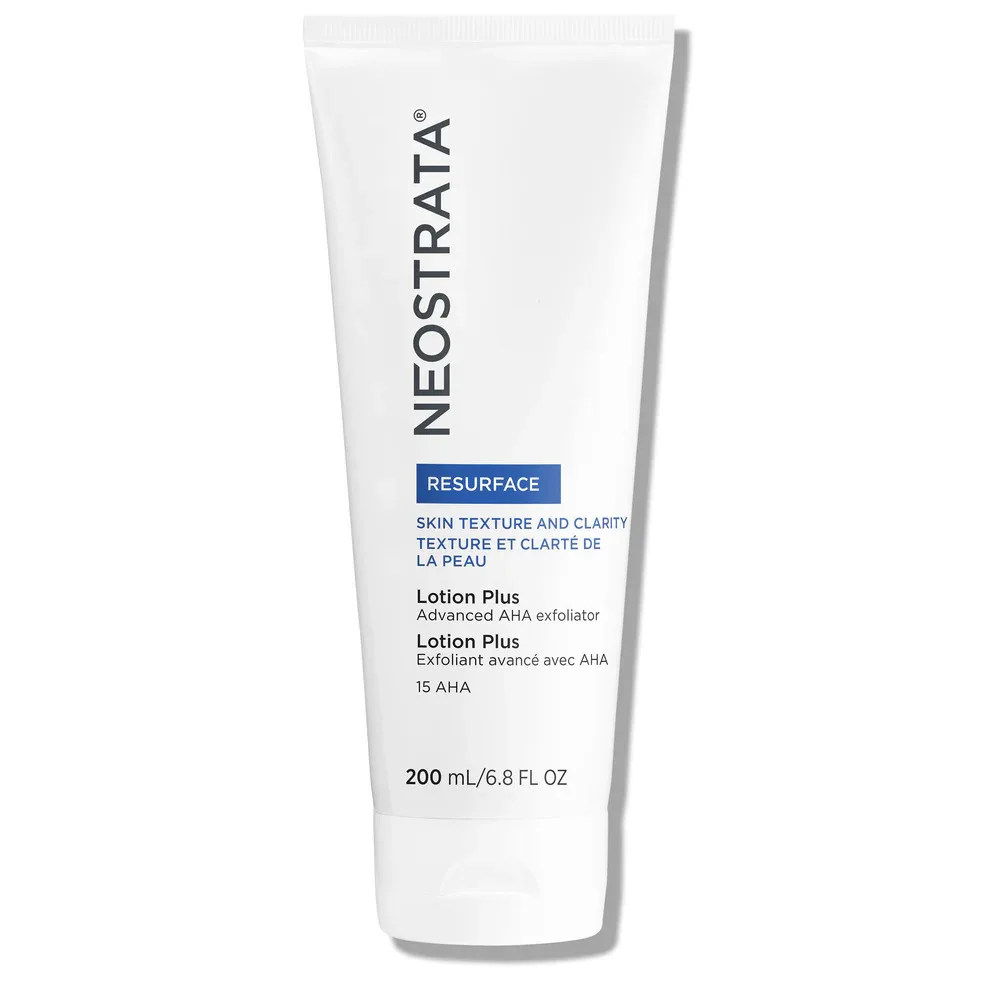 Mineral Shield Plus Antioxidants
 Sheer Physical Protection SPF 50
A mineral sunscreen that thinks beyond UV — NeoStrata's SPF 50 layers zinc oxide and titanium dioxide with their proprietary PHAs, green tea antioxidants, and iron oxide tint to create a multi-defense environmental shield. Cosmetically elegant for a mineral formula, though the single universal tint limits its audience.
 Gentle Gommage Peel
 PHA Peeling Gel
A genuinely gentle two-step exfoliant: cotton-derived cellulose for a soft gommage and lactobionic acid PHA for mild chemical exfoliation, buffered by ceramide, hyaluronic acid, and soothers. It's an excellent low-irritation way for sensitive or dry skin to smooth texture without the sting of a strong acid. The honest catch — it's mild, so stubborn texture and congestion may need something stronger, and some of the visible 'peeling' is the product, not your skin.
 Derm-Office Sun Defense
 Defend Sheer Physical Protection SPF 50
One of the most scientifically complete mineral sunscreens available: mineral UV filters for UVA/UVB, iron oxides for visible light, and a PHA-antioxidant system for free radical defense. The price is premium, but the photoprotection philosophy is best-in-class.
 Daily Acne Exfoliant
 Truecica Clear Pad
A daily exfoliating pad that's smarter than the category average. BHA handles pore-depth work, two PHAs provide surface exfoliation, and the full TrueCICA complex keeps the whole thing from flaring your barrier. Acne-focused, sensitive-tolerant, and sensibly priced.
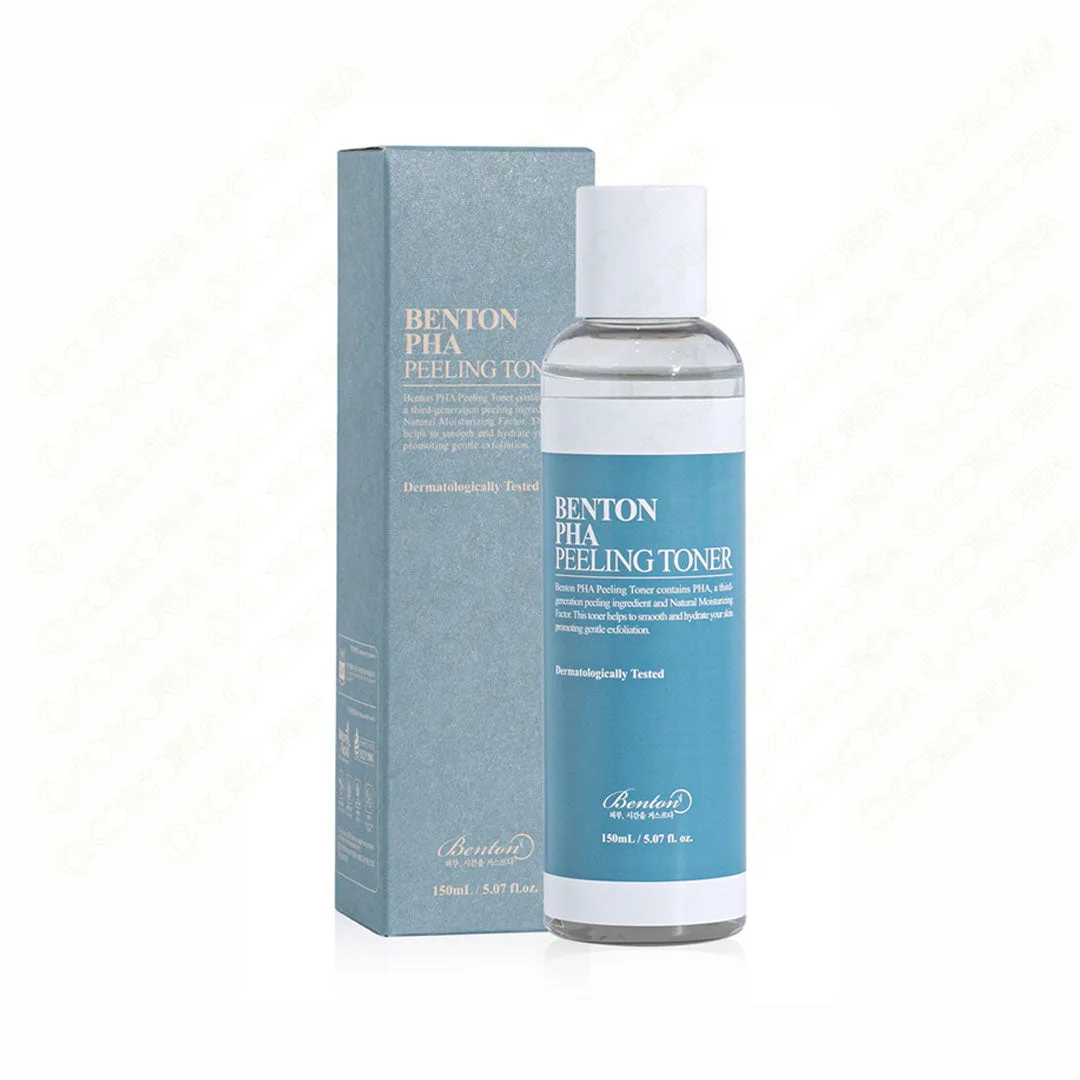 Daily Gentle PHA Toner
 PHA Peeling Toner
A daily leave-on exfoliating toner built on 3% lactobionic acid — the gentlest hydroxy acid — and wrapped in NMF hydration, ceramide, and a cornflower-and-licorice soothing base. It resurfaces and hydrates at once, with no sting and little sun-sensitivity, making it one of the rare exfoliating toners sensitive skin can use every day. The trade-off is mildness: it's steady maintenance, not a fast fix for stubborn texture, at a slightly premium price.
 The Gentle Gommage for Reactive Skin
 1025 Dokdo Peeling Gel
The gentlest version of the Korean peeling gel: a fragrance-free, alcohol-free cellulose gommage with a mild lactobionic acid, a protease enzyme, the Dokdo hyaluronic complex for slip and a full soothing set, that leaves skin smooth and plumped without a tingle. The grey rolls are mostly the gel's own polymer, the exfoliation is slight, and it will not touch clogged pores; as a once-a-week ritual for sensitive skin that wants a texture nudge and a satisfying rinse, it is well made, and $24 for a bottle that lasts months is fair for the pleasure.
 Sensitive Skin MVP
 Low pH Goodnight Soft Peeling Gel
A triple-mechanism exfoliant that treats sensitive skin like a priority rather than an afterthought. The lactobionic acid, papain, and cellulose gommage combination delivers genuine smoothness and glow without the sting, redness, or peeling that keep sensitive-skin types away from exfoliation entirely. Not aggressive enough for stubborn texture or acne, but that's not what it's trying to be.
 Barrier-Restoring Sheet Mask
 Low pH pHarrier Mask
A clean, genuinely barrier-restoring sheet mask that completes the brand's gentle pHarrier line. Ceramide NP, a full amino-acid NMF complex, ectoin and hyaluronic acid at a skin-friendly low pH, fragrance- and essential-oil-free, make it a real recovery tool for dry, tight or compromised skin. The honest caveats are format (occasional, same-day) and that silk amino acids make it non-vegan.
 PHA-Powered Mineral Shield
 Skin Caring BB Fluid SPF 50
A cleverly formulated mineral tinted SPF that doubles as a gentle anti-aging treatment thanks to NeoStrata's signature polyhydroxy acids. The lightweight fluid texture and minimal white cast impressed, though the single universal shade and now-discontinued status limit its accessibility.
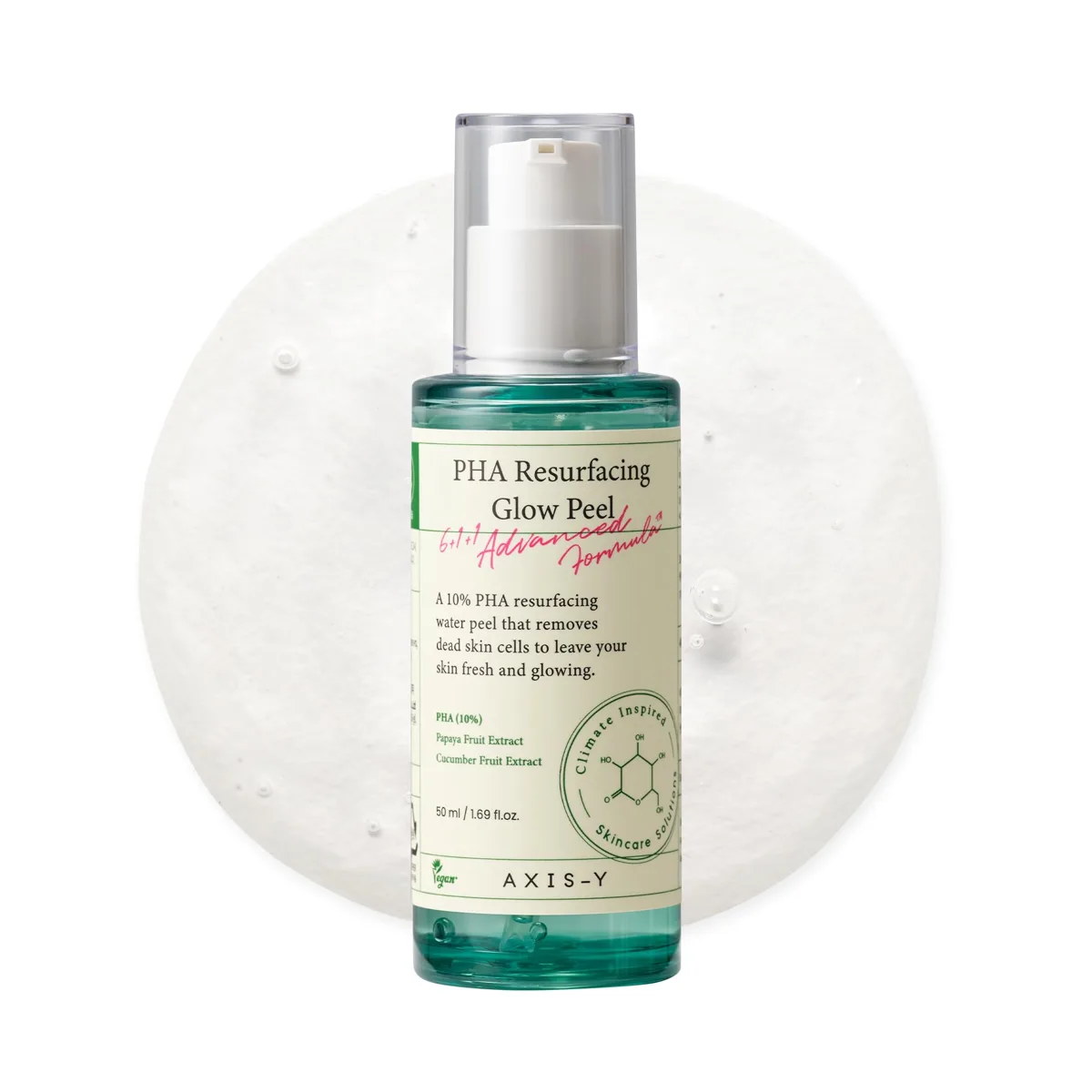 Sensitive-Friendly PHA Peel
 PHA Resurfacing Glow Peel
A fragrance-free dual-PHA peel with a real calming cast — gluconolactone and lactobionic acid do the exfoliation while centella, madecassoside, panthenol, and allantoin keep reactive skin from flaring. One of the more tolerable acid treatments in the mid-tier K-beauty category.
 Gentle Daily Acid Toner
 AHA/BHA Toner
A genuinely gentle, fragrance-free, alcohol-free daily exfoliating toner that blends low-dose BHA, PHA and AHA with hydrating and soothing support. It won't deliver a dramatic peel, but as a comfortable, broadly tolerable way to keep texture smooth and pores clear, it's a standout value — and a rare acid toner that sensitive skin can actually use.
 Sensitive Skin MVP
 Restore Bionic Face Cream PHA 12
The quiet overachiever of NeoStrata's lineup — a rich, utterly gentle face cream that delivers 12% acid exfoliation so smoothly that sensitive and rosacea-prone skin actually thrives on it. The small jar and premium price sting, but the formulation quality from the inventors of PHA technology is in a class of its own.
 Gentle Acid Foam
 AC BHA Foam Cleansing
A mild amino-acid foam with a low-dose acid quartet that suits oily and combination skin as a daily wash, not as an acne treatment. The surfactant base is the best thing about it and the two essential oils the worst, since they add scent and a sensitisation risk to a formula otherwise built for tolerance; at twenty-two dollars it is a good gentle cleanser priced like a clinical one.
 K-Beauty Triple-Acid Moisturizer
 AHA BHA PHA 30 Days Miracle Cream
A thoughtfully formulated K-beauty moisturizer that puts centella asiatica front and center while delivering gentle triple-acid exfoliation in every application. Best for oily and combination skin seeking daily exfoliation wrapped in soothing botanicals, though the peppermint oil remains an unwelcome guest at the party.
 K-Beauty Glow Serum
 AHA BHA PHA 30 Days Miracle Serum
A soothing centella oil-serum disguised in triple-acid marketing clothing. The 14.51% centella content is real, but the AHA/BHA/PHA at parts-per-billion concentrations are cosmetic theater. Solid for nourishing and calming, but not the exfoliating treatment the name implies.
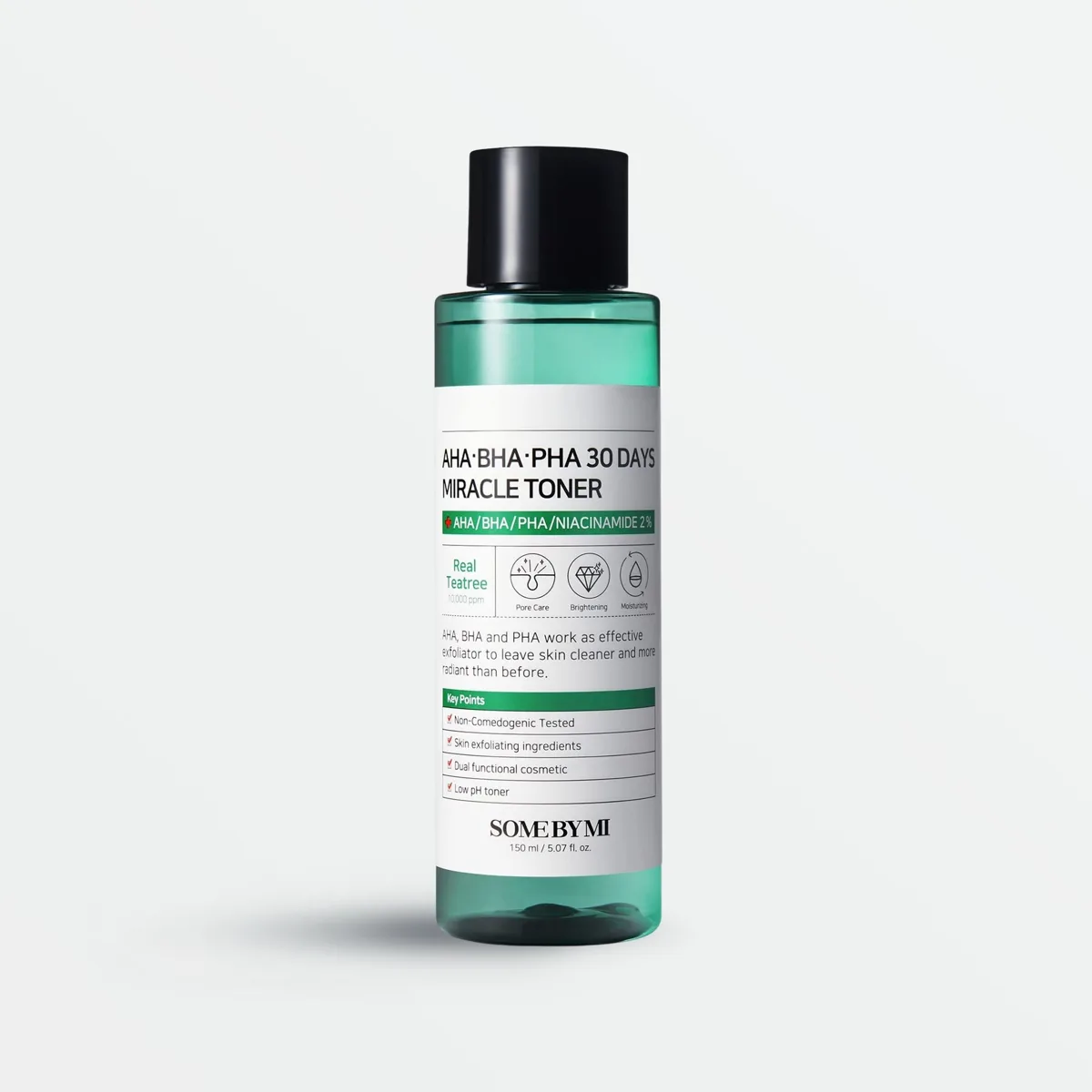 K-Beauty Cult Classic
 AHA BHA PHA 30 Days Miracle Toner
The product that launched a K-beauty empire deserves its cult status for oily and combination skin — a no-nonsense exfoliating toner with real acids, generous sizing, and a price that makes it almost impossible not to try. The peppermint oil and witch hazel keep it from perfection.
 Matcha Pore Serum
 Super Matcha Pore Tightening Serum
The leave-on treatment of the Super Matcha pore line: a 93% green-tea serum with niacinamide and gentle lactobionic-acid exfoliation that refines pore appearance and balances oil gradually. It's a fresh, lightweight, oil-free serum for oily skin at a fair price. Set expectations, though — the exfoliation is mild, the pore benefit is slow and subtle, and the added fragrance rules it out for sensitive skin.
 Ceramide Barrier Toner
 Cera Barrier Moisture Active Toner
A barrier-repair toner with an unusually complete ceramide-and-phytosterol core — five ceramides, beta-sitosterol, glycosphingolipids and a gentle PHA — in a rich, milky, nourishing format that's a genuine value at 200ml. The serious catch: a heavy essential-oil fragrance blend that contradicts its barrier-care purpose and raises irritation risk for the sensitive, compromised skin it's aimed at. Lovely for resilient dry skin; the wrong call for reactive skin.
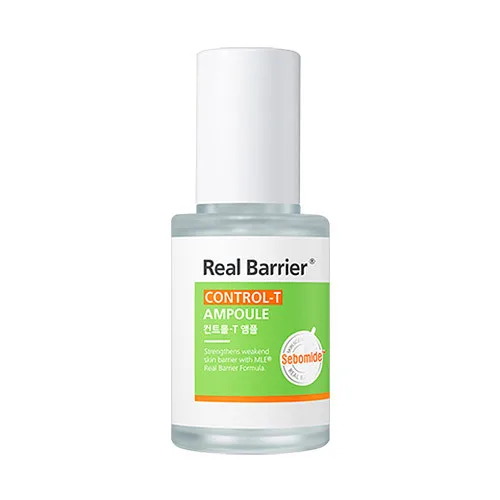 Lightweight Sebum-Control Ampoule
 Control-T Ampoule
A lightweight, barrier-conscious oil-control ampoule that leans on tea tree, houttuynia, a gentle lactobionic PHA, and soothing licorice to manage shine and congestion without harsh stripping. It is pleasant and reasonably priced for oily and combination skin. But the absence of a heavyweight proven active like niacinamide, plus a mugwort-sandalwood-patchouli oil blend, keeps it a supportive step rather than a standout treatment.
 Enzyme Refining Peel-Off
 Pineapple Refining Glow Peel-Off Mask Pack
A peel-off mask that does real exfoliating work: papain and bromelain fruit enzymes plus lactobionic acid gently refine texture, while a high dose of niacinamide brightens, all in a satisfying peelable film. Added fragrance and the format's inherently temporary nature are the caveats, but as refining peel-offs go this one genuinely earns the word.
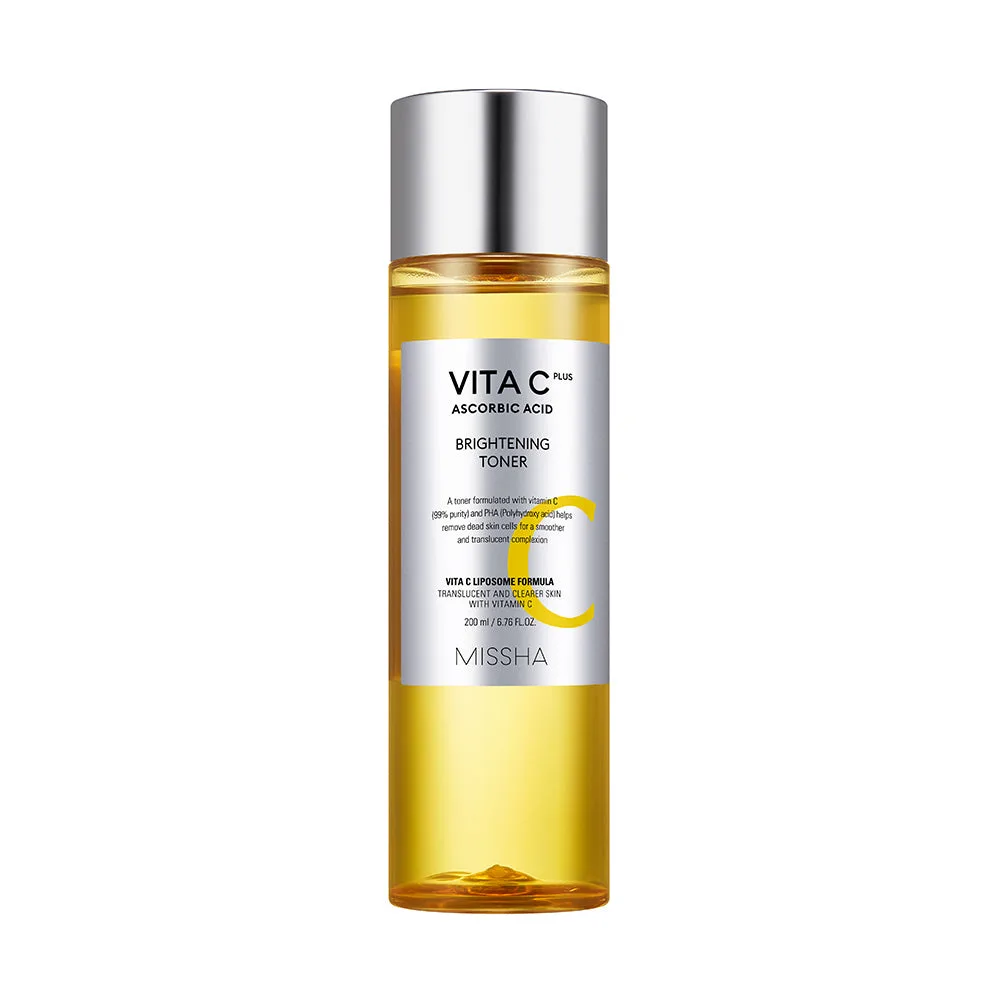 Multi-Active Brightening Workhorse
 Vita C Plus Brightening Toner
A kitchen-sink approach to brightening that actually makes sense — three forms of vitamin C, niacinamide, tranexamic acid, arbutin, and a PHA all in one toner. The undisclosed concentrations and essential oils keep it from brilliance, but for a comprehensive anti-dark-spot first step at $30 for 200ml, the formula ambition is genuine and the results, while gradual, are real.
 Honey PHA Pore Mask
 Bombee Pore Honey Sheet Mask
A genuinely well-conceived pore-care sheet mask that pairs the Bombee honey complex with a gentle lactobionic-acid PHA and an unusually deep hyaluronic stack, so it refines the look of pores while flooding the skin with moisture. It is a kinder, hydrating take on pore masking that leaves skin smoother and clearer without stripping, the only real caveats being added fragrance and the bee-derived propolis.
 Everyday Glow Cream
 Refresh AHA/BHA Vitamin C Daily Cream
A lightweight, antioxidant-rich moisturizer that delivers genuine brightening through niacinamide and alpha-arbutin, not through its misleadingly named AHA/BHA content. At pH 6, the acids are decorative — but the cream itself is a perfectly pleasant daily moisturizer for anyone chasing a subtle, cumulative glow.
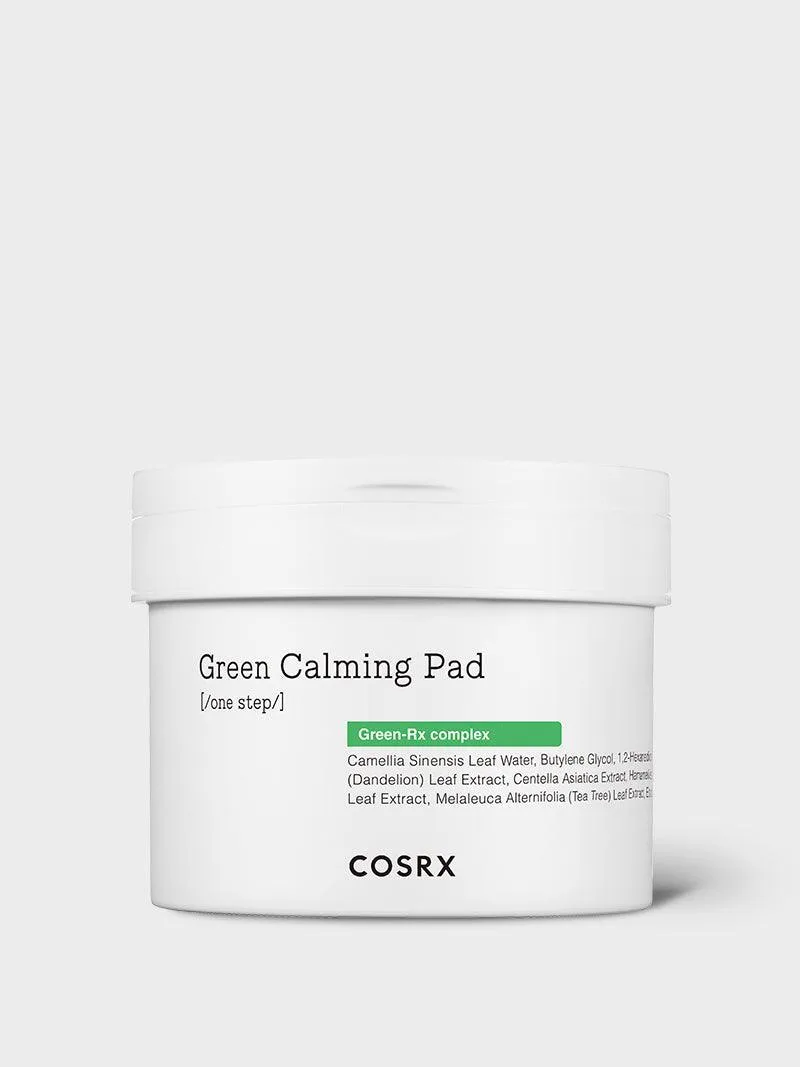 Sensitive Skin Quick Fix
 One Step Green Calming Pad
A genuinely soothing toner pad with an impressive 75% green tea water base and full-spectrum centella complex that delivers real calming benefits for reactive skin. The dual-sided pad format adds practical value over liquid toners. But the bergamot oil inclusion in a product marketed for sensitive skin is an unnecessary contradiction that keeps this from being the universal recommendation it could be.
 Microbiome-Smart Resurfacing
 Acid Peel + Probiotic Brightening Gel Peel
A sophisticated multi-acid gel peel from one of America's more recognizable microbiome-focused dermatologists. The glycolic-PHA-BHA stack with a postbiotic ferment is genuinely thoughtful formulation, delivering brightening and texture improvement with less irritation than comparable single-acid peels. The price — $88 for 30ml — is steep, and the brand's newness is the biggest unknown.
 PHA + Caffeine + Peptide Eye Cream
 Age-Defying PHA+ Renewing Eye Cream
Glytone PHA-positioned eye cream extending the brand glycolic acid heritage into the lactobionic acid polyhydroxy acid family. Multi-active formulation with PHA + low-concentration glycolic acid + caffeine + palmitoyl tetrapeptide-7 + Acmella Oleracea + dual-HA + bisabolol soothing. $80 for 0.5 fl oz is premium professional-skincare eye-cream pricing — PHA + AHA photo-sensitization requires mandatory daily SPF.
 Spanish Dark-Spot Specialist
 Bio10 Forte Intensive Serum
A serious, multi-pronged dark-spot serum from a brand that has spent more than a century obsessing over pigmentation. It stacks kojic acid, stable vitamin C, sclareolide and a gentle PHA behind an encapsulated delivery system, and for normal-to-dry skin willing to commit to daily sunscreen it's a credible corrective. The alcohol base and added fragrance are the main caveats for sensitive users.
 Pore-Clearing Enzyme Wash
 The Teatree Pore Powder Wash
A genuinely clever enzyme powder cleanser that decongests oily, blackhead-prone skin three ways at once — proteolytic enzymes, oil-soluble BHA, and charcoal — without the abrasiveness of a scrub, and softened by humectant PHA so it doesn't strip. At sixteen dollars for a tub that lasts months, it's strong value for the right skin; dry and sensitive types should look to the gentler Calming version instead.
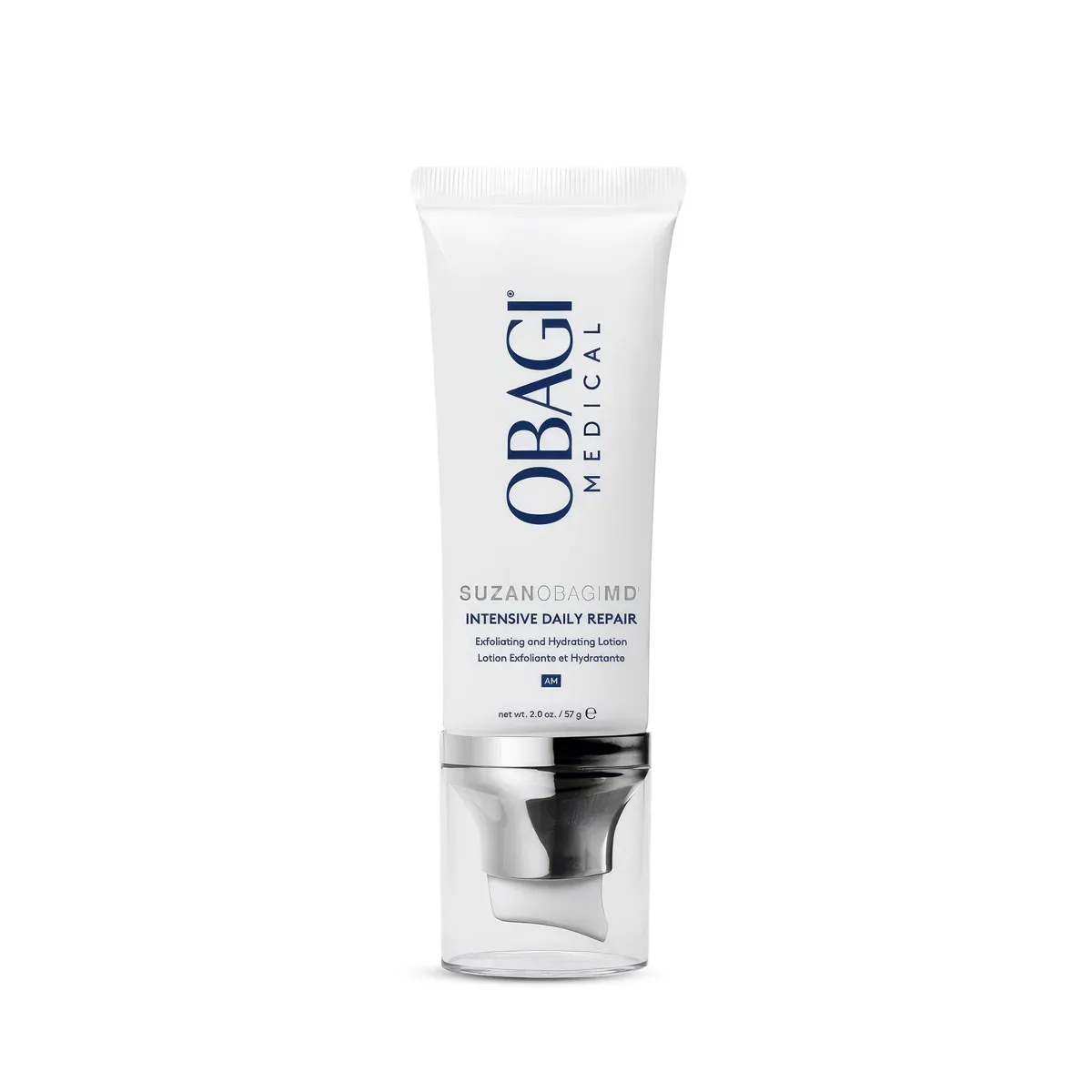 Sensitive-Skin Daily PHA
 Intensive Daily Repair
The exfoliant Obagi made for people who cannot use Obagi: two polyhydroxy acids high in the list, a serious soothing cast and a shea-rich base that lets sensitive, dry and rosacea-prone skin resurface daily without a sting. It is too heavy for oily faces, its results are gentle by design, and $90 for 2 oz is a physician-brand markup on cheap acids, but for its intended skin it is well judged.
 Triple-Action Resurfacing Treatment
 Triple Microdermabrasion Face Polish
A genuinely innovative triple-mechanism exfoliant that delivers real at-home resurfacing results by combining professional-grade crystals, glycolic acid, and papaya enzyme in one treatment. The science is sound and the pedigree is impeccable, but the fragrance inclusion and aggressive combination limit its appeal to resilient, non-reactive skin types.
 Minimalist Gentle Acid Exfoliant
 Night Switch Lactic 10%
The minimalist's dream exfoliant and arguably Lixirskin's best product: six ingredients, fragrance-free, a gentle 10% blend of lactic acid and the even-milder lactobionic PHA that resurfaces and brightens while actually hydrating. It is effective, broadly tolerable, and clean. The only real limits are a small bottle, subtle-not-dramatic results, and the AHA's standard need for daily sunscreen.
 Exfoliating Gel Cleanse
 Better Off AHA/PHA Gel Cleanser
A smartly built exfoliating gel cleanser that refines texture with a triple AHA/PHA acid blend while staying gentler than most acid washes, thanks to a soft plant-and-amino-acid surfactant base and a prebiotic. It's a genuine step up from a basic cleanser for normal-to-oily skin — though the added fragrance and acids make it a poor fit for sensitive skin, and it's priced at a prestige premium.
 Brightening Exfoliating Pads
 Gold Kiwi Vita C+ Brightening Toner Pads
The Gold Kiwi line's genuine multi-pathway brightening stack — niacinamide, arbutin, 4-butylresorcinol, glutathione — in convenient pre-soaked pads, with a PHA and a gentle physical sweep for light exfoliation and hydrating ectoin. Notably, they drop the cooling agents that make the matching toner pricklier, so they feel a touch gentler. The caveats: added fragrance, the easy temptation to over-exfoliate by over-swiping, and a trace 'Vita C' ascorbic acid.
 Rose Radiance Cream
 Bulgarian Rose Satin Cream
A sensorial, rose-water-rich radiance cream that's prettier and more substantive than most: a 63% rose-water base and an instant titanium-dioxide 'satin' tone-up paired with genuine actives — niacinamide, adenosine and a light antioxidant fruit-acid blend. For normal-to-dry skin that loves a fragrant rose cream, it delivers glow and real benefit. The defining caveat is the heavy fragrance (rose, orange oil, lavender, geranium), which rules it out for sensitive skin.
 Multi-Active Brightening Toner
 Gold Kiwi Vita C+ Brightening Toner
A toner that genuinely punches above its category: a real multi-pathway brightening stack — niacinamide, arbutin, glutathione and the potent 4-butylresorcinol — on a 45% gold kiwi antioxidant base with a B-vitamin complex and a gentle PHA. It evens tone and fades dullness with consistent use. The caveats: an added fragrance plus cooling agents (menthyl lactate, menthone) raise irritation risk for sensitive skin, and the 'Vita C' ascorbic acid is a trace, decorative amount.
 Luxury Eye Splurge
 The Return Eye Concentrate
A genuinely loaded eye formula — real peptides, layered antioxidants, ceramide, hyaluronic acid — wrapped in luxury theater and priced accordingly. It delivers an immediate, flattering radiance and a cushioned feel, and the long-term actives are legitimate. But $148 for 15 ml, plus fragrance and acids near the eyes, makes this a splurge you buy with open eyes, not a value pick.
 Pore-Clearing Cleansing Oil
 AHA Blackhead Out Cleansing Oil
A cleansing oil that does more than dissolve makeup and sebum — it adds gentle PHA and AHA exfoliation, tea tree antimicrobial activity, and an oil-soluble vitamin C derivative for antioxidant support during the cleanse. The essential oil content limits it to non-sensitive skin types, but for congestion-prone users it's a meaningfully different proposition than a standard oil cleanser.
The full lactobionic acid guide
Most acids earn their place on the label by penetrating fast and turning skin over hard.
Lactobionic acid takes the opposite approach, and that restraint is what makes it interesting for people the standard AHA toolkit leaves red and stinging. A polyhydroxy acid built from oxidized lactose, it loosens dead surface cells, holds onto water, and binds free iron in the skin — a trio of jobs that lets one gentle ingredient stand in for several harsher ones, especially on reactive or sensitized skin.
How it's regulated in the US
FDA does not classify ingredients — it classifies products, by what they are sold to do. The same molecule can be a drug active in one product and a cosmetic ingredient in the next, and only the claim on the label decides which. What follows is a statement about that legal standing, not about whether it works — the evidence question is answered separately above.
Cosmetic Lactobionic Acid is a cosmetic ingredient in the US: no OTC monograph covers it and it is not an active in any FDA-approved drug, so a product built around it is a cosmetic rather than a drug.
For a cosmeceutical acid the human-trial base is respectable, though far shallower than glycolic acid's decades of study. A 2010 comparison in the Journal of Cosmetic Dermatology found 6% lactobionic acid delivered exfoliation comparable to 6% glycolic acid while producing notably less skin irritation and less barrier impairment by bioengineering measures. A 2019 study in the same journal showed a 10% lactobionic acid moisturizer lowered skin surface pH without irritation or barrier damage — a profile low-molecular-weight AHAs struggle to match. A 2018 split-face study found it to be strongly moisturizing, with no meaningful difference between 10% and 30%, suggesting a hydration ceiling. A 2025 trial reported hydration and elasticity gains versus mandelic acid, with the strongest hydration benefit in the 50–60 age group. The iron-chelation and matrix-metalloproteinase angles are biologically plausible and discussed in PHA review literature, but rest on mechanistic and small-study evidence rather than large controlled trials, which is why the anti-aging story should be read as promising rather than settled.
How it works
Picture a sugar acid roughly five times the molecular weight of glycolic acid — galactose bonded to gluconic acid, around 358 g/mol. That bulk is the whole point. The molecule lingers near the skin's surface instead of diving into the dermis, so it loosens corneocytes at the top of the stratum corneum while leaving the deeper barrier lipids comparatively undisturbed. This is the likely reason transepidermal water loss tends to stay lower on PHA-treated skin than on skin treated with small AHAs in comparative testing. Its eight hydroxyl groups act as water magnets, anchoring moisture in the upper layers — which is why it reads as so strongly humectant in head-to-head moisture studies. There's also an iron-chelation angle worth knowing about: free iron in skin can drive the Fenton reaction, spinning hydrogen peroxide into reactive hydroxyl radicals that chew up collagen during photoaging. By binding that iron, lactobionic acid may head off some of this oxidative damage before it starts, behaving more like a preventive than a scavenger. PHA review literature also discusses dampened matrix-metalloproteinase activity as a possible collagen-sparing bonus, though that mechanism is less firmly nailed down in skin. Activity depends on pH, since the acid's pKa sits near 3.8. Exfoliating formulas usually land between roughly pH 3.5 and 4.5, while moisturizer formats often sit higher, around 4.5 to 5.5, leaning on the hydration and acidifying effects rather than aggressive turnover.
Key benefits
- Loosens surface dead cells with little spike in transepidermal water loss compared to small AHAs
- Strong humectant water-binding from its eight hydroxyl groups, performing well in moisture studies
- Binds free iron in skin, a plausible buffer against UV-driven oxidative damage
- Lowers skin surface pH without irritation, useful for barrier-disrupted, high-pH skin
- Generally tolerated by rosacea-prone and reactive skin that flares with glycolic or lactic acid
- May help even tone over time by nudging pigmented cells off the surface
Concentration & usage
Published skin studies have worked with concentrations from roughly 6% up to 30%, at pH values spanning about 3.8 to 5.0 depending on the goal. Exfoliation-focused products tend to cluster around 6–10% at the lower end of that pH range, while moisturizer formats often use 10% at a gentler pH to favor hydration and barrier acidification over turnover. Notably, one split-face study found no meaningful difference in moisturizing effect between 10% and 30%, so chasing a higher percentage for hydration alone offers diminishing returns. If your skin is reactive, 2–5% in a serum or lotion is a sensible starting dose. On an INCI list it appears simply as "Lactobionic Acid," with no common alternate names; where it sits in the lower third of a long list, treat the dose as cosmetic rather than active.
Who it's for & who should be cautious
Who it's for
This is for people who want regular exfoliation but have a history of going red, tight, or stingy with glycolic or lactic acid — think reactive skin, rosacea, eczema-prone, or a barrier that's currently sensitized. It also slots neatly into routines that already include a retinoid or other irritating active, where adding a sharp second acid would tip things over the edge. Mature skin may get extra mileage from the iron-binding and possible MMP-dampening effects layered on top of basic surface renewal.
Who should be cautious
If you have a confirmed milk or lactose allergy, approach with caution given the lactose origin — though topical exposure differs greatly from eating it, and a reaction here is theoretical rather than documented in the dermatology literature. Skip any active-strength acid on open wounds, raw eczema flares, freshly resurfaced or post-procedure skin, and active burns. And don't sandwich it against strongly alkaline products right before or after use, since they'll neutralize the acid and waste its effect.
Pairs with & conflicts
Myths & facts
Myth: Lactobionic acid is just a weaker, watered-down glycolic acid.
Reality: It works at a different depth and brings humectant and iron-binding functions glycolic acid doesn't have. The 2010 comparison found it matched glycolic acid's exfoliating performance with less irritation and less barrier disruption — a different tool for different skin, not a downgrade.
Myth: PHAs like lactobionic acid stay too superficial to actually do anything.
Reality: Staying superficial is where most of the benefit comes from. Loosening surface cells, holding water in the stratum corneum, and binding free iron are near-surface jobs. For deeper collagen remodeling you'd add a retinoid alongside it, not swap it out for a more penetrating acid.
Myth: Because it's gentle, you can use it without sunscreen.
Reality: PHAs do seem to cause less photosensitization than AHAs in comparisons, but any acid that speeds cell turnover leaves newer, more vulnerable skin that wants daily SPF. The iron-chelating effect may offer some incidental oxidative protection, but it is nowhere near a substitute for actual sunscreen.
Frequently asked questions
Can I use a lactobionic acid product every day, or is that too much?
For most skin, daily use of a leave-on 5–10% product is well tolerated, especially in a moisturizer base. Its slow surface action and water-binding tendency make cumulative irritation far less likely than with glycolic or lactic acid. If you're new to it, still ease in — every other night for a couple of weeks — before going daily.
Is lactobionic acid considered safe to use while pregnant?
PHAs including lactobionic acid are generally viewed as among the gentler exfoliant options in pregnancy, given their surface-limited action and absence from the actives most often flagged for caution. That said, no large controlled trials have looked at topical use during pregnancy specifically, so the standard move is to run any acid past your OB or dermatologist first.
Is lactobionic acid basically interchangeable with gluconolactone?
They're close cousins in the PHA family with overlapping gentleness, but lactobionic acid is the larger, more complex molecule — a disaccharide acid versus gluconolactone's simpler structure — and tends to show stronger water-binding in comparisons. In practice both suit sensitive skin and work similarly; lactobionic acid just carries a slightly larger body of clinical skin research.
Will lactobionic acid fade dark spots and hyperpigmentation?
Only indirectly. By speeding surface turnover it gradually moves pigmented cells up and off the skin, and its iron-binding may interrupt some of the iron–UV interplay behind photoaging pigment. But it isn't a tyrosinase inhibitor like alpha-arbutin or kojic acid, so for active dark spots it earns its keep as a supporting player rather than the headline brightener.
Can I layer lactobionic acid with retinol in the same routine?
Yes — and it's a popular pairing for sensitive skin, because the acid's water-binding helps offset retinol's dryness. A common approach is retinol first on dry skin, a few minutes' wait, then the lactobionic acid product on top, or alternating nights until your skin has settled into both.
Why does my supposedly gentle lactobionic acid product still sting?
Usually it's the formula's pH, not the acid. A product built at pH 3.5 will bite more than one at pH 4.5–5.0 no matter which acid is inside. If a 'gentle PHA' product stings, check whether the brand discloses pH — a very low number is the likely culprit, not a specific sensitivity to lactobionic acid.