Best Dermatologist-Recommended Sunscreens
Updated September 2026 · independently researched, no sponsored placements
Our top 40 picks, ranked from 92 reviewed products — ordered by how well each product does its category’s job.






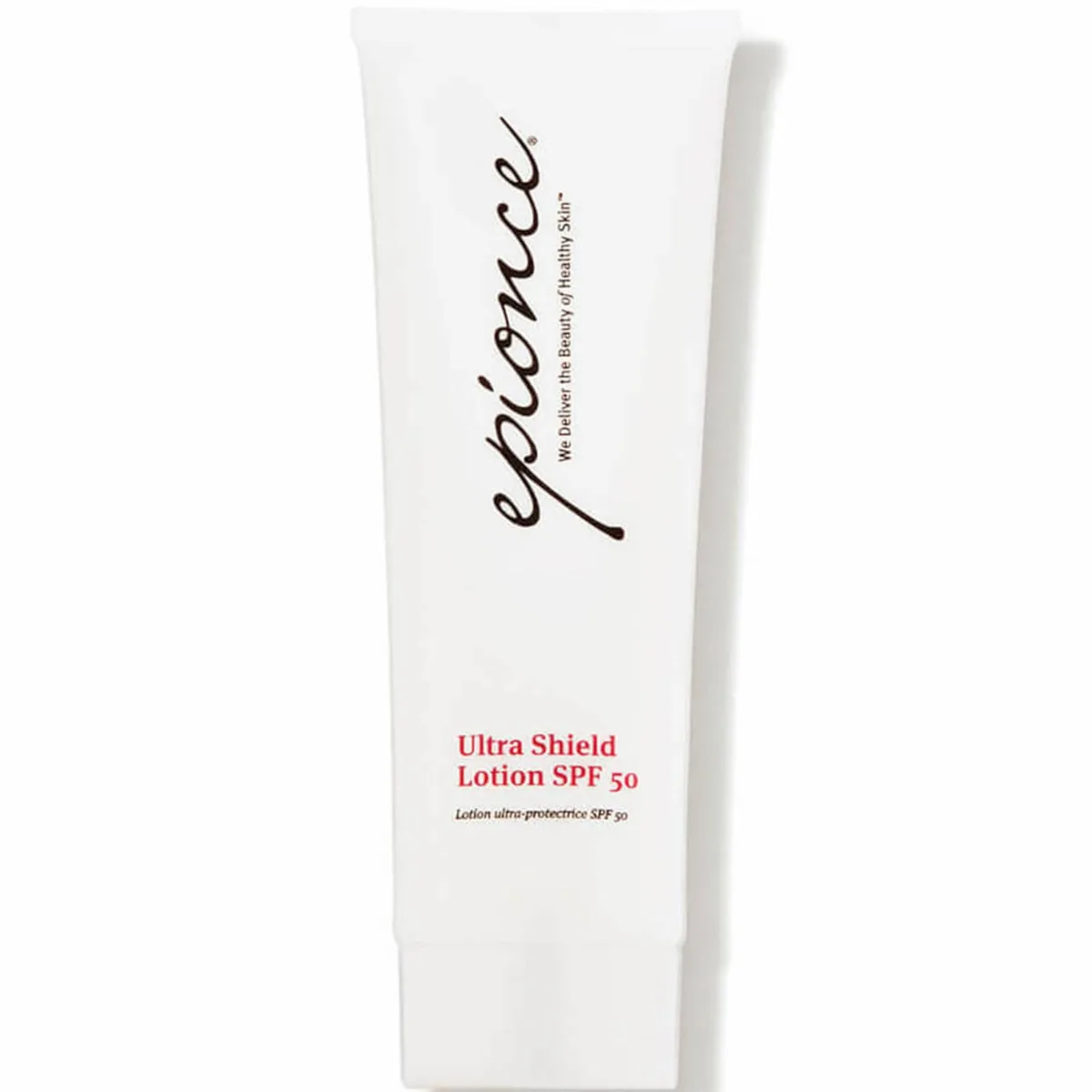


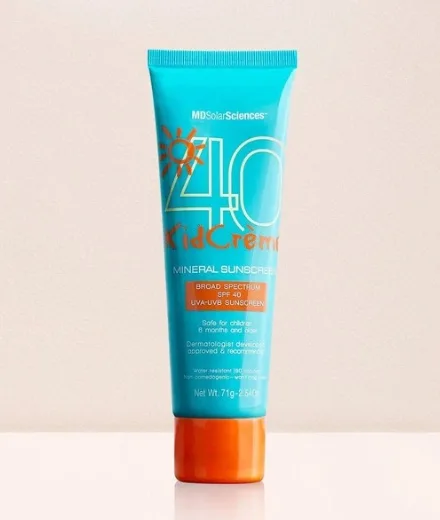
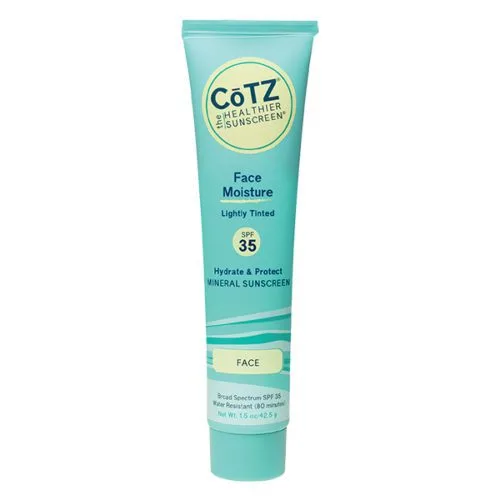










How to Choose
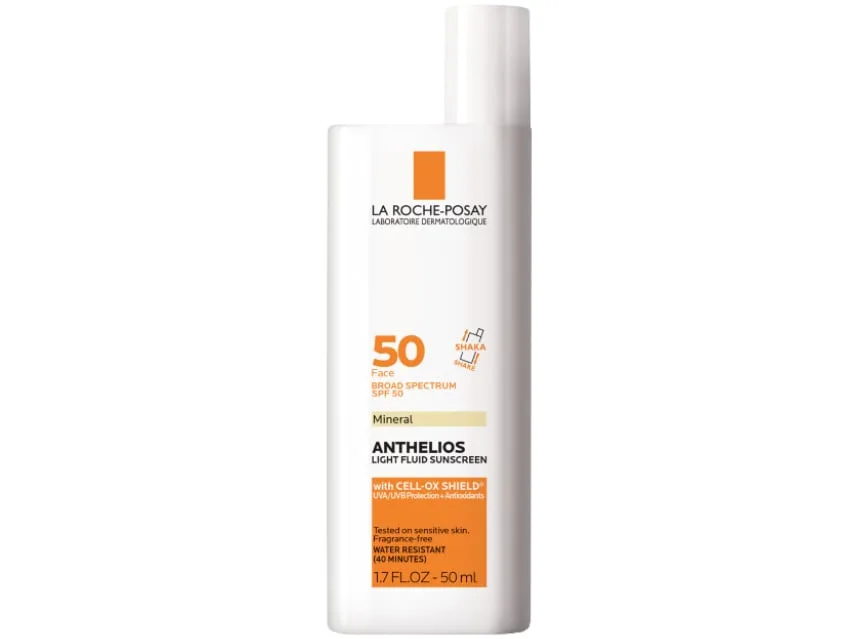
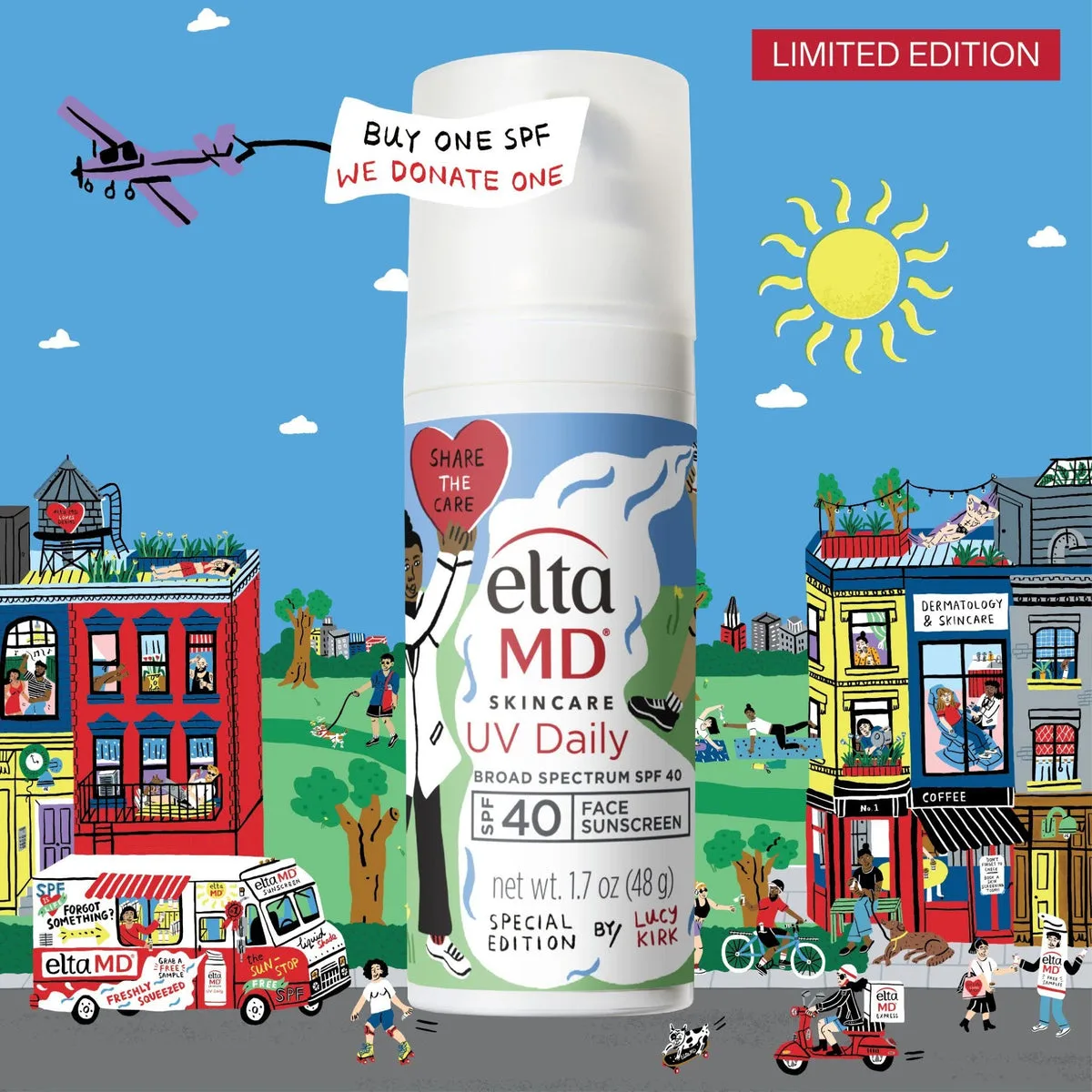
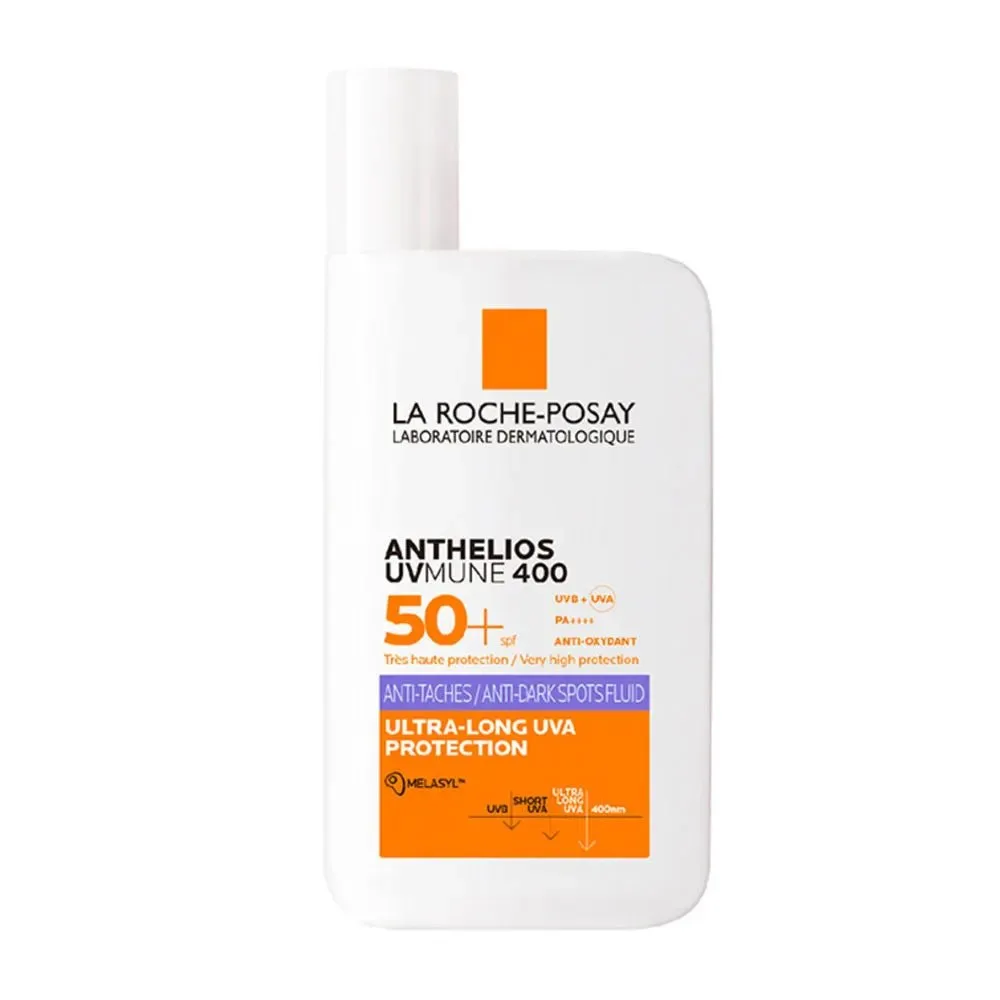
Dermatologist-recommended sunscreens earn that label by being the ones people actually reapply — elegant enough to wear daily, not just the highest SPF number on the shelf. Ask a derm what they put on their own face and you'll hear the same short list over and over: La Roche-Posay Anthelios, EltaMD UV Clear, Cetaphil Sheer Mineral.
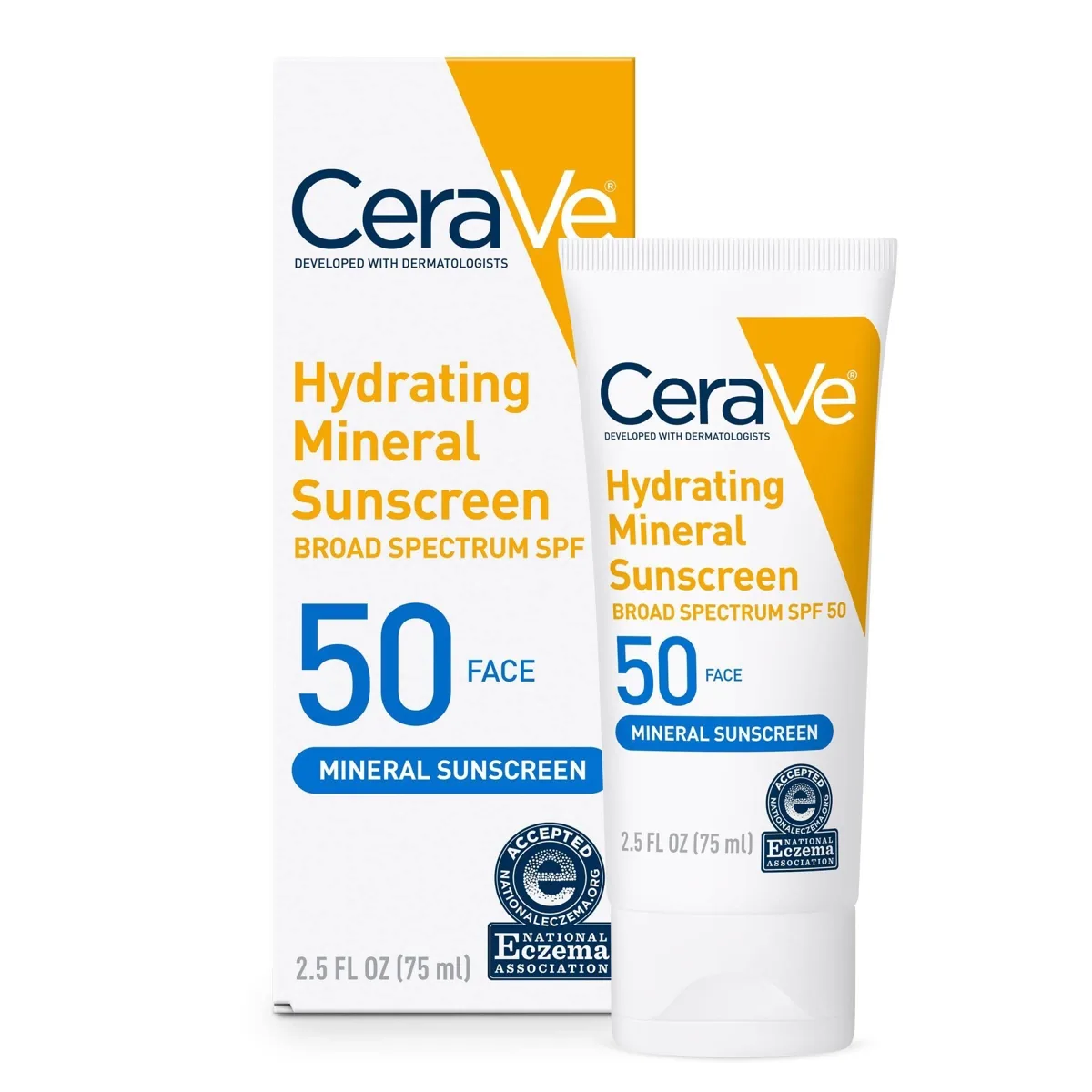
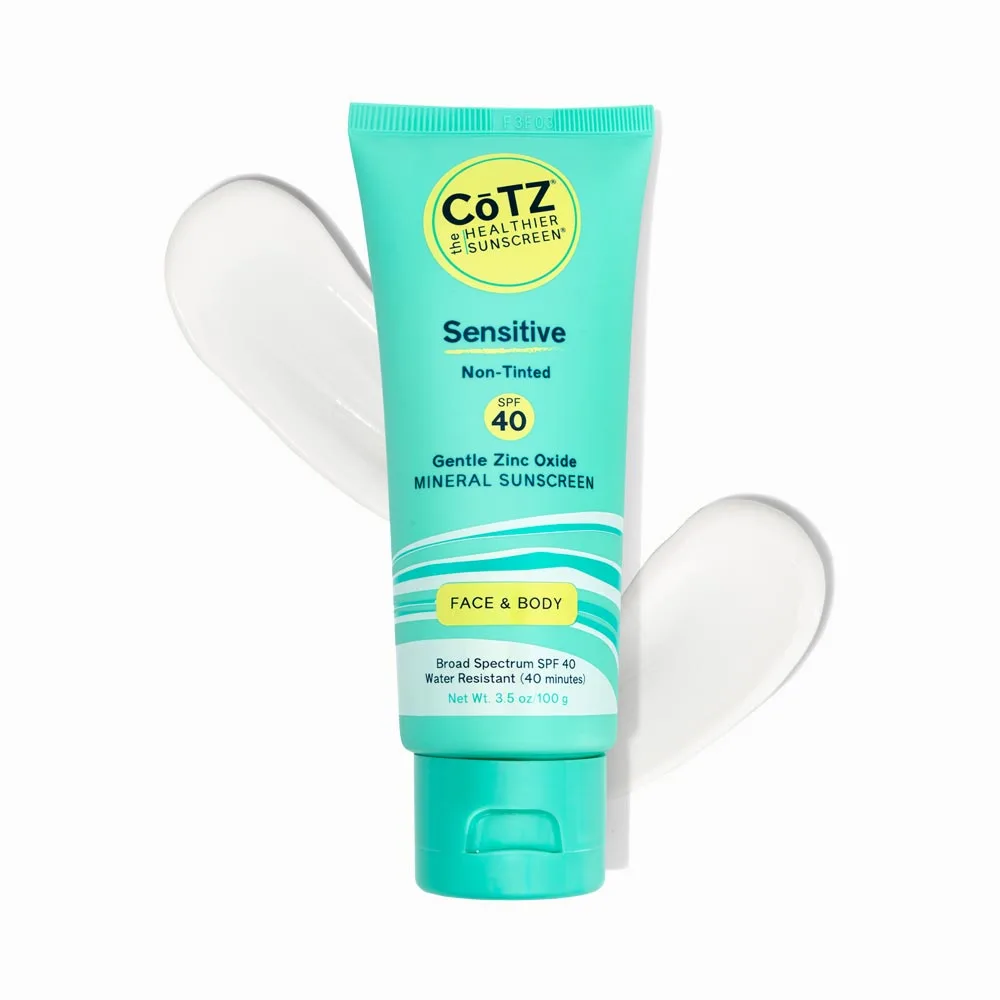
What unites them isn't a marketing budget; it's that each pairs serious broad-spectrum protection with a texture you'll tolerate every single morning, because the best sunscreen is the one you don't dread putting on. A few things separate a derm-grade formula from a beach-aisle bottle. First is genuine UVA coverage — the aging, pigment-driving rays — which is where modern filters like Mexoryl 400 in the UVMune 400 ($37) outperform older avobenzone-only blends. Second is the supporting cast: EltaMD UV Clear ($45) bundles in niacinamide to calm redness, and the tinted versions add iron oxides, which is why derms reach for them against melasma and visible-light-driven hyperpigmentation. Third is finish — a 9% zinc mineral like Cetaphil Sheer ($13) proves you don't need to spend $47 to get a sensitive-skin-friendly SPF that layers under makeup. The honest caveat: 'dermatologist-recommended' is a category of habit, not a regulated claim, and even the best filter only works at the right dose. Most people apply a quarter to a half of what testing assumes, so a faithfully-reapplied $13 mineral beats a $40 bottle you use sparingly. Find the texture you'll never skip, then wear it like it's your job.
Buying Guide
Lead with broad-spectrum UVA protection, not just the SPF number — SPF measures sunburn (UVB), but it's UVA that drives photoaging and pigment, so favor formulas built around high-UVA filters like Mexoryl 400, Tinosorb, or a solid zinc oxide percentage. Match the chemistry to your skin: mineral (zinc/titanium) options like Cetaphil Sheer or EltaMD UV Clear suit reactive, rosacea-prone, and acne-prone skin, while modern chemical/hybrid filters like Anthelios UVMune 400 tend to feel lighter and leave no cast. If you're targeting melasma or dark spots, choose a tinted version — the iron oxides block visible light that plain SPF misses. Texture decides adherence, so pick a fluid, lotion, or tint you'll happily reapply; an elegant feel is the single biggest predictor of whether you'll actually use enough. Price spans $13 to $47 here, and it tracks finish and extras more than core protection — a well-applied budget mineral protects as reliably as a premium one.
Frequently Asked Questions
Why do dermatologists recommend the same few sunscreen brands?
Brands like La Roche-Posay, EltaMD, and Cetaphil show up repeatedly because they combine reliable broad-spectrum filters with cosmetically elegant textures that patients will actually reapply. Derms also value their fragrance-free, low-irritation formulations and track record with sensitive and acne-prone skin. It's less about brand loyalty than about consistency — these formulas behave predictably across a wide range of skin.
Is a mineral or chemical sunscreen better according to dermatologists?
Most dermatologists say the best sunscreen is whichever one you'll wear daily and in adequate amounts, so both can be excellent. Mineral (zinc oxide, titanium dioxide) formulas are often preferred for sensitive, rosacea-prone, or reactive skin because they sit on the surface and rarely sting. Modern chemical and hybrid filters tend to feel lighter and leave less cast, which makes them easier to reapply on deeper skin tones.
Do I need SPF 50, or is SPF 30 enough?
SPF 30 blocks about 97% of UVB and SPF 50 about 98%, so the lab difference is small — but since almost everyone under-applies, the higher number gives you a useful buffer against real-world skimping. More important than the SPF figure is strong UVA protection and reapplying every two hours of sun exposure. A faithfully-used SPF 30 outperforms an SPF 50 you apply thinly.
Which dermatologist-recommended sunscreen is best for melasma or dark spots?
Tinted mineral formulas like EltaMD UV Clear Tinted or TiZO 3 are the usual picks because their iron oxides block visible light, which plain sunscreens miss and which can worsen melasma. The tint also evens out tone immediately while the SPF prevents further darkening. Pairing one of these with a brightening active like azelaic acid is a common dermatologist strategy for pigment.
- Sun ProtectionThe Sunscreen Dose Math Nobody Runs, and Why Your SPF 50 Probably Isn't OneProtection does not scale linearly with how much you apply. It scales as a root — which means the difference between a proper layer and your usual one is not a few points of SPF.
- Skin Cancer & Mole ChecksMole Mapping at Home: Documentation That Actually Helps a DermatologistThe strongest melanoma signal is change over time — and it is exactly the thing a single appointment is structurally unable to see.