Best Sunscreens for Oily Skin
Updated September 2026 · independently researched, no sponsored placements
Our top 40 picks, ranked from 575 reviewed products — ordered by how well each product does its category’s job.




















How to Choose
The best sunscreen for oily skin disappears into the skin instead of sliding off it by noon — and getting there is less about chasing a dead-matte finish than about choosing a lightweight, oil-free formula that doesn't fight your sebum. Oily skin's frustration with SPF is real: thick, occlusive creams feel greasy, clog pores, and slip into your eyes when you sweat, which is exactly why so many oily-skinned people under-apply and burn.
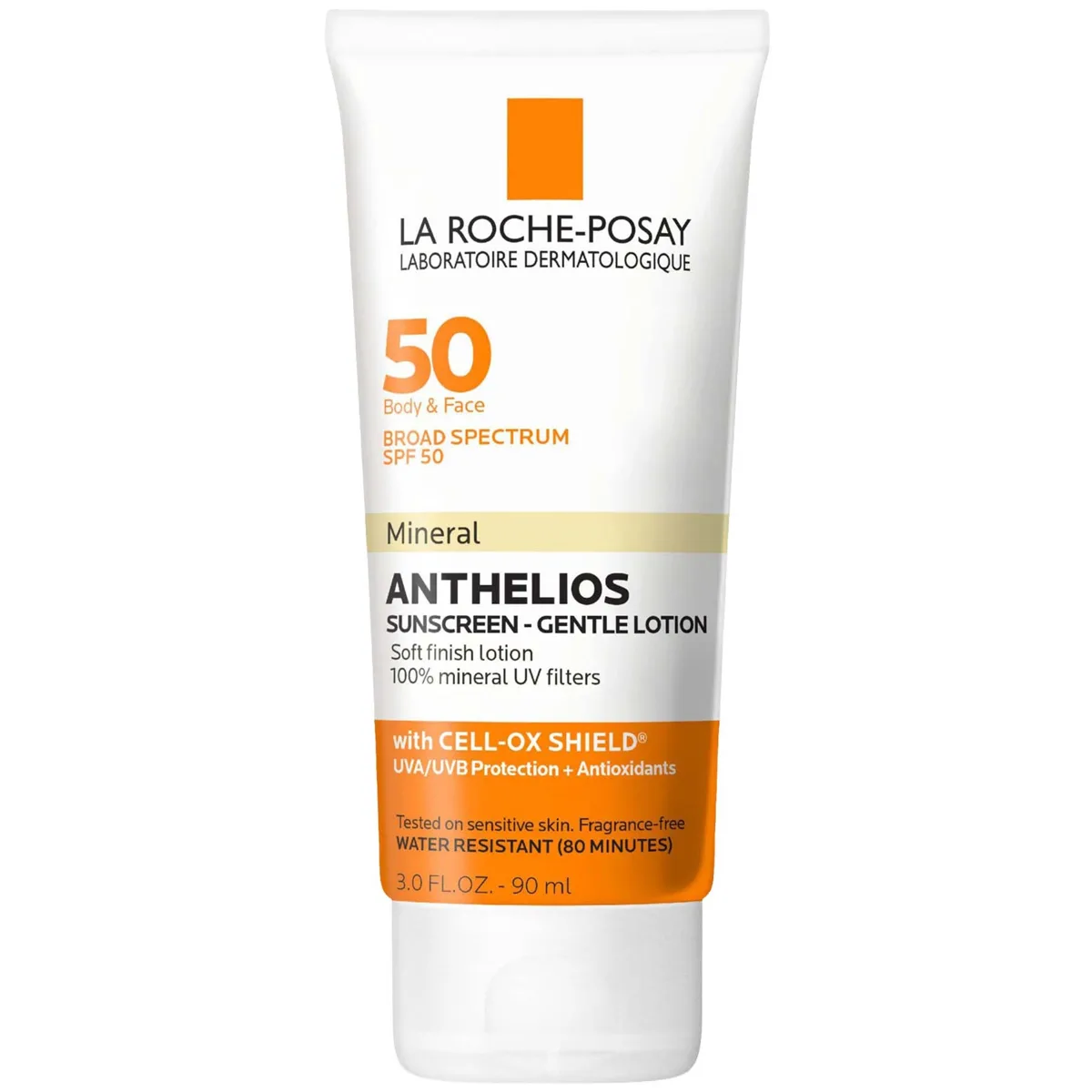
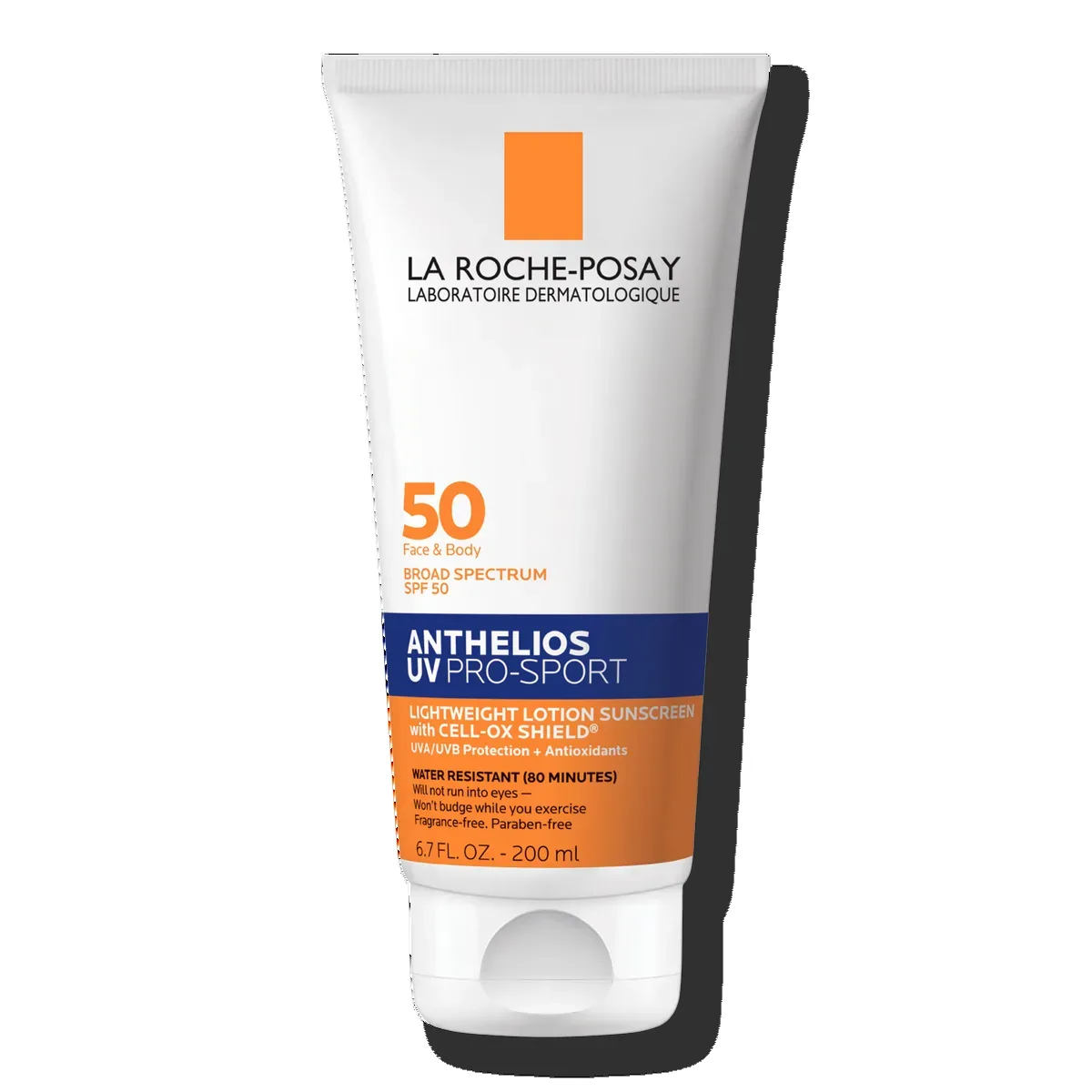
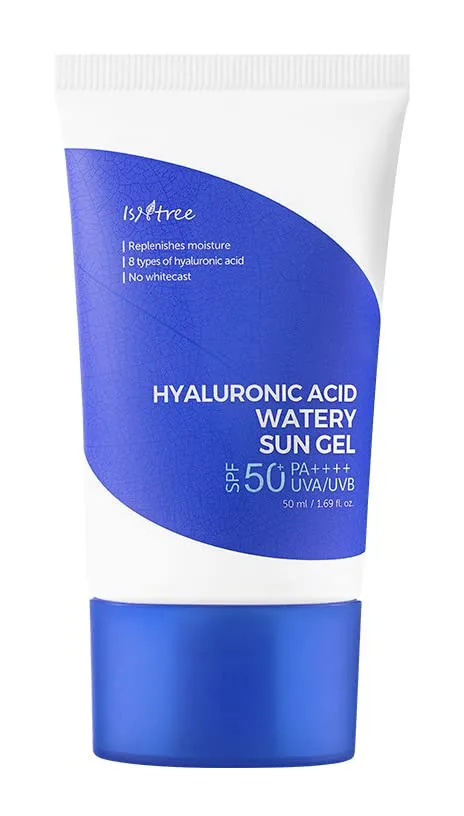
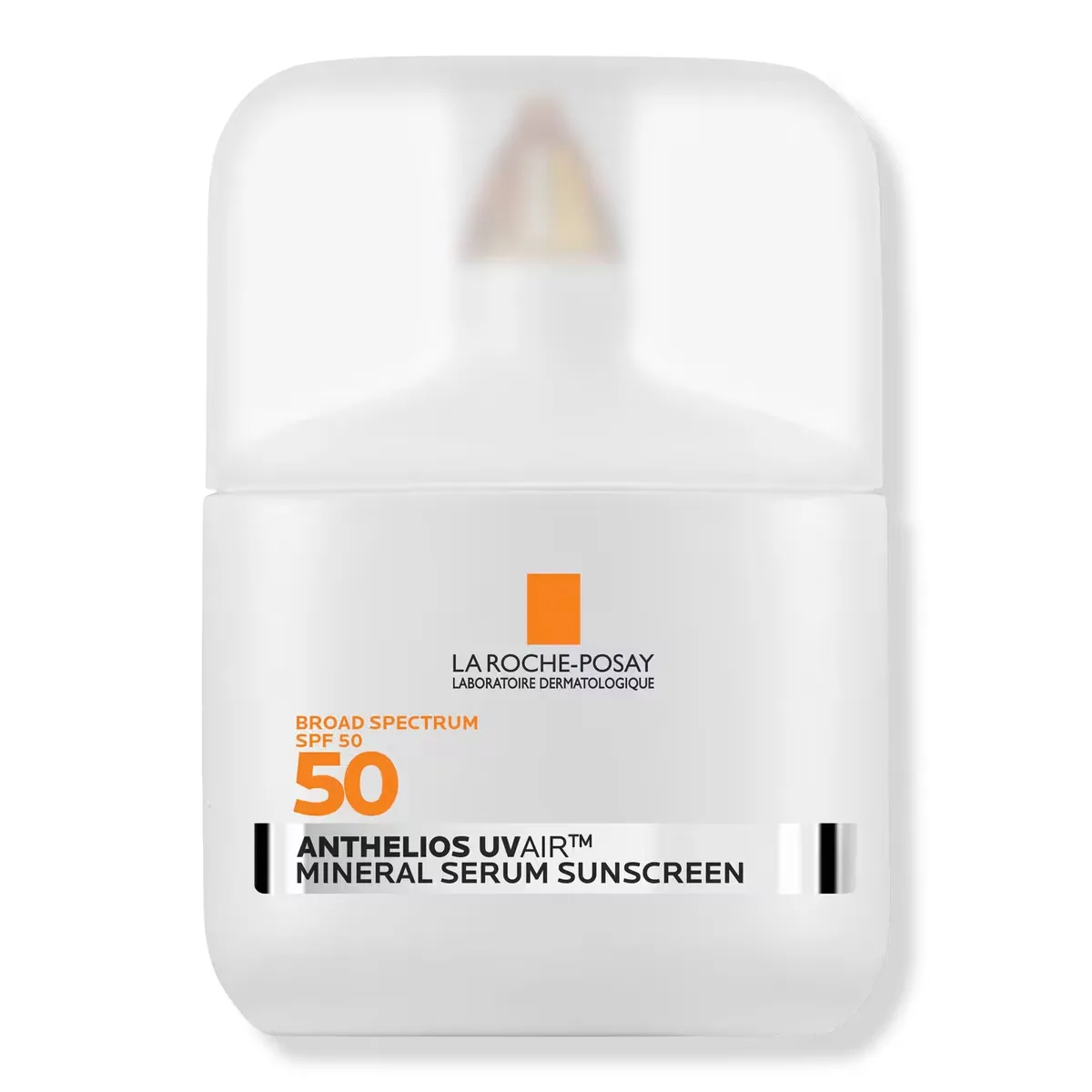
But the answer isn't a powdery sunscreen that strips you dry, because over-controlling oil only triggers a rebound that leaves you shinier. What works is a gel, fluid, or watery-serum texture labeled non-comedogenic, ideally with niacinamide to temper sebum and refine pores. Korean "watery" sunscreens nailed this format — Isntree's Hyaluronic Acid Watery Sun Gel ($22) and Torriden's DIVE-IN Sun Serum ($18) feel like a light essence — while the dermatology-counter standbys EltaMD UV Clear ($45) and La Roche-Posay Anthelios UV Clear ($40) add azelaic acid or zinc that's genuinely friendly to acne-prone skin. The trap: heavy mineral balms and "sport" creams built around waxes and high silicone, which oily skin will reject. The honest caveat: "oil-free" doesn't mean it'll never shine — even the best sunscreen needs reapplication, and a separate oil-blotting habit beats hunting for a formula that promises eight matte hours and can't deliver. Find one that's comfortable enough to reapply, and you've won.
Buying Guide
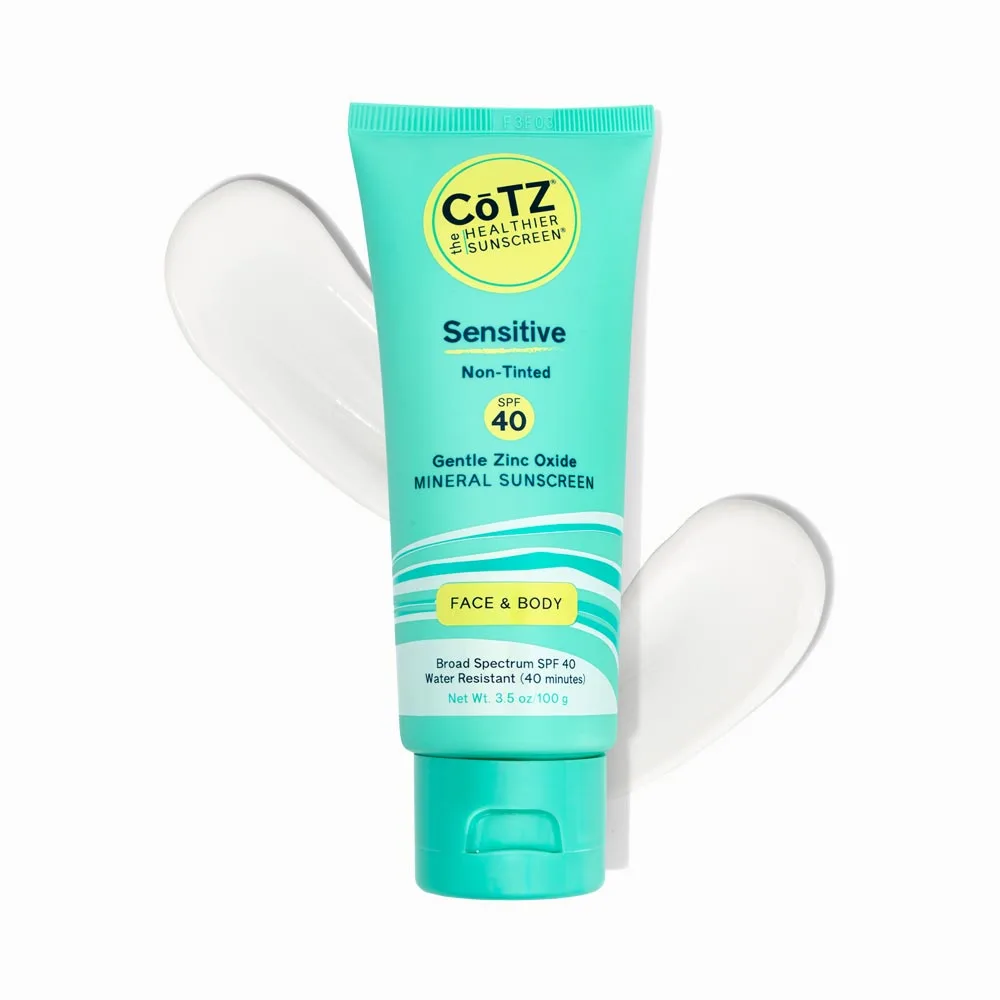
Texture is everything for oily skin: seek out gels, fluids, and serum-style sunscreens that absorb fast and leave no tacky film, and skip rich creams, balms, and anything marketed for "very dry" skin. Check for non-comedogenic and oil-free on the label, and treat niacinamide as a bonus active — it modestly regulates sebum and helps with pores and post-acne marks. Both filter types can work: modern chemical and hybrid filters give the lightest finish, while zinc-based mineral formulas suit acne-prone or sensitive skin but should be the lightweight kind, not a thick paste. If breakouts are a concern, formulas with azelaic acid (La Roche-Posay Anthelios UV Clear) or a clean, fragrance-free build are smart. A tinted option with iron oxides can blur shine and double as light coverage. Price ranges widely from about $5 to $75, and value is strong in the middle — several $18–$27 K-beauty and derm-brand fluids outperform pricier mattifying sticks. Don't pay a premium for an "oil-control" claim that often just means a drying alcohol base.
Frequently Asked Questions
What sunscreen finish is best for oily skin — matte or dewy?
A natural or semi-matte finish usually wears best, but a bone-dry matte formula isn't the goal, since aggressively oil-absorbing sunscreens can leave skin tight and trigger a sebum rebound. Many oily-skinned people do well with a lightweight "watery" sunscreen plus a separate powder or blotting sheets for touch-ups. Prioritize a non-greasy, fast-absorbing texture over the matte claim itself.
Will sunscreen cause breakouts on oily, acne-prone skin?
Sunscreen itself doesn't have to — breakouts usually trace to heavy, comedogenic textures or fragrance, not SPF in general. Choose oil-free, non-comedogenic fluids or gels, and look for acne-friendly extras like niacinamide or azelaic acid (as in La Roche-Posay Anthelios UV Clear). Skipping sunscreen actually worsens acne marks, since UV deepens post-inflammatory hyperpigmentation.
Is a mineral or chemical sunscreen better for oily skin?
Either can work; the deciding factor is texture, not filter category. Modern chemical and hybrid filters tend to feel lightest and most invisible, which oily skin often prefers, while mineral zinc formulas are a good pick if you're also sensitive or breakout-prone — just choose a sheer, lightweight version rather than a thick paste. Avoid heavy, water-resistant "sport" formulas unless you're actually swimming or sweating heavily.
How do I keep sunscreen from looking greasy by midday?
Start with a lightweight, oil-free formula applied to skin that's fully absorbed its moisturizer, then set with a light powder if you're prone to shine. Reapply every two hours — a stick, powder, or watery fluid reapplies cleanly over makeup — and blot rather than wipe so you don't remove protection. Midday shine is normal even with the best formula; managing it beats expecting all-day matte.
- Men's SkincareMen Know Sunscreen Works. The Gap Is Not an Education Problem — It's a Texture Problem.Forty years of public-health messaging has not closed the male sunscreen gap, because the thing men object to was never the science.
- Men's SkincareMen Die of Melanoma at Twice the Rate of Women. Most of That Gap Is a Looking Problem.Tumor biology explains a slice of it. The rest is where the lesion sits, who is willing to look at it, and how many months pass before anyone does.
- K-BeautyK-Beauty Is Sold on Hydration. Its Best Work Is Arguably on Oily Skin.The dewy-layering marketing reads as a warning if you are congested — and it is hiding the strongest mass-market lineup anywhere for exactly that skin.
- Sun ProtectionBemotrizinol Is Legal in US Sunscreens — Now What?The first new American sunscreen active in over two decades became legal this month. The bottles will take considerably longer.