Best Moisturizers for Oily Skin
Updated September 2026 · independently researched, no sponsored placements
Our top 40 picks, ranked from 903 reviewed products — ordered by how well each product does its category’s job.


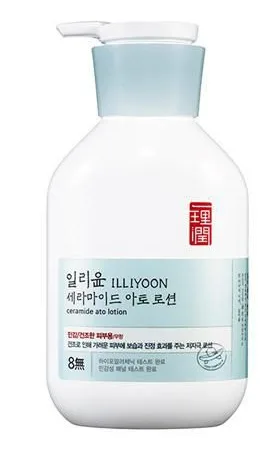
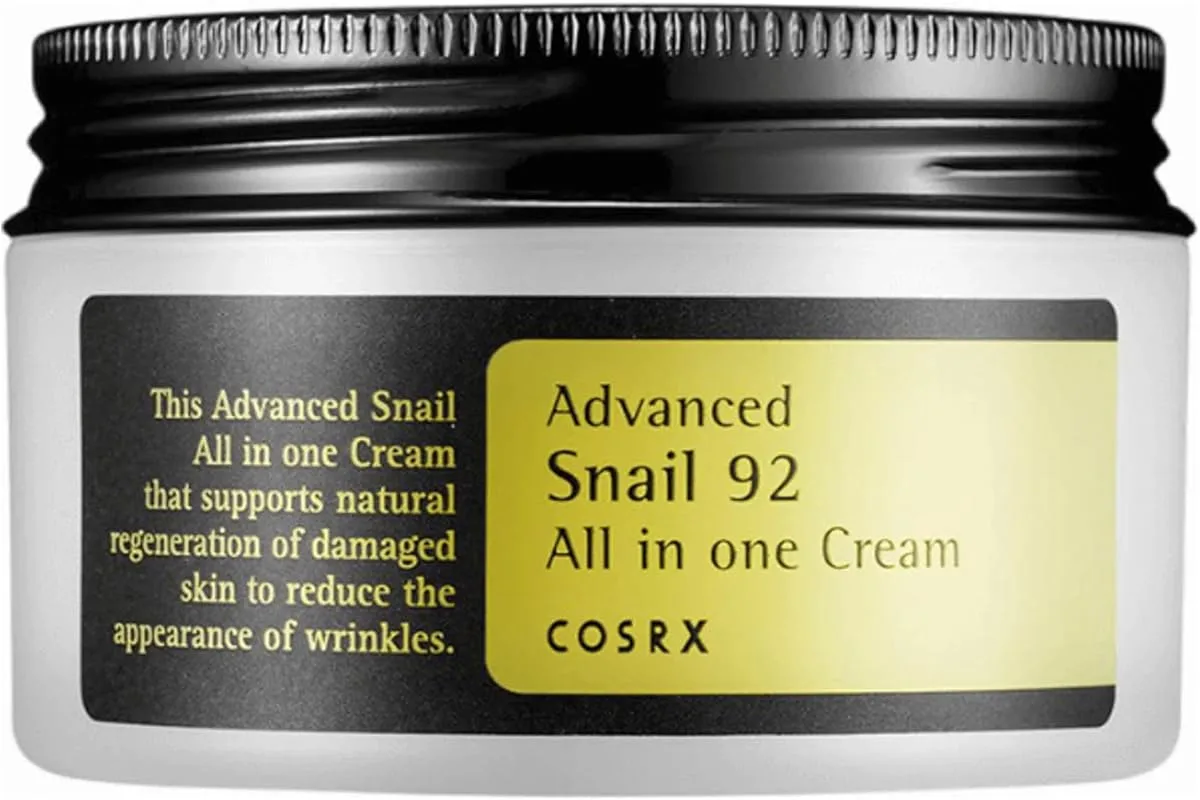

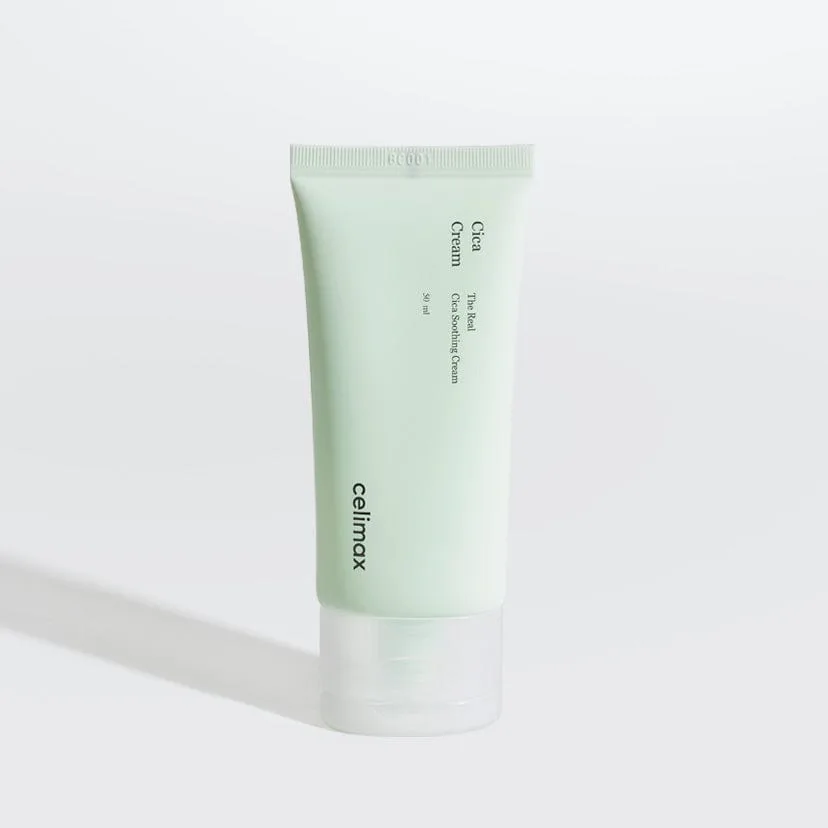


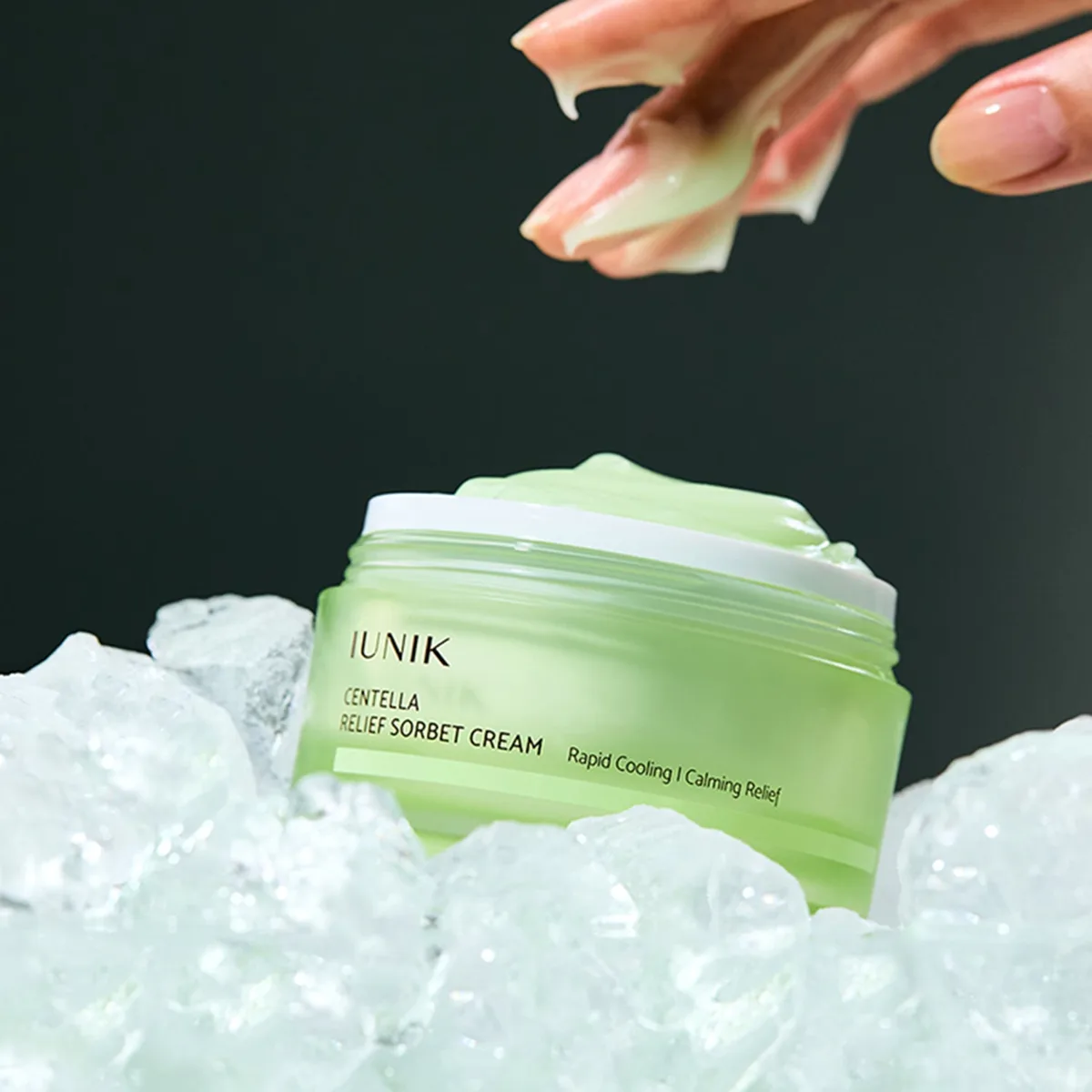








How to Choose
The best moisturizers for oily skin are the ones that finally let you stop skipping moisturizer — because going without is the mistake that keeps oily skin oily. Strip your skin or leave it bare and the barrier panics, ramping sebum production to compensate; the shine you're fighting is partly self-inflicted.
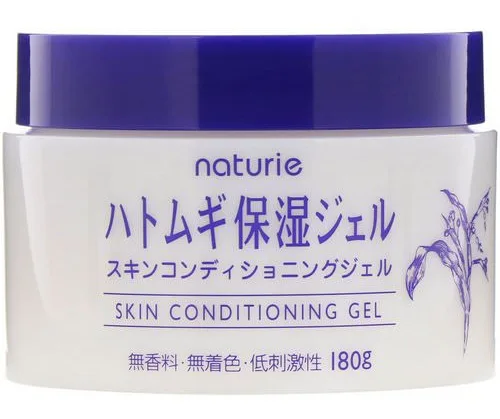
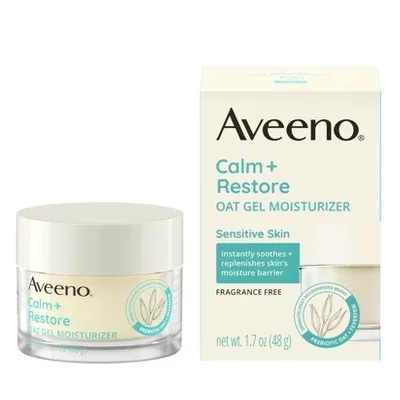
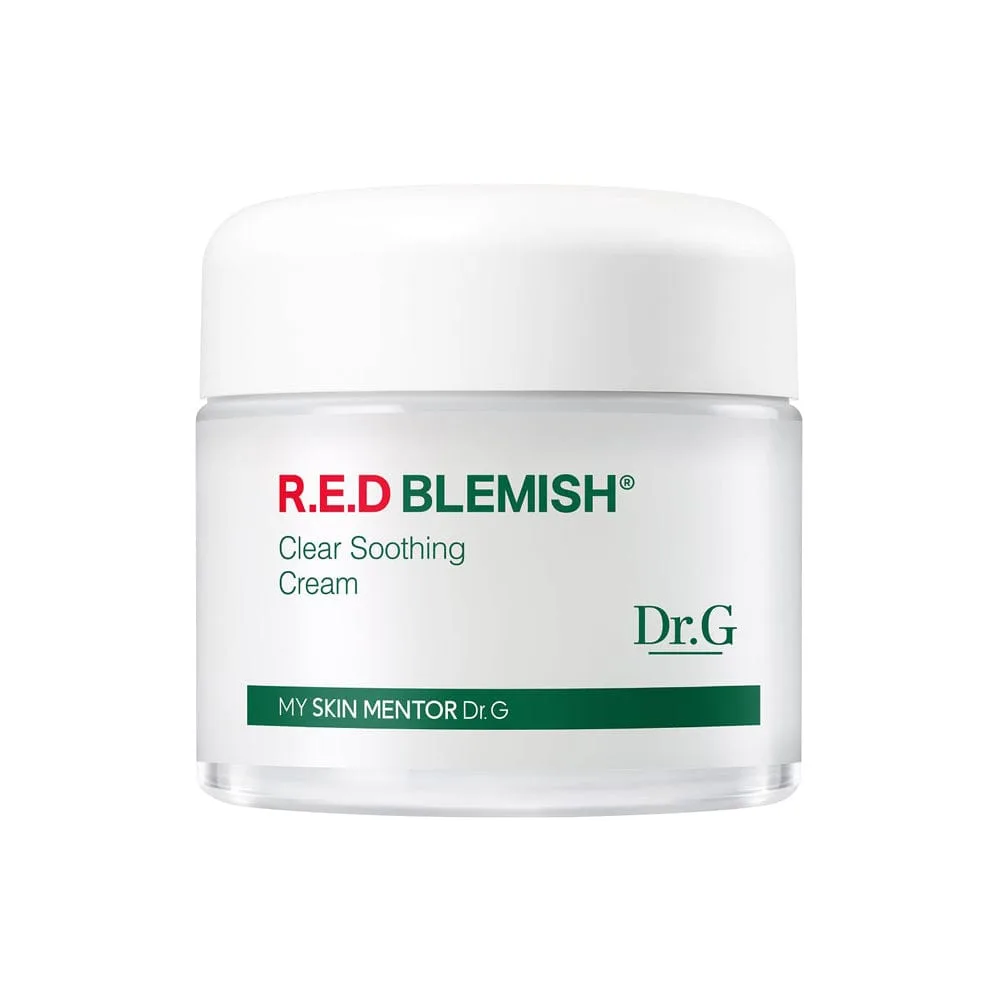
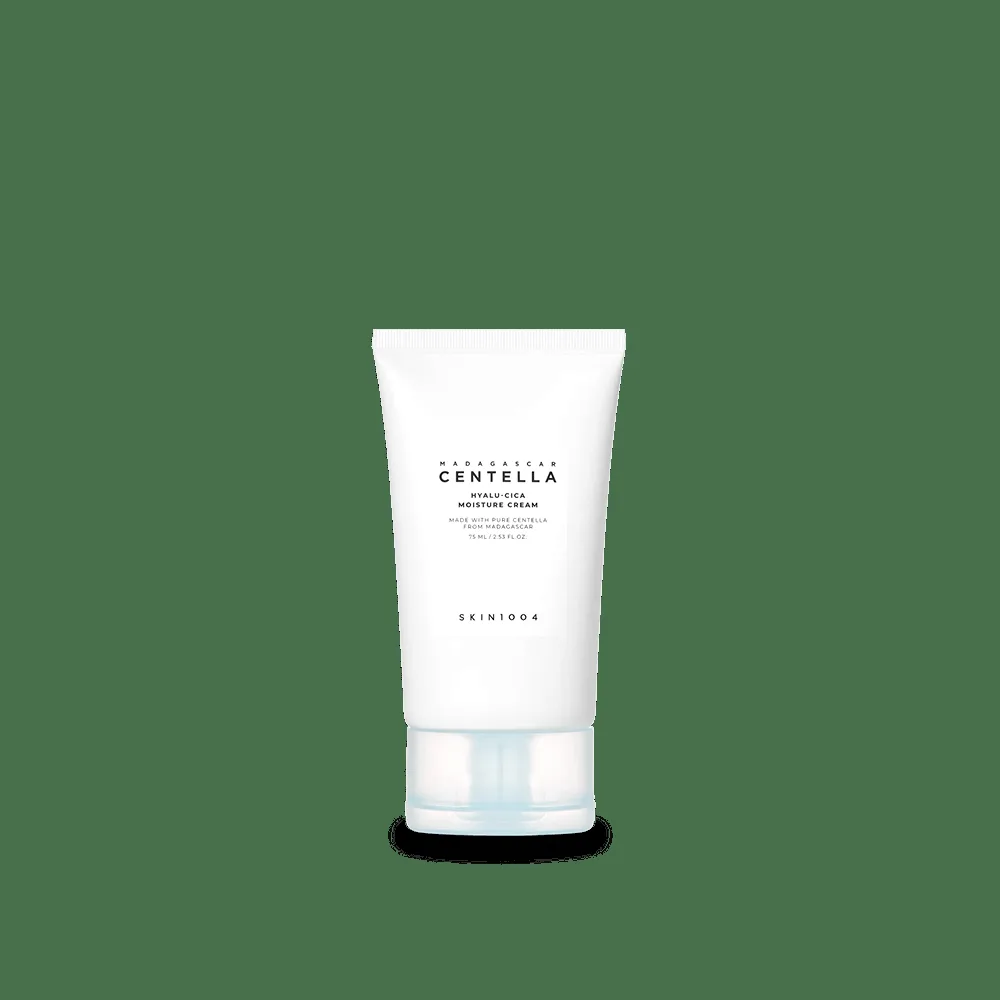
A lightweight, oil-free gel-cream breaks that loop by giving skin enough hydration that it stops overcorrecting. The texture is everything here. You want a water-gel or weightless lotion that absorbs in seconds and finishes natural-to-matte, not a rich occlusive cream that sits on top and reads greasy by lunch. Look for "oil-free" and "non-comedogenic," a humectant base (glycerin, hyaluronic acid), and ideally niacinamide, which helps moderate oil and refine pores while you hydrate — it's in standouts like Versed's Daily Recovery Barrier Cream ($20) and the genuinely shine-controlling Laneige Balance Mode ($28), which adds silica to blur excess oil. Centella-based gels like Geek & Gorgeous Stress Less ($12) and Benton's Goodbye Redness Centella Gel ($22) are smart picks when oiliness comes with irritation. What to avoid: heavy shea or petrolatum-forward balms, and rich plant oils high on the list. One honest caveat — a moisturizer manages surface comfort and hydration; it won't switch off oil glands, which are run by genetics and hormones. At $9 to $28, you can hydrate oily skin properly without a single greasy minute.
Buying Guide
Texture is the first and most important call. Reach for a gel, gel-cream, or weightless lotion that sinks in fast and leaves a matte-to-natural finish; if a product feels cushiony or rich, it's built for drier skin and will likely shine on you. Confirm "oil-free" and "non-comedogenic," and scan the top of the ingredient list for heavy emollients, shea butter, petrolatum, or plant oils that can clog and slick. Hydration should come from humectants — glycerin and hyaluronic acid — rather than occlusive oils, so oily skin gets water without grease. Niacinamide is the active most worth seeking: it helps balance sebum and tighten the look of pores, and some formulas add silica or a mattifying agent for genuine shine control through the day. If oiliness pairs with redness or sensitivity, centella- and aloe-based gels deliver soothing alongside light hydration. Price expectations stay modest, around $9 to $55, with several of the best performers under $25 — so spend up only for a meaningfully better mattifying finish, not for the promise of a luxury jar.
Frequently Asked Questions
Does oily skin really need a moisturizer?
Yes — skipping moisturizer can actually make oily skin produce more sebum, because a dehydrated barrier overcompensates with extra oil. A lightweight, oil-free gel-cream gives skin the water it needs so it stops overproducing, without adding any grease.
What kind of moisturizer texture is best for oily skin?
A gel, gel-cream, or weightless lotion that absorbs quickly and finishes matte-to-natural is ideal. These hydrate with humectants like glycerin and hyaluronic acid instead of heavy occlusive oils, so they won't sit greasy or clog pores.
Will a moisturizer make my oily skin break out?
Not if it's oil-free and non-comedogenic with a lightweight texture. Breakouts are more likely from rich, occlusive creams or formulas with comedogenic plant oils high on the list, so the texture and ingredient order matter more than whether you moisturize at all.
Can a moisturizer control oil and shine?
To a degree — formulas with niacinamide help regulate sebum over time, and some add silica or mattifying agents that blur surface shine through the day. But no moisturizer turns off oil glands, since sebum output is driven by genetics and hormones rather than what you apply on top.
Should oily skin use a different moisturizer in summer versus winter?
You may want an even lighter gel in humid summer months and a slightly more hydrating gel-cream in dry winter air. The oil-free, non-comedogenic approach stays the same year-round; only the richness needs minor adjusting as the weather changes.
- Men's SkincareMale Skin Is Oilier, Thicker and Slower to Wrinkle. One Receptor Explains All Three.The mechanism is not a mystery, and knowing it tells you which men's-skincare claims are load-bearing and which are decoration.
- Hydration & BarrierGel vs Cream vs Balm: What the Format Actually ChangesTexture reads as a preference and behaves like a specification. The ratio of water to oil in a moisturiser decides how much it can do, how long it lasts, and which skin it suits — before a single active is added.