Best Sunscreens Under $20
Updated September 2026 · independently researched, no sponsored placements
Our top 40 picks, ranked from 261 reviewed products — ordered by how well each product does its category’s job.












How to Choose
The best sunscreen under $20 isn't a compromise — it's whichever broad-spectrum SPF 30+ you'll actually reapply, because the most sophisticated $60 formula on earth does nothing sitting unused on a shelf. Price is the single biggest predictor of whether people wear enough sunscreen and reapply it, and that's the whole game: protection comes from a generous, consistent application, not from a fancy filter list.
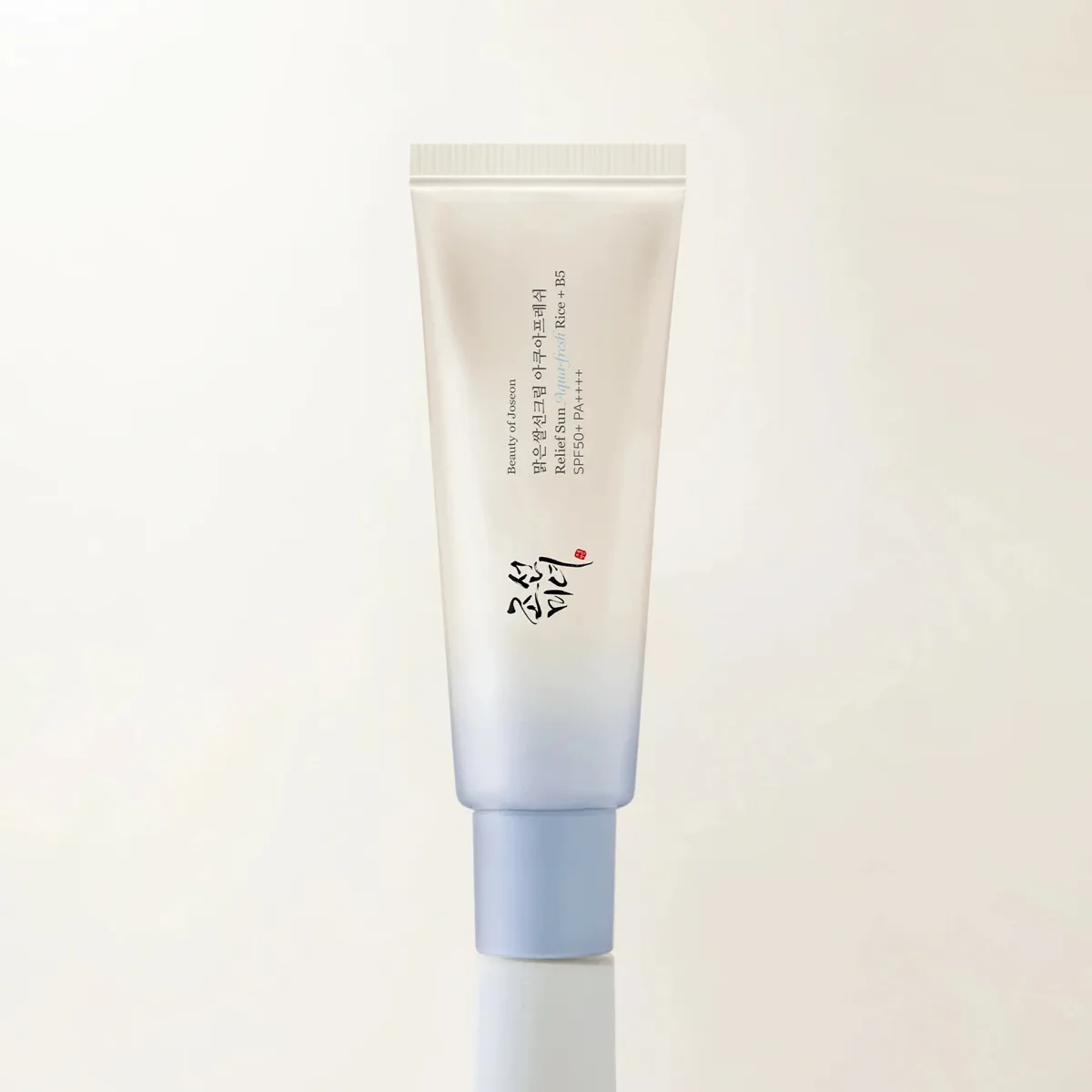
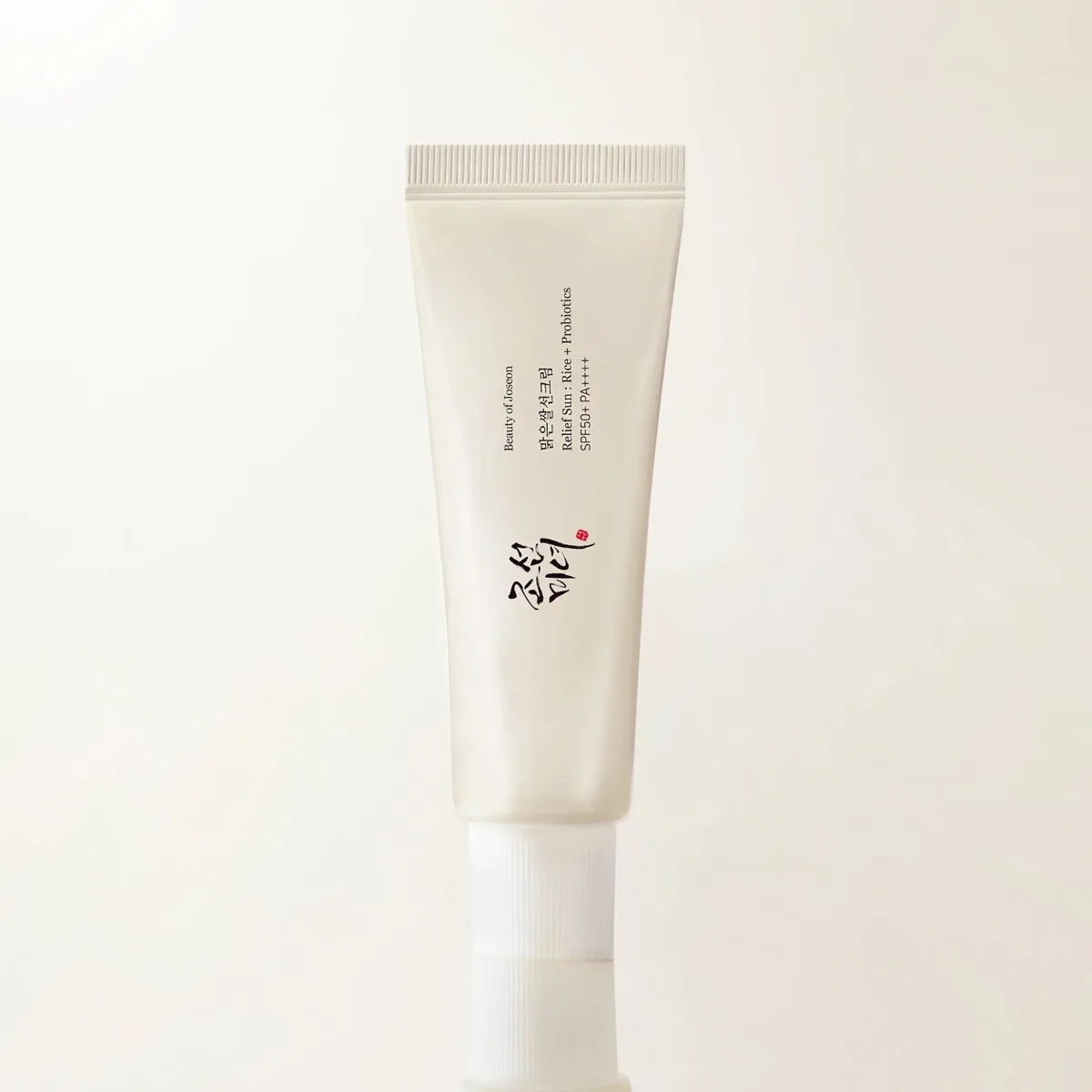
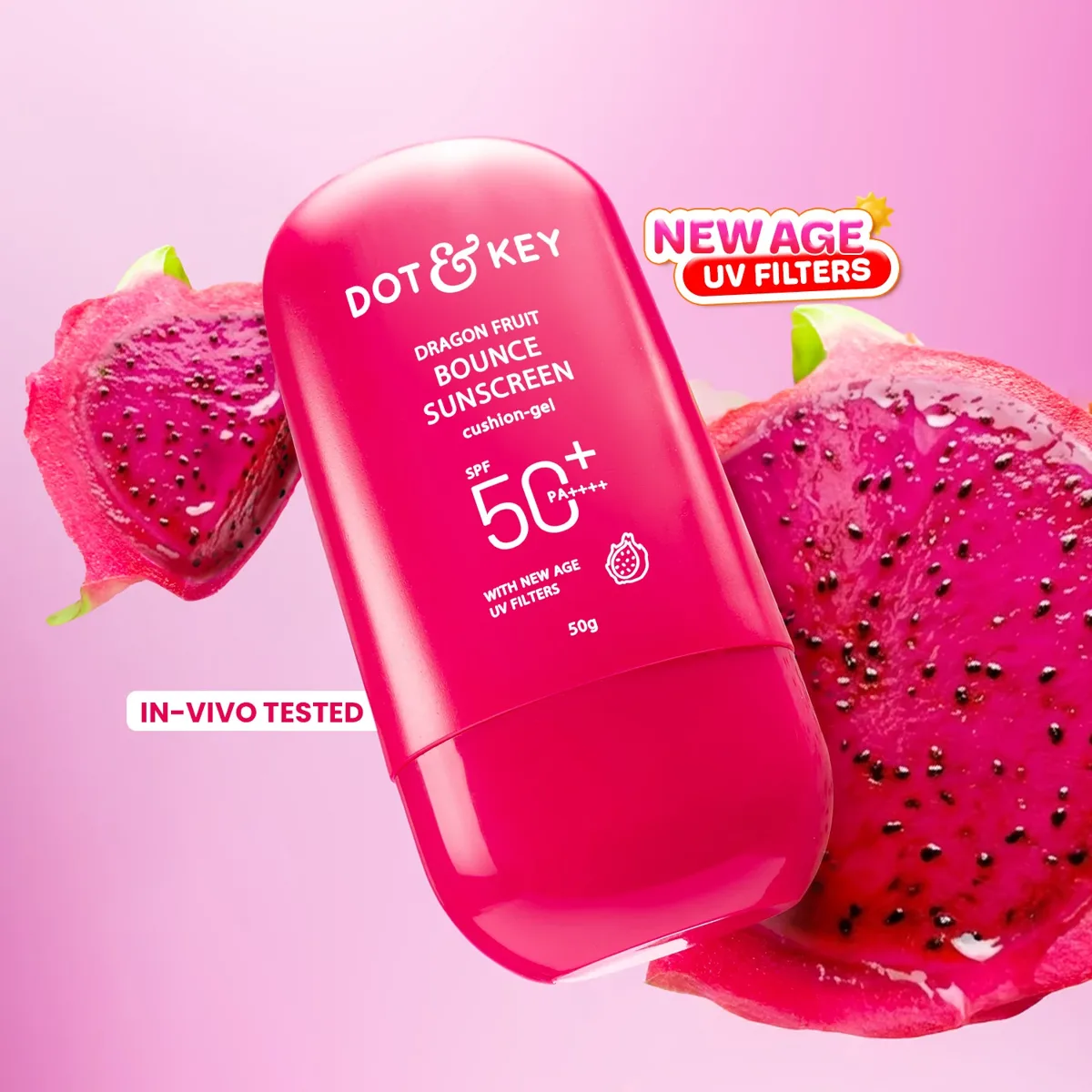
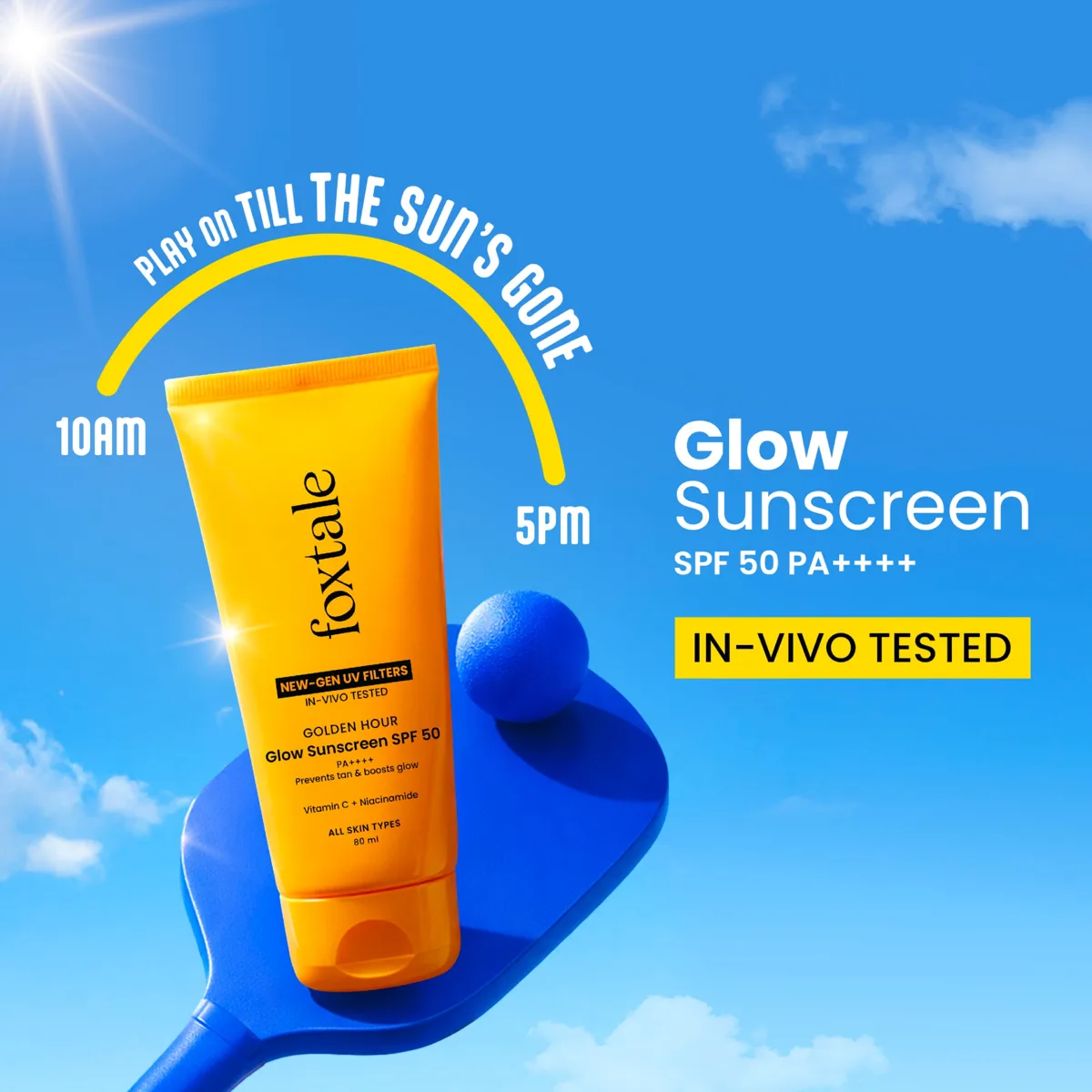
The good news is that the budget aisle has quietly gotten excellent, largely thanks to Korean and Indian brands that get access to modern UV filters years before the US approval pipeline catches up. Deconstruct's Gel Sunscreen ($4) packs next-generation filters like Uvinul A Plus and Tinosorb into a weightless gel for the price of a coffee, while Beauty of Joseon's Relief Sun ($14) became a genuine cult object for a rice-extract finish that feels more like skincare than sunscreen. Prefer minerals? Cetaphil's Sheer Mineral ($13) and Bubble's zinc stick ($15) prove you don't need to spend up for a gentle, fragrance-light zinc oxide formula. Here's the honest caveat that matters more than any ingredient: a cheaper sunscreen only wins if it's pleasant enough that you'll use two finger-lengths for your face and neck, every single morning, and top it up midday. If a formula pills, stings, or leaves a ghostly cast you hate, the few dollars you saved are worthless. Find one that disappears into your skin, and the price is almost a bonus.
Buying Guide
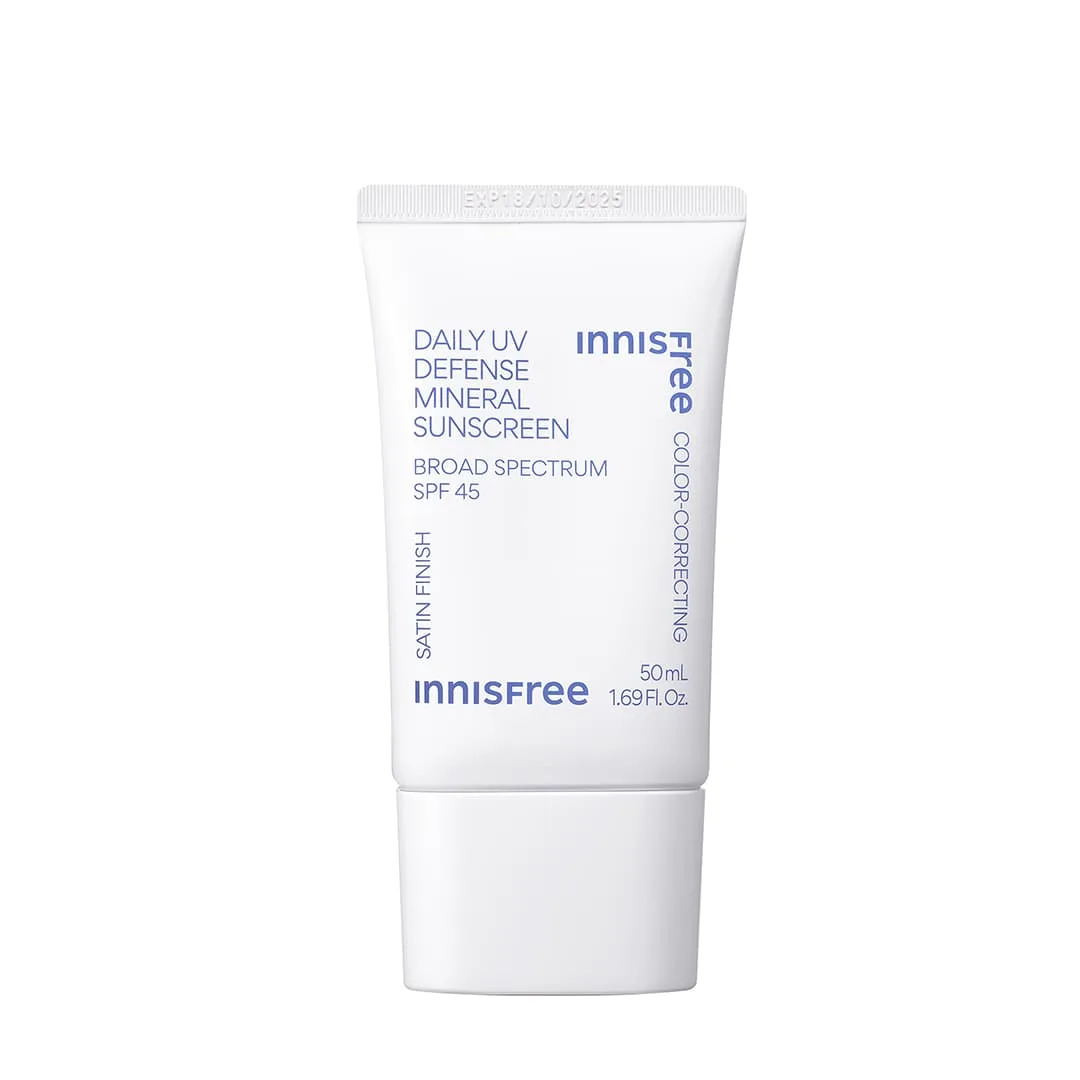
First, the non-negotiables: broad-spectrum coverage (UVA and UVB) and at least SPF 30 — anything labeled only "SPF" without broad-spectrum leaves you exposed to the UVA rays that drive aging and pigment. After that, the decision is mostly about finish, because the best sunscreen is the one you'll happily wear daily. Chemical/organic filters like the Uvinul A Plus and Tinosorb in Deconstruct's gel tend to feel lightest and leave no white cast, which suits deeper skin tones and anyone who hates a heavy feel. Mineral (zinc oxide, titanium dioxide) formulas like Cetaphil's or Blue Lizard's are the move for reactive, sensitive, or breakout-prone skin, though they can leave a faint cast — a tinted option like Bubble's Plus One sidesteps that with iron oxides. Match texture to skin type: gels and fluids for oily skin, richer creams or sticks for dry. Don't over-index on a sky-high SPF number; the jump from SPF 30 to 50 is marginal, and reapplication matters far more. At $4–$19, you can afford to use enough — which, more than anything on the label, is what actually protects you.
Frequently Asked Questions
Are cheap sunscreens as effective as expensive ones?
Yes — a budget sunscreen that's labeled broad-spectrum SPF 30 or higher protects just as well as a luxury one, because both have to pass the same testing to make those claims. What you pay extra for is usually a nicer texture, finish, or skincare add-ins, not better UV protection. Since affordability makes you more likely to apply enough and reapply, a good cheap sunscreen can actually protect you better in practice.
Why are Korean and Asian sunscreens under $20 so good?
Many Korean, Japanese, and Indian brands have access to newer-generation UV filters — like Tinosorb and Uvinul A Plus — that aren't yet FDA-approved in the US, so they can build elegant, lightweight formulas that protect broadly without a white cast. That's why picks like Beauty of Joseon Relief Sun and Deconstruct's gel feel cosmetically miles ahead of their price. The filters are widely used and well-studied internationally.
How much sunscreen should I actually apply to my face?
Aim for about two finger-lengths of product for your face and neck — roughly a quarter to a third of a teaspoon — which is far more than most people use. Under-applying is the most common reason sunscreen underperforms, effectively dropping a high-SPF product to a fraction of its rating. Because budget sunscreens cost so little per bottle, they make hitting that generous amount painless.
Do I need to reapply an under-$20 sunscreen, and how often?
Yes — every sunscreen, cheap or premium, needs reapplying roughly every two hours of sun exposure and after swimming or heavy sweating, since the filters break down and rub off over the day. This is exactly where an affordable bottle shines: you won't ration an $8 sunscreen the way you might a $40 one. Sticks like Bubble's make midday touch-ups over makeup easy.
Is mineral or chemical sunscreen better in the budget range?
Neither is universally better — it comes down to your skin. Mineral (zinc/titanium) formulas like Cetaphil Sheer Mineral are gentlest for sensitive, rosacea-prone, or acne-prone skin but can leave a slight cast. Chemical-filter gels tend to feel lighter and vanish on all skin tones. Both are well-represented under $20, so choose by finish and how your skin reacts.