Best Sunscreens for Sensitive Skin
Updated September 2026 · independently researched, no sponsored placements
Our top 40 picks, ranked from 431 reviewed products — ordered by how well each product does its category’s job.







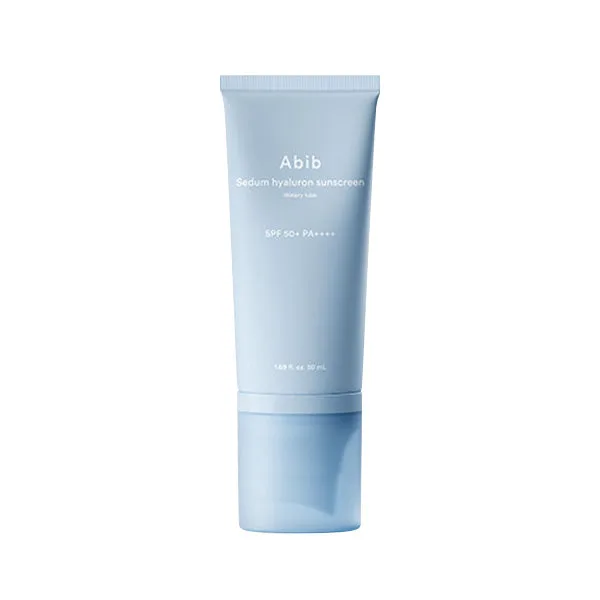


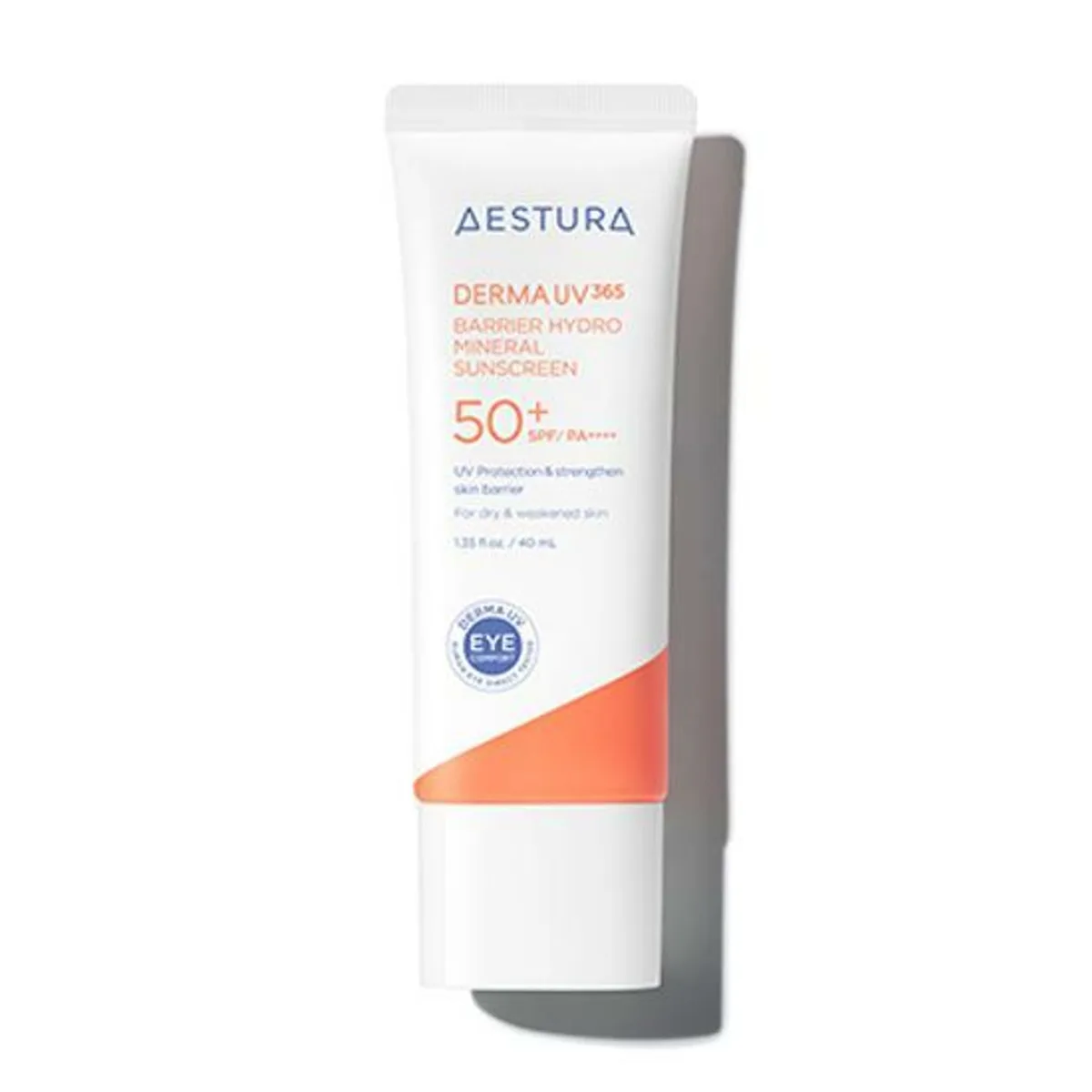

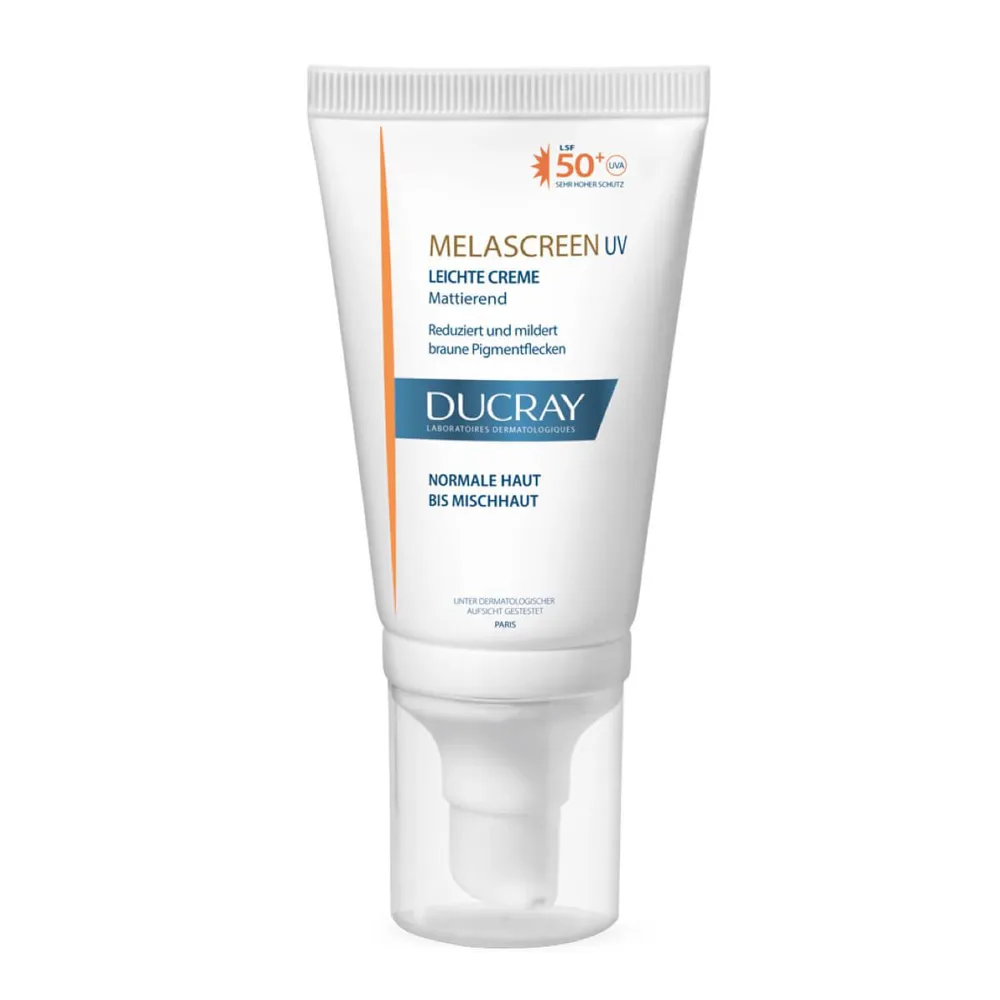


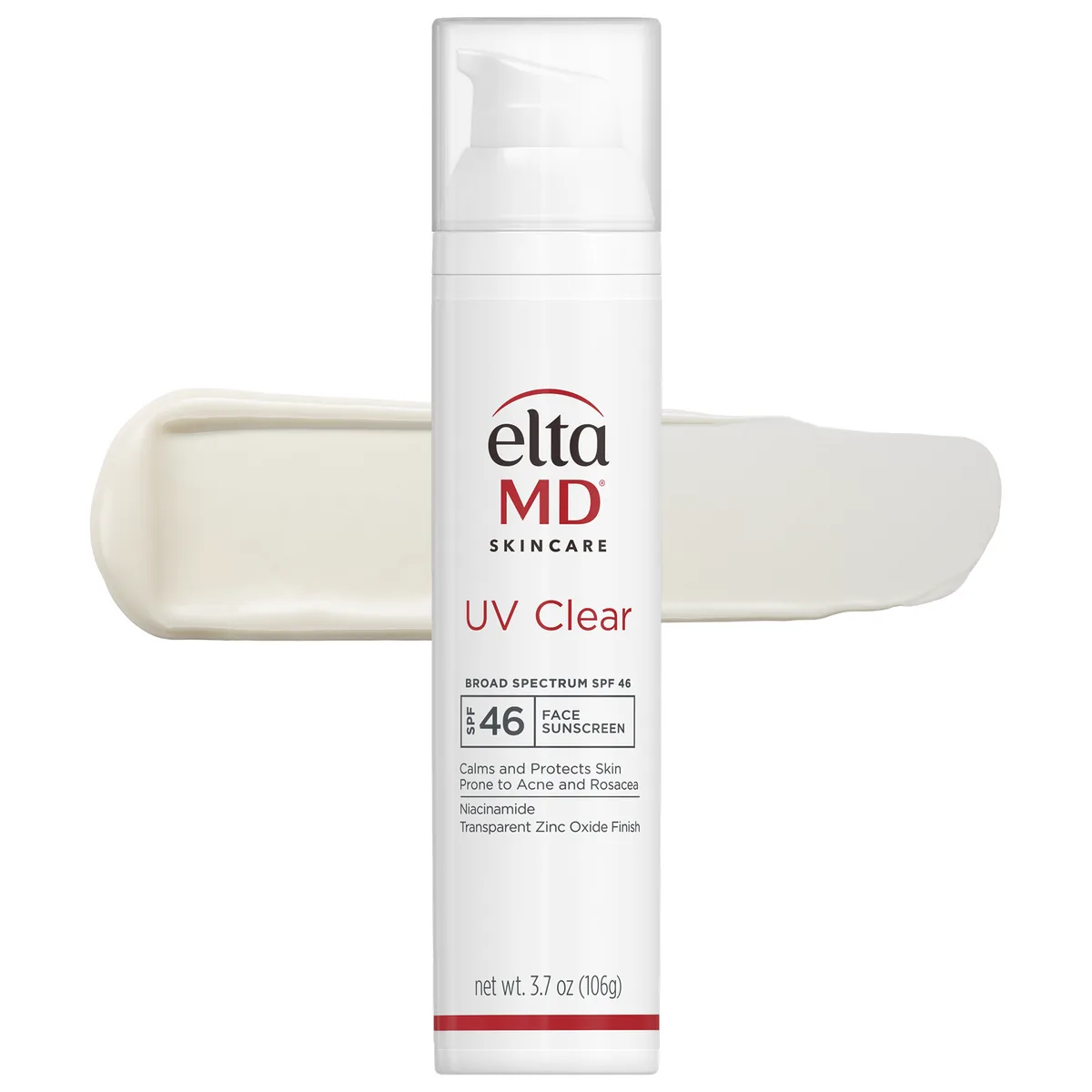


How to Choose
The best sunscreen for sensitive skin is the one with the shortest fight to pick — fewest sensitizers, a calm supporting cast, and a barrier-friendly base that protects without provoking a flare. Here's the myth worth busting first: sensitive skin does not automatically need a mineral sunscreen.
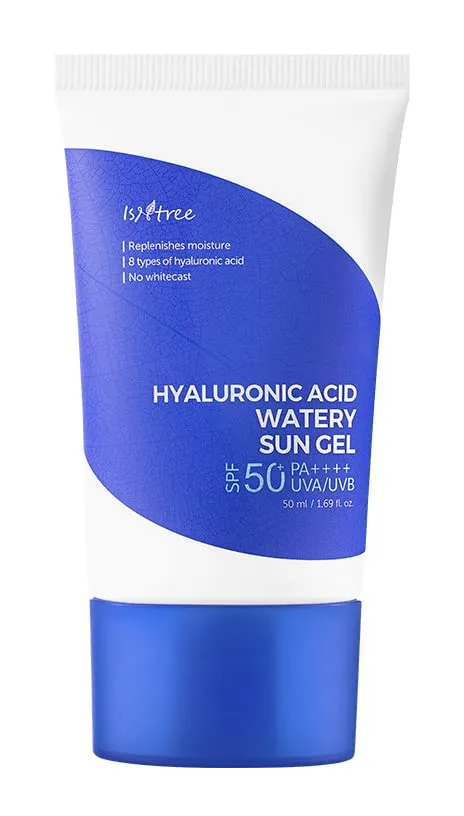
The 'chemical filters sting' idea is mostly outdated. What actually irritates reactive skin is usually fragrance, denatured alcohol, and a long roster of botanical extracts — not the UV filter itself. Modern chemical and hybrid filters like Tinosorb (in Benton's Air Fit) are exceptionally gentle and cosmetically light, while a poorly formulated mineral SPF loaded with fragrance can still wreck you. So judge the whole formula, not the filter category. What you want are soothing actives that do double duty: centella asiatica (in Isntree's Watery Sun Gel, $22), panthenol and adenosine (KAINE Green Fit, $19), or bisabolol and allantoin (Cetaphil Sheer Mineral, a remarkable $13). Niacinamide shows up across the best picks because it strengthens the barrier that sensitivity erodes. Avoid high-alcohol 'dry-touch' finishes and anything heavy on essential oils, however natural they sound. The honest caveat: sensitive skin is individual, so patch-test a new SPF on your inner forearm for a few days before trusting it on your face — even a well-formulated product can meet a personal trigger. Start with a fragrance-free, soothing formula and a calm base, and daily sun protection stops being the step that sets your skin off.
Buying Guide
Lead with the exclusions: a genuinely sensitive-skin-safe formula is fragrance-free, alcohol-free (or low in denatured alcohol), and light on botanical extracts and essential oils, which are common hidden triggers. Don't fixate on mineral versus chemical — both can be excellent, and modern filters like Tinosorb or well-formulated zinc are equally viable; what matters is the rest of the list. Favor soothing, barrier-supporting actives such as centella asiatica, panthenol, allantoin, bisabolol, and niacinamide, all of which appear in the top-scoring picks and actively calm reactive skin. Choose a texture that won't tempt you to rub or reapply roughly — a light gel or fluid sits more comfortably than a thick, draggy cream on irritable skin. Excellent options run as low as $13 (Cetaphil Sheer Mineral), so price is no barrier; whatever you pick, patch-test it for a few days before committing it to your whole face.
Frequently Asked Questions
Is mineral sunscreen always better for sensitive skin than chemical?
No — this is one of skincare's most persistent myths. Reactive skin is usually triggered by fragrance, alcohol, and botanical extracts, not by the UV filter, and modern chemical filters like Tinosorb are extremely gentle. A fragrance-free chemical or hybrid sunscreen can suit sensitive skin better than a heavily scented mineral one, so judge the full formula rather than the filter type.
Which ingredients should sensitive skin avoid in a sunscreen?
Steer clear of added fragrance or parfum, high amounts of denatured alcohol (often listed as alcohol denat.), and a long list of essential oils and botanical extracts, however natural they sound. These are the usual culprits behind stinging and redness. Look instead for short ingredient lists built around soothing actives like centella, panthenol, and allantoin.
Should I patch-test a new sunscreen if I have sensitive skin?
Yes — sensitivity is highly individual, so even a well-formulated, fragrance-free SPF can meet a personal trigger. Apply a small amount to your inner forearm or behind your ear daily for three to four days and watch for redness, itching, or bumps before trusting it on your face. It's a small delay that saves you from a full-face reaction.
Can sensitive, reactive skin use SPF 50 every day without irritation?
Absolutely, and it should. A higher SPF doesn't mean a harsher formula — gentleness comes from the supporting ingredients, not the protection level. Pick a fragrance-free SPF 50 with soothing actives and barrier support like niacinamide, and daily use actually helps calm reactive skin by reducing the UV damage that drives inflammation and sensitivity in the first place.
- Sun ProtectionThe First US Bemotrizinol Sunscreens: What to Look For on a LabelThe first new American sunscreen filter since the 1990s became legal to sell yesterday. Whether any given bottle uses it well is a separate question, and the Drug Facts panel answers it.
- VitiligoVitiligo, Measured: What VASI Tracks Through a Repigmentation YearRepigmentation arrives as freckle-like islands around hair follicles rather than as a receding edge — which makes it nearly impossible to judge by eye, and makes the six-month verdict most people deliver on their own treatment badly premature.