Best Sunscreens for Dry Skin
Updated September 2026 · independently researched, no sponsored placements
Our top 40 picks, ranked from 614 reviewed products — ordered by how well each product does its category’s job.
















How to Choose
The best sunscreen for dry skin is one you'll actually reapply, which rules out the chalky, tightening formulas that have given SPF its bad reputation. Dry skin has a double grievance with sunscreen: a compromised barrier loses water faster, and many older mineral formulas sit on top like a powdery film that exaggerates every flake.
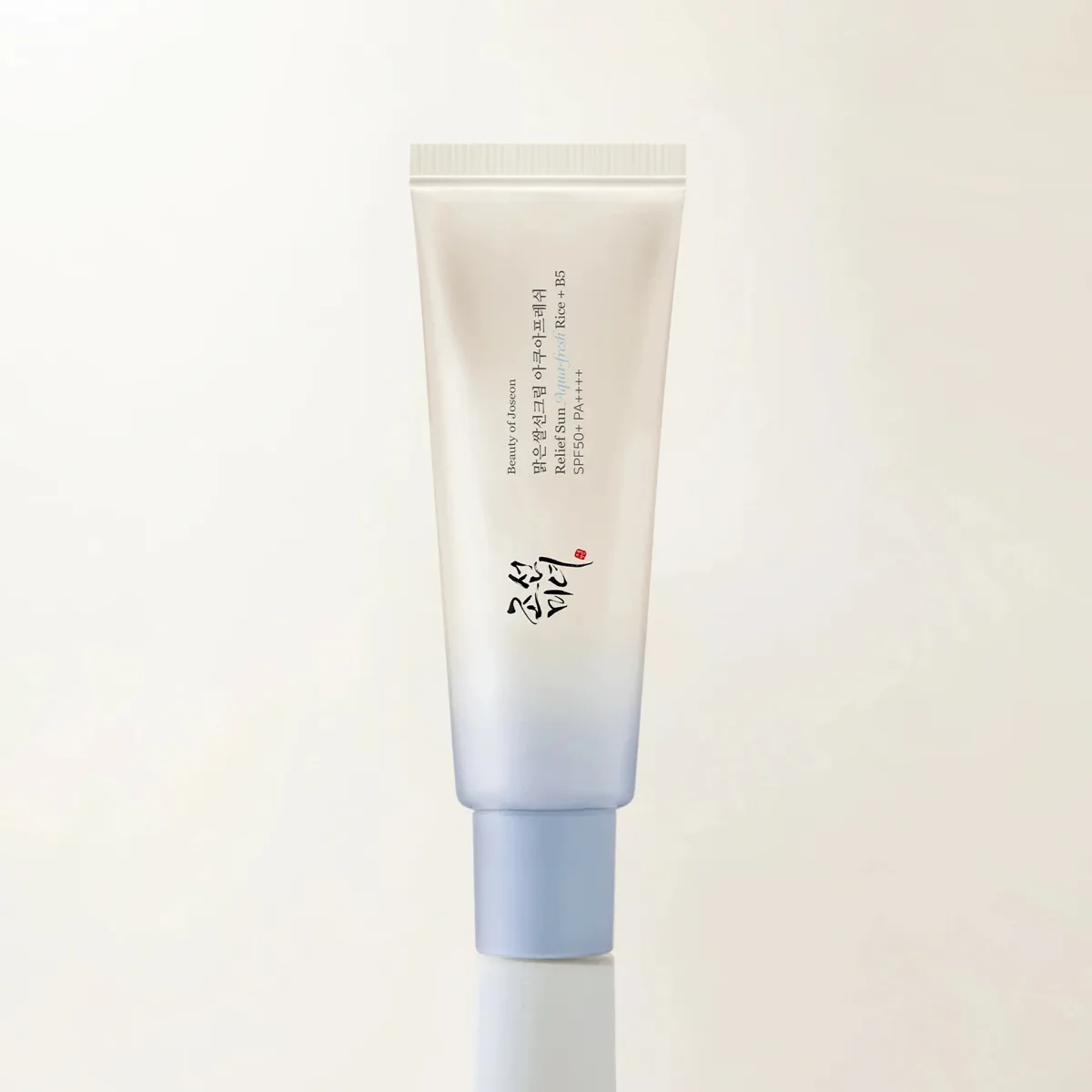
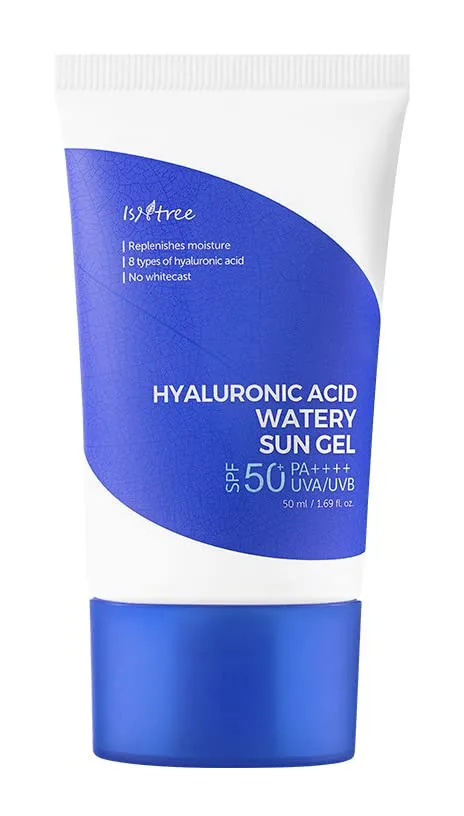
The fix isn't to skip SPF — sun exposure degrades the barrier further and accelerates the collagen loss that makes dry skin look papery — it's to choose a sunscreen that moisturizes while it protects. Look for SPF 50 formulas that pair UV filters with humectants and barrier lipids: ceramides, hyaluronic acid, panthenol, squalane. Korean sunscreens have largely solved this, which is why Isntree's Hyaluronic Acid Watery Sun Gel ($22) and Beauty of Joseon's Relief Sun Aqua-Fresh ($14) feel like serums rather than sunblock, using modern Tinosorb-class filters that go on weightless and invisible. If you prefer mineral, the MDSolarSciences Mineral Moisture Defense ($38) bakes ceramides right into a zinc formula, and EltaMD UV Clear ($45) remains the dermatologist-office default for a reason. The trap: matte, "oil-control" sunscreens engineered for oily skin — they'll leave dry skin tight and emphasize texture. The honest caveat: no sunscreen replaces moisturizer. Apply your hydrating layer first, let it absorb, then your SPF; and reapply every two hours of real sun exposure, because a single morning application is sun protection theater by mid-afternoon.
Buying Guide
Prioritize finish and filter system over the SPF number once you're at 30 or above. Modern chemical or hybrid filters — Tinosorb S and M, Uvinul A Plus, ethylhexyl triazone, the Mexoryl family — deliver high protection in a cosmetically elegant, hydrating texture, which is why so many of the best dry-skin picks are Korean or European formulas. If you want mineral (zinc oxide, titanium dioxide), accept that it sits more on the surface and choose one that buffers the chalkiness with squalane, glycerin, or ceramides, and consider a tinted version with iron oxides to cancel the white cast. Either way, scan for added hydrators: hyaluronic acid, panthenol, niacinamide, and ceramides all help the formula double as a moisture layer. Avoid anything labeled mattifying, oil-control, or "dry-touch," which usually means alcohol and silica that flatten dry skin into flakiness. Price spans from $14 to roughly $47 here, and the value is strong at the low end — several sub-$25 K-beauty options outperform pricier Western mineral sticks on wearability.
Frequently Asked Questions
Is mineral or chemical sunscreen better for dry skin?
Neither is inherently better, but the texture differs in ways that matter for dry skin. Modern chemical and hybrid filters (Tinosorb, Uvinul) tend to feel lighter and more hydrating, while mineral zinc formulas can read drier and chalkier unless they're built with ceramides or squalane like MDSolarSciences Mineral Moisture Defense. If your skin tolerates chemical filters, they're often the more comfortable daily choice; choose mineral if you're also sensitive or reactive.
Can a sunscreen double as my moisturizer if my skin is dry?
Some hydrating SPF formulas, like Naturium Dew-Glow or Isntree's Watery Sun Gel, contain enough humectants to skip a separate daytime moisturizer on milder days. But in winter or for very dry skin, layer a dedicated moisturizer underneath — the sunscreen's hydration is a bonus, not a guarantee of all-day comfort. Apply moisturizer first, let it set for a minute, then your SPF on top.
Why does sunscreen make my dry skin look flaky?
Flaking usually means the sunscreen is highlighting existing dryness rather than causing it — the film clings to loose, dehydrated cells and makes them visible. The fixes are gentle exfoliation a couple of times a week, a richer moisturizer underneath, and switching from a matte mineral formula to a dewy, hydrating one. Letting your moisturizer fully absorb before applying SPF also prevents pilling.
How much sunscreen should I apply and how often for dry skin?
The amount doesn't change with skin type: roughly a quarter-teaspoon for the face, a generous two-finger length, applied 15 minutes before sun exposure. Reapply every two hours outdoors, which is easier with a hydrating formula that doesn't tighten on top of the first layer. For dry skin specifically, a cushiony or essence-textured sunscreen reapplies more comfortably than a dry-touch one.