


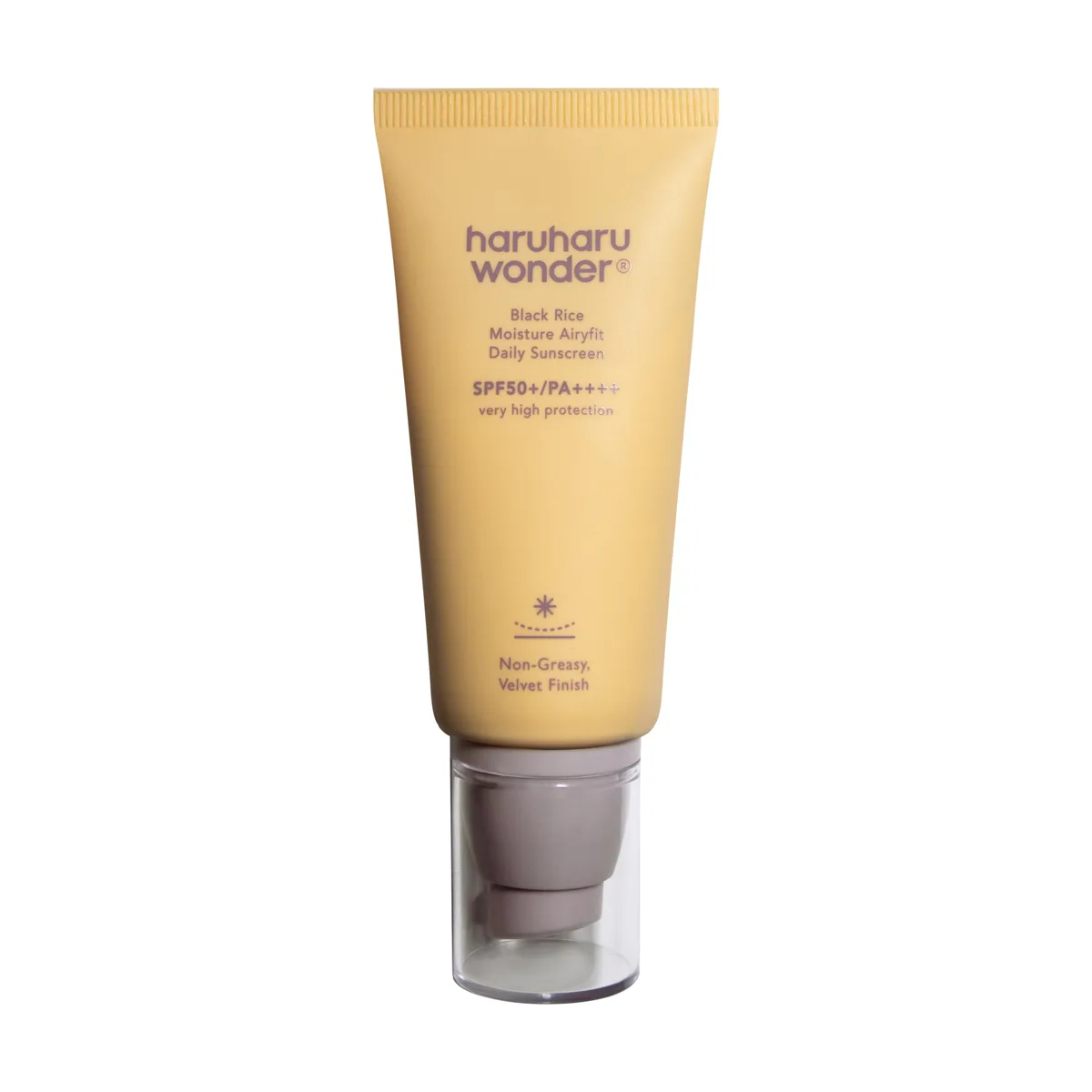

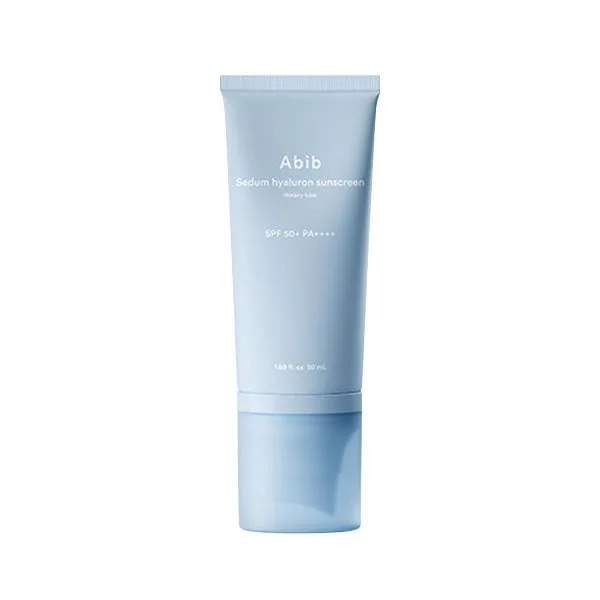


Why Korean Sunscreens Outclass American Ones — and the 1999 Rule That's to Blame
It isn't chemistry. It's paperwork: the US spent a quarter-century unable to approve the filters Seoul and Paris have used since the Bush administration.

Korean/EU next-generation chemical filter system (Tinosorb S, Tinosorb-class triazines, Uvinul T-150) delivers superior broad-spectrum protection with better photostability than FDA-approved chemical alternatives — paired with niacinamide and substantive soothing chemistry.
Benton Air Fit UV Defense Sun Cream SPF 50+ delivers broad-spectrum UVA/UVB protection through Korean next-generation chemical filters (Tinosorb S, Tinosorb-class triazines, Uvinul T-150) paired with niacinamide, centella, licorice, panthenol, bisabolol, and adenosine in a fragrance-free vegan-certified format at 21 dollars for 50ml.
The case for it
What would change this: A declared concentration would move this to a firmer reading of the dose.
Same rule for everyone. “Full protection” is the verdict on 2,288 of 45,024 concern verdicts across the catalog; rule P1 decided 2,232 of them. Unchanged since September 5, 2026, engine 5.1.1.
Brand or formulator? Disclose a concentration or correct a fact →
The studies behind the evidence row
The case for it
What would change this: A declared concentration would move this to a firmer reading of the dose.
Same rule for everyone. “Full protection” is the verdict on 2,288 of 45,024 concern verdicts across the catalog; rule P1 decided 2,232 of them. Unchanged since September 5, 2026, engine 5.1.1.
Brand or formulator? Disclose a concentration or correct a fact →
The studies behind the evidence row
The case for it
What would change this: A declared concentration would move this to a firmer reading of the dose.
Same rule for everyone. “Full protection” is the verdict on 2,288 of 45,024 concern verdicts across the catalog; rule P1 decided 2,232 of them. Unchanged since September 5, 2026, engine 5.1.1.
Brand or formulator? Disclose a concentration or correct a fact →
The studies behind the evidence row
The case for it
What would change this: A researched evidence row for the lead active would replace this with a verdict.
Same rule for everyone. “Good choice” is the verdict on 1,938 of 45,024 concern verdicts across the catalog; rule F2 decided 1,938 of them. Unchanged since September 5, 2026, engine 5.1.1.
Brand or formulator? Disclose a concentration or correct a fact →
The case for it
What would change this: A declared concentration would move this to a firmer reading of the dose.
Same rule for everyone. “Supporting role” is the verdict on 8,197 of 45,024 concern verdicts across the catalog; rule R8a decided 1,489 of them. Unchanged since September 5, 2026, engine 5.1.1.
Brand or formulator? Disclose a concentration or correct a fact →
The studies behind the evidence row
Does the jobDoes what a sunscreen is for: UVA coverage, kind to the skin wearing it. Not measured from the label: pleasant enough to actually use.
A verdict is DermApproved’s assessment of how well a product’s ingredients fit a concern — never a claim about what the product treats. Evidence dots and collected reviews sit beside it and are never blended in. Rules 0.5.1 · evidence table ev-2026.09-r228 · how we decide
There is a strange quirk of geography embedded in nearly every American sunscreen: the active filters inside it were, for the most part, approved before the turn of the millennium. The US regulatory pathway for UV filters has been famously frozen, with the last new chemical filter cleared back in 1999, while regulators across the EU and Asia kept approving newer molecules that block light more broadly and hold up far better under it. That gap is the whole reason a $21 Korean sun cream can run circles around far pricier American options in cosmetic elegance, and Benton's Air Fit UV Defense is a tidy demonstration of what becomes possible when modern filter chemistry is actually on the menu rather than locked behind regulatory inertia.
The heart of this formula is a four-filter complex that reads like a wish list for anyone who has followed sunscreen science: Tinosorb S, Tinosorb-class triazines, Uvinul T-150, and Iscotrizinol. These are well-established workhorses in the EU and Asia, where they have years of real-world use behind them. Tinosorb S in particular is one of the best broad-spectrum filters available, covering UVA and UVB and even partially into blue light with notable photostability, while Uvinul T-150 is an exceptionally efficient UVB filter that pulls its weight at low concentration. Iscotrizinol adds further UVB coverage, and the triazine chemistry as a whole resists the rapid photodegradation that plagues older filter sets. Together they deliver SPF 50+ with a PA++++ rating, the highest tier of UVA protection in the Korean system. This isn't marketing language layered over a thin formula; it is genuinely capable broad-spectrum chemistry doing exactly what it claims, and doing it with better staying power than the avobenzone-and-octocrylene combinations that dominate American shelves.
What lifts the product above a merely competent sunscreen is the supporting cast, which is more thoughtful than the category usually bothers to be. Niacinamide rides along for brightening and barrier support, an exhaustively evidenced active that earns its keep beyond the SPF function and helps the formula do double duty as a tone-evening daily step. A multi-source soothing layer of centella asiatica, licorice, panthenol, and bisabolol does the quiet work of buffering the irritation potential that high-concentration chemical filters can carry, which is exactly the kind of formulation foresight that makes a daily sunscreen actually pleasant to wear rather than something you tolerate. Adenosine adds a small anti-aging signaling note that complements the photoaging defense, sodium hyaluronate and allantoin handle hydration and skin-protectant duty, and a cap of tocopherol rounds out the antioxidant story. None of these are headline-grabbers on their own, but their combined presence reflects a formula designed to be lived in every single day.
On the skin, the Air Fit name is earned rather than aspirational. The cream is genuinely lightweight, blends transparently across skin tones with no white cast whatsoever, and settles to a natural finish free of greasiness. The silicone-based delivery system gives it a smooth, filmable feel that layers cleanly under makeup, which matters enormously for a product you are meant to reapply through the day. Protection is immediate, as with any sunscreen, and the meaningful payoff is the cumulative one: consistent daily use is what prevents the slow accumulation of photoaging and sun damage over months and years, the kind of benefit you never see happening but are always grateful for later.
The caveats are real but mostly contextual rather than cosmetic. The standout one is regulatory: because the filters aren't FDA-approved for sale, this product is legal to import for personal use but won't be stocked by US retailers, which complicates restocking for North American buyers who can't simply grab another tube at the drugstore. Chemical filters generally carry pregnancy precautions that some users prefer to sidestep, so expectant users may want to consult their own preferences here. And the silicone-forward texture, elegant as it is, won't appeal to anyone who deliberately avoids silicones. The 50ml tube is also on the smaller side; at the genuinely generous application a face sunscreen actually requires to hit its rated protection, it lasts roughly two months, so heavier or full-coverage users will be buying multiples over a year.
Value, though, is where this quietly excels and earns its high overall score. At $21 for 50ml, with Vegan Society certification and a fragrance-free formula, it undercuts most comparable next-generation chemical sunscreens from Korea or Europe, which tend to run higher for similar sizes and filter systems. From an established brand with a coherent gentle-formulation philosophy, that price feels less like a discount and more like a category that simply hasn't been inflated by hype. You are paying for the filter chemistry and the cosmetic elegance, not for a logo, and the result is one of the stronger price-to-quality propositions in sun care.
Who should reach for it: anyone wanting modern broad-spectrum protection with the cosmetic feel that American formulations struggle to match, across essentially every skin type from sensitive to oily to dry. It suits sun-damage prevention, photoaging defense, and sensitive routines that need soothing support baked in, including those managing redness or rosacea. Who should pause: anyone unwilling to navigate personal-import logistics, those who avoid chemical filters during pregnancy, and silicone-averse shoppers who will feel the slip more than they would like. For everyone else, this is one of the more compelling sunscreen values available, and a clean illustration of why the rest of the world's filter chemistry is worth the trouble of seeking out.
The hero actives that drive this product's performance.
| Ingredient | Function | Evidence |
|---|---|---|
| Multi-Filter Chemical UV Complex (Tinosorb S + Tinosorb M-class + Uvinul T-150 + Iscotrizinol) | Korean/EU-approved next-generation chemical filters provide broad-spectrum SPF 50+ PA++++ with substantially better photostability than older filter systems. | Regulator-approved for Sun Damage · limited certainty |
| Niacinamide | Niacinamide adds brightening and barrier support alongside UV protection. | Emerging for Hyperpigmentation |
| Centella Asiatica + Licorice + Panthenol + Bisabolol | Multi-source soothing layer mitigates the irritation potential of chemical filters. | No qualifying study for Rosacea |
| Adenosine | Anti-aging signaling addition complements UV photoaging defense. | Limited for Aging |
Ingredient standings describe the active at treatment-level doses and vehicles; this product's own condition grades weigh its actual formula.
Water, Diethylamino Hydroxybenzoyl Hexyl Benzoate, Bis-Ethylhexyloxyphenol Methoxyphenyl Triazine, Ethylhexyl Triazone, Diethylhexyl Butamido Triazone, Cyclopentasiloxane, Isohexadecane, Glycerin, Caprylic/Capric Triglyceride, Butylene Glycol, Methylpropanediol, Niacinamide, Centella Asiatica Extract, Panthenol, Dipotassium Glycyrrhizate, Tocopherol, Adenosine, Sodium Hyaluronate, Allantoin, Bisabolol, 1,2-Hexanediol, Polyglyceryl-3 Polydimethylsiloxyethyl Dimethicone, Trimethylsiloxysilicate, Dimethicone, Polymethylsilsesquioxane, Sodium Citrate, Citric Acid, Disodium EDTA, Phenoxyethanol, Ethylhexylglycerin
sunscreen
AM
Final daytime step. Reapply every two hours during sun exposure.
Immediate UV protection. Long-term photoaging prevention with daily use.
Tinosorb S, Tinosorb-class triazines (Iscotrizinol, Uvinul T-150), and Uvinul A Plus are next-generation chemical UV filters approved in the EU and Asia but not by the US FDA. Independent research demonstrates these filters offer broader-spectrum protection and substantially better photostability than older FDA-approved alternatives like avobenzone, octinoxate, and oxybenzone. The combined four-filter system delivers documented broad-spectrum UVA and UVB protection at SPF 50+ with PA++++ (the highest UVA rating tier). Niacinamide has extensive research on barrier-supportive and brightening activity. The multi-botanical anti-inflammatory complex (centella, licorice, panthenol, bisabolol) represents well-validated soothing chemistry useful for mitigating the typical irritation potential of high-concentration chemical filter systems.
Dermatologists with international training increasingly recommend Korean and European next-generation chemical sunscreens for patients seeking superior cosmetic elegance and broader UV protection than FDA-approved alternatives offer. Many dermatologists working with melasma, post-procedure, or photoaging-prevention patients particularly appreciate Tinosorb-class filters for their photostability and broad-spectrum coverage. The Vegan Society certification and fragrance-free formulation make this appropriate for patients with specific dietary or sensitivity priorities.
Apply a generous quarter-teaspoon to clean skin in the morning as the final daytime step. Allow 15-30 minutes before sun exposure. Reapply every two hours during sustained sun exposure.
At 21 dollars for 50ml, this is exceptional K-beauty SPF value. Comparable next-generation chemical sunscreens from Korean or European brands run 18-40 dollars for similar sizes. The advanced filter system and the multi-active supporting layer would justify pricing substantially higher in a Western brand. Per-month cost at daily use comes in around 10 dollars.
Sensitive, normal, combination, oily, or dry skin types seeking superior K-beauty SPF chemistry. Especially appropriate for those wanting no-white-cast formulations, vegan certification, or next-generation chemical filter access.
Pregnant or breastfeeding users wishing to avoid chemical filter precautions. Silicone-averse shoppers. US shoppers requiring FDA-approved-only formulations. Those needing larger SPF sizes for body coverage.
Ready to try Benton Air Fit UV Defense Sun Cream SPF 50+?
Buy at Amazon ♥Lightweight cream that absorbs cleanly with no greasy residue.
Fragrance-free.
50ml tube.
Apply quarter-teaspoon to face. Blends transparently within seconds.
About 2 months at daily face use.
All Year
Benton's Air Fit positioning around lightweight chemical SPF leverages Korea's regulatory access to next-generation UV filters that haven't been approved by the FDA for US sale.
Benton's Air Fit UV Defense applies the brand's gentle K-beauty formulation philosophy to a lightweight chemical SPF 50+ PA++++ with niacinamide and soothing botanicals.
FDA-approved sunscreens are superior to non-FDA-approved alternatives.
FDA filter approval lags behind EU and Asia by decades; Tinosorb-class filters approved internationally are documented as more photostable and broader-spectrum than older FDA-approved alternatives.
Yes — Vegan Society certified.
Yes.
Some chemical filters carry precautions during pregnancy — consult your healthcare provider.
None — chemical filters blend invisibly.
PA++++ (highest tier for UVA protection).
Filters not FDA-approved for US sale; legal for personal import.
Yes.
Recurring themes our editors read across retailer reviews of this product — summaries in our words, not quotations, and not a substitute for your own patch test.
No white cast on any skin tone
Excellent cosmetic elegance
Korean filter system superior to FDA-approved options
Fragrance-free
Exceptional K-beauty value
Tinosorb filters not US-FDA-approved limits North American legal sale
Pregnancy precautions for chemical filters
50ml limits long-term coverage
Verified answers from our questions library — the nuance a product page cannot carry.