Best Niacinamide for Hyperpigmentation
Updated September 2026 · independently researched, no sponsored placements
Our top 35 picks, ranked from 900 reviewed products — ordered by each product's hyperpigmentation verdict, then evidence strength.


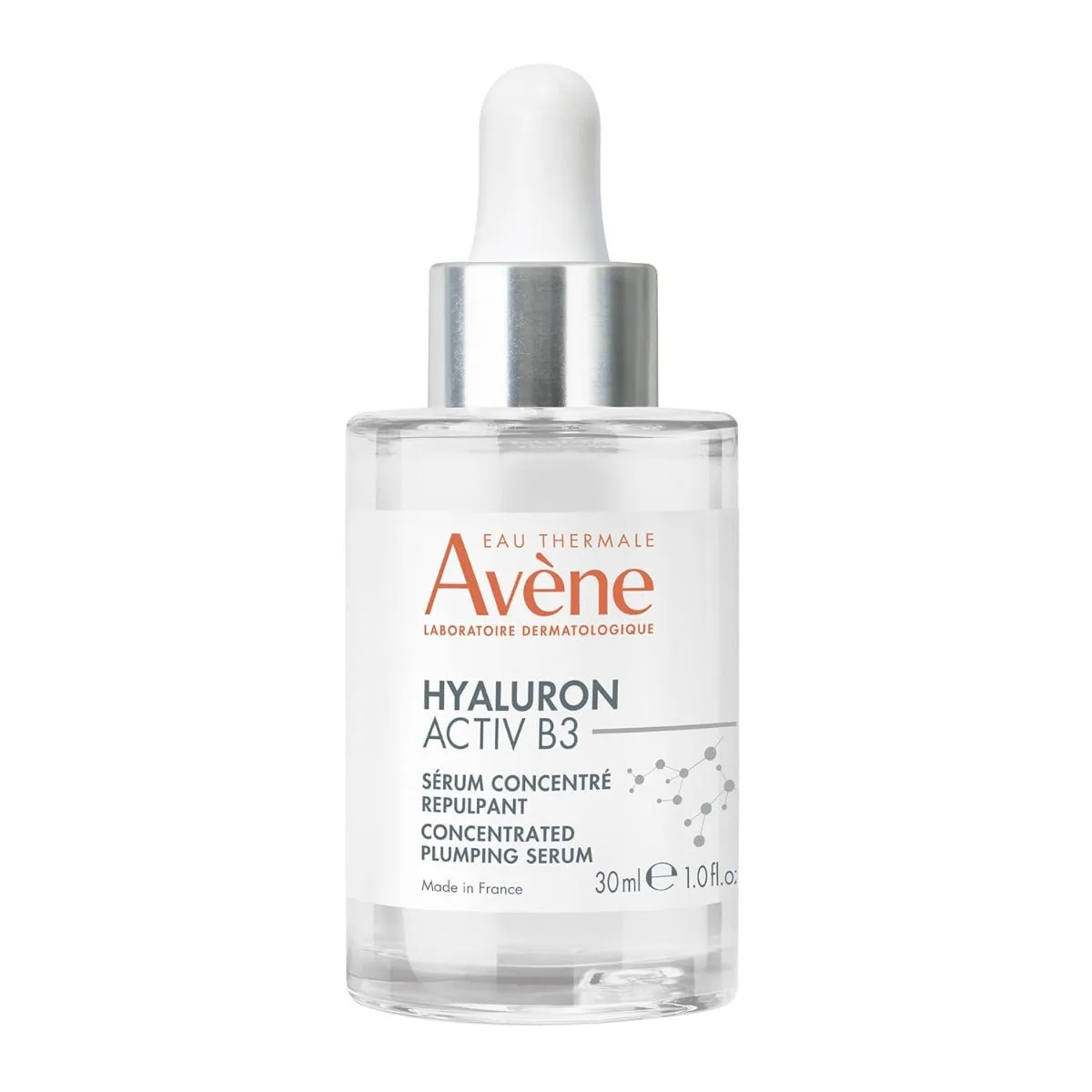


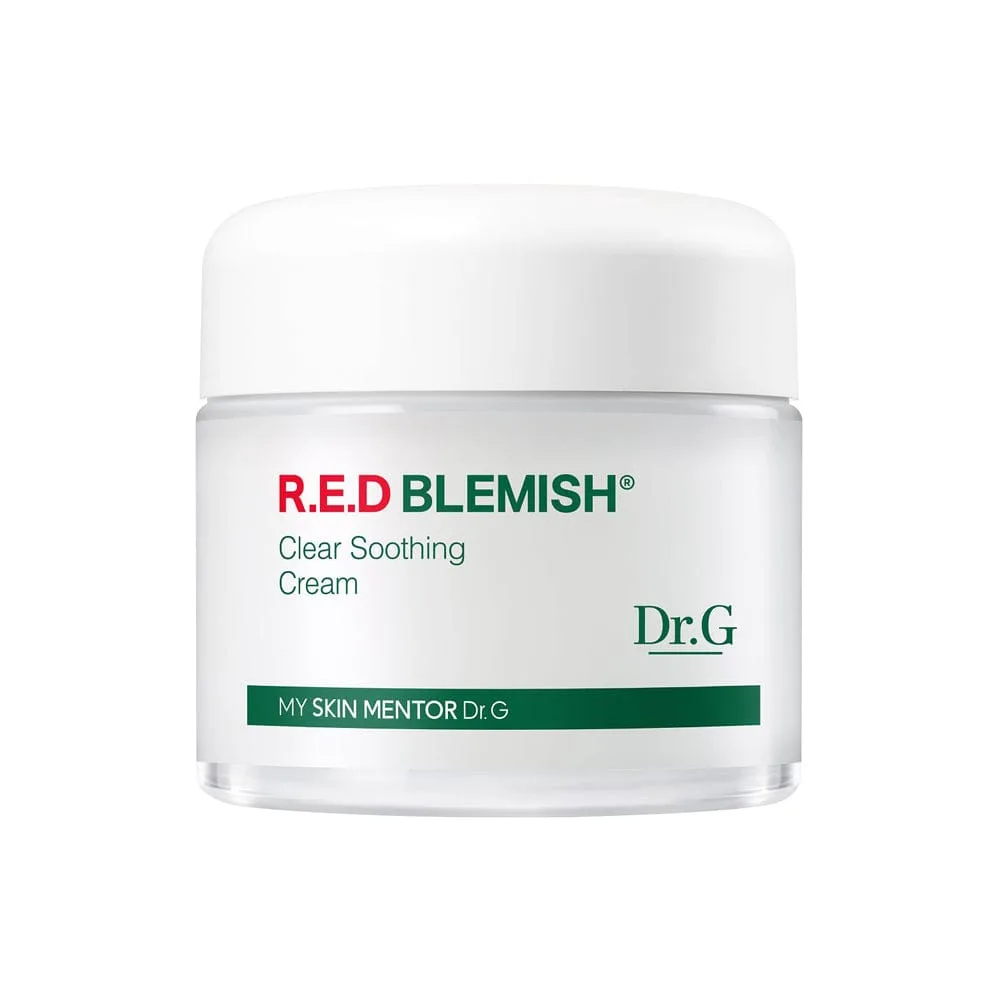






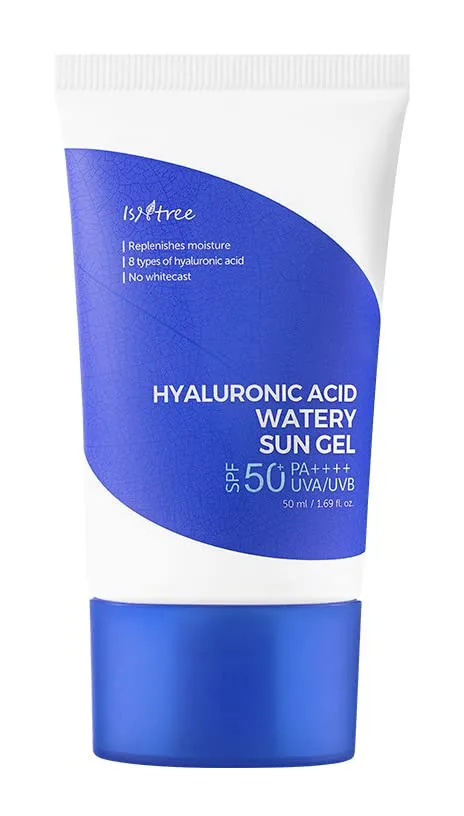
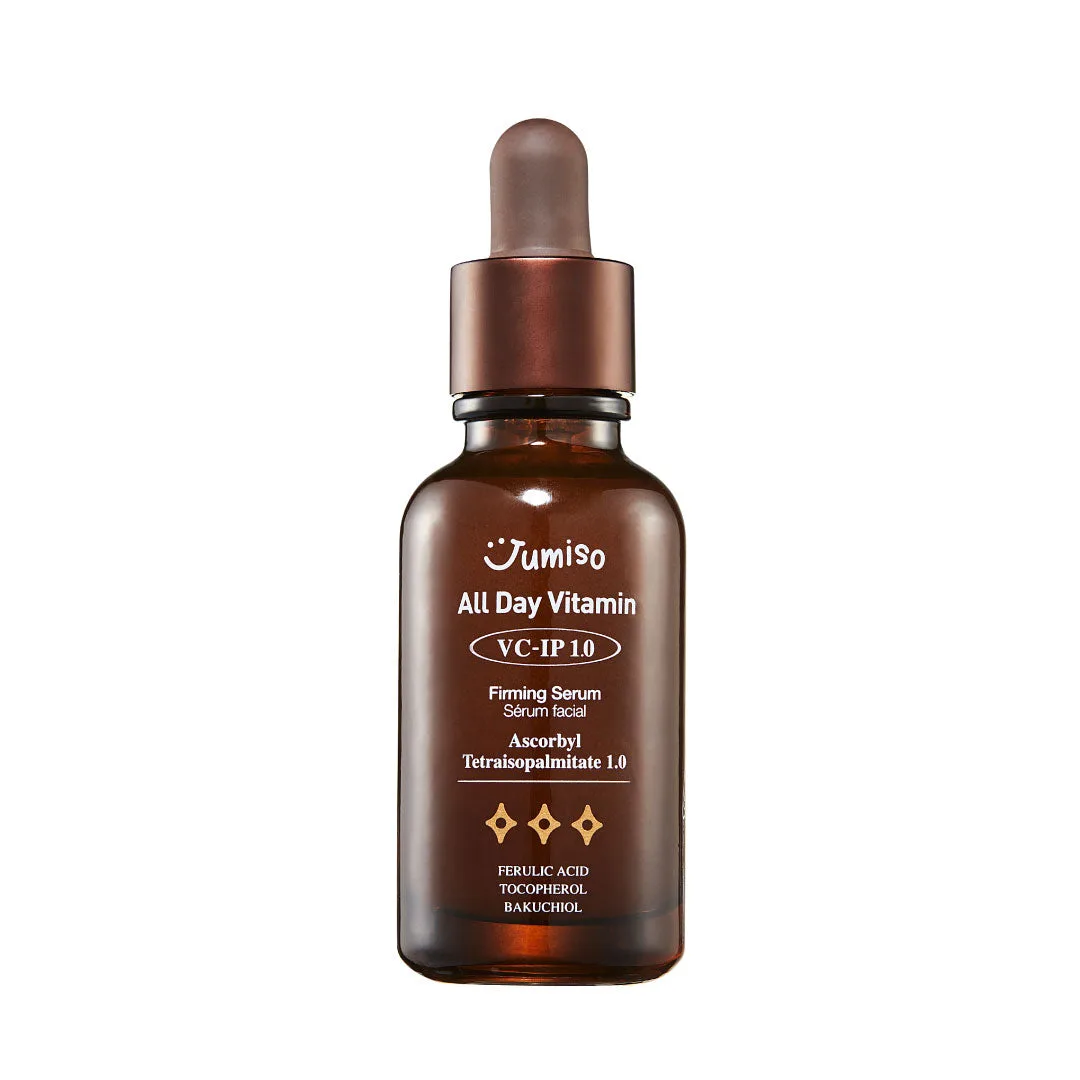


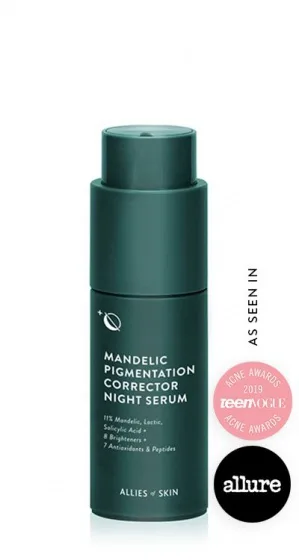
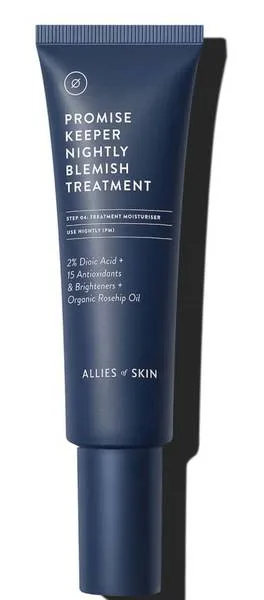
How to Choose
Niacinamide fades hyperpigmentation through a mechanism most brighteners don't touch: instead of blocking pigment from being made, it stops the finished pigment from being delivered to your surface skin cells. Melanin is produced deep in the skin by melanocytes, then shuttled up to surrounding keratinocytes in little packets called melanosomes — and niacinamide interrupts that transfer.
Less pigment reaches the surface, so dark spots and uneven tone gradually lighten. That makes it a genuinely good fit for sun spots, post-acne marks, and hormonal melasma, and it pairs especially well with actives that work earlier in the chain, like vitamin C or tranexamic acid, which is why several picks here stack them. What to look for is a real concentration — somewhere in the 4–10% range is the sweet spot; above that you risk irritation with diminishing returns. 's Thirst Burst Drops ($18) and the bare-bones Tunemakers Niacinamide serum ($17) deliver a meaningful dose without fuss, while combination formulas like Dr. Althea's vitamin C + tranexamic + niacinamide serum ($24) attack pigment from several angles. The non-negotiable caveat — true for every brightener but doubly so here — is daily SPF. Without sunscreen, UV re-triggers the exact pigment you're trying to fade, and you'll spin your wheels. And patience: niacinamide is a gradual, well-tolerated brightener, not a fast one, so give it 8 to 12 weeks of consistent use. Prices run $13 to $112, but this is a famously cheap active to formulate, and the budget picks here brighten just as capably as the luxury tier.
Buying Guide
Concentration is the first thing to check: niacinamide works for pigment in roughly the 4–10% range, and very high percentages (the old 20% serums) mostly add irritation risk without extra brightening. Decide whether you want a solo niacinamide serum or a multi-active formula — pairing it with vitamin C, tranexamic acid, or alpha-arbutin hits melanin at more than one stage and tends to fade stubborn spots faster than niacinamide alone. Look for supporting hydrators like hyaluronic acid and glycerin, and soothing centella if your pigmentation comes from inflammation or post-acne marks, since calming the inflammation prevents new dark spots from forming. The single most important companion isn't in the serum at all — it's a daily broad-spectrum SPF, without which any brightener is fighting a losing battle against fresh UV pigment. Manage your timeline expectations: meaningful fading takes two to three months. And don't overspend — niacinamide is inexpensive to formulate, so a $17–$24 serum is as effective as anything in the triple digits.
Frequently Asked Questions
How does niacinamide fade dark spots and hyperpigmentation?
Niacinamide works by blocking the transfer of melanosomes — the packets of pigment — from the cells that make melanin to the surface skin cells, so less pigment reaches the visible layer. It doesn't bleach existing spots; it gradually reduces how much new pigment gets delivered, which is why results build over weeks rather than appearing overnight.
What percentage of niacinamide is best for hyperpigmentation?
Most evidence points to the 4–10% range as effective for brightening, with around 5% being a well-studied, well-tolerated dose. Higher concentrations like 20% don't fade pigment faster and are more likely to cause flushing or irritation, so a moderate percentage in a stable formula is the smarter choice.
How long does niacinamide take to fade hyperpigmentation?
Expect 8 to 12 weeks of consistent daily use before dark spots visibly lighten, since niacinamide reduces pigment transfer gradually. Pairing it with sunscreen is what makes that timeline realistic — without SPF, fresh UV exposure keeps generating new pigment and stalls your progress.
Can I use niacinamide with vitamin C for dark spots?
Yes, and it's actually a strong combination for pigment — the old claim that they neutralize each other came from outdated lab conditions and doesn't hold in real formulas. They target melanin through different mechanisms, so together they fade spots more effectively than either does alone, which is why several picks here include both.
Is niacinamide effective for melasma?
Niacinamide can help with melasma as part of a routine, particularly alongside tranexamic acid and rigorous sun protection, but melasma is hormonally driven and notoriously stubborn. It's best viewed as one supportive piece — strict daily SPF and avoiding heat and UV triggers matter more for melasma than any single brightening serum.