Best Treatments for Hyperpigmentation
Updated September 2026 · independently researched, no sponsored placements
Our top 27 picks, ranked from 152 reviewed products — ordered by each product's hyperpigmentation verdict, then evidence strength.







How to Choose
The best treatment for hyperpigmentation is the one you can actually stick with for three months while wearing sunscreen every single day — because that, not the active itself, is where most dark-spot routines quietly fail. Hyperpigmentation is just excess melanin, dumped into the skin by UV, inflammation (think old acne), or hormones, and every credible fade relies on the same two-part logic: slow the pigment factory down, then speed faded cells to the surface.
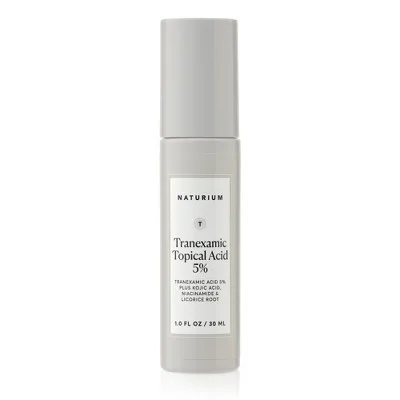
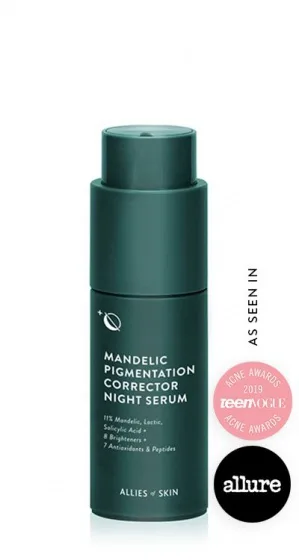
The brighteners worth your money inhibit tyrosinase, the enzyme that builds melanin — vitamin C, niacinamide, tranexamic acid, azelaic acid, and arbutin all do this through different doors, which is why the strongest formulas, like Naturium's Tranexamic Topical Acid 5% ($20) or the multi-pathway Allies of Skin Mandelic Pigmentation Corrector ($99), stack several at once. Look for a named brightener at a real concentration, not a pixie-dusted cameo at the bottom of the list. Geek & Gorgeous's aPAD 20% azelaic derivative ($11) proves you don't need to spend big; azelaic acid is a dermatologist favorite precisely because it calms redness while it fades. The honest caveat: nothing here works in a week. Tyrosinase inhibition takes 8–12 weeks to show, and a single sunny weekend without SPF can undo a month of progress — daily sunscreen isn't optional homework, it's half the treatment. Pick one brightener, commit, and protect.
Buying Guide
Start with the active, not the brand. A proven tyrosinase inhibitor — vitamin C, niacinamide, tranexamic acid, azelaic acid, or alpha-arbutin — at a meaningful concentration is the non-negotiable core; if you can't find the percentage, assume it's low. Match the vehicle to your skin: serums absorb fast and layer well for oily or combination types, while balms and creams like IHADA's Medicated Clear Balm suit drier or reactive skin that flares from too many acids. Stacking pathways (a tranexamic-plus-kojic-plus-niacinamide formula) outperforms a single hero for stubborn, long-standing spots, but if your skin is sensitive, one gentle active beats a four-acid cocktail that triggers more inflammation — and inflammation makes pigmentation worse. Price spans $11 to over $130 here, and the cheap end is genuinely competitive, so spend up only for multi-active night serums you'll use consistently. Finally, budget for a daily broad-spectrum SPF: it's the single highest-impact 'treatment' on this list and the reason any of the others get to work.
Frequently Asked Questions
How long does it take to fade dark spots?
Expect 8 to 12 weeks of daily use before pigmentation visibly lightens, because tyrosinase inhibitors slow new melanin rather than erase existing pigment overnight. Deeper or older spots, and melasma in particular, can take several months longer. Consistency matters more than potency — a moderate active used every day beats a strong one used sporadically.
Which is better for hyperpigmentation, vitamin C or tranexamic acid?
Both inhibit melanin but through different routes: vitamin C is an antioxidant brightener that also supports collagen, while tranexamic acid specifically interrupts the inflammation-to-pigment signaling that drives post-acne marks and melasma. For sun-related dullness, vitamin C is a strong daytime pick; for stubborn melasma or post-inflammatory spots, tranexamic acid (as in Naturium's 5% formula) often performs better. Many top products simply combine them.
Can I treat hyperpigmentation without a prescription?
Yes — azelaic acid, niacinamide, tranexamic acid, and alpha-arbutin are all available over the counter and well supported for fading dark spots. Geek & Gorgeous's 20% azelaic derivative and similar serums deliver clinic-adjacent results without a script. Prescription hydroquinone is more aggressive and best reserved for cases that stall after a few months of consistent OTC use under a dermatologist's guidance.
Why is sunscreen necessary when treating dark spots?
UV exposure is the main trigger that tells melanocytes to produce more pigment, so skipping SPF actively works against every brightener you apply. Without daily broad-spectrum protection, fresh sun exposure re-darkens the exact spots you're trying to fade, which is why dermatologists consider sunscreen the foundation of any pigmentation routine. Reapply if you're outdoors for extended periods.