Best Salicylic Acid Treatments
Updated September 2026 · independently researched, no sponsored placements
Our top 40 picks, ranked from 91 reviewed products — ranked by our overall assessment of formula, safety and value.










How to Choose
The best salicylic acid treatment is the one matched to your problem, because 'salicylic acid' covers everything from a $4 pimple patch to a $89 nightly serum, and they're not interchangeable. The molecule is the same beta hydroxy acid in each — oil-soluble, so it slips into a clogged or inflamed pore and dissolves the sebum and dead cells trapped inside — but the delivery format decides what it can actually do for you.
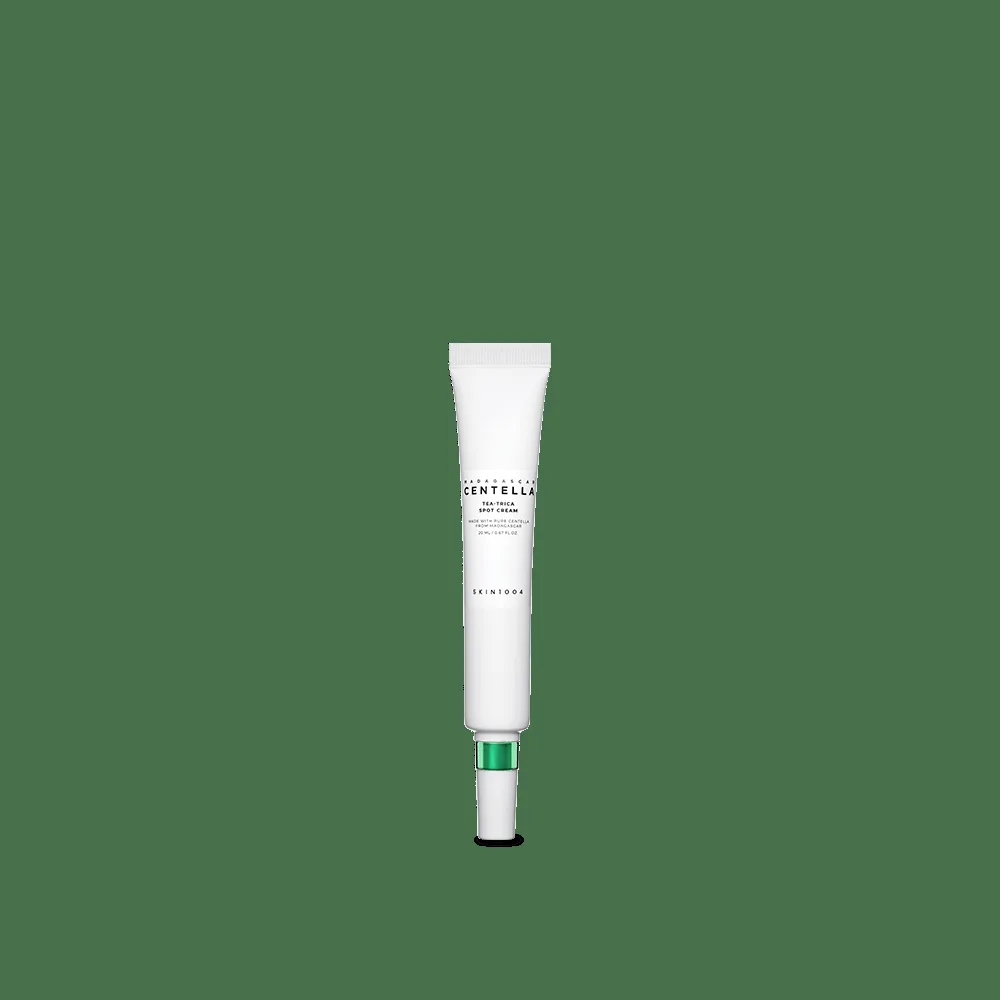
A targeted treatment is different from a broad exfoliant: here you're picking something to attack active blemishes and recurring clogs, not to resurface your whole face. If you get the occasional angry spot, a salicylic acid patch like Hero's Mighty Patch ($13) or SKIN1004's Tea-Trica ($4) flattens it overnight while shielding it from your fingers, and the microdart versions like ZitSticka Killa ($29) push the acid deeper into a stubborn under-the-skin bump. If you break out more persistently, a leave-on serum that pairs salicylic acid with niacinamide and zinc — The INKEY List 360 ($17), Versed Skin Refine ($18) — does steadier work across the whole oil-prone zone. The honest caveat: more strength isn't more better. Salicylic acid maxes out around 2% over-the-counter, so the $89 option isn't 5x stronger than the $17 one — you're paying for supporting actives and finish, not raw potency. Start with the cheapest format that fits how your skin breaks out, give it three to four weeks, and only level up if it stalls. Spot, serum, or microdart — let the breakout pick the tool.
Buying Guide
Choose by format first, since it determines the use case more than the brand does: hydrocolloid or microdart patches (Hero, SKIN1004, ZitSticka) are for individual, occasional, or under-the-skin spots, while leave-on serums and ampoules (INKEY List, Versed, Murad) suit ongoing, zone-wide breakouts. Concentration is a smaller lever than people think — OTC salicylic acid tops out near 2%, so look instead at what it's blended with: niacinamide and zinc temper oil and redness, centella and panthenol offset dryness, and azelaic acid (as in SVR Sebiaclear) adds pigment-fading for post-acne marks. Watch the irritation math: salicylic acid is drying, so a treatment buffered with soothing or hydrating ingredients lets you use it more often without flaking. Price ranges absurdly here, from $4 to $199, and it correlates with extras and packaging, not effectiveness — a sub-$20 serum or patch handles most needs. If your skin is sensitive, favor a buffered formula and start every-other-day.
Frequently Asked Questions
What's the difference between a salicylic acid treatment and an exfoliant?
A treatment is targeted — a spot patch, serum, or ampoule aimed at clearing active breakouts and recurring clogs, often blended with calming or antibacterial actives. An exfoliant is a broader resurfacing product, usually a toner or liquid, meant to slough dead cells across the whole face and smooth texture. They can overlap, but if your goal is attacking specific blemishes rather than overall resurfacing, you want a treatment.
Do salicylic acid pimple patches really work?
For surface-level whiteheads and early spots, hydrocolloid patches with salicylic acid genuinely help — the hydrocolloid absorbs fluid while the BHA works on the clog, and crucially it stops you from picking. Microdart versions like ZitSticka deliver the acid deeper, which makes them more useful for stubborn under-the-skin bumps. They're less effective on a flat, deep cyst with no surface opening.
Is a stronger salicylic acid percentage always better for acne?
No. Over-the-counter salicylic acid is capped around 2%, and most well-formulated treatments sit between 0.5% and 2% precisely because higher isn't proportionally more effective and is more irritating. What separates a good treatment isn't a bigger number but the supporting formula and how consistently you can use it. Drying your skin out with too-strong, too-frequent acid usually backfires.
How often should I use a salicylic acid spot treatment?
Patches can be used as needed, one per spot, overnight or for a few hours. Leave-on serums are typically once daily to start, moving to twice daily only if your skin tolerates it without flaking or stinging. Because salicylic acid is drying, pairing it with a barrier-supporting moisturizer and not overdoing the frequency keeps results coming without irritation.