Best Treatments for Cystic Acne
Updated September 2026 · independently researched, no sponsored placements
Our top 36 picks, ranked from 191 reviewed products — ordered by each product's acne verdict, then evidence strength.










How to Choose
The best over-the-counter treatments for cystic acne can calm and support inflamed skin — but it's worth being honest up front: true cystic acne is a deep, medical form of acne that often needs a dermatologist, not just a serum. Cysts form when inflammation erupts deep below the surface, far beneath where a topical can reach, which is why they're painful, slow to heal, and prone to scarring.
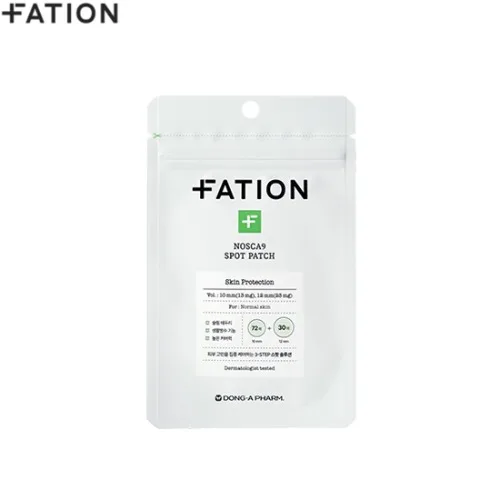
That's also why the most effective long-term answers — prescription retinoids, oral medications, or in-office treatments — come from a doctor. What OTC products do well is manage the inflammation and bacteria around milder cysts and protect lesions from getting worse. The standouts lean anti-inflammatory and antimicrobial rather than harshly exfoliating: azelaic acid calms redness and targets bacteria without stripping (Geek & Gorgeous's 20% derivative, $11, or SVR Sebiaclear, an OTC cousin of prescription Finacea), while a hypochlorous acid mist like PanOxyl ($15) reduces surface bacteria gently enough for reactive, cyst-prone skin. For an individual cyst that has come to a head, a hydrocolloid patch (Peach Slices Acne Spot Dots, $6) absorbs fluid and stops you from picking. The trap to avoid is aggression: scrubbing, drying out, or stacking strong acids on a cyst inflames it further and raises scarring risk. The honest caveat bears repeating — if you're getting recurring deep, painful cysts, see a dermatologist early. Topicals are support; for cystic acne, real treatment is often a prescription.
Buying Guide
Prioritize calming and antibacterial action over heavy exfoliation, because cysts are driven by deep inflammation that aggressive acids only inflame further. Azelaic acid is the standout OTC active here — it reduces redness, targets acne bacteria, and fades the marks cysts leave behind, all while staying gentle (Geek & Gorgeous, SVR Sebiaclear). A hypochlorous acid mist (PanOxyl) is a soothing, low-irritation way to cut surface bacteria, useful for skin too reactive for stronger treatments. For a single surfaced cyst, a hydrocolloid patch protects the lesion, absorbs fluid, and prevents picking that worsens scarring. Keep the rest of the routine non-comedogenic and barrier-supportive, and resist the urge to dry cysts out with harsh spot treatments. Most importantly, know the limit of OTC care: if you have recurring, deep, painful cysts, a dermatologist's prescription options are far more effective and reduce scarring risk, so don't spend months cycling through serums. Price isn't the deciding factor — an $11 azelaic serum and a $6 patch pack are among the best — but professional treatment is the real investment for true cystic acne.
Frequently Asked Questions
Can cystic acne be treated with over-the-counter products?
OTC products can help manage milder cysts and reduce surrounding inflammation, but they can't reach the deep root of true cystic acne the way prescription treatments can. Gentle anti-inflammatory actives like azelaic acid and soothing hypochlorous acid mists are the most useful options. For recurring, painful, deep cysts, a dermatologist's care is far more effective.
Why shouldn't I use strong acids or scrubs on cystic acne?
Cysts are inflammatory lesions deep in the skin, and harsh scrubbing or high-strength acids irritate them further, increasing redness, pain, and the risk of scarring. They also damage the skin barrier without reaching the source of the cyst. Gentle, calming treatments are both safer and more effective for this type of acne.
Do pimple patches work on cystic acne?
Hydrocolloid patches work best on cysts that have come to a head, where they absorb fluid and protect the area from picking. They won't do much for a deep, closed cyst still under the skin, since there's nothing at the surface to draw out. Used on the right lesion, though, they speed healing and prevent the scarring that picking causes.
When should I see a dermatologist for cystic acne?
If you're experiencing recurring deep, painful cysts, or if OTC care hasn't helped after a few weeks, it's worth seeing a dermatologist sooner rather than later. Prescription retinoids, oral medications, and in-office options treat cystic acne at its source and significantly reduce scarring. Early professional treatment often prevents the permanent marks that cysts can otherwise leave.