Best Salicylic Acid Cleansers
Updated September 2026 · independently researched, no sponsored placements
Our top 40 picks, ranked from 152 reviewed products — ordered by how well each product does its category’s job.






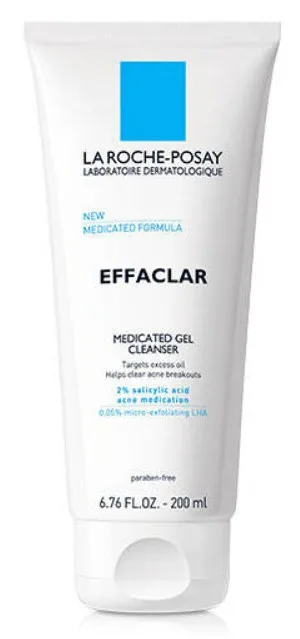
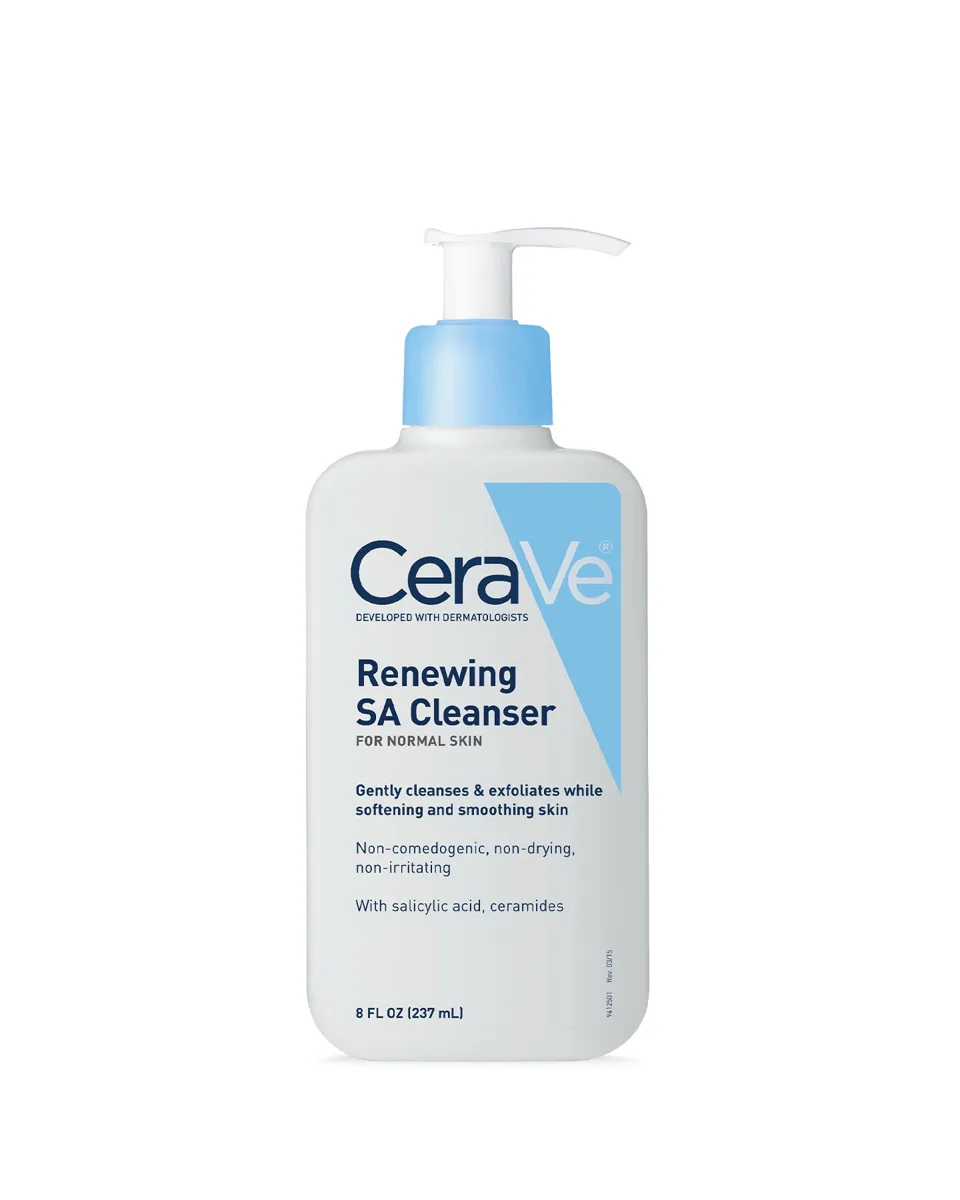


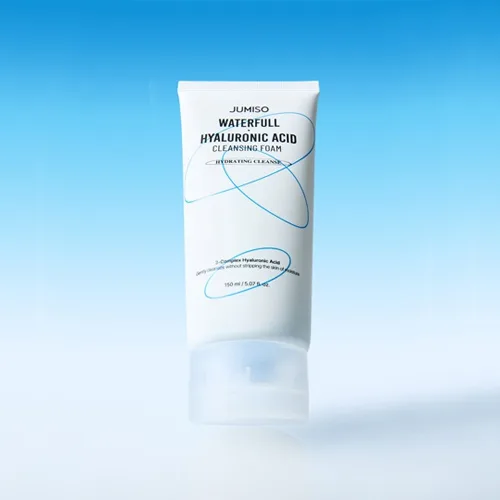

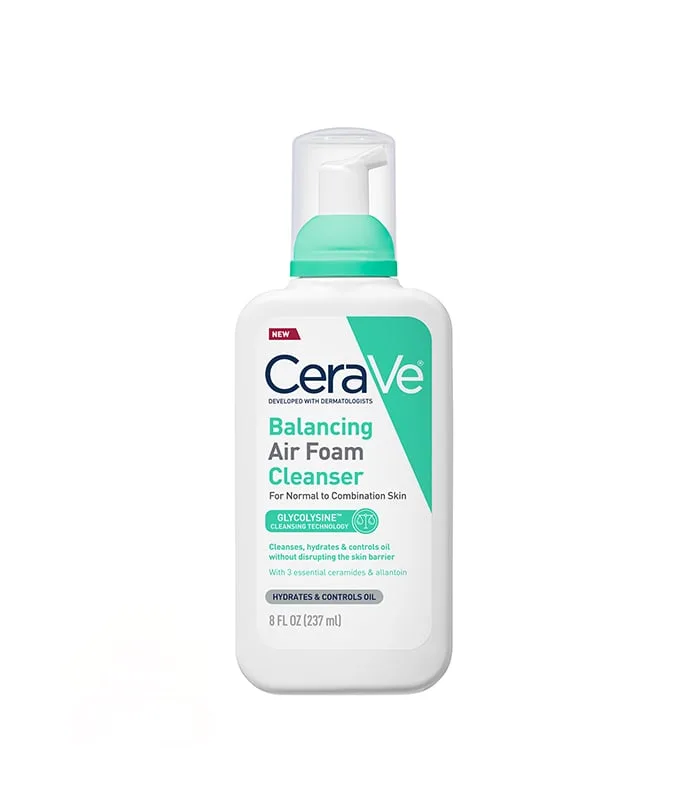




How to Choose
A salicylic acid cleanser is the most misunderstood product in any acne routine, because we ask a wash-off step to do a leave-on job — and then wonder why it didn't clear our pores. Here's the honest mechanism: salicylic acid (BHA) is oil-soluble, so it can slip past sebum and into the pore lining to dissolve the gunk that causes blackheads and breakouts.
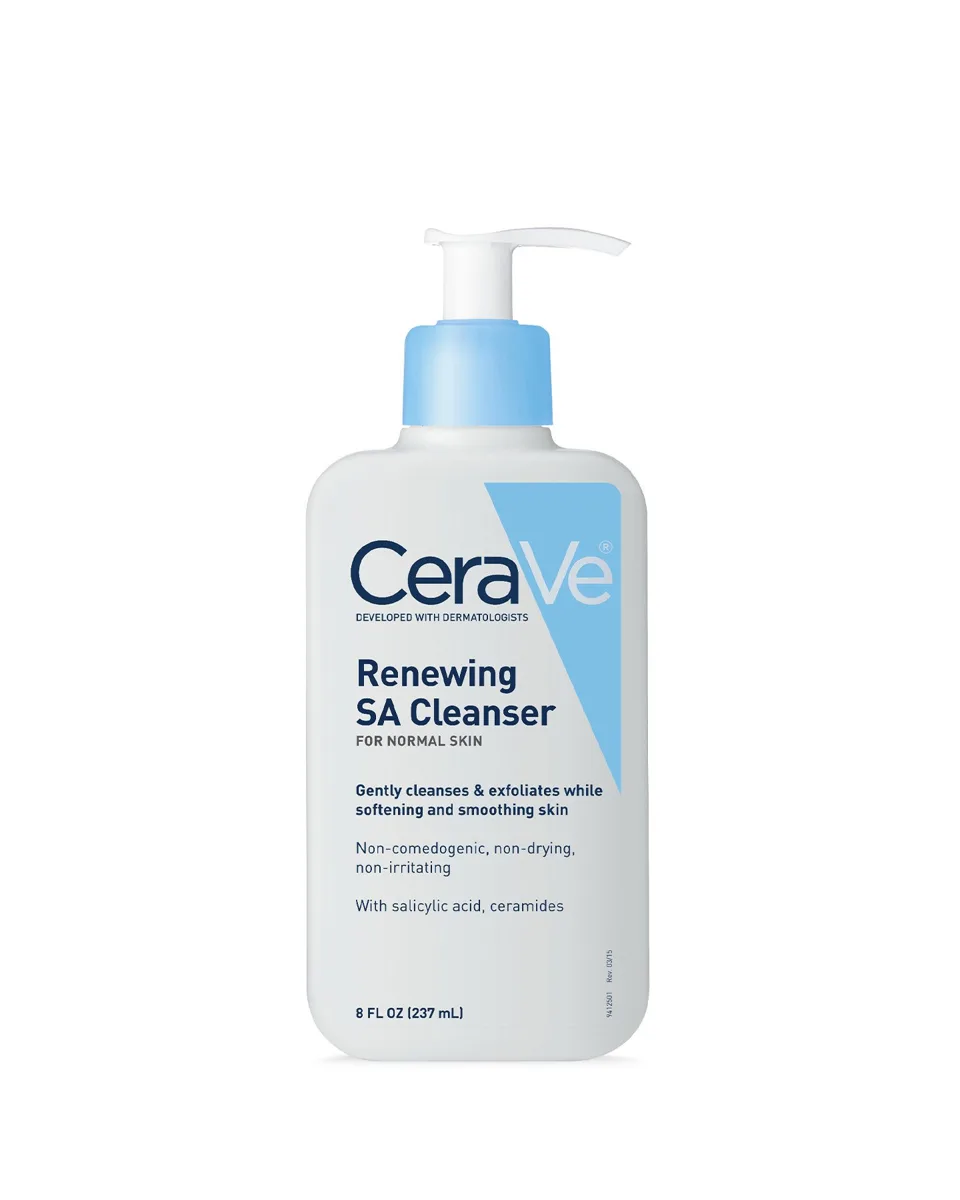
But in a cleanser it's only on your skin for thirty seconds before it goes down the drain, so it works best as gentle, consistent maintenance — keeping pores clear and oil in check — rather than as a spot-fixing treatment. That reframing actually makes the category easier to shop: you want a cleanser that delivers real BHA contact without stripping your barrier raw. The smartest formulas buffer the acid with barrier support — CeraVe's SA Smoothing Cleanser ($16) pairs salicylic acid with ceramides and niacinamide, and Skintific's 5X Ceramide Low pH Cleanser ($14) does the same — so you exfoliate without the tight, squeaky overstripped feeling that drives more oil and irritation. Look for ceramides, glycerin, or centella alongside the acid, and a low-pH, sulfate-light surfactant base. ' At $9–$49, this is a cheap, low-risk upgrade — just let it be the quiet daily worker, not the whole treatment.
Buying Guide
Judge a salicylic acid cleanser less on the percentage and more on what cushions it. Because it rinses off quickly, the goal is meaningful pore contact without barrier damage, so favor formulas that pair BHA with ceramides, niacinamide, glycerin, or centella (CeraVe SA, Skintific, Torriden) over a bare acid-and-detergent base. Mind the surfactants: a gentle, low-pH, sulfate-light cleanser leaves skin clean but comfortable, while a stripping high-foam wash can trigger rebound oil and irritation that looks like a breakout. Match frequency to your skin — oily and acne-prone types can use a BHA cleanser daily, but dry, sensitive, or barrier-compromised skin should start a few times a week and watch for tightness or flaking. If you also use a leave-on BHA, retinoid, or scrub, don't double up; one exfoliating step at a time prevents over-exfoliation. Budget barely matters here, since $11–$16 options score as well as pricier ones — so spend on texture and supporting ingredients you like, not on the label.
Frequently Asked Questions
Does salicylic acid work in a cleanser if you rinse it off?
It does, but as maintenance rather than intensive treatment, since the acid only contacts skin briefly before rinsing. That short exposure is enough to help keep pores clear and manage oil over time, which is why a BHA cleanser is best used consistently. For stubborn blackheads or active breakouts, pair it with a leave-on salicylic acid product.
How often should you use a salicylic acid cleanser?
Oily and acne-prone skin can typically use one once or even twice daily without issue. Dry, sensitive, or barrier-compromised skin should start two to three times a week and build up only if there's no tightness or flaking. If your skin feels stripped or looks irritated, scale back — that's over-exfoliation, not progress.
Can a salicylic acid cleanser help with body acne or keratosis pilaris?
Yes — BHA cleansers like CeraVe SA Smoothing Cleanser are popular for chest, back, and arm bumps because salicylic acid exfoliates inside the pore and smooths the rough, bumpy texture of keratosis pilaris. Let the lather sit on the skin for a minute or two in the shower before rinsing for better contact. Follow with a moisturizer, since these areas dry out easily too.
Is a salicylic acid cleanser safe to use during pregnancy?
Rinse-off salicylic acid cleansers are generally considered low-risk because absorption is minimal and brief, but guidance varies and this isn't medical advice. Many people are advised to limit or pause BHA during pregnancy, so check with your doctor or dermatologist about your specific routine. Gentle, fragrance-free alternatives are widely available if you'd rather avoid it.