Antioxidants
Products with Antioxidants
 Reef-Compliant Sport Mineral
 Sport Mineral Sunscreen Lotion SPF 50
Coppertone's Sport Mineral Sunscreen Lotion SPF 50 delivers 24.08% zinc oxide single-filter protection with 80-minute water resistance — the brand's reef-compliant alternative to chemical Sport SPF. At $12.99 for 5oz, exceptional drugstore value for mineral sport sunscreen. White-cast typical of high-zinc formulations.
 Drugstore Multi-Active Body Lotion
 Plumping Collagen Body & Face Serum Lotion
Gold Bond's Plumping Collagen Body & Face Serum Lotion delivers prestige-grade chemistry at drugstore pricing — dual peptide complex (tripeptide-29 + palmitoyl hexapeptide-12), niacinamide, ceramide NG, resurrection plant extract, and four-layer humectant chassis at $12.99 for 8oz. The body-and-face dual positioning addresses two routines with one product. The fragrance limits sensitive-skin use; isopropyl palmitate is borderline for acne-prone face users.
 Lightweight Body Zinc Pick
 Sheer Body Mineral Sunscreen Lotion SPF 50
A surprisingly light all-zinc body lotion that reaches SPF 50 on a single 24.5% zinc filter and sheers out better than most mineral body sunscreens, helped by skipping titanium dioxide. Australian native fruit extracts add antioxidant support and a heritage touch. The benzyl alcohol preservative and a small tube are minor knocks, but as a comfortable, chemical-filter-free body SPF it is a strong pick.
 Indie Mineral SPF
 Sun Barrier Mineral Sunscreen SPF 50
Prequel Sun Barrier Mineral Sunscreen SPF 50 is an 18% zinc oxide single-filter mineral with stable curcuminoid antioxidants, bisabolol, and calendula soothing layer in fragrance-free vegan format at indie pricing of 22 dollars for 50ml.
 Bare-Bones Budget Hydrator
 Hyaluronic Acid Moisturizing Ampoule
A bare-bones, fragrance-free hydrating ampoule that does exactly what a budget hydrator should — and no more. Despite the name, the hyaluronic acid is present in small amounts; the real moisturizing comes from glycerin and trehalose, with a token splash of berry extracts and snail mucin. For around $10, it's an easy, low-risk hydration layer, not a standout treatment.
 Hydrating Value SPF
 Advanced Hydration SPF 50 Sunscreen Lotion
A quietly excellent everyday SPF 50: fragrance-free, alcohol-free, genuinely hydrating, and anchored by Eucerin's licochalcone-A antioxidant complex with vitamins C and E, all at a price that undercuts most of the category. The chemical filters and a faint cosmetic feel are the only real caveats. For face and body daily protection on a budget, it is one of the easiest recommendations around.
 Drugstore Bifida Recovery Serum
 PM Antioxidant Serum
Galderma's March 2026 launch brings premium-tier ingredients — Gallic-AOX antioxidant complex, bifida ferment lysate, cica, panthenol — to the $19.99 drugstore tier. The PM Antioxidant Serum may be one of the best-value recovery serums available globally.
 Universal Tinted Mineral SPF
 Plus One Tinted Daily Mineral Sunscreen SPF 40
Bubble Plus One Tinted Daily Mineral Sunscreen SPF 40 combines 12% zinc oxide with universal bronze tint (iron oxides + mica) that addresses the white cast problem typical of mineral SPFs. Adds cupuacu seed butter, raspberry seed oil, lilac extract chemistry. Fragrance-free, vegen, $19. Works across most skin tones.
 Easy-Reapply Body SPF
 Advanced Hydration SPF 50 Sunscreen Spray
The Advanced Hydration line's strong fragrance-free, antioxidant-boosted SPF 50, repackaged as a fast, hydrating, non-sticky aerosol for body coverage and easy reapplication. The formula is excellent and the price is keen; the deductions are inherent to sprays, namely the risk of thin, uneven coverage and the need to rub it in. Used correctly, it is a genuinely convenient way to stay protected.
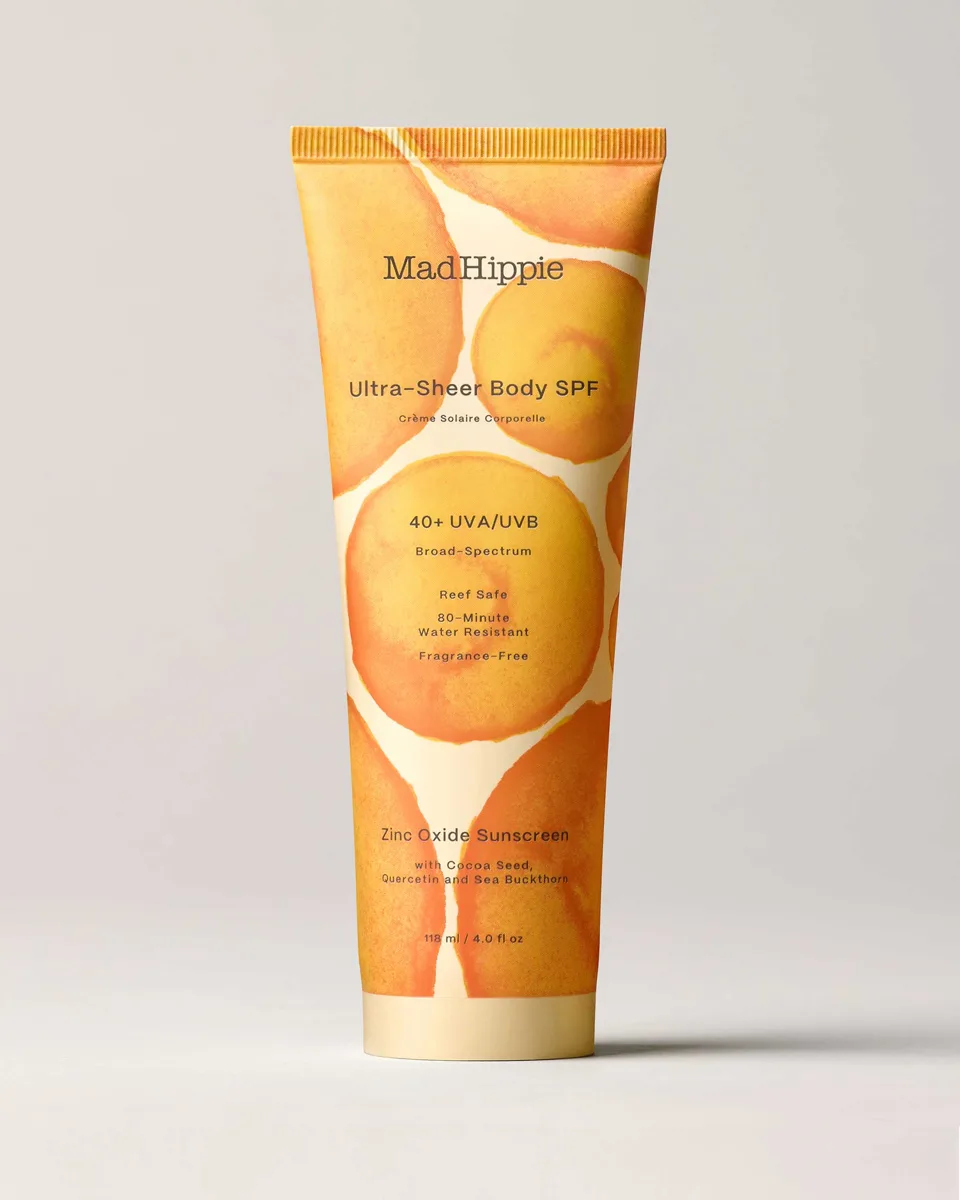 High-Zinc Clean Body Screen
 Ultra-Sheer Body SPF
A 20.5 percent non-nano zinc body sunscreen that blends far better than that number suggests, moisturizes like a body lotion, holds through eighty minutes of water and contains no fragrance — a genuinely good clean mineral body screen. Too rich for acne-prone backs, faintly white on deep skin, and its 'blue light protection' line is the one claim the untinted formula cannot honour.
 Budget Multi-Active Serum
 Vitamin C Face Serum
A cheap, generously-sized multi-active serum that bundles a stable vitamin C derivative, ferulic acid, two exfoliating acids, and peptides into one inexpensive bottle. The value is real and the formula is sensibly built, but it is a jack-of-all-trades at undisclosed, likely low levels — so expect gentle, gradual results, and watch the fragrance-plus-acids combination if your skin is reactive.
 Medical Fragrance-Free Lip Balm
 Remederm Lip Balm
A quietly excellent medical lip balm: rich shea, jojoba and squalane emollients sealed under beeswax, with soothing bisabolol and antioxidant vitamins, all kept fragrance-, flavor- and preservative-free. It relieves and heals badly chapped lips fast and suits even sensitive lips. The single caveat is peanut oil, which the peanut-allergic must avoid.
 Herb-Boosted Cica Ampoule
 Cica Farm Recovery Ampoule
A high-centella soothing ampoule boosted with traditional Korean calming herbs and suspended vitamin capsules, in a generous 250ml gel at a budget price. It calms and hydrates stressed skin liberally and cheaply across nearly all skin types — the fragrance is the main caveat, and the pretty vitamin beads are more look than substance.
 Fragrance-Free Retinoid Eye Pick
 Super Eye Serum
An unusually well-built fragrance-free retinoid eye serum that pairs Retinol 8 with the Eyeliss peptide complex, hesperidin for dark circles and a turmeric anti-inflammatory base. The three-pathway approach to fine lines, puffiness and vascular dark circles is rare in this category, and the genuinely scent-free formulation makes it usable on reactive orbital skin where most retinoid eye products fail tolerance. The $85 sticker is the obvious trade-off.
 Best Budget Retinol Starter
 Retinol 0.2% in Squalane
The most honest retinol on the market — eight ingredients, no pretense, and a price tag that makes the entire luxury retinol category look ridiculous. It won't transform your skin overnight, but as a first step into retinoid territory, it's nearly impossible to beat.
 High-Potency Budget Powerhouse
 Retinol 1% in Squalane
The final boss of The Ordinary's retinol line — a genuinely potent 1% concentration that demands respect but delivers results close to prescription territory, all for less than ten dollars. Not for the uninitiated, but for those who've earned their retinol tolerance, it's a powerhouse.
 The Over-Makeup SPF Solution
 RE:SETTING Refreshing Mist SPF 40
The most practical solution to a problem every makeup wearer faces: how do you reapply sunscreen at 2 PM without redoing your entire face? Supergoop! RE:SETTING Refreshing Mist SPF 40 delivers a four-filter UV system in an ultrafine mist that settles over makeup without disturbing it, while oil-absorbing powders mattify and set. The triple avobenzone stabilization is genuinely sophisticated formulation chemistry. The alcohol and essential oils rule out sensitive skin, but for everyone else, this turns midday SPF reapplication from a fantasy into a fifteen-second habit.
 Winter Barrier Hero
 Natural Moisturizing Factors + PhytoCeramides
One of the most formulation-literate barrier creams under $25. The full phytoceramide-plus-fatty-acid-plus-phytosterol lipid architecture, combined with a proper NMF humectant system, is the kind of thing dermatologist brands charge twice as much for. For dry, eczema-prone, or winter-compromised skin, this is an easy recommendation.
 Barrier Comfort Serum
 Maple Energy Infusing Serum
A genuinely nourishing barrier serum built on an unusual idea — sugar maple sap in place of water — and backed by four real plant butters, squalane, and adenosine. Fragrance-free, gentle, and well-priced, it is a comforting pick for dry skin; just treat the anti-aging claims as a modest bonus, not the main event.
 Oil-Free Herbal Gel
 Phyto Clear Oil-Free Moisturizer
A genuinely oil-free, fungal-acne-safe gel moisturizer built on a herbalist's roster of botanicals — centella, sage, hops, horsetail — that hydrates oily and acne-prone skin without a trace of weight, for a few dollars. It does the unglamorous job of moisturizing oily skin well; just know the actives are gentle and dry or very sensitive skin should look elsewhere.
 Cooling Hydration Toner
 Hyaltoin Flooding Toner
The cooling first step of Eqqualberry's Hyaltoin line floods skin with a deep multi-form hyaluronic acid stack plus ectoin and a non-menthol cooling agent, all fragrance-free and fungal-acne-safe. It's a refreshing, broadly suitable hydration primer — best layered under the matching cream to seal the water in, with the new-brand price the main thing to weigh.
 Fermented Grape Firming Essence
 Noble Rot Lifting Essence
A fragrance-free, minimalist firming essence led by Botrytis-fermented grape 'noble rot' extract and backed by adenosine, the proven anti-wrinkle active. It hydrates, plumps, and smooths in a gentle, fungal-acne-safe formula — a pleasant firming-and-prep first step, with subtle, gradual 'lifting' and the ferment's still-developing evidence the main caveats.
 No-White-Cast Mineral Body SPF
 Total Protection No-Show Body Shield SPF 50
Colorescience's No-Show Body Shield SPF 50 is a genuinely excellent mineral body sunscreen that solves the biggest problem with mineral formulas: white cast. Its 100% non-nano zinc oxide (10%) provides broad-spectrum protection, while iron oxides and light-adjusting minerals let it blend in and disappear — a real achievement for a mineral body SPF, especially on deeper skin tones. It goes further with iron-oxide blue-light protection (relevant for pigmentation), antioxidants (vitamin E, Lipochroman), and soothing, hydrating jojoba, squalane, bisabolol, and allantoin. So it protects properly, cares for the skin, and wears elegantly with no white cast — ideal for sensitive skin. The caveats: it's premium-priced (about $49) for a body product you use quickly, and, like all SPF, needs generous application.
 Smart Step-Up Retinol
 Retinol 0.5% in Squalane
The sweet spot in The Ordinary's retinol trilogy — potent enough to deliver clinically meaningful results, gentle enough that most retinol-experienced users can tolerate it nightly, and priced so low it makes the entire premium retinol market look like performance art.
 Derm Office Staple
 Anthelios Ultra-Light Fluid Face Sunscreen SPF 40
One of the most wearable mineral-only daily sunscreens in the US market, and a go-to dermatology office recommendation for post-procedure and reactive skin. Micronized titanium and zinc in a silicone-alkane base that spreads like a chemical fluid and sets to a makeup-friendly matte. Priced at the premium end for 1.7 oz, but earns it on tolerance and texture.
 Makeup Artist's Mineral SPF
 SOL'D Broad Spectrum Mineral Sunscreen SPF 30
SOL'D is what happens when a makeup artist builds a sunscreen: it prioritizes finish — a soft-focus, light-reflecting blur and a near-universal pink tint — as much as protection. The good news is the formula backs the aesthetics, with a respectable 16.75% zinc load, squalane, and a barrier-soothing supporting cast. The catch is SPF 30 where rivals offer 50, at an influencer-brand price of thirty-eight dollars.
 Bio-Collagen Peel-Off Mask
 Bio-Collagen Radiance Facial Mask
Byoma's Bio-Collagen Radiance Facial Mask is a peel-off liquid sheet mask combining the brand's signature tri-ceramide complex with collagen, astaxanthin, centella, and vitamin B12 in pink gel format. At $16.99 for 60ml the value is strong. Distinctive Byoma pink color from B12. Fragrance-free, vegan, and suitable for general adult use.
 K-Beauty-Influenced Soothing Mist
 Redness Relief Soothing Toner
Byoma's September 2025 Redness Relief Soothing Toner combines heartleaf water (Houttuynia cordata) primary chassis with chamomile, tri-ceramide complex, rutin flavonoid, and comprehensive soothing botanicals in a convenient mist toner format. At $14.99 for 100ml the value is strong. Fragrance-free, vegan, fungal-acne safe — genuinely suits all skin types including very sensitive.
 Sport Face SPF Flagship
 Sport Face Lotion SPF 60
Coppertone's Sport Face Lotion SPF 60 is the Sport line's facial flagship — 80-minute water resistance with US chemical filter quartet at maximum allowed concentration, supplemented by Vitamin C and E antioxidants plus Oxynex ST photostabilizer. At $12.99 for 2.5oz, drugstore value with sport-grade resistance. Genuinely engineered for active conditions.
 Budget Plumping Serum
 Collagen Face Serum
A cheap, pleasant hydrating serum that delivers an instant plumped, smoother look — but its headline 'collagen' is a surface humectant, not a firming active, and cannot rebuild the collagen your skin loses. As an affordable instant-smoothing layer it is fine; as the anti-aging treatment its name implies, it is not, and the fragrance plus a restricted allergen are real drawbacks.
 Sensitive-Skin Mineral SPF
 Green Flavonoid 2.0 Sun SPF 50+
A rare 100% zinc-oxide sunscreen that is genuinely pleasant to wear: whipped, easy-spreading and minimal on white cast, with a generous soothing-antioxidant cast that calms reactive skin. For sensitive, rosacea-prone or acne-prone faces that can't tolerate chemical filters, it is one of the more wearable mineral options around. The catches are the small 40ml tube and a Korean SPF rating that, while solid, isn't FDA-tested, so apply generously.
 Everyday Body SPF Spray
 Advanced Hydration SPF 30 Sunscreen Spray
The SPF 30 sibling of Eucerin's Advanced Hydration spray, sharing the same gentle, fragrance-free, antioxidant-boosted, hydrating formula in a lighter filter load. It is a convenient everyday body and reapplication spray for casual sun exposure, with the usual spray caveats about thin coverage and the lower SPF 30 ceiling making it a step down from the SPF 50 version for intense days.
 Elegant Everyday SPF 50
 UV Solutions Hydrating Sunscreen Broad Spectrum SPF 50
Clinique's UV Solutions Hydrating Sunscreen SPF 50 is a genuinely good daily facial sunscreen — it does the most important job (real broad-spectrum UVA/UVB protection) properly, in a cosmetically elegant, hydrating, fragrance-free formula. Solid chemical filters (avobenzone, homosalate, octisalate, octocrylene, with octocrylene stabilizing the avobenzone) provide proper protection, while hyaluronic acid hydrates and a blend of antioxidants supports it. It absorbs with no white cast and layers beautifully under makeup — which matters, because a sunscreen you enjoy is one you'll actually reapply. The only real caveats are minor: it's a chemical (not mineral) sunscreen, and at $39 it's pricier than excellent drugstore options. But it earns its place.
 Eye Area Multitasker
 Vital C Hydrating Eye Recovery Gel
A genuinely sophisticated eye gel that attacks dark circles from multiple biological angles while keeping the texture light enough for the most delicate facial skin. The peptide and vitamin C blend is impressive for the category, though the price-per-ounce is steep and patience is required — this is a marathon runner, not a sprinter.
 Derm Office Staple
 Anthelios UV Clear Sunscreen SPF 50
One of the only US chemical sunscreens that genuinely earns its 'for sensitive and breakout-prone skin' positioning. A photostable Anthelios filter system paired with a legitimate azelaic acid dose in a lightweight serum-fluid that disappears on every skin tone. Excellent for rosacea, acne, and post-inflammatory hyperpigmentation — and probably the single best daily sunscreen in the La Roche-Posay US lineup for those conditions.
 Drugstore Gallic Acid Innovation
 AM Antioxidant Serum
Galderma's March 2026 Cetaphil launch brings proprietary Gallic-AOX Power Technology (gallic acid + vitamin E antioxidant complex) to the accessible drugstore tier. Combined with niacinamide, triple hyaluronic acid, and soothing cica/panthenol, this represents serious antioxidant chemistry at $19.99.
 Budget Gentle Foam Cleanser
 1000 Roses Cleansing Foam
A genuinely good budget cleanser: sulfate-free glucoside and isethionate surfactants give a soft foam that cleans without stripping, lifted by panthenol, allantoin, hyaluronic acid and an antioxidant berry blend — all for around $16. It is gentle, hydrating and well-priced. The one caveat is the natural rose-geranium fragrance and its allergens, which make a fragrance-free wash a safer bet for genuinely reactive skin.
 Budget Hydration Quick-Fix
 Natural Moisture Mask Pack
A cheap, dependable hydrating sheet-mask line whose headline feature — 14 themed types — is mostly a flavor menu over one shared humectant essence. As a quick, affordable hydration boost it delivers exactly what sheet masks should; just don't expect the aloe, snail or pearl version to do anything dramatically different from the others. Fragrance is the only real caveat.
 Big-Bottle Hydration Value
 Collagen & Hyaluronic Acid All-In-One Ampoule
A giant 250ml all-in-one hydrating ampoule built for value and liberal everyday use, with genuine niacinamide and adenosine hiding beneath impressive-sounding collagen and HA milligram claims. The collagen is a surface humectant and the mg figures are marketing, but the real hydration plus two legitimate actives, at this per-ml price, make it a sensible budget workhorse — if you don't mind fragrance.
 Luxe Hydration Sheet Mask
 Active Golden Caviar Nourishing Mask
A perfectly competent, cheap hydrating sheet mask dressed in maximum luxe theater. The '24K gold' is present at 10 parts per billion and the caviar at 100ppm — trace amounts that do essentially nothing, while the golden shimmer comes from mica. Buy it for the genuine hydration and the pampering, luminous feel, not the gold or caviar, and it's a pleasant, affordable glow treat.
 Herbal Hydration Ampoule
 Aqua Balance Ampoule
A genuinely effective layered-humectant hydration ampoule wrapped in an Ayurvedic botanical theme and a pretty B12 pink tint. The glycerin-and-hyaluronic core does the real plumping work; the herbal blend and vitamin B12 are mostly supporting color. Good lightweight hydration for normal-to-oily skin, though rose oil and a little ethanol make it less ideal for the sensitive.
 Budget Hydration Hero
 Wonder Ceramide Mochi Water Cream
An impressive amount of hydration for the money: ceramide NP, cica, and aloe in a jiggly, cooling gel-cream that comes in a 300ml tub for $18. It is a near-ideal daily moisturizer for normal-to-oily skin, with only the lemon and rosewood oils giving sensitive types a reason to patch test.
 Flower Brightening Emulsion
 Intensive Shining Emulsion
A pleasant, lightweight brightening emulsion that wraps genuinely functional actives — niacinamide and a vitamin C derivative over a ceramide base — in a 59-percent cherry-blossom, nine-flower botanical concept. The radiance benefit is gradual and real, but a heavy fragrant-botanical roster, including lavender and citrus, pushes irritation risk up. Lovely for fragrance-tolerant skin wanting a radiance step; a cautious pick for the reactive.
 Morning De-Puff Pick
 Weekend Glow Brightening Eye Gel
A well-considered budget eye gel that goes beyond the usual caffeine-only formula, layering an oil-soluble vitamin C, niacinamide, and de-puffing peptides to address pigment, vascular, and puffiness-based dark circles at once. The morning de-puff is real and immediate; the brightening is genuine but gradual. For under fifteen dollars, it's a sensible, gentle pick — just don't expect it to erase structural under-eye bags.
 Featherlight Scented Body Lotion
 Body Badalada Skin Refresh Water Lotion
Sol de Janeiro's Body Badalada Skin Refresh Water Lotion is exactly what it sets out to be: a fun, gorgeously-scented, ultra-lightweight body lotion. As a water-gel, it delivers genuine but light hydration through multi-glycerin, hyaluronic acid, and antioxidant guava and star fruit, absorbing fast with zero greasiness — lovely for warm weather or anyone who hates heavy lotions. But make no mistake, the real draw is the signature Cheirosa 48 scent, which is why most people buy it. So it's a delightful, featherlight, beautifully-fragranced body lotion with decent basic hydration. The caveats: it's heavily fragranced (a poor choice for sensitive or reactive skin), and the hydration is light and simple, not a rich treatment for very dry skin. Judged as scented body care, it's a nice, fairly-priced treat.
 Caviar Line's Best Format
 Caviar PDRN Liposome Bubble Booster
The caviar line finally gets the good format. Where the Caviar PDRN mist was thin hydration in a fancy costume, this bubble booster shares the collagen booster's genuine substance — a real lecithin liposome delivery system, ceramide, barrier lipids, and functional niacinamide — with caviar and salmon PDRN swapped in. The caviar (trace) and PDRN (humectant) are still marketing, but the base is a legitimate hydrating, barrier-supporting prep essence at a fair $23.
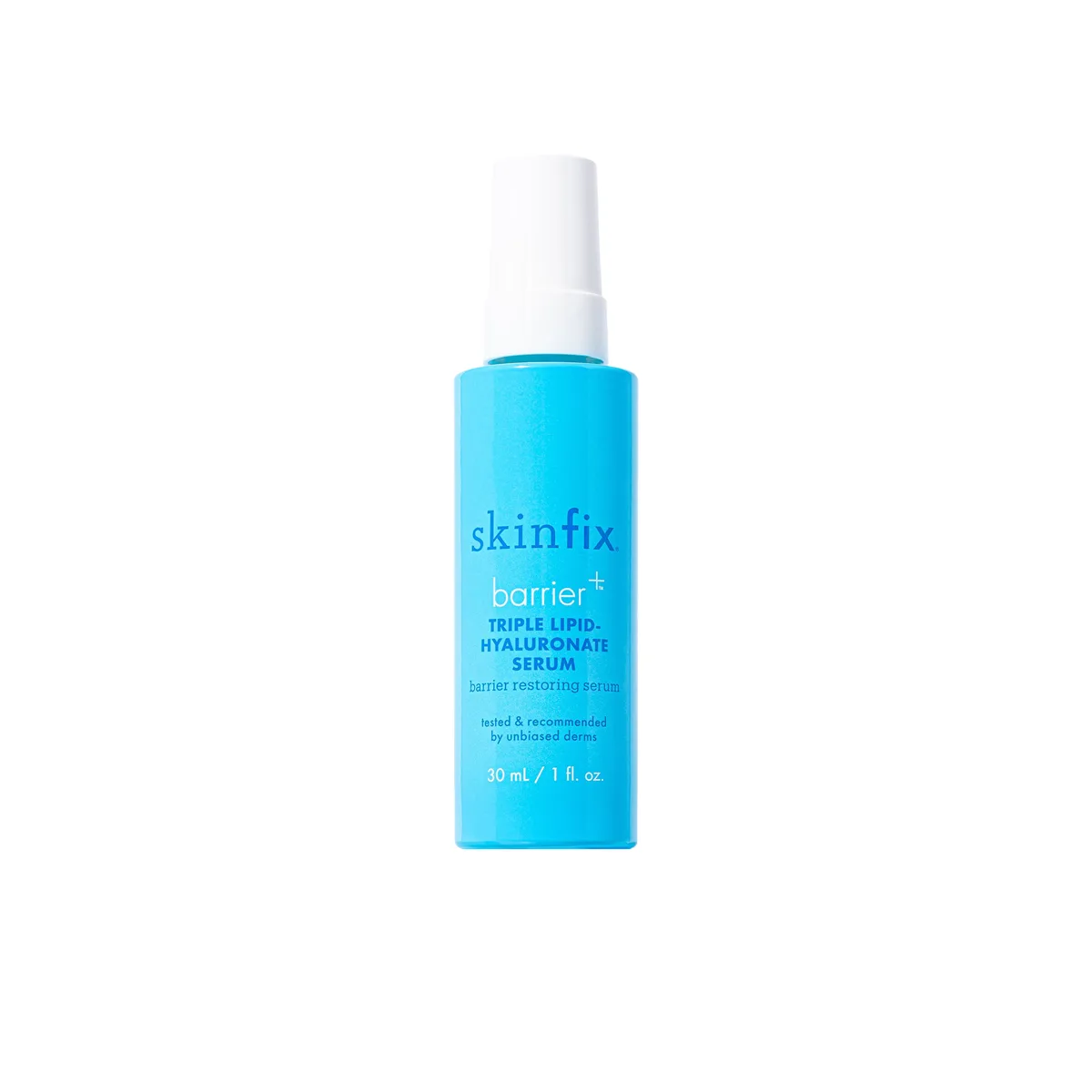 Hyaluronic Serum With a Coat
 Triple Lipid-Hyaluronate Serum
A hyaluronic-style serum that fixes the category's main flaw by adding light esters, squalene and sterols so the water it draws in stays in, fragrance-free and tolerable for almost any skin at $35. The hyaluronate itself sits nineteenth despite the name and the peony even-tone claim is decoration, but as a hydrating buffer under actives and sunscreen it is a well-judged, comfortable serum that outperforms plainer ones in dry air.
 Budget Microbiome Balancer
 Multi-Biotic Moisturizer
A genuinely innovative triple-biotic moisturizer that harnesses prebiotic, probiotic, and postbiotic mechanisms in one lightweight formula for thirteen dollars. The Brightenyl postbiotic is the standout — a brightening ingredient powered by your own microbiome. Best for oily and combination skin; dry types will need reinforcement.
 Vitamin Prep Pads
 Freshly Juiced Vitamin Skin Prep Pads
Dear Klairs' 2024 Freshly Juiced Vitamin Skin Prep Pads combine three vitamin C forms (THD ascorbate + sodium ascorbyl phosphate + pure L-ascorbic acid) with niacinamide, six B-vitamins, glutathione, and humectant chemistry in a convenient pad format. At $29.99 for 80 pads the value is reasonable. Sophisticated multi-vitamin platform with the convenience of tear-away pad packaging.
 Updated K-Beauty Vita C
 Green Tangerine Vita C Dark Spot Care Serum Alpha
Goodal Green Tangerine Vita C Dark Spot Care Serum Alpha is the March 2026 update of the brand's bestselling vitamin C serum — 70% green tangerine extract, 4% niacinamide, ascorbyl glucoside, arbutin, plus a full triterpene centella complex (madecassoside + asiaticoside + asiatic acid). Fragrance-free at 30 dollars for 50ml.
 Eye-Area Brightening Patches
 Green Tangerine Vita C Dark Spot Care Eye Patch Alpha
Goodal Green Tangerine Vita C Dark Spot Care Eye Patch Alpha brings the established Vita C line's brightening chemistry to a hydrogel under-eye patch format with the March 2026 Alpha update's triterpene additions at 25 dollars for 60 patches.
 Clean Brightening Pick
 Vita Capsule Luminous Serum
A clean, fragrance-free, vegan brightening serum that's smarter than its vitamin-glow marketing: the real work comes from a genuine 5% niacinamide and vitamin-rich sea buckthorn water, not a token vitamin C. The botanical extras are mostly decorative, but the core is well-built and gentle enough for most skin, making it a solid value brightener.
 Floral Glow Sheet Mask
 Glow Luminous Flower Firming Mask
A pretty, floral, reliably hydrating sheet mask with a light peptide-firming touch — but it's as much a sensory experience as a treatment. Damask rose water, lavender and cherry blossom in a pink-tinted essence make it lovely to use, while the actual benefit is a short-term plumped glow. The floral extracts, alcohol and two dyes, though, keep it off sensitive skin's list.
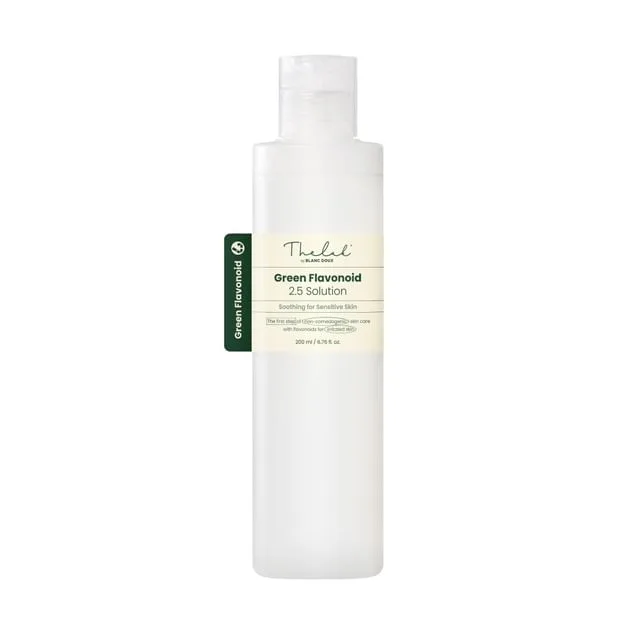 Anti-Redness Solution
 Green Flavonoid 2.5 Solution
A genuinely clean, fragrance-free anti-redness toner that targets reactivity specifically: a patented citrus 'Green Flavonoid' (glucosyl hesperidin) with purslane, centella and ceramide NP, in a short, fungal-acne-safe formula. It calms redness-prone, sensitive skin and lightly hydrates, in a generous 200ml bottle at a friendly price. A focused soothing step, not a multitasker.
 Gentle Pore Serum
 Green Flavonoid 5.0 Serum
A pore-clearing serum built on a gentle, slow-release form of salicylic acid and padded with soothing citrus flavonoids, so it exfoliates congested skin without the usual sting and flaking. For oily and combination skin that wants cleaner pores but reacts badly to harsh BHA, it is a smart, low-drama choice. Results are gradual rather than dramatic, and the small 30ml bottle is the main value catch.
 Peptide-Loaded Hydrating Serum
 Liposomal Hyaluronic Peptide Serum
A genuinely useful, fragrance-free hydrating serum whose real value sits high on the ingredient list — niacinamide, true hyaluronic acid, arbutin, and genuine Matrixyl peptides — for hydration, tone, and a firming boost. The headline is a dozen-plus 'peptides,' but most of that alphabet soup is pixie-dusted, present for an impressive label rather than your skin. It's affordable and well-tolerated, with two catches: it quietly contains retinyl palmitate, so it isn't pregnancy-safe, and the oils make it not fungal-acne safe. Judged by its well-placed core actives, it's a smart, budget-friendly daily serum.
 Real Brightening Eye Cream
 Morning Rays Brightening Eye Cream
Morning Rays is a genuinely well-formulated brightening eye cream, not just moisturizer in a small jar. It brightens with tetrahexyldecyl ascorbate — a stable, gentle, oil-soluble vitamin C well-suited to delicate eye skin — backed by niacinamide, the puffiness-and-circles peptide acetyl tetrapeptide-5, and antioxidants like resveratrol and green tea, all fragrance-free. So it gradually improves pigmentation-related dark circles, tone, and dullness while hydrating the area. The honest caveat is that no eye cream erases structural or genetic dark circles, and there's no caffeine for fast depuffing. But for gently brightening and conditioning the under-eye with real actives at around $14, it's a thoughtful, affordable pick that outperforms many pricier eye creams.
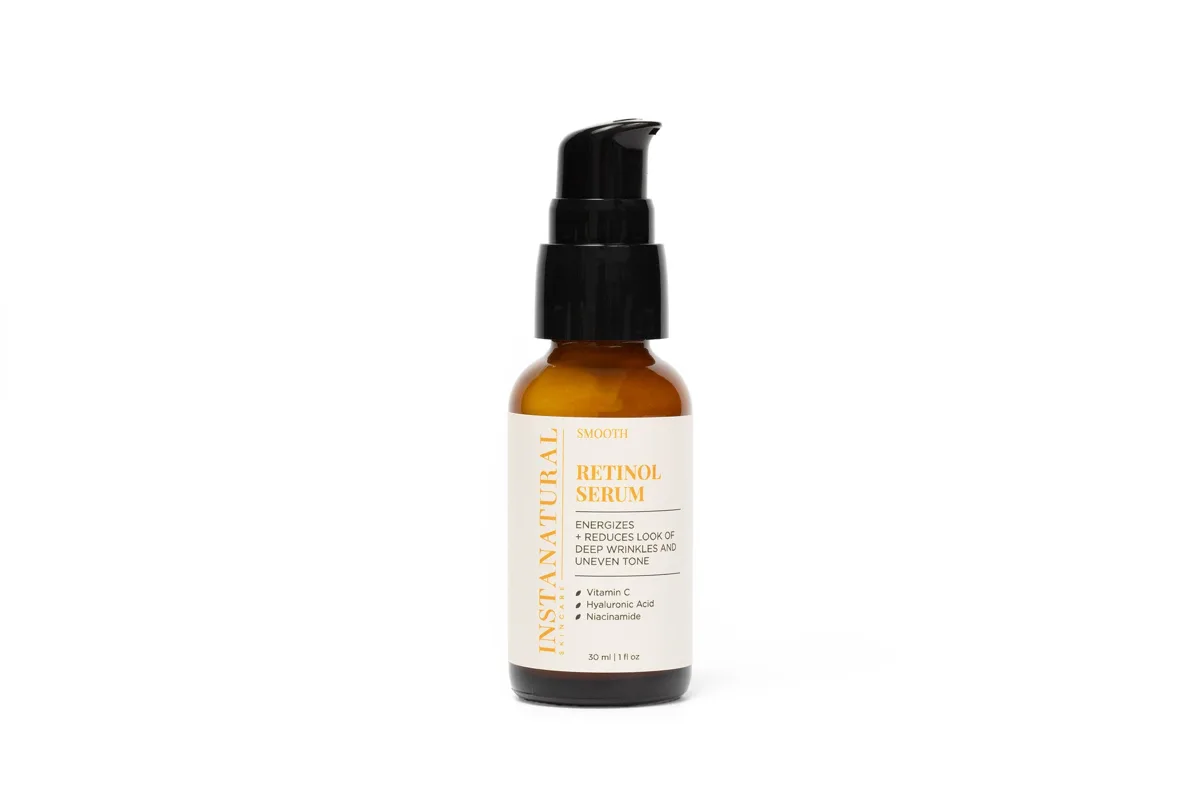 Starter Retinol, Vitamin C Bonus
 Retinol Serum
A gentle, emollient starter retinol with a real vitamin C derivative doing quiet work beside it, priced under most single-active retinols. The retinol itself is low on the list and undisclosed, the fragrance is unnecessary, and the description still names ingredients that left the formula in a reformulation. Good for a first retinol; not the deep-wrinkle serum the box promises.
 Pore-Minimizing Precision Tool
 No. 3 Pore Reset Ampoule Shot
A precision-targeted retinol ampoule that pairs the gold-standard pore-minimizing active with silybin (milk thistle extract) to reduce irritation without sacrificing efficacy. The supporting cast of niacinamide, ceramide NP, zinc PCA, and CoQ10 creates one of the more thoughtful pore treatments in K-beauty — though the 25ml bottle disappears fast and the price-per-ml is on the higher end.
 FDA-Active Calming Prestige
 The Indigo Calming Cream
Tatcha's 2025 reformulation of the Indigo line introduces 2% colloidal oatmeal at the FDA-active threshold — making this one of the rare prestige moisturizers with OTC skin protectant standing rather than just calming-themed marketing. The fragrance-free formulation, Japanese indigo extract chemistry, and rich emollient base make it genuinely well-suited to sensitive, eczema-prone, or rosacea-flared skin, though the $92 price for 50ml is the highest in Tatcha's moisturizer lineup.
The full antioxidants guide
Every time your skin absorbs UV light, encounters pollution, or simply metabolizes oxygen, it generates unstable molecules — free radicals — that attack collagen, damage DNA, and accelerate visible aging.
Antioxidants are the class of compounds that intercept those reactions before they compound into something a serum can't undo. The evidence behind them, from vitamin C to ferulic acid to resveratrol, spans decades of human-skin trials — not just cell cultures.
How it's regulated in the US
FDA does not classify ingredients — it classifies products, by what they are sold to do. The same molecule can be a drug active in one product and a cosmetic ingredient in the next, and only the claim on the label decides which. What follows is a statement about that legal standing, not about whether it works — the evidence question is answered separately above.
Cosmetic Antioxidants is a cosmetic ingredient in the US: no OTC monograph covers it and it is not an active in any FDA-approved drug, so a product built around it is a cosmetic rather than a drug.
The photoprotective and anti-aging evidence for antioxidants is among the strongest of any topical ingredient class. Vitamin C (L-ascorbic acid at 10–20%) has been shown in human studies to support collagen synthesis, reduce UV-induced oxidative damage, and suppress melanin overproduction. The well-known combination of 15% L-ascorbic acid, 1% vitamin E, and 0.5% ferulic acid was studied by Lin and colleagues (Journal of Investigative Dermatology, 2005), who found that adding ferulic acid doubled the formula's photoprotection — taking it from roughly 4-fold to 8-fold versus untreated skin in controlled human-skin irradiation. A follow-up in the Journal of the American Academy of Dermatology (2008) reported that the same solution reduced UV-induced thymine dimers and worked through a mechanism distinct from sunscreen. Resveratrol, green tea polyphenols (EGCG), and coenzyme Q10 carry supporting evidence from human and in vitro work, though it is less extensive than the vitamin C/E data. The general mechanism — neutralizing reactive oxygen species before they activate MMP enzymes and degrade collagen — is well-characterized. Weaker: some botanical antioxidant blends (plant stem cells, exotic fruit extracts) have limited independent validation despite appearing in premium products.
How it works
Reactive oxygen species (ROS) — superoxide, hydrogen peroxide, hydroxyl radicals, singlet oxygen — form constantly in skin exposed to UV, ozone, cigarette smoke, and ordinary metabolic activity. Left unchecked, these unstable molecules trigger a cascade: they switch on signaling pathways (MAPK and NF-κB) that upregulate matrix metalloproteinase enzymes, particularly MMP-1, which cleaves collagen fibers. The resulting fragmented collagen feeds a self-perpetuating loop — the fragments themselves generate more oxidative stress, which produces more MMPs, which destroy more collagen. Topical antioxidants interrupt this cycle at the source. Different antioxidants work by different mechanisms, and that variety is the point. Vitamin C donates electrons to quench free radicals directly and then regenerates vitamin E from its oxidized form — acting as both scavenger and recycler. Ferulic acid absorbs UV photons itself and stabilizes the vitamin C molecule, extending its active window on skin. Vitamin E is lipid-soluble and folds into cell membranes, intercepting radicals before they reach the phospholipids. Green tea catechins (EGCG) work largely through iron chelation and enzyme modulation. Because each molecule guards a different compartment of the skin cell and can replenish another when one is spent, well-built combination antioxidant products tend to outperform single-antioxidant formulas — a layered defense rather than a single line of it.
Key benefits
- Neutralize UV-generated free radicals that degrade collagen and elastin
- Help reduce visible photoaging — fine lines, uneven tone, and loss of firmness
- Complement sunscreen by handling UV-induced ROS that filters cannot block
- Vitamin C formulations can suppress tyrosinase activity and fade hyperpigmentation
- Ferulic acid stabilizes vitamin C, extending its efficacy and shelf life
- Broad applicability across skin types, including pregnancy-safe options like vitamin C and vitamin E
Concentration & usage
Effective concentrations vary significantly by antioxidant type. L-ascorbic acid (vitamin C) is best supported at 10–20%; below 8% the collagen-synthesis benefit drops off, while above 20% tolerance issues climb without proportional gain. The well-studied photoprotection formula used 15% L-ascorbic acid, 1% alpha-tocopherol (vitamin E), and 0.5% ferulic acid — useful benchmarks to compare against. Vitamin C formulas need a low pH (below 3.5) for good skin penetration, and the solution should be stabilized (by ferulic acid or vitamin E) to slow oxidation; a yellowed or orange vitamin C product has largely degraded. Resveratrol is typically used at 1–3% because of poor water solubility. Niacinamide, a B-vitamin with antioxidant-adjacent activity, performs well around 5%. On an INCI list, look for L-ascorbic acid, ascorbyl glucoside, or sodium ascorbyl phosphate (the latter two are more stable, less irritating derivatives) within the first third of the list to suggest a meaningful dose. Alpha-tocopherol or tocopheryl acetate are the common vitamin E forms. If an "antioxidant complex" product lists only exotic botanical extracts with no established actives near the top, it likely delivers cosmetic rather than functional oxidative protection.
Who it's for & who should be cautious
Who it's for
Anyone who spends time outdoors benefits from a morning antioxidant layer — which is to say, essentially all adults. The category is especially relevant for anyone targeting photoaging, uneven tone, or post-inflammatory hyperpigmentation, as well as people who want to get more out of their sunscreen rather than leaning on SPF alone. Vitamin C-based formulas are considered safe during pregnancy and nursing, making antioxidants one of the few evidence-backed anti-aging options available during those windows.
Who should be cautious
Vitamin C at higher concentrations (15–20% L-ascorbic acid at pH below 3.5) can cause noticeable stinging and transient redness on compromised or reactive skin — people with active rosacea flares, post-procedure skin, or eczema are better off starting with lower-concentration or more stable derivatives (sodium ascorbyl phosphate, ascorbyl glucoside) than skipping antioxidants altogether. Those with known sensitivity to phenolic compounds should note that ferulic acid is a phenolic acid and may, rarely, provoke a reaction. Beyond these caveats, antioxidants have one of the safest profiles in all of skincare — there are few meaningful contraindications for the category as a whole.
Pairs with & conflicts
Pairs well with: Vitamin C (L-Ascorbic Acid), Vitamin E (Tocopherol), Ferulic Acid, Niacinamide (Vitamin B3), Resveratrol, Green Tea Extract, Coenzyme Q10 (Ubiquinone), UV Filters (Sunscreen Actives), Peptides, Retinol, Sunflower Oil (Helianthus Annuus Seed Oil), Astaxanthin, Ergothioneine (EGT)
Use with care alongside: Benzoyl Peroxide
Myths & facts
Myth: Antioxidants replace the need for sunscreen
Reality: Antioxidants handle the ROS that UV generates once it penetrates the skin — they work downstream of what SPF filters block. The research is explicit on this: antioxidants amplify photoprotection but cannot substitute for a broad-spectrum SPF. The studies showing 4-to-8-fold protection compare antioxidant-treated skin against untreated skin in lab irradiation, not antioxidants as a stand-in for daily sun protection.
Myth: The more antioxidant ingredients in a formula, the better it works
Reality: Formulation chemistry matters more than ingredient count. A product loaded with a dozen botanical antioxidants at trace levels may deliver less oxidative protection than a three-ingredient formula at verified active concentrations. What decides efficacy is whether each antioxidant is present at a functional dose and whether the formula stays stable enough to deliver it intact to skin.
Myth: Vitamin C products that turn yellow or orange are still effective
Reality: L-ascorbic acid oxidizes readily — the shift to yellow, then orange, then brown signals that the molecule has already reacted with oxygen in the bottle and lost much of the electron-donating capacity that makes it useful. A degraded vitamin C serum is largely wasted product. Storage away from air and light, plus a stabilizer like ferulic acid, is what extends a formula's active life.
Frequently asked questions
When in my routine should I apply an antioxidant serum?
Morning is when antioxidants earn their keep. The aim is to prime skin before UV and pollution exposure, not patch it up afterward. Apply an antioxidant serum after cleansing and any water-based toner, then follow with moisturizer and sunscreen as your final daytime step.
Do antioxidants actually make sunscreen work better, or is that marketing?
There's real data behind it. In human-skin studies, the 15% vitamin C, 1% vitamin E, and 0.5% ferulic acid combination doubled photoprotection over the vitamins alone — roughly 4-fold up to 8-fold versus untreated skin. The mechanism is that antioxidants mop up the ROS that UV generates after it slips past sunscreen filters, so the two act as separate lines of defense rather than one replacing the other.
Are antioxidants safe to keep using while pregnant?
Vitamin C and vitamin E are both widely regarded as pregnancy-safe and are often suggested as a brightening and anti-aging approach during pregnancy, when retinoids and hydroquinone are off the table. If your formula pairs antioxidants with other actives, those additional ingredients deserve their own check.
Why does my vitamin C serum sting?
L-ascorbic acid works at a pH below 3.5 — that acidity is what makes it effective but also what makes it sting sensitive or compromised skin. If the irritation is persistent rather than a brief tingle, switch to a derivative like sodium ascorbyl phosphate or ascorbyl glucoside, which sit at a gentler pH, or scale back frequency and build up gradually.
How long before a daily antioxidant serum shows results?
Antioxidants are mostly preventive — they stop oxidative damage from piling up rather than dramatically reversing what's already there. That said, vitamin C's effect on tyrosinase and melanin can bring visible brightening and more even tone over about 6–12 weeks of consistent use. Collagen-support benefits and a slower rate of photoaging accrue across months to years, so steadiness beats any single application.
Is 'natural' vitamin C from rosehip oil as good as the lab-made kind?
The molecule that matters is L-ascorbic acid regardless of where it comes from, but the concentration and stability in the finished product are what decide efficacy — not the origin story. Rosehip oil is rich in provitamin A and linoleic acid, yet its L-ascorbic acid content is modest and unstable. A formulated vitamin C serum with a verified concentration and controlled pH delivers far more consistent results than any plant oil, however photogenic the source.
- Anti-AgingCoQ10's Problem Isn't the Evidence. It's Getting Through the Skin.A large, orange, fat-soluble molecule with genuine antioxidant credentials and a delivery problem nobody solved by putting more of it in the jar.
- Vitamin C & AntioxidantsDoes Vitamin C Really Need Vitamin E and Ferulic Acid?The famous 15/1/0.5 trio isn't marketing folklore — it traces to a specific Duke experiment. But 'the studied combination' and 'any serum with all three names on the label' are not the same thing.
- Vitamin C & AntioxidantsResveratrol and the Overnight Antioxidant Repair CrewVitamin C owns the morning. A different set of antioxidants gets pitched for the night shift. The 'PM antioxidant' idea is tidier than the biology, but there's a real thread worth pulling.
- Natural & BotanicalPropolis, Honey, and the Hive: What Bee Ingredients Actually Do for Your SkinThe glass-skin glow on the label is marketing. The antimicrobial resin and the water-pulling sugars underneath are real — and so is an allergy risk nobody prints on the box.