Best Sunscreens for Sensitivity
Updated September 2026 · independently researched, no sponsored placements
Our top 37 picks, ranked from 250 reviewed products — ordered by each product's sensitivity verdict, then evidence strength.












How to Choose
The best sunscreen for sensitive, reactive skin is the one that doesn't sting, flush, or break you out — and the irony is that sunscreen is the product reactive skin most often blames, even though skipping it makes sensitivity worse. Easily-triggered skin tends to react to three things in SPF: chemical filters that can sting around the eyes, fragrance, and the sheer number of ingredients in a busy formula.
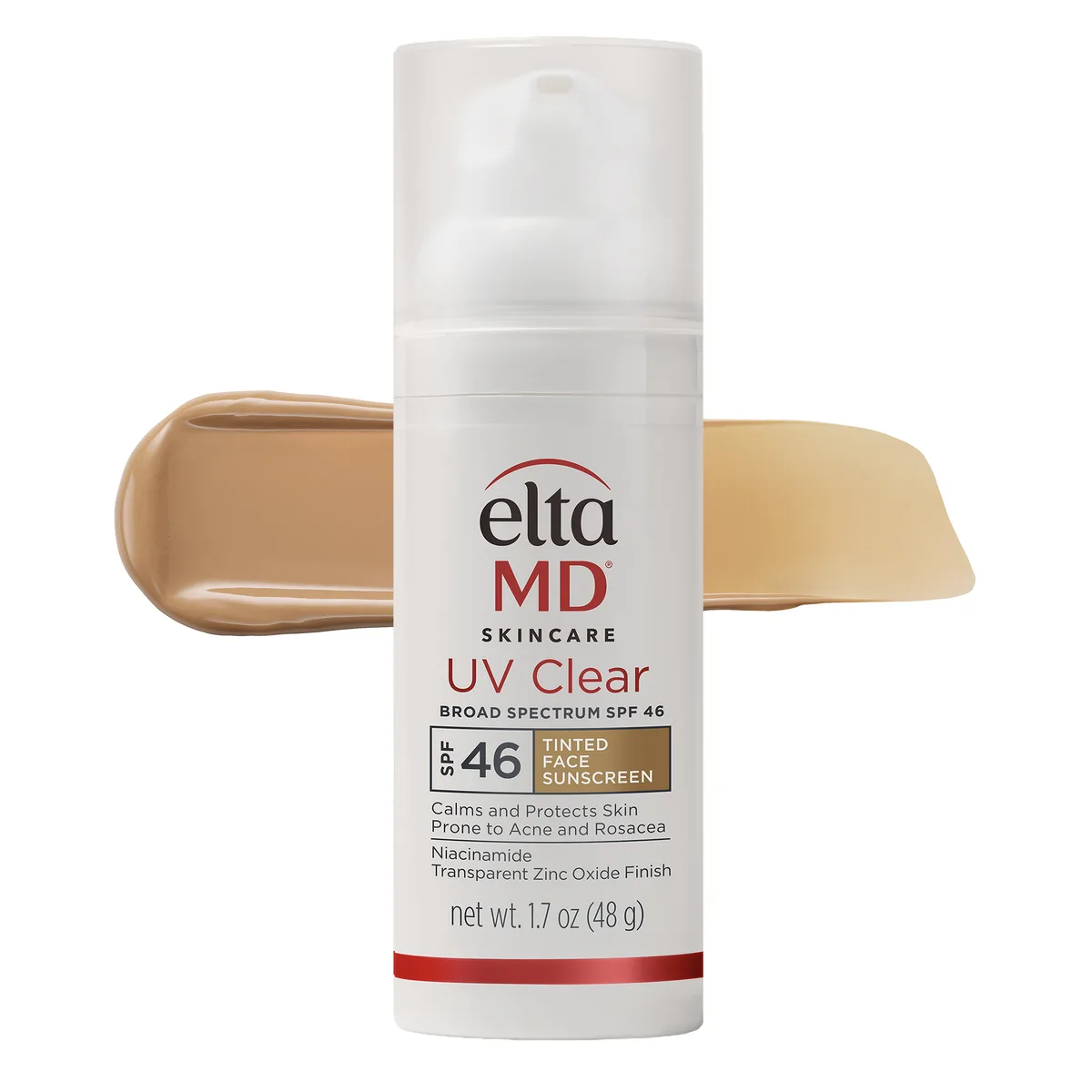
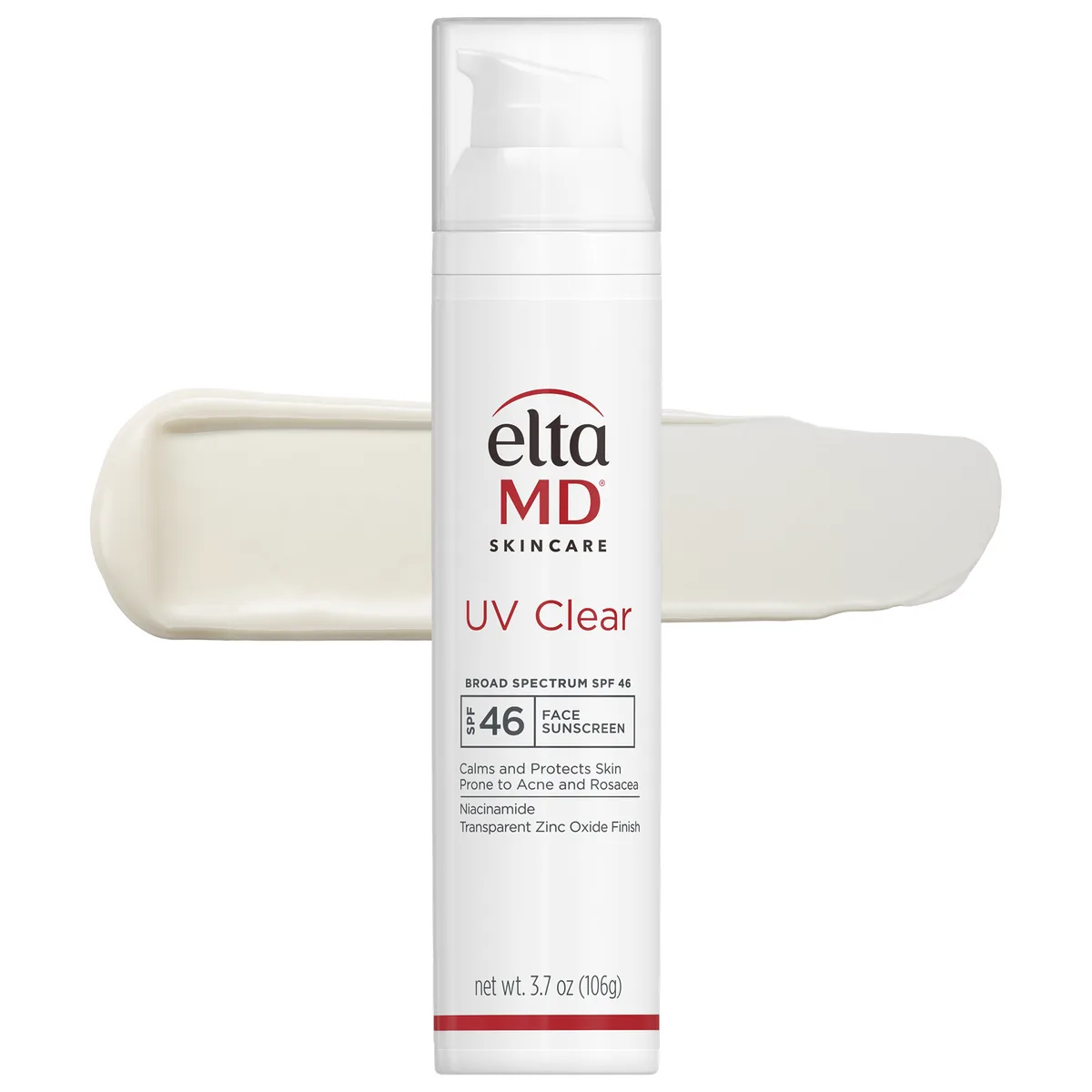
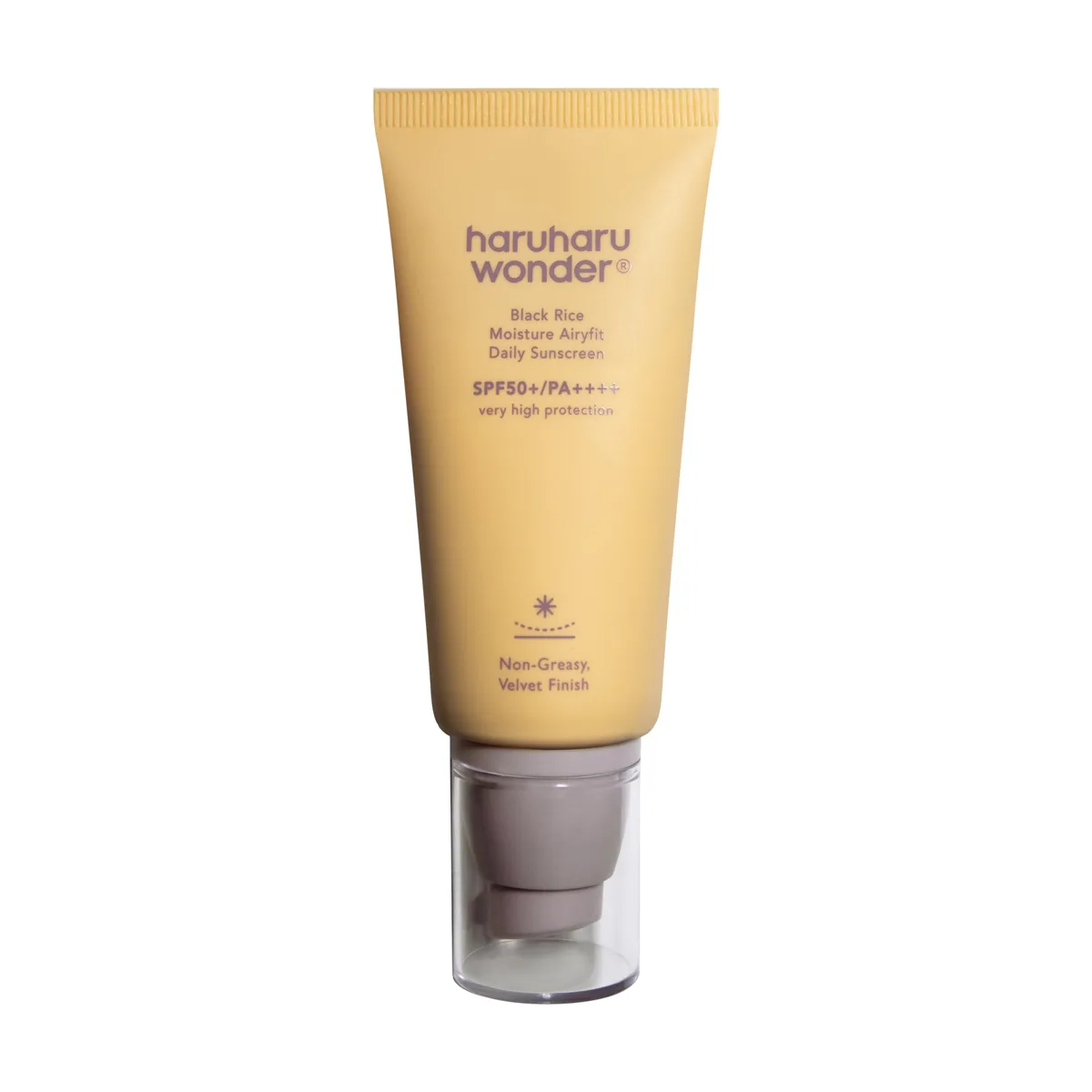
The fix is to strip the formula back. Mineral filters — zinc oxide, titanium dioxide — sit on top of the skin and rarely sting, which is why they anchor so many sensitive-skin picks like Cetaphil Sheer Mineral ($13) and EltaMD UV AOX Elements ($46). Soothing actives earn their place too: look for niacinamide, panthenol, centella, bisabolol, and allantoin, all of which calm rather than provoke. If your skin tolerates chemical filters, the gentler modern ones (Tinosorb, as in Benton Air Fit, $21) are often fine and more elegant than old-school zinc. Hybrids built for healing skin, like La Roche-Posay Cicaplast Baume B5+ SPF 50 ($29), pull double duty as a barrier balm. The trap is alcohol-heavy "dry-touch" formulas and heavily fragranced sunscreens that read as luxurious and feel like fire. The honest caveat: "sensitive" is individual, so patch-test a new sunscreen on your inner arm or jaw for a few days before committing your whole face. And remember that the gentlest sunscreen is the one you'll actually wear daily — protection you tolerate beats a 'perfect' formula you abandon.
Buying Guide
Prioritize a short, fragrance-free ingredient list — the fewer potential triggers, the better for reactive skin. Mineral filters (zinc oxide, titanium dioxide) are the safest default because they're far less likely to sting than chemical ones, though modern chemical filters like Tinosorb and the Mexoryl family are gentle enough for many sensitive users and feel lighter; the deciding factor is your own tolerance, so patch-test. Scan for soothing companions — niacinamide, panthenol, centella, bisabolol, allantoin — which actively calm skin, and treat their presence as a plus. Avoid the usual irritant flags: added fragrance, drying alcohol, essential oils, and "dry-touch" mattifying systems that can leave reactive skin tight. Texture should be comfortable and non-tacky, since reactive skin dislikes anything heavy or occlusive that traps heat. A tinted mineral option with iron oxides is worth considering if redness is part of your sensitivity, as it neutralizes flushing while protecting. Price runs $13–$75, and value is strong at the low end — the gentlest pharmacy mineral sunscreens cost the least, so spend more only for a specific finish, tint, or post-procedure formula, not for the assumption that pricier means kinder.
Frequently Asked Questions
Is mineral or chemical sunscreen better for easily irritated skin?
Mineral filters (zinc oxide, titanium dioxide) are usually the safer starting point, because they sit on the skin's surface and rarely sting, whereas some chemical filters can irritate, especially near the eyes. That said, modern chemical filters like Tinosorb are gentle enough for many sensitive users and feel lighter on the skin. Since reactivity is individual, patch-test either type before applying it to your whole face.
Why does sunscreen sting or burn my sensitive skin?
Stinging usually comes from chemical filters migrating near the eyes, added fragrance, drying alcohol, or applying SPF over an already-compromised barrier. Switching to a fragrance-free mineral sunscreen with soothing ingredients like panthenol or centella often solves it. If your barrier is damaged, repairing it first with a gentle moisturizer can also stop the sting.
What ingredients should I avoid in a sunscreen if my skin is reactive?
Steer clear of added fragrance, essential oils, and high amounts of drying alcohol, which are common triggers for reactive skin, plus heavily layered "mattifying" systems that can leave skin tight. Look instead for short formulas built around mineral filters and calming actives such as niacinamide, bisabolol, and allantoin. A fragrance-free label is one of the most reliable signals for sensitive skin.
Can I use sunscreen if my skin is currently irritated or healing?
Yes, and you should protect healing skin from UV, but choose a gentle, fragrance-free mineral formula or a healing hybrid like La Roche-Posay Cicaplast Baume B5+ SPF 50 that doubles as a barrier balm. Avoid chemical filters and active-heavy sunscreens until the irritation settles. If skin is broken or post-procedure, follow your dermatologist's specific guidance on when and what to apply.