Best Korean Sunscreens
Updated September 2026 · independently researched, no sponsored placements
Our top 40 picks, ranked from 170 reviewed products — ordered by how well each product does its category’s job.
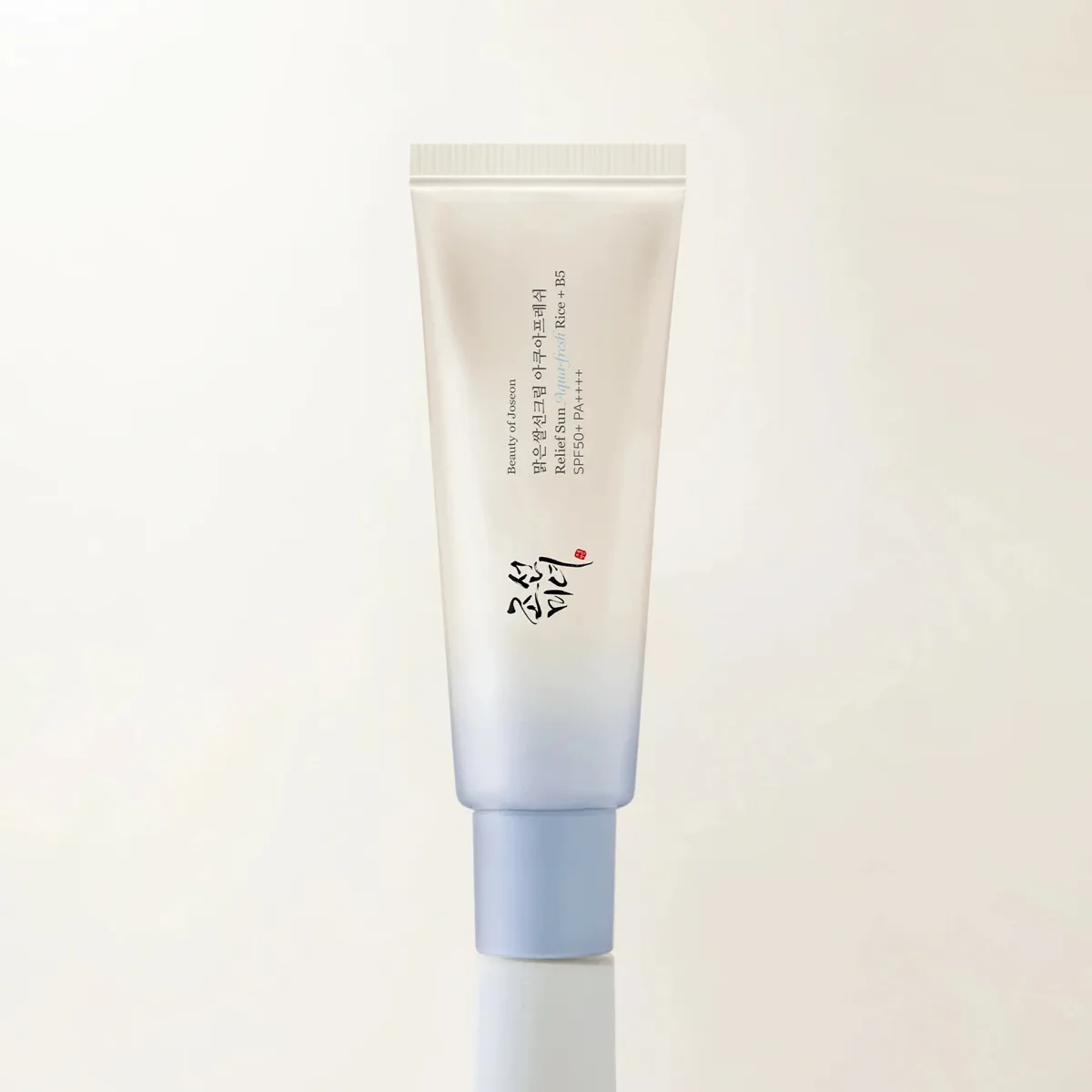

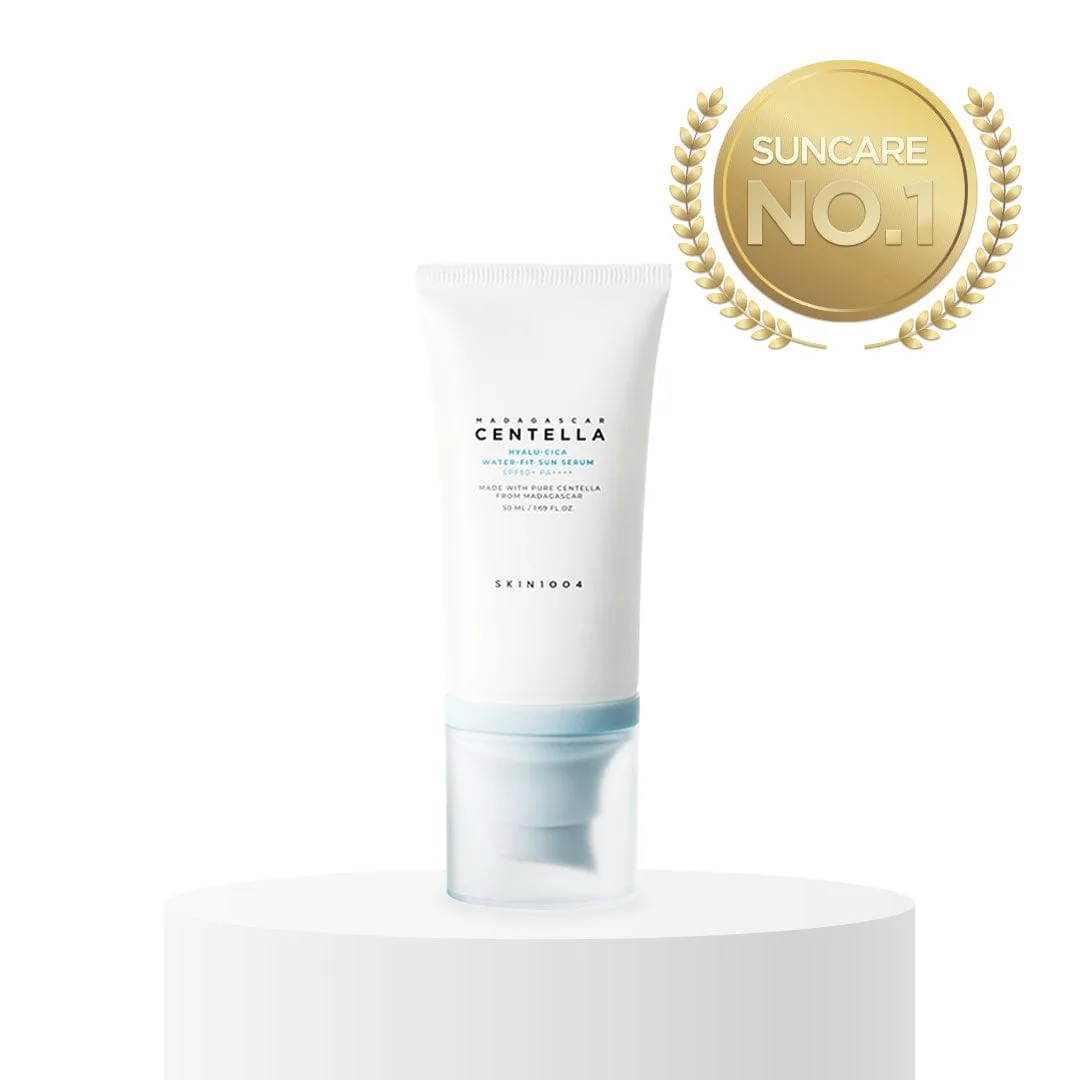
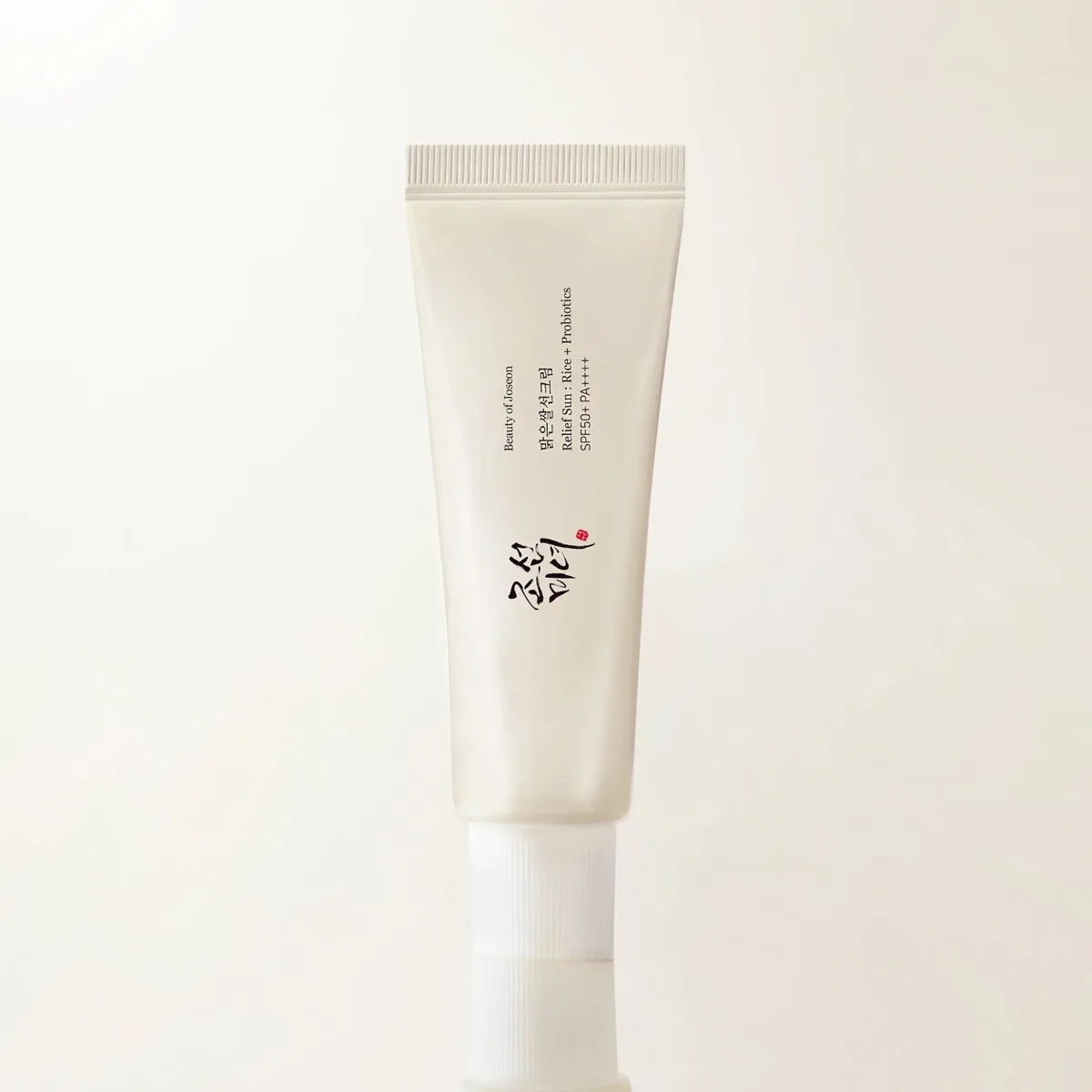


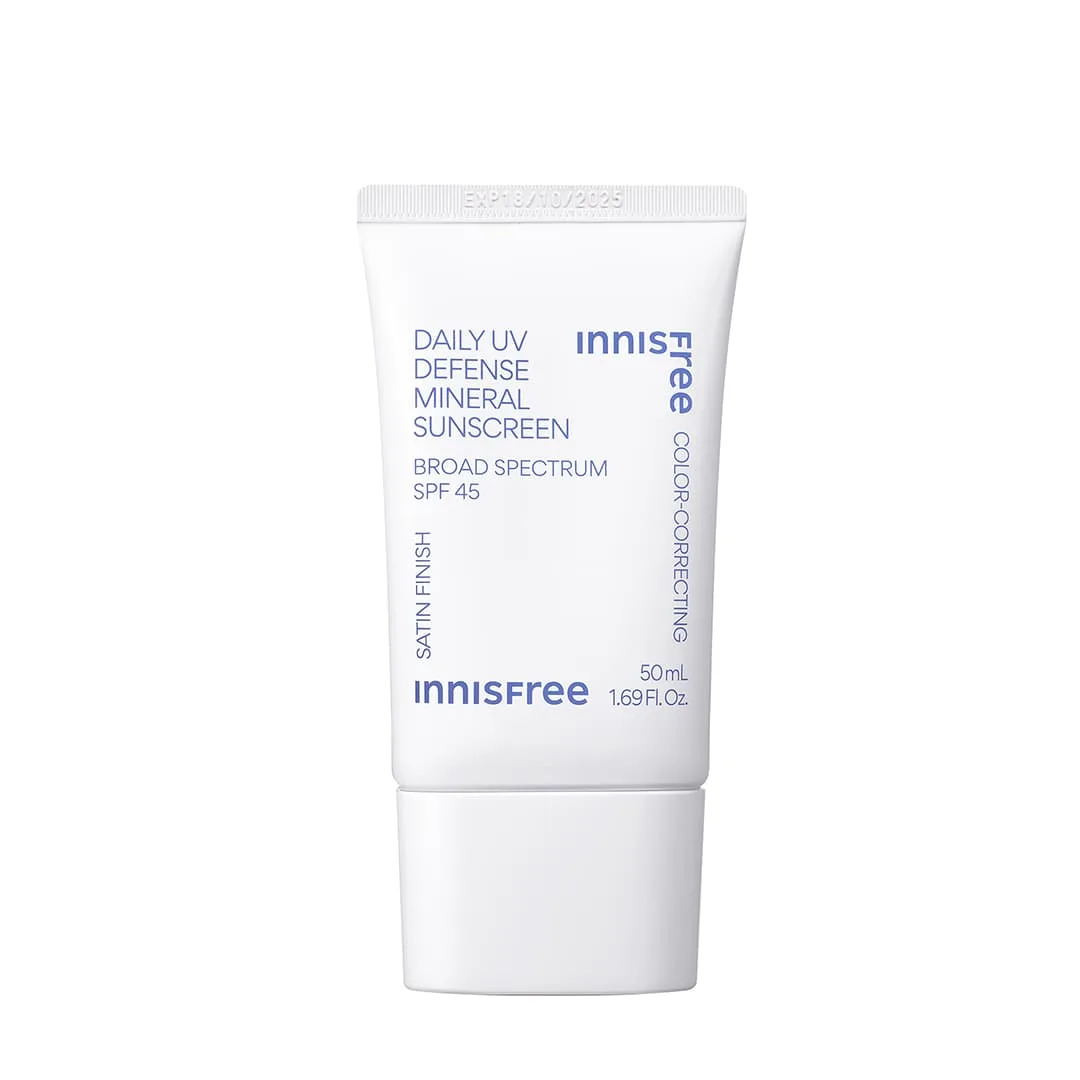






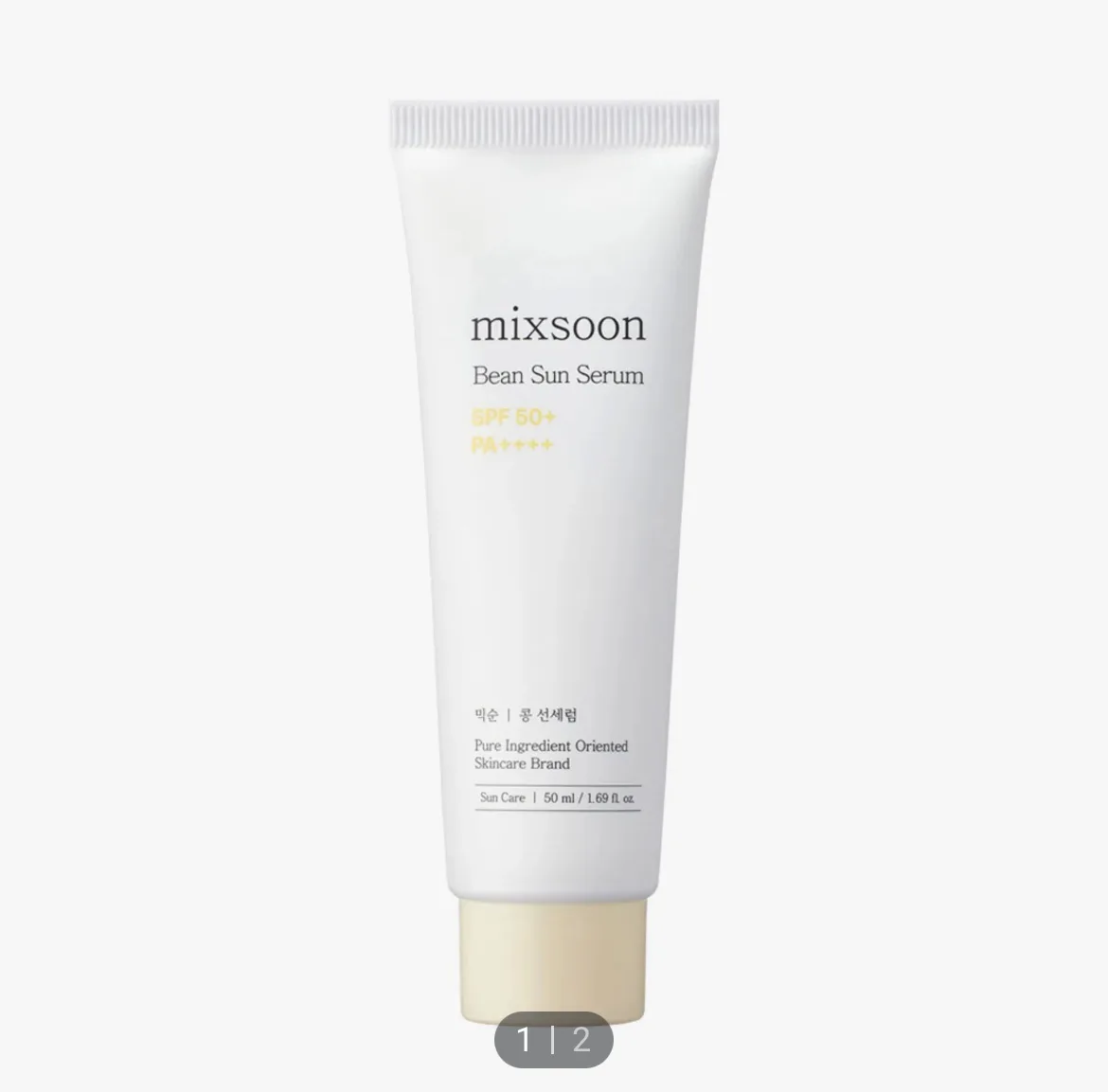


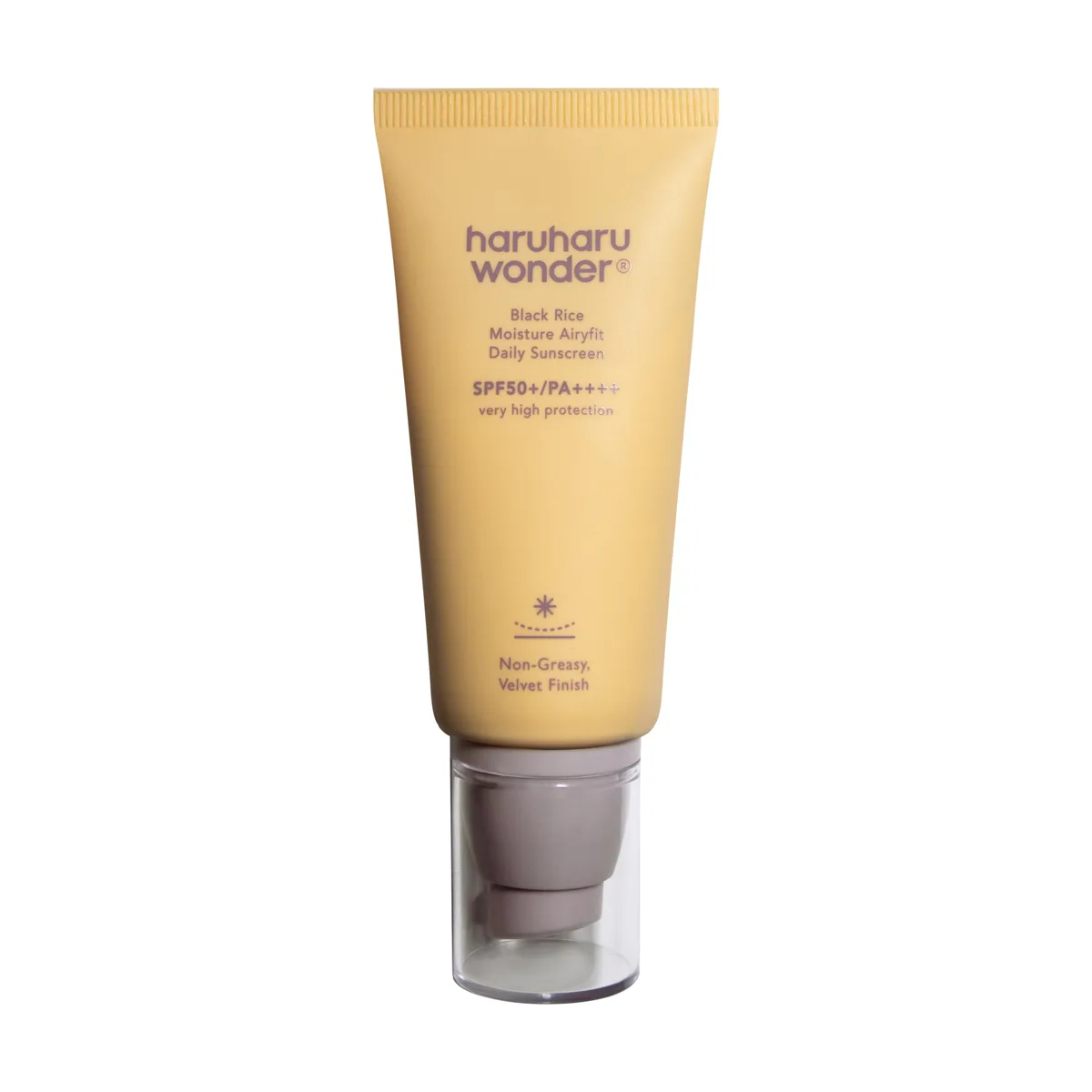


How to Choose
The best Korean sunscreens win on a single technical advantage Western brands are only now catching up to: access to modern UV filters that make SPF 50+ feel like a lightweight serum instead of a greasy paste. The reason is regulatory — the FDA classifies sunscreen as an OTC drug and hasn't approved a new chemical filter in decades, while Korea (and the EU) treats it as cosmetics and ships next-generation filters like Tinosorb, Uvinul A Plus, and Mexoryl.
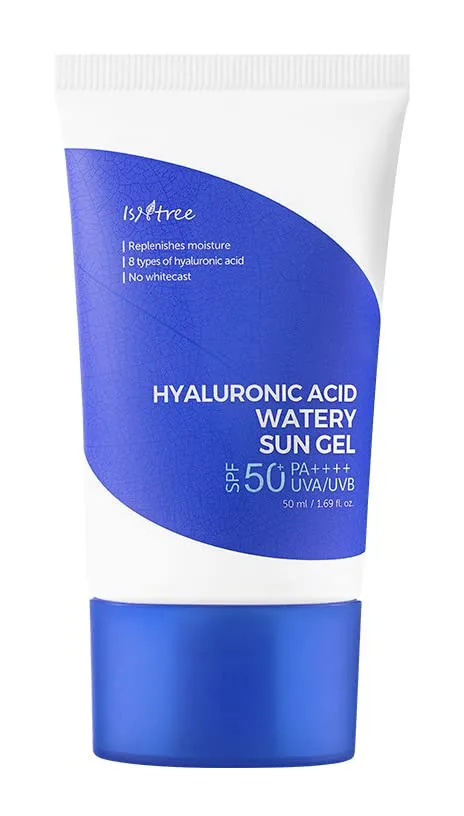
These filters give broader, more stable UVA protection at lower concentrations, which is why a bottle like Beauty of Joseon's Relief Sun ($14) or Isntree's Hyaluronic Acid Watery Sun Gel ($22) can deliver serious protection with a weightless, no-white-cast finish that you'll actually reapply. That last word is the whole point: the most protective sunscreen is the one you enjoy wearing enough to put on every day and top up. Look for those modern filters on the INCI list, paired with skin-loving extras — niacinamide, panthenol, centella, hyaluronic acid — that double the product as light skincare. Two honest caveats: most Korean SPF is tested to the Korean/ISO standard rather than the FDA's, and the viral 'SPF failure' tests of recent years are a real reminder to buy from established brands with consistent results. And no sunscreen, however elegant, lasts all day — reapply every two hours of real sun exposure. At $14–$26, this is the rare category where the best-feeling option is also the affordable one.
Buying Guide
Start with the filter list, because that's where Korean sunscreens earn their reputation. Modern UVA filters — Tinosorb S/M, Uvinul A Plus, Mexoryl, and ethylhexyl triazone — give broad, photostable protection in a featherlight base, so scan for those rather than relying on the SPF number alone. Choose your finish by skin type: watery gels and serums (Isntree, KAINE) suit oily and combination skin and layer invisibly under makeup, while moisturizing sun creams (Round Lab's Birch Juice) cushion dry skin. Mind the texture-vs-cast tradeoff — mineral-leaning formulas with zinc or titanium dioxide are gentlest for sensitive or reactive skin but can leave a faint white cast, whereas chemical/hybrid formulas go on clear. Treat hydrating add-ins like niacinamide and centella as a genuine bonus that improves daily wearability, not as a reason to skip your moisturizer. Above all, buy the one you'll happily reapply: a $14 sunscreen used generously twice a day outprotects a $40 one you ration. Stick to reputable, widely tested brands given recent SPF-accuracy controversies.
Frequently Asked Questions
Why are Korean sunscreens considered better than American ones?
Korea regulates sunscreen as a cosmetic, so brands can use modern UV filters like Tinosorb and Uvinul A Plus that the FDA hasn't yet approved for US products. These filters offer broader, more stable UVA protection while feeling dramatically lighter on skin. The result is high SPF that's pleasant enough to wear and reapply daily, which matters more than the number on the bottle.
Do Korean sunscreens leave a white cast?
Most chemical and hybrid Korean sunscreens, like Beauty of Joseon Relief Sun and Isntree's watery gels, go on essentially clear thanks to modern filters. Mineral-based formulas using zinc oxide or titanium dioxide can leave a faint cast, especially on deeper skin tones, but many Korean mineral options are micronized to minimize it. If a no-cast finish is your priority, choose a chemical or hybrid filter formula.
Are Korean sunscreens FDA approved and safe to rely on?
Most are tested to Korean or international (ISO) SPF standards rather than the FDA's, so they're sold as cosmetics in the US rather than approved OTC drugs. The filters themselves are widely used and well studied in Korea and Europe. Because a few products have failed independent SPF retests, stick to established brands with a consistent track record and apply generously.
How often should I reapply Korean sunscreen?
Like any sunscreen, reapply roughly every two hours during continuous sun exposure, and after sweating or swimming. The lightweight texture of Korean formulas actually helps here, since topping up over makeup feels far less heavy. For an ordinary indoor day with limited sun, a generous morning application is usually sufficient.
- K-BeautyYou Can Read Why Korean Sunscreen Is Better. You Still Can't Buy It at Target.The blocker isn't chemistry — it's a classification. In the US a sunscreen is a drug, and that single word explains the empty shelf, the relabelled bottles, and what finally changed in June 2026.
- K-BeautyThe Cushion Compact Is a Delivery System, and English Still Has No Word for ItIt is the only mainstream format that makes reapplying sun protection over makeup genuinely easy. It is also the format most likely to be under-dosed into near-uselessness, and the physics of that are worse than they look.
- J-BeautyJ-Beauty vs K-Beauty: Two Regulators, Two Philosophies, One Very Different ShelfThe sense that Japanese products feel restrained and Korean ones feel inventive is not a stereotype. It is traceable to two approval systems that disagree about what a cosmetic is allowed to promise.
- C-BeautyChina Approves UV Filters America Won't. That Cuts Both Ways.The gap finally narrowed in June 2026 — and the first filter through the door had been legal in China for about two decades, at a higher concentration than the US just permitted.