J-Beauty vs K-Beauty: Two Regulators, Two Philosophies, One Very Different Shelf
The sense that Japanese products feel restrained and Korean ones feel inventive is not a stereotype. It is traceable to two approval systems that disagree about what a cosmetic is allowed to promise.
Read the preview
From the DermApproved blog, in J-Beauty: the sense that Japanese skincare feels restrained and Korean skincare feels inventive is not a stereotype. It comes from two different regulators. One demands placebo-controlled proof for a short approved list; the other opened a wider door and moves faster. That difference decided which market got the better sunscreen — For the full breakdown, visit dermapproved.com/blog.
The instinct is right, and it is not about taste
Buy from both markets for a year and a pattern forms. The Japanese products tend to be quiet: a small range, textures engineered to an obsessive degree, formulas that change little between generations, claims that sound almost apologetic. The Korean products arrive faster, in formats nobody had thought of, with actives that appeared in a trade journal eighteen months earlier and packaging that assumes you enjoy this.
That impression is usually explained as a cultural difference — restraint versus playfulness — which is both a bit lazy and slightly condescending. There is a more concrete explanation, and it sits in the statute books of two countries.
Japan and Korea both maintain a middle tier between ordinary cosmetics and drugs. They built those tiers differently, and almost everything that distinguishes the two shelves follows from that.
Japan's quasi-drug tier: a short list, arrived at slowly
Japan legally splits beauty products into cosmetics and quasi-drugs. A quasi-drug can only be marketed as such if it contains an active ingredient approved by the Ministry of Health, Labour and Welfare, at a defined concentration, and it requires premarket approval rather than notification. Whitening, anti-acne, anti-dandruff, deodorants, hair dyes and hair-growth products all fall into that tier.
What that produces is a short, slow list. In the skin-lightening category, a review published in Molecules counted approximately twenty active ingredients approved as quasi-drugs across thirty-five years — magnesium ascorbyl phosphate first in 1983, kojic acid in 1988, arbutin in 1989, tranexamic acid in 2002, and dexpanthenol most recently in 2018. Approval requires demonstrating that the product prevents spots and freckles by suppressing melanin production, statistically demonstrated in controlled trials against placebo using established measurement protocols.
Twenty actives in thirty-five years is roughly one every twenty months, for the single most commercially important claim in the Japanese market. That constraint is the whole personality of the category. A brand cannot differentiate by adding a novel active, because there are hardly any; it differentiates on texture, delivery, tolerability and refinement of what already works.
And the system is not infallible, which is the part that deserves stating rather than skipping. Rhododendrol was approved as a whitening active in 2008 and subsequently withdrawn after it was found to induce leukoderma — depigmentation in people who used it. Magnolignan was similarly discontinued following safety concerns. Those episodes prompted the addition of a safety review period for new quasi-drug approvals. A rigorous premarket system still shipped an active that damaged the pigment cells of the people using it, and any account of Japanese regulation that leaves that out is selling a story rather than describing a system.
Korea's functional tier: a wider door
Korea's Cosmetics Act, administered by the Ministry of Food and Drug Safety, splits the market into general cosmetics — which are notified — and functional cosmetics, which require MFDS review. Structurally it is the analogue of Japan's quasi-drug tier. Practically it behaves differently.
The statutory headings are broader: skin whitening, wrinkle improvement, ultraviolet protection and gentle tanning, hair colour change and nourishment, and relief of dryness, cracking, peeling, hair loss and keratinisation. A 2017 amendment then moved several categories that had sat on the quasi-drug side — hair-loss relief, anti-acne, skin-barrier restoration and stretch-mark care — into functional cosmetics.
That is a market moving categories toward the faster lane rather than away from it, and it tells you what the system optimises for. Combine it with a product cycle measured in months rather than years and you get the Korean shelf: more launches, more formats, more actives arriving earlier, and a genuinely higher rate of ideas that turn out not to work.
Neither approach is the correct one. They are different risk settings on the same dial. Japan has fewer failures and fewer surprises; Korea has more of both.
What speed does to a formula
The consequences show up in ways you can feel before you can explain.
A Japanese product tends to be the tenth iteration of something. Ranges are narrow, individual products stay on shelf for many years, and the engineering effort goes into sensory qualities — how a lotion sinks, whether a sunscreen leaves a film, how a cleansing oil emulsifies under water. This is why Japanese texture work is genuinely world-leading and why the products often feel underwhelming on first use and better on the thirtieth.
A Korean product is more often the first iteration of something. The cushion compact, the sheet mask as a mass format, the essence-and-ampoule step architecture, the tone-up sunscreen — these are format inventions, and inventing formats is what a fast cycle is good at. The cost is variance. For every idea that becomes a global category there are several that were a marketing hypothesis with a formula attached.
For a buyer the practical translation is straightforward. If you want a low-variance product that will be the same in three years, the Japanese shelf is the safer default. If you want the newer active, the unusual format or the better price on something recently developed, Korea gets there first — and you accept a wider spread of outcomes.
The stereotype that fails is the sensory one. "Japanese is minimal, Korean is ten steps" describes marketing from a decade ago. Korean routines have been contracting for years, and plenty of Japanese ranges run long. Layering-heavy routines exist in both, and the hydrating-lotion step — a watery essence patted in before anything else — is Japanese in origin, not Korean.
Where each market genuinely leads
Two areas are not close, and it is worth being blunt about them.
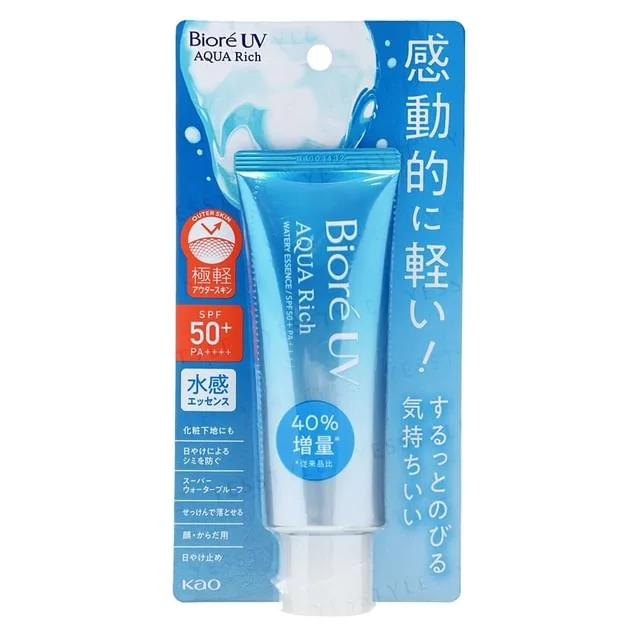
Japan leads decisively on sunscreen, and the reason is regulatory rather than cultural. Japanese sunscreens have had access to modern broad-spectrum filters for two decades that American consumers could not legally buy. Bemotrizinol — sold as Tinosorb S — was approved in Europe in 2000 and has been a standard component of Japanese and Korean sunscreens for years; it entered the US over-the-counter monograph only in June 2026, as the first new American sunscreen active since 1999. Japan also uses the PA grading system, which reports UVA protection on a measured basis rather than leaving it to a broad-spectrum pass or fail. The result is textures that Western formulators, working from a filter list frozen for a quarter-century, could not match. Anessa Perfect UV Sunscreen Skincare Milk and Bioré UV Aqua Rich Watery Essence are the reference points, and our Japanese sunscreen ranking covers the field.
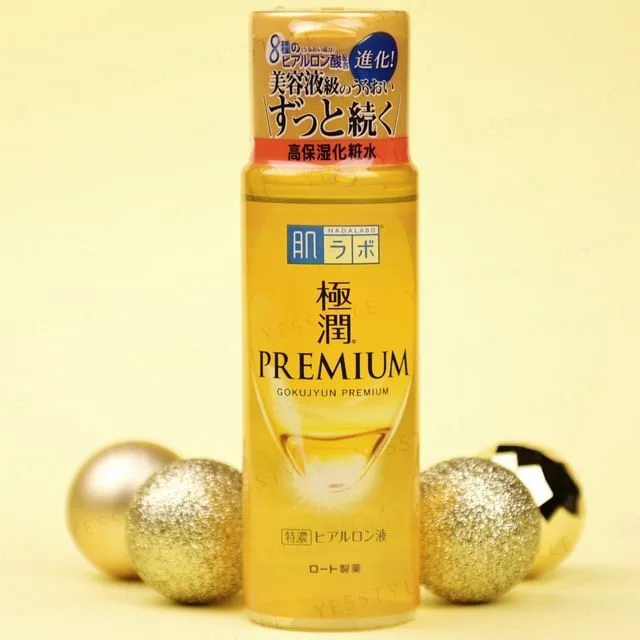
Japan also leads on cleansing. The oil-cleanse-then-foam sequence is a Japanese convention refined over decades, and its cleansing oils remain the benchmark for emulsification. Hada Labo Gokujyun Premium Hyaluronic Acid Lotion is the archetype of the other Japanese speciality — the hydrating lotion step — and HABA Squalane Beauty Oil and DHC Olive Virgin Oil Essential Cream represent the single-ingredient oil tradition that camellia oil also belongs to.
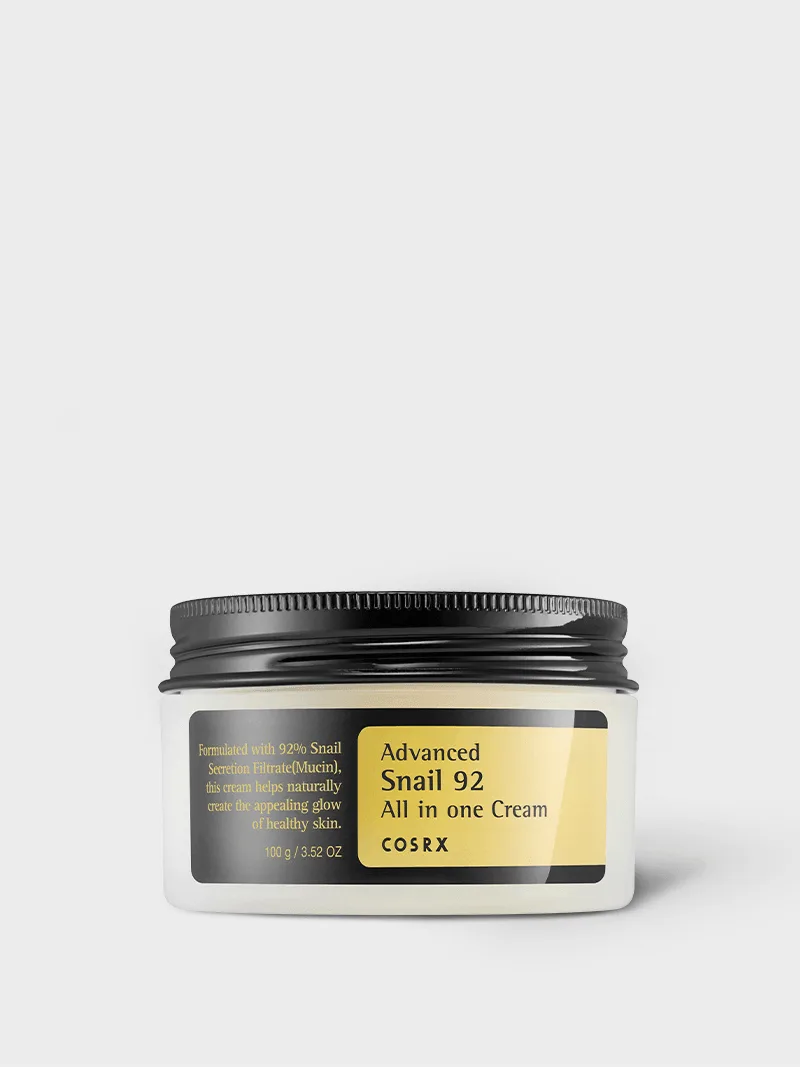
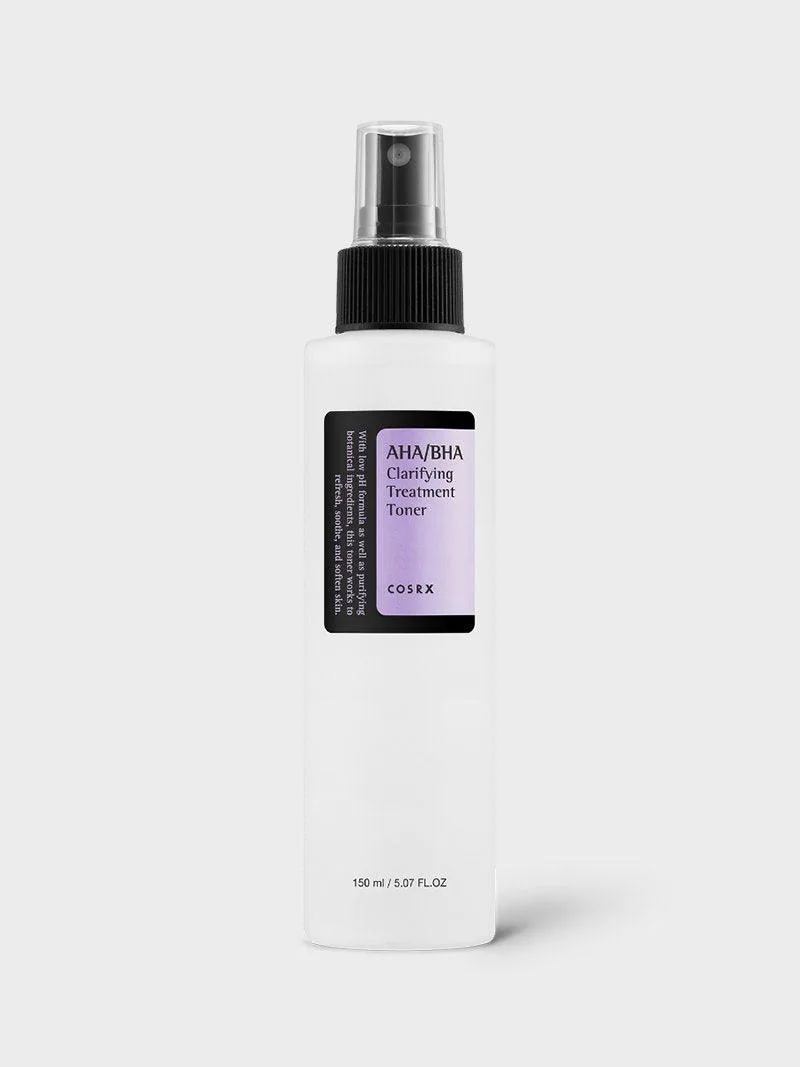
Korea leads on actives and on price-performance. Newer actives reach consumer products faster, the formats are more inventive, and the cost of trying something is lower. COSRX Snail Mucin 92% Moisturizer made snail mucin a global category from a standing start; COSRX AHA/BHA Clarifying Treatment Toner and Etude Soon Jung Centella Hydro Barrier Cream show the range from actives-forward to barrier-first. Korean sunscreen has closed much of the gap too — COSRX Aloe Aqua Tone-up Sunscreen is one of the formats Japan did not invent — and the Korean sunscreen list and the wider Korean ranking cover both.
Choose by skin state, not by allegiance
The framing that produces bad purchases is treating this as a preference to declare. Nobody's skin has a nationality.
A useful decision rule runs on what you are trying to fix. If the problem is a compromised barrier, reactivity, or a routine that keeps failing on tolerability, the Japanese shelf's bias toward refinement over novelty is working in your favour, and its hydrating-lotion and cleansing conventions are genuinely good at gentle. If the problem is congestion, texture or pigment and you want an active-led answer at a reasonable price, the Korean shelf will get you there faster with more options. If the problem is ultraviolet, buy Japanese and stop thinking about it.
The better move than picking a market is picking a routine and then filling the slots from wherever the best candidate sits. The Routine Finder builds that structure from your actual skin state rather than from a shelf you already like, and Compare Products settles the head-to-head when two candidates from different markets are competing for the same step.
The underlying point is that these two shelves are the visible output of two regulatory bets. Japan bet on a short list proven hard, and got reliability, superb sunscreen, and — in the rhododendrol case — a reminder that premarket rigour is not the same as safety. Korea bet on a wider door and a faster cycle, and got invention, variance, and most of the formats the rest of the world has since copied. Reading them as national temperaments misses that both were choices, and that either could have been made differently.
Products mentioned
Independently reviewed and scored — the real products behind this piece.





- Ranked list Best Japanese Sunscreens The category where the regulatory gap is widest.
- Ranked list Best Korean Sunscreens How far Korea has closed that gap.
- Ranked list Best Korean Skincare The actives-and-formats end of the comparison.
- Ingredient Camellia Oil (Tsubaki Oil) The single-ingredient Japanese oil tradition.
- Ingredient Snail Mucin (Snail Secretion Filtrate) The Korean export that became a global category.
References
- Timeline of the Development of Skin-Lightening Active Ingredients in Japan — Molecules, 2022
- Japan Quasi-drug Regulation — ChemLinked Cosmepedia (regulatory reference), 2023
- Quasi-Drugs — Approval Process — Ministry of Food and Drug Safety, Republic of Korea, 2023
- FDA finalizes action on bemotrizinol, first new active sunscreen ingredient in 20 years — Healio Dermatology, 2026
Every cited link is verified to resolve to the paper named. Where a source could not be independently confirmed, it is listed without a link rather than pointing you somewhere wrong.
Frequently asked
What is a quasi-drug, and does it mean the product is stronger?
It means the product contains a government-approved active at a defined concentration and cleared premarket approval, with efficacy statistically demonstrated against placebo. It is a statement about evidence and regulatory status rather than about potency. A quasi-drug whitening product has had to prove it suppresses melanin production; a cosmetic making a vaguer glow claim has not had to prove anything comparable.
Is Japanese sunscreen actually better, or is that just enthusiast folklore?
It is real and the cause is regulatory. Japanese formulators have had access to modern broad-spectrum filters for over two decades that were not legal in US products — bemotrizinol was approved in Europe in 2000 and only entered the US monograph in June 2026, as the first new American filter since 1999. Japan also grades UVA protection on a measured scale rather than a pass-or-fail broad-spectrum label.
Is K-beauty still ten steps?
It has not been for years, and the stereotype was always partly a Western retail invention. Korean routines have been contracting toward fewer, more concentrated steps, and layering-heavy routines exist in Japan too. The hydrating-lotion step people associate with elaborate Asian routines is Japanese in origin. Judge a routine by whether each step is doing a job, not by which country it came from.
Does stricter regulation mean Japanese products are safer?
Generally it means better-evidenced, which is not identical. Premarket approval requiring placebo-controlled efficacy data is a meaningfully higher bar than most markets impose. But rhododendrol cleared that bar in 2008 and was later withdrawn after causing leukoderma, and magnolignan was discontinued over safety concerns as well. Approval systems reduce risk; they do not eliminate it, and a safety review period was added afterwards for that reason.
How should I choose between a Japanese and a Korean product for the same step?
By what the step needs. For sunscreen, cleansing and gentle hydration on a reactive barrier, the Japanese bias toward refinement over novelty tends to serve you better. For an active-led answer to congestion, texture or pigment — especially a newer active at a reasonable price — the Korean shelf gets there sooner with more choice. Build the routine first, then fill each slot with the best candidate regardless of origin.