Best Korean Skincare
Updated September 2026 · independently researched, no sponsored placements
Our top 40 picks, ranked from 2714 reviewed products — ordered by how well each product does its category’s job.


















How to Choose
The best Korean skincare isn't about the mythical 10-step routine — it's about a philosophy of gentle, hydration-first, barrier-focused formulation that the rest of the industry has spent the last decade copying. The 10 steps were always more marketing than mandate; what actually makes K-beauty worth seeking out is how it approaches skin.
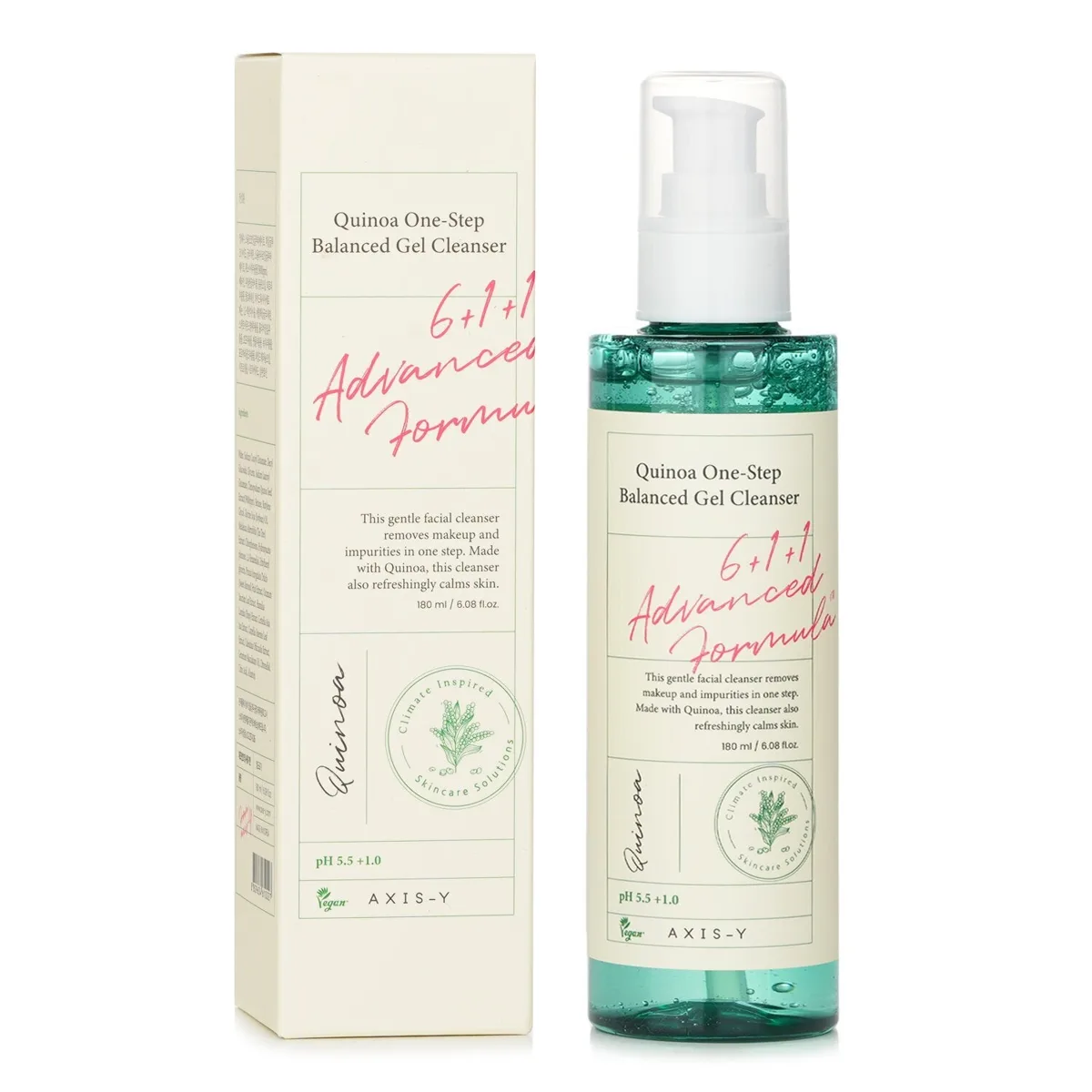
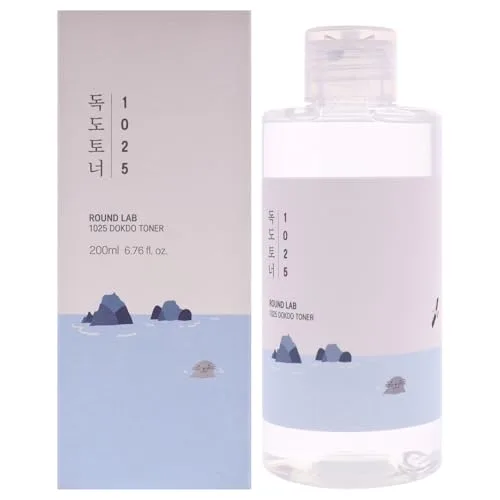
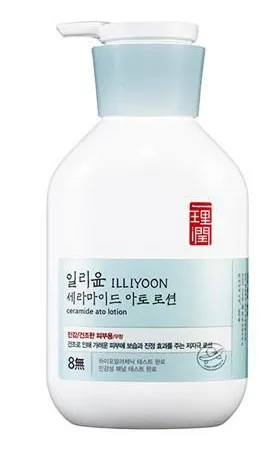
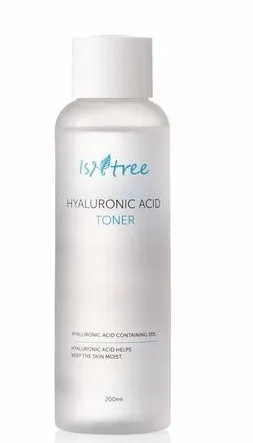
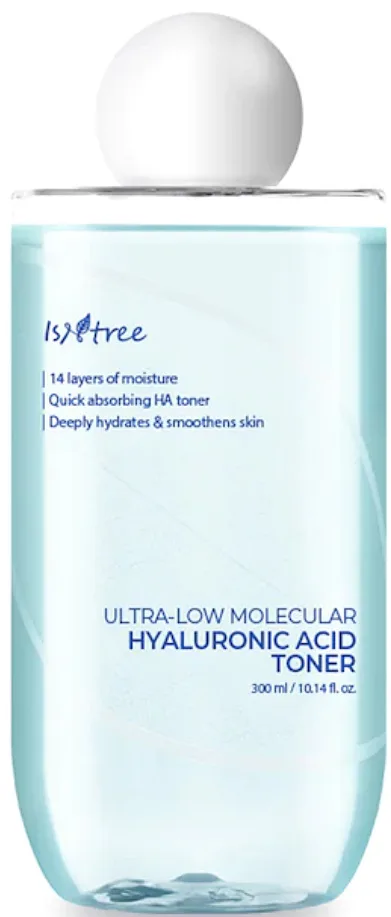
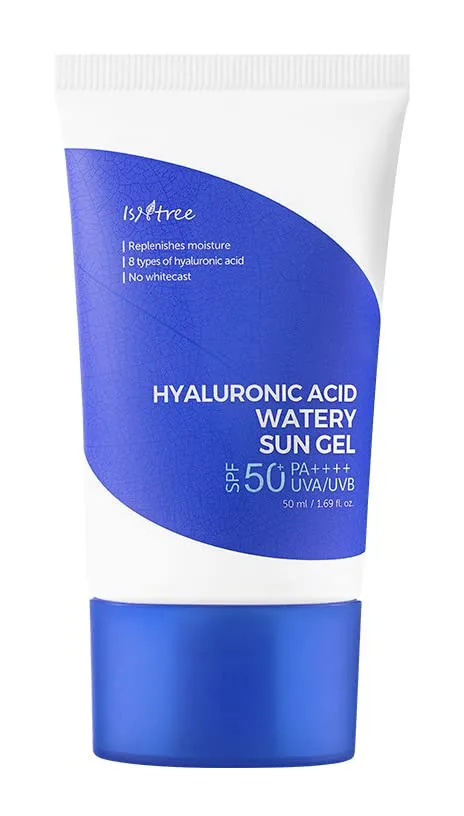
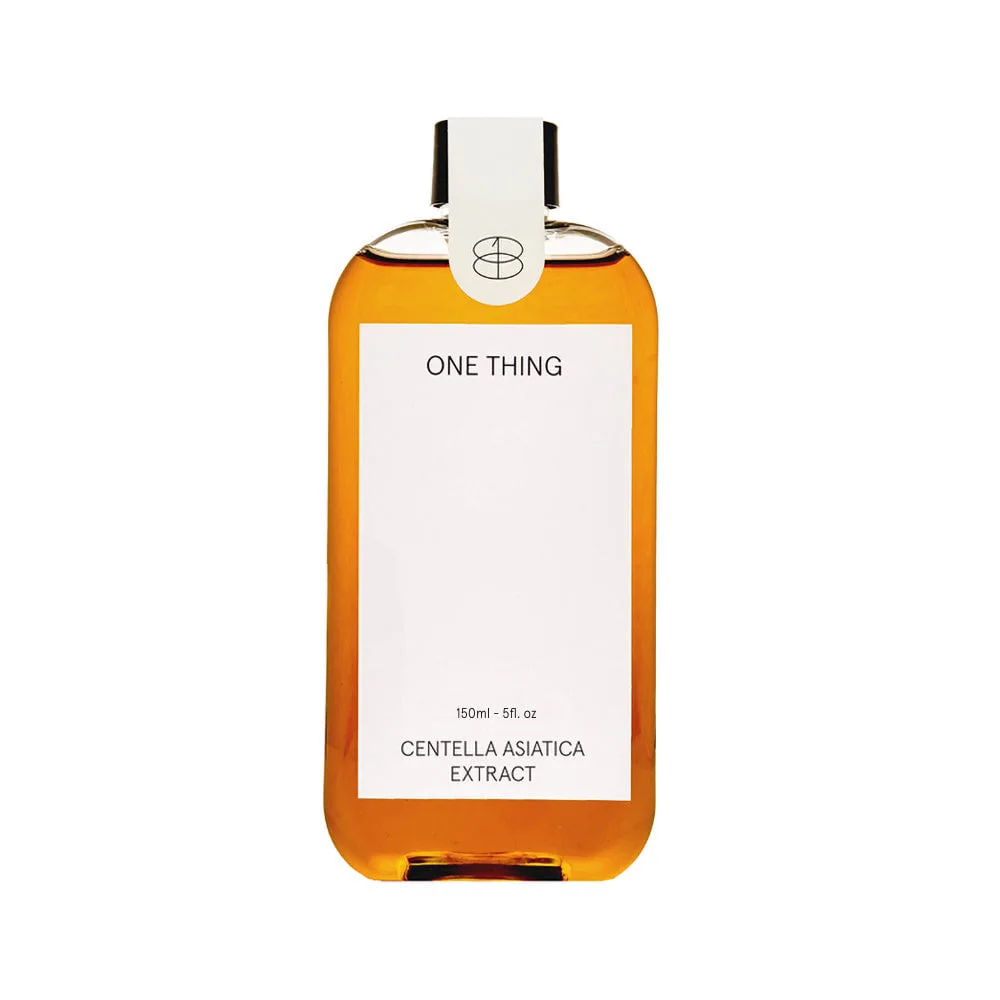
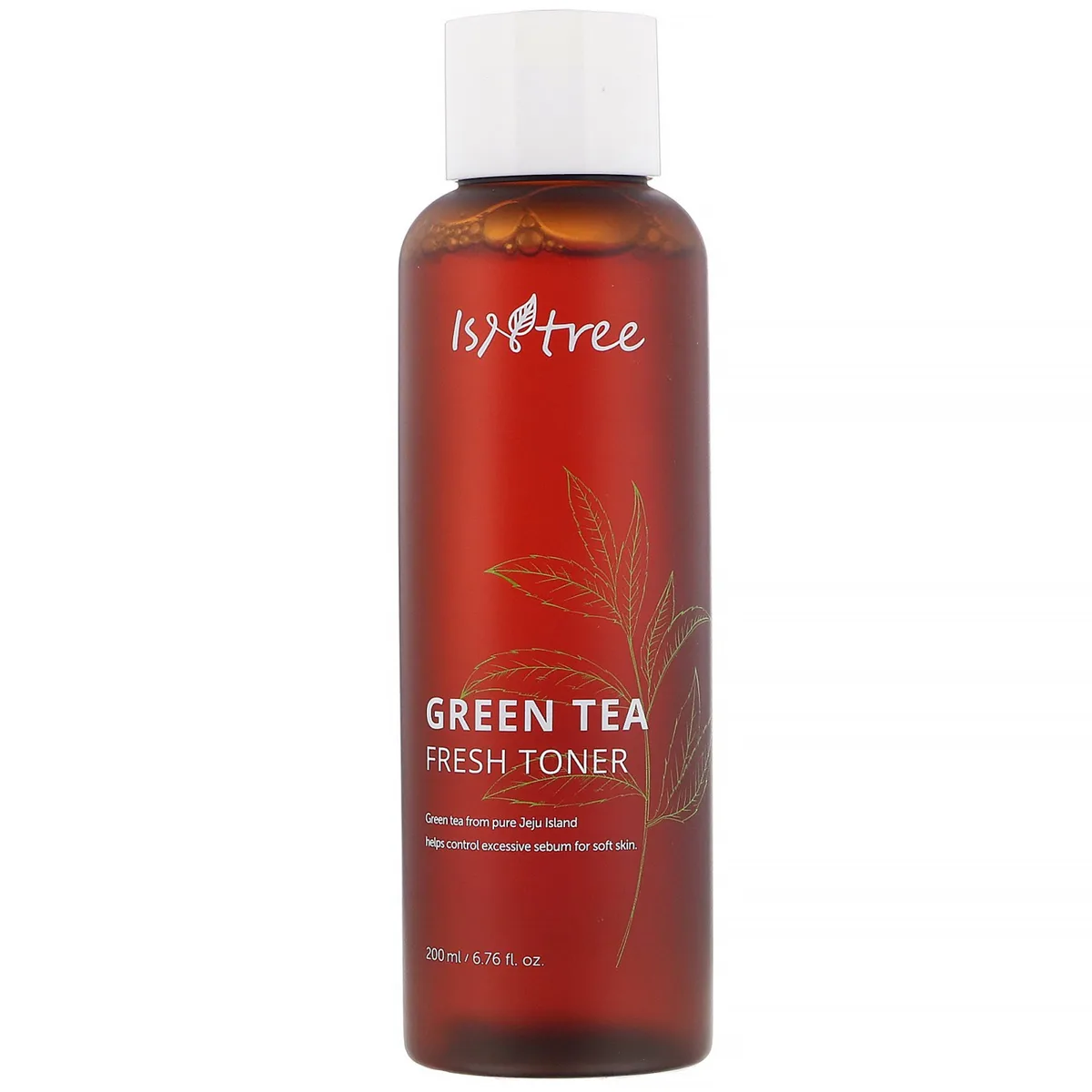
Rather than blasting it with high-strength actives, Korean formulas tend to layer lightweight hydration, soothe before they treat, and obsess over the barrier. That's why centella asiatica ("cica") shows up everywhere here — it's a calming, barrier-supporting botanical that K-beauty popularized globally, anchoring standouts like SKIN1004's Hyalu-Cica Blue Serum ($16) and One Thing's beautifully simple Centella Asiatica Extract ($14). The other hallmarks: featherweight hydrating toners and essences (Isntree's Hyaluronic Acid Toner, $20), ceramide barrier creams, and genuinely excellent sunscreens — Korea's SPF formulas are years ahead on elegant, no-white-cast textures, like Isntree's Watery Sun Gel ($22). Look for centella, multiple humectants, panthenol, and niacinamide; the aesthetic may be cute, but the formulations are serious. The trap is buying into the routine length or the packaging hype instead of the actives. One honest caveat — you don't need ten products; three or four well-chosen K-beauty steps outperform a cluttered shelf. And at $6 to $28 for most of the best, the value is part of the appeal, not an afterthought.
Buying Guide
Buy the philosophy, not the step count. The strength of Korean skincare is gentle, layered hydration and barrier care, so build around a few well-chosen pieces rather than a ten-product lineup. Centella asiatica is the signature ingredient to look for — calming and barrier-supportive — alongside humectants like hyaluronic acid, panthenol, and soothing niacinamide. Lightweight textures are the point: hydrating toners and essences are meant to be layered in thin coats, and gel-creams or ceramide barrier creams seal everything in without heaviness. Korean sunscreens deserve special attention, since they tend to offer more cosmetically elegant, no-white-cast finishes than many Western options, making daily SPF easier to actually wear. Be a little skeptical of pure aesthetic appeal — adorable packaging and viral status don't guarantee a good formula, so read the ingredient list as you would for any product. Price is a genuine advantage here, with most top picks running $6 to $28, so you can assemble an effective routine affordably and add targeted actives only as your skin needs them.
Frequently Asked Questions
Do I really need a 10-step Korean skincare routine?
No — the 10-step routine is more a marketing concept than a requirement, and most people do well with three or four well-chosen steps. The real value of K-beauty is its gentle, hydration-and-barrier-focused approach, which you can capture with a cleanser, a hydrating toner or serum, a moisturizer, and sunscreen.
What ingredients is Korean skincare known for?
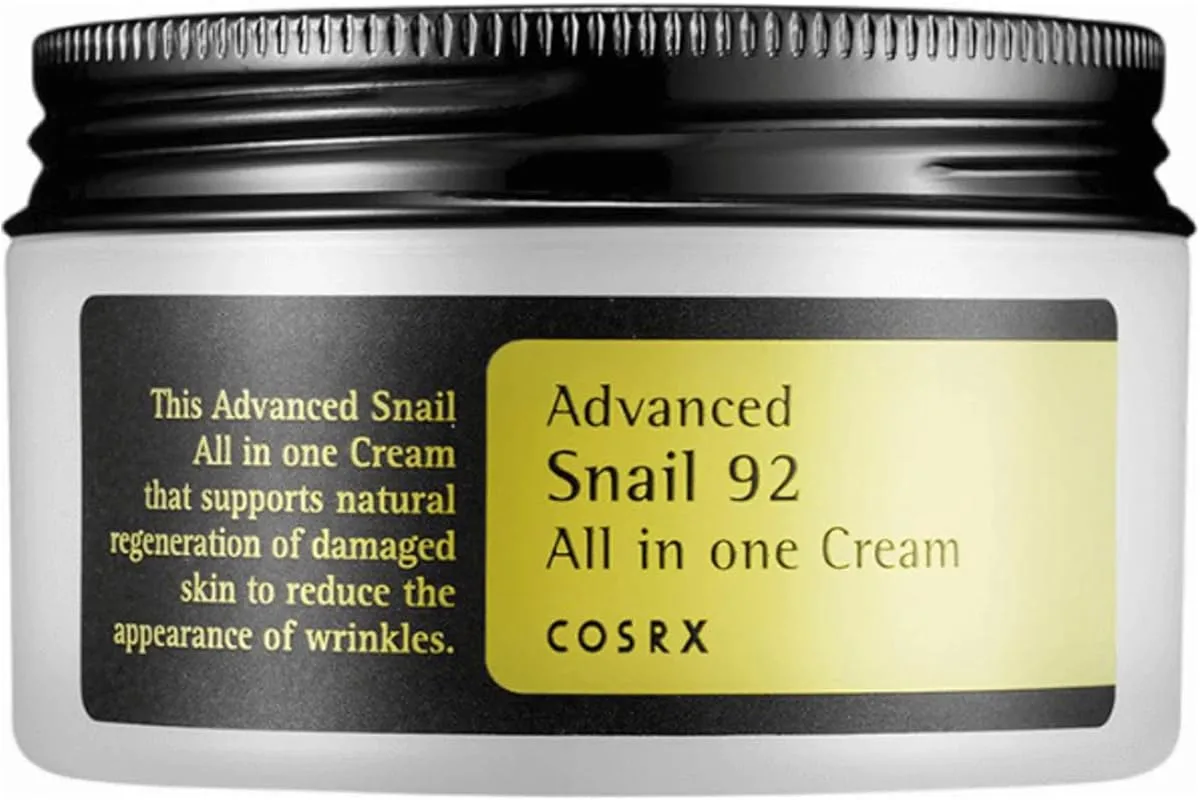
Centella asiatica (cica) is the signature, prized for calming and barrier support, along with hyaluronic acid, panthenol, niacinamide, and ceramides. K-beauty also popularized ingredients like snail mucin and fermented extracts, generally favoring soothing, hydration-first formulas over high-strength actives.
Why are Korean sunscreens so popular?
Korean sunscreens are known for elegant, lightweight textures that absorb without a white cast, which makes daily reapplication far more pleasant than with many heavier formulas. That cosmetic finesse, often paired with added hydrating and soothing ingredients, is why options like watery sun gels have such a following.
Is Korean skincare good for sensitive skin?
Often yes — the K-beauty emphasis on gentle, barrier-supporting, centella- and panthenol-rich formulas suits reactive skin well. As always, check for fragrance and essential oils, which appear in some products, and patch test new items since sensitivity varies from person to person.
Is Korean skincare worth the hype?
The best of it genuinely is, thanks to strong formulations, innovative ingredients, and excellent value, with many standout products under $25. Just judge each product on its ingredient list rather than on cute packaging or viral status, since popularity alone doesn't guarantee a good formula.
- K-BeautyTikTok Shop Broke K-Beauty's Price Floor. Distribution Changed More Than the Formulas Did.US Korean skincare sales passed two billion dollars on 37% growth — driven by a channel that removed two markups and attached a commission to every recommendation you see.
- K-BeautyTwo Companies You've Never Heard Of Make an Enormous Share of K-BeautyCosmax and Kolmar Korea develop and manufacture for thousands of competing brands at every price tier. Knowing that reframes what a brand is actually selling you — and it is not the thing most dupe posts assume.
- K-BeautySnail, Cica, Propolis, PDRN: Korea Runs a Hype Cycle, and You Can Read It EarlyFour dated case studies through the same conveyor. The pattern has repeated often enough to be predictive — which means you can evaluate the next arrival before the marketing reaches you.
- K-BeautyThe New K-Beauty Tier, Decoded: Anua, SKIN1004, medicube, TIRTIR and Round LabFive brands that own the feed, judged on their ingredient lists rather than their view counts — including the one active all five suddenly added at once, and what that tells you.