The New K-Beauty Tier, Decoded: Anua, SKIN1004, medicube, TIRTIR and Round Lab
Five brands that own the feed, judged on their ingredient lists rather than their view counts — including the one active all five suddenly added at once, and what that tells you.
Read the preview
From the DermApproved blog, in K-Beauty: five brands own the feed right now, and four launched the same new active within months of each other. That is not four discoveries — it is one supply chain. Decode them on ingredient lists instead, and two turn out to have something American brands legally could not buy. For the full breakdown, visit dermapproved.com/blog.
Five theses, briefly
The useful thing to know about a brand is not its aesthetic but its thesis — the problem it thinks it is solving and the active it keeps returning to. All five of these are legible on that test.
Anua is the heartleaf house. Houttuynia cordata runs through the range as an anti-inflammatory botanical, paired with centella and barrier lipids. The thesis is calming plus barrier, with an actives tier bolted on top.
SKIN1004 is the centella house, and more single-mindedly than any of the others — the Madagascar range is built on one sourced botanical and the formulations differ mostly in what is layered around it.
medicube is the exfoliation-and-devices house. Its recognisable products are acid blends and pore-focused pads, with a strong collagen and glow marketing overlay.
TIRTIR is the base-makeup house that grew a skincare range. Its cushion is the reason most people know the name, and the skincare reads as an extension of the complexion proposition.
Round Lab is the mineral-water house — Dokdo seawater, birch sap, pine — with the most restrained formulations of the five and, quietly, the best sunscreen filters.
Those are five genuinely different bets, which is worth saying because the feed makes them look interchangeable.
Where the formula backs the story
Several products in this tier are straightforwardly good, and the reasons are visible in the ingredient list rather than in the claims.
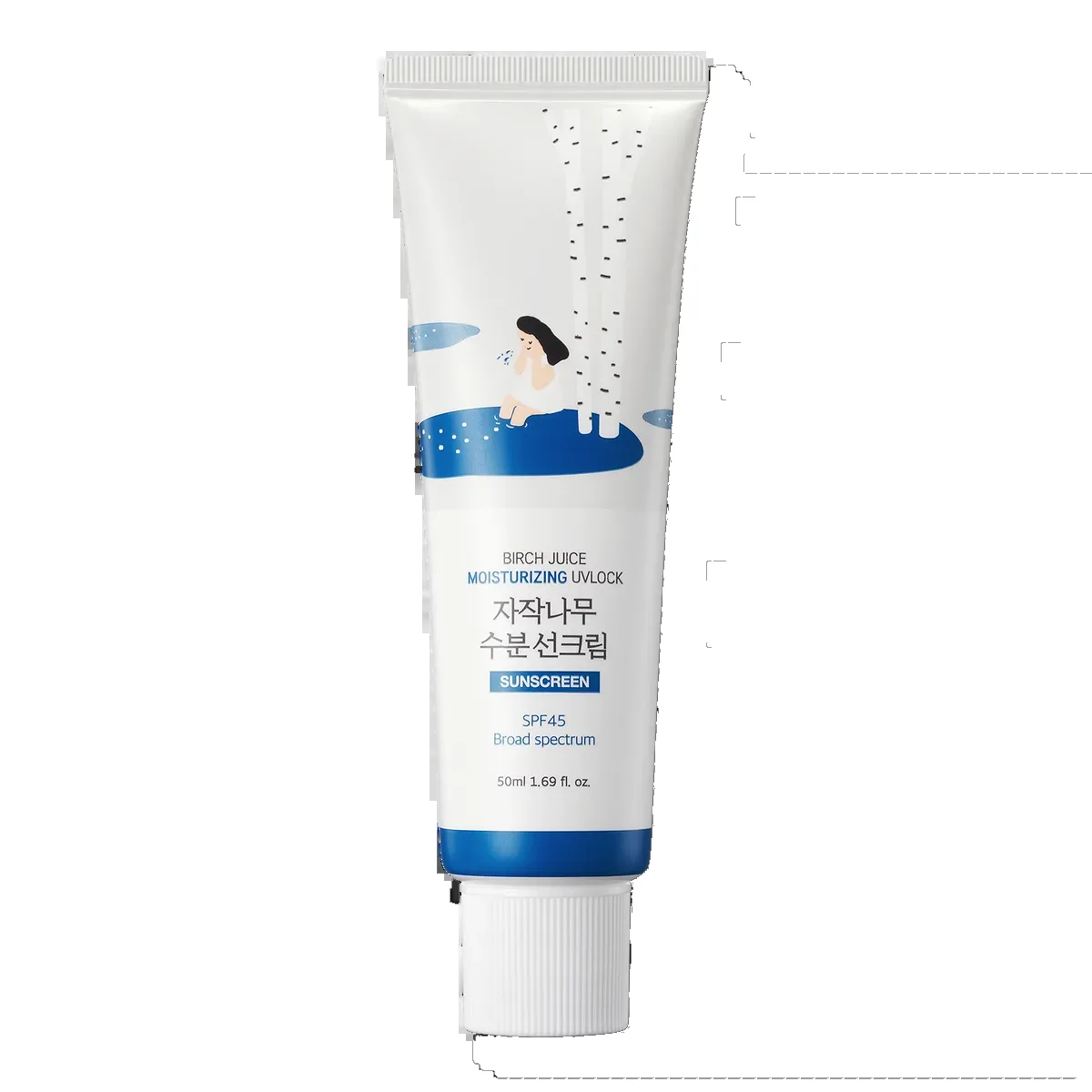
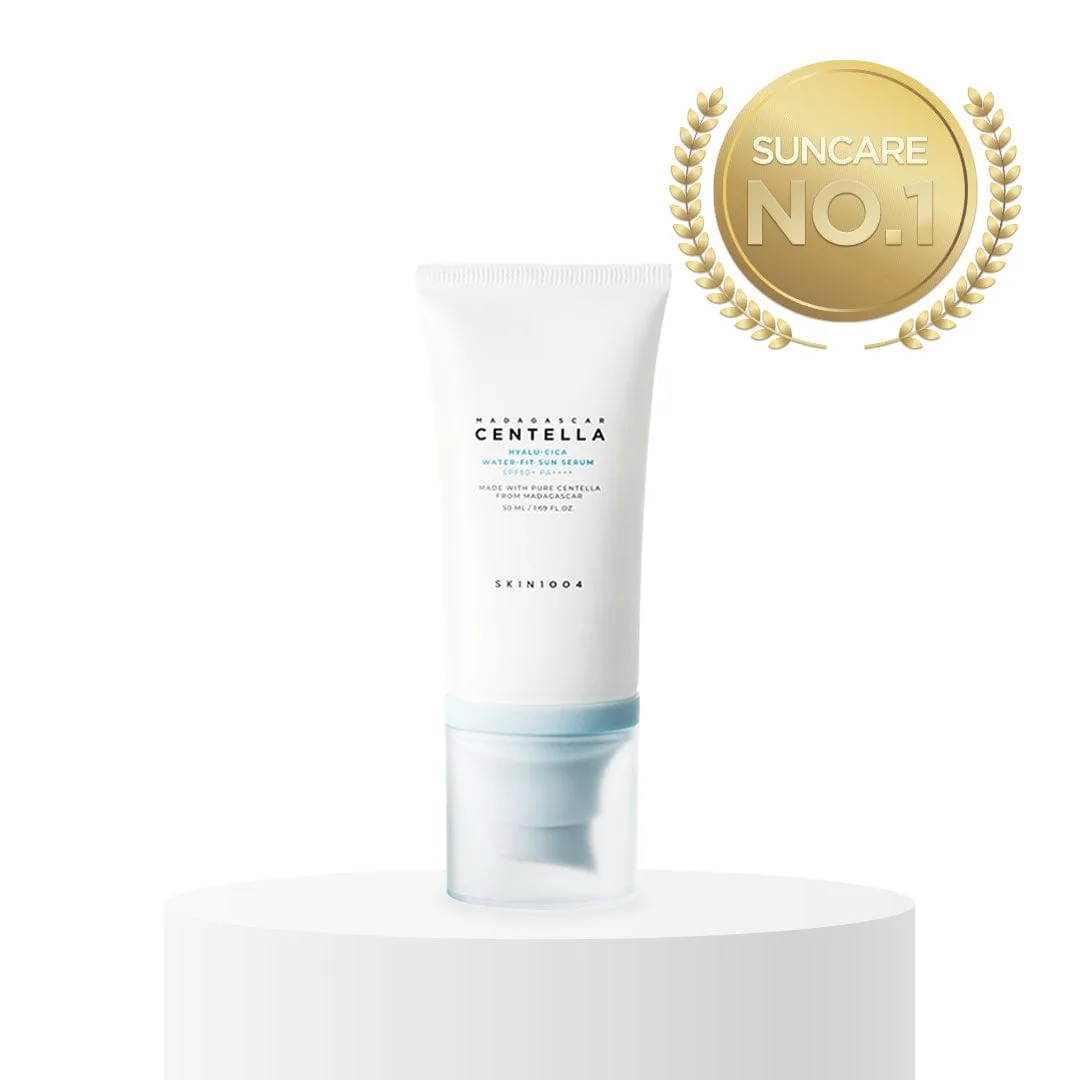
The strongest single argument is sunscreen. ROUND LAB Birch Juice Moisturizing Sunscreen and SKIN1004 Madagascar Centella Hyalu-Cica Water Fit Sun Serum both use modern broad-spectrum filters — Uvinul A Plus and the Tinosorb class — that were not legal in American sunscreens until bemotrizinol was added to the monograph in 2026. That is a genuine chemistry advantage rather than a positioning one, and it is why these textures are difficult for US-formulated products to match.
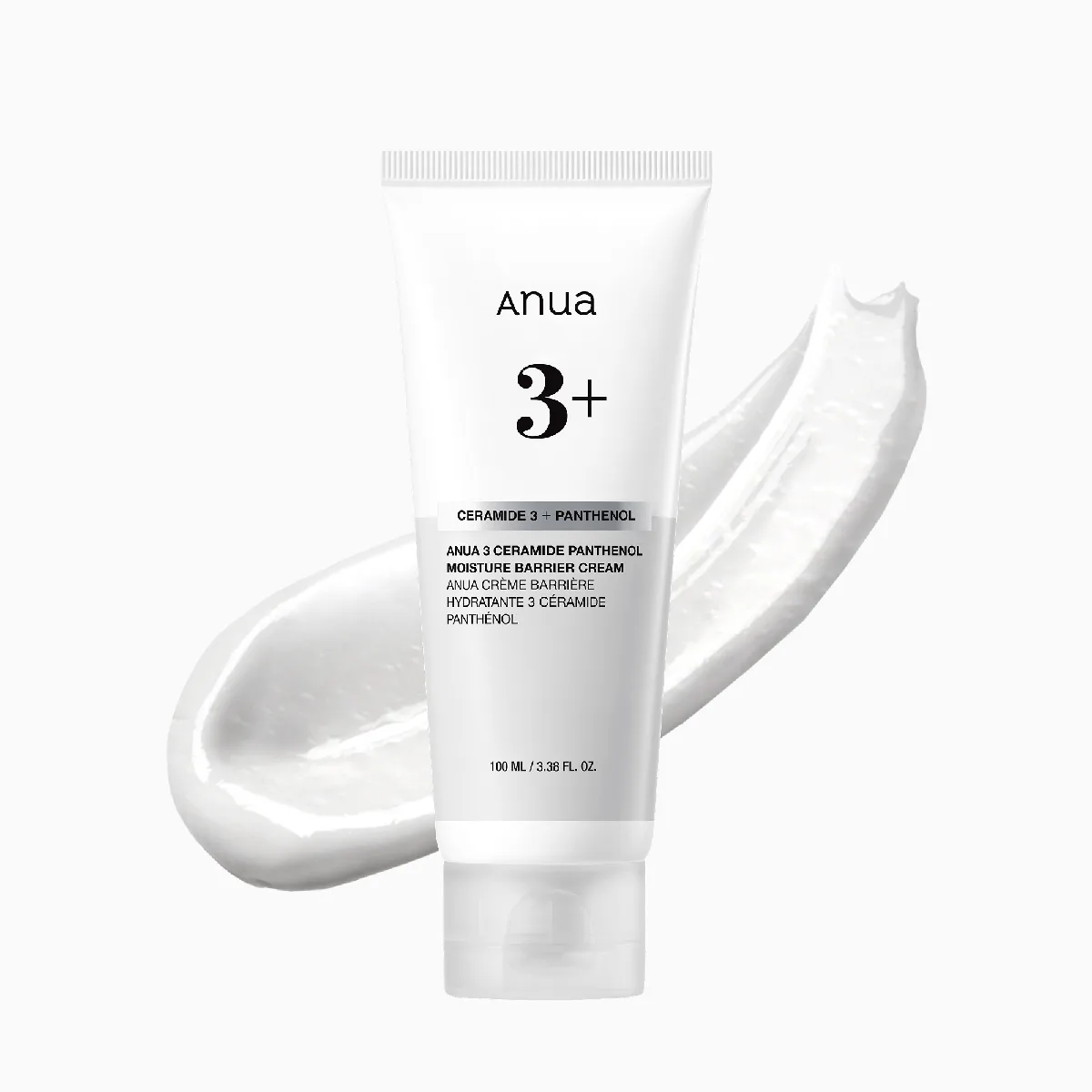
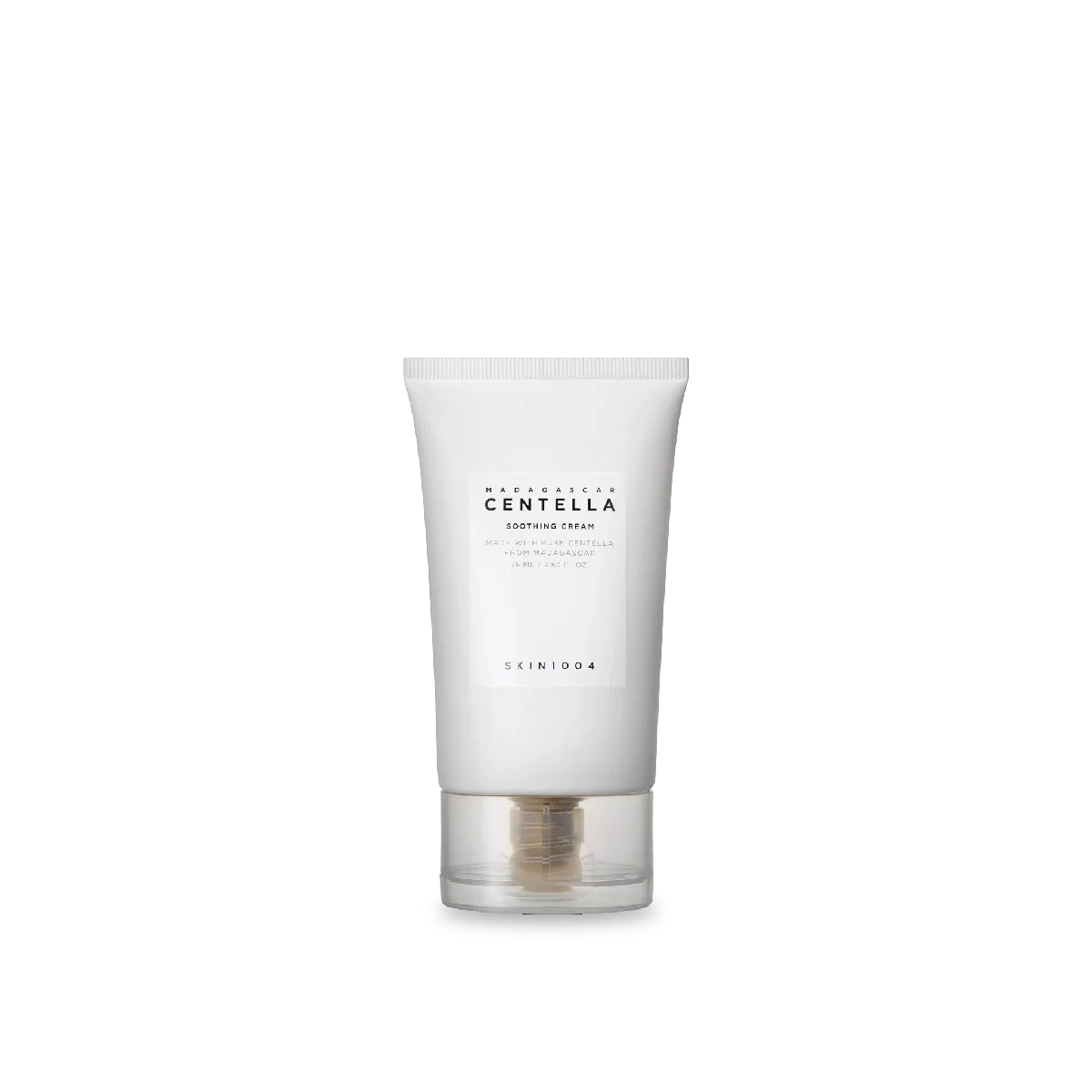
On barrier work, Anua 3 Ceramide Panthenol Moisture Barrier Cream pairs ceramides with panthenol, ectoin and squalane, which is a coherent lipid-plus-humectant construction rather than a botanical with a claim attached. SKIN1004 Madagascar Centella Soothing Cream does the same job with ceramides and tranexamic acid alongside the house botanical.
On pigment, Anua Niacinamide + TXA Dark Spot Correcting Serum combines two of the better-evidenced actives in the category at concentrations that are stated rather than implied — niacinamide has clinical data at the concentration the category actually uses, and tranexamic acid has its own.
And on exfoliation, medicube Zero Pore Pad and Anua BHA 2% Gentle Exfoliating Toner are honest acid products doing an honest job, whatever you make of the surrounding marketing.
Mugwort deserves a mention here as the botanical this tier under-uses relative to its neighbours; it is the house active of a different set of Korean brands and shows up here only glancingly.
Where the story outruns the formula
Three patterns recur across this tier and all three are worth recognising on sight.
Topical collagen. medicube and TIRTIR both lean on collagen in product names and marketing — medicube Triple Collagen Cream and TIRTIR Collagen Core Cream among others. Collagen is a very large protein. Applied topically it functions as a film-forming humectant, which is a real if unremarkable benefit, and it does not become the collagen in your dermis. The evidence people are implicitly citing for collagen comes from oral supplementation trials, which is a different route and a different molecule state. These can be perfectly decent moisturisers judged on the rest of the formula. The name is doing work the ingredient cannot.
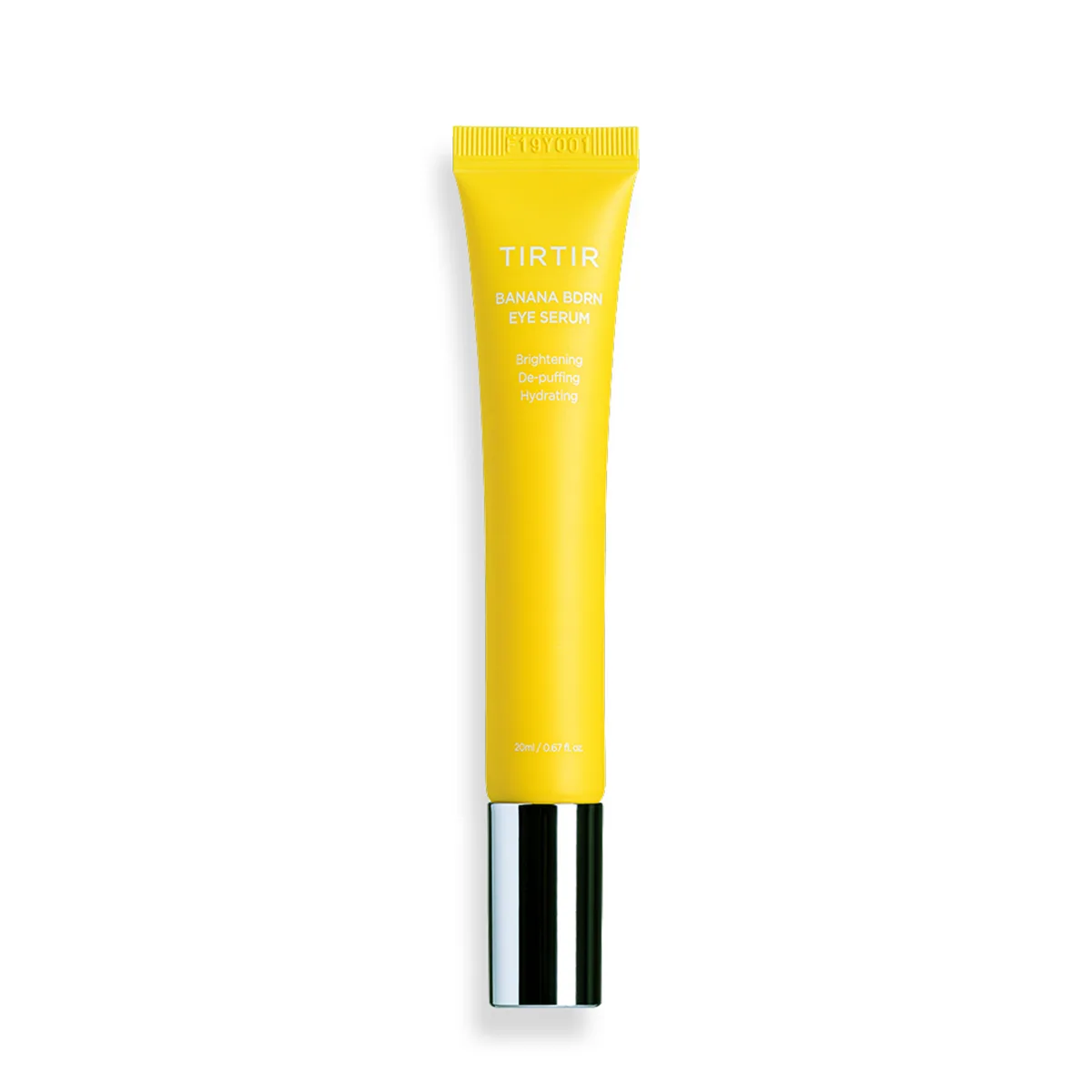
Topical PDRN. The same borrowing, more recently. medicube PDRN Pink Peptide Serum, Anua PDRN Hyaluronic Acid 100 Moisturizing Cream and TIRTIR Banana BDRN Eye Serum all carry a molecule whose clinical evidence was generated by intradermal injection. Polydeoxyribonucleotide is a DNA fragment of very high molecular weight; it does not cross an intact stratum corneum in useful quantity. Judge these on their hyaluronic acid, niacinamide and peptide content, which is often good, and ignore the headline.
Glutathione and "glow" actives. medicube Deep Vita C Ampoule pairs vitamin C — which has strong evidence — with glutathione, whose topical evidence is thin and whose systemic use for skin lightening is a genuinely contested practice. The vitamin C is doing the work.
None of this makes the products bad. It makes the names unreliable as a guide to what is inside, which is exactly what an ingredient list is for. Pasting one into the Ingredient Decoder takes ten seconds and settles the question.
The tell that all five share a supply chain
Here is the pattern that explains more than any individual brand analysis.
PDRN appeared across Anua, SKIN1004, medicube and TIRTIR within roughly the same window. So did collagen framing. So did succinic acid, and glutathione, and capsule-format serums. Five nominally competing brands did not independently arrive at the same active in the same season.
What happened is that a contract manufacturer's development pipeline reached market. Korean ODMs originate formulations and offer them to client brands, which is why a novel active or format propagates across the category almost simultaneously rather than diffusing from one innovator. It is an industrial structure, not a coincidence.
Two consequences follow. First, the number of brands offering an ingredient tells you nothing about whether the ingredient works — it tells you a development team finished a project. Second, brand loyalty is worth less than it feels here; if a formula you like is discontinued, an equivalent very likely exists under another name, and looking for it is sensible. Compare Products lines two candidates up row by row, and Dupe Finder handles the price version of that question.
What this does not mean is that shared manufacturing makes two products identical. Concentration, preservative system, pH, fragrance and packaging are all client decisions, and none of them are visible from a shared supplier. "Probably related" is defensible; "the same" is not.
The track-record caveat, and how to choose
All five of these brands are young. Round Lab and TIRTIR are barely past their first half-decade; Anua is not much older; SKIN1004 and medicube have a bit more history. None of them has the reformulation record that would let you predict what a product will be in five years.
That matters more in this category than in most, because the same fast development cycle that produces good formulas also produces silent reformulations. A product that earned its place on an ingredient list can be quietly rebuilt around the next trending active, and the packaging will not tell you. The practical response is to check the list when you rebuy rather than assuming continuity, particularly for anything whose value rested on a specific concentration.
As for choosing between them, the honest heuristic is to ignore the brand and pick per slot. If your skin is reactive, the barrier-and-calming end — Anua's ceramide work, SKIN1004's centella range, Round Lab's restrained formulations — is where this tier is genuinely strong, and it is strong at a price Western equivalents do not match. If you want exfoliation, medicube's acid products are competent. If you want sunscreen, Round Lab and SKIN1004 have the filter chemistry, full stop. If you want a cushion, TIRTIR is the reason the category expanded its shade range at all.
What none of them offers is a reason to buy the whole line. Our Korean skincare ranking is built on formulation rather than on brand for exactly that reason, and the Anua routine template is a worked example of using one house where it is strong without committing to it everywhere else.
Products mentioned
Independently reviewed and scored — the real products behind this piece.

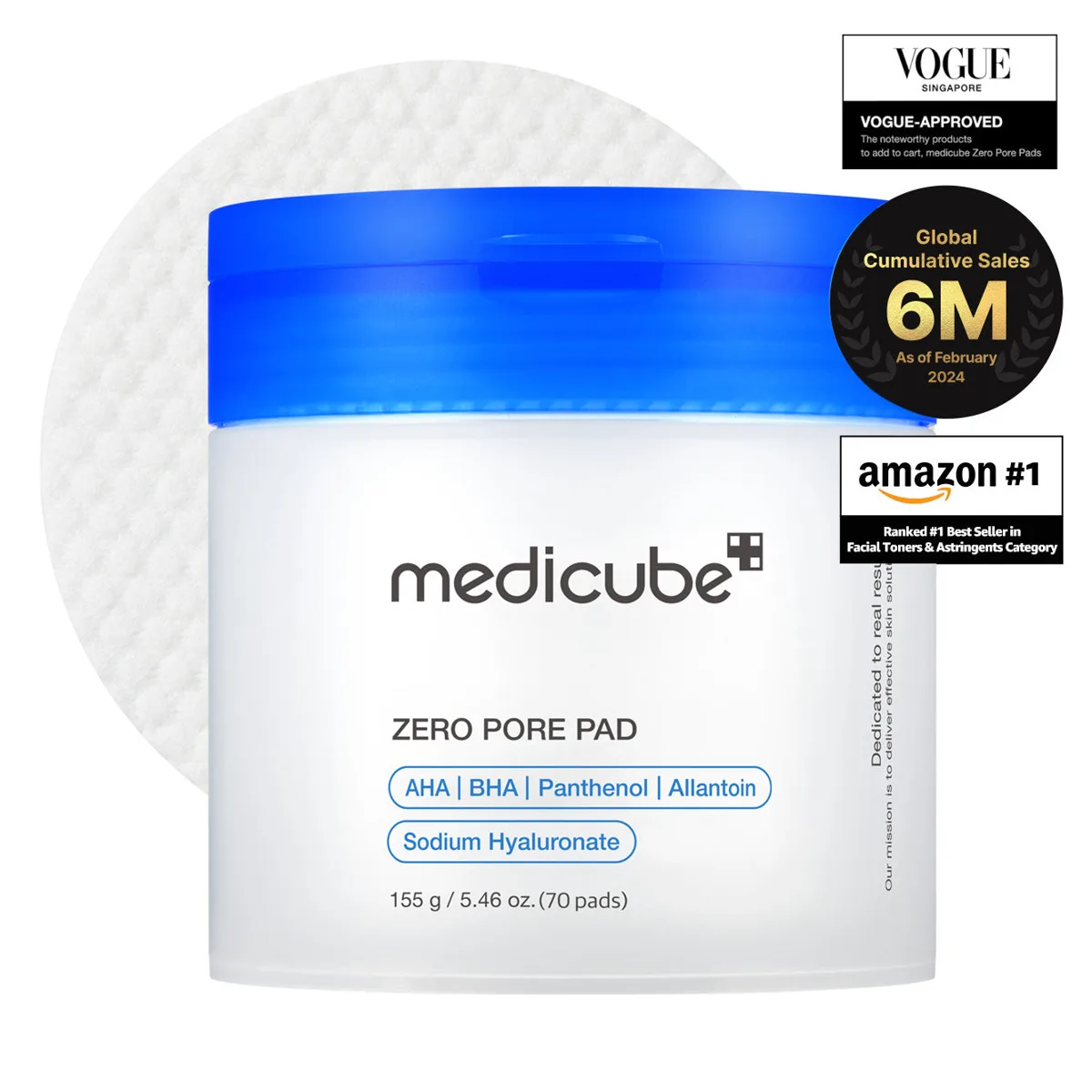
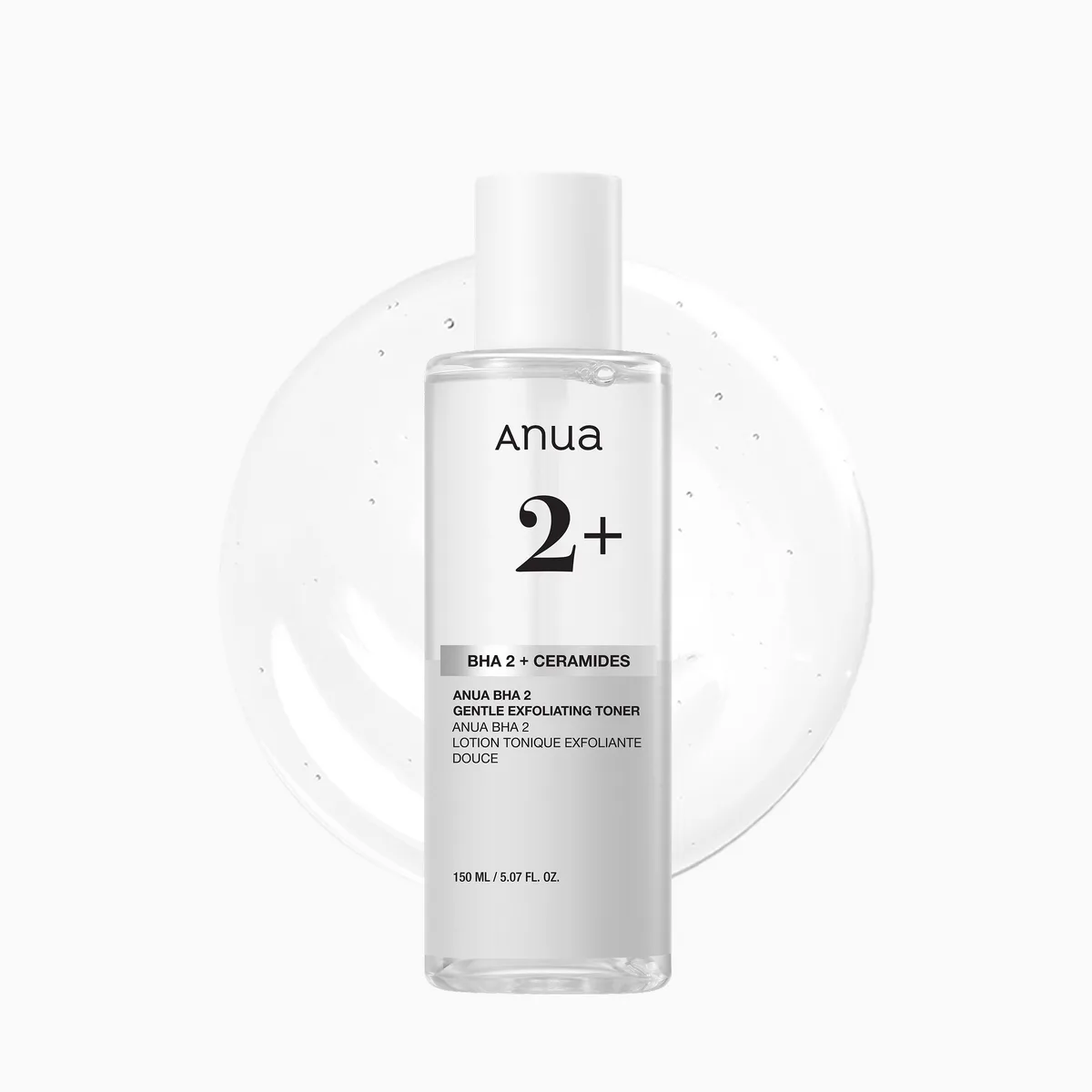

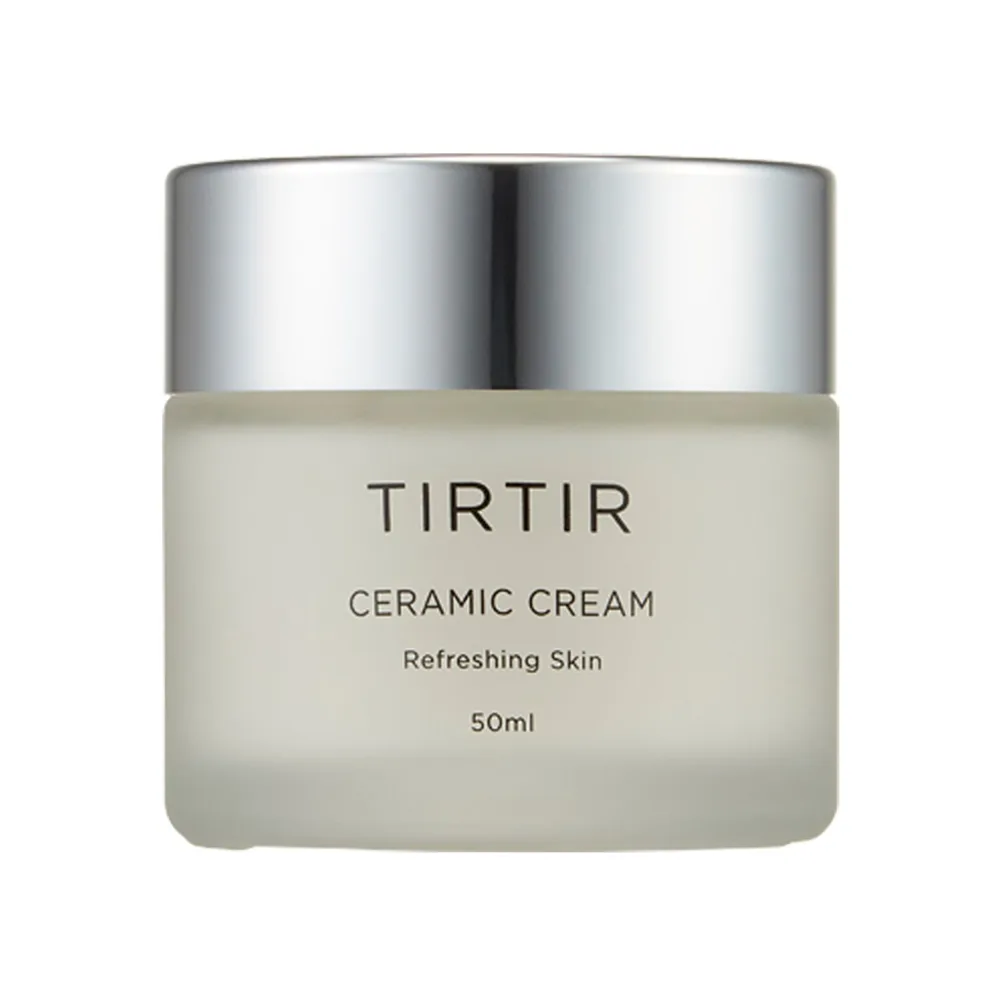
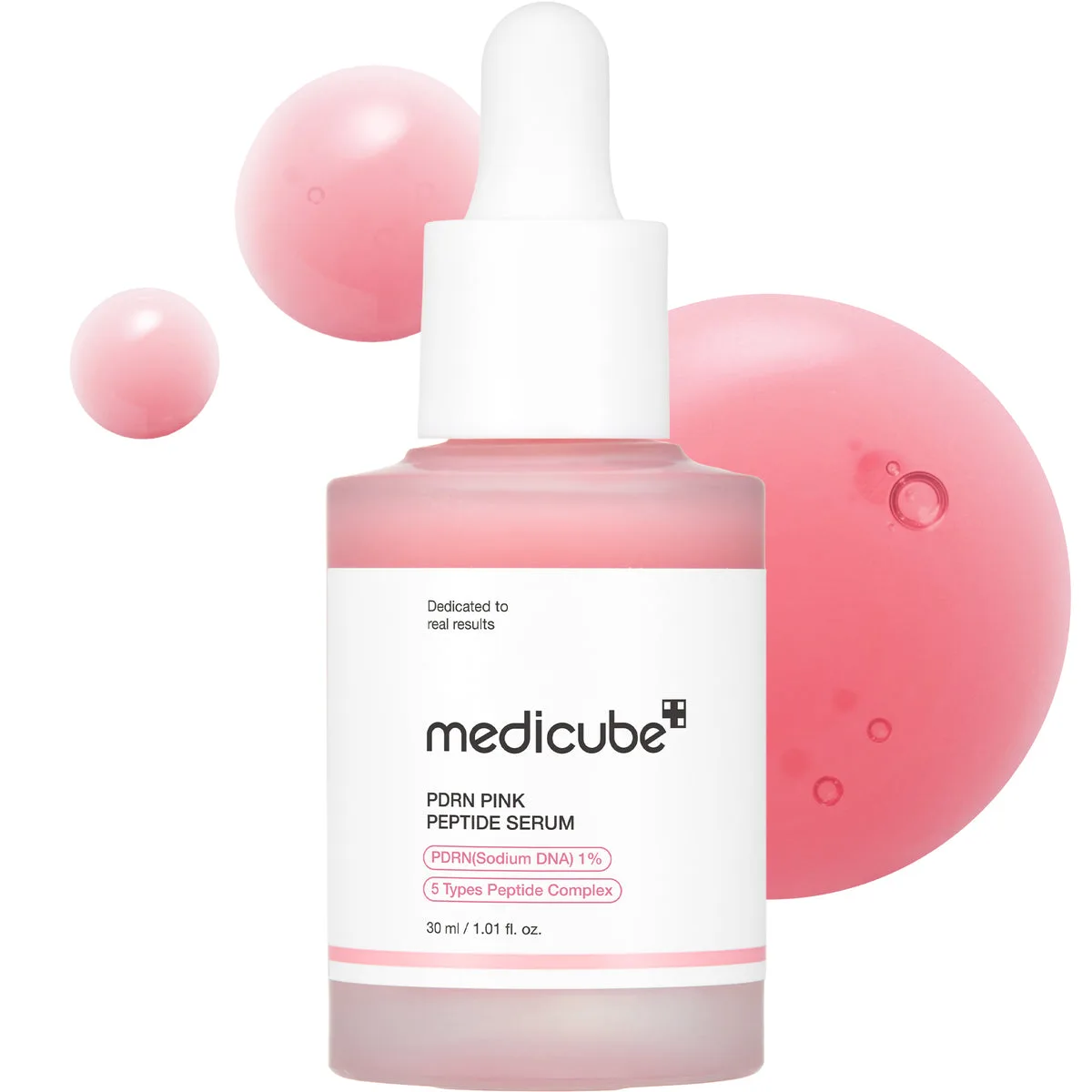


- Routine How to Build a Full Anua Routine A worked example of using one house where it is strong.
- Ranked list Best Korean Skincare Ranked on formulation rather than brand.
- Ingredient Centella Asiatica (Cica) The house active of two of these five brands.
- Ingredient Niacinamide (Vitamin B3) The most-used active across the tier, and one with real data.
- Ingredient Panthenol (Pro-Vitamin B5) The barrier-support workhorse in Anua's ceramide range.
- Ingredient Mugwort (Artemisia) The botanical this tier under-uses relative to its neighbours.
References
- Niacinamide: A B vitamin that improves aging facial skin appearance — Dermatologic Surgery, 2005
- Topical Application of Centella asiatica in Wound Healing: Recent Insights into Mechanisms and Clinical Efficacy — Pharmaceutics, 2024
- The Effectiveness of Polynucleotides in Esthetic Medicine: A Systematic Review — Journal of Cosmetic Dermatology, 2025
- FDA finalizes action on bemotrizinol, first new active sunscreen ingredient in 20 years — Healio Dermatology, 2026
Every cited link is verified to resolve to the paper named. Where a source could not be independently confirmed, it is listed without a link rather than pointing you somewhere wrong.
Frequently asked
Why did every one of these brands launch a PDRN product at the same time?
Because Korean contract manufacturers originate formulations and offer them to client brands, so a new active reaches market across many nominally competing ranges almost simultaneously. It is a development pipeline finishing a project rather than five independent discoveries. The practical consequence is that the number of brands selling an ingredient tells you nothing about whether it works.
Does a collagen cream do anything for my collagen?
Not directly. Collagen is a large protein that cannot cross intact skin to become dermal collagen. Applied topically it forms a film and holds water, which is a genuine if modest moisturising benefit. The evidence people implicitly invoke for collagen comes from oral supplementation trials — a different route entirely. Judge these products on their humectants, lipids and any actual actives.
Are the sunscreens from these brands actually better than American ones?
In filter chemistry, often yes, and it is a regulatory rather than a formulation story. Several use Uvinul A Plus and Tinosorb-class filters that were unavailable in US products until bemotrizinol entered the monograph in 2026. Those filters allow lighter, more photostable, more cosmetically elegant textures. That advantage is real; it does not make every other product from the same brand better.
Which of these brands is best for sensitive or reactive skin?
The barrier-and-calming end of the tier is where it is genuinely strong: Anua's ceramide and panthenol formulations, SKIN1004's centella range, and Round Lab's deliberately restrained lists. Choose per product rather than per brand, and check that the specific item does not carry a fragrance or an acid you did not want — several ranges mix gentle and active products under one house name.
Should I worry that these brands are young?
It is a reason for a specific habit rather than for avoidance. Young brands on fast development cycles reformulate quietly, and a product that earned its place on a particular ingredient list can be rebuilt around the next trending active without the packaging changing. Re-read the list when you repurchase, especially for anything whose value depended on a stated concentration.