The 10-Step Korean Skincare Routine Is Dead (It Was Always a Myth)
The famous ten-step ritual was largely a Western retail invention. Real modern K-beauty has swung hard toward barrier-first minimalism.
Read the preview
From the DermApproved blog, in K-Beauty: the ten-step Korean routine is dead — and honestly, it was always a bit of a myth. That famous ten-step ritual? Largely a Western retail invention; most Koreans never did all ten daily. What actually defines modern K-beauty is the opposite: skip-care, barrier-first, fewer but better products. And all those essences, ampoules, and serums? Mostly texture and marketing, not a checklist your skin is keeping. The genuine magic is elegant formulas, gentle actives, and world-class sunscreen. So borrow those, and ditch the step count. The full story is at dermapproved.com/blog.
Where the ten steps actually came from
Ask most people to describe Korean skincare and you'll hear some version of the same legend: a devotional ten-step ritual — oil cleanser, water cleanser, exfoliant, toner, essence, serum, sheet mask, eye cream, moisturizer, sunscreen — performed religiously every day. It's become cultural shorthand, equal parts admiration and intimidation. It's also mostly a Western retail construction.
The ten-step framing crystallized as K-beauty exploded in the US and Europe in the mid-2010s, when retailers and beauty media needed a tidy, sellable narrative to package an unfamiliar category. A numbered routine is a brilliant merchandising device — it implies you need ten products, conveniently available for purchase. But it never reflected how most Korean women actually approached daily skincare, which was always more pragmatic, more variable, and far less rigid than the mythology suggested. The ten steps were a marketing artifact that got mistaken for an ancient tradition.
What modern K-beauty actually looks like
The more interesting story is where Korean skincare has gone since. The dominant trend for years now has been the opposite of maximalism: 'skip-care,' a philosophy of deliberately cutting steps down to fewer, more effective products. Barrier health has become the central obsession — not layering ten things, but keeping the skin barrier calm, hydrated, and resilient with a lean routine.
This shift is partly a correction. The maximalist era produced plenty of over-exfoliated, irritated, product-fatigued skin, and Korean consumers (early and sophisticated adopters) moved on. Modern Korean routines lean on a gentle cleanse, a hydrating layer or two, a targeted active, a good moisturizer, and — non-negotiably — excellent sunscreen. A hydrating first-step ampoule like SKIN1004's Hyalu-Cica First Ampoule or a fermented essence like mixsoon Bifida Ferment Essence does a lot of quiet work in a routine that's more about barrier support than step-count theater. The aesthetic ideal shifted too — from 'more is more' toward calm, healthy, resilient skin.
You can see the shift in what Korean brands now compete on. A decade ago the race was toward novelty and abundance — new steps, new formats, ever more elaborate routines. Today the marketing language is about 'less but better,' barrier repair, and gentle efficacy; the hero products are calming ampoules, fermented essences, and cica creams rather than a ten-piece regimen. Even the sheet mask, once the emblem of K-beauty excess, is now positioned as an occasional treat rather than a daily obligation. This isn't Korea abandoning skincare sophistication — it's Korea applying that sophistication to restraint, which is a harder and more mature thing to sell. The irony is that the West largely imported the maximalist version right as the minimalist correction was taking hold at the source, which is a big part of why the ten-step myth persisted here long after it had faded there. Trends move across oceans on a delay, and marketing narratives outlive the practices that spawned them; the ten-step routine became frozen in Western imagination as 'authentic Korean skincare' precisely because it made such a clean retail story, even as Korea itself quietly moved on to something leaner and, frankly, better.
Essence, ampoule, serum: the distinction is mostly marketing
Part of what made the ten-step routine feel so complicated was the parade of similar-sounding product categories: toner, essence, ampoule, serum, booster. People agonized over whether they needed all of them and in what order. Here's the freeing truth: these categories overlap heavily, and the boundaries are more about texture, tradition, and marketing than about fundamentally different functions.
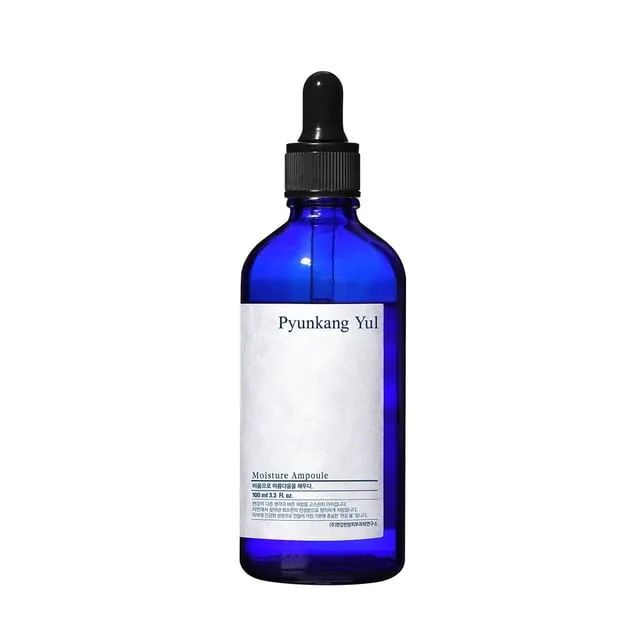
Broadly, essences tend to be lighter, more watery hydrating layers; serums are more concentrated targeted treatments; and ampoules are marketed as the most potent, concentrated format — but there's no strict regulatory line between them, and one brand's 'essence' can be more active than another's 'serum.' A well-formulated moisture ampoule like Pyunkang Yul Moisture Ampoule isn't a mandatory separate step so much as one hydrating option among many. You do not need one of each. Pick the textures and actives your skin actually wants, and ignore the taxonomy — the names are a merchandising system, not a checklist your skin is keeping.
What K-beauty is genuinely great at
Puncturing the ten-step myth isn't a dismissal of Korean skincare — quite the opposite. Stripped of the step-count theater, K-beauty's real strengths come into focus, and they're substantial.
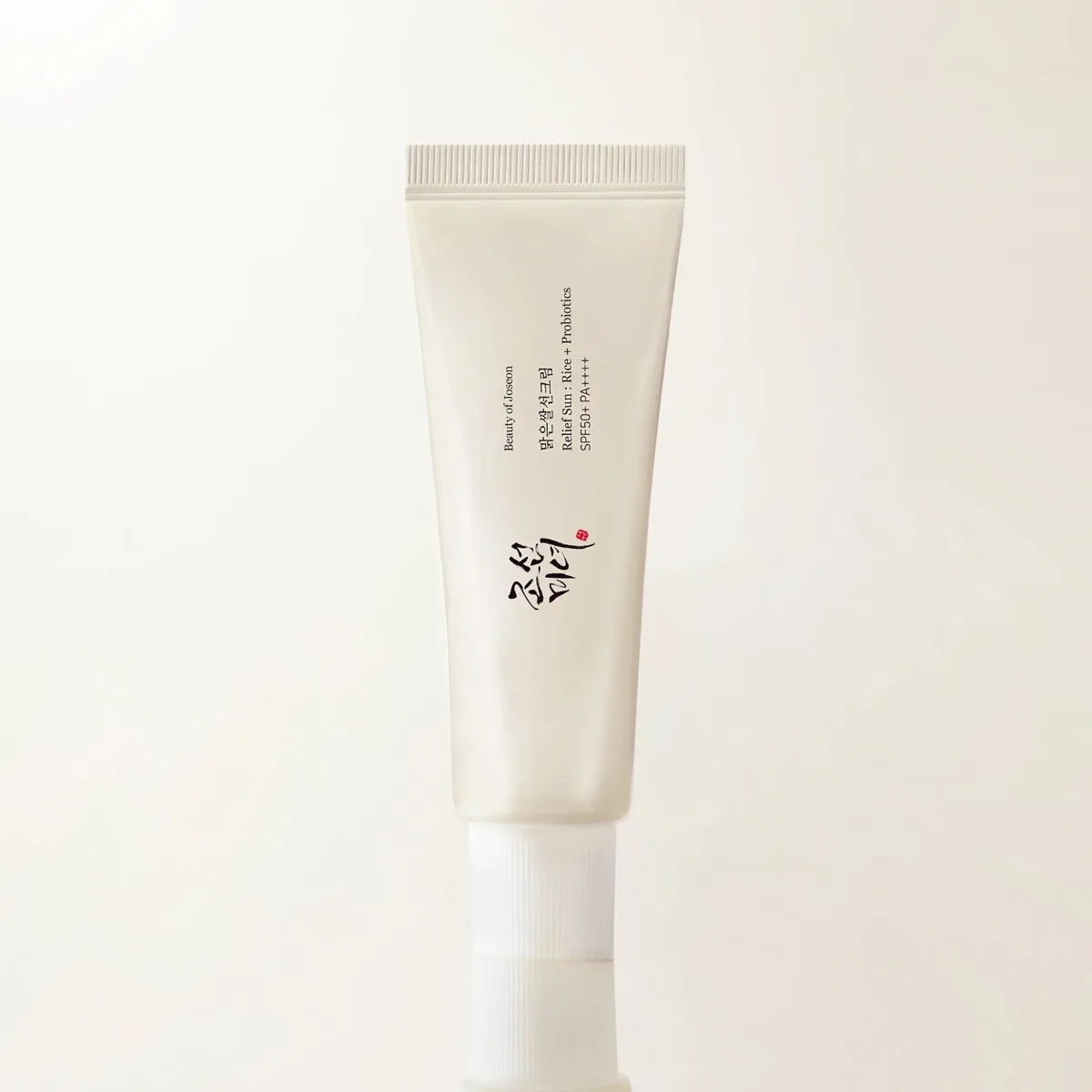
First, formulation elegance: Korean brands are exceptional at texture, making lightweight, pleasant-to-use products that people actually enjoy applying, which drives the consistency that gets results. Second, gentle-but-effective actives: the category pioneered mass-market use of soothing ingredients like centella and gentle hydrators, and it excels at delivering actives without the harshness of some Western equivalents. Third, and most importantly, sunscreen: Korean sunscreens are genuinely ahead, with access to modern UV filters and cosmetically superior textures that make daily reapplication realistic — a formula like Beauty of Joseon Relief Sun is beloved worldwide for exactly this reason. These are the things worth importing from Korean skincare. The number ten was never one of them.
A realistic modern Korean routine
So what should you actually take from all this? Not a longer routine — a smarter, leaner one, which is precisely the direction Korea itself moved.
A realistic modern K-beauty-inspired routine looks something like: in the morning, a gentle cleanse (or just water), a hydrating essence or light serum, a moisturizer, and a great sunscreen. At night, a cleanse (double-cleansing only if you're wearing sunscreen and makeup that needs it), a hydrating layer, a targeted active a few nights a week, and a moisturizer to seal. That's five-ish steps, flexible, built around barrier health — not a rigid ten-step liturgy.
The deeper lesson is about how trends travel and mutate. A pragmatic, varied approach to skincare got flattened into a numbered ritual for Western retail, sold as an exotic discipline, and then quietly abandoned in its country of origin in favor of doing less. If you've been intimidated by the ten-step legend or guilty about not keeping up with it, let it go — the Koreans did. Borrow K-beauty's genuine gifts: the elegant textures, the gentle actives, the outstanding sunscreens, and the barrier-first mindset. Leave the step-count where it belongs, which is in a mid-2010s retail campaign. Your skin was never counting the steps anyway — it only ever cared whether you were kind to your barrier and consistent with your sunscreen, which is the one part of the Korean approach genuinely worth copying.
Products mentioned
Independently reviewed and scored — the real products behind this piece.


Frequently asked
Do Koreans really do a 10-step skincare routine?
Most never did, at least not daily. The ten-step routine was largely a Western retail framing that packaged K-beauty into a sellable numbered ritual around the mid-2010s. Real Korean skincare was always more pragmatic and variable, and has since shifted decisively toward minimalism.
What is 'skip-care'?
Skip-care is the modern Korean trend of deliberately cutting your routine down to fewer, more effective steps focused on barrier health, rather than layering many products. It's essentially K-beauty's own correction to the maximalist era.
What's the difference between an essence, ampoule, and serum?
The distinctions are mostly about texture and marketing rather than fundamentally different functions. Essences are generally lighter hydrating layers, serums are concentrated treatments, and ampoules are marketed as the most potent format — but there's no strict line, and you don't need one of each.
What is Korean skincare actually best at?
Formulation elegance (lightweight, pleasant textures), gentle but effective actives like centella, and especially sunscreen — Korean SPFs often use modern UV filters in cosmetically superior formulas. Those strengths, plus a barrier-first mindset, are the real value, not the number of steps.