Essence vs Toner vs Serum: Three Words, One Category, Some Real Differences
None of the three has a regulated definition. Our own catalog files products called 'essence' under three different categories — because the word describes a marketing position, and the formula underneath decides what it actually is.
Read the preview
From the DermApproved blog, in K-Beauty: an admission from a site that files nine thousand products. We cannot classify the word essence. Products with that name end up filed as toners, and as serums — because the word describes a position in a routine, not a formula. None of the three terms has a regulated definition. For the full breakdown, visit dermapproved.com/blog.
The categories don't survive contact with the products
Here is an awkward admission from a site that has to sort nine thousand products into categories: we cannot consistently file the word "essence."
Missha's Time Revolution First Treatment Essence sits under toners. Aestura's Atobarrier 365 Hydro Essence sits under serums. Other essences land in treatments. This is not sloppiness — it is the only honest response to a word that describes a position in a routine rather than a type of formula. Each product got filed according to what its ingredient list actually does.
None of these three terms has a legal or technical definition. There is no threshold of active concentration above which a product becomes a serum, no viscosity below which it must be called a toner. A brand picks the word that communicates what it wants communicated — lightness, potency, tradition, price tier — and the regulatory framework has no opinion.
Which means the useful question is never "do I need an essence." It is: what is in this bottle, how concentrated is it, and does my routine already contain something doing the same thing?
Where each word came from, and what it was solving
The three terms have genuinely different origins, and the histories explain most of the confusion.
Toner is the oldest and the most obsolete. In the era of true soap cleansing, washing left an alkaline residue and, in hard water, insoluble soap scum on the skin. A toner — typically astringent, often alcoholic — removed that residue and helped bring skin back toward its acidic baseline. That was a real problem with a real solution.
It is also a problem modern cleansers largely stopped causing. Soap runs at a pH of roughly 8.5 to 11; a synthetic detergent cleanser sits between about 5.5 and 7. Research on cleansing and pH is unambiguous that alkaline soap raises skin surface pH substantially more than a syndet does. And the skin manages its own recovery: pH rises after any wash — including a rinse with plain water alone — and returns to physiological levels within a few hours without intervention.
So the original justification for the step evaporated twice over. What survived is the word, reattached to a completely different product: the Korean hydrating toner, which is a light humectant layer rather than an astringent one. Isntree's Hyaluronic Acid Toner and ROUND LAB's 1025 Dokdo Toner share a category name with a 1980s astringent and essentially nothing else.
Essence comes out of the Japanese and Korean tradition and is closest to a genuine category, historically built around fermentation. Serum and ampoule are concentration claims — more actives, smaller volume, higher price per millilitre — with "ampoule" implying a short intensive course it rarely turns out to be.
What actually differs, when anything does
Strip the names away and three things genuinely vary between these products.
Viscosity and vehicle. A watery product spreads thin and absorbs fast; a viscous one deposits more material and sits longer. This is a real functional difference and the one most reliably signalled by the category name, since a toner is almost always thinner than a serum.
Active concentration. Serums and ampoules generally carry more of whatever they carry. Generally — a well-built essence can outperform a poorly built serum, and the price gap between them is frequently larger than the concentration gap.
Purpose. Hydration layers deliver humectants like hyaluronic acid and glycerin, which need something occlusive above them to hold. Treatment layers deliver actives that do work — acids, retinoids, vitamin C. A routine can reasonably contain both. What it rarely needs is three of the first kind.
The one ingredient class that genuinely distinguishes traditional essences is ferment filtrate. Galactomyces ferment filtrate — the ingredient behind the original treatment essences and behind products like Some By Mi's Galactomyces toner — has accumulated a real evidence base, including a twelve-month application study reporting cumulative hydration gains with reduced water loss, and transcriptomic work on how it acts on keratinocytes.
The honest caveat is that a large share of that literature comes from the companies commercialising the ingredient. That does not make it wrong — much good cosmetic science is manufacturer-funded, because nobody else pays for it — but it does mean the effect sizes deserve the discount you would apply to any interested party's data.
The layer you're probably paying for twice
The redundancy has a signature, and it is easy to check.
Open the ingredient lists of every watery product in your routine. If two or three of them lead with water, glycerin, butylene glycol, a humectant or two and a botanical extract, you own two or three of the same product at different prices. Applying all of them in sequence does not stack the benefit — the skin's capacity to hold water in its outer layers is finite, and the second and third layer are mostly rinsing the first one around.
This is the mechanism behind the multi-step routine's most persistent inefficiency. It is not dangerous and it does not damage anything; it just costs money and time for no measurable return, and it is the specific thing the sensible Korean routine strips out — layering as a principle survives, but the redundant layers don't.
Where the sequence genuinely matters is when the products differ. Thin before thick is a real rule: a light watery layer applied over an emollient one cannot get through. And actives have their own ordering and spacing constraints — the routine order tool sorts a specific shelf into a sequence, and the conflict checker flags actives that need spacing rather than stacking.
If you want a fast verdict on any single product, the ingredient decoder will tell you whether the thing calling itself an essence is a humectant layer or a treatment. That distinction decides whether it duplicates something you already own, and no amount of reading the front of the bottle will.
When a separate step earns its place
There are real cases for adding one of these, and they are narrower than the category's marketing suggests.
When it delivers an active you want in a vehicle you tolerate. SKIN1004's Hyalu-Cica First Ampoule is an example of the treatment case done well — it exists to deliver something, not to occupy a slot.
When the humectant layer genuinely helps your climate. Dry indoor air, or skin that reads tight after cleansing, is a legitimate reason for a hydrating toner before moisturiser. One of them.
When the texture is the point. Applying a watery layer to damp skin and following with an emollient is a more comfortable route to the same outcome than a heavy cream alone, for some people. That is a preference, and preferences are allowed to be reasons — they just shouldn't be dressed up as mechanisms.
The case that doesn't hold up is completeness. Buying an essence because a routine is supposed to have one, when your serum and your toner already contain overlapping humectants, is paying for a word.
The reframe that makes all of this simple: there are only a few jobs — clean, hydrate, treat, seal, protect — and every product in your routine is doing one of them. Sort your shelf by job rather than by the noun on the label, and the redundancies become obvious in about two minutes. Most people find they own three products doing one job and none doing another.
Products mentioned
Independently reviewed and scored — the real products behind this piece.

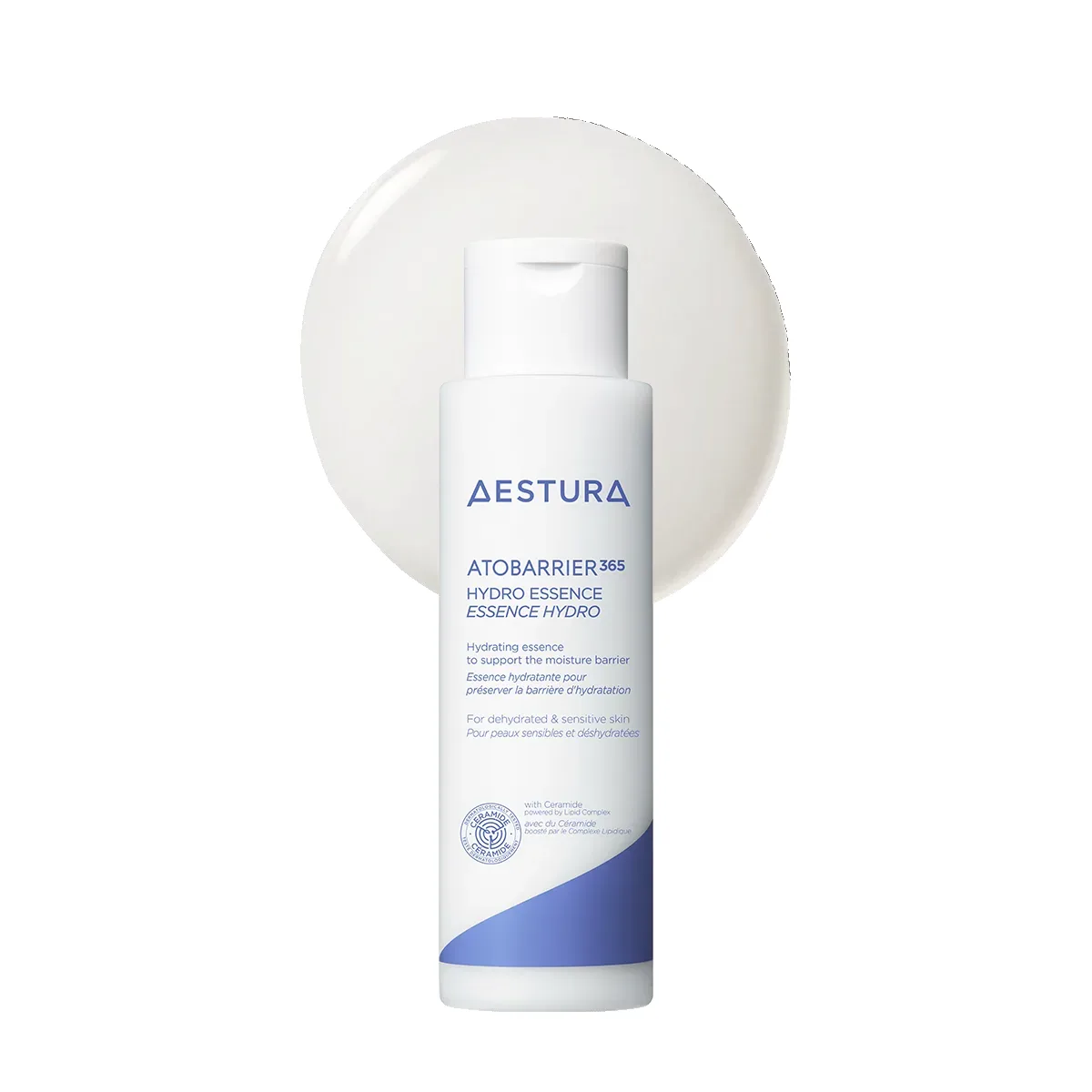
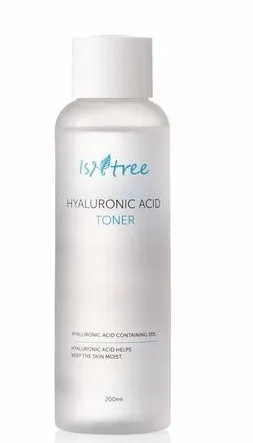
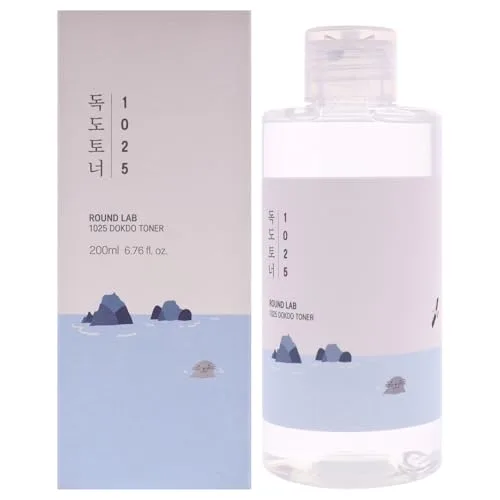


- Routine Korean Skincare Routine, Done Sensibly (Not All 10 Steps) Layering kept, redundant layers removed — the practical resolution of this whole question.
- Ingredient Galactomyces Ferment Filtrate (Pitera) The ferment filtrate that genuinely distinguishes traditional essences, with its evidence and its funding caveat.
- Ingredient Hyaluronic Acid The humectant most often duplicated across two or three watery layers in the same routine.
References
- The Relation of pH and Skin Cleansing — Current Problems in Dermatology, 2018
- Effects of soap and detergents on skin surface pH, stratum corneum hydration and fat content in infants — Dermatology, 1997
- The water barrier function of the skin in relation to the water content of stratum corneum, pH and skin lipids. The effect of alkaline soap and syndet on dry skin in elderly, non-atopic patients — Acta Dermato-Venereologica, 1988
- Not all marketed skin cleansers' pH is optimal for atopic dermatitis — Allergy and Asthma Proceedings, 2024
- Significant Reversal of Facial Wrinkle, Pigmented Spot and Roughness by Daily Application of Galactomyces Ferment Filtrate-Containing Skin Products for 12 Months—An 11-Year Longitudinal Skin Aging Rejuvenation Study — Journal of Clinical Medicine, 2023
- Transcriptomic Analysis of Human Keratinocytes Treated with Galactomyces Ferment Filtrate, a Beneficial Cosmetic Ingredient — Journal of Clinical Medicine, 2022
Every cited link is verified to resolve to the paper named. Where a source could not be independently confirmed, it is listed without a link rather than pointing you somewhere wrong.
Frequently asked
Do I need a toner if I use a gentle cleanser?
For the toner's original purpose, no. That step existed to neutralise alkaline soap residue, and a modern syndet cleanser at pH 5.5–7 does not leave it. Skin also re-acidifies on its own within hours after any wash. A hydrating toner is a different product doing a different job, and whether you need it depends on whether you want an extra humectant layer.
What is the actual difference between an essence and a serum?
Conventionally, an essence is thinner and less concentrated and a serum is thicker and more concentrated — but neither term is regulated, and the overlap is large enough that products called essences appear in our serum, toner and treatment categories. The ingredient list settles it; the name does not.
Can I skip essence and just use a serum?
Usually yes. If your essence and serum are both humectant-led, you are applying the same category of ingredient twice and getting no additional benefit from the second pass. Keep whichever delivers an active you actually want and drop the duplicate.
Is there real evidence behind fermented essences?
For galactomyces ferment filtrate specifically, yes — including a twelve-month study reporting cumulative hydration improvement with reduced water loss, and mechanistic work on keratinocytes. The caveat worth holding is that much of this research comes from the companies commercialising the ingredient, which warrants the same discount you would apply to any interested party's data.
Does the order of watery layers matter?
Thin before thick is genuine — a light aqueous layer applied over an emollient one cannot penetrate it. Between two similar watery products the order barely matters, which is itself a clue that you may not need both.