



The 10-Step Korean Skincare Routine Is Dead (It Was Always a Myth)
The famous ten-step ritual was largely a Western retail invention. Real modern K-beauty has swung hard toward barrier-first minimalism.
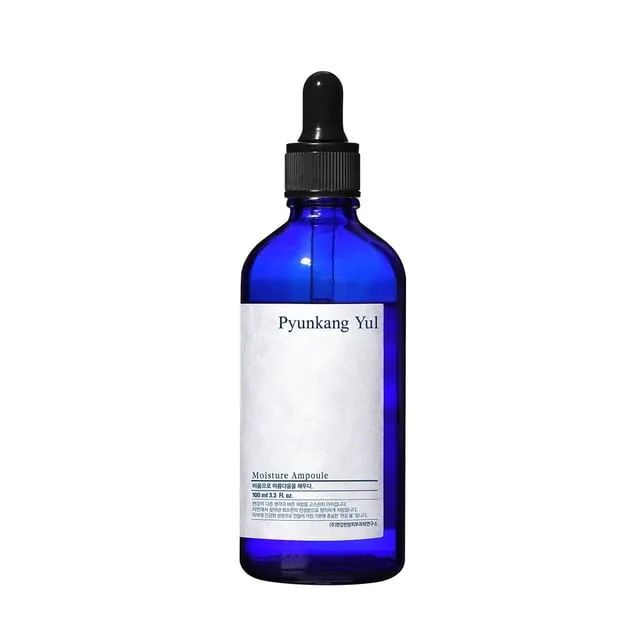
It's about as minimalist as skincare gets — six ingredients, with around 91% Coptis Japonica root extract literally replacing the water base. That radical simplicity makes it virtually impossible to react to, fungal-acne-safe, and ideal for layering, while the herbal-medicine heritage behind it gives the soothing claim real backing. Few hydrators are this gentle and this uncomplicated.
A cult-classic exercise in restraint: six ingredients, ~91% of them a single soothing root extract, in a watery ampoule that hydrates and calms without a single thing to react to. It's nearly perfect for oily, combination, and sensitive skin, fungal-acne-safe, and a genuine bargain. Just don't expect dramatic 'active' results — gentle, reliable hydration is the entire, well-executed point.
The case for it
What would change this: A researched evidence row for the lead active would replace this with a verdict.
Same rule for everyone. “Supporting role” is the verdict on 8,197 of 45,024 concern verdicts across the catalog; rule R8 decided 4,250 of them. Unchanged since September 5, 2026, engine 5.1.1.
Brand or formulator? Disclose a concentration or correct a fact →
The case for it
What would change this: A researched evidence row for the lead active would replace this with a verdict.
Same rule for everyone. “Good choice” is the verdict on 1,938 of 45,024 concern verdicts across the catalog; rule F2 decided 1,938 of them. Unchanged since September 5, 2026, engine 5.1.1.
Brand or formulator? Disclose a concentration or correct a fact →
The case for it
What would change this: A researched evidence row for the lead active would replace this with a verdict.
Same rule for everyone. “Supporting role” is the verdict on 8,197 of 45,024 concern verdicts across the catalog; rule R8 decided 4,250 of them. Unchanged since September 5, 2026, engine 5.1.1.
Brand or formulator? Disclose a concentration or correct a fact →
Also listed for Excess Oiliness — the actives here (Botanical Extracts, 1,2-Hexanediol, glyceryl caprylate) are in our research queue for that concern; there is no verdict until their evidence rows are written. That is a gap in our table, not a mark against the product.
A verdict is DermApproved’s assessment of how well a product’s ingredients fit a concern — never a claim about what the product treats. Evidence dots and collected reviews sit beside it and are never blended in. Rules 0.5.1 · evidence table ev-2026.09-r228 · how we decide
Turn over almost any ampoule and you'll find a paragraph of ingredients: actives, extracts, fragrances, texture modifiers, a small committee of preservatives. Turn over this one and you'll find six things, total. Coptis Japonica root extract, three emulsifiers, a humectant, and a gentle preservative. That's it. In a market that has spent a decade convincing us that more ingredients means more efficacy, Pyunkang Yul built a cult following by betting on the opposite, and the six-ingredient list isn't a gimmick or a compromise — it is the product. Understanding why that works is the key to understanding why this little bottle has earned thousands of devoted reviews.
The radical part is the base. Most skincare is mostly water; this ampoule replaces the water with Coptis Japonica root extract, which makes up around 91 percent of the formula. Coptis root is a traditional East Asian medicinal herb, rich in berberine, long used for its soothing and antioxidant properties — and here it isn't a fairy-dusted extract sitting at the bottom of an ingredient list, it's the entire vehicle. That single decision is what gives the ampoule its identity: it's essentially a concentrated soothing-herb hydrator with just enough functional ingredients added to make it spread, absorb, and not spoil. The three polysorbates and PEG let the extract glide and sink in; the hexanediol and glyceryl caprylate keep it stable without parabens or fragrance. Nothing is there that doesn't need to be.
What that minimalism buys you is tolerability, and it's hard to overstate how valuable that is for the right skin. With no fragrance, no essential oils, no alcohol, no oils at all, and nothing on the standard fungal-acne trigger lists, there is almost nothing here to react to. For oily, combination, sensitive, reactive, or breakout-prone skin — the exact people most often let down by richer, fussier products — this is a near-foolproof hydrating step. It's fungal-acne-safe, which instantly makes it one of the few hydrators someone managing malassezia can reach for without anxiety. The simplicity that looks like 'not much' on paper translates, in practice, into 'nothing to go wrong.'
The texture follows the same philosophy. It's thin, almost watery, more like a faintly viscous essence than a traditional thick ampoule, and it absorbs the instant you pat it on with a cool, fresh feel. That lightness is exactly why it suits oily and combination skin so well — it delivers a layer of genuine hydration with zero weight, tack, or residue, and it disappears under whatever you layer next. Pat it onto damp skin after toner, follow with moisturizer (or not, if you're oily), and it does its quiet job.
The payoff in use is gentle but real. Hydration is immediate, and over a week or two of consistent use, oily and reactive skin tends to look calmer, less red, and better balanced — the Coptis root's soothing character doing steady, unflashy work. It won't transform your skin, fade a dark spot, or smooth a wrinkle, and it's important to be honest about that. This isn't a treatment ampoule; it's a hydrating, soothing one, and judged on that brief it's excellent. Judged as a potent active serum, it would disappoint — but that's a category error, not a flaw.
Its limitations are few and predictable. Very dry skin will find it too light to satisfy on its own and must layer something richer over it — it's a hydrating step, not a moisturizing finish. People expecting visible 'results' from an ampoule may find its quiet competence underwhelming, and the watery texture takes a moment to get used to if you're accustomed to thicker serums. None of these are failures of the product; they're mismatches of expectation, and they're easy to avoid once you know what it is.
And then there's the value, which is genuinely excellent. You get a generous 100ml — far more than the typical 30ml ampoule — for a price that commonly lands anywhere from the mid-teens to the mid-twenties depending on the retailer, and the bottle lasts three to four months of twice-daily use. For a gentle, effective, endlessly tolerable daily hydrator, that is a lot of skincare for the money, and it's a big part of why the product has stayed a staple of minimalist routines for years.
Where it lands: this is one of those rare products whose reputation is entirely earned and entirely about what it doesn't do. It doesn't irritate, it doesn't break you out, it doesn't weigh you down, and it doesn't cost much. What it does is hydrate and soothe, gently and reliably, for almost any skin but especially the oily and sensitive types that struggle with everything else. Buy it understanding that minimalism is the feature, not a shortfall — set your expectations to 'calm, weightless, dependable hydration' and it over-delivers. It's a deserved cult classic, and the six-ingredient list is exactly why.
The hero actives that drive this product's performance.
| Ingredient | Function | Evidence |
|---|---|---|
| Coptis Japonica Root Extract (~91%) (91%) | Almost the entire formula — this traditional East Asian medicinal root (rich in berberine) replaces water as the base, delivering soothing, antioxidant, and oil-water-balancing benefits; building the ampoule on the extract itself rather than diluting it is the whole point of this radically minimalist hydrator. | Not yet assessed |
| 1,2-Hexanediol | A multitasking humectant and gentle preservative-booster that helps bind moisture and keep the six-ingredient formula stable without parabens or added preservatives — essential to making such a stripped-down formula viable. | Not yet assessed |
| Glyceryl Caprylate | A plant-derived emollient and natural antimicrobial that conditions the skin while serving as the formula's mild preservative, allowing the ampoule to stay fragrance-free, alcohol-free, and additive-light. | Not yet assessed |
Coptis Japonica Root Extract, Polysorbate 80, PEG-150 Distearate, Polysorbate 20, 1,2-Hexanediol, Glyceryl Caprylate
serum
AM & PM
Smooth a few drops onto damp skin after toner and before moisturizer. It layers cleanly under everything, and because it's so light, oily skin can use it as a near-weightless hydrating step while drier skin seals it with a cream.
Lightweight hydration and a soft, bouncy finish are immediate. Soothing of redness and a calmer, better-balanced complexion build over one to two weeks of consistent use; there's no purge or adjustment period.
This formula is a study in doing little, deliberately. Its defining feature is the replacement of water with Coptis Japonica root extract at roughly 91%. Coptis species are well-documented in traditional East Asian medicine and contain berberine, an alkaloid with researched anti-inflammatory, antimicrobial, and antioxidant activity in various contexts; in topical skincare the soothing and antioxidant benefits attributed to Coptis root are promising but less rigorously established than for standalone actives, so the realistic effect is gentle calming and hydration rather than a measurable clinical change. The supporting ingredients are functional rather than active: polysorbate 80, PEG-150 distearate, and polysorbate 20 are well-established emulsifiers and solubilizers that allow the extract to spread and absorb; 1,2-hexanediol is a well-supported multifunctional humectant and antimicrobial-booster; and glyceryl caprylate is a plant-derived emollient with mild preservative activity. Together these enable a stable, fragrance-free, alcohol-free formula without conventional preservatives — a genuine formulation achievement at six ingredients. The absence of oils, fragrance, and common irritants is the most clinically meaningful aspect, making the product exceptionally low-risk and suitable for compromised, sensitive, and fungal-acne-prone skin. The honest reading: a minimalist soothing hydrator whose benefit comes from tolerability and gentle Coptis-derived calming rather than high-potency active mechanisms.
From a clinical standpoint, the appeal of this ampoule lies in its simplicity and tolerability rather than potent actives. A short, fragrance-free, oil-free ingredient list is exactly what is often recommended for sensitive, reactive, or barrier-compromised skin, and for patients managing fungal acne, where minimizing oils and potential triggers is key. Coptis Japonica root is a traditional botanical with soothing and antioxidant associations; while topical evidence is limited relative to standalone actives, it poses little risk and may provide gentle calming. The product is best framed to patients as a hydrating, soothing layer rather than a treatment — appropriate for daily use, easily layered, and unlikely to cause irritation. Drier skin types should be advised to apply a richer moisturizer over it, since it does not provide significant occlusion. As with any routine, daily sunscreen remains essential. Overall, it is a low-risk, sensible choice for those who benefit from minimalist skincare.
Use after toner and before moisturizer, morning and night. Dispense a few drops, pat them gently onto slightly damp skin, and let the watery formula absorb — it sinks in almost immediately with a cool, fresh finish. Oily and combination skin can use it as a lightweight hydrating step on its own, while normal-to-dry skin should follow with a moisturizer to seal in the hydration. It layers cleanly under other serums, treatments, and sunscreen, so it fits easily into any routine. Continue daily for the gradual soothing, balancing benefits, and keep up sun protection in the morning.
This is one of the stronger values in hydrating skincare. The 100ml size is more than three times the typical 30ml ampoule, and prices commonly range from the mid-teens to mid-twenties depending on retailer, putting the per-ml cost very low. A bottle lasts three to four months of twice-daily use, so the running cost is minimal. For a gentle, broadly tolerated daily hydrator, that combination of size, price, and longevity is hard to beat, and it's a major reason the product has remained a minimalist-routine staple for years. There's no larger or smaller size to weigh, and the value case is strongest for those who want dependable everyday hydration rather than treatment actives, where cheaper basic humectant serums exist but rarely match this one's tolerability and clean formulation.
Oily, combination, sensitive, and breakout-prone skin looking for a gentle, weightless, endlessly tolerable hydrating step — especially anyone managing fungal acne or reacting to fragranced products. It's also ideal for minimalist-routine fans and those who want a lot of reliable hydration for very little money.
Very dry skin that wants a single nourishing step will find it too light to satisfy alone, and anyone seeking active results — brightening, anti-aging, exfoliation — should look to a treatment product, since this is purely a soothing hydrator. Fans of rich, thick ampoule textures may also find it underwhelming.
Ready to try Pyunkang Yul Moisture Ampoule?
Buy at Amazon ♥A thin, watery-to-gel ampoule that feels almost like a slightly viscous water, absorbing instantly with a cool, fresh finish.
Completely fragrance-free, with only a faint natural herbal note from the Coptis root extract.
A generous 100ml bottle, typically with a dropper; simple, no-frills packaging in keeping with the brand's minimalist ethos.
The first thing you notice is how light it is — almost like patting on water, with a cool, fresh feel and instant absorption. There's no fragrance, no sting, and no tackiness. Hydration registers immediately; the soothing, balancing effect on oily or reactive skin reveals itself over the following one to two weeks.
The 100ml bottle is generous — roughly 3-4 months of morning and night use, longer if used once a day.
All Year
Created by Korea's Pyunkang Korean Medicine Hospital in 2016, the Moisture Ampoule distilled the brand's herbal-medicine philosophy into a near-single-ingredient product. Coptis Japonica root, long used in traditional East Asian medicine for its soothing properties, was concentrated to over 90% and paired with only the minimum needed to make it spreadable and stable — a deliberate rebuke to overloaded ingredient lists.
Pyunkang Yul was created in 2016 by Korea's Pyunkang Korean Medicine Hospital, giving it a clinical, herbal-medicine heritage unusual for a budget K-beauty brand. Its minimalist, fragrance-free formulas built around Coptis Japonica root have a large, loyal following and thousands of reviews, and the Moisture Ampoule is one of its most recognized cult products.
The Moisture Ampoule's hero ingredient is milk vetch root.
A common mix-up — the dominant ingredient is actually Coptis Japonica root extract at around 91%, not milk vetch. Milk vetch (astragalus) features in some of the brand's other lines, but this ampoule is built almost entirely on Coptis root.
An ampoule should be rich and potent, so this watery one must be weak.
This is a deliberately minimalist hydrating-and-soothing ampoule, not a concentrated active treatment. Its light, watery texture is the feature — it delivers gentle hydration and calm with nothing to irritate, which is exactly what oily and sensitive skin often needs.
Around 91% of the formula is Coptis Japonica root extract, a traditional East Asian medicinal root that replaces water as the base. It provides soothing, antioxidant, and oil-water-balancing benefits, and the remaining five ingredients are just gentle emulsifiers and a mild preservative — making this one of the most minimalist ampoules available.
It shines on oily, combination, and sensitive skin, where its lightweight, oil-free, balancing hydration is ideal. Dry skin can use it too but will likely find it too light on its own and should layer a richer moisturizer on top. Its real strength is gentle, weightless hydration rather than deep nourishment.
Yes — its six-ingredient, oil-free, fragrance-free formula contains nothing on the standard fungal-acne trigger lists, making it one of the safer hydrating options for those managing malassezia folliculitis. The simplicity that defines it also makes it exceptionally easy to tolerate for reactive and breakout-prone skin.
Apply a few drops to damp skin after toner and before moisturizer, morning and night. It absorbs almost instantly with a cool, fresh finish and layers cleanly under any other products. Oily skin can use it as a near-weightless hydrating step, while drier skin should follow with a cream to seal it in.
Yes. Its minimalist formula of Coptis root extract, gentle emulsifiers, a humectant, and a mild preservative contains no retinoids, fragrance, or other pregnancy-flagged ingredients, making it a very safe, gentle choice. As always, confirm with your OB or dermatologist if you have specific concerns.
Because the base is the Coptis root extract itself rather than thickened water or oils, the texture is intentionally thin and almost water-like. That lightness is the point — it absorbs instantly, layers invisibly, and suits oily and sensitive skin that can't tolerate heavier, richer ampoules.
Recurring themes our editors read across retailer reviews of this product — summaries in our words, not quotations, and not a substitute for your own patch test.
Lightweight hydration without greasiness
Calms and balances oily, sensitive skin
Excellent value for the size
Too light for very dry skin alone
No dramatic 'active' results
Watery texture takes getting used to
Verified answers from our questions library — the nuance a product page cannot carry.