Best Fragrance-Free Serums
Updated September 2026 · independently researched, no sponsored placements
Our top 40 picks, ranked from 751 reviewed products — ranked by our overall assessment of formula, safety and value.


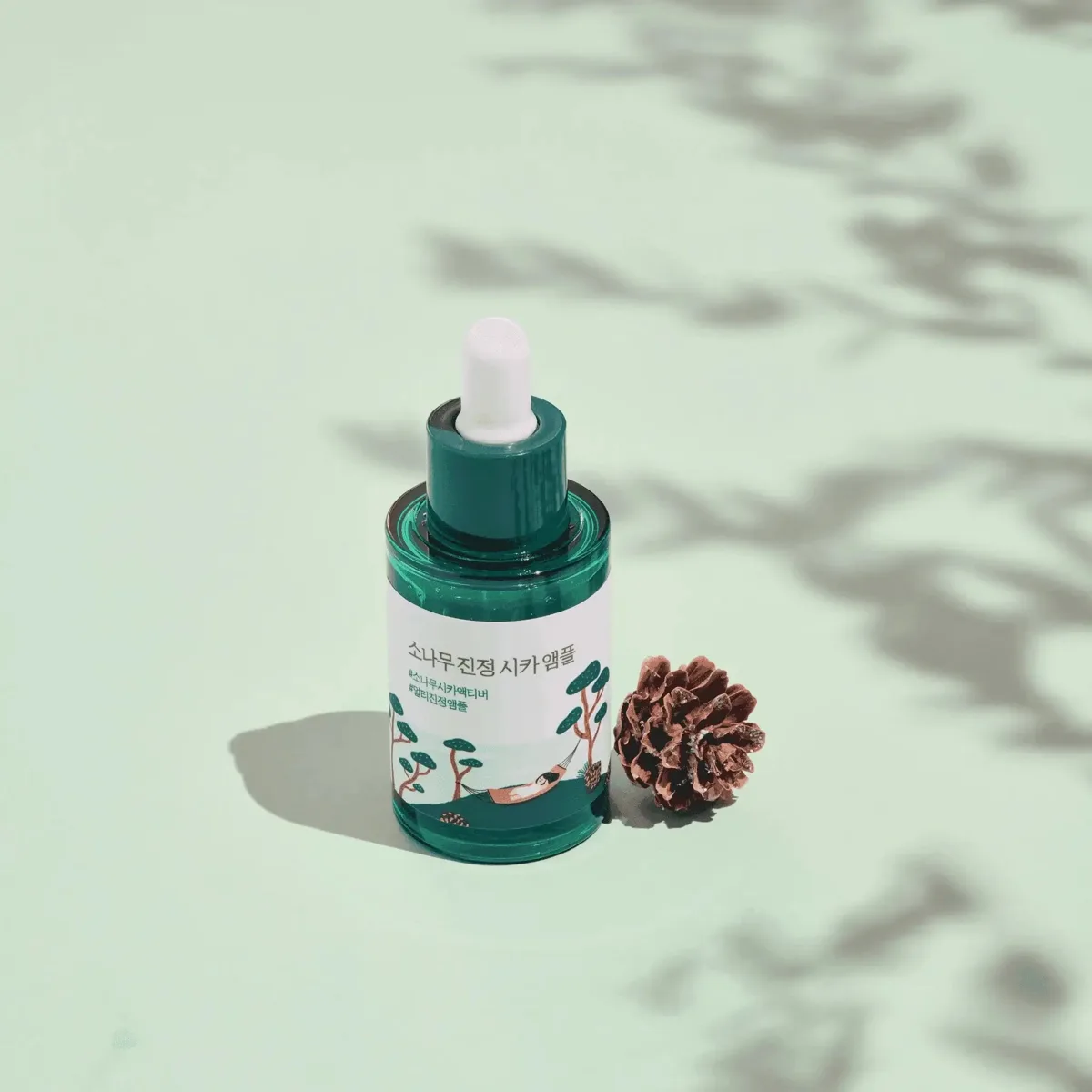
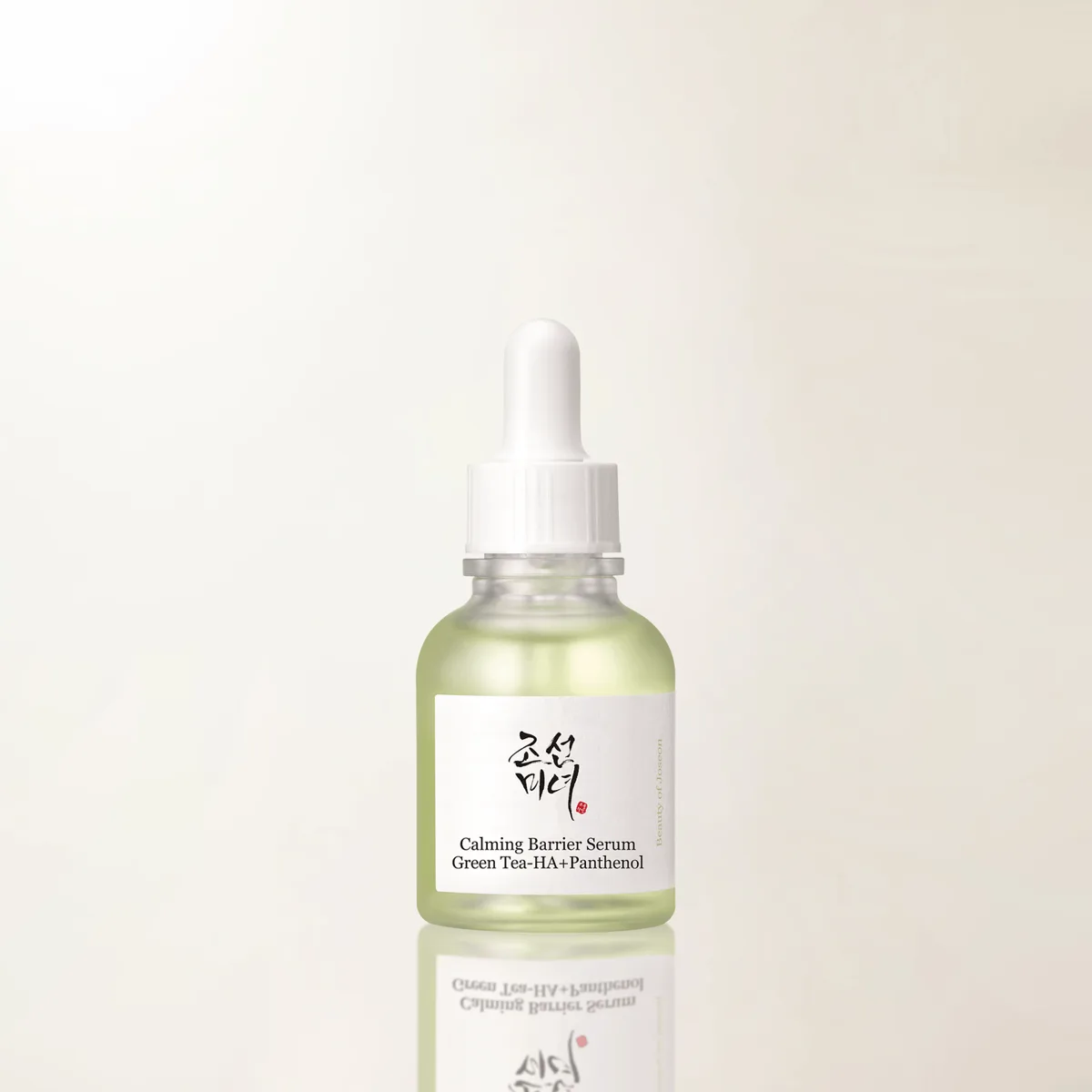


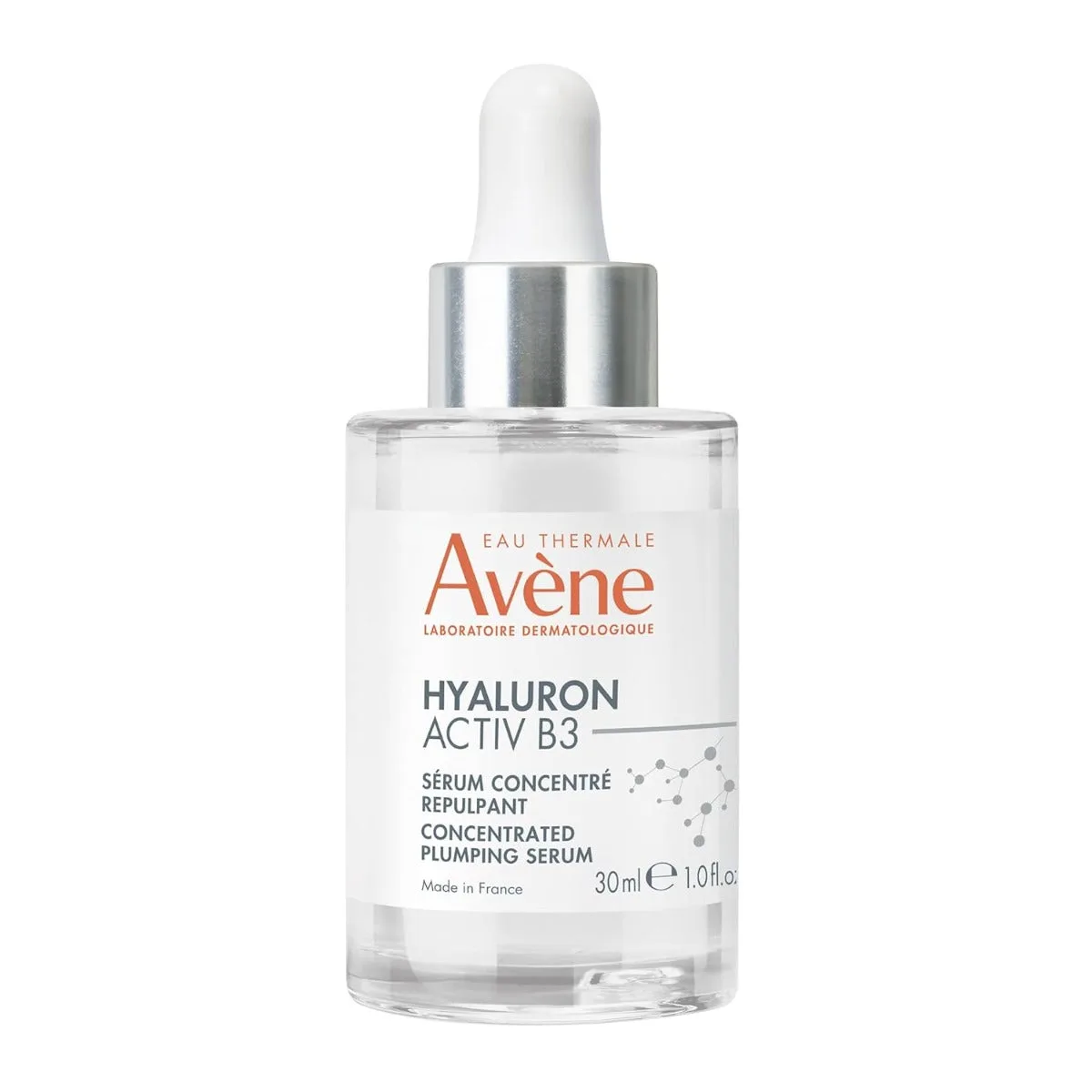


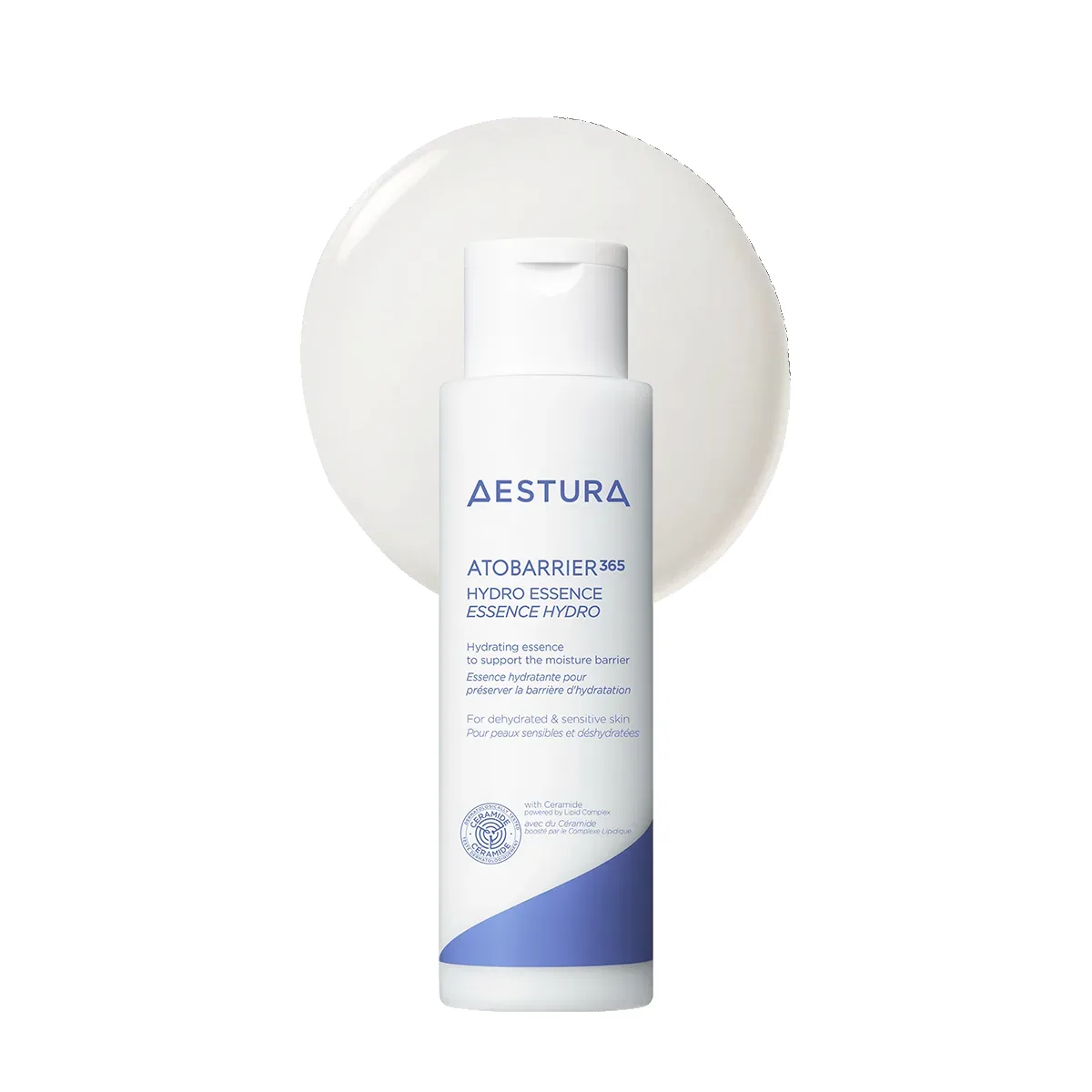


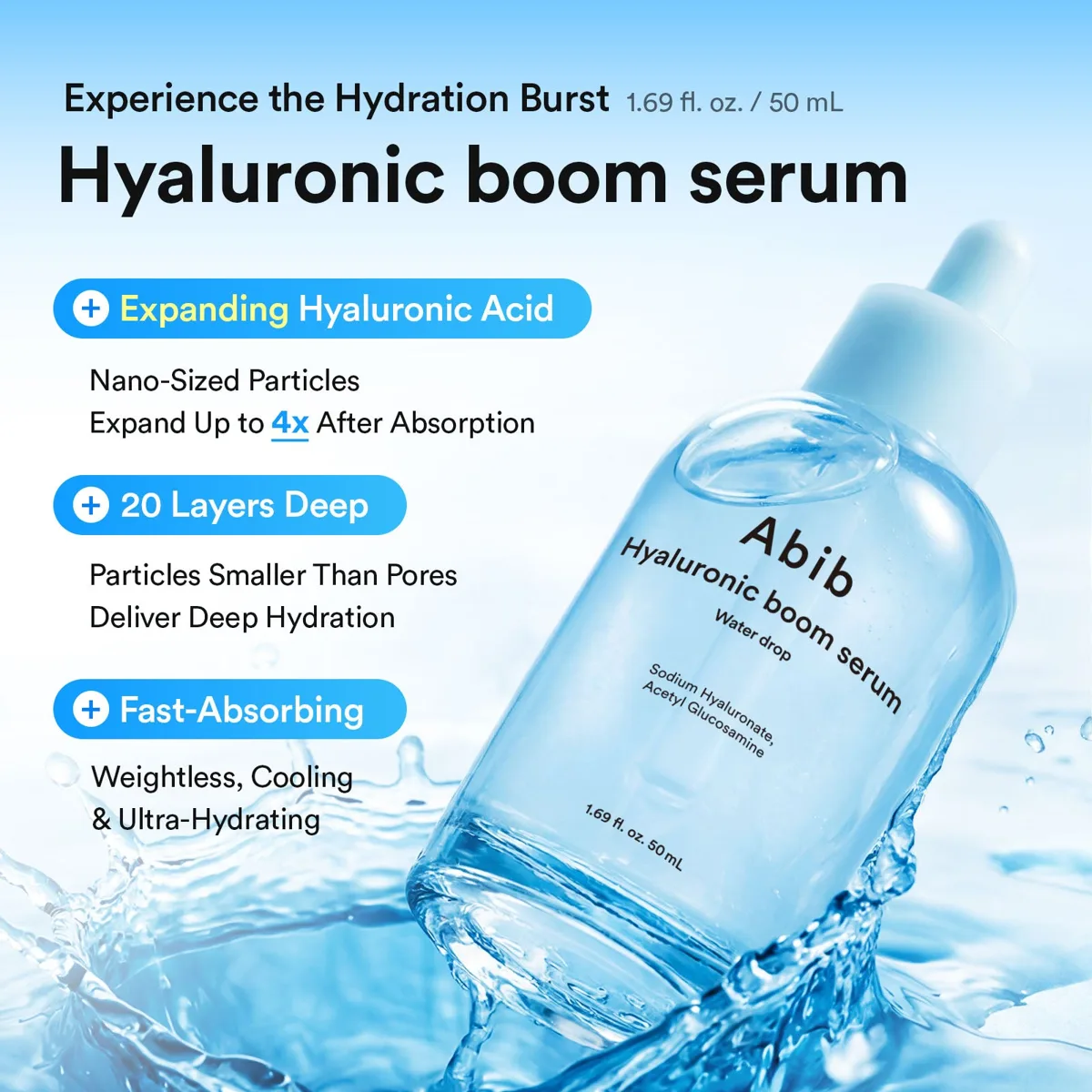
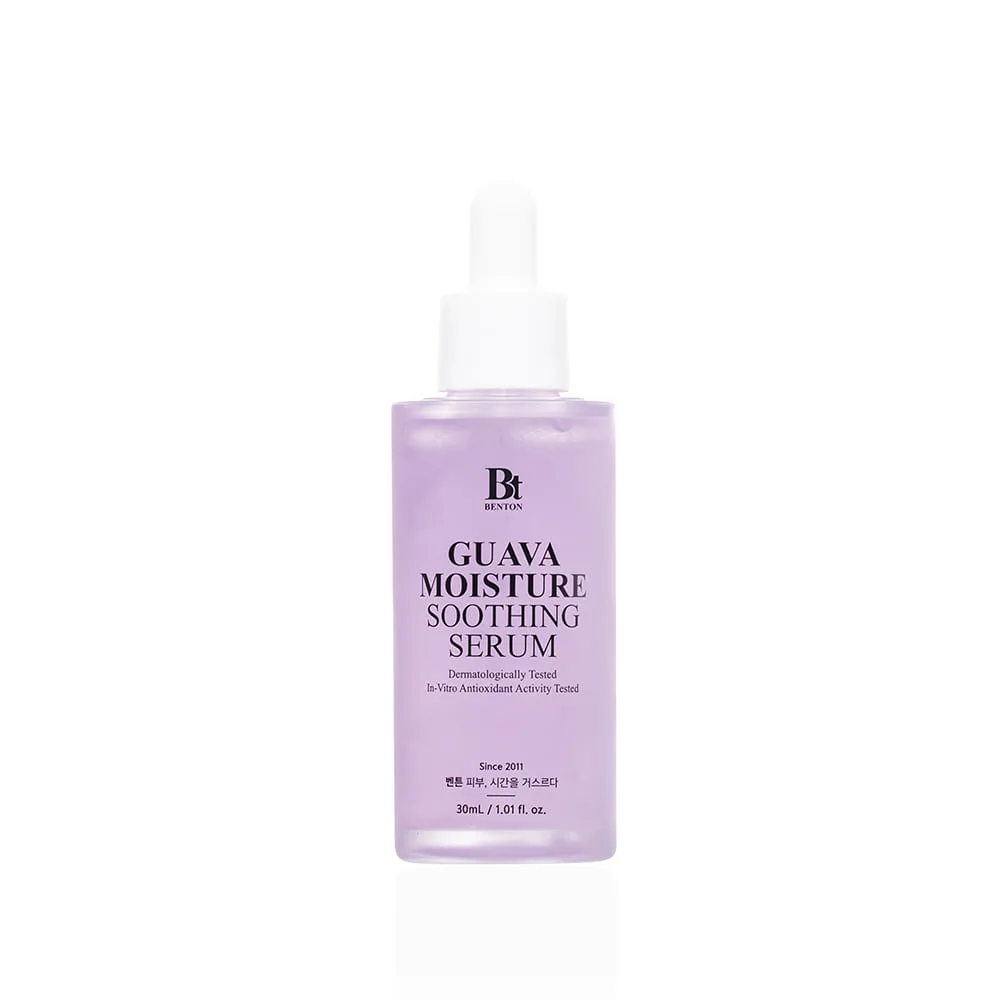

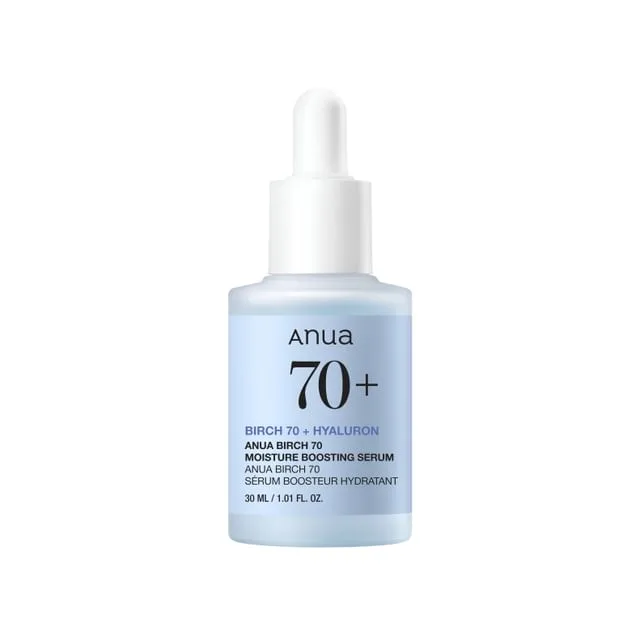
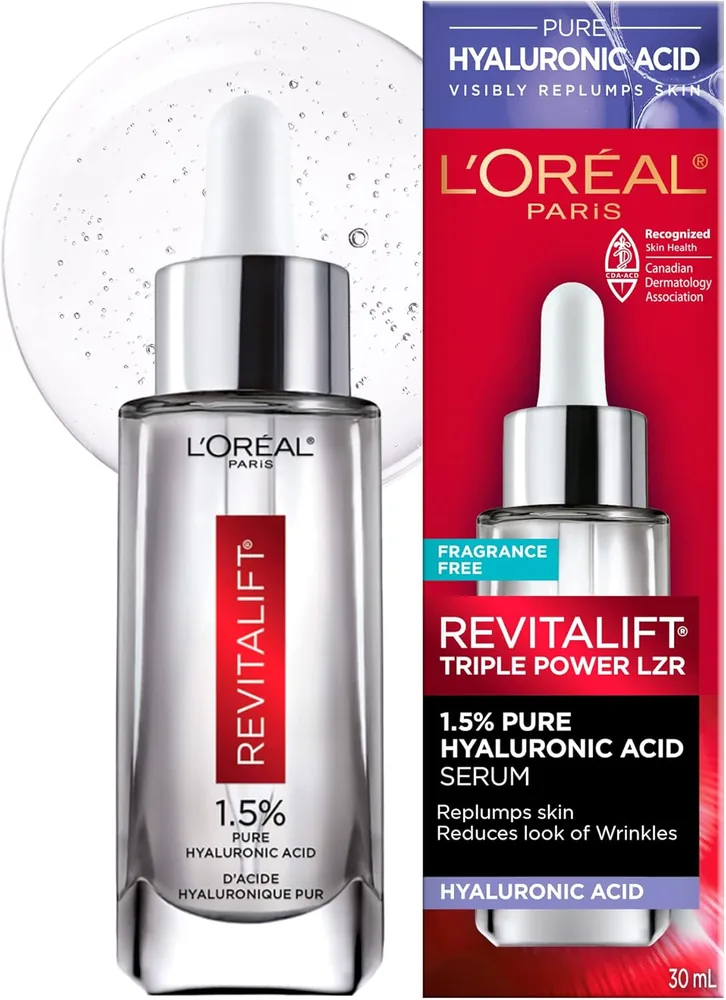
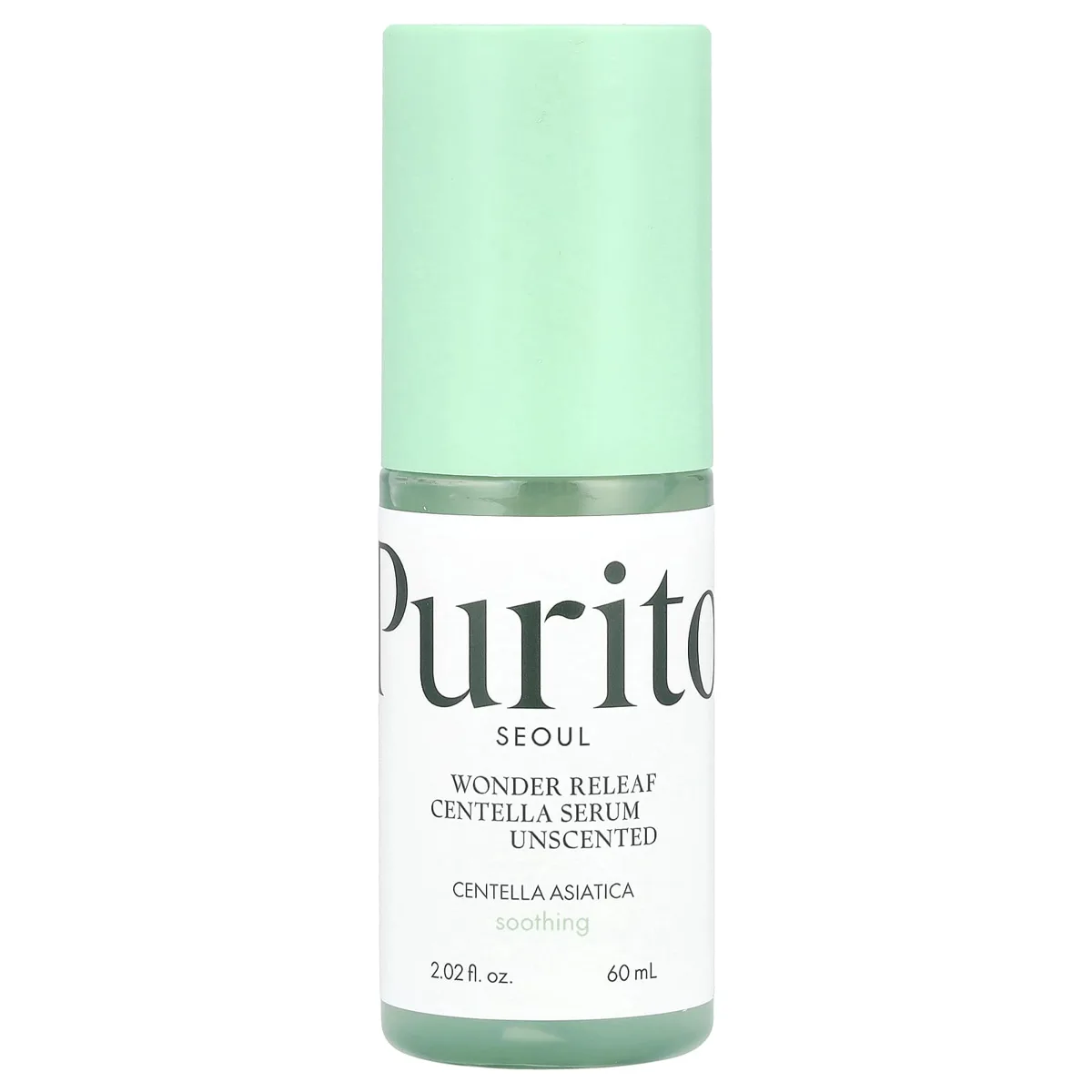
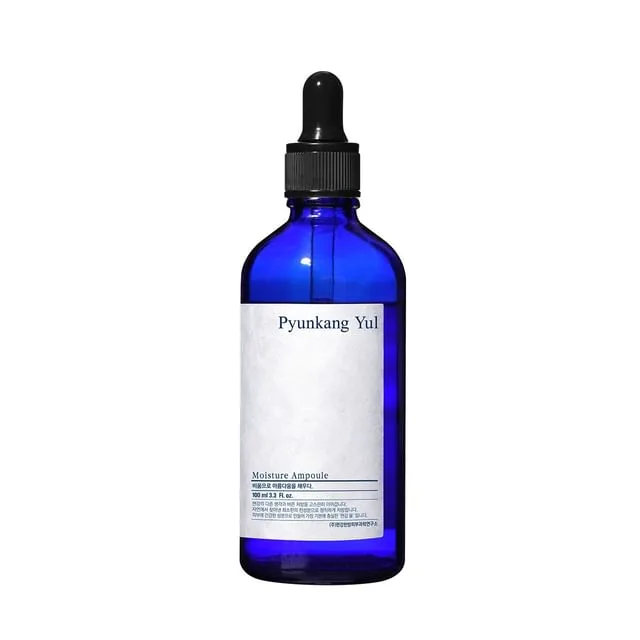


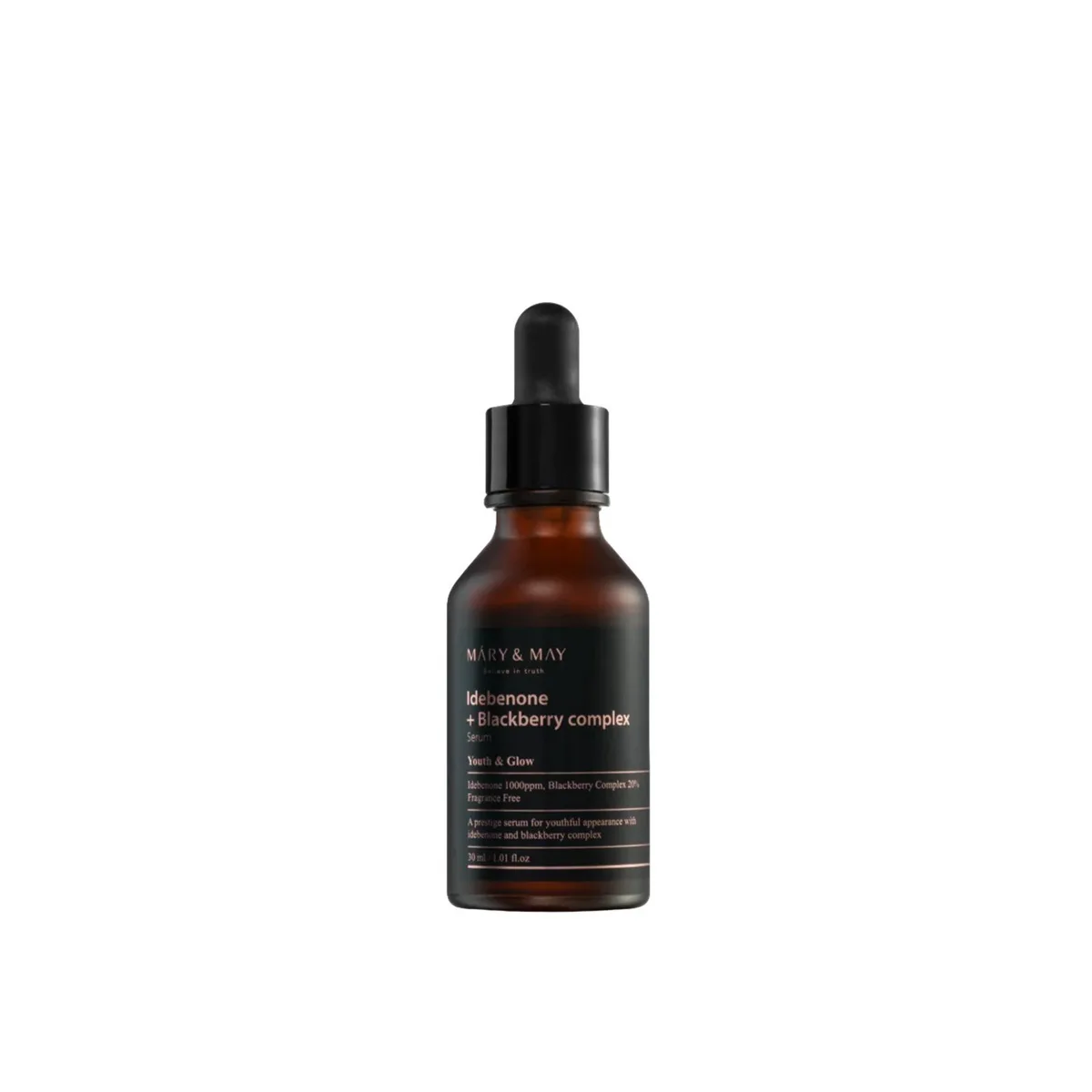

How to Choose
Fragrance is the single most common cause of cosmetic allergic contact dermatitis, which is reason enough to want a fragrance-free serum — but the label hides a trap worth knowing before you buy. 'Unscented' is not the same as 'fragrance-free': unscented products often contain masking fragrance to cancel out a raw ingredient's smell, while truly fragrance-free formulas leave it out entirely.
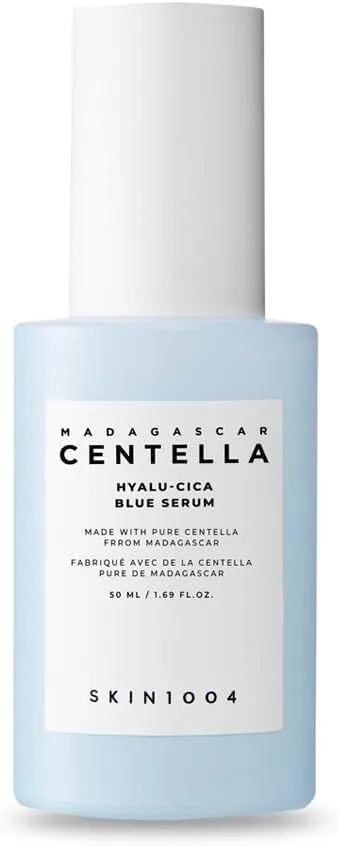
Essential oils count too — lavender, citrus, and tea tree are naturally derived but still sensitizing, so a 'clean' serum perfumed with botanicals can flare reactive skin just as readily as a synthetic one. The encouraging news is that the best-scoring serums in this category are fragrance-free almost by design, because the ingredients that make a great serum — hyaluronic acid, niacinamide, panthenol, centella — don't need perfume to perform. 's Thirst Burst Drops ($18) and SKIN1004's Hyalu-Cica Blue ($16) both top the list on hydration and barrier support without a whiff of added scent. What to scan the INCI for: 'parfum' or 'fragrance' (the umbrella term), and named essential oils near the end of the list. The honest caveat is that fragrance-free isn't automatically gentle — a fragrance-free vitamin C or strong acid can still sting — so read the active, not just the scent claim. But for daily-wear leave-on products that sit on your face for hours, removing the most frequent irritant is one of the highest-value, lowest-cost decisions in a routine.
Buying Guide
Confirm the claim on the ingredient list, not the front of the bottle. Look for an explicit 'fragrance-free' statement, then verify by scanning the INCI for 'fragrance' or 'parfum' and for named essential oils — lavender, bergamot, citrus, and tea tree are common botanical scents that still sensitize. Treat 'unscented' with suspicion, since it can signal a masking fragrance rather than the absence of one. With scent ruled out, choose the serum by its active: hyaluronic acid and glycerin for hydration, niacinamide for barrier and oil balance, centella or panthenol for soothing reactive skin. Keep the formula short where possible — fewer ingredients means fewer potential triggers, which is why minimalist options like the Tunemakers undiluted serums appeal to easily irritated skin. Price is not a barrier here; the highest-scoring fragrance-free serums sit between $15 and $25, so there's no premium to pay for leaving perfume out.
Frequently Asked Questions
Is 'unscented' the same as 'fragrance-free' on a serum?
No, and the distinction matters for reactive skin. Unscented products frequently contain a masking fragrance added to neutralize the smell of other ingredients, whereas fragrance-free means no fragrance compounds were added at all — always confirm by checking the ingredient list for 'fragrance' or 'parfum.'
Do essential oils count as fragrance in a serum?
Yes — essential oils such as lavender, citrus, and tea tree are among the most common causes of fragrance allergy despite being naturally derived. A serum marketed as natural or clean can still trigger sensitive skin if it's scented with botanicals, so scan for named oils, not just the word fragrance.
Does a fragrance-free serum mean it won't irritate my skin?
Not necessarily — fragrance-free removes the most common irritant, but a fragrance-free serum can still sting if it contains a high-strength acid, vitamin C, or retinol. The scent claim addresses one trigger; you still need to match the active ingredient to your skin's tolerance.
Which fragrance-free serum is best for sensitive skin?
Look for short, soothing formulas built around centella, panthenol, and hyaluronic acid rather than strong actives. Options like SKIN1004 Hyalu-Cica Blue pair barrier-supporting ceramides and niacinamide with no added scent, making them a low-risk first serum for easily reactive skin.