


Octocrylene and Homosalate: The Filters America Is Stuck With
The critics are right about the data gap, and they are right that it took two decades to move. What follows from that is not the conclusion most people draw.
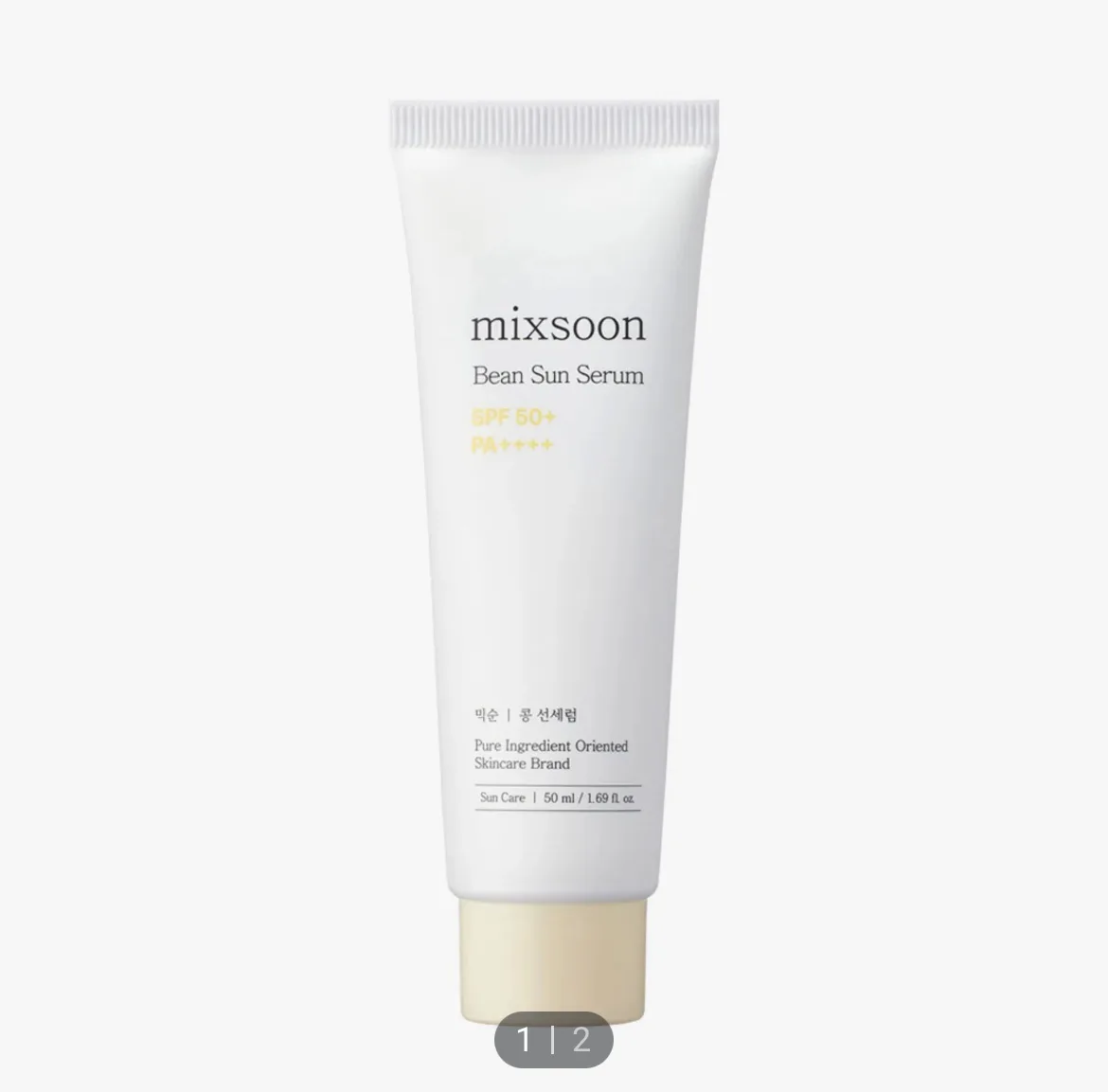
It pairs an unusually comprehensive five-filter next-generation UV system, including both Mexoryl filters, with mixsoon's signature fermented soybean actives and niacinamide, and does so fragrance-free, which sets it apart from the many scented K-beauty sun serums.
mixsoon's Bean Sun Serum is one of the more quietly impressive K-beauty sunscreens around: an unusually comprehensive five-filter next-generation system, including both Mexoryl filters, delivering elegant, lightweight SPF 50+ protection, and, refreshingly, it is fragrance-free. Niacinamide and the brand's fermented soybean actives round it out. The main caveats are coconut oil, which rules it out for fungal-acne-prone skin, and its imported, non-FDA status.
Note: This sun serum launched in 2024 with a moderate base of international reviews. Our scoring reflects that feedback and the well-established global evidence for its next-generation UV filters. As an imported product its SPF is not FDA-regulated, and we will revisit this review as more data accumulates.
The case for it
What would change this: A declared concentration would move this to a firmer reading of the dose.
Same rule for everyone. “Full protection” is the verdict on 2,288 of 45,024 concern verdicts across the catalog; rule P1 decided 2,232 of them. Unchanged since September 5, 2026, engine 5.1.1.
Brand or formulator? Disclose a concentration or correct a fact →
The studies behind the evidence row
The case for it
What would change this: A declared concentration would move this to a firmer reading of the dose.
Same rule for everyone. “Full protection” is the verdict on 2,288 of 45,024 concern verdicts across the catalog; rule P1 decided 2,232 of them. Unchanged since September 5, 2026, engine 5.1.1.
Brand or formulator? Disclose a concentration or correct a fact →
The studies behind the evidence row
The case for it
What would change this: A declared concentration would move this to a firmer reading of the dose.
Same rule for everyone. “Good choice” is the verdict on 9,564 of 45,024 concern verdicts across the catalog; rule R5 decided 9,072 of them. Unchanged since September 5, 2026, engine 5.1.1.
Brand or formulator? Disclose a concentration or correct a fact →
The studies behind the evidence row
Does the jobDoes what a sunscreen is for: UVA coverage, kind to the skin wearing it. Not measured from the label: pleasant enough to actually use.
A verdict is DermApproved’s assessment of how well a product’s ingredients fit a concern — never a claim about what the product treats. Evidence dots and collected reviews sit beside it and are never blended in. Rules 0.5.1 · evidence table ev-2026.09-r228 · how we decide
A genuinely fragrance-free K-beauty sun serum is a rarer thing than it ought to be. The category leans hard on pleasant scents; Korean sunscreens are often as much about the sensory experience as the protection, and a soft fragrance is part of the appeal for many buyers. But fragrance is also one of the most common irritants in skincare, and a sunscreen, applied generously every single day, is precisely the product where leaving it out does the most good. So mixsoon's decision to skip fragrance entirely in its Bean Sun Serum SPF 50 is a quiet act of formulating restraint, and it is the right place to begin, because that same restraint runs through the whole product.
The protective core is genuinely impressive and arguably the standout feature. mixsoon built this on an unusually comprehensive five-filter, next-generation UV system, and crucially that system includes both Mexoryl filters alongside ethylhexyl triazone and Tinosorb S. The Mexoryl family is well-regarded in cosmetic photoprotection, particularly prized for robust, photostable UVA coverage, the area where older filter systems tend to be weakest. Finding both Mexoryl filters inside a five-filter blend is a more sophisticated protective setup than most sunscreens in this price bracket bother to assemble, and it delivers broad-spectrum SPF 50+, PA++++ protection with the elegant, low-cast feel that modern filters allow. That lighter finish matters beyond comfort, because the generous application real-world protection depends on is far easier when a sunscreen feels this pleasant to wear. This is a real, well-engineered filter system, not a basic one dressed up.
The rest of the formula matches that thoughtfulness. The texture is a lightweight, serum-like fluid that spreads easily and absorbs to a comfortable, low-cast finish, true to the serum in the name. Niacinamide sits second in the ingredient list, well documented for supporting barrier function and the look of even tone, which gives this sunscreen a genuine treatment-level benefit beyond UV defense. Sodium hyaluronate adds water-binding surface hydration, and the brand's signature fermented soybean complex, fermented soy alongside fermented pomegranate, pear, and barley, brings mixsoon's house philosophy of fermented-botanical formulating; fermented soy can contribute antioxidant and conditioning activity on a moderate, promising-rather-than-proven evidence base. mixsoon, founded in 2020 by Korean cosmetics veteran Jooup Hwang, has built a consistent, transparent identity around minimalist, fermented-botanical formulas, and this sunscreen is a coherent expression of it. As an emerging brand its independent clinical track record is still limited, but the formulating philosophy is clear and the execution here is competent.
The main caveats are specific and worth knowing before you buy. First, the formula contains coconut oil, which means it is not fungal-acne safe, since coconut-derived lipids can feed Malassezia, so anyone whose breakouts are fungal-acne-related should choose a different sunscreen. Second, like many imported K-beauty sunscreens, this is not regulated under the US FDA sunscreen framework; several of the next-generation and Mexoryl filters that make the formula so good are not all approved for sunscreen use in the United States, which is part of why a system this sophisticated comes out of Korea. That is a regulatory point rather than a safety warning, these filters are well studied and widely used internationally, but a US buyer should understand they are purchasing an imported product sold here as a cosmetic, not a domestically regulated sunscreen. Third, this is a recent 2024 launch with a moderate rather than deep review record, so long-term real-world feedback is still accumulating, and the ferment-based anti-aging claims lean partly on marketing.
Protection is immediate on application at an adequate dose, with the broad-spectrum coverage and comfortable finish there from the first use, while the ongoing payoff is the prevention of cumulative photoaging, sun damage, and UV-driven pigmentation that only consistent daily wear provides.
The niacinamide deserves a little extra credit here, because it is the ingredient that nudges this from a very good sunscreen toward a genuine multitasker. Sitting second in the ingredient list means it is present at a meaningful rather than token level, and niacinamide is one of the better-documented actives in all of skincare for supporting barrier function, helping regulate sebum, and reducing the look of uneven tone and post-inflammatory marks. In a product you are already committing to apply every single day, getting that workhorse active along for the ride is a real bonus rather than a marketing flourish, and it pairs naturally with the sun protection itself, since both UV defense and barrier support feed into the same goal of keeping tone even over time. The fermented soybean complex is more about brand identity than proven heavy lifting, but it does no harm and adds some antioxidant character on top.
On value the serum lands well: twenty-six dollars for 50 mL is a fair, even generous price for a fragrance-free sunscreen with a five-filter, dual-Mexoryl protective core that genuinely outclasses much of its price bracket.
The verdict is straightforward. This is one of the more quietly impressive K-beauty sunscreens around, a sophisticated, fragrance-free, elegant SPF 50+ serum that gets the most important things right and earns its high overall score. It is an easy recommendation for most normal, combination, and dry skin wanting a high-quality daily sunscreen, with two clear asterisks: the coconut oil rules it out for fungal-acne-prone skin, and the imported, non-FDA status is something to go in fully aware of. For everyone else, the restraint that defines it, fragrance-free, considered, and protective, is exactly what makes it worth reaching for.
The hero actives that drive this product's performance.
| Ingredient | Function | Evidence |
|---|---|---|
| Next-Generation UV Filter System | An unusually comprehensive five-filter system, including ethylhexyl triazone, both Mexoryl filters and Tinosorb S, that delivers broad-spectrum SPF 50+, PA++++ protection with excellent photostability and an elegant, serum-light feel. | Regulator-approved for Sun Damage · limited certainty |
| Niacinamide | The second ingredient in the formula, niacinamide supports the skin barrier and tone, giving this sun serum a genuine treatment-level functional benefit beyond UV protection. | Limited for Sun Damage |
| Fermented Soybean Complex | mixsoon's signature 'Bean' actives, fermented soybean alongside fermented pomegranate, pear and barley, included as conditioning, antioxidant-leaning ferments that tie the sunscreen to the brand's fermented-botanical identity. | Not yet assessed |
| Sodium Hyaluronate | A humectant form of hyaluronic acid that adds surface hydration, supporting the lightweight, serum-like comfort that distinguishes this from a heavier sunscreen. | Established mechanism for Dehydration · established mechanism |
Ingredient standings describe the active at treatment-level doses and vehicles; this product's own condition grades weigh its actual formula.
Water, Niacinamide, Butyloctyl Salicylate, Propanediol, Ethylhexyl Triazone, Caprylyl Methicone, Glycerin, Drometrizole Trisiloxane, Polyglyceryl-3 Methylglucose Distearate, Dibutyl Adipate, Diisopropyl Sebacate, Terephthalylidene Dicamphor Sulfonic Acid, Diethylamino Hydroxybenzoyl Hexyl Benzoate, Tromethamine, 1,2-Hexanediol, Pentylene Glycol, Oak Root Extract, Lactobacillus/Punica Granatum Fruit Ferment Extract, Lactobacillus/Soybean Ferment Extract, Cocos Nucifera Oil, Sodium Hyaluronate, Methyl Methacrylate Crosspolymer, Bis-Ethylhexyloxyphenol Methoxyphenyl Triazine, Cetearyl Alcohol, Glyceryl Stearate, Silica, Potassium Cetyl Phosphate, Sodium Polyacryloyldimethyl Taurate, VP/Eicosene Copolymer, Carbomer, Glyceryl Stearate Citrate, Ammonium Acryloyldimethyltaurate/VP Copolymer, Pentaerythrityl Tetra-Di-T-Butyl Hydroxyhydrocinnamate, Ethylhexylglycerin, Acrylates/C10-30 Alkyl Acrylate Crosspolymer, Inulin Lauryl Carbamate, Adenosine, Xanthan Gum, Tocopherol, Lactobacillus/Pear Juice Ferment Filtrate, Saccharomyces/Barley Seed Ferment Filtrate, Quercus Suber Bark Extract
sunscreen
AM
Apply as the final morning step, after moisturizer, in a generous, even layer, and let it set before makeup. Reapply every two hours of sun exposure. Its serum-light texture layers cleanly under makeup.
Immediate: broad-spectrum SPF 50+, PA++++ protection and a lightweight, comfortable finish on application. Ongoing: consistent daily use prevents cumulative photoaging, sun damage and UV-driven pigmentation.
The protective core is the strongest aspect of this formulation: an unusually comprehensive five-filter, next-generation UV system that includes both Mexoryl filters. The Mexoryl family of UV filters is well regarded in cosmetic photoprotection, particularly for robust and photostable UVA coverage — an area where older filter systems are often weaker. Combining five filters, with both Mexoryl filters among them, produces broad, even broad-spectrum SPF 50+ coverage that is more sophisticated than typical sunscreens in this price range, and modern filter systems generally also deliver a lighter, more cosmetically elegant finish, which supports the generous application real-world protection depends on.
It is worth noting on an evidence basis that several next-generation and Mexoryl filters are not currently approved for use in sunscreens under the US FDA framework, which is why a filter system of this sophistication appears in an imported Korean product. These filters are well studied and widely used internationally; the point is regulatory, not a safety concern.
The supporting actives are sensibly chosen. Niacinamide is well documented for supporting barrier function and reducing the appearance of uneven tone, and sodium hyaluronate is a well-established humectant. The fermented soybean complex reflects the brand's fermented-botanical philosophy; fermented soy ingredients can contribute antioxidant and conditioning activity, with a moderate supporting evidence base. The formula is fragrance-free, which removes a common irritation variable. One formulation note: it contains coconut oil, which is relevant for fungal-acne-prone skin, since coconut-derived lipids can support Malassezia growth.
Dermatologists generally regard the next-generation UV filters used in this serum, particularly the Mexoryl filters and Tinosorb S, as excellent, photostable and efficient, and many have noted that the outdated US filter list limits American consumers' access to such options. A five-filter broad-spectrum SPF 50+, PA++++ formula is considered strong daily protection. The fragrance-free formulation is the kind of choice clinicians actively favor, since fragrance is a leading cause of contact irritation, and it makes this serum more suitable for sensitive and reactive skin than many scented alternatives. Dermatologists would note the coconut oil as a relevant exclusion for patients dealing with fungal acne, and would, as always, emphasize that real-world protection depends on generous application and reapplication regardless of how elegant the texture is. The next-generation filters, while well-regarded, are not FDA-approved, which clinicians treat as a regulatory rather than a safety distinction. For most skin types, applied properly, this is a sound and notably gentle daily sunscreen.
Smooth a generous, even layer over the face and neck as the final step of your morning skincare, before makeup — the labelled SPF 50+ is only reached at a full application, so use enough rather than a thin film. Its serum-like fluidity makes it easy to spread without dragging, and it sets to a low-cast finish quickly. Reapply during prolonged sun exposure across the day. It layers cleanly over a moisturizer and under makeup. Because the formula contains coconut oil, anyone managing fungal acne should choose a different sunscreen rather than relying on this one.
At around $26 for 50 mL, the Bean Sun Serum offers strong value. A five-filter next-generation system that includes both Mexoryl filters is a genuinely high-end protective formula, the kind that often appears in considerably pricier sunscreens, and pairing it with niacinamide and a fragrance-free base adds real, usable benefit rather than marketing gloss. A tube lasts roughly six to eight weeks at proper daily facial use. The value caveats are narrow: those managing fungal acne cannot use it because of the coconut oil, so for them it has no value regardless of price, and the imported, non-FDA status will matter to a minority of buyers. For everyone else, this is a well-priced, well-built daily sunscreen, and the fragrance-free formulation in particular delivers value to sensitive-skin users that many scented competitors at the same price cannot.
This is a strong everyday choice for most skin types — and especially fragrance-sensitive skin — wanting a sophisticated, lightweight, fragrance-free broad-spectrum SPF 50+ with a genuinely modern, dual-Mexoryl filter system. It suits anyone who prioritizes high-quality UV protection and an elegant serum texture and is comfortable with an imported sunscreen.
It is not your product if you are managing fungal acne, since it contains coconut oil, or if you specifically require an FDA-regulated sunscreen. Those who prefer mineral filters should also look elsewhere, as this is an all-chemical-filter formula.
A lightweight, serum-like fluid that spreads easily and absorbs to a comfortable, low-cast finish.
Fragrance-free, with only a faint base scent.
A practical squeeze tube, travel-friendly for daily use.
On application it feels light and serum-like, sets quickly with minimal white cast, and has no noticeable scent. There is no adjustment period, though chemical filters can sting if they migrate near the eyes.
About 6-8 weeks of daily facial use.
All Year
mixsoon built its identity on minimalist, fermented-botanical skincare centered on soybean. The Bean Sun Serum extends that 'Bean' line into daily sun protection, using the advanced UV filters available to Korean formulators and keeping the formula fragrance-free in line with the brand's restrained approach.
mixsoon was founded in 2020 by Jooup Hwang, a veteran of the Korean cosmetics industry, and focuses on minimalist, natural-ingredient formulations built around fermented botanicals. As an emerging brand its independent clinical track record is limited, though its formulating philosophy is consistent and transparent.
A 'sun serum' is lighter on protection than a regular sunscreen.
The serum format describes the texture, not the protection. This sun serum carries a full broad-spectrum SPF 50+, PA++++ rating from a comprehensive filter system; it simply delivers that protection in a lightweight, serum-like base.
Fragrance-free sunscreens always feel heavy or unpleasant.
Fragrance is a cosmetic add-on, not a texture requirement. This fragrance-free formula is genuinely lightweight and elegant, proof that a sunscreen can be both gentle and pleasant to wear without added scent.
Yes. Unlike many scented K-beauty sun serums, this formula contains no added fragrance and no fragrance allergens, which makes it a friendlier option for sensitive and reactive skin.
It uses an unusually comprehensive five-filter next-generation system, including ethylhexyl triazone, both Mexoryl filters and Tinosorb S, delivering broad-spectrum SPF 50+, PA++++ protection with excellent photostability.
No. The next-generation filters it uses are not FDA-approved, so in the US it is sold as an imported cosmetic rather than a regulated over-the-counter sunscreen. The filters are well-studied and widely used internationally.
Yes. The serum label refers to the lightweight texture, not the level of protection. This product carries a full SPF 50+, PA++++ rating; it simply delivers that protection in a serum-like base.
No. The formula contains coconut oil, which can feed the malassezia yeast involved in fungal acne. Those managing fungal acne should choose a different sunscreen.
Recurring themes our editors read across retailer reviews of this product — summaries in our words, not quotations, and not a substitute for your own patch test.
Fragrance-free, unusual for a K-beauty sun serum
Lightweight, serum-like texture with no white cast
Comprehensive, modern filter system
Comfortable under makeup
Contains coconut oil, not fungal-acne safe
Uses filters not FDA-approved in the US
Newer product with a limited review record
Ferment claims lean partly on marketing
Verified answers from our questions library — the nuance a product page cannot carry.